
Font size
 Worksheets
Anatomy Fall Final Review
Total questions: 82
Worksheet time: 58mins
The mouth is _____ to the nose.
Inferior
Superior
Deep
Proximal
Lateral
The elbow is _____ to the wrist.
Distal
Proximal
Superior
Deep
Medial
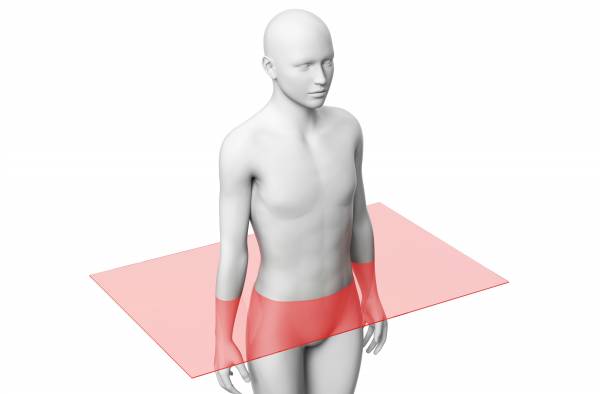
Identify the section or cut.
frontal section
lateral section
transverse section
sagittal section
The cranial cavity is _____ to the thoracic cavity.
inferior
anterior
peripheral
superior
Which one is hyaline cartilage?


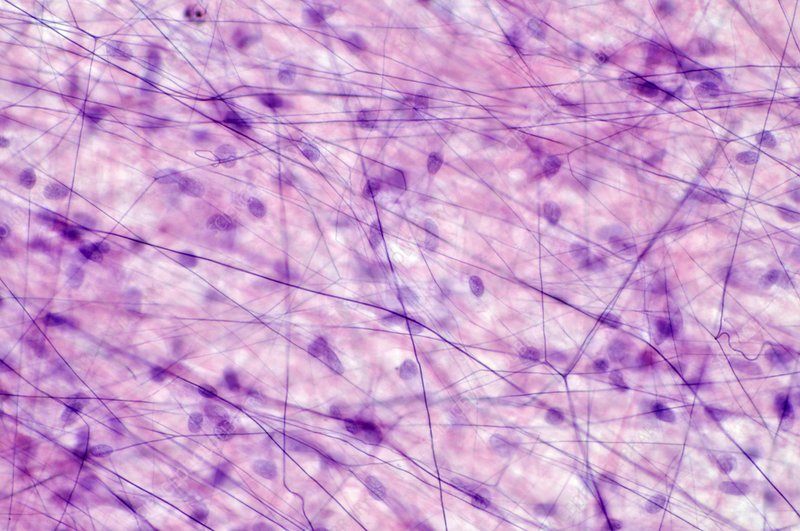
What type of tissue is this?
Loose areolar connective tissue
Dense Regular connective tissue
Hyaline Cartilage
Dense Irregular Connective tissue
Blood
Which of the following is not a function of epithelial tissue?
Movement
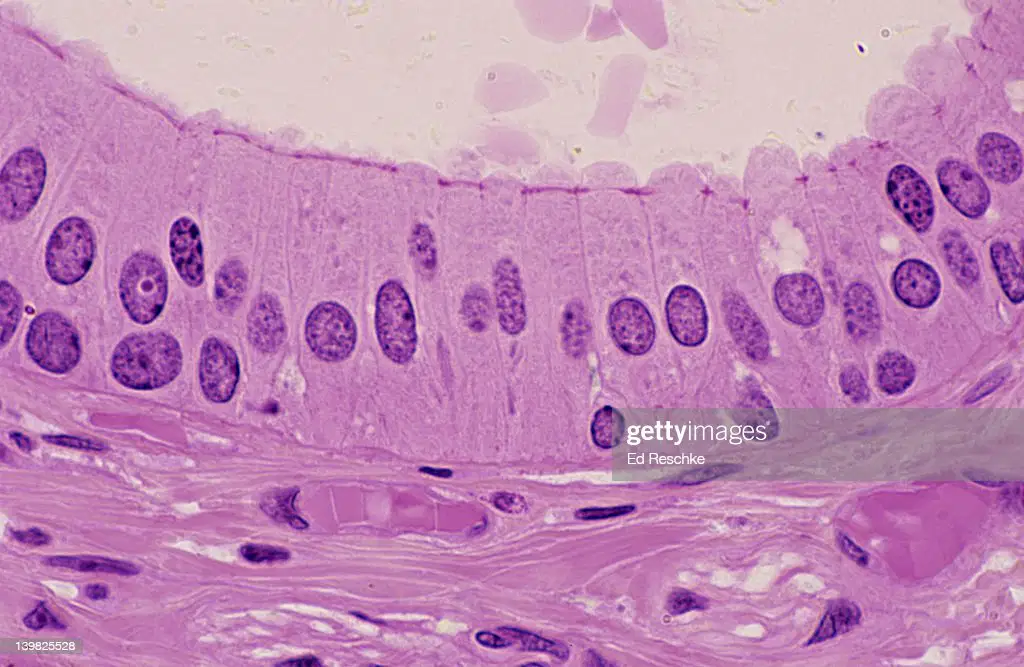
What it is this tissue? It is found in the trachea (airway) of the lungs.
simple cuboidal
simple columnar
simple squamous
pseudostratified columnar
Stratified squamous
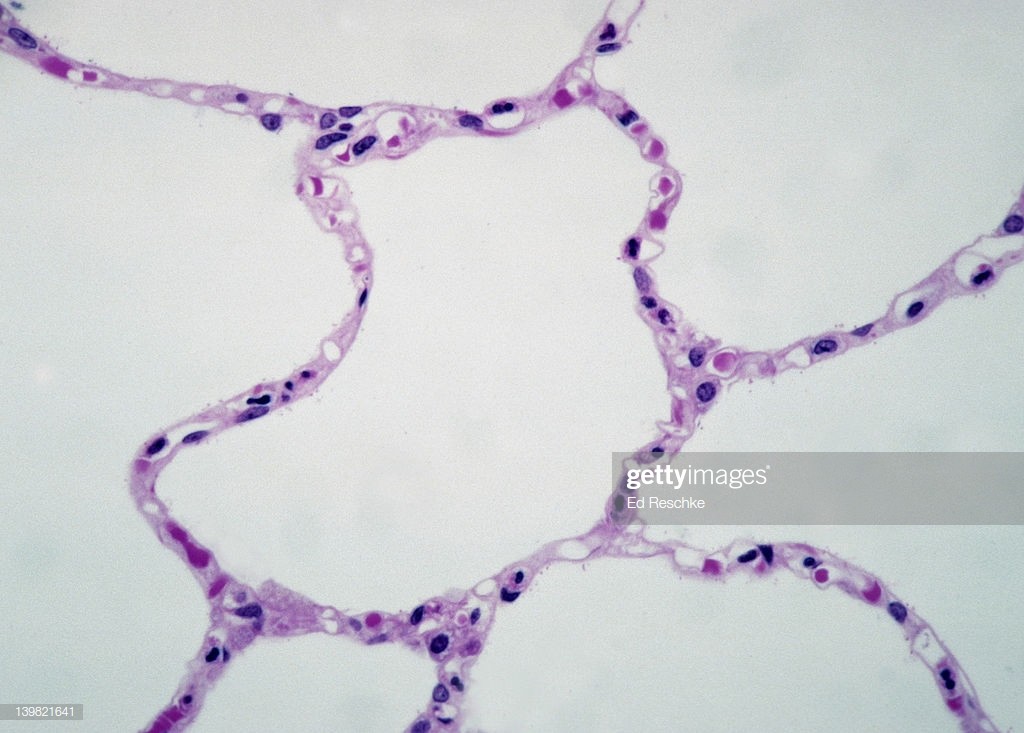
What type of epithelium lines the air sacs in this slide of lung tissue?
simple cuboidal
simple columnar
simple squamous
pseudostratified columnar
Stratified squamous
This type of muscle tissue is found only in the heart
Skeletal
Cardiac
Smooth

What layer of the skin is C
Epidermis
Dermis
Hypodermis
Subcutaneous Layer
Which tissue makes up the epidermis?
Simple Squamous
Stratified Squamous
Adipose Tissue
Reticular Connective Tissue
elastic fibers
collagen
What layer contains rapidly dividing cells?
Stratum basale
Stratum corneum
Stratum lucidum
Stratum granulosum
What is the correct order of epidermal layers from deep to superficial?
Basale, Spinosum, Granulosum, Lucidum, Corneum
Corneum, Lucidum, Granulosum, Spinosum, Basale
Lucidum, Corneum, Granulosum, Spinosum, Basale
Corneum, Lucidum, Basale, Granulosum, Spinosum
Arrector Pili is
smooth muscle attached to hair follicles to raise and lower hair
smooth muscle attached to the epidermis that opens pores
smooth muscle attached to sweat glands to force sweat onto epidermis
Connective Tissue that supports and hold the hair follicle in place
What is the major function of a merocrine sweat gland?
Protection from the external environment.
Regulate body temperature.
Heat retention.
Immune protection.
What types of cells found in the epidermis contain nerve endings that are touch receptors?
Keratinocytes
Langerhans cells
Melanocytes
Merkel cells

What is number 11?
Hair Shaft
Hair Follicle
Hair Root
Hair Matrix
What part of the hair is the location of active cell growth within the hair?
Hair matrix
Hair follicle
Hair shaft
Hair bulge
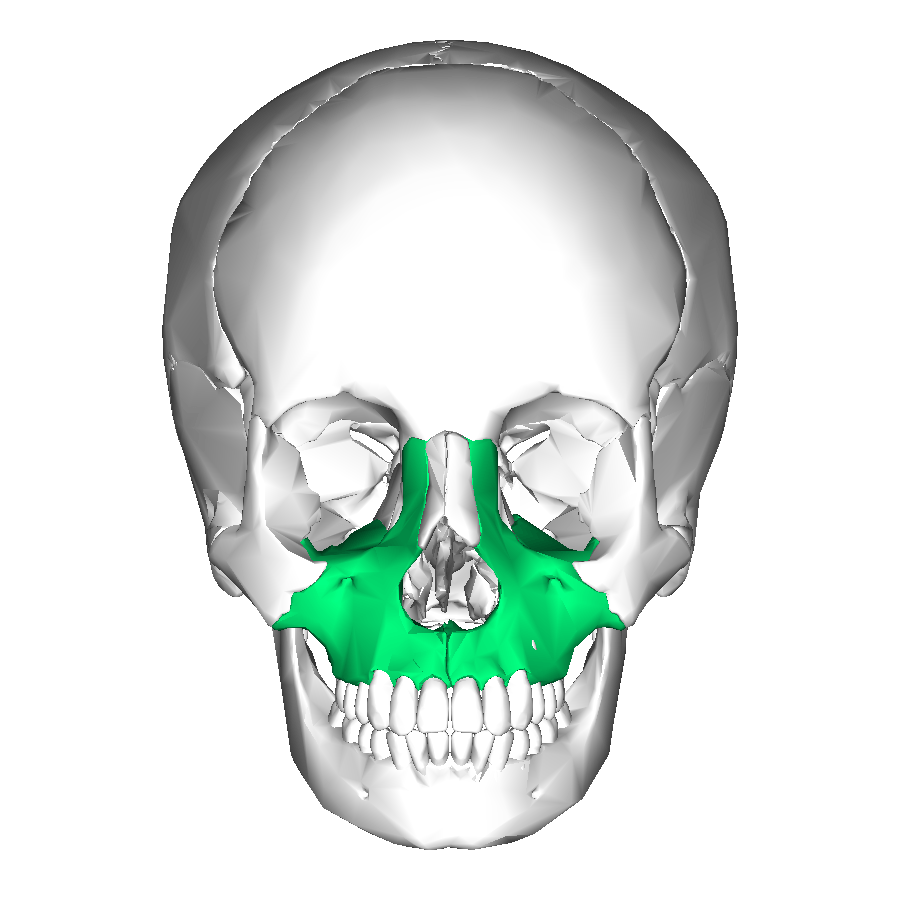
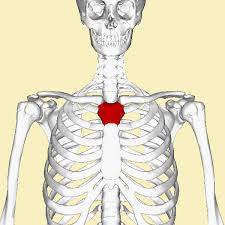

The name of the blue bone under the eye
parietal bone
zygomatic bone
sphenoid bone
mandible

The purple bone on the side of the head
lacrimal bone
sphenoid bone
ethmoid bone
temporal bone

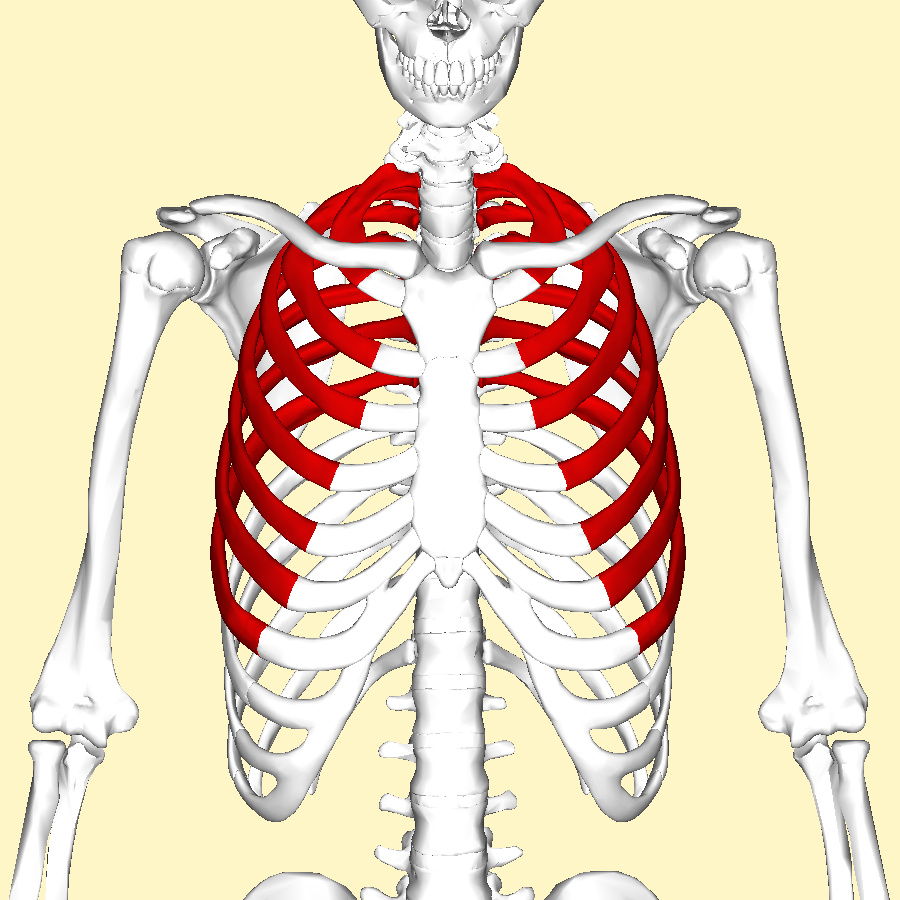
Which ribs are highlighted
true ribs
false ribs
floating ribs

What is the bone labeled 1?
ischium
pubis
ilium
acetabulum
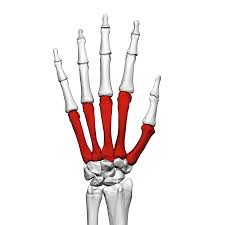
Which bones are highlighted
(a)

Which bones are highlighted
(a)

This bone is on the pinky side of your forearm
(a)

Name the bone shown in green.
(a)
Which of the following bones make up the pectoral girdle?
Scapula
Clavicle
Humerus
Ribs
Hip bones
Which of these is a flat bone?
Fibula
Phalanges
Tarsals

Structure A
(a)

Structure #11 is
(a)
The enlarged end of the bone.
Diaphysis
Epiphysis
Periosteum
Articular cartilage
Hollow space within the diaphysis, which contains the yellow marrow.
Medullary Cavity
Red marrow
Endosteum
Yellow marrow
Mesh-like tissue made of interconnecting trabeculae and spaces filled with red marrow
Compact bone
Epiphyseal plate
Spongy bone

X represents
Motor neuron
Synapse
Acetylcholine
Sarcolemma
What is the name of the plasma membrane surrounding each muscle fiber?
T Tubule
Sarcolemma
Sarcoplasm
Nucleus
What is released from the sarcoplasmic reticulum?
Inorganic phosphate
ADP
Calcium
ATP
The sliding filament theory of muscle contraction says
Actin and myosin filaments condense, thus causing the filament to shorten which in turn shortens the muscle
Myosin rotates and wraps actin around it making the muscle shorter
Friction is reduced between thin and thick filaments causing the thick filaments to move inside the thin
Actin filaments slide over myosin filaments, making the muscle shorter

What connective tissue is number 5?
perimysium
muscle fiber
fascicle
endomysium

This muscle abducts the arm and raise the arm?
(a)

The muscle helps to flex the elbow?
(a)

What muscle is shown here? It can shrug the shoulders, pull back and rotate the scapula?
(a)

What muscle is this? It helps to extend the elbow.
(a)

This muscle (K) allows to you to pull your head down, flex your head to the side, and rotate your head.
(a)
Identify the action of the zygomaticus?
chewing a hamburger
blowing bubbles
smiling at your friend
blinking

What is this muscle?
(a)

Identify the muscle. Flexes the vertebrae.
(a)

Identify the muscle. It helps to extend the knee and flex the hip.
(a)

Identify the muscle. It primarily helps to flex the knee.
(a)

Which muscle is #8? It helps to perform a plantar flexion.
(a)

ID # 25. It helps to abuct the hips and the thigh.
(a)
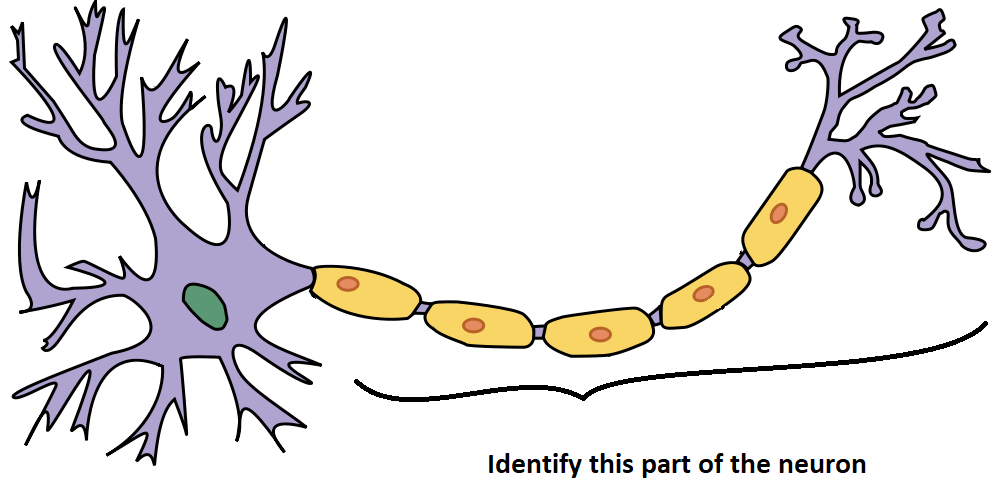
Nucleus
Cell Body
Axon
Node of Ranvier
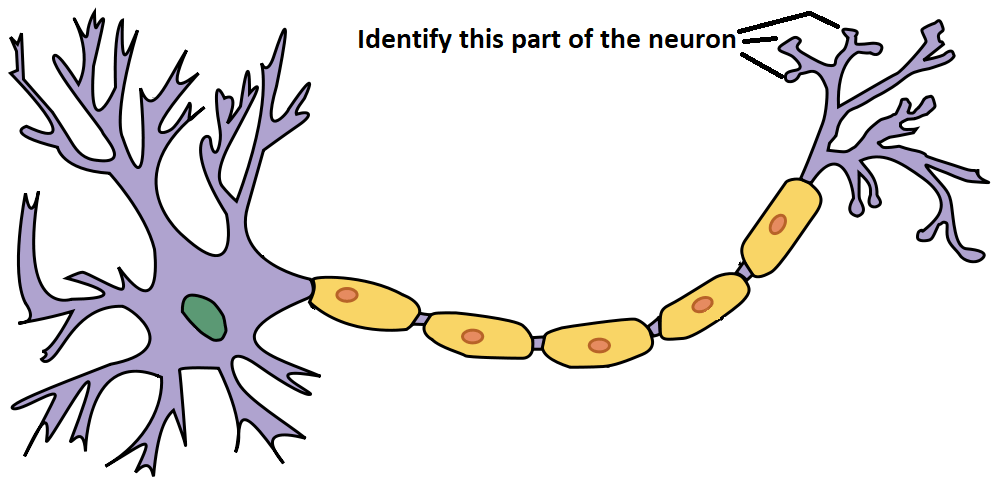
Dendrites
Axon Terminals
Myelin Sheath
Schwann Cells
What does the neuron's Myelin Sheath do?
Controls the actions of the neuron
Produces food for the neuron
Carries information from the cell body to other neurons
Surrounds and insulates the axon
The space between the axon terminal of the sending neuron and the dendrite or cell body of the receiving neuron.
axon
synapse
dendrite
cell body
Spinal Cord
PNS
CNS
Which of the following are examples of you using a motor nerve?
Grabbing a freezing cold cup of soda
Seeing a friend running towards you
Hearing an amazing Taylor Swift song
Feeling somebody's hand touch your shoulder
Brain to muscles?
Motor Nerves
Sensory Nerves
Afferent Nerves
Involuntary movement of muscles
Autonomic nervous system
Somatic nervous system
What would be an example of the autonomic nervous system?
Medulla oblongata controlling your breathing rate
Pons sending sensory information from cranial nerves to brain
Cerebellum sending impulses to skeletal muscles
Frontal lobe sending sensory impulses to your rectus femoris
Rest and digest?
Sympathetic Nervous System
Parasympathetic Nervous System
Part of the brain that controls the autonomic nervous system and manage homeostasis?
Thalamus
Hypothalamus
Cerebellum
Occipital Lobe
Corpus Callosum
Part of the brain involved with processing sensory information from skin?
Temporal Lobe
Frontal Lobe
Parietal Lobe
Occipital Lobe
Part of the brain involved with collecting and directing sensory information?
Thalamus
Hypothalamus
Corpus Callosum
Amygdala


Which letter identifies the corpus callosum?
(a)

