
 Worksheets
Fall Semester Review Chemistry
Total questions: 65
Worksheet time: 33mins
When considering valence electrons, which group will gain electrons when ionic bonding?
alkali metals
transition metals
halogens
noble gases

Which of the following elements will have metallic bonds at room temperature? Select TWO correct answers.
Krypton
Sodium
Argon
Calcium
Which type of bond is described by atoms donating electrons to stabilize other atoms?
Ionic bond
Covalent bond
Metallic bond
Hydrogen bond
Atoms are bound together by shared electrons in which type of bond?
Ionic bond
Covalent bond
Metallic bond
Hydrogen bond
Which type of bond results in molecules that have low polarity?
Ionic bond
Covalent bond
Metallic bond
Hydrogen bond
The resultant molecules have no definite shape in which type of bond?
Ionic bond
Covalent bond
Metallic bond
Hydrogen bond
Which of the following is a correct Lewis Dot diagram for an ionic bond?
F. H : O : H
G. Na : Cl :
H. : O : Si : O :
J. Li⁺ : Br⁻ :
What is the name of the compound HCl in its molecular form?
Hydrogen chloride
Hydrochloric acid
Sodium chloride
Methane
What type of bond is formed in HCl due to electron sharing?
Covalent
Ionic
Polar covalent
Polyatomic
What is the name of the compound NaCl as shown in its electron dot formula?
Sodium chloride
Hydrogen chloride
Hydrochloric acid
Methane
What type of bond is formed in NaCl due to electron transfer?
Ionic
Covalent
Polar covalent
Polyatomic
What is the name of the compound with the chemical formula CH₄?
Methane
Octane
Polyatomic
Ionic
What type of bond is formed in methane (CH₄) due to the sharing of electrons?
Covalent
Ionic
Polyatomic
Metallic
Based on the electron dot structure of CH₄, which element is at the center of the molecule?
Carbon
Hydrogen
Oxygen
Nitrogen
Based upon your knowledge of electronegativity and molecular geometries, which of the following molecules would have BOTH ionic and covalent bonds?
Methane (CH₄)
Ammonium nitrate (NH₄NO₃)
Ammonia (NH₃)
Octane (C₈H₁₈)
What type of ion is formed by losing electrons?
Cation
Anion
Neutron
Proton
Which of the following best describes an anion?
Positively charged ion
Negatively charged ion
Neutral atom
Ion formed by losing protons
A cation is:
Formed by gaining electrons
Negatively charged
Formed by losing electrons
Always a nonmetal
Which statement is true about anions?
They are formed by losing electrons
They are positively charged
They are formed by gaining electrons
They are always metals
A(n) ______ is only when non-identical atoms join together by chemical bonds.
element
molecule
compound
mixture
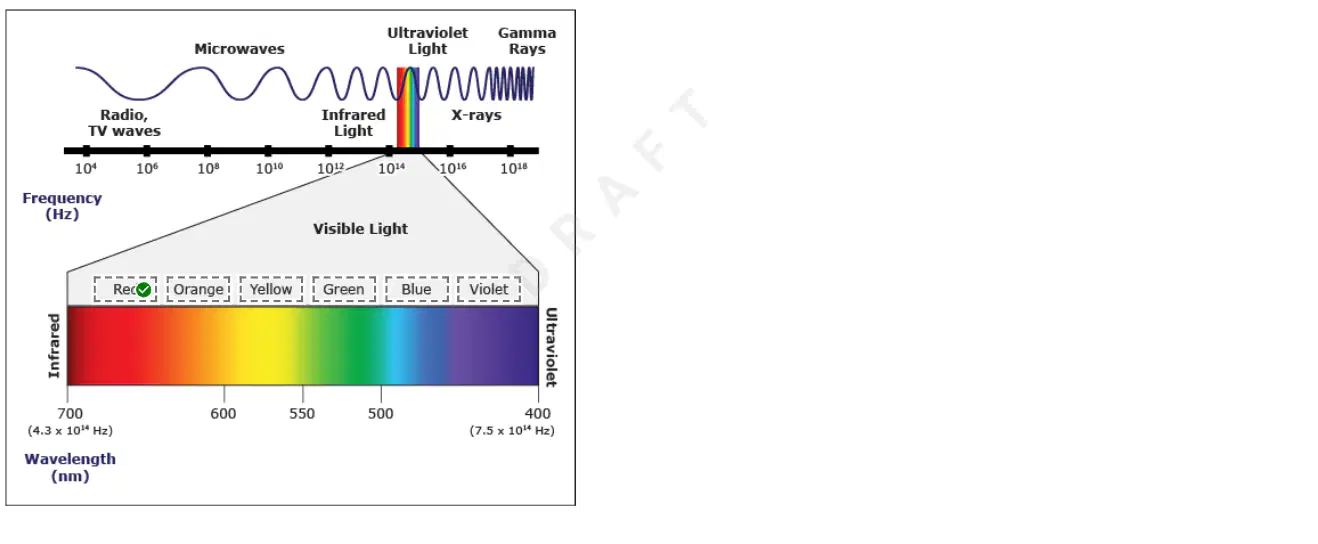
Which color of visible light has the lowest frequency and, thus, the lowest energy?
Red
Blue
Green
Violet
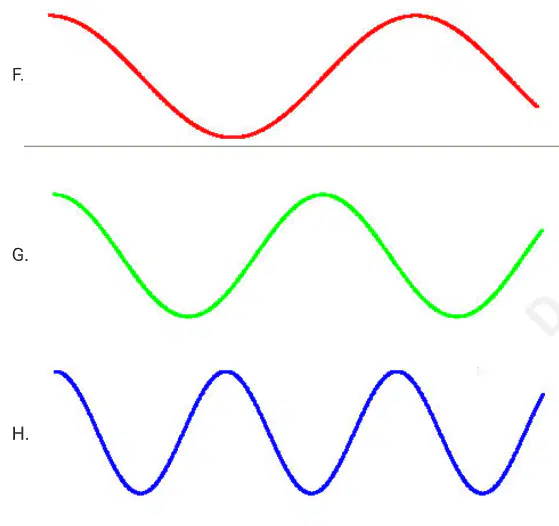
Which of the following waves would have the lowest energy?
The red wave
The green wave
The blue wave
All three waves have the same energy.
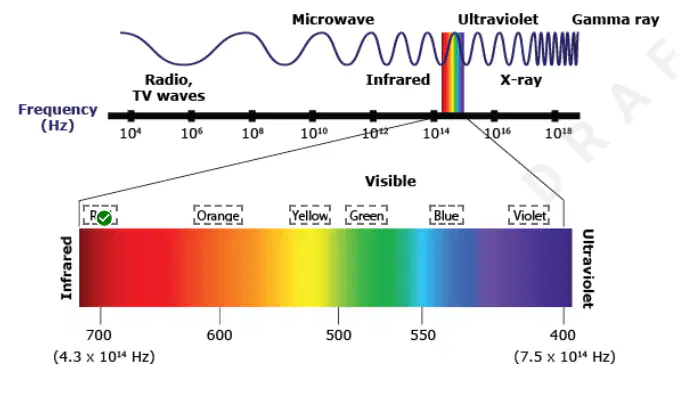
Which color of visible light has the lowest frequency, and therefore, the lowest energy?
Red
Blue
Green
Violet
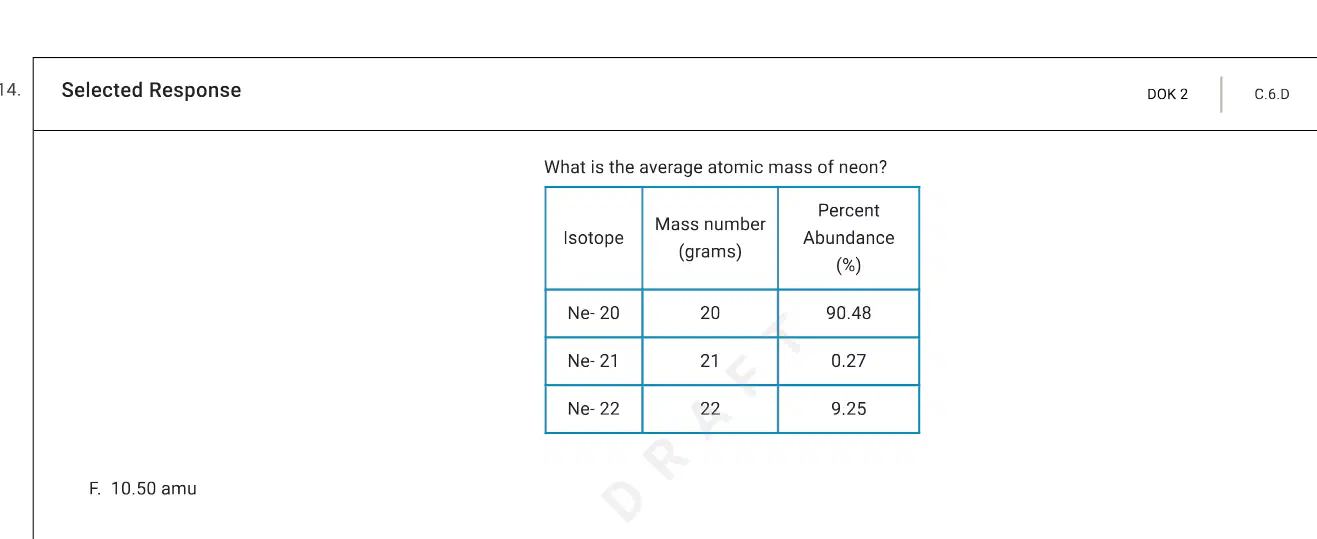
What is the average atomic mass of neon?
10.50 amu
20.19 amu
21.00 amu
2018.77 amu

How many protons, neutrons, and electrons are in an isotope of iron that has an atomic mass number of 54?
26 protons, 28 neutrons, 26 electrons
28 protons, 26 neutrons, 28 electrons
26 protons, 26 neutrons, 28 electrons
28 protons, 28 neutrons, 26 electrons
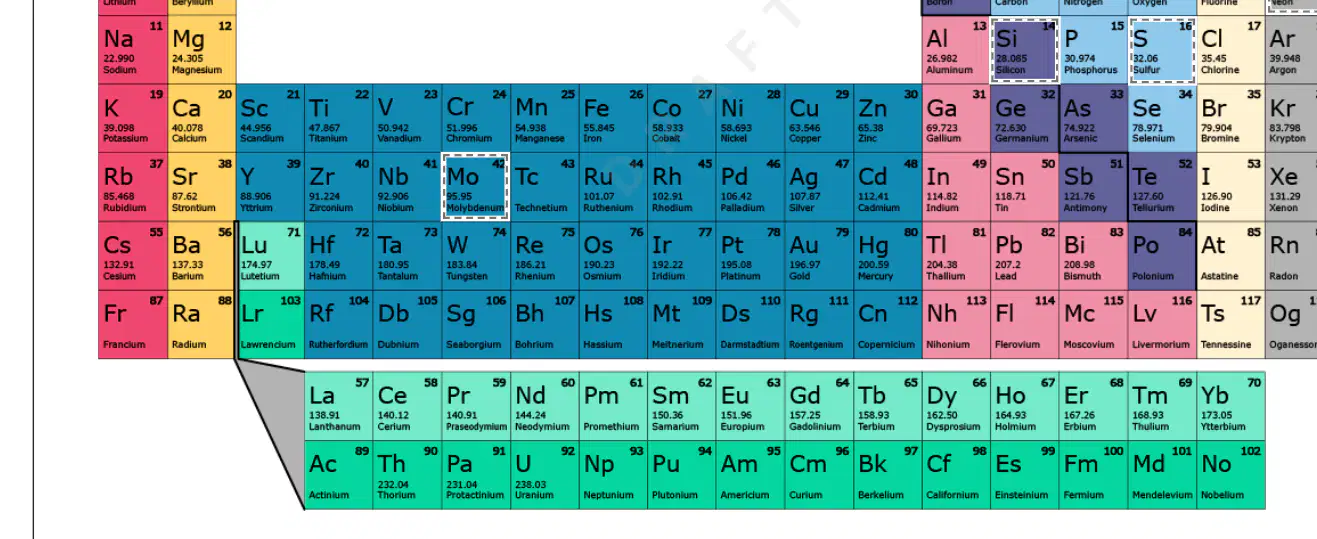
Which element from the periodic table has the electron configuration of 1s²2s²2p⁶?
Neon (Ne)
Oxygen (O)
Sodium (Na)
Fluorine (F)

What is the atomic number of Neon (Ne) in the periodic table?
8
10
12
18
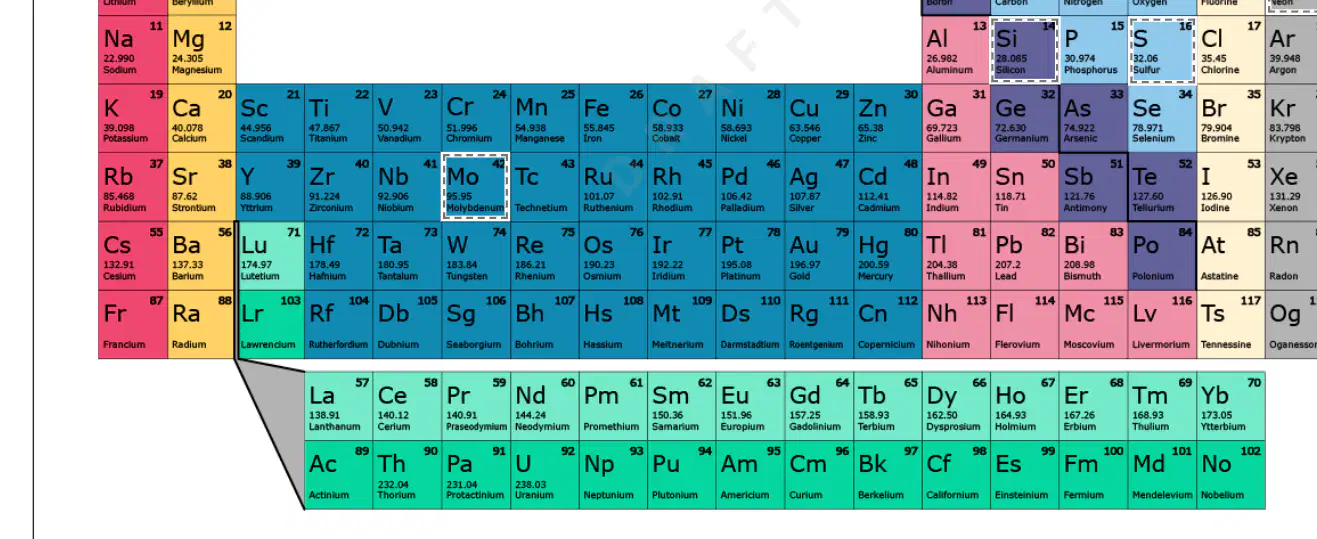
Using the periodic table, identify which group Neon (Ne) belongs to.
Alkali metals
Halogens
Noble gases
Transition metals
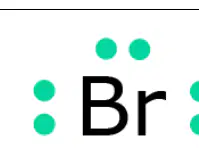
Which element will most likely form an ionic bond with bromine (Br) as shown in its Lewis dot structure in the diagram?
Sodium (Na)
Oxygen (O)
Carbon (C)
Neon (Ne)
What is the atomic number of Sulfur (S)?
16
32
6
3
How many valence electrons does Sulfur (S) have?
Six
Three
Sixteen
Thirty-two
Which of the following best describes Sulfur (S)?
Highly reactive nonmetal
Inert noble gas
Alkali metal
Transition metal
Based on the information provided, how many electron shells does Sulfur (S) have?
3
6
16
2
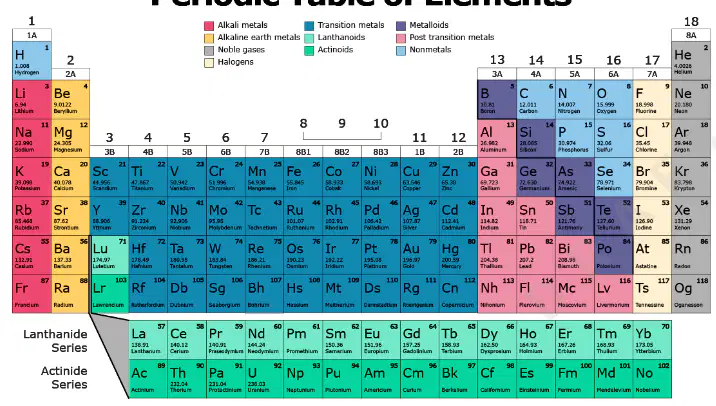
How many neutrons are in the nucleus of a germanium (Ge) atom with a mass number of 73?
41
32
73
33
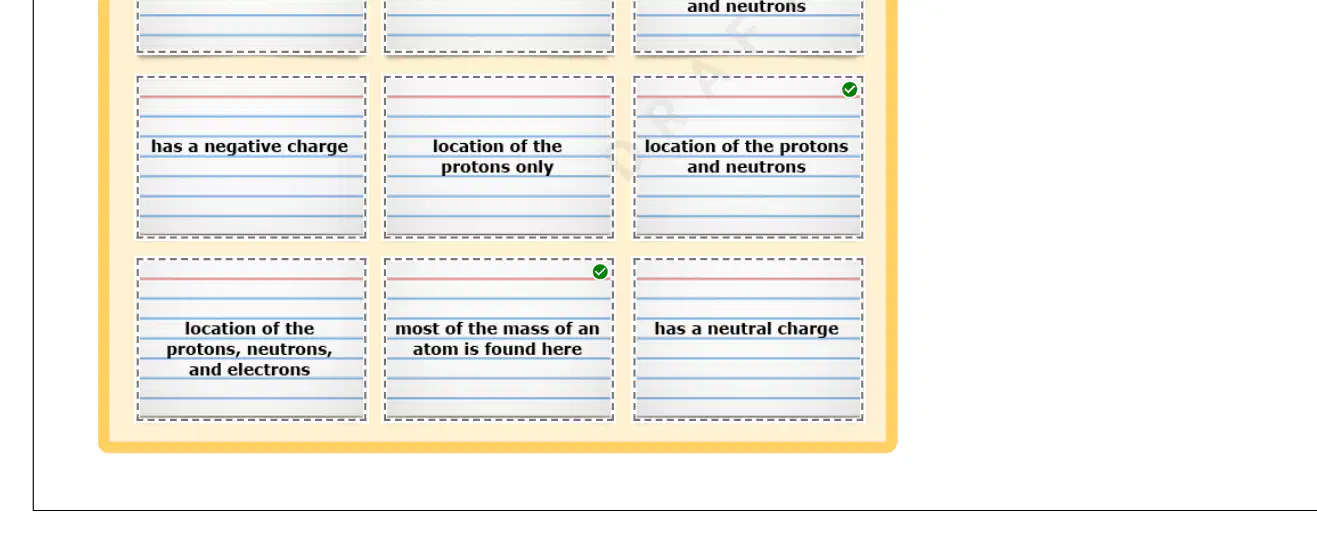
A group of students created a series of flashcards related to atomic structure. The flashcards are displayed in the table below. Which of the following flashcards contain statements that are true for the nucleus of an atom? Select THREE correct answers.
has a positive charge, location of the protons only, most of the mass of an atom is found here
has a negative charge, location of the protons and electrons, has a neutral charge
location of the protons, neutrons, and electrons, has a positive charge, has a neutral charge
location of the protons only, location of the protons and neutrons, has a negative charge
What is the atomic number of the element being studied in the example?
36
48
84
21
Which subatomic particle is positively charged in an atom?
Proton
Electron
Neutron
Photon
How many neutrons are present in the nucleus of an atom with atomic number 36 and mass number 84?
48
36
84
21
In the described atom, what is the name of the negatively charged particles orbiting the nucleus?
Electrons
Protons
Neutrons
Ions
Given an atom with atomic number 36 and mass number 84, explain how you determine the number of neutrons in its nucleus.
Subtract the atomic number from the mass number.
Add the atomic number and mass number.
Multiply the atomic number by the mass number.
Divide the mass number by the atomic number.
Which subatomic particle is negatively charged and found in the electron cloud of an atom?
Proton
Neutron
Electron
Positron
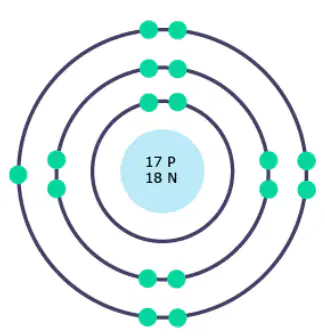
How many protons are present in the nucleus of a chlorine atom as shown in the Bohr model?
17
18
34
16
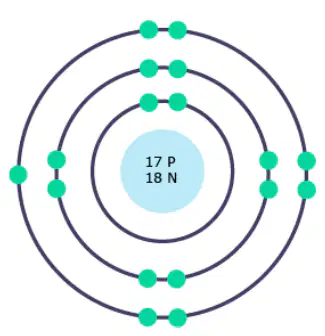
According to the Bohr model of chlorine, what is the number of neutrons in its nucleus?
17
18
34
16
If an atom has 17 protons and 17 electrons, what can you infer about its overall electric charge?
It is positively charged
It is negatively charged
It is neutral
It is an ion
Which model of the atom was used as a result of JJ Thomson's cathode ray experiments?
Plum pudding model
Nuclear model
Planetary model
Quantum mechanical model
What is the name of the element represented by the symbol Cl?
Chlorine
Carbon
Calcium
Chromium
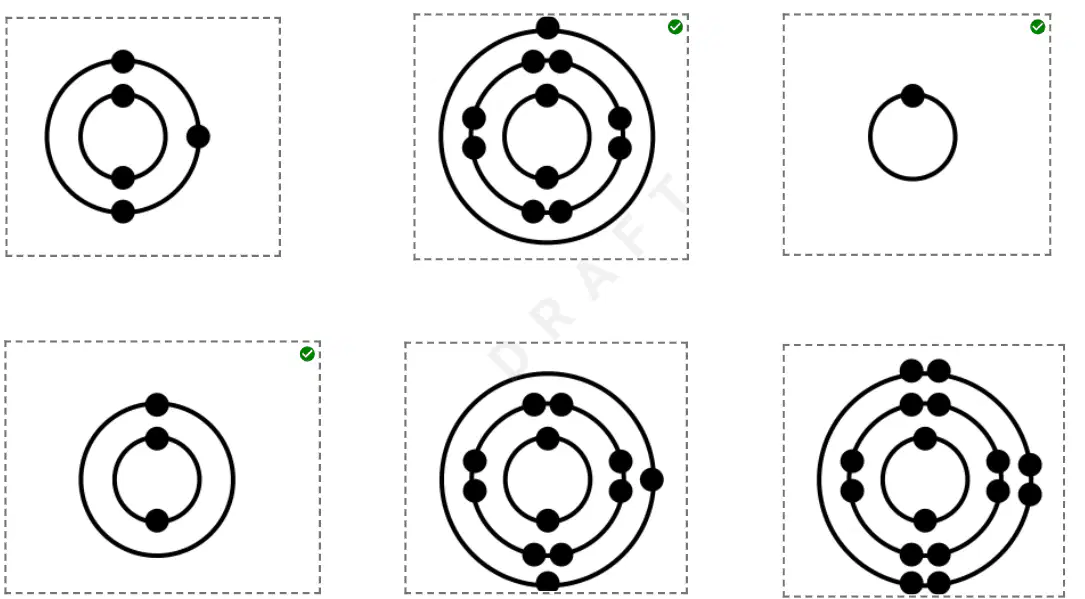
A student drew diagrams of atoms from six different elements. Which of the following atoms are of elements that have similar reactivity?
The atoms with one electron in their outermost shell
The atoms with completely filled outermost shells
The atoms with two electrons in their outermost shell
The atoms with three electrons in their outermost shell

Which element is represented by the symbol 'Na' in the Periodic Table of Elements?
Sodium
Nitrogen
Neon
Nickel

Which group in the Periodic Table contains the noble gases?
Group 1
Group 2
Group 17
Group 18
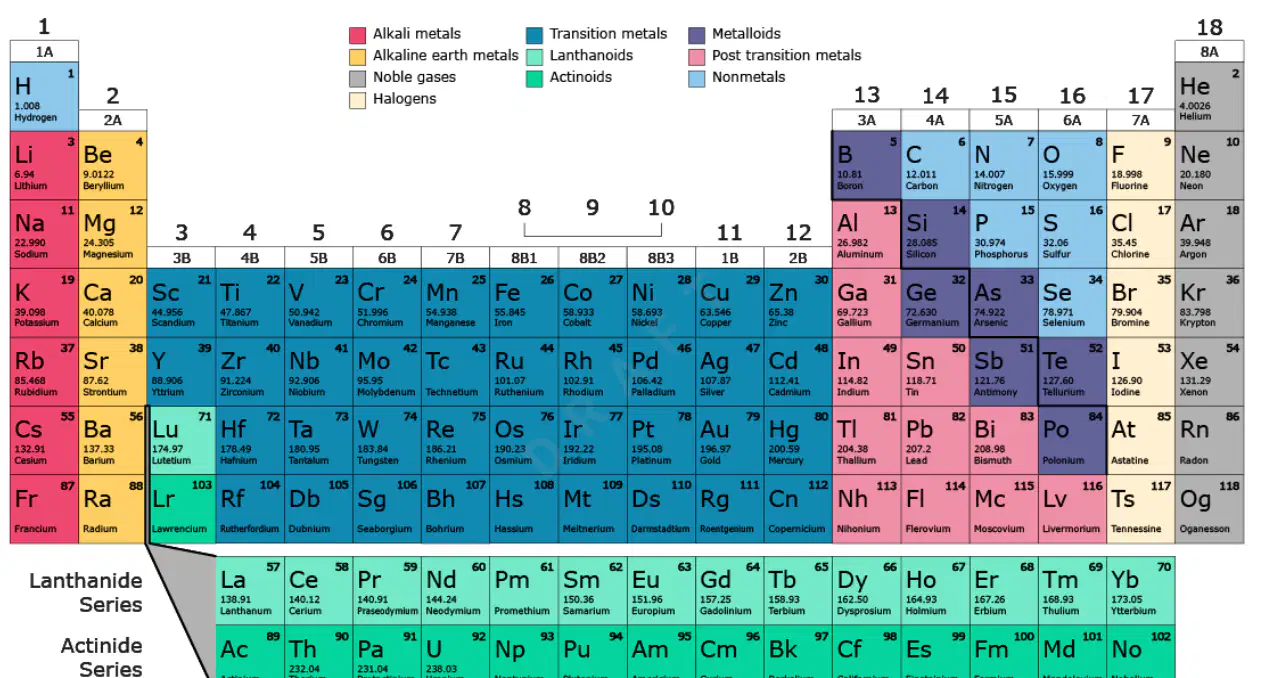
Which element has 3 energy levels and 4 valence electrons?
Silicon (Si)
Carbon (C)
Magnesium (Mg)
Phosphorus (P)

If an element is located in Group 2A and Period 3, what is its name?
Magnesium
Calcium
Sodium
Potassium

Which of the following is a transition metal?
Iron (Fe)
Oxygen (O)
Helium (He)
Lithium (Li)

How many protons does a Lithium (Li) atom have?
3
4
7
14
What is the number of valence electrons in a Nitrogen (N) atom?
5
3
7
1
Which element has 17 protons?
Chlorine (Cl)
Silicon (Si)
Argon (Ar)
Nitrogen (N)
How many valence electrons does Silicon (Si) have?
4
1
7
5
If an element has 1 valence electron and 3 protons, which element is it?
Lithium (Li)
Nitrogen (N)
Chlorine (Cl)
Silicon (Si)
Using the periodic table, explain why Chlorine (Cl) has 7 valence electrons.
Because it is in group 17, which means it has 7 electrons in its outer shell.
Because it is in group 1, which means it has 1 electron in its outer shell.
Because it is in group 14, which means it has 4 electrons in its outer shell.
Because it is in group 5, which means it has 5 electrons in its outer shell.
The development of the periodic table has been most helpful to which field of science?
astronomy
biology
chemistry
geology
Mendeleev organized the periodic table in order of increasing atomic ______. Later, Moseley organized the table in order of increasing atomic ______.
mass; number
number; mass
period; reactivity
weight; period
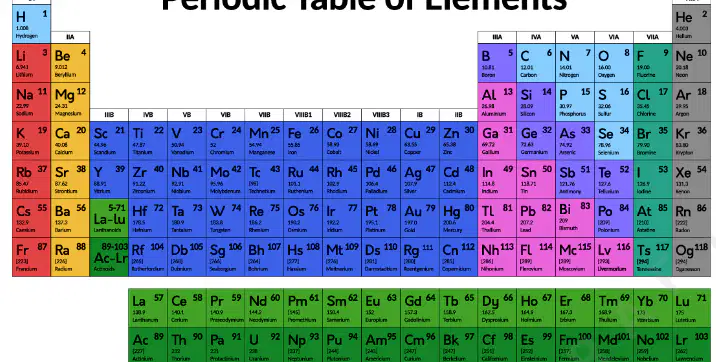
Atoms of which of the following elements are MOST similar in atomic mass to silver (Ag) atoms?
zinc (Zn)
gold (Au)
copper (Cu)
cadmium (Cd)
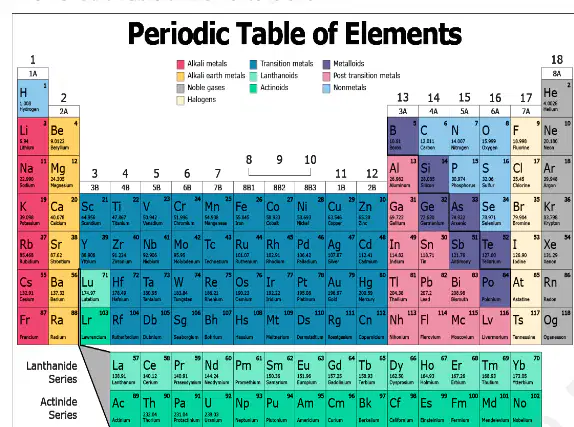
Halogens are used in disinfectants. Which elements might be suitable for similar applications based on their chemical properties?
sodium, chlorine, and magnesium
chlorine, bromine, and fluorine
potassium, carbon, and helium
aluminum, sulfur, and neon
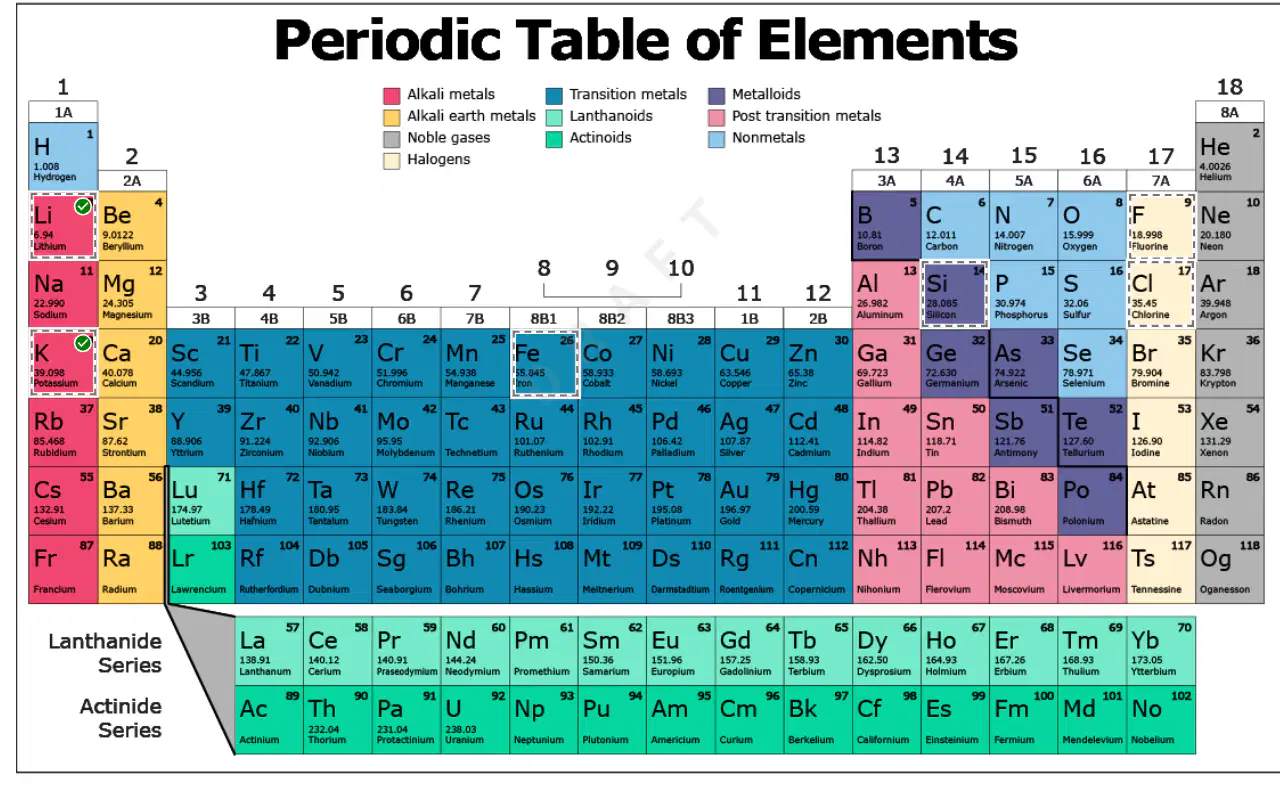
Which group does sodium (Na) belong to on the periodic table?
Alkali metals
Noble gases
Halogens
Transition metals
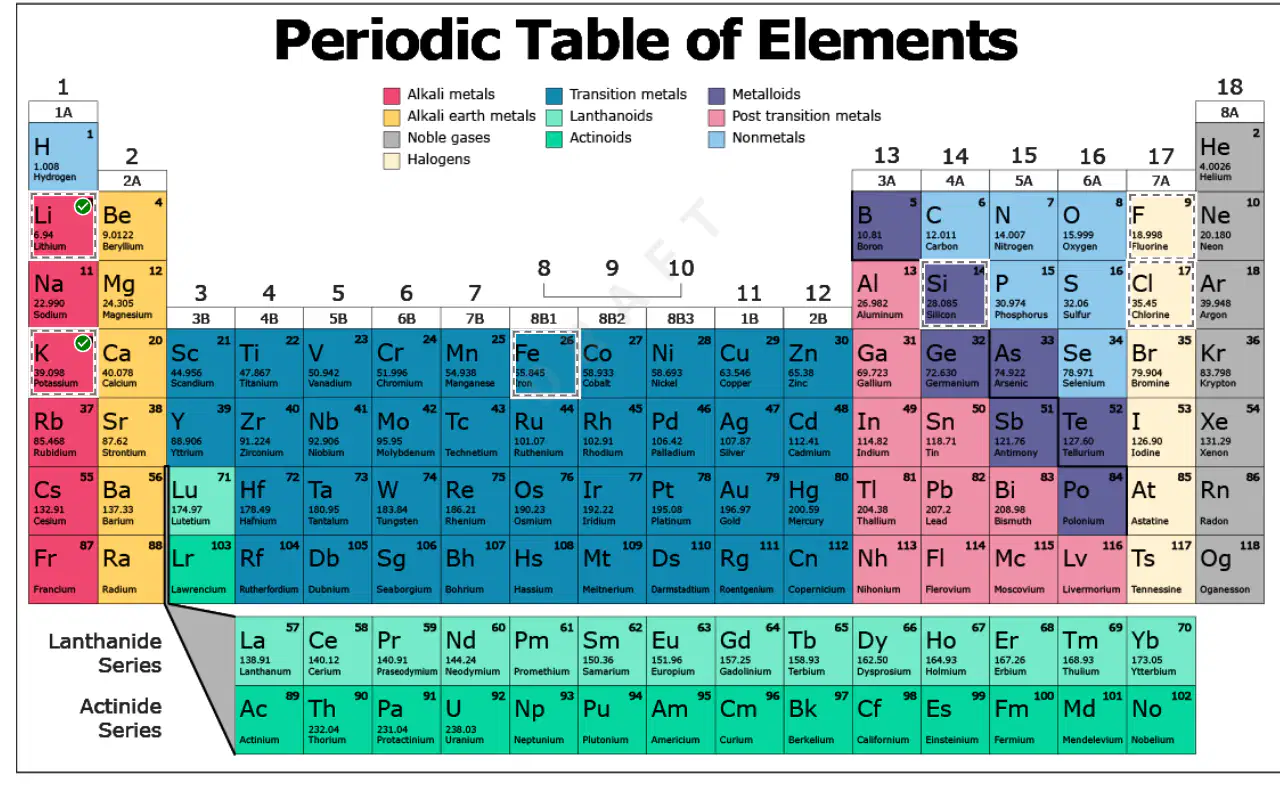
Which two elements, based on their chemical properties, are most likely to form compounds similar to sodium in salt compounds?
Potassium (K) and Lithium (Li)
Oxygen (O) and Nitrogen (N)
Iron (Fe) and Copper (Cu)
Neon (Ne) and Argon (Ar)

Explain why elements in the same group as sodium are likely to form similar compounds.
They have similar valence electron configurations.
They have the same atomic number.
They are all gases at room temperature.
They are all transition metals.

