
 Worksheets
2025 Semester 1 Exam
Total questions: 53
Worksheet time: 27mins
Name
Class
Date
1.
Which of the following is NOT a feature of Pedro that is different from penguin species today?
a)
His height (5ft)
b)
Lived in South America
c)
Long pointy beak
d)
Large Feet
2.
Which of the following is NOT a similarity between Pedro and penguin species today?
a)
Deep diver
b)
Live in the Southern Hemisphere
c)
Live in South America
d)
Long pointy beak
3.
Based on features, which penguin species alive today might be more closely related to Pedro?
a)
Adelie
b)
Southern Rockhopper
c)
Emperor
d)
Macaroni
4.
Which diving ability do most penguins have today?
a)
Deep diver
b)
Medium diver
c)
Shallow diver
5.
What kind of information can't we get from looking at fossils?
a)
Look at their features to see what they have in common with species today.
b)
How the earth looked millions of years ago.
c)
How long ago something lived.
d)
What something smelled like.
6.
What is NOT a way that living things could be connected to one another?
a)
Same climate
b)
Once could be an ancestor to another.
c)
Different textured skin
d)
Similar traits or variations
7.
What parts of an organism are usually left to fossilize after they die?
a)
Skin
b)
Organs
c)
Hair
d)
Bones
8.
What causes bones to fossilize?
a)
Water filling in the bones.
b)
The sun breaking down the soft parts.
c)
The fact that bones are hollow.
d)
Natural cement filling in the bones.
9.
__________________________from wind and rain can wear away the land and expose fossils.
a)
Melting
b)
Erosion
c)
Hardening
d)
Freezing
10.
Sometimes both the ____________________________________and erosion cause fossils to become exposed.
a)
heat from the sun
b)
rising of rocks (movement of tectonic plates)
c)
time
d)
rising water levels
11.
Which term refers to any change in the heritable traits within a population across generations?
a)
evolution
b)
heredity
c)
family
d)
natural selection
12.
Why must farmer’s be careful about pesticides they use?
a)
Too little of pesticides doesn't kill enough bugs.
b)
Too little of pesticides forces the bugs to evolve rapidly.
c)
Too much pesticides kills too many bugs.
d)
Too much pesticides forces the bugs to evolve rapidly.
13.
Why is this a problem?
a)
The bugs aren't dying and eating too much of our food.
b)
The bugs are getting bigger and eating too much of our food.
c)
The bugs actually help our crops and too many are drying.
d)
The bugs are getting smaller.
14.
Why don’t doctors give as many prescriptions for antibiotics as they used to years ago?
a)
It's too expensive for people to afford.
b)
The bacteria and viruses are evolving too fast making antibiotics useless.
c)
The good bacteria and viruses are getting killed off.
d)
It's too difficult to make enough for everyone that needs it.
15.
How does this affect humans?
a)
People have less medicines to help them when they are sick.
b)
People are getting sick faster.
c)
People can't afford the medicine that is available.
d)
People don't need them anymore.
16.
Which cause of evolution refers to changes to genes in DNA. (Can be beneficial, harmful or neutral)?
a)
Mutation
b)
Non-random Mating
c)
Gene Flow
d)
Natural Selection
17.
What is an example of this cause?
a)
Female bird choosing a male with the brightest feathers.
b)
A child being born with two different colored eyes.
c)
A green beetle moving to a population of brown beetles.
d)
A population of green and brown beetles changing to only brown beetles, because the green color attracted predators.
18.
Which cause of evolution refers to any movement (flow) of genes from one population to another?
a)
Mutation
b)
Non-random Mating
c)
Gene Flow
d)
Natural Selection
19.
What is an example of this cause?
a)
Female bird choosing a male with the brightest feathers.
b)
A child being born with two different colored eyes.
c)
A green beetle moving to a population of brown beetles.
d)
A population of green and brown beetles changing to only brown beetles, because the green color attracted predators.
20.
Which term refers to when small changes in a trait occur over long periods of time based on how it helps a species survival and ability to reproduce?(Thumbs up for traits that help us survive.)
a)
Mutation
b)
Non-random Mating
c)
Gene Flow
d)
Natural Selection
21.
What is an example of this cause?
a)
Female bird choosing a male with the brightest feathers.
b)
A child being born with two different colored eyes.
c)
A green beetle moving to a population of brown beetles.
d)
A population of green and brown beetles changing to only brown beetles, because the green color attracted predators.
22.
Which cause of evolution refers to when organisms choose a mate based on certain traits? (If you like it then you better put a ring on it)
a)
Mutation
b)
Non-random Mating
c)
Gene Flow
d)
Natural Selection
23.
What is an example of this cause?
a)
Female bird choosing a male with the brightest feathers.
b)
A child being born with two different colored eyes.
c)
A green beetle moving to a population of brown beetles.
d)
A population of green and brown beetles changing to only brown beetles, because the green color attracted predators.
24.
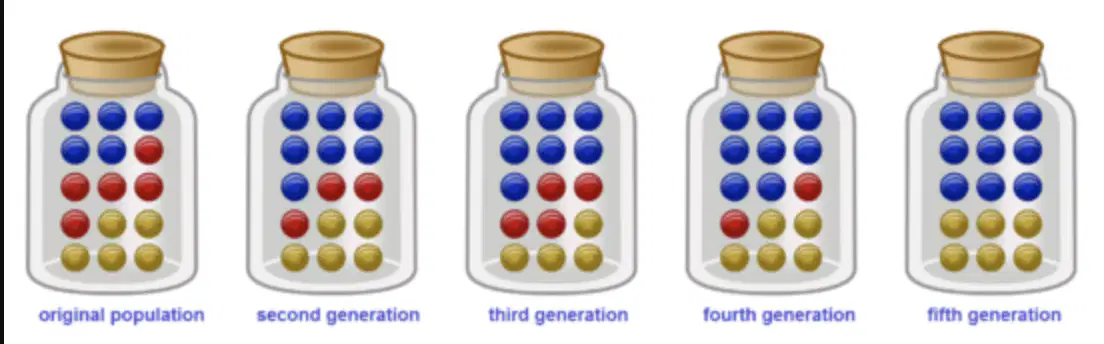
Which cause of evolution refers to the gradual loss of certain genes from a species–genes that may have been very important for that species’ survival?
a)
Mutation
b)
Genetic Drift
c)
Small Population
d)
Natural Selection
25.
What is an example of this cause?
a)
A population of brown and green beetles and someone happens by chance to step on a green beetle. There were less green beetles.
b)
A child being born with two different colored eyes.
c)
A green beetle moving to a population of brown beetles.
d)
A population of green and brown beetles changing to only brown beetles, because the green color attracted predators.
26.
Which cause of evolution involves a population shrinking and then chance taking over? (Pinkies up!)
a)
Mutation
b)
Genetic Drift
c)
Small Population
d)
Natural Selection
27.
How does non-random mating affect evolution?
a)
The beneficial traits are what show up most in populations.
b)
It affects how often certain traits show up in populations.
c)
The traits that are most desirable will show up most in populations.
d)
It allows for a different combination of traits in a population.
28.
How does mutation affect evolution?
a)
The beneficial traits are what show up most in populations.
b)
It affects how often certain traits show up in populations.
c)
The traits that are most desirable will show up most in populations.
d)
It allows for a different combination of traits in a population.
29.
How does natural selection affect evolution?
a)
The beneficial traits are what show up most in populations.
b)
It affects how often certain traits show up in populations.
c)
The traits that are most desirable will show up most in populations.
d)
It allows for a different combination of traits in a population.
30.
Which cause of evolution was our bird beak lab demonstrating?
a)
Mutation
b)
Gene Flow
c)
Genetic Drift
d)
Natural Selection
31.
_______was an evolutionary scientist who believed organisms developed traits they wanted in their lifetime.
a)
Alfred Wallace
b)
Jean-Baptiste Lamarck
c)
Charles Darwin
d)
Albert Einstein
32.
_______was a naturalist and developed the theory of Natural Selection from his studies in the Galapagos Islands.
a)
Alfred Wallace
b)
Jean-Baptiste Lamarck
c)
Charles Darwin
d)
Albert Einstein
33.
Darwin believed the finches on the Galapagos Islands shared a common ____________.
a)
Trait
b)
Food Source
c)
Environment
d)
Ancestor
34.
According to the evolution bird lab: A bird that is ________ adapted to its environment would NOT eat enough food.
a)
neutrally
b)
least
c)
best
d)
none of the above
35.
According to the evolution bird lab: A bird that is ________ adapted to its environment would eat enough food.
a)
neutrally
b)
least
c)
best
d)
none of the above
36.
who is the father of genetics?
a)
Mendel
b)
Franklin
c)
Watson & Crick
d)
Einstein
37.
_____________ refers to general characteristics or features of an individual
a)
variation
b)
trait
c)
genotype
d)
phenotype
38.
___________ refers to the differences within each characteristic of an individual.
a)
variation
b)
trait
c)
genotype
d)
phenotype
39.
__________refers to the physical appearance or what we see of a trait in an individual.
a)
variation
b)
trait
c)
genotype
d)
phenotype
40.
Which term refers to the combination of alleles an organism has of a certain gene?
a)
variation
b)
trait
c)
genotype
d)
phenotype
41.
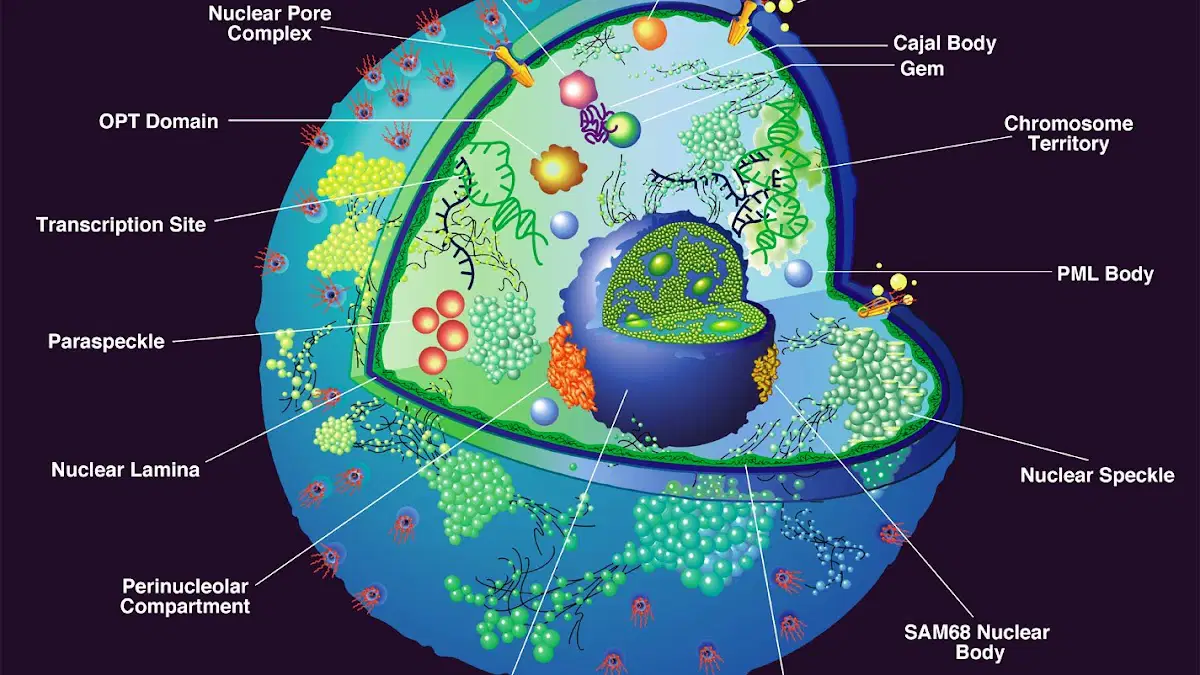
___________is where the chromosomes are located in a cell.
a)
nucleus
b)
pedigree
c)
chromosome
d)
karyotype
42.
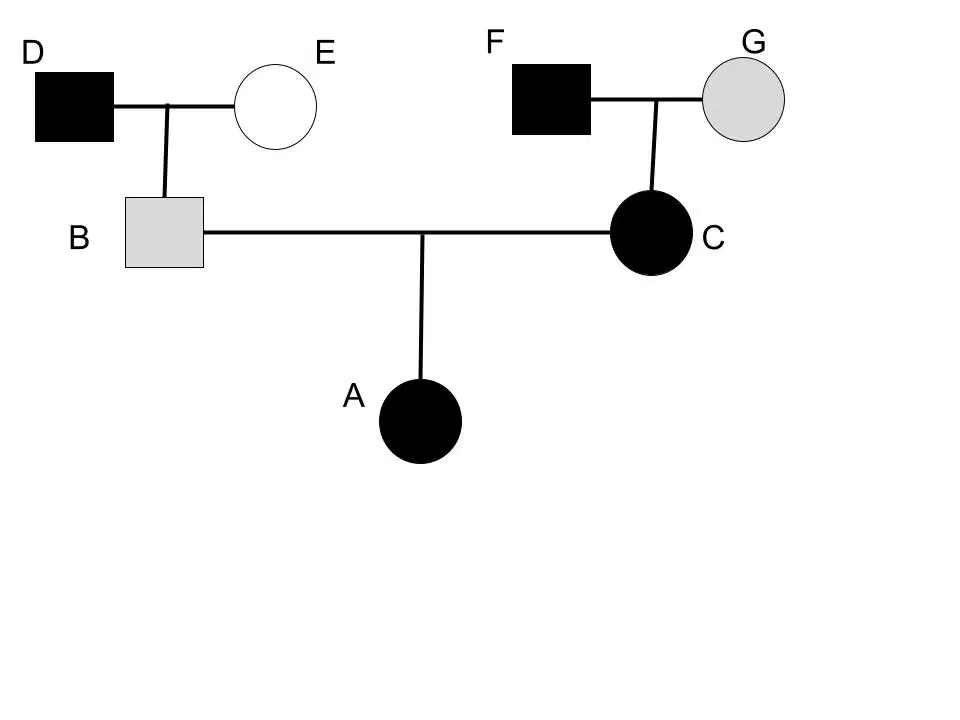
____________refers to a way to organize and keep track of the biological relationship between parents and offspring.
a)
nucleus
b)
pedigree
c)
chromosome
d)
karyotype
43.
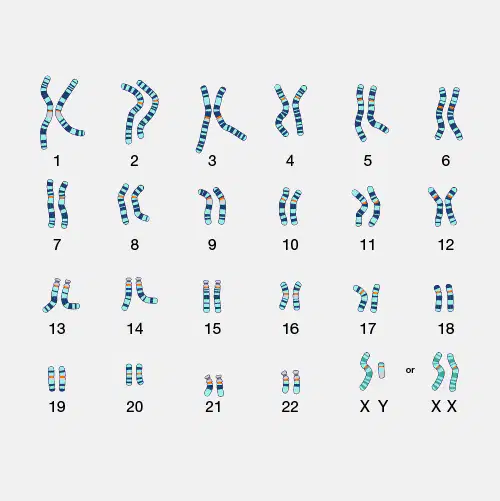
________refers to a method of organizing chromosomes to help show the contribution of one chromosome from each parent to an offspring.
a)
nucleus
b)
pedigree
c)
chromosome
d)
karyotype
44.
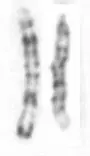
_______refers to the threadlike structures found in every organism that are passed from parents to offspring in egg and sperm cells.
a)
nucleus
b)
pedigree
c)
chromosome
d)
karyotype
45.
Which term refers to sequences of DNA found on a specific region of a chromosome?
a)
heredity
b)
dominant
c)
gene
d)
recessive
46.
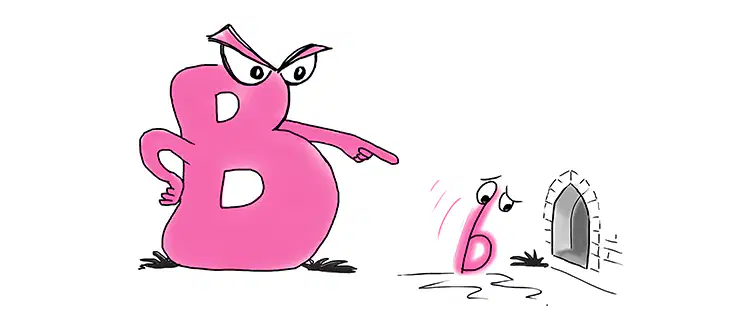
Which term refers to when an allele of a gene overrules the other allele? It is represented by a capital letter.
a)
heredity
b)
dominant
c)
gene
d)
recessive
47.
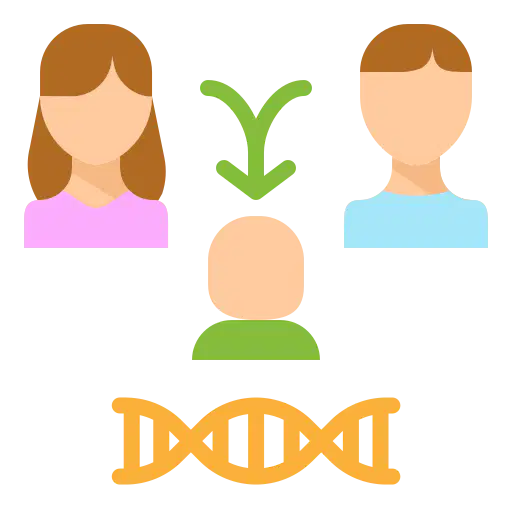
Which term refers to when certain traits are passed from parents to children?
a)
heredity
b)
dominant
c)
gene
d)
recessive
48.
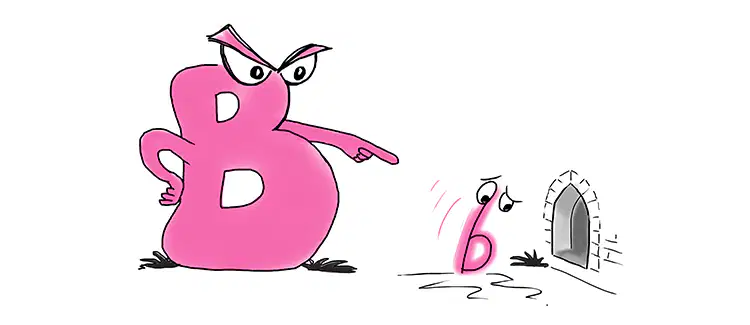
Which term refers to the allele that is overruled by the other allele? It is represented by a lowercase letter.
a)
heredity
b)
dominant
c)
gene
d)
recessive
49.
Which of the following genotypes is homozygous dominant?
a)
MM
b)
nn
c)
Oo
d)
Jj
50.
Which of the following genotypes is homozygous recessive?
a)
MM
b)
nn
c)
Oo
d)
Jj
51.
Which of the following genotypes is heterozygous?
a)
MM
b)
nn
c)
Oo
d)
jj
52.
Which of the following has ALL of the genotypes that would show a DOMINANT trait?
a)
HH
b)
hh
c)
Hh
d)
HH and Hh
53.
Which of the following has ALL of the genotypes that would show a RECESSIVE trait?
a)
HH
b)
hh
c)
Hh
d)
HH and Hh
100 %

