wayground logo

Free Printable Worksheets

Font size

S
M
L
XL
Worksheets

Midterm Reaview

Total questions: 102

Worksheet time: 2hrs 57mins

Name
Class
Date
1.
Which biomolecule contains pastas and breads?
a)
Lipid
b)
Protein
c)
Nucleic Acid
d)
Carbohydrate
2.
Which biomolecule is responsible for insulation and energy storage?
a)
Protein
b)
Nucleic Acid
c)
Lipid
d)
Carbohydrate
3.
Which biomolecule has sugars and starches?
a)
Lipids
b)
Proteins
c)
Carbohydrates
d)
Nucleic Acid
4.
Which biomolecule is made of amino acids?
a)
Nucleic Acid
b)
Carbohydrate
c)
Protein
d)
Lipid
5.
Which biomolecule is your main source of energy?
a)
Nucleic Acid
b)
Protein
c)
Lipid
d)
Carbohydrate
6.

A student makes a Venn diagram to compare the functions of carbohydrates and lipids.

Which function of carbohydrates and lipids should be placed in the shared section of the Venn diagram?

a)

Hormone production

b)

Structural support of cell walls

c)

Energy storage

d)

Catalyst for chemical reactions

7.
ALL polymers (large molecules) are made up of...
a)
monosaccharides
b)
monomers
c)
proteins
d)
None of these
8.
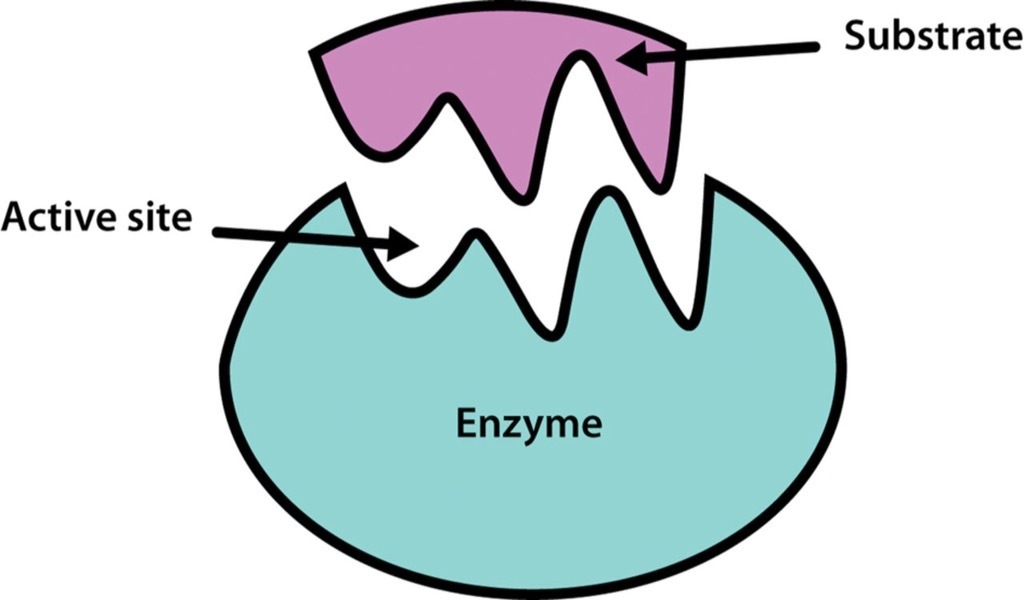
What is the purpose  of an enzyme?
a)
give permission for the reaction
b)
raise activation energy
c)
speed up reactions
d)
control how many reactions occur
9.
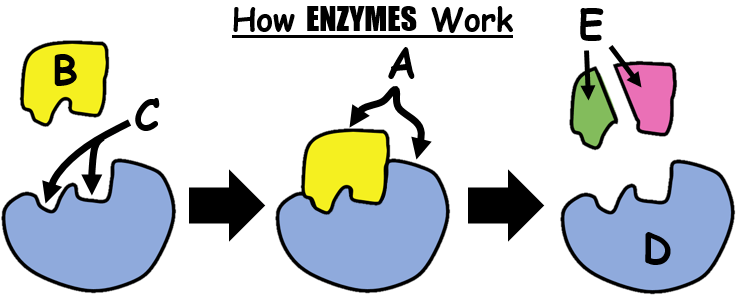
Letter D...
a)
active site
b)
enzyme
c)
substrate
d)
products
10.
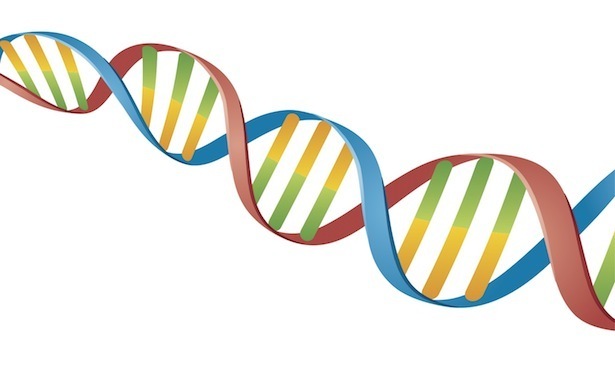
What is the function of a nucleic acid?
a)
Stores genetic information
b)
Stores energy
c)
Quick source of energy
d)
Builds structures
11.
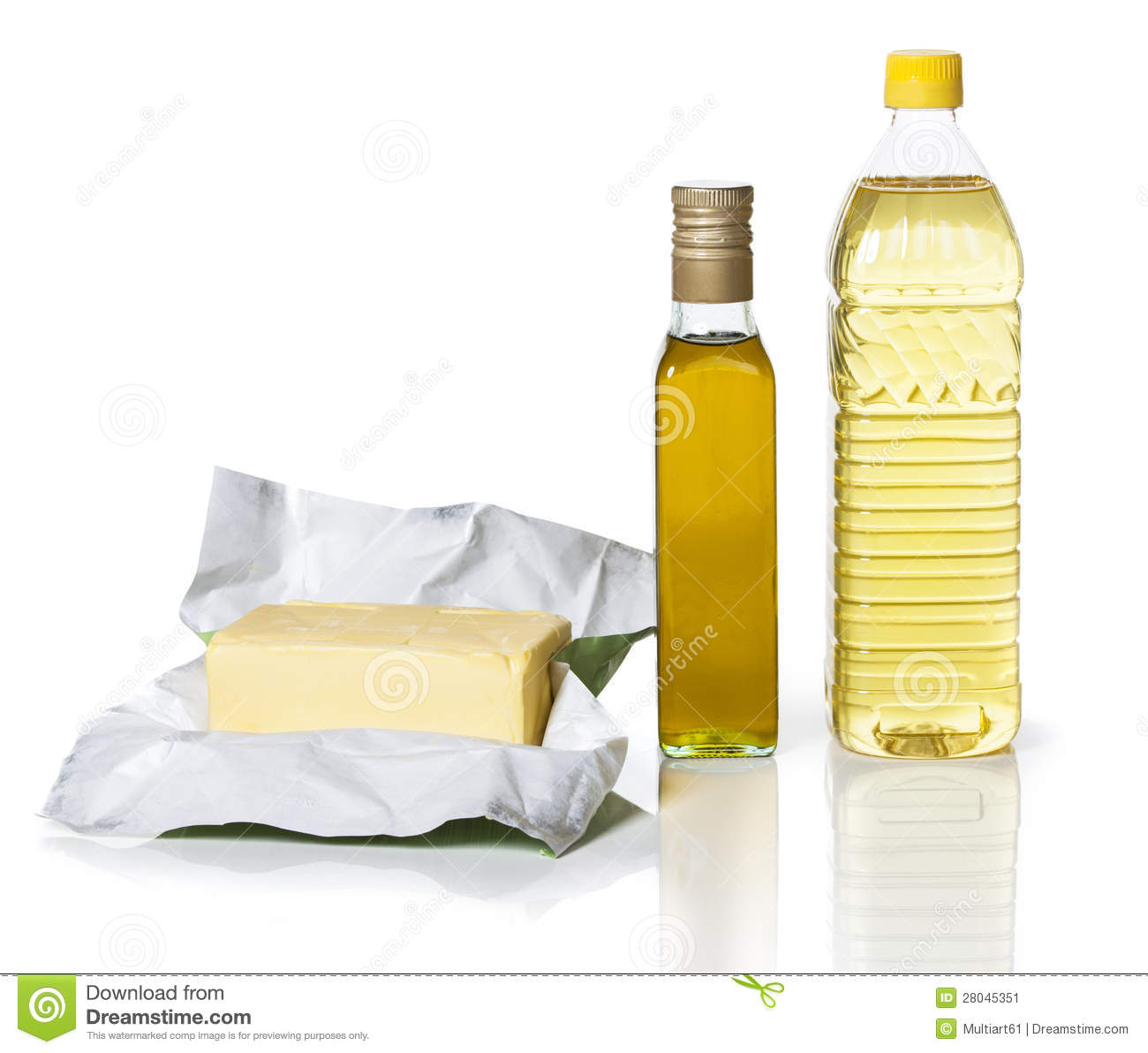
Which biomolecule is found in fats, oils, and waxes and is a source of long-term energy
a)
Proteins
b)
Nucleic Acid
c)
Lipids
d)
Carbohydrate
12.
What biomolecule do enzymes belong to? 
a)
Carbohydrate
b)
Lipid
c)
Nucleic Acid
d)
Protein
13.

This is a what?

a)

phospholipid

b)

triglyceride

c)

carbohydrate

d)

protein

14.

Which biomolecule includes fats, such as triglycerides, oils, phospholipids, or cholesterol; insoluble in water; provides energy storage, insulation, part of cell membrane, and hormones

a)

Nucleic Acid

b)

Lipids

c)

Carbohydrate

d)

Protein

15.
Which biomolecule is important source of energy for humans; glucose for human cells, tissues, and organs; provides fiber, sugar, and starches; provides structural support, cell wall, and cell membrane maker?
a)
Nucleic Acid
b)
Lipid
c)
Carbohydrate
d)
Protein
16.
Which biomolecule functions include enzymes­ which speeds the rate of chemical reactions, structural components in cells, mechanical functions in muscles and cytoskeleton, cell signaling, and immune response; provides structure and helps with chemical reactions 
a)
Protein
b)
Lipids
c)
Carbohydrate
d)
Nucleic Acid
17.

Which biomolecule is made of nucleotides and contain you DNA & RNA?

a)

Carbohydrate

b)

Lipids

c)

Protein

d)

Nucleic Acid

18.

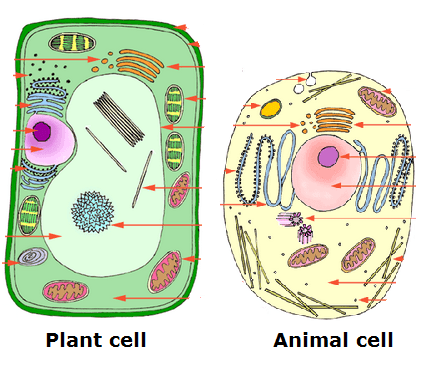
What distinguishes a plant cell from an animal cell? (How do you tell them apart) Hint: There's 3 ways (Check all 3)

a)

Large Central Vacuole

b)

Mitochondria

c)

Cell Wall

d)

Ribosomes

e)

Chloroplasts

19.
Which type of cell came first?
a)
Eukaryotic
b)
Prokaryotic
c)
Plant
d)
Both Eukaryotic and Prokaryotic cells evolved around the same time
20.

What is one way in which all living things on Earth are alike?

a)

All living things have hair.

b)

All living things are made of cells and come from other cells.

c)

The cells of all living things have chloroplast.

d)

All living things eat other organisms for nutrition.

21.

Which type of cell has membrane bound organelles?

a)

Prokaryotic cells

b)

Bacteria cells

c)

Eukaryotic cells

d)

E-coli bacterium

22.

Jayden knows that multicellular organisms are more complex than unicellular organisms. Which of these is a characteristic of multicellular organisms?

a)

obtaining food

b)

breathing

c)

being able to move

d)

having specialized cells

23.

a type of cell that DOES NOT have a nucleuse (Hint: NO nucleus)

a)

prokaryotic cell

b)

eukaryotic cell

24.

Prokaryotes were the first type of organism to evolve.

a)

True

b)

False

25.

Which is a more complex cell?

a)

Prokaryotic Cell

b)

Euglena

c)

Eukaryotic Cell

d)

Bacteria

26.

Prokaryotes...

a)

lack membrane-bound organelles

b)

have membrane-bound organelles

27.

The red arrow is pointing at the __________ and the green arrow is pointing at the ___________.

a)

Products; Reactants

b)

Beginning; End

c)

Reactants; Products

d)

Left; Right

28.

Match the process with the correct organelle.

a)

Photosynthesis occurs in the chloroplast; Respiration occurs in the chloroplast

b)

Photosynthesis occurs in the mitochondria; Respiration occurs in the ribosome

c)

Photosynthesis occurs in the chloroplast; Respiration occurs in the mitochondria

d)

Photosynthesis occurs in the ribosome; Respiration occurs in the mitochondria

29.

Which of the following are the reactants of photosynthesis?

a)

O2 + CO2 + Sunlight

b)

H2O + Glucose + Sunlight

c)

ATP + CO2

d)

H2O + CO2 + Sunlight

30.

Which of the following are the products of photosynthesis?

a)

O2 + Glucose

b)

Glucose + Sunlight

c)

Glucose + CO2

d)

CO2 + Sunlight

31.

How are photosynthesis and respiration related?

a)

ATP is a product of both reactions

b)

The same products are made in both reactions

c)

The two processes occur in the same organelle

d)

The products of one are the reactants of the other

32.

Which process is shown in the picture? Where does it occur?

a)

Photosynthesis; Mitochondria

b)

Photosynthesis; Chloroplast

c)

Respiration; Mitochondria

d)

Respiration; Chloroplast

33.

Which process is shown in the picture? Where does it occur?

a)

Photosynthesis; Mitochondria

b)

Photosynthesis; Chloroplast

c)

Respiration; Mitochondria

d)

Respiration; Chloroplast

34.

Does this statement describe PHOTOSYNTHESIS, RESPIRATION, or BOTH?

The process occurs in plant cells.

a)

Photosynthesis

b)

Respiration

c)

Both

35.

Does this statement describe PHOTOSYNTHESIS, RESPIRATION, or BOTH?

This is the only process that animal cells can do.

a)

Photosynthesis

b)

Respiration

c)

Both

36.

Both types of respiration start with the process of _______________, when glucose is broken down.

a)

glandular respiration

b)

glucose

c)

Golgi apparatus

d)

glycolysis

37.

Where in the cell do the Krebs cycle and electron transport chain occur?

(a)  

38.

Which of the following does NOT impact the rate of photosynthesis?

a)

Availability of glucose

b)

Availability of carbon dioxide

c)

Temperature

d)

Light intensity

39.

What do viruses need to reproduce?

a)

they need genetic material

b)

They need a host cell

c)

They need bacteria

d)

They need insulin

40.

How does a virus cause a person to develop the common cold?

a)

invades the host cell to reproduce

b)

removes energy from the host cell

c)

produces toxins in the host cell

d)

protects the host cell from bacteria

41.
A(n) _____ is a virus that enters a bacterial cell.
a)
endospore
b)
decomposer
c)
plasmid
d)
bacteriophage
42.
When a virus invades a living cell, its _______
takes over the cell's functions.
a)
outer coat
b)
genetic material
c)
core
d)
cytoplasm
43.

Which viral life cycle kills its host cell by lysing (exploding)?

a)

lytic

b)

mitosis

c)

lysogenic

d)

S phase

44.

What part of a virus is the protein capsule that houses the genetic material (DNA/RNA)?

a)

tail

b)

nucleus

c)

capsid

d)

glycoprotein

45.

Should a doctor give a patient antibiotics to treat a disease caused by a virus?

a)

Yes, because antibiotics will stop the cellular processes of the virus, helping the patient get better faster.

b)

Yes, because antibiotics will kill bacteria in the body, giving the immune system an easier time fighting the virus.

c)

No, because diseases caused by viruses are always deadly, meaning that the patient cannot be saved.

d)

No, because viruses are not cells, and antibiotics target cellular processes.

46.
What are the nucleotides made of?
a)
Sugar, Phosphate, nitrogen base
b)
Phosphate, Adenine, nitrogen base
c)
Thymine, Adenine, Cytomine
d)
Phosphate, Nitrogen, Adenine
47.
What are the 4 nitrogen bases?
a)
adenine, thymine, cytoplasm, and guanine
b)
adenine, thymine cytosine, and guanine
c)
adenine, thymine, cytosine, and gylcerol
d)
adenine, thymine, cytosine, and glucose
48.
Which sequence of DNA bases would pair with this partial strand
ATG TGA CAG
a)
ATG TGA CAG
b)
TAC ACT GTC
c)
GTA AGT GAC
d)
CAT TCA CTG
49.
Which shows the correct complementary base pairing for DNA?
a)
C-A, T-G
b)
A-G, C-T
c)
C-G, U-A
d)
T-A, G-C
50.
The building block of nucleic acids are nucleotides.  Nucleotides are composed of a sugar, a phosphate group, and a _________________ base.
a)
oxygen
b)
hydrogen
c)
nitrogen
d)
carbon
51.
What determines the code, or information, of a DNA molecule?
a)
the shape (structure) of the nitrogen bases
b)
the order (sequence) of the nitrogen bases
c)
the color of the nitrogen bases
d)
the frequency (number) of nitrogen bases
52.
Which 2 molecules form the sides (backbone) of the DNA ladder?
a)
deoxyribose sugar and adenine
b)
deoxyribose sugar and a hydrogen bond
c)
deoxyribose sugar and the nucleus
d)
deoxyribose sugar and phosphate
53.
The two strands of nitrogenous bases in DNA are joined by which type of bond?
a)
polar bonds
b)
ionic bonds
c)
covalent bonds
d)
hydrogen bonds
54.
If a DNA molecule consists of 29% Guanine, how much cytosine will it contain?
a)
29%
b)
58%
c)
21%
d)
I have no idea.
55.
The division of the nucleus is known as:
a)
Synthesis
b)
Mitosis
c)
G1
d)
G2
56.
The cell spends most of it's life in ________________.
a)
mitosis
b)
cytokinesis
c)
Interphase
d)
None of the above
57.
Identify the Cell Cycle Stage.
a)
Cytokinesis
b)
Interphase
c)
Anaphase
d)
Metaphase
58.
Identify the Cell Cycle Stage.
a)
Interphase
b)
Anaphase
c)
Telophase
d)
Prophase
59.
Identify the Cell Cycle Stage.
a)
Anaphase
b)
Cytokinesis
c)
Telophase
d)
Metaphase
60.
Identify the Cell Cycle Stage.
a)
Prophase
b)
Interphase
c)
Anaphase
d)
Telophase
61.
Put the following stages of the cell cycle in order: G2, S, G1, M. 
a)
G1, S, G2, M
b)
S, G1, G2, M
c)
G1, M, G2, S
d)
M, G1, S, G2
62.
Put the following stages of mitosis in order: anaphase, prophase, metaphase, and telophase. 
a)
prophase, metaphase, telophase, anaphase
b)
prophase, anaphase, metaphase, telophase
c)
prophase, metaphase, anaphase, telophase
d)
prophase, telophase, metaphase, anaphase
63.

Match the image to the correct answer

a)

1.

Prophase

b)

2.

Metaphase

c)

3.

Anaphase

d)

4.

Telophase

e)

5.

Cytokinesis

64.

Label the parts of the Cell Cycle

65.

Click where DNA replication takes place

66.

Match each phase with its correct description

a)

Cell grows rapidly while carrying out normal functions.

1.

G1 Phase

b)

Cells must replicate their DNA before cell division to ensure that identical genetic information is passed to  the next generation.

2.

S Phase

c)
  • FINISHES GROWING

  • Errors in DNA replication are checked- if something is wrong, cell needs to fix its errors before it divides!

3.

G2 Phase

67.

What happens during G1 phase

a)

Cell grows rapidly

b)

DNA replication

c)

Checks for errors in DNA

d)

Cell divides

68.

What happens during G2 phase

a)

Cell grows rapidly

b)

DNA replication

c)

Checks for errors in DNA

d)

Cell divides

69.

What is the result of the cell cycle?

a)

Three cells

b)

Four daughter cells

c)

2 identical cells

d)

1 clone cell

70.
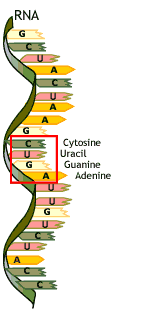
In RNA, Uracil pairs with ______. 
a)
cytosine
b)
adenine
c)
guanine
d)
thymine
71.
The process to go from DNA to mRNA is _______
a)
translation
b)
transcription
c)
replication
72.
The process to go from mRNA to a protein is called ____
a)
transcription
b)
rRNA
c)
replication
d)
translation
73.
The main function of tRNA is to...
a)
carry a message that, when translated, forms proteins
b)
form a portion of ribosomes
c)
string together complementary RNA and DNA strands
d)
bring amino acids from the cytoplasm to the ribosomes
74.
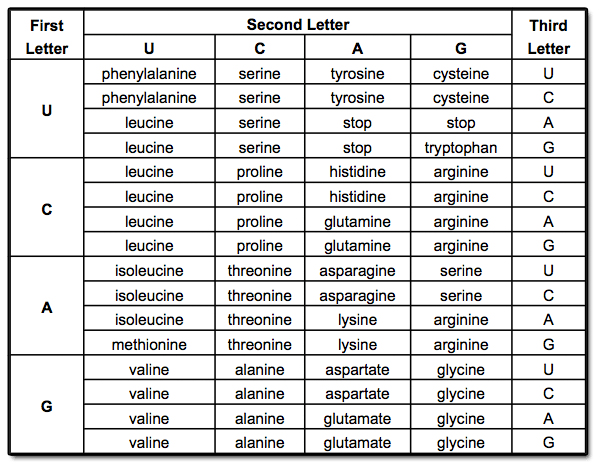
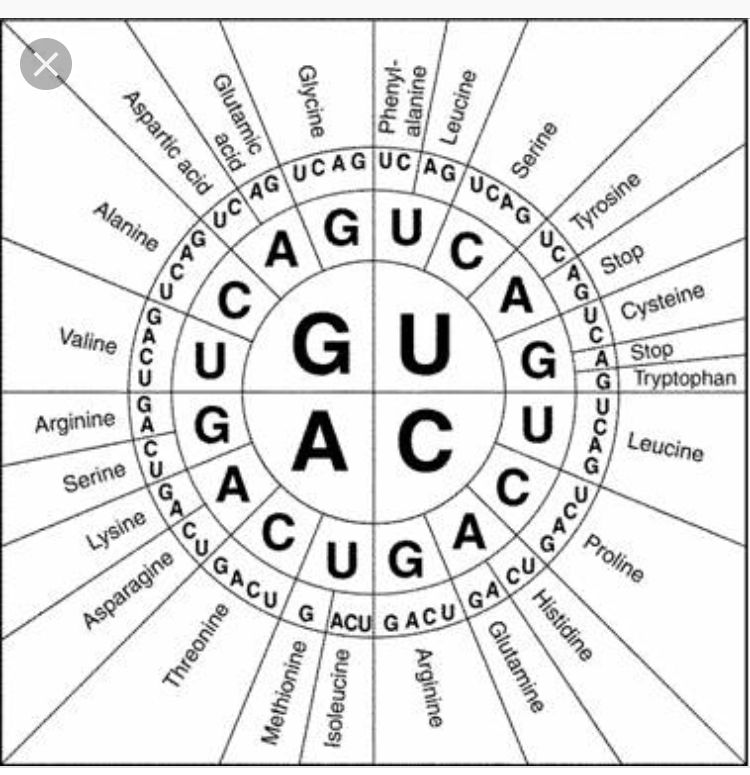
What amino acid is represented by the codon UUA?
a)
Phenylalanine
b)
Tyrosine
c)
Leucine
d)
Stop codon
75.
What is the location in the cell for translation?
a)
nucleus
b)
mitochondria
c)
ribosome
d)
chloroplast
76.
What is the location in the cell for transcription?
a)
nucleus
b)
cytoplasm
c)
ribosome
d)
mitochondria
77.
Which is the mRNA molecule that would be transcribed from this DNA template:
TGGCAAGTACGT
a)
ACCGTTCATGCA
b)
UGGCAAGUACGU
c)
UCCGUUCUUGCU
d)
ACCGUUCAUGCA
78.
Genetic info flows in one direction. Which best represents this flow?
a)
DNA-protein-RNA
b)
Protein-RNA-DNA
c)
RNA-protein-DNA
d)
DNA-RNA-protein
79.
One human disease is caused by a change in one codon in a gene from GAA to GUA. The disease is a result of 
a)
a mutation
b)
crossing-over
c)
a meiosis error
d)
polyploidy
80.
This type of substitution codes for a stop codon
a)
Missense
b)
Nonsense
c)
Silent
d)
Deletion
81.
If you are missing or have an extra base  at the end of your mutated DNA . What type of mutation occurred?
a)
Substitution
b)
Frameshift
c)
Duplication 
d)
Insertion
82.
A type of substitution in which no  amino acids change is called 
a)
Missense
b)
Nonsense
c)
Silent
d)
Deletion
83.
Which of the following would result in a frameshift mutation?
a)
Insertions only
b)
Substitution only
c)
Deletion only
d)
Insertions and Deletions
84.
DNA molecule segment is : TTACGCAAG
The mutated DNA segment is TTCGCAAG. This is an example of ___ mutation.
a)
Substitution
b)
Deletion
c)
Insertion
d)
Inversion
85.
mRNA is read in chunks of three, called...
a)
quadralets
b)
anticodons
c)
codons
d)
capsids
86.
Normal-
GAG-CTC-GAC-AGA
Mutant
GAG CTC-CAC-AGA
a)
no mutation
b)
substitution
c)
insertion
d)
deletion
87.
Original: ATC CAT
Mutation: ATC GCAT
What mutation occurred?
a)
deletion
b)
insertion
c)
silent
d)
transverse
88.

A mutation in the third base of a codon for the amino acid Proline (Pro) will always be a silent mutation. Which of the following pieces of information best supports this claim?

a)

Proline is always made from the same 3 bases

b)

As long as the first two bases on the mRNA codon are both C, it will always code for proline; regardless of the 3rd base

c)

Proline is a stop codon, so it isn't actually an amino acid and therefore cannot be mutated

d)

Proline has evolved to become resistant to harmful mutations

89.

Which of the following types of mutations will impact the FEWEST codons?

a)

Substitution

b)

Insertion

c)

Deletion

d)

Frameshift

90.

If a mutation codes for "stop" in the amino acid chain, this is called a:

a)

nonsense mutation

b)

missense mutation

c)

silent mutation

d)

frameshift mutation

91.

Genetic mutations can be...

a)

beneficial, harmful, or neutral

b)

beneficial only

c)

harmful only

d)

neutral only

92.

In human gametes, the haploid number of chromosomes is


(a)  
Choose from the below words
23
46
69
92
93.

In which stage of MEIOSIS does crossing over occur? (The exchange of DNA between homologous chromosomes)

a)

Anaphase I

b)

Metaphase I

c)

Prophase I

d)

Telophase I

94.

Meiosis results in?

a)

2 identical daughter cells

known as somatic cells

b)

3 daughter cells and 1 egg cell

c)

4 different daughter cells known as gametes

d)

8 identical gametes

95.

Which of the following are CORRECT observations about the differences between MITOSIS and MEIOSIS? (Check all that apply.)

a)

Mitosis produces cells that identical to the parent cell.

b)

Meiosis produces cells that have half the number of chromosomes as the parent cell.

c)

All cells go through INTERPHASE as part of the cell cycle, whether it goes to mitosis or meiosis next.

d)

In both types of cell division, the chromosomes are only duplicated once.

e)

Only in Mitosis, do you see chromosomes pair up to form a tetrad.

96.
The end of meiosis results in  ____ to each other.
a)
2 cells that are identical
b)
4 cells that are identical
c)
2 cells that are not identical
d)
4 cells that are not identical
97.
When does the genetic material get replicated?
a)
G2
b)
metaphase
c)
S phase
d)
anaphase
98.

Match the following:

a)

sperm

1.

male gamete

b)

egg

2.

female gamete

c)

zygote

3.

diploid

d)

gamete

4.

haploid

e)

meiosis

5.

formation of gametes

99.
What phase is shown here?
a)
Anaphase I
b)
Prophase I
c)
Metaphase II
d)
 Metaphase I
100.

Mitosis takes place in ​​​​​ (a)   cells while meiosis takes place in reproductive organs and produces ​ ​ (b)   .

Choose from the below words
somatic
gametes
somatic and gametes
101.

In mitosis, one parent cell produces ​ (a)   ​ (b)   diploid daughter cells while in meiosis, one parent cell produces ​ (c)   ​ (d)   haploid daughter cells.

Choose from the below words
two
identical
four
different
102.

Why is crossing-over important?

a)

It starts the process of Mitosis

b)

It allows for identical copies of chromosomes

c)

It allows for genetically diverse chromosomes

d)

Meiosis results in 4 identical daughter cells