
 Worksheets
Final exam first semester
Total questions: 111
Worksheet time: 2hrs 45mins
Hot sand, in the summertime, burning your feet as you walk across it would be...
Radiation
Convection
Conduction
Hot sand, in the summertime, burning your feet as you walk across it would be...
Radiation
Convection
Conduction
Hot sand, in the summertime, burning your feet as you walk across it would be...
Radiation
Convection
Conduction
Less dense warm air rises and more dense cool air sinks in this kind of heat transfer...
Radiation
Conduction
Convection
What happens to particles as you add thermal energy?
Molecules speed up and contract, causing the material to expand.
Molecules break apart and the atoms spread out.
Molecules speed up and spread out, causing the material to expand.
Molecules slow down and begin to contract.
The sun's rays heating the earth is an example of...
radiation
convection
conduction
Heat always travels...
alone
by air
with a partner
from hot to cold
Heat energy is also known as
Thermal Energy
Kinetic Energy
Potential Energy
When particles are heated they,
expand and move apart
expand and move together
contract and move apart
contract and move together
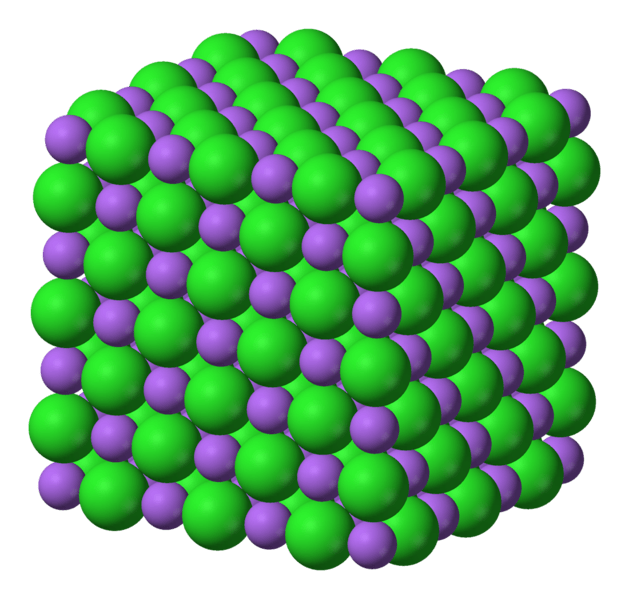
Which state of matter does this picture show?
Solid
Liquid
Gas
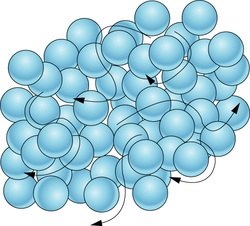
What state of matter does this picture show?
Solid
Liquid
Gas
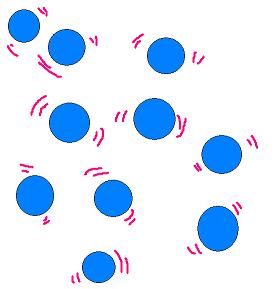
Which state of matter does this picture show?
Solid
Liquid
Gas

What is happening in this picture of water boiling?
Molecules are speeding up
Molecules are slowing down

What does temperature measure?
Heat
ºC
Kinetic Energy of Molecules
Thermal Energy
When we measure a distance the number will get bigger as the units get _______________.
bigger
smaller
When we measure a distance the number will get smaller as the units get _______________.
bigger
smaller
Density
Physical property
Chemical property
Flammability
Physical property
Chemical property
Solubility (ability to dissolve)
Physical property
Chemical property
Can react with acid
Physical property
Chemical property
Melting point
Physical property
Chemical property
Can react with water
Physical property
Chemical property
Hardness
Physical property
Chemical property
Boiling point
Physical property
Chemical property
Luster (shine)
Physical property
Chemical property
Can react with air
Physical property
Chemical property
Odor
Physical property
Chemical property
Freezing point
Physical property
Chemical property
Copper can oxidize
Physical property
Chemical property
Which of the following is the proper definition of chemistry?
the study of the composition, structure, and properties of matter and the changes it undergoes
the study of life
the study of scientific processes
the study of the human body
Anything that has mass and takes up space
compound
element
matter
substance
Rusting metal is an example of a ____ change.
chemical
phase
state
physical
Josh decided to mix some vinegar with baking soda. He knew that a reaction occurred because he made careful observations. He noted that the mixture started to foam up and bubble, and it was white in color. How did Josh know that a chemical reaction occurred?
He was sure a reaction occurred because of
the color of the mixture
the smell of the vinegar
the volume of the mixture
the formation of a gas

Use the basic properties of solids, liquids, and gases to identify the correct state of matter in the image.
(A) gas, (B) liquid, (C) solid
(A) solid, (B) liquid, (C) gas
(A) liquid, (B) solid, (C) gas
(A) solid, (B) gas, (C) liquid
a change in a substance that does not involve a change in the identity of the substance
Physical change
Chemical Change
a change in which one or more substances are converted into different substances
physica change
chemical change
Which of the following is NOT a physical change?
Crushing a can
boiling water
shredding paper
burning paper
Which of the following is NOT a sign of a chemical change?
formation of a precipitate
unexpected color change
unexpected temperature change
change in state of matter
Which of the following is a physical change?
Baking a cake
Rusting iron
Burning wood
Melting ice
Which of the following is a sign that a chemical reaction has occurred?
Production of heat or light
Change in texture
Change in size
Change in shape
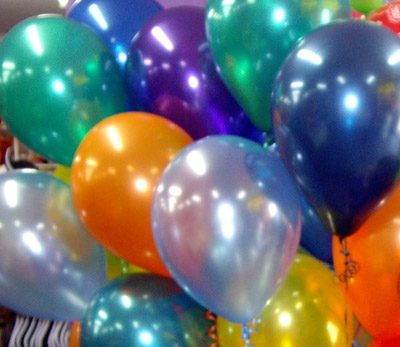

Can be compressed
Little space between particles
Can be compressed
Lots of space between particles
Cannot be compressed
Lots of space between particles
Can be compressed
Lots of space between particles


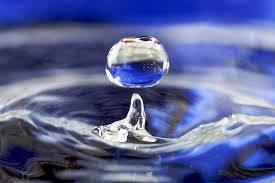
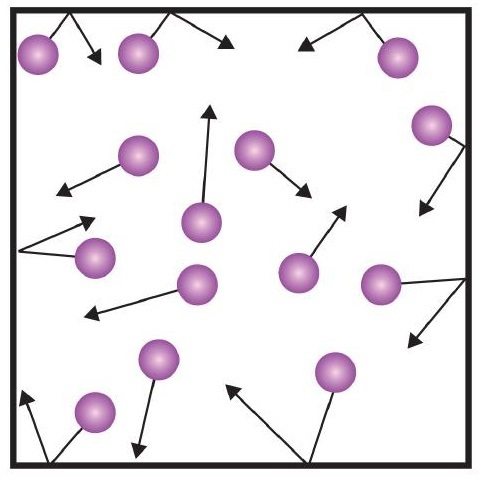
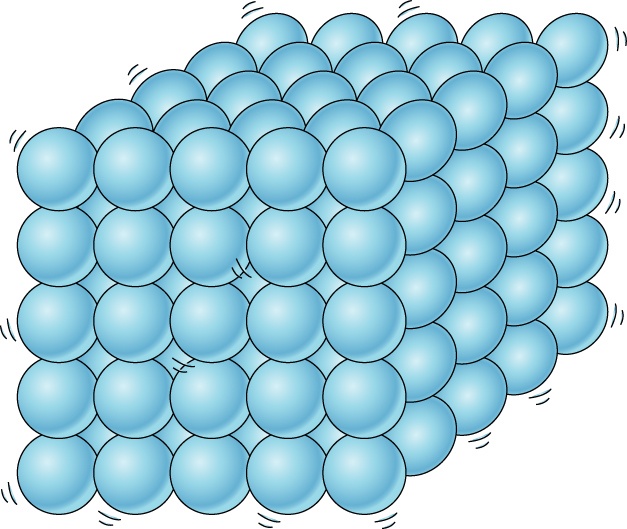
Evaporation and condensation are both types of vaporization.
True
False
The temperature at which a liquid turns to a gas is called the _____ point.
boiling
freezing
amorphous
crystalline
The temperature at which liquid turns to a gas is called the boiling point.
True
False
Vaporization is the reverse of condensation.
True
False
Sublimation and boiling both happen at the surface of the substance.
True
False
A puddle dries up by the process of _____.
evaporation
melting
freezing
condensation
Freezing occurs when the particles in liquid slow down and take fixed positions.
True
False
Particles of which of the following have the greatest thermal energy?
a gas
a liquid
a solid
an amorphous solid
When you see fog or clouds, you are seeing water in the ______ state.
Liquid
Gas
Solid
Boiling is the reverse of freezing.
True
False
Water particles in gas coming off of a pan of boiling water are moving slower than the particles of the water in the pan.
true
false
When you open a solid room air freshener, the solid slowly loses mass and volume as the solid turns into a gas as the room freshener's particles escape and mix with the air in the room. This process is known as ______.
Sublimation
boiling
freezing
condensation
The process that makes ice cubes shrink as they sit in a freezer is called ____.
sublimation
condensation
evaporation
personification
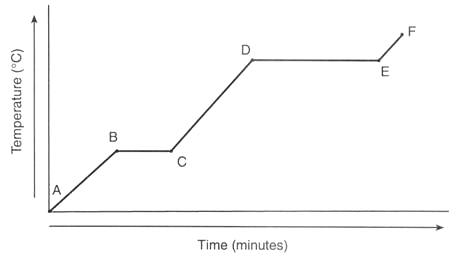
Is the substance gaining or losing energy?
Gaining
Losing

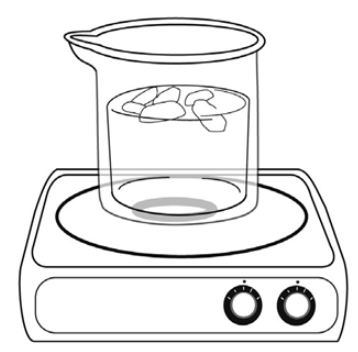
Emerson places a beaker of water on a hotplate and turns the hotplate on. The temperature in the room is 25 ºC. After the water heats to 75 ºC, she adds pieces of ice to the beaker.
Which of the following describes a transfer of heat energy that occurs during this experiment?
from the air to the water
from the ice to the beaker
from the water to the ice
from the water to the hotplate

Joe places two solid objects in contact with each other. Which property determines the direction of the flow of heat between the two objects?
material of the objects
volume of objects
density of objects
temperature of objects
How does heat transfer when you hold an ice cube in your hand?
from the cold ice cube to your warm hand
the cold ice cube makes your hand cold
from your warm hand to the cold ice cube
very carefully
Which description defines heat?
total thermal energy of an object or substance
change in the temperature of a substance in degrees Celsius
energy transferred between objects at different temperatures
average kinetic energy of the particles that make up a substance
If two objects have different temperatures, heat will flow from the warmer object to the cooler one UNTIL ____________
one reaches a temperature of zero
they both have an equal temperature
one runs out of energy

Which box has a higher density?
A
B
They are the same
The specific heat(c) of copper is 0.39 J/g °C. The 20 g chunk of copper is heated from 30˚C to 98˚C. It absorbed 100 Joules.
Which is the change in ∆T?
30˚C
98˚C
68˚C
100 J
The specific heat(c) of copper is 0.39 J/g °C. The 20 g chunk of copper is heated from 30˚C to 98˚C. It absorbed 100 Joules.
Which is the amount of heat in this situation?
0.39 J/g˚C
20 g
100 J
68˚C

