
 Worksheets
2025 BIOLOGY SEMESTER I REVIEW
Total questions: 65
Worksheet time: 35mins
Why is it not advisable to wear contact lenses in the lab?
A. Lenses could inadvertently fall out of the eye
B. Chemical vapor could become trapped between the lenses and the eye
C. If splashed in the face, a chemical can melt the contact to your eye
D. All of the above
The following footwear is best in the laboratory.
sandals
open-toed shoes
closed-toed shoes
shoes appropriate for the weather
Horseplay or practical jokes in the laboratory are
A. always against the rules.
B. okay.
C. not dangerous.
D. okay if you are working alone.

This symbol [image of a flame] represents
Eye safety
Fume safety
Open flame alert
Fire safety
Which of the following should be worn in the laboratory?
baggy clothes
long pants
jewelry
flip flops
Describe the procedure used to operate a fire extinguisher.
Remove pin from handle; Squeeze handle
Aim extinguisher hose at base of fire; Squeeze handle; Sweep side to side
Remove pin; aim hose at base of fire; squeeze handle; sweep side to side
Remove pin; aim hose at top of fire; squeeze handle; sweep side to side
What is the order for the scientific method (that was given to you in the notes)?
purpose, hypothesis, observations, conclusion, experiment analysis
experiment, observations, purpose, analysis, conclusion, hypothesis
observations, purpose, hypothesis, experiment, analysis, conclusion
analysis, observations, purpose, experiment, hypothesis, conclusion
A hypothesis is often tested by the process of
communicating
inferring
experimenting
analyzing data
An educated guess
hypothesis
experiment
theory
observations
A variable that is measured in the experiment
dependent variable
independent variable
constant
control
A variable that is changed by the experimenter
dependent variable
independent variable
constant
control
Biology is the study of
A. minerals
B. life
C. matter
D. energy
What properties do all living things exhibit?
multicellular organization, metabolism, homeostasis, reproduction
photosynthesis, metabolism, heredity, mutation
cellular organization, photosynthesis, metabolism, heredity
cellular organization, metabolism, homeostasis, reproduction
In Latin, the word science means
"to know"
"to learn"
"to experiment"
"to hypothesize"
Metabolism
helps organisms obtain energy
helps organisms to grow, move and process information
is the sum of all the chemical reactions carried out in an organism
all the above
Which statement best identifies the biological theme of interdependence?
the organisms in a community live and interact with other organisms
the great diversity of life on Earth is the result of a long history of change
all living things are made of one or more cells
all living organisms must maintain a stable internal environment
The word organic means that the compound contains the element
oxygen
cobalt
iron
carbon
The four main categories of organic compounds are
lipids, carbohydrates, proteins, fats
carbohydrates, monosaccharides, lipids, proteins
fat, energy, enzymes, DNA
carbohydrates, lipids, proteins, nucleic acids
DNA and RNA are types of
amino acids
nucleic acids
strong acids
weak acids
Starch, glycogen, and cellulose are types of
lipids
nucleic acids
carbohydrates
protein
Which of the following contains 3 phosphate groups and is a temporary energy storage?
A. ATP
B. Nucleic Acids
C. lipids
D. carbohydrates
Proteins are made of
amino acids
nucleotides
monosaccharides
glucose
The Cell Theory includes
All living things are made of one or more cells
Cells are the basic units of structure and function in organisms
All cells arise from existing cells
All the above
Observed cork under the microscope and gave us the word "cell"
Hooke
Leeuwenhoek
Schwann
Virchow
What is a major difference between plant and animal cells?
plant cells are prokaryotic and animal cells are eukaryotic
plant cells have cell walls, and animal cells do not have cell walls
plant cells are endothermic and animal cells are exothermic
plants cells are heterotrophs and animal cells are autotrophs
Which of the following is an organelle in an animal cell?
A. chloroplast
B. nucleoid
C. centriole
D. capsule
An animal cell is classified as
prokaryote
eukaryote
If a cell does not have membrane bound organelles, it is classified as
prokaryote
eukaryote
If a cell contains a nucleus, it is classified as
prokaryote
eukaryote
An organelle where photosynthesis occurs
cell membrane
cell wall
central vacuole
chloroplasts
Organelle that is the site of cellular respiration which produces ATP
lysosome
mitochondria
capsule
ribosomes
Organelle where protein synthesis takes place
lysosome
mitochondria
nucleus
ribosomes
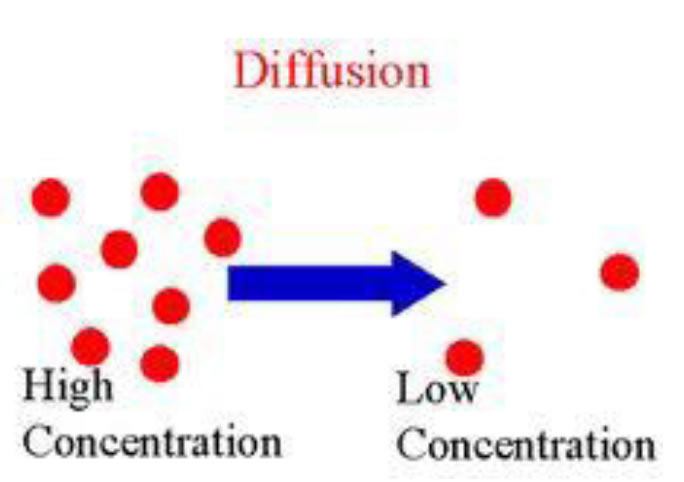
Diffusion is the movement of a substance from
high concentration to low concentration
low concentration to high concentration
both
neither
Osmosis is
the diffusion of water
a type of active transport
a type of passive transport
A & B
A & C
If a cell stays the same size, the solution is
isotonic solution
hypotonic solution
hypertonic solution
none of the above
If a cell shrinks, the solution is
isotonic solution
hypotonic solution
hypertonic solution
none of the above
If a cell swells, the solution is
isotonic solution
hypotonic solution
hypertonic solution
none of the above
What type of transport, requiring no energy from the cells, is aided by a protein embedded in the cell membrane?
diffusion
osmosis
active transport
facilitated diffusion
A plasma membrane of a cell consists of
protein molecules arranged in two layers
two layers of lipids organized with the nonpolar tails forming the interior of the membrane
lipid molecules positioned between two carbohydrate layers
protein molecules with polar and nonpolar tails
The cell membrane allows water, oxygen, carbon dioxide, and glucose to pass through. Because other substances are blocked from entering, this membrane is
perforated
semi-permeable
non-conductive
permeable
What portion of a lipid-bilayer is hydrophilic?
lipid tails
lipid heads
protein tails
carbohydrate heads
Classify as either (A) active transport or (P) passive transport. - against the concentration gradient
A. active transport
B. passive transport
C. osmosis
D. facilitated diffusion
Classify as either (A) active transport or (P) passive transport. - endocytosis
A. active transport
B. passive transport
C. osmosis
D. facilitated diffusion
Classify as either (A) active transport or (P) passive transport. - diffusion
P. passive transport
A. active transport
P. osmosis
A. endocytosis
Classify as either (A) active transport or (P) passive transport. - sodium-potassium pump
A. active transport
B. passive transport
C. facilitated diffusion
D. osmosis
Classify as either (A) active transport or (P) passive transport. - movement without the use of energy
P. passive transport
A. active transport
O. osmosis
D. diffusion
In photosynthesis,
A. light energy to chemical energy
B. chemical energy to kinetic energy
C. chemical energy to ATP
D. ATP to chemical energy
In cellular respiration,
A. light energy to chemical energy
B. chemical energy to kinetic energy
C. chemical energy to ATP
D. ATP to chemical energy
In cellular respiration, the presence of __ makes the production of ATP more efficient.
carbon dioxide
hydrogen
oxygen
nitrogen
What is a storage compound found in plants?
cellulose
chitin
lipase
starch
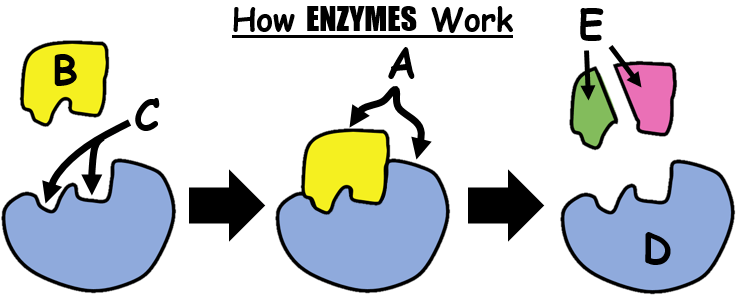
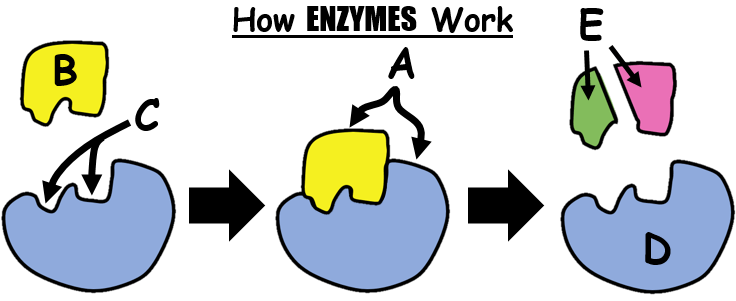
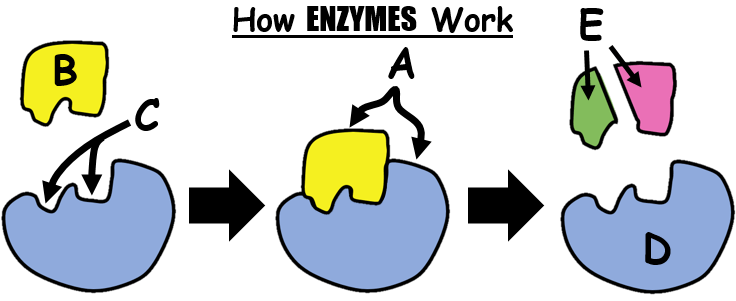
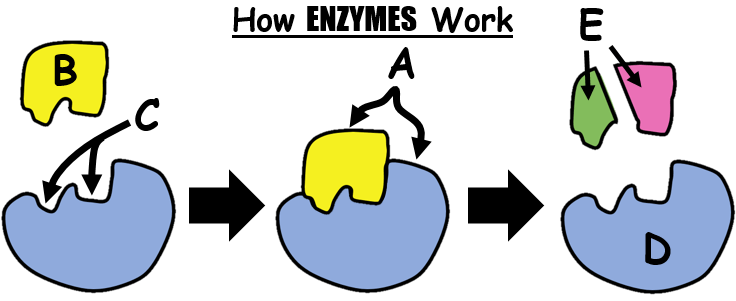
How do enzymes catalyze a reaction? (increase the speed)
They decrease the number of products
They increase the number of reactants
They increase the temperature of the reaction
They decrease the activation energy of the reactants
What is the monomer for carbohydrates
amino acids
nucleotides
monosaccharides
glucose
Which of the following is arranged in the order of increasing levels of organization?
molecule, atom, cell
cell, atom, molecule
atom, molecule, cell
cell, molecule, atoms
Which of the following is arranged in the order of increasing levels of organization?
A. population, community, ecosystem
B. ecosystem, community, population
C. community, population, ecosystem
D. community, ecosystem, population
What molecule will your body use first for energy?
carbohydrates
lipids
amino acids
nucleic acids
Which organelle belongs in both plant and animal cells?
Chloroplast
Mitochondria
Large Central Vacuole
Cell Wall
What structure is in plant cells but not in animal cells?
cell membrane
mitochondria
cell wall
vacuole
What structure controls what can enter and leave a cell?
Nucleus
Cytoplasm
Cell Membrane
Golgi Body

