
NEW
Font size
 Worksheets
Inflammatory Response and Injury Assessment Q&A's for Final
Total questions: 20
Worksheet time: 10mins
What does HIPS stand for in the context of injury assessment?
Healing Injury Process System
Health Injury Prevention Strategy
History, Inspection, Palpation, Special tests
Human Injury Protection System
Which term refers to redness, swelling, pain, and/or a feeling of heat in an area of the body?
Inflammation
Edema
Constriction
Joint laxity
What does joint laxity refer to?
Narrowing of blood vessels
Hypermobile joints that are very flexible and have a wider range
Abnormal fluid collection
Tissue swelling
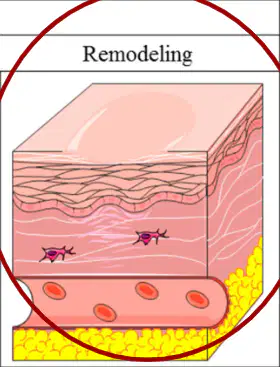
During the remodeling phase, what does the body continue to build to strengthen tissue?
Keratin
Collagen
Elastin
Fibroblasts
What type of data is "experiences dizziness when standing" classified as in injury assessment?
Objective data.
Symptom.
Sign.
Measured metric.
Which of the following is an example of a sign in injury assessment?
Sleeplessness.
Lower extremities appearing swollen at the distal end.
Headache for 3 days.
Experiences dizziness when standing.
Which of the following is NOT a guideline for being thorough during an injury assessment?
Take your time
Look beyond the obvious
Ignore minor injuries
Be alert, calm, conservative, and safe
What is the primary focus when performing an injury assessment according to the guidelines?
Speed of assessment
Well-being of the athlete
Identifying minor injuries first
Avoiding special tests
Why is it important to collect information about the events leading to an injury during an assessment?
To create a workout schedule
To organize steps for evaluation
To identify the athlete's strengths
To assess the athlete's mental health
What type of sound might indicate an injury according to the HIPS method?
Pop, snap, or rip
Crackle, hiss, or buzz
Thud, bang, or clatter
Whistle, hum, or chirp

What does the "Inspection" step in the HIPS injury assessment primarily involve?
Observing the affected area and comparing bilaterally
Conducting physical tests on the affected area
Asking the athlete about their medical history
Administering medication to the athlete
Which of the following should be palpated during an injury assessment?
Skin and hair
Bones, muscles, and soft tissues
Joints and ligaments only
Nerves and blood vessels
Which of the following is NOT one of the four areas of special tests in injury assessment?
Range of Motion (ROM)
Stress Tests
Neurological
Cardiovascular
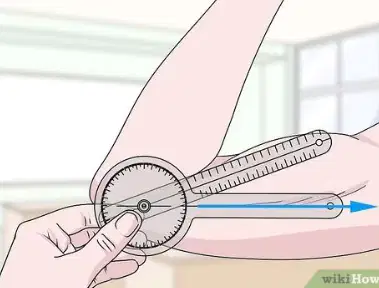
What is the purpose of a goniometer in injury assessment?
To measure the degree of movement of a joint
To assess muscle strength
To evaluate cardiovascular endurance
To monitor respiratory rate
Which type of Range of Motion (ROM) involves movement done by the athlete while the examiner applies resistance?
Active (AROM)
Passive (PROM)
Resistive (RROM)
Dynamic (DROM)
What does Passive Range of Motion (PROM) refer to in injury assessment?
Movement done by the athlete
Movement done by the examiner
Movement done by the athlete while the examiner applies resistance
Movement done during physical activity
What is the primary purpose of stress tests in injury assessment?
To measure muscle strength
To test the integrity of a body area, such as ligaments and muscles
To evaluate cardiovascular health
To assess bone density
What is the correct procedure for testing reflexes during an injury assessment?
Compare bilaterally
Test only the affected area
Measure muscle strength
Check for skin discoloration
What does "ROM" stand for in the context of injury assessment?
Range of Movement
Range of Motion
Rotation of Muscles
Recovery of Mobility
What does the "Subjective" section of a SOAP note focus on?
Listing objective information about the injury
AT's personal judgment about the injury
Listing subjective information from the athlete, including the mechanism of injury (MOI)
Outlining first aid treatment and therapies

