wayground logo

Free Printable Worksheets

NEW

Font size

S
M
L
XL
Worksheets

Midterm part 2 review

Total questions: 80

Worksheet time: 59mins

Name
Class
Date
1.

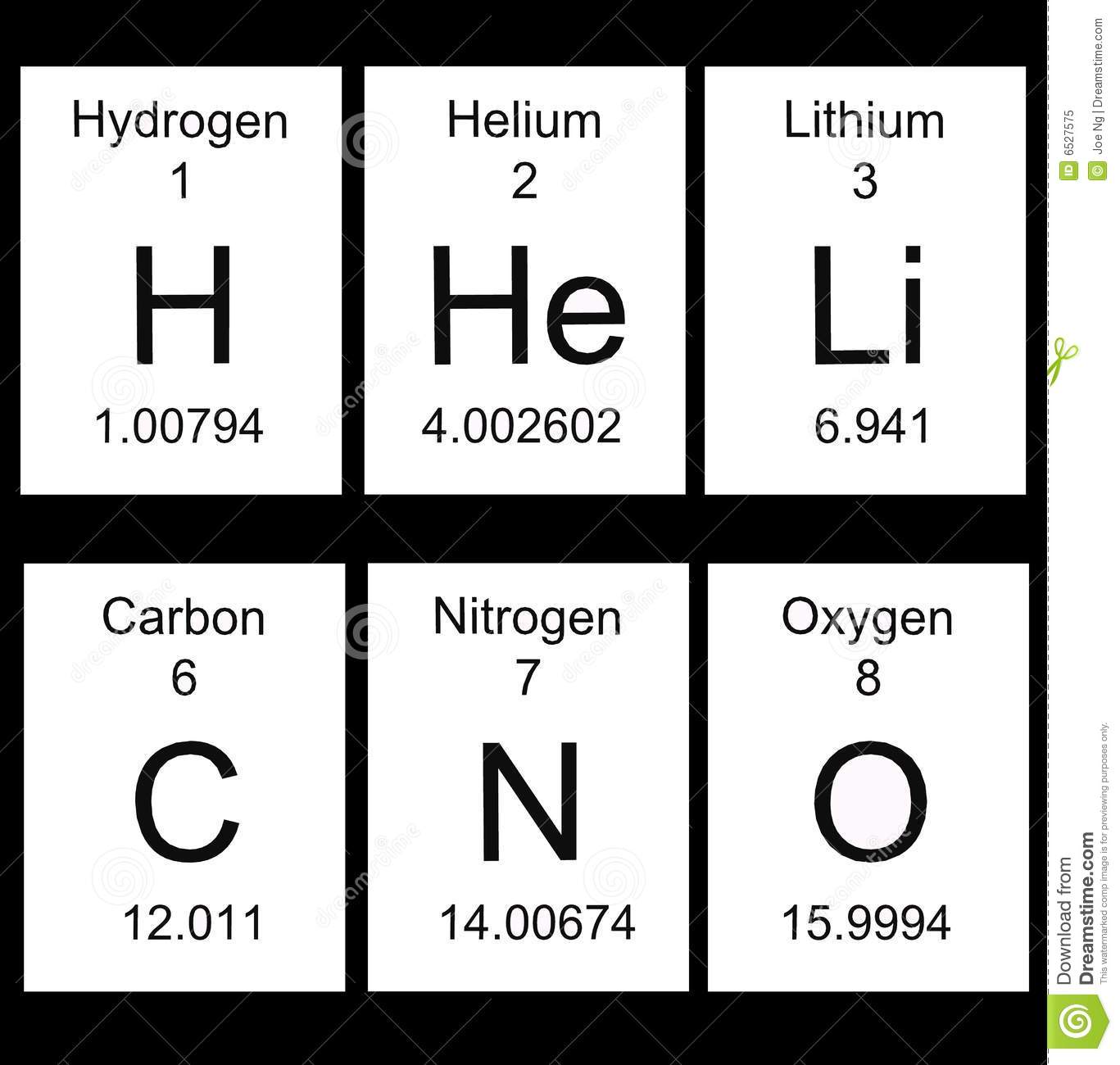
How many protons does Nitrogen have?

a)

7

b)

8

c)

14

d)

14.01

2.

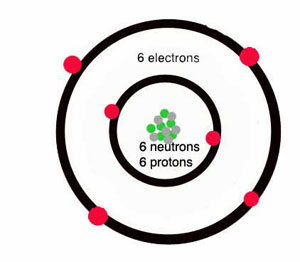
Which of the labeled structures is a neutron?

a)

a

b)

b

c)

c

3.

If an element has an atomic number of 11 and a mass number of 23, how many neutrons does it have?

a)

11

b)

12

c)

23

d)

34

4.

Which of the following particles is NOT found in an atom's nucleus?

a)

proton

b)

neutron

c)

electron

5.
Solids have a definite _______________.
a)
smell
b)
shape
c)
picture
d)
sound
6.
________________ is anything that has mass and takes up space.
a)
volume
b)
matter
c)
mass
d)
weight
7.
This state of matter does not have a definite size or shape.
a)
gas
b)
toys
c)
solid
d)
milk
8.
What is the atomic mass of "F"
a)
9
b)
18
c)
17
d)
19
9.
At higher temperatures
a)
particles in an object have less energy
b)
particles in an object move faster
c)
a gas contracts
10.

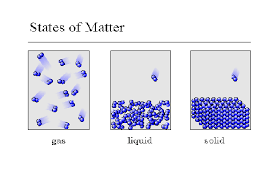
Which phase is represented in the model.

a)

Solids

b)

Liquids

c)

Gas

d)

Carousso

11.

Atoms contain which subatomic particles?

a)

protons, nucleus, electrons

b)

protons, neutrons, electrons

c)

photons, neutrons, electrons

d)

photons, nucleus, electricity

12.

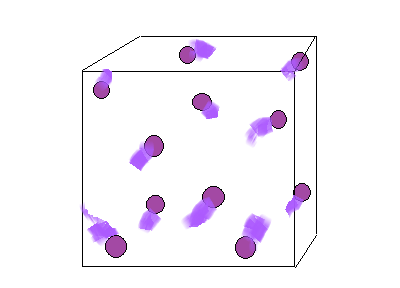
Look at the reaction in the picture (the picture is fuzzy). What type of substance does B represent?

a)

a nucleus

b)

a compound

c)

an element

d)

a mixture

13.

Look at the reaction in the picture (the picture is fuzzy). Which letter represents a compound?

a)

A

b)

B

c)

C

14.

Which letter represents the valence electrons?

a)

A

b)

B

c)

C

15.

What is the maximum (most) number of electrons found in the 1st energy shell (ring)?

a)

1

b)

2

c)

8

d)

18

16.
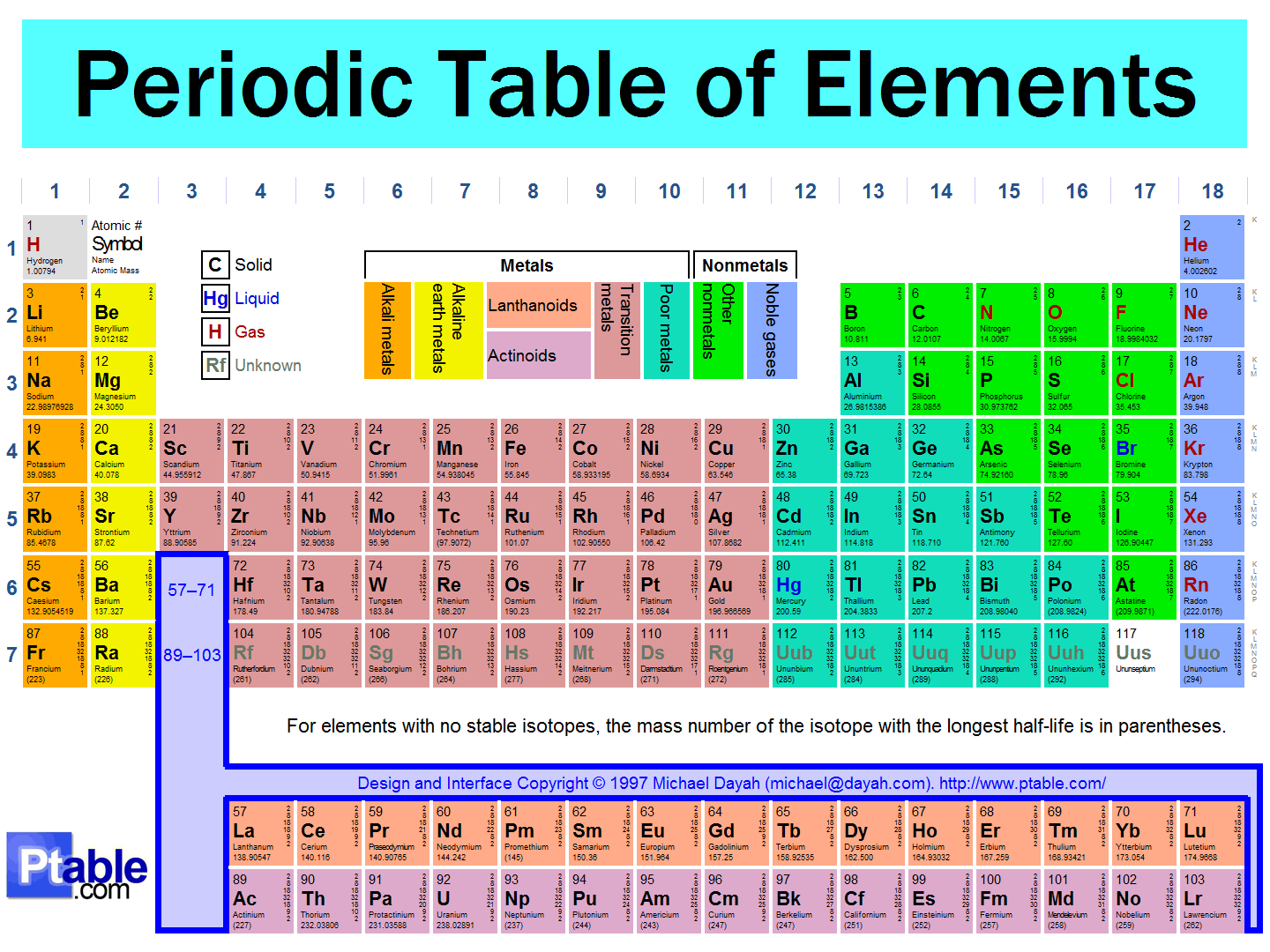
The horizontal row on the periodic table is called a
a)
group
b)
family
c)
period
d)
atomic number
17.
A vertical column is called...
a)
group
b)
tower
c)
period
d)
crew
18.
The number at the bottom of each square on the periodic table is the ...
a)
atomic number
b)
atomic mass
c)
chemical symbol
d)
element name
19.
Most of the elements on the periodic table are classified as _____.
a)
Metals
b)
Nonmetals
c)
Metalloids
d)
Periods
20.
Elements which are shiny, conduct electricity and heat are called
a)
metal
b)
nonmetal
c)
metalloid
d)
nonexistent
21.
Elements in a ..................have similar chemical properties.  
a)
period
b)
group
c)
row
22.
The yellow atoms are called 
a)
metals
b)
nonmetals
c)
metalloids
d)
noble gases
23.
A combination of two or more substances where each keep their own properties
a)
Mixture
b)
Solution
c)
Substance
d)
Solute
24.
Chicken soup is an example of what kind of substance?
a)
homogenous mixture
b)
solution
c)
heterogeneous mixture
d)
compound
25.
Kool-Aid
a)
Element
b)
Compound
c)
Homogeneous Mixture
d)
Heterogeneous Mixture
26.
Which of these is a property of metals?
a)
It's malleable
b)
It can't conduct electricity
c)
They are used in food
d)
It's very brittle
27.
Is water melting a physical or chemical change?
a)
Physical
b)
Chemical
28.
Is salt dissolving in water a physical or chemical change?
a)
Physical
b)
Chemical
29.
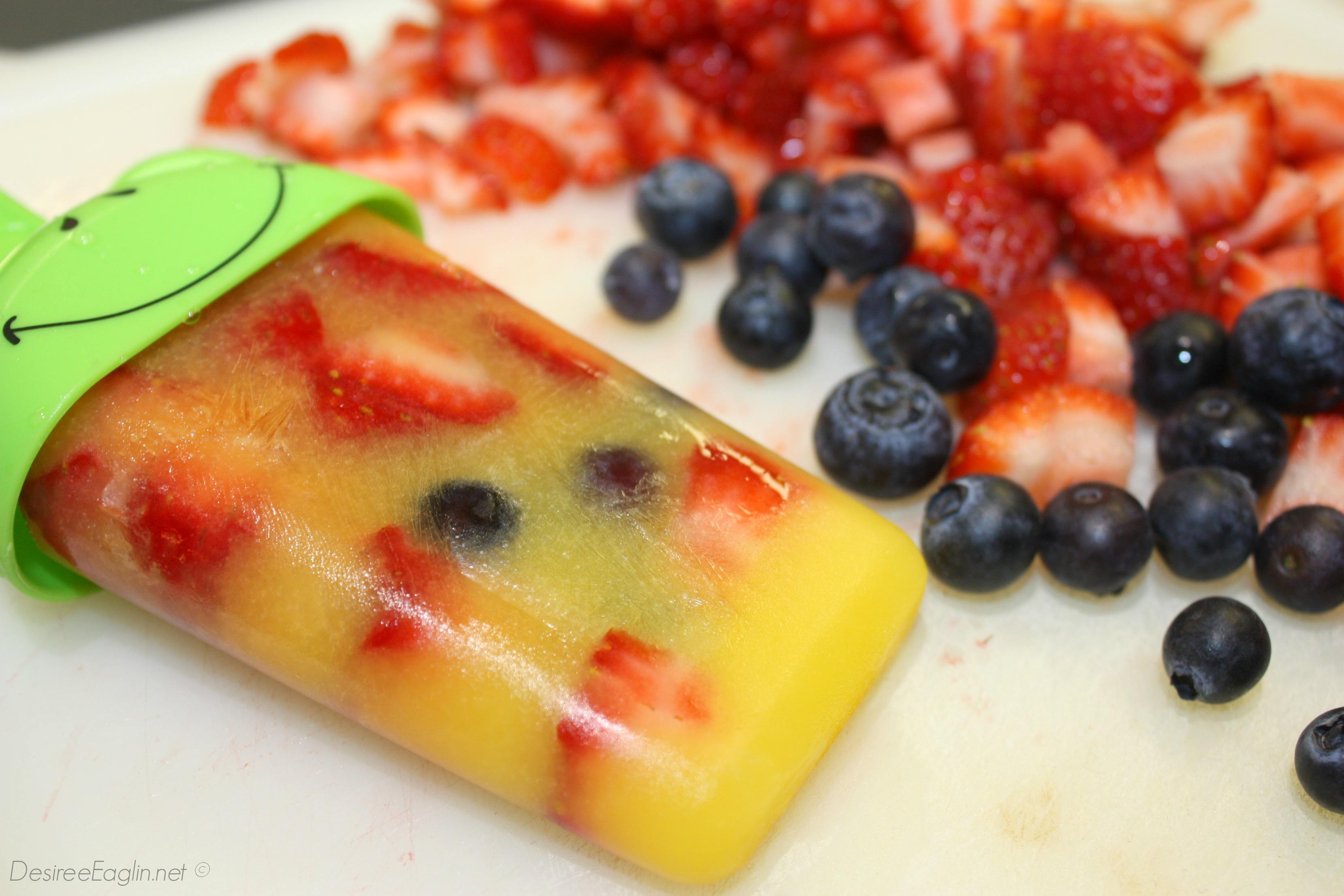
Freezing Juice?
a)
Physical Change
b)
Chemical Change
30.

Silverware tarnishing is an example of a _____ change

a)

Physical

b)

Chemical

31.
Is sour milk a physical or chemical change?
a)
Physical
b)
Chemical
32.

Which pH number below reflects a weak base?

a)

1

b)

6

c)

8

d)

13

33.

Which pH number below reflects a strong base?

a)

1

b)

6

c)

8

d)

13

34.

Which pH number below reflects a strong acid?

a)

1

b)

6

c)

8

d)

13

35.

Exploding fireworks is a

a)

Physical Change

b)

Chemical Change

c)

Katy Perry Song

36.
Combustion is another word for _______________.
a)
a train
b)
a bus
c)
a dog
d)
burning
37.
What does not produce carbon dioxide?
a)
Photosynthesis
b)
Burning Fossil Fuels
c)
Animal respiration
d)
Plants decaying
38.
How do living organisms return carbon to the atmosphere in the carbon cycle?
a)
respiration and photosynthesis
b)
 decomposition and respiration
39.
Carbon can be found in...?
a)
The atmosphere
b)
Inside of the Earth
c)
Fossil fuels
d)
All of the above!
40.
Which of the following removes carbon from the atmosphere?
a)
Combustion
b)
Respiration
c)
Photosynthesis
d)
Death
41.

Which gas do plants release, that humans depend on for survival?

a)

Water

b)

Carbon Dioxide

c)

Oxygen

d)

Sugar

42.

The circulation of the element Carbon among Earth's atmosphere, land, oceans, and organisms is called _____________.

a)

the Carbon Cycle

b)

the Oxygen Cycle

c)

the Carbon dioxide Cycle

d)

the Water Cycle

43.

Which organelle does cellular respiration occur?

a)

chloroplast

b)

mitochondria

c)

chlorophyll

d)

polarity

44.

Which organelle is responsible making food (glucose) using sunlight?

a)

Cell Membrane

b)

Nucleus

c)

Chloroplast

d)

Mitochondria

45.

This is the chemical formula for ____________

a)

water

b)

carbon dioxide

c)

glucose

d)

adenosine tri-phosphate

46.

What are the reactants for Cell Respiration?

a)

CO2 + H20

b)

C6H12O6 + CO2

c)

C6H12O6 + O2

d)

CO2 + H20 + 38 ATP

47.
What is the purpose of cell respiration?
a)
produce glucose
b)
make oxygen
c)
remove carbon dioxide 
d)
produce usable energy - ATP
48.
What are the products of cellular respiration?
a)
Energy (ATP), Water, and Carbon DIoxide.
b)
Water and Oxygen
c)
Oxygen and Carbon Dioxide
d)
Water and Energy (ATP)
49.

What are the reactants in cell respiration?

a)

water, carbon dioxide, light

b)

oxygen, sugar

c)

sugar, water, carbon dioxide

50.

Which of the following is the correct equation for PHOTOSYNTHESIS?

a)

Carbon Dioxide + Light + Water --> Oxygen + Sugar

b)

Carbon Dioxide + Sugar + Water --> Oxygen + light

c)

Oxygen + light + Water --> Carbon + Sugar

d)

Carbon + Oxygen + Water --> Light+ Sugar

51.
What are the reactants (what's needed) for photosynthesis?
a)
glucose and oxygen
b)
light, water, and carbon dioxide
52.
__________ energy from the sun is changed intto __________ energy during photosynthesis
a)
Chemical energy to light energy
b)
Light energy to chemical energy
c)
Thermal energy to light energy
d)
Electrical energy to chemical enerfy
53.

What does "organelle" mean?

a)

Organ systems that function together

b)

Organs in the human body

c)

Little cell - the basic unit of life

d)

Little organ - an 'organ' inside the cell

54.

Which type of consumer only eats plants?

a)

herbivore

b)

carnivore

c)

omnivore

d)

detritivore

55.

Which type of consumer only eats meat?

a)

herbivore

b)

carnivore

c)

omnivore

d)

detritivore

56.

Which type of consumer eats both plants meat?

a)

herbivore

b)

carnivore

c)

omnivore

d)

detritivore

57.

Which organism is a producer?

a)
b)
c)
d)
58.
What is another name to describe a heterotroph?
a)
Consumer
b)
Producer
59.
What is another name to describe an autotroph?
a)
Consumer
b)
Producer
60.
Organisms that cannot make their own food and must obtain energy from external sources are called
a)
autotrophs
b)
heterotrophs
c)
thylakoids
d)
plants
61.
From where do autotrophs obtain their energy?
a)
The sun
b)
Other organisms
62.
This organism draws its nutrients from dead organisms as it releases enzymes to cause the organisms to break down and break apart. Is it a...
a)
Producer
b)
Consumer
c)
Decomposer
63.
Fungi. Is it a...
a)
Producer
b)
Consumer
c)
Decomposer
64.
Bacteria 
a)
Producer
b)
Consumer 
c)
Decomposer 
65.
A food web can be broken down into several seperate
a)
food chains
b)
food pyramids
c)
producers
d)
consumers
66.
Use the diagram to answer the question.
What is a fitting description for this diagram?
a)
A Food Chain
b)
An Ecosystem
c)
A Food Web
d)
Biotic and Abiotic Factors
67.
The shrew provides energy for the _______.
a)
cricket
b)
grasshopper
c)
frog
d)
snake
68.
What is this called?
a)
Food Web
b)
Food Chain
c)
Abiotic Factors
69.
What does a Primary Consumer eat?
a)
Tertiary Consumers
b)
Secondary Consumers
c)
Producers
70.
Which organism recieves the least amount of energy from the producer?
a)
Owl
b)
Grasshopper
c)
Lilypad
d)
Mouse
71.
Which organism recieves the least amount of energy from the producer?
a)
Owl
b)
Grasshopper
c)
Lilypad
d)
Mouse
72.
True or False. In this energy pyramid, the consumers on each level only get about 10 percent of energy that the trophic level before it has stored.
a)
True
b)
False
73.

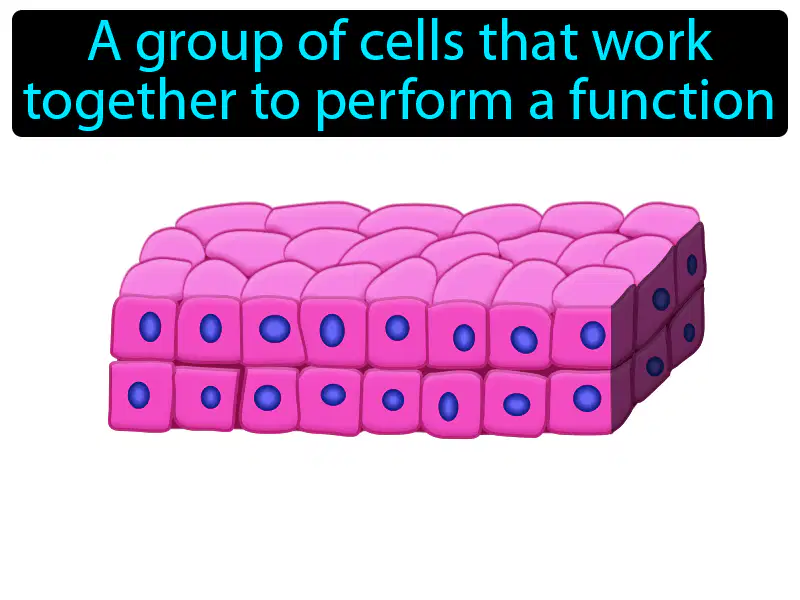
What is a group of similar cells that work together to perform a specific function?

a)

organism

b)

organ

c)

tissue

d)

system

74.

What is a specialized structure within a cell that performs a specific function?

a)

molecule

b)

organ

c)

tissue

d)

organelle

75.

What is a structure composed of two or more different types of tissues that work together to perform a specific function?

a)

cell

b)

organism

c)

system

d)

organ

76.

What is a group of organs that work together to perform a specific function?

a)

organ cluster

b)

organ network

c)

organ system

d)

organ collaboration

77.

A rigid layer that lies outside the cell's membrane is...

a)

Cytoskeleton

b)

Cilia

c)

Cell Wall

d)

Flagella

78.

A membrane-bound nucleus is found in what type of cell?

a)

Prokaryotic

b)

Eukaryotic

c)

Both prokaryotic and eukaryotic

d)

Neither prokaryotic or eukaryotic

79.

The Golgi apparatus _____.

a)

packages cell products for export

b)

eliminates waste

c)

stores DNA

d)

makes energy

80.

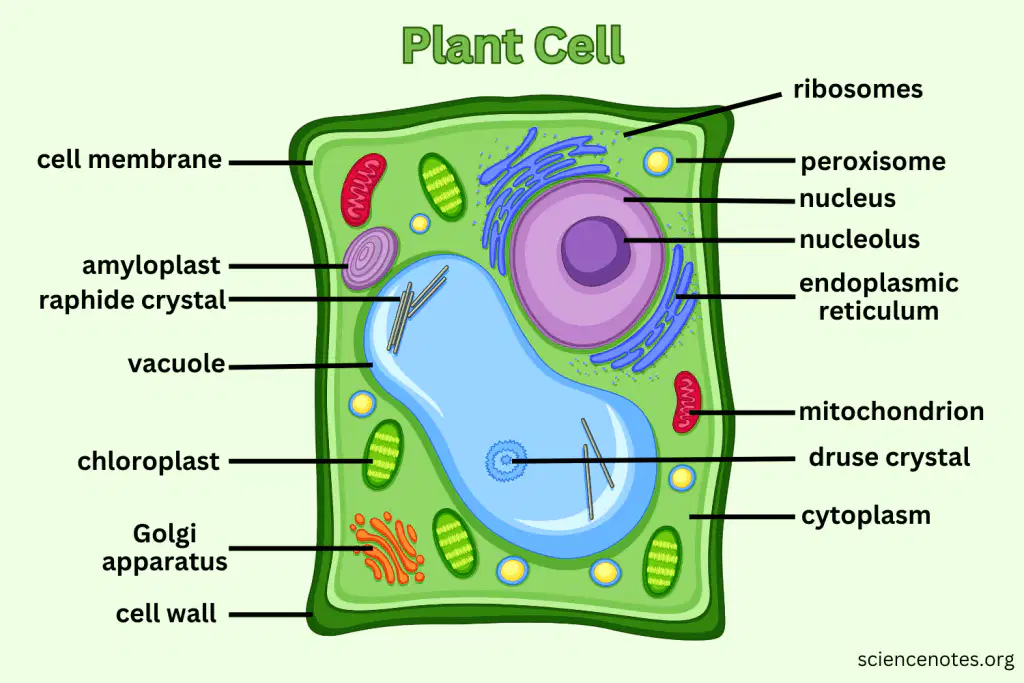
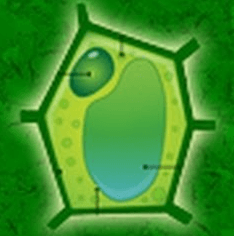
I am a plant cell!

a)
b)
c)
d)