
 Worksheets
Hematology Worksheet — Question Extraction
Total questions: 150
Worksheet time: 1hrs 15mins
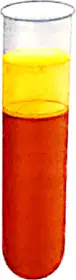
In the labeled test tube diagram of whole blood, identify the component that occupies about 55% of the volume at the top layer.
Plasma
Red blood cells
White blood cells and platelets
Hemoglobin
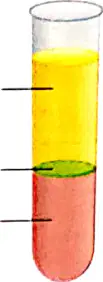
In the centrifuged blood sample diagram, which layer represents the buffy coat and is approximately 1% of the sample?
White blood cells and platelets
Red blood cells
Plasma
Serum
Normal hematocrit (packed cell volume) is within which range when expressed as the percentage of formed elements in a blood sample?
35%–45%
10%–20%
55%–65%
70%–80%
Hematocrit increases when plasma is reduced or red blood cells are increased. Which clinical situation shown or described is associated with increased hematocrit?
Dehydration
Anemia
Hemorrhage with plasma replacement
Hypoproteinemia without RBC change
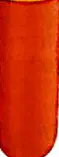
Identify the condition illustrated by a tube with a relatively larger column of formed elements compared with plasma.
Polycythemia
Normal
Anemia
Leukopenia
Based on the hematopoiesis chart, which cell type gives rise to platelets?
Megakaryocyte
Neutrophil
Macrophage
NK cell
What is the typical life span of a mature red blood cell as stated in the text?
About 120 days
About 30 days
About 3–5 days
About 2 years
Which description matches the normal shape of a mature red blood cell?
Biconcave disk
Spherical cell with nucleus
Biconvex disk
Flattened square
How long does it typically take for a platelet to form, according to the printed notes?
5 days
12 hours
14 days
1 day
White blood cells are categorized by the presence of cytoplasmic granules. Which set is labeled as granulocytes in the figure?
Neutrophil, eosinophil, basophil
Monocyte, lymphocyte
NK cell, B cell, T cell
Macrophage, dendritic cell
Which statement about neutrophils aligns with the notes under granulocytes?
They are primary responders during inflammation and many remain in bone marrow until needed.
They survive for months and function mainly in antibody production.
They are agranulocytes derived from lymphoid lineage.
They are least common among all white blood cells.
In the blood group summary, which group has no antibodies in plasma?
AB
A
B
O
According to the Rh system description, a person is Rh positive under which condition?
Rh antigen is present on red blood cells
Anti-Rh antibody is present in plasma
ABO antibodies are absent
Hemoglobin concentration is high
Which characteristic is typical of iron deficiency anemia as described?
Microcytic hypochromic red blood cells
Macrocytic hyperchromic red blood cells
Normal-sized normochromic red blood cells
Elevated hematocrit with thick buffy coat
Which statement about oral iron therapy is printed in the section on iron deficiency anemia?
Iron supplements have to be taken with or after food.
Iron is best taken on an empty stomach and never with food.
Vitamin C decreases iron absorption and should be avoided.
Iron should only be administered parenterally.
Megaloblastic anemia is attributed to which underlying defect as noted?
Defective DNA synthesis leading to abnormally large red blood cells
Defective RNA processing leading to microcytosis
Reduced hemoglobin synthesis with normal cell size
Excessive platelet production causing anemia
Which laboratory test is identified as the confirmatory test for pernicious anemia due to vitamin B12 deficiency?
Schilling test
Coombs test
Bleeding time
D-dimer test
Which statement about folic acid deficiency appears in the text?
It often results from inadequate intake of folate-rich foods; serum folate level becomes low.
It is primarily due to intrinsic factor deficiency in gastric juice.
It presents with neurologic deficits unique to vitamin B12 deficiency.
Serum folate level rises above normal (7–20 ng/ml).
Sickle cell anemia is described with which inheritance pattern?
Autosomal recessive
Autosomal dominant
X‑linked recessive
Mitochondrial
Which crisis in sickle cell disease involves entrapment of red and white blood cells in microvessels leading to organ hypoperfusion and necrosis?
Vaso‑occlusive crisis
Aplastic crisis
Sequestration crisis
Hemolytic crisis
Which management option is listed for sickle cell disease to reduce sickling and increase fetal hemoglobin?
Hydroxyurea
High‑dose aspirin
Iron chelation alone
Total splenectomy as first‑line
In thalassemia, which chain is affected in alpha thalassemia according to the notes?
Alpha globin chain
Beta globin chain
Gamma globin chain
Delta globin chain
Which statement regarding G6PD deficiency is consistent with the description?
It is an X‑linked recessive disorder commonly affecting males.
It is autosomal dominant and primarily affects females.
It leads to macrocytosis due to DNA synthesis defects.
It results from deficiency of intrinsic factor.
In X‑linked inheritance, which parent‑to‑child transmission is described as not occurring?
Father cannot pass the X‑linked trait to his son.
Mother cannot pass the trait to her daughter.
Father cannot pass any trait to his daughter.
Parents cannot pass traits to children.
Which common manifestation is noted for thrombocytopenia?
Bleeding and petechiae
Polycythemia and cyanosis
Hypertension and vertigo
Hepatomegaly without bleeding
Hemophilia is characterized by which feature in the text?
X‑linked recessive disorder with deficiency of clotting factor VIII or IX
Autosomal dominant disorder with platelet overproduction
Vitamin K deficiency causing prolonged PT only
Bacterial infection of joints leading to hemarthrosis
Von Willebrand disease occurs due to deficiency of which component required for clotting?
Von Willebrand factor
Factor VII
Prothrombin
Fibrinogen
Which laboratory picture is associated with disseminated intravascular coagulation (DIC) as printed?
Prolonged PT and APTT with very low platelet count and reduced fibrinogen
Shortened clotting times and thrombocytosis
Normal coagulation profile with high hemoglobin
Isolated elevation of D‑dimer with normal platelets
Which sign consistent with deep vein thrombosis is described in the boxed clinical maneuver?
Pain in the calf when the foot is dorsiflexed suggests a positive Homan’s sign.
Pain relief on calf compression indicates absence of DVT.
Ankle eversion without pain confirms thrombosis.
Thigh abduction reproduces knee pain suggesting DVT.
According to the blood transfusion compatibility chart, which recipient can receive blood from everyone?
AB+
O+
A−
B−
According to the same chart, which donor type can donate to everyone?
O−
AB+
A+
B−
From Table 67 on Blood Products, which indication is listed for transfusing whole blood?
Thrombocytopenia (<10,000)
Spontaneous hemorrhage
Acute blood loss
Clotting factor replacement
According to Table 67, packed RBCs are described as raising hematocrit by approximately which amount for 1 unit transfused?
1%
3%
5%
10%
In Table 67, platelet concentrates may be stored for up to 5 days at what temperature range?
−18°C to −20°C
0°C to 4°C
+20°C to +24°C
+2°C to +8°C
Which indication in Table 67 is associated with platelet concentrate transfusion?
Emergency reversal of warfarin
Major surgery (<50,000)
Fibrinogen deficiency
Exchange transfusion
In Table 67, fresh frozen plasma (FFP) is stored at which temperature according to the description?
Stored at −18°C to −20°C
Stored at +20°C to +24°C
Stored at 2–4°C
Stored at room temperature
As per Table 67, cryoprecipitate contains which components?
Fibrinogen
VWF
Factors VIII and XIII
Factor VII
Which indication is listed in Table 67 for using fresh frozen plasma (FFP)?
Thrombocytopenia
Clotting factor replacement
Hemophilia A
vWD
According to Table 67, cryoprecipitate is indicated for which condition?
Emergency reversal of warfarin
Fibrinogen deficiency
Acute blood loss
Exchange transfusion
Immediate Transfusion Reactions: Acute hemolytic reaction is caused by transfusion of which type of blood?
Incompatible blood
Old stored blood
Blood with low platelets
Cryoprecipitate
Which manifestation is listed for acute hemolytic reaction during transfusion?
Dyspnea and chest pain
Flushing and chills
Fever and hypotension
Tachycardia and flank pain
Nursing intervention during any blood transfusion includes which step in the first 15 minutes?
Administer corticosteroids immediately
Carefully monitor the patient
Stop transfusion regardless of symptoms
Give vasopressin prophylactically
During an allergic reaction to transfusion, which statement is noted about the cause?
Presence of any antigen in donor blood triggers the reaction
Presence of any allergen (antibody) in donor blood can trigger allergic reaction
Lack of oxygen delivery causes the reaction
Platelet clumping causes the reaction
Management actions for allergic reaction during transfusion include which step?
Careful monitoring for allergic symptoms
Stop transfusion immediately if symptoms appear
Administer antihistamines or epinephrine as per order
Increase transfusion speed if patient is stable
Bacterial contamination of blood transfusion is manifested by which signs?
Abdominal cramping and vomiting
Fever and chills
Diarrhea and shock
Urticaria and pruritus
Which treatment is mentioned for bacterial contamination during transfusion?
Broad spectrum antibiotics
Immediate dialysis
Platelet transfusion
Vitamin K injection
Hypocalcemia during transfusion is caused by which factor?
Large infusion of platelets
Citrate content of large infusion of blood
Hyperkalemia from stored blood
Hemolysis of RBCs
Which manifestation is listed for hypocalcemia during transfusion?
Hypotension and arrhythmias
Seizures and muscle cramps
Prolongation of QT interval
Bradycardia and pallor
Management for hypocalcemia during transfusion includes which measures?
Calcium gluconate IV
ECG monitoring
Increase transfusion rate
Administer vasopressors
Blood transfusion is contraindicated in which condition according to Golden points to remember?
Congestive cardiac failure
Chronic obstructive pulmonary disease
Diabetes mellitus
Hypothyroidism
Which type of blood cell is noted as the most abundant?
Monocyte
Platelet
Erythrocyte
Neutrophil
What is the normal life span of RBCs listed in Golden points?
20–40 days
60–90 days
80–120 days
140–160 days
Anemia is defined in the Golden points as a deficiency in which combination?
Number of erythrocytes
Quantity of hemoglobin
Volume of packed RBCs
Platelet count
When fully saturated, 1 g of hemoglobin contains how much oxygen according to the Golden points?
0.93 ml
1.39 ml
2.10 ml
3.00 ml
Absorption of dietary iron at the intestinal level is enhanced by which vitamin per the Golden points?
Vitamin A
Vitamin B12
Vitamin C
Vitamin D
The preferred method to give iron intramuscularly in the Golden points is which technique?
Ventrogluteal method
Z‑Track Method
Deltoid method
Subcutaneous method
Apheresis is described in the Golden points as a procedure used to do what?
Increase platelet count
Separate components of blood
Measure clotting time
Fix hemolysis
Universal donor blood group is noted as which type?
AB positive
O negative
A positive
B negative
Universal recipient blood group is noted as which type?
AB positive
O positive
A negative
B positive
Pancytopenia refers to a decreased number of which elements according to the Golden points?
RBCs
WBCs
Platelets
Hemoglobin
Cobalamin absorption occurs primarily in which part of the gastrointestinal tract as stated in the Golden points?
Proximal jejunum
Distal ileum
Duodenum
Colon
Direct Coombs test detects antibodies where according to the Golden points?
In the serum
Attached to RBC surface
In the bone marrow
In platelet-rich plasma
Indirect Coombs test detects antibodies where per the Golden points?
Attached to RBC surface
In the serum
In the spleen
Bound to platelets
What causes a tea‑colored urine in the Golden points listing?
Hematuria
Myoglobinuria
Bilirubinuria
Alkaptonuria
Which coagulation factors are mentioned as activated by warfarin’s action on the vitamin K–dependent pathway in the Golden points?
II
VII
IX
X
Warfarin requires how long to affect prothrombin time according to the Golden points?
12–24 hours
24–48 hours
48–72 hours
4–7 days
Telangiectasia is defined in the Golden points as a spider vein smaller than which diameter that appears bluish purple or red?
<0.5 cm
<1 cm
<2 cm
<3 cm
Lead poisoning is linked in the Golden points to which anemia pattern?
Megaloblastic anemia/MCHC high
Sideroblastic anemia/MCHC anemia
Hemolytic anemia/MCHC normal
Aplastic anemia/MCHC low
Oral manifestations of vitamin B12 deficiency listed in the Golden points include which features?
Atrophic glossitis
Beefy tongue
Macroglossia
Leukoplakia
In the "Most Common" box, what is listed as the most common transfusion‑associated viral hepatitis?
Hepatitis A virus
Hepatitis B virus
Hepatitis C virus
Hepatitis E virus
In the "Most Common" box, which condition is listed as the most common manifestation of Hemophilia A?
Epistaxis
Recurrent hemarthrosis
Easy bruising
Gastrointestinal bleeding
Which is noted in the "Most Common" box as the most common vitamin deficiency?
Vitamin A deficiency
Vitamin B12 deficiency
Vitamin D deficiency
Vitamin K deficiency
The spleen lies against ribs in the left upper quadrant of the abdomen.
6th, 7th and 8th ribs
7th, 8th and 9th ribs
8th, 9th and 10th ribs
9th, 10th and 11th ribs
The last product in the process of blood coagulation is
Thromboplastin
Fibrin
Prothrombin
Thrombin
A person with one of the following blood groups is considered a universal recipient:
A negative
AB positive
O negative
B positive
Universal donor blood group is
O negative
O positive
AB negative
AB positive
Leukocytes consist of all EXCEPT
Neutrophils
Eosinophil
Basophil
Thrombocytes
Granulocytes are
Neutrophil
Eosinophil
Basophil
All of the above
Agranulocyte is/are
Neutrophil
Monocyte
Lymphocyte
Both b and c
All statements are correct regarding lymphocytes EXCEPT
Comprise 25–40% of white cell population
Small and large types can be seen
It belongs to agranulocyte
T lymphocytes matures in Thyroid gland
All are regarding monocytes EXCEPT
Largest leukocytes can be seen
Abundant blue gray cytoplasm
Perform phagocytic action
It belongs to granulocyte category
Identify correct statement regarding eosinophil
6% of total leukocyte count
Larger than neutrophils
Their number will elevate during allergic reaction
All of the above
Blood without blood cell is
Serum
Plasma protein
Plasma
Coagulation factors
Part of the blood without cells and protein is known as
Serum
Plasma
Blood
None
Which among the following is required for the production of RBCs?
Vitamin A
Folic acid
Vitamin D
Vitamin E
True regarding plasma is
Sedimentation of uncoagulated blood gives plasma
Fibrinogen and other clotting factors are present
a and b
None of the above
What is the function of thymus gland?
Store melanin
Store blood cells until they mature
Maintain circadian rhythm
Kill pathogens
True about macrophage is
Macrophages are found in late phase of inflammation
Histiocytes, Kupffer cells, Osteoclasts are the examples of macrophages
a and b
None of the above
Blood cells that defend against bacterial and fungal infection
Eosinophil
Neutrophil
T-Lymphocytes
B-Lymphocytes
Myeloid stem cells give rise to all EXCEPT
Neutrophils
Eosinophil
Basophils
Lymphocyte
Bone marrow components are
Erythroid cells
Myeloid cells
Lymphoid cells
All of the above
Highest number of bone marrow cells are
Promyelocytes
Myeloid stem cells
Erythroid cells
Precursor
Biconcave shape of RBC is maintained by protein
Albumin
Spectrin
Globulin
Microfilament
Hematopoietic site in fetus is
Liver
Spleen
Bone marrow
Thymus
Color of hemosiderin is
Black
Brown
Ash
Red
Schistocytes are
Material parasite
It indicates increased hemolysis
Fragmented RBC
Both b and c
Total number of blood clotting factors are
12
13
14
15
Which of the following is NOT a clotting factor?
Fibrinogen
Prothrombin
Calcium
Sodium
Which of these types of plasma protein plays an important role in the formation of blood clots?
Albumin
Fibrinogen
Glycoprotein
Immunoglobulins
Vitamin required for blood clotting is
Vitamin A
Vitamin D
Vitamin E
Vitamin K
Blood cell which is responsible for coagulation is
RBC
WBC
Platelet
Neutrophil
In coagulation, the platelets
Activate the soluble fibrinogen to insoluble fibrin
Neutralize any free radicals circulating in the blood
Aggregate and become adhesive to the damaged vessel wall
Attract migration of fibroblasts to form fibrous connective tissues
Electrolyte required for blood clotting is
Na
K
Ca
P
The following are the essential requirements for efficient haemostasis except
Intrinsic factor
Clotting factors
Calcium
Vitamin K
Plasma protein which present in highest concentration is
Albumin
Globulin
Thromboplastin
Fibrinogen
The main function of haemoglobin is to
Maintain a normal erythrocyte sedimentation rate
Neutralize any free radicals circulating in the blood
Bind to oxygen and transport it to the tissues
Absorb heat generated as a by-product of cell metabolism
Excessive haemolysis may accumulate this substance in the body
Bilirubin
Globulin
Haem
Mineral
The primary stimulus to increase the rate of erythropoiesis is
Hypoxia
Hypokalemia
Hyperthermia
Hypercapnia
When a patient has a bacterial infection, which of these blood cells will play an immediate and major role in combating the invading pathogens?
Lymphocytes
Thrombocytes
Basophils
Neutrophils
The leucocytes which contain heparin and histamine in their granules and enter tissues as mast cells are
Lymphocytes
Monocytes
Basophils
Neutrophils
Which of the following statements is TRUE about hemopoiesis?
The megablast undergoes a series of differentiation in thrombopoiesis.
All blood cells originate from multipotent stem cells.
The formation of platelets is called neutropenia.
Vitamin K is essential for erythropoiesis.
Most Alicia's blood group is A negative. She may receive a blood transfusion from an individual whose blood group is
A positive
AB positive
B negative
O negative
The functions of the lymphatic system include all of the following, except
Maintaining tissue fluid balance
Functioning as body's defence system
Absorbing fat and other substances from the digestive system
Producing red blood cells
The process that assists in the transport of lymph includes
Gravity
Blood moving through the arteries
Blood moving through the veins
Contraction of the surrounding skeletal muscles
Substances that stimulate an acquired immunity response are called
Antigens
Antibodies
Complements
Histamines
Antibody-mediated immunity is effective against
Bacteria
Viruses
Toxins
All of the above
Helper and cytotoxic cells belong to
T cells
B cells
Monocytes
Macrophages
Identify correct statement regarding hemoglobin
One Hb molecule contain 4 globulin chain
One Hb molecule can form bond with 4 oxygen molecule at a time
Oxygen is carried in the form of oxyhemoglobin
All of the above
Antihemophilic factor - B is
Factor 7
Factor 8
Factor 9
Factor 10
Antihaemophilic factor - A is
Factor 7
Factor 8
Factor 9
Factor 10
Factor 9 is also known as
Stuart Power factor
Hageman factor
Christmas factor
Thromboplastin
Von Willebrand factor is secreted by
Liver
Kidney
Vascular endothelium
Adrenals
"Prothrombin time" of plasma is prolonged by administration of
Vitamin K
Dicoumarol
Calcium and vitamins
Proteins and minerals
Maximum reservoir of blood
Veins
Aorta
Heart
Capillaries
Biconcave shape of RBC's is helpful because
Easily passage through capillaries
Increased surface area for a given diameter
Both a and b
None
Preservation used for storing blood for transfusion is
Heparin + dextrose
Citrate + glucose
CPDA (citrate phosphate dextrose adenine)
EDTA
Coagulation factor VII is
Thromboplastins
Proconvertin
Accelerin
Antihemoiphilic factor
Oncotic pressure of plasma is due to
Albumin
Electrolytes
Prealbumin
Fibrinogen
Heme is converted to bilirubin mainly in
Kidney
Liver
Spleen
Bone marrow
Lifespan of Neutrophil
120 days
2-5 days
4 hours
4 hours
Life span of platelets are
10-20 days
20-30 days
30-60 days
60-70 days
Life span of RBCs is (DSSSB PHN, 2015)
120 days
80 days
200 days
60 days
Life span of RBCs is
30-60 days
60-90 days
90-120 days
120-140 days
The life-span of the average RBC in a new-born is
120 days
80 days
160 days
60 days
Which of the following components of WBC has longest lifespan?
T-Lymphocyte
Eosinophil
Neutrophil
Monocyte
Vitamin K dependent factor is
Factor XII
Prothrombin
Factor IX
Factor V
Fresh frozen plasma contains
Plasma proteins and clotting factors
RBCs
Platelets
WBCs
Platelets are stored at
−40 to −50° C
−30° C
4° C
20 - 24° C
The largest group of axillary lymph nodes is
Central
Lateral
Apical
Medial
Absence of lymph nodes is characteristic of
Brain
Liver
Lung
Placenta
All of the following have no lymphatics, except
Brain
Internal ear
Cornea
Liver
Branch of science that studies the diseases of blood and approach to their diagnosis is
Hematopathology
Forensic pathology
Transfusion medicine
Clinical pathology
Which among the following suggests problem with hematological system
Jaundice
Asthma
Renal calculi
None of these
Prolonged stay in space will lead to all of the following changes in the body, except
Decreased blood volume
Decreased hematocrit
Decreased cardiac output
Decreased muscle strength
Blood for complete blood count (CBC) is collected in
EDTA vial
Plain vial
Citrate vial
Chloride vial
Anticoagulant used in blood sugar vial is
EDTA
Heparin
Potassium oxalate
Potassium oxalate + sodium fluoride
Anticoagulant appropriate for hematological test is
EDTA
Sodium fluoride
Heparin
Clexane
Cell with a horse-shoe shaped nucleus and abundant cytoplasm in a peripheral blood smear is
Neutrophil
Monocyte
Lymphocyte
Eosinophil
Supravital staining is used for
Nucleated RBCs
Reticulocytes
Metamyelocytes
Basophils
Diagnostic test for anemia is
Hematogram and hematocrit
History and examination
Peripheral blood smear examination
All of the above

