
 Worksheets
🤗HW31: 1.11
Total questions: 70
Worksheet time: 36mins

Which factor(s) are environmental conditions that can influence the growth of organisms?
availability of food
birth rate
availability of space
availability of water

What can you infer about incubation temperature and the gender of the hatchlings?
24.5 degrees produces more males than females
26.5 degrees produces more males than females
The incubation temperature doesn't affect the gender.
24.5 degrees produces more hatchlings

If a trait varies within a pair of identical twins, it is most likely caused by
genetic traits
inherited traits
what you eat
the environment

Diet and stress are mostly examples of which type of factors?
Genetic
Environmental
Nutritional
Inherited

Eye color is mostly caused by:
Genetics
Environment
Nutrition
Inherited

Both genetics and environment are responsible for making you who you are.
True
False

Which of the following most relates to the nature-nurture issue?
parents and peers
genes and environment
culture and norms
DNA and chromosomes

In twin studies, behavior geneticists are looking for ___.
differences between fraternal twins because they are raised in the same home.
whether being a twin affects emotional development and social behaviors
similarities between identical twins because they share the same genetic code.
how many times identical and fraternal twins occur in different cultures
In twin studies, behavior geneticists are NOT looking for ___.
differences between fraternal twins because they are raised in the same home.
whether being a twin affects emotional development and social behaviors
similarities between identical twins because they share the same genetic code.
how many times identical and fraternal twins occur in different cultures

All of the following are traits gained through our environment, EXCEPT -
enjoying reading
blood type
using a knife and fork
religious preferences
Which of the following are traits gained through our environment, ___.
enjoying reading
blood type
using a knife and fork
religious preferences

Which characteristic did Juan most likely inherit from his parents?
his ability to read fast
his need to wear glasses
his ability to speak English
his need to count using his fingers
Which characteristic did Juan NOT inherit from his parents?
his ability to read fast
his need to wear glasses
his ability to speak English
his need to count using his fingers

The chart below shows the relationship between a plant's genes, its color and the environmental conditions in which it grew.
Which statement best explains the relationship?
The expression of gene A is affected by the environment.
The expression of gene B is affected by the environment.
Both genes are affected by the light.
Neither gene is affected by the environment.


If a child has brown eyes when she is born, it would be an example of ___.


A state of emotional strain or tension is called _____________.
environment
nutrition
stress
trait
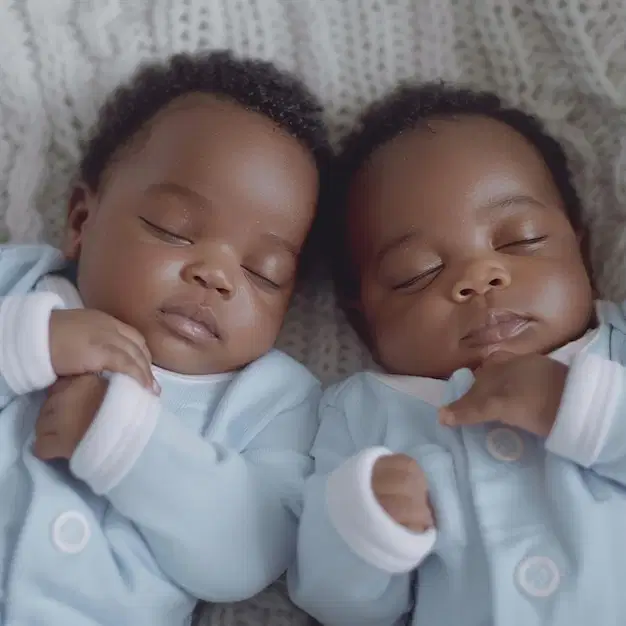
How many genes do identical twins share?
90%
100%
50%
0%

Which of the following are genetic factors?
Algae color
Amount of rainfall
A trait for fur color
Amount of sunlight
Which of the following are NOT genetic factors?
Algae color
Amount of rainfall
A trait for fur color
Amount of sunlight

Which of the following are environmental factors?
Water temperature
Amount of fertilizer
Mutations in DNA that make a plant tall
Genes for eye color
Which of the following are NOT environmental factors?
Water temperature
Amount of fertilizer
Mutations in DNA that make a plant tall
Genes for eye color

Which of the following statements are true about human height?
A person’s height is determined completely by DNA.
Height is neither in a person’s DNA nor affected by the environment.
Height is determined completely by what environment a person lives in.
Height is affected by a person's DNA and also their environment, like their nutrition.
Which of the following statements are NOT true about human height?
A person’s height is determined completely by DNA.
Height is neither in a person’s DNA nor affected by the environment.
Height is determined completely by what environment a person lives in.
Height is affected by a person's DNA and also their environment, like their nutrition.

Altitude is a measure of how high above sea level an area is. For example, mountains are at a high altitude. Altitude is a(n) ____________ factor.
Environmental
Genetic
Both

The graph shows the weight of strawberry plants grown with different types of fertilizer. Fertilizer is a ___________ factor.
Environmental
Genetic
Both
Neither
The graph shows the weight of strawberry plants grown with different types of fertilizer. According to the graph, strawberries vary in weight based off of mostly ____________ factors.
Environmental
Genetic
Both
Neither
Which of the following has to do with your actions being because of you genetics?
Nature
Nurture
Which of the following has to do with your actions being because of your environment?
Nature
Nurture
Which of the following most relates to the nature-nurture issue?
parents and peers
genes and environment
culture and norms
DNA and chromosomes

Diseases can be inherited
True
False
Eye color, hair color, height, etc. fit into this category:
Nature
Nurture
Diet and stress are mostly examples of which type of factors?
Genetic
Environmental
Nutritional
Inherited

What are genetic factors?
Conditions outside the organism that affect growth
Traits inherited from parents that influence growth
The space available for an organism to grow
The amount of food available to an organism
Which are NOT genetic factors?
Conditions outside the organism that affect growth
Traits inherited from parents that influence growth
The space available for an organism to grow
The amount of food available to an organism

Which of the following is an example of a genetic factor?
The amount of sunlight a plant receives
The breed of a dog
The availability of water
The temperature of an environment
Which of the following is NOT an example of a genetic factor?
The amount of sunlight a plant receives
The breed of a dog
The availability of water
The temperature of an environment

Which are NOT environmental factors?
The typical size of a breed
Traits inherited from parents
The genetic makeup of an organism
Conditions outside the organism that affect growth

What are environmental factors?
The typical size of a breed
Traits inherited from parents
The genetic makeup of an organism
Conditions outside the organism that affect growth

Which of the following is an example of an environmental factor?
The height of a family member
The breed of a dog
The genetic traits of a plant
The amount of food available to an organism
Which of the following is NOT an example of an environmental factor?
The height of a family member
The breed of a dog
The genetic traits of a plant
The amount of food available to an organism

What does it mean to analyze data?
To examine information carefully to find patterns or draw conclusions
To inherit traits from parents
To memorize facts about growth
To collect information from experiments

Which of the following best describes the term 'breed'?
A specific type within a species selectively bred for certain traits
A condition outside the organism that affects growth
The process of increasing in size over time
A factor that can change in an experiment

What is the process of growth?
The process of increasing in size or developing over time
The process of inheriting traits from parents
The process of selectively breeding organisms
The process of analyzing data
What is the meaning of 'food availability'?
How much food is accessible to an organism
The genetic traits of an organism
The temperature of the environment
The amount of space available for an organism

What does 'space availability' refer to?
The temperature of the environment
The amount of food accessible to an organism
How much room an organism has to grow and live
The inherited traits of an organism

What does it mean to inherit traits?
To selectively breed organisms
To receive genetic traits from parents
To analyze data from experiments
To grow in size over time
What does it NOT mean to inherit traits?
To selectively breed organisms
To receive genetic traits from parents
To analyze data from experiments
To grow in size over time

What is a variable in an experiment?
A specific type within a species
A condition outside the organism
A trait inherited from parents
A factor that can change in an experiment
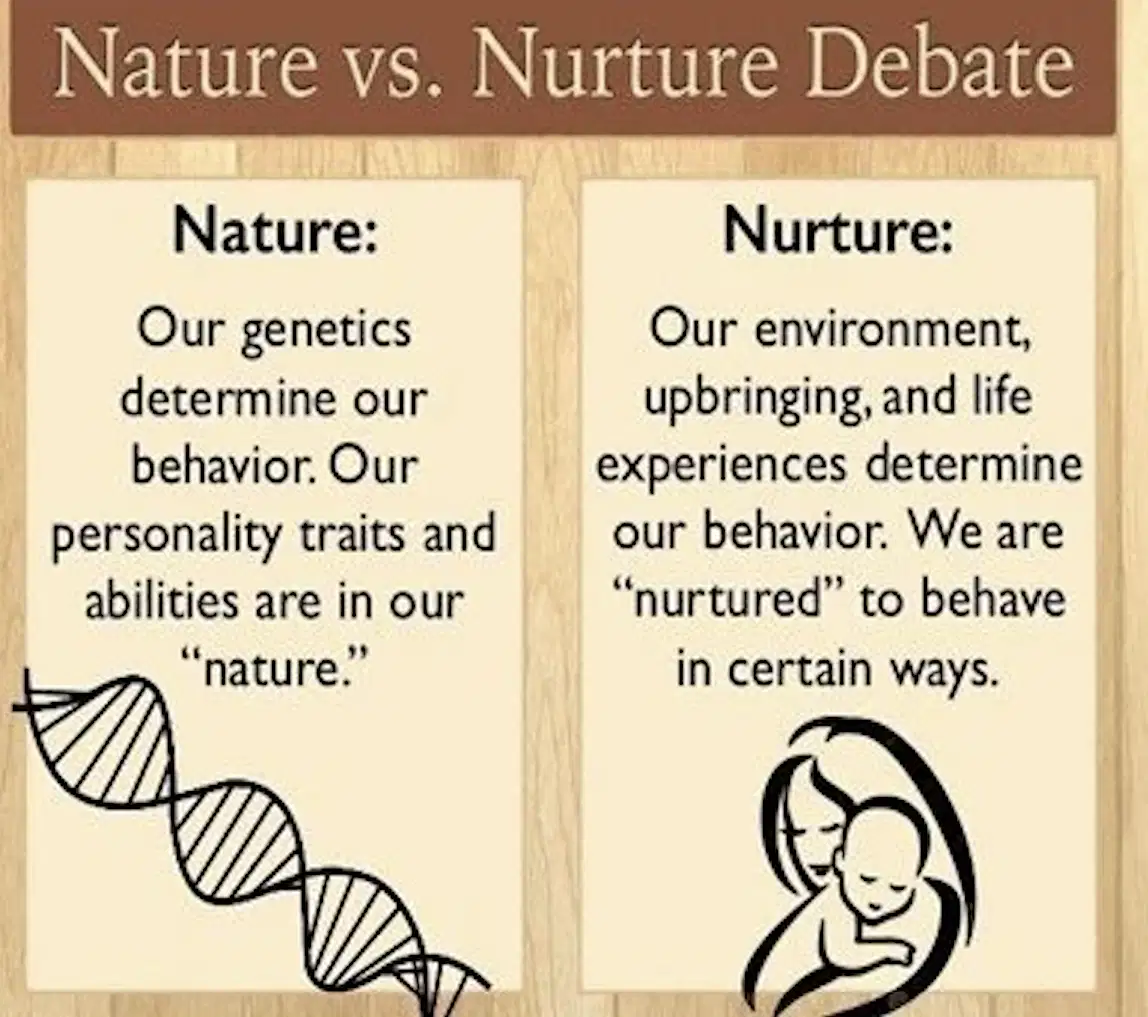
What is the 'nature vs. nurture' debate about?
How much food is available to an organism
The process of analyzing data
Whether genetics or environment has more influence on growth
The typical size of a breed

What does 'typical' mean in the context of growth?
The amount of food available to an organism
The inherited traits of an organism
The process of increasing in size over time
What is normal or expected for a specific type of organism

Which of the following is an example of analyzing data?
Measuring the height of a single plant
Collecting seeds for an experiment
Memorizing facts about genetic traits
Looking at graphs to find patterns in plant growth
Which of the following is NOT an example of analyzing data?
Measuring the height of a single plant
Collecting seeds for an experiment
Memorizing facts about genetic traits
Looking at graphs to find patterns in plant growth

How do genetic and environmental factors work together?
They both influence the final growth outcomes of an organism
They are completely independent of each other
Only genetic factors determine growth
Only environmental factors determine growth

What is an example of a side-by-side comparison?
A list of genetic traits of a dog breed
A chart showing the height of one plant
A single plant grown in one environment
Identical seeds grown in different conditions

Which of the following is an example of a genetic factor influencing growth?
The typical size of a Great Dane compared to a Chihuahua
The amount of sunlight a plant receives
The temperature of an environment
The availability of water for a plant

Which of the following is an example of an environmental factor influencing growth?
The genetic traits of a plant
The breed of a dog
The height of a family member
The amount of food available to a dog
Which of the following is NOT an example of an environmental factor influencing growth?
The genetic traits of a plant
The breed of a dog
The height of a family member
The amount of food available to a dog

What is the role of data analysis in understanding growth factors?
To examine information and find patterns or draw conclusions
To memorize facts about genetic traits
To collect data from experiments
To selectively breed organisms

What does it mean to make predictions about growth?
To selectively breed organisms
To use genetic and environmental information to estimate outcomes
To memorize facts about plant and animal growth
To collect data from experiments

What is the relationship between food availability and growth?
Food availability has no effect on growth
More food availability generally leads to better growth
Food availability only affects genetic factors
Food availability only affects plant growth

What is the relationship between space availability and growth?
Space availability has no effect on growth
Space availability only affects genetic factors
Space availability only affects plant growth
More space availability generally leads to better growth
What is the role of temperature in environmental factors?
Temperature can influence the growth of plants and animals
Temperature has no effect on growth
Temperature only affects genetic factors
Temperature only affects plant growth
What is the purpose of comparing identical seeds grown in different conditions?
To understand how environmental factors affect growth
To memorize facts about plant growth
To selectively breed plants
To collect data from experiments
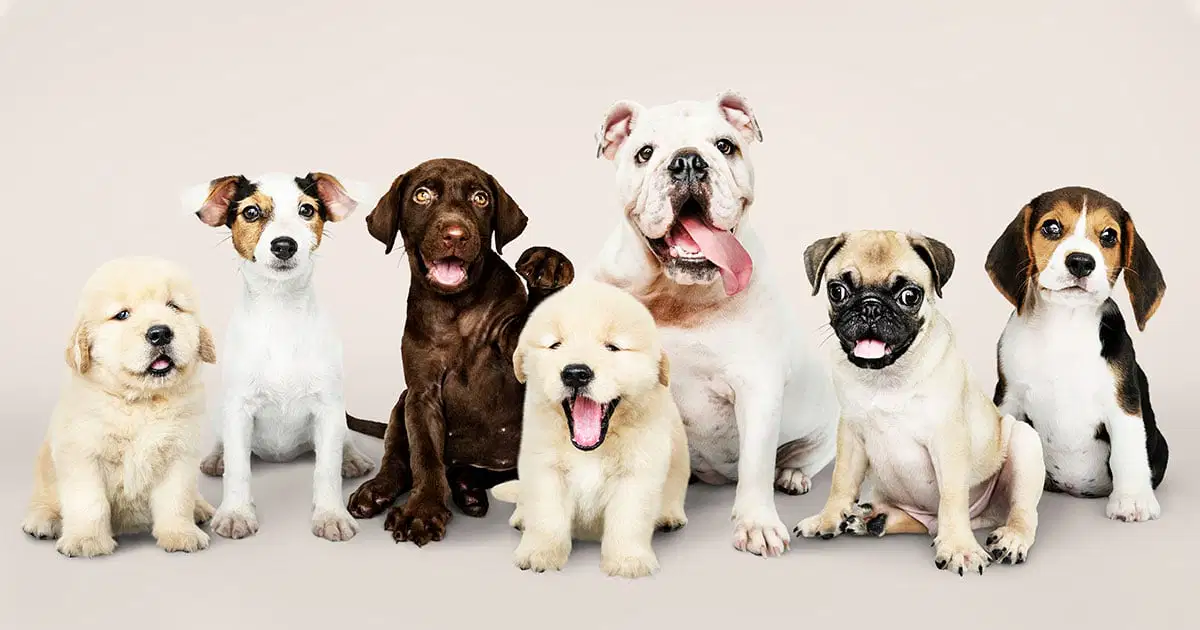
What is the purpose of comparing litter mates raised with different diets?
To understand how environmental factors affect growth
To memorize facts about animal growth
To collect data from experiments
To selectively breed animals

What is the importance of distinguishing between genetic and environmental factors?
It focuses only on genetic factors
It eliminates the need for experiments
It helps in understanding the causes of growth patterns
It focuses only on environmental factors
What is NOT the importance of distinguishing between genetic and environmental factors?
It focuses only on genetic factors
It eliminates the need for experiments
It helps in understanding the causes of growth patterns
It focuses only on environmental factors

