
 Worksheets
Anatomy and Physiology Midterm Review
Total questions: 70
Worksheet time: 48mins
Anatomy is the study of ____________ of a body part, while physiology is the
____________ of a body part.
the function, the structure
the structure, the function
the structure, the formation
the formation, the function
A medical examiner was called to a crime scene with two bodies killed by a sword. Body X was sliced across at waist height. Body Y was sliced down between the eyes. Which answer describes the anatomical planes of the slices?
Body X: transverse; Body Y: midsagittal
Body X: midsagittal; Body Y: frontal
Body X: transverse; Body Y: frontal
D.
Body X: frontal; Body X: transverse
A neurosurgeon orders a spinal tap for a patient where a needle is inserted into the fluid around the spine. Which of the following terms best describes the body
cavity into which the needle will be inserted?
Ventral
Dorsal
Cranial
Thoracic
The heart is located ____________ to the diaphragm.
superior
inferior
dorsal
superficial
Which of the following is not one of the 4 major tissue types?
connective tissue
epithelial tissue
cardiac tissue
muscle tissue
The process of maintaining balance of internal conditions in the body is called ______.
respiration
metabolism
digestion
homeostasis
The cerebellum aids in maintenance of _______.
vision
balance and posture
emotions
speech

A neuron is shown in the figure. The part of the neuron that typically
conducts nerve impulses away from the cell body is the __________.
dendrite
cell body
synaptic cleft
axon

What lobe of the brain is labeled X in the image?
frontal
temporal
parietal
teporal
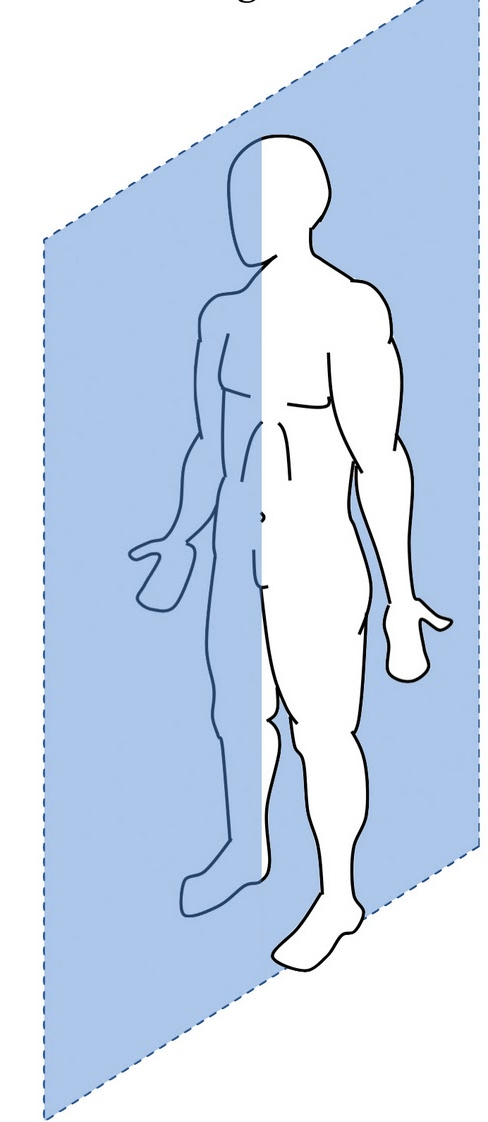


The plane that passes from front to back and divides the body into right and left portions.
Sagittal (medial)
Transverse (Horizontal)
Frontal (coronal)
Which of the following is a component of the central nervous system (CNS)?
spinal cord
brain
nerve
both spinal cord and brain
The sympathetic and parasympathetic divisions are subdivisions of the
afferent nervous system
autonomic nervous system
central nervous system
somatic nervous system
Neurotoxic substances such as marijuana could interfere with neurotransmission at which location?
synapse
cell body
axon
dendrite
The point at which the axon terminal and a dendrite of another neuron
communicate is called the ______1________.
Communication here is made possible by the
release of ______2_______.
.
1- synapse
2- lysosome
1 - nucleus
2 - axon
1 - synapse
2 - neurotransmitters
1 - neurotransmitters
2 - synapse
______________which covers most of the axon, is important because it facilitates electrical conduction of nerve cells.
synovial fluid
myelin
dendrites
CFS
Preparing the body for the "fight-or-flight" response during threatening situations
is the role of the ________
sympathetic nervous system
cerebrum
parasympathetic nervous system
somatic nervous system
The abdominopelvic cavity contains of all of the following components except
stomach
spleen
mediastinum
urinary bladder

The cerebellum is labeled as #...
1
2
3

#1 is pointing to the...
cerebrum
cerebellum
medulla


Which part of the brain is #3 pointing to?
cerebrum
cerebellum
brain stem
Which of the following does NOT accurately describe connective tissue?
It supports, binds, and protects other tissues
It usually contains cells spread out in a matrix
It forms tightly packed sheets that line organs and surfaces
It includes bone, cartilage, blood, and fat.
Which of the following does not accurately describe muscle tissues?
Muscle tissues are made up of fibers in place of cells
Muscle tissues contract
Muscle tissues comprise approximately 50% of the body, by weight.
Muscle tissues can be controlled voluntarily and involuntarily
Adipose Tissue refers to
fat
skin
protein
reproductive tissue
The use or release of energy by combined chemical reactions of synthesizing larger molecules from smaller ones and breaking down larger molecules into smaller ones is known as
anabolism
catabolism.
metabolism
physiology
Which of the following is the key difference between negative feedback mechanisms and positive feedback mechanisms in the way they respond to homeostasis becoming unbalanced?
Negative feedback mechanisms work to bring conditions back to the set point, while positive feedback mechanisms progress further from the set point for a relatively short time period
Negative feedback mechanisms progress further from the set point for a relatively short time period, while positive feedback mechanisms work to bring conditions back to the set point as soon as possible.
Negative feedback mechanisms have lower set points than positive feedback mechanisms, requiring the body’s effectors to spend more energy responding to stimulus than in the case of positive feedback mechanisms.
Positive feedback mechanisms have lower set points than negative feedback mechanisms, requiring the body’s effectors to spend more energy responding to stimulus than in the case of negative feedback mechanisms.
Antidiuretic hormone is released in the body to promote the reabsorption of water and prevent water loss when body fluid volume is low. Antidiuretic hormones are examples of
effectors
affectors
receptors
set points
Which adjective best describes where the lobe of the brain that functions in vision processing is located, if it is found in the lower backside of the brain, above the cerebellum and brain stem?
mental
occipital
orbital
sacral
Which of the following terms is used to describe a reference point's distance and direction from another point along the vertical axis of the body, such as the head being positioned far away from the feet?
distal
medial
lateral
superior
The largest organ of the body by weight is the
liver
skin
large intestine
brain
Which of the following most closely lists the steps to healing a skin wound in the correct chronological order?
fibroblasts produce collagen fibers; scar tissue develops; a blood clot forms; a scab forms and protects
fibroblasts produce collagen fibers; a scab forms and protects; a blood clot forms; scar tissue develops
a blood clot forms; fibroblasts produce collagen fibers; a scab forms and protects; scar tissue develops
blood clot forms; scar tissue develops; a scab forms and protects; fibroblasts produce collagen fibers
Which tissue type provides stabilisation and movement of the body?
muscle
connective
nervous
epithelial
All of the following describe functions of the integumentary system except:
Skin helps to increase water loss from deeper tissues
Skin cells produce a vitamin D precursor
Skin helps to regulate body temperature
Skin prevents harmful substances from entering the body
Which lobe of the brain is involved in taste and smell?
frontal lobe
temporal lobe
parietal lobe
occipital lobe
An investigator who conducts an experiment to determine how temperature changes affect the rate at which the heart beats is most likely a(an)
anatomist
botanis
physicist
physiologist
A section that separates the body into left and right portions is a
frontal section
sagittal section
abdominal section
transverse section
Epithelial tissue functions in
excretion
secretion
protection
all of these
If I am studying the large structures of the human body, I would be studying...
microscopic anatomy
specialized anatomy
macroscopic/gross anatomy
pediatric anatomy
Which of the following is NOT a characteristic of life?
reproduction
growth
metabolism
organization of molecules

What type of tissue is made of flat, single layer of cells that are thin and permeable for rapid diffusion of materials?
simple stratified
simple columnar
simple cuboidal
simple squamous
Which of the following is NOT an accessory structure to the skin?
hair
nails
epidermis
glands
What is the oily substance that protects the skin against water called?
seaweed
callus
sebum
skin
What causes goose bumps?
hair follicles
sebaceous glands
arrector pili muscle
hot weather
Which of the following provides a natural sunscreen for skin?
melanin
carotene
hemoglobin
vitamin D
Which one is not part of the skin:
hair erector muscles
receptors
cilia
blood vessels
Cardiac muscle is found in the wall of the
heart
lungs
brain
bones
Which of the following is NOT a type of neuroglia?
astrocyte
chondrocyte
oligodendrocyte
ependymal cell
Consider the organization of the human body. What is the correct order of the items from simplest to most complex
chemical, organ, tissue, cell, organ system, organism
organism, cell, organ, chemical, tissue, organ system
chemical, cell, tissue, organ, organ system, organism
organism, chemical, cell, tissue, organ, organ system

Identify structure 11.
sweat gland
dermis
hair follicle
nerve ending
The elbow is ______ to the wrist
proximal
lateral
distal
anterior
The study of the structure or form of the body and its parts
Physiology
Anatomy
System Analysis
Dissection

While studying for their biology exam, Zoe and Olivia come across a mysterious diagram in their textbook. They need your help to identify the body system it represents. Can you help them?
excretory system
digestive system
nervous system
circulatory system
Which division of the nervous system sends signals TO the CNS?
Sensory (Afferent)
Motor (Efferent)

What is the number 1 pointing to?
Spinal Cord
Brain Stem
Cerebellum
Cerebrum


The heart is an example of a(n)
cell
organ
organelle
organ segment
Which of the following carries necessary compounds like nutrients and hormones?
water
public city transport
blood
lymph
Which set of directional terms are opposites?
distal and proximal
medial and inferior
superior and ventral
anterior and deep
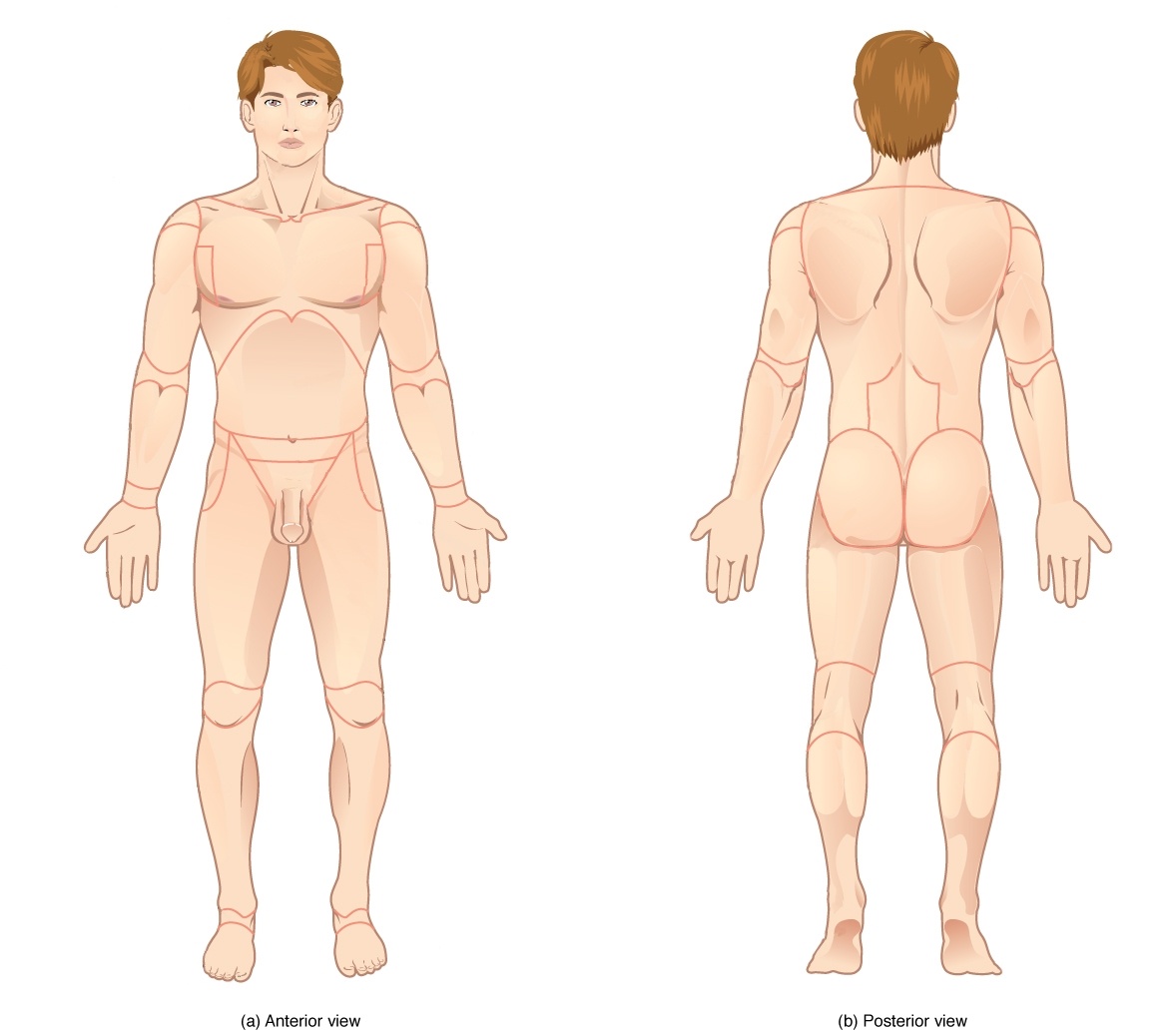
What is anatomical position?
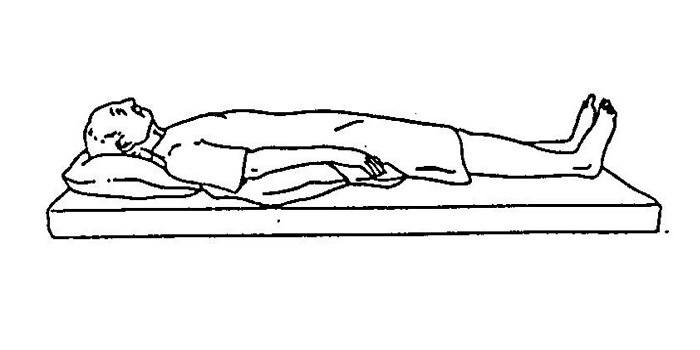
What carries messages between the body and the brain?
Spinal Cord
Heart
Lungs
Kidneys
What is the role of the brainstem?
Regulating vital functions such as heart rate and breathing.
Controlling voluntary muscle movements.
Processing visual and auditory information.
Managing emotional responses and memory.
What is the function of Broca's area?
It is responsible for speech production.
It regulates heart rate.
It processes visual information.
It controls balance and coordination.

