
 Worksheets
Page 1
Total questions: 150
Worksheet time: 1hrs 15mins
Which two broad categories of plant reproduction are emphasized for comparison in a typical unit on plant reproduction?
Vegetative and grafting reproduction
Binary fission and budding reproduction
Internal and external fertilization
Selfing and cross-pollination only
Sexual and asexual reproduction
In a plant’s life cycle, which two stages alternate to complete the cycle?
Seed and fruit phases
Embryo and zygote phases
Root and shoot phases
Gametophyte and sporophyte phases
Pollination and fertilization phases
Which statement best explains why spores are important to seedless plants such as mosses and ferns?
Spores attract pollinators to assist fertilization events
Spores develop directly into seeds with protective coats
Spores are produced only after pollination and fruit set
Spores store food reserves for embryonic sporophytes
Spores enable dispersal and generation of new gametophytes
Which structures are specialized in many ferns to assist reproduction and spore release?
Cones with ovules and pollen
Rhizomes producing tuberous seeds
Stomata regulating gas and water
Anthers inside colorful flowers
Sori with sporangia on fronds
Which pair correctly matches plant group with its usual reproductive unit for dispersal?
All seed plants—motile sperm
Gymnosperms—gemmae cups
Bryophytes—endospermic seeds
Angiosperms—flagellated gametes
Seedless vascular plants—spores
What is the primary biological function of a flower in angiosperms?
Maximizing photosynthesis with expanded surfaces
Facilitating sexual reproduction via specialized organs
Storing starch within modified leaves and stems
Absorbing minerals from soil through root hairs
Providing structural support for woody stems
Which option best contrasts gymnosperms and angiosperms in seed reproduction?
Gymnosperms have naked seeds; angiosperms enclose seeds in fruits
Gymnosperms lack seeds; angiosperms lack embryos
Gymnosperms rely on water; angiosperms rely on motile sperm
Gymnosperms make flowers; angiosperms produce cones only
Gymnosperms use spores; angiosperms skip sporophytes
Which factor most directly influences seed dispersal methods in seed plants?
Depth of root penetration into soil horizons
Presence of bright petals attracting pollinating insects
Rate of cellular respiration during germination phase
Number of cotyledons inside the seed embryo
Fruit or seed morphology suited to wind, water, or animals
A science lab models seed dispersal by testing winged samaras in moving air. Which hypothesis aligns with the design?
Heavier samaras germinate faster due to larger nutrient stores
Higher humidity decreases fertilization success before seed set
Brighter samara pigmentation improves pollinator visitation rates
Warmer air currents prevent the formation of sporophyte tissues
Increased wing surface area increases time aloft and dispersal distance
During germination-rate experiments, which variable should be controlled to ensure valid comparisons across seed samples?
Seed coat color observed on each sample
Moisture availability provided to each group
Date when the parent plant first flowered
Number of petals on the parent flowers
Shape of the Petri dish used for trials
Which statement best describes alternation of generations in plants?
A life cycle alternating diploid sporophyte and haploid gametophyte
A cycle with only diploid cells and asexual clones
A process where meiosis occurs in gametes to form spores
A sequence alternating mitosis and cytokinesis only
In seed plants, where are male gametophytes typically produced and matured?
Within pollen grains formed in anthers
Within sporophyte roots and stems
On the surface of stigma tissues
Inside ovules located in ovaries
Which process directly produces spores in plants?
Meiosis in sporangia of the sporophyte
Fertilization within the archegonium
Germination of seeds into seedlings
Mitosis in gametangia of the gametophyte
Double fertilization in angiosperms results in which two products?
Two triploid endosperms and a seed coat
A diploid zygote and triploid endosperm
Two diploid embryos and a pericarp
A haploid embryo and diploid endosperm
Which structure facilitates pollination by receiving pollen in flowering plants?
The sepal surrounding the bud
The ovule inside the ovary
The anther on the filament
The stigma at the tip of the pistil
Self-incompatibility in many angiosperms promotes which evolutionary advantage?
Enhanced seed dormancy under stress
Increased genetic diversity through outcrossing
Rapid clonal propagation without seeds
Improved nutrient storage within endosperm
A wind-pollinated grass would most likely exhibit which floral traits?
Large colorful petals and nectar rewards
Reduced petals and abundant lightweight pollen
Sticky heavy pollen and enclosed anthers
Night-blooming flowers with strong scents
Which sequence correctly traces events from microspore to sperm cell in angiosperms?
Microspore → pollen grain → pollen tube → generative cell division
Microspore → anther → ovary → embryo sac formation
Microspore → megaspore → egg cell → pollen tube growth
Microspore → sporangium → seed → sperm fertilization
A researcher removes anthers before they release pollen when performing a cross. What is the primary purpose of this step?
Increase nectar production to attract pollinators
Prevent self-pollination to ensure controlled outcrossing
Induce apomixis to produce clonal embryos
Stimulate double fertilization within the ovary
Consider a plant population where pollinators decline sharply. Which immediate reproductive outcome is most likely for a specialist insect-pollinated species?
Reduced seed set due to limited pollen transfer
Unchanged seed set because selfing compensates
Increased outcrossing through wind dispersal
Greater fruit size due to resource reallocation
Which process directly produces gametes in flowering plants?
Mitosis in the gametophyte generation
Meiosis in the gametophyte generation
Meiosis in the sporophyte generation
Mitosis in the sporophyte generation
In angiosperms, the male gametophyte is best described as the
pollen grain with tube cell
anther filament tissue
sperm nucleus alone
microspore mother cell
Double fertilization in angiosperms results in formation of a zygote and
diploid endosperm tissue
tetraploid embryo tissue
triploid endosperm tissue
haploid endosperm tissue
Which structure encloses and protects the developing angiosperm ovules?
Stamen with its anther
Receptacle of the flower
Sepal enclosing the bud
Carpel including the ovary
Self-incompatibility in many plants functions primarily to
increase clonal propagation rates
prevent fertilization after pollination
ensure embryo dormancy after seed set
synchronize fruit development timing
Which statement best compares seedless plants and seed plants in reproduction?
Both produce flowers for pollen transfer
Seedless plants disperse spores not embryos
Seed plants disperse spores not embryos
Both rely mainly on water for sperm delivery
A wind-pollinated grass species will most likely show which floral traits?
Large colorful petals with nectar
Small inconspicuous flowers without nectar
Sticky pollen designed for animals
Strong fragrance attracting insects
During germination, the primary role of endosperm is to
control gaseous exchange rates
supply stored nutrients to embryo
protect the embryonic shoot
anchor the seed in the soil
Which sequence correctly traces the alternation of generations in angiosperms?
Sporophyte → meiosis → spores → gametophyte → gametes → zygote → sporophyte
Gametophyte → mitosis → spores → zygote → sporophyte
Sporophyte → meiosis → gametes → zygote → gametophyte
Gametophyte → meiosis → spores → gametes → sporophyte
A botanist removes anthers from a flower before they dehisce to
prevent self-pollination during crosses
delay fertilization until fruiting
increase pollen tube competition
enhance nectar production rates
Which term describes the transfer of pollen from anther to stigma within the same flower?
Vegetative propagation by roots
Cross-pollination between flowers
Double fertilization in ovule
Self-pollination within one flower
In angiosperms, double fertilization results in formation of which two products?
Embryo sac and pollen tube
Zygote and triploid endosperm
Seed coat and fruit wall
Sporophyte and gametophyte
Which structure guides the pollen tube toward the ovule in a typical flower?
Style tissues with chemical cues
Sepal veins with water flow
Anther filaments with sugars
Petal surfaces with pigments
Which statement best distinguishes monoecious from dioecious plant species?
Monoecious have both sexes on one plant
Monoecious reproduce only asexually
Dioecious have both sexes on one flower
Dioecious cannot produce seeds
A wind-pollinated plant is most likely to show which combination of traits?
Large petals and strong scents
Sticky pollen and heavy nectars
Small flowers and abundant pollen
Bright colors and large nectaries
Which process directly increases genetic variation during sexual reproduction in plants?
Apomixis producing somatic seeds
Clonal propagation by cuttings
Self-pollination of one blossom
Cross-pollination between individuals
A plant breeder bags flowers to prevent foreign pollen, then applies pollen from the same plant. What outcome is most expected after several generations?
Increased homozygosity and inbreeding
Higher mutation rate and diversity
Enhanced heterozygosity and vigor
Greater outcrossing and gene flow
Consider a species with showy petals, nectar guides, and a sticky stigma. Which pollination syndrome is most consistent with these traits?
Water-mediated pollination by flow
Animal-mediated pollination by insects
Self-mediated pollination by gravity
Wind-mediated pollination by air
If an anther is removed before dehiscence in an experiment, what immediate effect on fertilization is most likely?
Enhanced pollen viability on stigma
Increased seed set per ovary
Reduced pollen availability for transfer
Accelerated growth of pollen tubes
A population of flowering plants shifts from outcrossing to frequent selfing due to habitat isolation. Which consequence is most plausible over time?
Reduced genetic diversity and vigor
Expanded gene flow among groups
Greater resistance to pathogens
Increased hybridization with neighbors
Which statement best describes asexual reproduction in plants?
It produces genetically identical offspring to the parent
It increases genetic diversity through recombination of genes
It relies on fusion of male and female haploid gametes
It alternates between sporophyte and gametophyte generations
A primary advantage of asexual reproduction for cultivated plants is that it
yields uniform traits identical to the parent plant
requires separate male and female plants for success
reduces the number of offspring produced each season
enhances resistance by recombining alleles each generation
Sexual reproduction in plants is important because it
occurs only in changing environments over time
recombines genes, increasing genetic diversity
creates clones with identical genetic makeup
eliminates the need for meiosis and fertilization
Which pair correctly matches terms with meanings?
Sporophyte: spore-producing; Gametophyte: gamete-producing
Sporophyte: gamete-producing; Gametophyte: spore-producing
Sporophyte: diploid gamete; Gametophyte: haploid zygote
Sporophyte: haploid adult; Gametophyte: diploid adult
In the alternation of generations of plants, the diploid stage is the
sporophyte that produces spores by meiosis
gametophyte that produces gametes by meiosis
sporophyte that produces gametes by mitosis
gametophyte that produces spores by mitosis
During plant life cycles, meiosis directly produces
haploid zygotes from fused gamete nuclei
haploid spores from diploid sporophyte cells
diploid gametes from haploid gametophyte cells
diploid spores from diploid gametophyte cells
Which sequence correctly traces stages from spore to sporophyte?
Spore → gametophyte → gametes → zygote → sporophyte
Spore → gametes → zygote → gametophyte → sporophyte
Spore → sporophyte → gametes → zygote → gametophyte
Spore → zygote → gametes → gametophyte → sporophyte
A student claims that gametes in plants are produced by meiosis in the gametophyte. Which evaluation is most accurate?
Incorrect, gametophytes make gametes by mitosis
Correct, gametophytes make gametes by meiosis
Incorrect, sporophytes make gametes by mitosis
Correct, sporophytes make gametes by meiosis
Which statement about haploid and diploid stages in plants is true?
Only the haploid stage exists in green algae
Only the diploid stage exists in higher plants
Both stages occur, alternating across generations
Stages do not alternate but overlap continuously
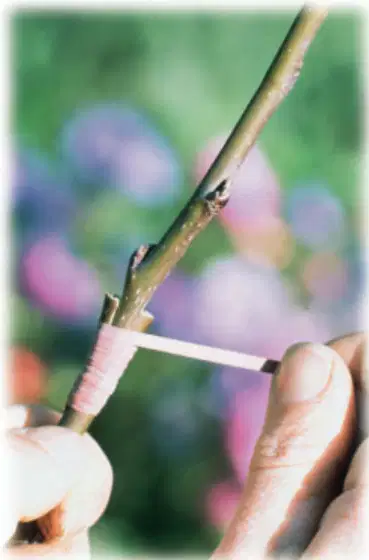
Commercial propagation of orchids and African violets often uses asexual methods mainly because these methods
ensure uniform traits across large numbers
increase genetic variation for adaptation
depend on fusion of specialized gametes
require long periods for seed development
In mosses, which generation forms the familiar, photosynthetic plant body?
Diploid sporophyte with leafy fronds
Sporophyte generation with independent role
Haploid prothallus with sori packets
Gametophyte generation with dominant role
Where are spores produced in the moss sporophyte?
Antheridia on the prothallus surface
Capsule at the tip of a stalk
Ovules inside fleshy cones
Sori on the underside of fronds
After fern spores germinate, what structure develops that bears gametangia?
Heart‑shaped prothallus gametophyte
Woody cone sporophyte body
Berry‑like female cone
Capsule‑tipped stalk sporophyte
What are fern fronds primarily associated with?
Sporophyte leaves producing sori
Gametophyte heart producing spores
Embryo leaves aiding dispersal
Cone scales enclosing ovules
Which statement best distinguishes gymnosperms among seed plants?
Seeds enclosed within a fruiting ovary
Gametophyte is independent and photosynthetic
Sporophyte reduced to a prothallus
Ovules not completely enclosed by tissue
In gymnosperms, how are male and female cones typically arranged?
Combined within one berry
Produced on separate structures
Formed on the prothallus
Hidden inside sori packets
Which is a correct example of variation in female cones among gymnosperms?
Sori clusters to antheridia patches
Capsules on stalks to heart prothalli
Ovaries to enclosed fruits
Woody cones to fleshy berry‑like cones
Approximately how many of the 235,000 species of plants today are seed plants?
About 235,000 species today
About 35,000 species today
About 135,000 species today
About 350,000 species today
Which factor is listed as affecting seed germination?
Temperature, light, moisture, oxygen
Gravity, sound, magnetism, pressure
Leaf size, petiole length, color
Wind speed, altitude, latitude
Why are seeds considered efficient units for plant dispersal?
They produce sori and release spores
They photosynthesize as independent plants
They develop prothalli for fertilization
They move away and wait for conditions
Which statement best describes the role of fire in the germination of some plant species such as lodgepole pine?
Fire cools soil to slow embryo metabolism
Fire removes nutrients needed for embryo growth
Fire breaks seed coats to allow water entry
Fire dries seeds and prevents water entry
In the photo scene of a burned forest with new green growth, what process most directly explains the appearance of many new plants?
Respiration released energy from stored starch
Reproduction produced seeds that germinated
Photosynthesis increased leaf sugar production
Transpiration reduced water loss from leaves
Which plant structures listed are directly involved in sexual reproduction in flowering plants?
Rhizome, frond, sori, prothallus
Rhizome, stem bark, root hairs
Stamen, pistil, ovule, pollen grain
Gametophyte stage, sporophyte stage
Which definition matches the term “germination”?
Transfer of pollen from anther to stigma
Resumption of growth by a seed embryo
Fusion of two gametes forming a zygote
Production of spores by a sporophyte
Which pairing correctly matches a reproductive term with its brief description?
Sporophyte – diploid phase producing spores
Ovule – male gamete producing structure
Gametophyte – diploid generation making seeds
Pollen – female gametophyte of angiosperms
Some plants in a burned forest may regrow from underground stems that survive the fire. Which term best identifies these stems?
Prothalli
Sori
Rhizomes
Fronds
Which statement distinguishes seedless plants from seed plants in reproduction?
Seedless plants disperse by spores, not seeds
Seed plants lack a sporophyte life cycle
Seedless plants make seeds without flowers
Seed plants disperse gametes as motile sperm
Why might ashes left by a wildfire contribute to the success of new plant growth after a burn?
Ashes cool the soil and slow predators
Ashes enrich soil nutrients and structure
Ashes release toxins that suppress roots
Ashes block sunlight and reduce transpiration
Which process must occur before ovules can develop into seeds in flowering plants?
Pollination followed by fertilization
Spore release followed by meiosis
Rhizome elongation before budding
Frond development from the prothallus
A forest manager wants to encourage natural regeneration of a pine stand known to be serotinous (cones open with heat). Which strategy is most likely to succeed while maintaining safety?
Flood the area to soften cone scales naturally
Apply controlled burns to open cones safely
Exclude all fires to protect cones long term
Remove ash to prevent seed coat weakening
Which statement best describes the purpose of the Launch Lab activity with grapes?
Demonstrate photosynthesis using grape leaves
Compare nutrient levels in seedless and seeded grapes
Introduce ideas of plant reproduction using grapes
Measure sugar content in different grape varieties
In the grape investigation, what is the first step students are instructed to perform?
Record seed number per grape half
Rinse grapes thoroughly with water
Split each grape lengthwise for inspection
Obtain two grapes from different plants
Which safety warning is explicitly given for the grape splitting step?
Keep grapes under a fume hood
Dispose of seeds in biohazard bags
Wear gloves when handling knives
Do not eat the grapes during the lab
The Think Critically prompt asks students to hypothesize about which outcome?
If soil pH changes grape sweetness
Whether light intensity alters seed color
Whether seed size affects plant height
How new grape plants could grow without seeds
Which fruits are listed as examples of seedless fruits in the side note?
Bananas, some watermelons, some oranges
Strawberries, raspberries, blackberries
Apples, peaches, avocados
Mangoes, papayas, pomegranates
What teaching strategy is recommended to reduce contamination and mess during the lab?
Have students cover work surfaces with paper towels
Require students to wear lab coats and goggles
Use plastic grapes instead of real grapes
Soak grapes in disinfectant before use
According to the Preparation notes, what should be purchased for the activity?
Only seedless table grapes
Grapes and apple slices
Both seedless and seeded grapes
Only grapes still on the vine
Which organizer are students instructed to construct to compare sexual and asexual characteristics of plants?
A timeline of plant life cycles
A bar graph of seed counts
A Venn diagram with labeled ovals
A flowchart of gamete formation
When making the foldable, after folding the sheet into thirds, what is the next instruction?
Staple the thirds together along the edge
Fold again into sixths for extra tabs
Label each third with plant parts, then color
Unfold and draw overlapping ovals, then cut top slits
Which assessment approach is suggested for classifying fruits by reproductive method?
Measure fruit mass and calculate density
Design a new fruit variety using tissue culture
Have students memorize fruit families for a quiz
Show fruits with and without seeds, then classify plants as sexual or asexual
Which statement best distinguishes sexual reproduction from asexual reproduction in plants?
Sexual reproduction produces genetically identical offspring
Sexual reproduction involves sperm and egg in reproductive organs
Asexual reproduction requires flowers with male and female parts
Asexual reproduction needs insects to transfer pollen
In most plants, asexual reproduction results in offspring that are
Genetically identical to the parent plant
Genetically different from both parent plants
More genetically diverse than animal offspring
Unable to grow roots in any conditions
Which process is defined as the joining of a sperm and an egg in sexual reproduction?
Pollination between two flowers
Fragmentation of plant stems
Fertilization during reproduction
Germination of a new seed
The two main stages in a typical plant life cycle mentioned are
Vegetative stage and fruiting stage
Gametophyte stage and sporophyte stage
Seedling stage and flowering stage
Pollination stage and fertilization stage
Which example illustrates asexual reproduction in plants as shown on the page?
Pollen tubes deliver sperm to the ovule
Seeds form after pollen reaches the stigma
A cutting placed in water grows new roots
A bee transfers pollen to a crocus flower
Why do most plants have two types of reproduction whereas humans typically do not?
Humans can reproduce only through cloning
Plants can produce similar copies without sex
Plants require water to reproduce successfully
Humans lack reproductive organs for sex
Which feature of many flowering plants supports sexual reproduction?
Roots that absorb minerals rapidly
Stems that perform vegetative propagation
Leaves that photosynthesize efficiently
Flowers with separate male and female parts
What role do bees and other insects play in the reproduction shown with the crocus flower image?
They transfer pollen that contains sperm
They fertilize the ovary without pollen
They deliver sperm directly to the egg
They produce seeds on their bodies
Which statement about offspring produced by sexual reproduction in plants is accurate?
They are genetically identical to the parent plant
They are genetically different from either parent
They cannot develop without vegetative organs
They always require a cutting to start growth
A student observes roots forming from a stem cutting placed in water. Which conclusion is best supported?
The plant completed fertilization in the flower
The plant requires insects to deliver the sperm
The plant is undergoing asexual reproduction by cutting
The plant reproduced sexually with pollen and seeds
Which statement best describes asexual reproduction in plants?
Pollen fertilizes an egg to form a zygote
Seeds develop after flowers are cross-pollinated
Gametes combine to increase genetic diversity
New plants form without seeds from parent parts
In potatoes, which structure can develop into a new plant when planted?
Only the central potato core
The thin potato skin only
Each eye on a potato piece
Any cell from the leaf tip
Why can lawn grasses spread widely through asexual reproduction?
Wind moves lightweight seeds long distances
Rhizobia fix nitrogen that stimulates flowering
Insects transfer pollen between distant flowers
Underground stems produce new shoots along their length
When propagating a plant asexually from a stem, what must growers ensure for the cutting?
Plenty of water and any needed resources
Daily cross-pollination with nearby plants
Exposure to cold to break dormancy first
Removal of all leaves to prevent transpiration
Which sequence correctly defines fertilization in sexual plant reproduction?
A seed absorbs water and begins to germinate
A pollen grain grows into a mature sporophyte
A flower produces nectar that attracts pollinators
A sperm and an egg combine to form a zygote
Some plants require help bringing sperm and egg together. Which helper is correctly matched?
Bacteria fuse with pollen to create gametes
Mammals transfer seeds into the soil
Fungi inject embryos directly into ovules
Wind or water can carry sperm to the egg
According to the Mini Lab procedure, what is the FIRST action when observing asexual reproduction in coleus?
Place the cut end in water-filled cup
Cut a stem with at least two pairs of leaves
Remove the bottom pair of leaves
Plant the new cutting into soil
What outcome should drawings from the Mini Lab analysis show about the new plant grown from the stem cutting?
Flowers form immediately; genetically identical
Leaves develop without roots; genetically varied
Only roots form first; genetically different
Roots, stems, and leaves develop; genetically identical
Plant tissue culture is primarily used because it allows what advantage?
Generation of hybrids without laboratory control
Slow maturation of plants with larger seeds
Enhanced cross-pollination among diverse genotypes
Rapid production of many identical disease-free plants
Plant runners are best described as which structure?
Modified stems with nodes forming new plants
Specialized roots absorbing extra minerals
Protective coverings preventing water loss
Expanded leaves storing carbohydrates
Which statement best describes a clone in plant reproduction?
A clone is genetically identical to its parent
A clone has half the chromosomes of its parent
A clone has traits mixed from two parents
A clone differs genetically from its parent
In pea plants, flowers contain which combination of reproductive structures?
Only female structures on all flowers
Neither male nor female structures
Only male structures on all flowers
Both male and female structures
Why can some holly plants not fertilize themselves?
Male and female flowers occur on separate plants
They lack any reproductive organs entirely
They only produce eggs without sperm
They cannot form pollen grains at all
Which outcome follows fertilization in female holly flowers?
Berries form after flowers are fertilized
Seeds form without any fertilization
New roots form instead of fruits
Leaves enlarge instead of fruiting
Which term correctly matches plant life-cycle generations with chromosome numbers?
Gametophyte is haploid; sporophyte is diploid
Gametophyte is diploid; sporophyte is haploid
Both gametophyte and sporophyte are diploid
Both gametophyte and sporophyte are haploid
What do plant female and male reproductive organs produce, respectively?
Pollen and ovary tissue
Sperm and eggs
Seeds and fruits
Eggs and sperm
Which scenario would most likely require cross-fertilization between two plants of the same type?
A plant has both sex organs but exchanges sex cells
A plant lacks leaves during flowering
A plant produces fruits before flowering
A plant has only roots and stems growing
Which example best illustrates asexual reproduction taught using potato pieces?
A potato piece grows roots and stems in moist soil
Two potato plants exchange pollen in a garden
A potato flower is fertilized by insect-delivered pollen
Seeds are formed after cross-pollination in potatoes
Which pair correctly links a word root to its meaning from the vocabulary section?
-phyte from Greek meaning to marry
Spor- from Greek for seed-producing stage
Phyto- from Greek meaning plant
Gamet- from Greek meaning to seed
Which statement about plant life cycles is most accurate?
Life begins when flowers open before any gametes
Life begins with zygote formation from sperm and egg
Life begins with mature plant producing fruits first
Life begins when seeds germinate without fertilization
Which event begins the gametophyte stage in the plant life cycle?
Fusion of gametes
Spore fertilization
Meiosis in reproductive cells
Mitosis in diploid embryos
In plants, spores are best described as which of the following?
Diploid cells produced by meiosis
Haploid cells produced by fertilization
Diploid cells produced by mitosis
Haploid cells produced by meiosis
What process marks the start of the sporophyte stage in plants?
Spore dispersal events
Meiosis producing spores
Mitosis in gametangia
Fertilization forming a zygote
Which statement correctly contrasts gametophyte and sporophyte structures?
Both stages have diploid structures throughout
Gametophyte structures are diploid; sporophyte structures are haploid
Gametophyte structures are haploid; sporophyte structures are diploid
Both stages have haploid structures throughout
Asexual reproduction in plants typically produces offspring with which characteristic?
Half the chromosomes of the parent
Different ploidy than the parent
Greater genetic variation than the parent
Genetically identical to the parent
Which is a primary disadvantage of asexual reproduction in stable environments?
Lack of genetic recombination limits variation
Requires finding a mate to reproduce
Slower than sexual reproduction overall
Produces mostly sterile offspring
A student observes plant nuclei that contain half the usual number of chromosomes. Which stage of the life cycle is dominant in those cells?
Gametophyte structures with haploid nuclei
Sporophyte structures with diploid nuclei
Embryo sporophyte with triploid nuclei
Germinating seeds with polyploid nuclei
Which sequence correctly traces alternation of generations in plants?
Gametophyte → meiosis → gametes → sporophyte → fertilization → spores → gametophyte
Sporophyte → fertilization → spores → gametophyte → meiosis → zygote → sporophyte
Gametophyte → mitosis → spores → sporophyte → meiosis → zygote → gametophyte
Sporophyte → meiosis → spores → gametophyte → gametes → fertilization → sporophyte
Which plant structures produce gametes during the haploid phase?
Gametophyte plant structures
Spore capsules only
Sporophyte plant structures
Embryo cotyledon tissues
Which statement best explains a common advantage of asexual reproduction in plants?
It increases recombination between alleles
It is usually faster and needs only one parent
It requires specialized pollinator species
It ensures high genetic diversity always
Which statement best explains why gardeners cannot buy seeds to grow mosses and most ferns?
They produce seeds only in dry seasons
They reproduce by spores instead of seeds
They have seeds without protective coats
They require animal pollinators for seeds
What happens immediately after a spore case opens in seedless plants such as ferns and mosses?
Spores are released and dispersed by wind
Vascular tissue transports the spores
Seeds germinate and form seedlings
Sperm swim to eggs for fertilization
In nonvascular plants, how do water and substances primarily move within the plant body?
By active transport in roots
Through stomata into leaf veins
Through xylem and phloem strands
By simple diffusion from cell to cell
Which feature distinguishes vascular seedless plants from nonvascular ones?
Presence of xylem and phloem tissues
Ability to produce protective seeds
Requirement for completely dry habitats
Lack of a sporophyte generation
A student observes tiny, waterproof-coated reproductive units in a fern slide like those in the figure. What are these structures?
Spores adapted for dispersal
Zygotes formed after fusion
Pollen grains for pollination
Eggs produced in archegonia
Why is the sporophyte stage of most nonvascular plants often overlooked in the field?
It forms woody stems and bark
It grows only underground
It is very small and short-lived
It is brightly colored and hidden
Mosses are commonly found in damp, shaded forests. Which reason best connects this habitat to their reproduction?
Sunlight destroys spore walls
Water is needed for gamete movement
Vascular tissues function only when wet
Seeds require constant moisture
Which term best describes the leaflike structure of a fern that often bears sori?
Cone
Frond
Rhizome
Prothallus
Sori on the underside of fern fronds are directly involved in which process?
Capturing light for photosynthesis
Producing and releasing spores
Exchanging gases through stomata
Absorbing water from the soil
A field biologist finds a small, heart-shaped green structure of a fern on moist soil. Which stage is this most likely?
Gametophyte called a prothallus
Diploid sporophyte frond
Pollen-producing microspore
Seed embryo within a seed
Which stage in moss is dependent on the gametophyte for water and nutrients?
Sporophyte stage with stalk and capsule
Gametophyte stage with leafy shoots
Protonema stage with branching filaments
Zygote stage before fertilization
In mosses, what event directly produces spores?
Fertilization of the egg
Fusion of two spores
Mitosis in leaf cells
Meiosis inside the capsule
What is the role of the capsule at the tip of a moss sporophyte stalk?
Houses meiosis to form spores
Performs photosynthesis for food
Absorbs water from soil
Produces gametes for fertilization
Under suitable dry conditions, what typically happens when a moss capsule opens?
Stalk detaches to form rhizoids
Capsule grows into gametophyte
Sperm swim toward archegonia
Spores disperse by wind to ground
Which structures in moss produce sex cells?
Sporangium and peristome teeth
Protonema and rhizoids
Sporophyte capsule and stalk
Male and female gametophyte organs
What environmental condition most directly enables moss sperm to reach the egg?
High wind and low humidity
Presence of rain or heavy dew
Freezing temperatures at night
Strong sunlight and heat
Arrange the following moss stages in order starting with the zygote: zygote, embryo, sporophyte, spores, gametophyte.
Zygote → embryo → sporophyte → spores → gametophyte
Zygote → spores → embryo → sporophyte → gametophyte
Zygote → sporophyte → embryo → spores → gametophyte
Zygote → gametophyte → spores → sporophyte → embryo
Why can a single moss capsule releasing millions of spores increase species survival?
More spores reduce competition among seedlings
More spores ensure gametes are produced by sporophytes
More spores guarantee every spore becomes a plant
More spores raise chances a few land in suitable sites
Which statement best compares moss sporophyte and gametophyte nutrition?
Sporophyte depends on gametophyte for nutrition
Neither stage performs photosynthesis at any time
Both stages photosynthesize independently for food
Gametophyte depends on sporophyte for sugars
A student observes brown stalks emerging from green moss mats. What stage and process are they most likely seeing?
Fertilization stage inside female organs
Protonema stage forming new leafy shoots
Gametophyte stage producing eggs and sperm
Sporophyte stage producing and dispersing spores
Which statement best describes asexual reproduction in nonvascular plants shown by small balls of cells on a liverwort?
Seeds from fronds germinate into new ferns
Cells from cups grow into new plants independently
Spores from sori disperse to form gametophytes
Fertilized eggs from cups develop into sporophytes
In many nonvascular plants, which life-cycle stage occupies most of the organism’s life span?
Embryo phase dominates most of the life
Seedling stage dominates most of the life
Gametophyte phase dominates most of the life
Sporophyte phase dominates most of the life
Which structure in ferns is an underground stem that produces roots and fronds?
Rhizome functions as an underground stem
Frond functions as an underground stem
Sorus functions as an underground stem
Prothallus functions as an underground stem
Where are fern sori typically located and what do they contain?
Underside of fronds with many spores
Along rhizomes with embryos
Upper frond surface with pollen
Tip of fronds with many seeds
What is the small, heart-shaped, photosynthetic fern gametophyte called?
Sorus with fronds and embryos
Prothallus with seeds and cotyledons
Rhizome with flowers and anthers
Prothallus with chlorophyll and rhizoids
How can ferns reproduce asexually according to their life cycle?
Pollen fertilizes eggs inside cones
Seeds form in sori then germinate quickly
Fronds grow from rhizomes forming new plants
Flowers produce fruits that release seeds
Which statement compares vascular seedless plants with nonvascular plants?
Vascular seedless plants lack vascular tissue
Vascular seedless plants have vascular tissue
Nonvascular plants have dominant sporophytes
Nonvascular plants transport water by xylem
Why are fern sori sometimes mistaken for disease on the fronds?
They appear as rusty or dark spots
They resemble seeds in pods
They mimic flowers on tips
They look like green heart leaves
What happens when a new fern frond grows from a rhizome branch and is separated from the main plant?
It develops into a seed cone
It becomes a flower-bearing stem
It dies because it lacks chlorophyll
It can grow on its own as a new fern
Which process describes how a piece of a moss gametophyte can form a new plant?
Seed formation through pollination
Sexual reproduction through fertilization
Asexual reproduction through fragmentation
Spore formation within sori

