
 Worksheets
HOPE 4 FINAL QUIZ
Total questions: 47
Worksheet time: 34mins
One of the most popular water sports is (a) . It has been around for centuries. It has evolved to become one of the most common recreational activities as well. It is a sport that tests your fitness and stamina. can provide you with a low-impact workout and it’s also a good way to relax and feel good
A type of swimming activity which involves swimming as its primary mechanism in competing which can either be individual or team based.
(a)
A type of swimming activity which occurs when learning swimming and water safety is the main objective of the activity. Recreational swimming is often less structured than sessions designed to teach swimming and water safety, and may occur in a wider than usual range of environments.
(a)
The most basic and essential swimming skill is simply becoming comfortable in the water. Although humans are born with innate water skills, many people develop a fear of the water.
(a)
begins with simple exercises such as drawing a breath, submerging, blowing bubbles and then resurfacing for another breath. As your swimming skills improve, you will learn specific breathing techniques for different strokes.
(a)
Keeping your body in a horizontal position in the water, is a basic water skill. If you accidentally fall in the water, you may be able to float until you are rescued, even if you are not strong enough to swim to safety.
(a)
provides propulsion through the water. It is also used in treading water, which is the process of remaining in one place while keeping your head above the water line.
(a)
are the arm movements used to pull the body through the water. The front crawl, sidestroke, breast stroke, backstroke and butterfly are the five most common swimming strokes.
(a)
is another stomach-position stroke, in which the arms move forward in a circle motion going above the head and directly into the water. Once the arms hit the water, the legs are kicked backward at the same time in what is known as a dolphin kick.
(a)
It is a stroke is typically used for speed, as it allows for a streamlined movement that helps the body glide through the water. Also referred to as the “forward crawl”, the body stays in the water during this stroke, while the arms and legs work in tandem to provide forward motion.
(a)
one of the most well-known swimming strokes. Also referred to as the “racing backstroke”, this Strokes is done by swimming on your back and swinging one arm at a time up over your head and back down behind your back, while kicking backward in a flutter kick.
(a)
is done on the stomach, with both arms in the water while the body is pulled backward. The arms then move in an arc shape in the front of the body while the legs do a frog kick.
(a)
protect your eyes from chlorine (and anything else that may be in the water), and they help you keep your eyes open while you swim so that you can see where you’re going.
(a)
fit on your feet and add propulsion to your kicks (think of a duck’s webfoot). They are great training for your legs and will help you swim faster.
(a)
are devices made of foam or other materials that float, and they come in a variety of shapes and sizes.
(a)
Fabrics are designed for minimal resistance through the water, they tend to last a long time, and they resist fading even when used repeatedly in chlorinated pools.
(a)
refers to the aerobic exercise that is performed in reasonably shallow water, for example in a swimming pool. This type of exercise is done mostly when the person is standing upright. The person is standing upright. The person doing this type of aerobics will not swim. It is also a method of resistance training. This is a type of aerobics exercise that required participants to be immersed in water. The
(a)
TARGET:
ABS AND GLUTES
(a)
TARGET:
FAT BURNER
(a)
TARGET: ARMS AND LEGS
(a)
is an activity that allows participants to observe the underwater world from the surface using a mask and a snorkel tube. It requires less training and gear than scuba diving and free diving, and the basics can be learned in a short period of time.
(a)
is a device used for breathing air from above the surface when the wearer's head is face downwards in the water with the mouth and the nose submerged.
(a)
consist of the lenses also known as a faceplate, a soft rubber skirt, which encloses the nose and seals against the face, and a head strap to hold it in place.
(a)
fins or flippers are finlike accessories worn on the feet, and usually made from rubber or plastic, to aid movement through the water in water sports activities.
(a)
wetsuit is a garment, usually made of foamed neoprene with a knit fabric facing, which is worn by people engaged in water sports and other activities in or on water,
(a)
A best type of snorkeling where a person floats on the water’s surface while breathing through a snorkel to observe marine life below.
(a)
A type of snorkeling where the snorkeler allows the natural movement of water currents to carry them while floating and observing underwater scenery.
(a)
type of snorkeling where participants travel by boat to snorkeling sites and enter the water from the boat.
(a)
A type of snorkeling where the snorkeler enters the water directly from the shoreline without using a boat.
(a)
Is the practice of holding your breath when diving underwater without the use of breathing equipment, such as a scuba tank. Is a way of life for some, a competitive sport for others, and a hobby for many. Read on to find out more information about what free diving is, the benefits that come with it, where you can free dive, and why people are doing it.
(a)
is a type of free diving for leisure, such as on vacation or training (non-competitively) with a certified buddy. People freedive recreationally for challenge themselves physically and mentally, to take beautiful underwater photos, to improve their mental health, to explore the underwater world, or to improve their fitness.
(a)
A type of Free Diving where athletes dedicate their training to participate in competitions. There are lifestyle sport free divers who join competitions to challenge themselves and improve their skills, and professional sport freedivers who compete to break national and world records.
(a)
are the most common weighting system currently in use for snorkeling. They are generally made of tough nylon webbing, but other materials such as rubber can be used.
(a)
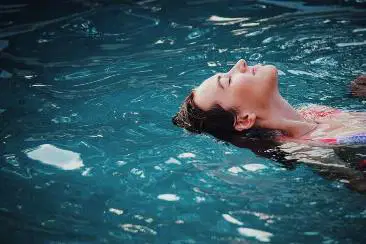
NAME BASIC SKILL IN SWIMMING IN THE PICTURE.
(a)
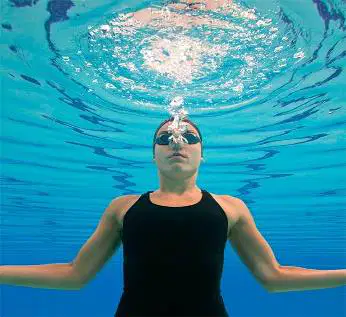
NAME BASIC SKILL IN SWIMMING IN THE PICTURE.
(a)
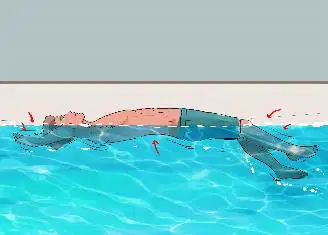
NAME BASIC SKILL IN SWIMMING IN THE PICTURE.
(a)
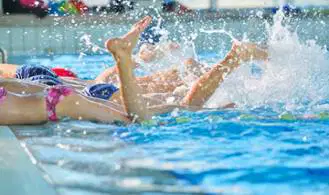
NAME BASIC SKILL IN SWIMMING IN THE PICTURE.
(a)
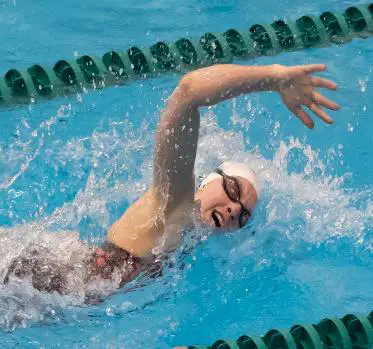
NAME THE SWIMMING STROKE IN THE PICTURE.
(a)
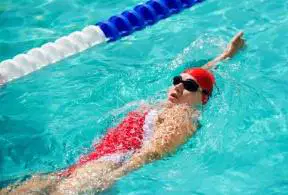
NAME THE SWIMMING STROKE IN THE PICTURE.
(a)
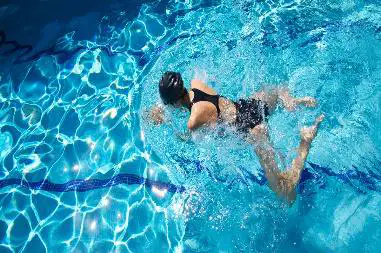
NAME THE SWIMMING STROKE IN THE PICTURE.
(a)
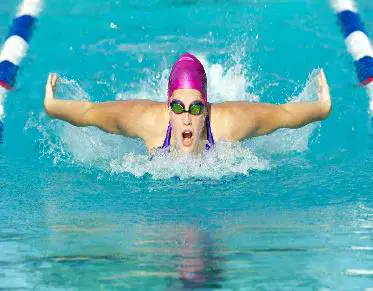
NAME THE SWIMMING STROKE IN THE PICTURE.
(a)

NAME THE SWIMMING EQUIPMENT IN THE PICTURE.
(a)
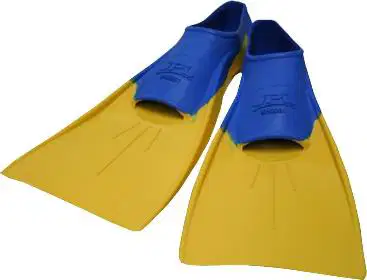
NAME THE SWIMMING EQUIPMENT IN THE PICTURE.
(a)
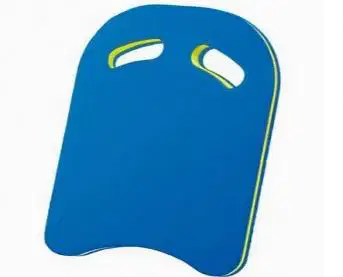
NAME THE SWIMMING EQUIPMENT IN THE PICTURE.
(a)
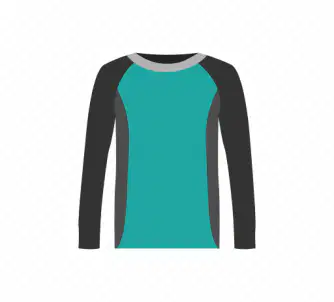
NAME THE SWIMMING EQUIPMENT IN THE PICTURE.
(a)
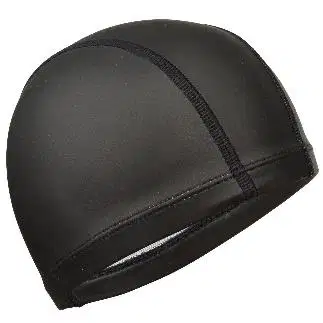
NAME THE SWIMMING EQUIPMENT IN THE PICTURE.
(a)
NAME THE SWIMMING EQUIPMENT IN THE PICTURE.
(a)

