
 Worksheets
KALIM BIO..
Total questions: 150
Worksheet time: 1hrs 15mins
Which of the following is characteristic of an animal cell?
Presence of chloroplasts
Possession of a cellulose cell wall
Absence of large vacuoles
Presence of large vacuoles
All living organisms
photosynthesize
respire
move
feed
The vacuole of a plant cell is
a large empty space
smaller than that of an animal cell
filled with air
surrounded by a membrane
The part of the cell solely responsible for respiration is the
nucleus
nucleolus
mitochondrion
Golgi apparatus
Which of the following cell constituents is NOT common to both plants and animals?
Mitochondria
Chloroplasts
Ribosomes
Golgi apparatus
A group of similar cells performing the same function is
an organ
a system
a tissue
an organelle
The function of endoplasmic reticulum is
protein synthesis
intracellular transport of materials
digestion and destruction of foreign bodies
The oxidative part of the respiration process takes place in the
mitochondria
ribosomes
endoplasmic reticulum
The function of ribosomes in cells is
protein synthesis
starch synthesis
transport of materials
Which of the following structures is common to Euglena, white blood cell and Amoeba?
Vacuole
Cell wall
Cilia
Cell membrane
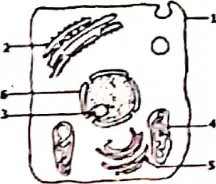
Use the diagram below to answer questions 13 to 15. The structure labelled 5 is the
nucleus
Golgi body
mitochondrion
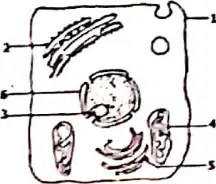
Use the diagram below to answer questions 16 and 17. Which of the following structures is associated with aerobic respiration?
A1
B2
C3
The organelle involved in tissue respiration is the
endoplasmic reticulum
ribosome
Golgi body
A tissue can best be defined as
an aggregate of similar cells performing a similar function
an aggregate of cells performing the same function
The membrane surrounding the vacuole in a plant cell is called the
plasmalemma
tonoplast
nuclear membrane
Which of the following organelles are likely to be present in cells that are actively respiring?
Mitochondria and chloroplasts
Lysosomes and ribosomes
The cell of an onion bulb can be differentiated from a cheek cell by the presence of
plasmalemma
chloroplast
cell wall
nucleous
What is the level of organization of an onion bulb?
Tissue
Organ
System
Organism
Characteristic exhibited by all living organisms is
sexual reproduction
aerobic respiration
the ability to move from one place to another
the ability to remove unwanted substances
In a cell, the genes are carried by
nuclear membranes
chromatins
lysosomes
mitochondria
Which of the following characterizes a mature plant cell?
The nucleus is pushed to the centre of the cell.
The cell wall is made up of cellulose.
The nucleus is small and irregular in shape.
The cytoplasm fills up the entire cell space.
Which of the following is NOT a function of the nucleus of a cell?
It translates genetic information for the manufacture of protein.
It stores and carries hereditary information.
It is a reservoir of energy for the cell.
It controls the life processes of the cell.
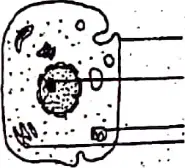
Use the diagram with a plant cell showing parts labelled I, II, III and IV to answer this question. The organelle responsible for heredity is labelled
I
II
III
IV

Use the diagram with a plant cell showing parts labelled I, II, III and IV to answer this question. The part labelled IV is the
Mitochondrion
cell wall
endoplasmic reticulum
nucleoplasm
The organelles in cells that are actively respiring and photosynthesizing are
Golgi apparatus and endoplasmic reticulum
nucleus and centrioles
mitochondria and chloroplast
lysosomes and ribosomes
The lowest level of organization in living organisms is
organ
cell
system
tissue
Which of the following is the most complex according to their cellular level of organization?
heart
hair
euglena
hydra
Which of the following organisms is multicellular?
Chlamydomonas
Spirogyra
Amoeba
Euglena
Mineral salts can be absorbed into the roots by
osmosis only
osmosis and diffusion
diffusion and active transport
diffusion only
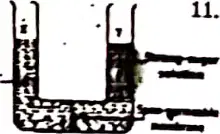
The process by which water moves from X to Y through a semi-permeable membrane is called
diffusion
osmoregulation
active diffusion
osmosis
The process by which a red blood cell placed in distilled water absorbs water until it bursts and releases its contents into the surroundings is known as
osmosis
plasmolysis
turgidity
haemolysis
A narrow protozoan is likely to have a contractile vacuole mainly because the cytoplasm is
isotonic to sea water
hypotonic to sea water
hypertonic to sea water
impermeable to sea water
Which of the following can cause shrinkage of living cells?
deionized water
a hypertonic solution
a hypotonic solution
an isotonic solution
Euglena may be classified as a plant because it
has chloroplasts
has a gullet
lives in a pond
possesses a flagellum
has a pellicle
Rhizopus (or Mucor) obtains its food from dead organic matter extracellularly; it is said to be
a facultative parasite
a saprophyte
an obligate parasite
a commensal
an autotroph
One of the following statements is not true of viruses.
They are micro-organisms.
They are smaller than bacteria.
They can be seen with an ordinary light microscope.
They cause tobacco disease.
In Mucor or Rhizopus carbohydrate is absorbed in the form of
starch
sucrose
glucose
glycogen
arabinose
In Rhizopus, carbohydrate is stored in the form of
glucose
paramylum
glycogen
starch
oil
In which of the following groups of animals are flagella and cilia found?
Flatworms
Annelids
Coelenterates
Protozoa
Which of the following is NOT true of Mucor?
contains chlorophyll
grows saprophytically
bears spores in a sporangium
consists of hyphae
reproduces by conjugation
Viruses are regarded as non-living because they
can neither reproduce asexually nor sexually
cannot survive in their respective environments
do not possess characteristics that can be transmitted from one generation to the next
can neither respire nor excrete
Which of the following features of Euglena is found only in animals?
paramylum granules
flagellum
pellicle
pyrenoid
The hypha of Rhizopus is said to be coenocytic because it
does not contain chlorophyll
has no cross walls
is vacuolated
stores oil globules
Spirogyra, Euglena, and Chlamydomonas share many characteristics EXCEPT
nutrition
reproduction
mobility
irritability
What is the function of trichocyst in Paramecium?
movement
defence
excretion
reproduction
A multicellular body without internal cell boundaries is characteristic of
Bryophytes
Fungi
Algae
Gymnosperms
Viruses are considered to be living organisms because they
possess transmissible characters
move from one place to another
respond to stimulation
ingest food materials
Which of the following characteristics is common to Amoeba and Paramecium?
oral groove
trichocyst
contractile vacuole
cilia
Which of the following are non-green plants?
Euglena
Fungi
Spirogyra
Angiosperms
One of the features which adapts Paramecium to its environment is the possession of
an angular shape
two nuclei
cilia
a pellicle
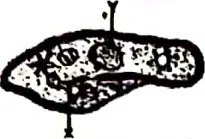
Use the figure below to answer the questions. The structure labeled X is used by the organism in the same way as man uses his
appendix
trachea
stomach
intestine
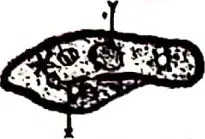
Use the figure below to answer the questions. The structure labeled Y is the
food vacuole
nucleus
macronucleus
contractile vacuole
In which of the following organisms does a single cell perform all the functions of movement, nutrition, growth, excretion and photosynthesis?
Paramecium
Euglena
Amoeba
Spirogyra
The spores of Mucor are dispersed by
water
wind
insects
explosive mechanism
Members of the phylum Protozoa use the contractile vacuole
to remove excess food
for movement
for digestion
to remove excess water
Which of the following is TRUE of the process of conjugation in Paramecium?
Micro-nucleus disintegrates
Each ex-conjugant divides only once
Meconucleuades undergo division
Each micronucleus divides twice
The smallest living organisms which share the characteristics of both living and non-living matter are
bacteria
fungi
viruses
protozoa
Which of the following does a virus have in common with animal cells?
Nucleus
DNA
Glycogen
Cytoplasm
Viruses differ from all forms of life because they
have a thick cell wall
feed on waste products of other organisms
cause infectious diseases
require other living cells to multiply
The protoplasmic type is characterized by
a complex cytoplasm in which different regions are poorly defined
localization of different regions of the cell into tissues
collection of organelles and macromolecular complexes
simple cytoplasm with well-defined regions
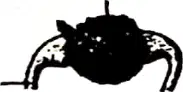
Use the diagram below to answer the questions. The structure labeled I is formed as a result of the fusion of
two pairs of nuclei
several pairs of nuclei
a pair of nuclei
two pairs of nuclei
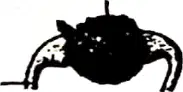
Use the diagram below to answer the questions. The special name of the part labeled II is
gametangium
hypha
suspensor
zygospore
The most recently evolved structure in animals is the
hair
cilium
scale
feather
The order in which organic evolution has progressed in plants is
Thallophyta, Schizophyta, Bryophyta, Pteridophyta and Spermatophyta
Schizophyta, Thallophyta, Bryophyta, Pteridophyta and Spermatophyta
Pteridophyta, Spermatophyta, Thallophyta, Schizophyta and Bryophyta
Bryophyta, Pteridophyta, Spermatophyta, Thallophyta and Schizophyta
Which of the following groups is the most advanced?
Pteridophytes
Bryophytes
Thallophytes
Gymnosperms
The animals that move by means of flagella include
Chlamydomonas and Euglena
Planaria and Amoeba
Amoeba and Hydra
Paramecium and Planaria
The umbrella-shaped fruiting body of a fully developed mushroom is the
Pileus
Mycelium
Basidium
Stipe
The similarity among organisms belonging to the same group will be least within each
family
order
kingdom
species
The cell component that is present in a prokaryotic cell is the
chloroplast
ribosome
mitochondrion
nuclear envelope
A plant-like feature in Euglena is the
pellicle
pigment spot
large spot
gullet
The most common characteristic of the fungal hyphae is the possession of
cell-like compartments with one nucleus each
cell walls that are both rigid and chitinous
a multicellular mycelium on the substrate
cell-like partitions formed by cross walls
The hyphal wall of fungi is rigid owing to the presence of
cell wall in lignin
cellulose
chitin

Use the diagram below to answer the questions. The part labeled IV is responsible for
osmoregulation
respiration
ingestion
locomotion
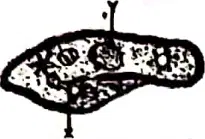
Use the diagram below to answer the questions. The organelle responsible for sexual reproduction is
III
IV
II
I
The chromosomes of members of the kingdom Monera are within the
nucleoplasm
cytoplasm
nucleus
nucleolus
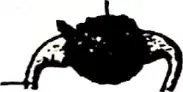
Use the diagram below to answer the questions. The process illustrated is
gametogenesis
sporulation
sexual reproduction in Spirogyra
sexual reproduction in Rhizopus
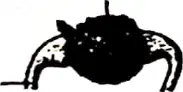
Use the diagram below to answer the questions. The structure labeled I is the
sporangium
hypha
zygospore
conidiospore
In terms of the number of individuals, which of the following taxa is most inclusive?
Order
Family
Class
Species
A blue-green alga is not a prototype because
it is aquatic
its cells are prokaryotic
it cannot move
it is not a green plant
Which of the following groups of cells is devoid of true nuclei?
Algae
Monera
Fungi
Viruses
Which of the following is the lowest category of classification?
Class
Species
Family
Genus
The fungi are a distinct group of eukaryotes mainly because they have
spores
no chlorophyll
many fruiting bodies
sexual and asexual reproduction
The organ which is sensitive to light in Euglena is the
flagellum
chloroplast
eyespot
gullet
Which of the following is the simplest living organism?
Virus
Amoeba
Chlamydomonas
Paramecium
Fungi are referred to as heterotrophs because they
lack chlorophyll
have mycelium
lack roots
are filamentous
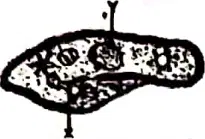
Use the diagram below to answer the questions. The part labeled II is the
nucleus
eyespot
basal granule
contractile vacuole
Use the diagram below to answer the questions. The part responsible for photosynthesis is labeled
III
V
I
II
One of the following statements is Not true of Spirogyra. A. It is a simple multicellular plant B. During conjugation, its gametes, which are structurally and physiologically similar, fuse to form a zygote C. It possesses spiral chloroplast which enable the plant to photosynthesize D. Its cells are protected externally by a layer of mucilage E. There are pendules along the chloroplast (1980:Q2)
It is a simple multicellular plant
During conjugation, its gametes, which are structurally and physiologically similar, fuse to form a zygote
It possesses spiral chloroplast which enable the plant to photosynthesize
Its cells are protected externally by a layer of mucilage
There are pendules along the chloroplast
One common feature of the fungi, algae, mosses and ferns is that they A. are photosynthetic B. show alternation of generation C. reproduce by means of conjugation D. can survive dry conditions E. have no seeds (1981:Q39)
are photosynthetic
show alternation of generation
reproduce by means of conjugation
can survive dry conditions
have no seeds
Which of the following represents the evolutionary sequence in these plants? 1. Flowering plants, 2. Ferns, 3. Mosses, 4. Algae, 5. Conifers. A. 2–1–4–3–5 B. 5–4–3–2–1 C. 2–4–5–1–3 D. 3–2–4–5–1 E. 4–3–2–5–1 (1983:Q43)
2–1–4–3–5
5–4–3–2–1
2–4–5–1–3
3–2–4–5–1
4–3–2–5–1
Mosses, liverworts and ferns can be grouped together because they A. are aquatic plants B. all have green leaves C. are seedless plants D. have undifferentiated plant bodies E. all produce colourless flowers (1984:Q37)
are aquatic plants
all have green leaves
are seedless plants
have undifferentiated plant bodies
all produce colourless flowers
Spirogyra and Mucor can be grouped together as Thallophyta because A. they are unicellular organisms B. their spores could be dispersed by wind C. they are capable of living independent lives D. they reproduce sexually only E. their bodies are made up of thallus and filaments alternatively (1984:Q4)
they are unicellular organisms
their spores could be dispersed by wind
they are capable of living independent lives
they reproduce sexually only
their bodies are made up of thallus and filaments
Which of the following is INCORRECT? The prothallus of a fern A. is a flattened heart-shaped structure B. is green because its cells contain chloroplasts C. is attached to the ground by numerous rhizoids D. bears the sexual organs E. is the dominant plant in the life history (1984:Q6)
is a flattened heart-shaped structure
is green because its cells contain chloroplasts
is attached to the ground by numerous rhizoids
bears the sexual organs
is the dominant plant in the life history
In Spirogyra, the pyrenoid A. excrete waste products B. is surrounded by cytoplasmic strands C. is mainly used for respiration D. usually contains starch E. makes the plant slimy to touch (1985:Q11)
excrete waste products
is surrounded by cytoplasmic strands
is mainly used for respiration
usually contains starch
makes the plant slimy to touch
Bryophytes are different from flowering plant because they A. live in moist habitats B. are small plants C. reproduce asexually and sexually D. have small leaves E. have no vascular tissues (1985:Q38)
live in moist habitats
are small plants
reproduce asexually and sexually
have small leaves
have no vascular tissues
In lower plants like mosses, the structure which performs the functions of roots of higher plants is called A. root hairs B. rootlets C. hyphae D. rhizoids E. thalli (1985:Q10)
root hairs
rootlets
hyphae
rhizoids
thalli
Which of the following is NOT true of Spirogyra? A. Reproduces by conjugation B. Reproduces by fragmentation C. Consists of branched filaments D. Consists of unbranched filaments (1986:Q6)
Reproduces by conjugation
Reproduces by fragmentation
Consists of branched filaments
Consists of unbranched filaments
In a plant exhibiting alternation of generations, the diploid multicellular stage is known as A. gametophyte B. sporophyte C. rhophyte D. sporophyte (1987:Q4)
gametophyte
sporophyte
rhophyte
sporophyte
A characteristic that distinguishes bryophytes from flowering plants is the A. possession of true stems and leaves B. ability to reproduce asexually C. absence of vascular tissues D. ability to grow in moist habitats (1989:Q6)
possession of true stems and leaves
ability to reproduce asexually
absence of vascular tissues
ability to grow in moist habitats
In most true ferns sporangia are grouped into A. indusium B. fronds C. prothalli D. sori (1987:Q10)
indusium
fronds
prothalli
sori
In the reproduction of mosses, water is essential because A. they live in moist habitats B. they cannot reproduce without water C. the male gametes must swim to fertilize the ovum D. they produce spores (1987:Q11)
they live in moist habitats
they cannot reproduce without water
the male gametes must swim to fertilize the ovum
they produce spores
The term Thallophyta refers to A. ferns and mosses B. algae and fungi C. mosses and liverworts D. fungi and ferns (1988:Q3)
ferns and mosses
algae and fungi
mosses and liverworts
fungi and ferns
The prothallus of a fern is equivalent to the gametophyte generation of a moss because it A. is inconspicuous B. has rhizoids C. bears sexual organs D. is multicellular (1988:Q8)
is inconspicuous
has rhizoids
bears sexual organs
is multicellular
The algae, bryophytes and pteridophytes are similar in that they A. are sea weeds B. have no vascular tissues C. require moisture for fertilization D. are microscopic plants (1990:Q5)
are sea weeds
have no vascular tissues
require moisture for fertilization
are microscopic plants
The spores of ferns are dispersed by A. wind B. water C. insects D. explosive mechanism (1990:Q6)
wind
water
insects
explosive mechanism
In bryophytes, sex organs are produced in the A. gametophyte B. rhizoid C. protonema D. sporophyte (1990:Q7)
gametophyte
rhizoid
protonema
sporophyte
Which of the following are differentiated into true roots, stems and leaves? A. Algae B. Schizophyta C. Pteridophyta D. Bryophyta (1991:Q6)
Algae
Schizophyta
Pteridophyta
Bryophyta
The annulus of fern sporangium helps in A. spore dispersal B. conduction of mineral salt C. trapping of light energy D. water retention (1991:Q8)
spore dispersal
conduction of mineral salt
trapping of light energy
water retention
In which of these features do bryophytes differ from pteridophytes? A. Presence of flower B. Alternation of generation C. Dependence on water for reproduction D. Presence of a vascular system (1993:Q3)
Presence of flower
Alternation of generation
Dependence on water for reproduction
Presence of a vascular system
Which of the following organs or cell components are common to both the sporophyte and the gametophyte of a fern? A. Rhizoids B. Roots C. Chloroplasts D. Leaves (1993:Q4)
Rhizoids
Roots
Chloroplasts
Leaves
Which is the correct order in an evolutionary sequence for the following plant groups?
Bacteria – ferns – algae – mosses – seed plant
Bacteria – ferns – mosses – algae – seed plant
Bacteria – algae – mosses – ferns – seed plant
Bacteria – mosses – algae – ferns – seed plants
One common characteristic of fungi, algae, mosses and ferns is that they
show alternation of generations
reproduce sexually by conjugation
produce spores that are dispersed
possess chlorophyll in their tissues
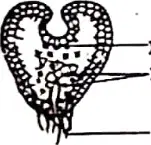
Use the diagram below to answer. Pteron‑like bodies are borne on the part labelled.
I
II
III
IV
V
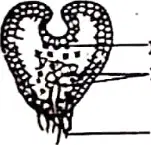
Use the diagram below to answer. The sexual reproductive functions is performed by the part labelled.
I
II
III
IV
V
Which of the following perform similar functions?
Ascospores and ascocarp
Antherozoids and rhizoid
Sorus and indusium
Strobili and inflorescence
In ferns, the sporophyte
develops from a haploid zygote
reproduces sexually to produce spores
is haploid and dependent on the gametophyte
is diploid and independent of the gametophyte
In which of the following organisms does each cell combine the function of nutrition, reproduction and growth?
Rhizopus
Dryopteris
Brachynium
Spirogyra
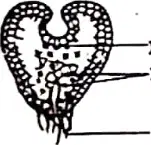
Use the diagram below to answer. The structures labelled II and III respectively are
female organs and rhizoid
male organs and rhizoid
sporophyte and sori
annulus and stalk of sporangium
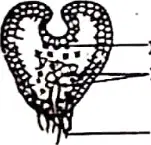
Use the diagram below to answer. In ferns, the structure above is equivalent to the
zygote of a moss
gametophyte generation of a moss
sporophyte generation of a moss
sporophyte of a moss
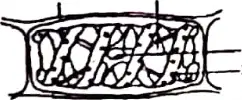
Use the diagram below to answer. The structures that are common to both plant and animal cells are labelled
IV and I
II and IV
II and III
I and II
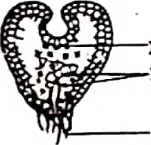
Use the diagram below to answer. Food is stored in the structure labelled
I
II
III
IV
One distinctive feature in the life history of liverworts is that they exhibit
Alternation of generation
Vegetative reproduction
Asexual reproduction
Sexual reproduction
The absence of special food and water‑conducting systems restricts the body size in
algae, liverworts and mosses
liverworts, mosses and ferns
the bryophytes and the pteridophytes
the thallophytes and the pteridophytes
The dominant phase in the life cycle of a bryophyte is the
gametangium
sporophyte
gametophyte
prothallus
A water medium is necessary for fertilization in
fungi
conifers
ferns
angiosperms
Alternation of asexual and sexual modes of reproduction is found in
blue‑green algae
Euglena
fern
maize
The dominant phase in the life cycle of a fern is the
prothallus
sporophyte
antheridium
gametophyte
In bryophytes, sex organs are produced in the
protonema
sporophyte
gametophyte
rhizoid
Alternation of generation is a feature shown in
mosses
fungi
grasses
conifers
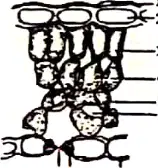
Use the figure below to answer this question. In Fig. 3.1 (a transverse section of a leaf), the number shown as 8 refers to
upper epidermis
cuticle
stoma
guard cell
lower epidermis
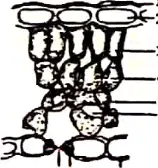
Use the figure below to answer this question. In Fig. 3.1 (a transverse section of a leaf), the structure responsible for trapping the sun’s energy during photosynthesis is
5
6
3
2
8

Use the figure below to answer this question. In Fig. 3.1 (a transverse section of a leaf), which of these plays no direct role in photosynthesis?
9
8
5
2
3

In the diagram of a stomatal complex (Fig. 1), the cell which controls the opening and closing of the stomatal pore is
1
2
3
4
5
Root hairs have their origin from
endodermis
pericycle
cortex
epidermis
xylem
One significant difference between roots and stems is that
branch roots originate in the pericycle while branch stems do not
stems are always above the ground while roots are always below the ground
stems are positively geotropic while roots are negatively geotropic
stems are sometimes used for storage while roots are never so used
stems grow in both length and circumference while roots grow only in length

Use the figure below to answer this question. Which of the labeled tissues in Fig. 3 (T.S. of a herbaceous stem) is responsible for the transport of mineral salts and water in a living plant?
1
2
3
4
5
Which of the following tissues are made up of dead cells?
Meristematic
Xylem tissues
Cambium
Mesophyll
Palisade
Root hairs are developed from the
root apex
epidermis
vascular bundles
endodermis
pericycle
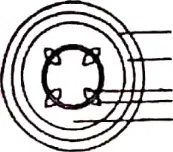
Use the figure below to answer this question. Fig. 1 represents a cross-section of a dicot plant. Which of the following features can be used to identify Fig. 1?
position of the vascular bundles
its circular nature
number of 5
presence of 3
width of 2
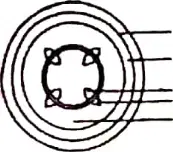
Use the figure below to answer this question. In Fig. 1 (cross-section of a dicot plant), the main function of 6 is to
separate 5 from 7
produce more of 5 and 7
produce cork
translocate water and mineral salt
conduct carbon dioxide to the other parts
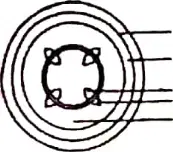
Use the figure below to answer this question. In Fig. 1 (cross-section of a dicot plant), the main function of 4 is to
surround the inner tissues
produce cork
produce root hairs
produce lateral roots
produce more of 3
In a dicot leaf, guard cells differ from other epidermal cells because they
have no definite shape
lack nuclei
are smaller
contain chloroplasts
lack vacuole
Herbs differ from shrubs because they
do not produce fruits
are useful to herbalists
do not become woody
are only annuals
are only perennials
Which of the following is NOT a characteristic of monocot plants?
occurrence of secondary thickening
parallel venation
scattered vascular bundles
floral parts arranged in threes
perianth is usually insignificant
Which of the following statements is NOT true of the piliferous layer of a root? It
has a very thin cuticle
is the outermost layer of the cortex
may bear root hairs
breaks down as the root ages
is replaced by cork in old roots
Which of the following is seed bearing?
Mosses
Whistling pine
Algal filaments
Liverwort
Fern fronds
In an angiosperm leaf, the xylem is
beside the phloem
surrounded by the phloem
above the phloem
around the phloem
in separate bundles from the phloem
Which of the following is common to a dicotyledonous stem and a monocotyledonous root?
Medullary rays
Central pith
Wide cortex
Narrow cortex
Pericyclic fibres
Which of the following pairs are fully adapted to terrestrial life?
Ferns and algae
Ferns and mosses
Bryophyte and flowering plants
Flowering plants and conifers
Which of the following has cones?
Angiosperm
Gymnosperm
Pteridophyte
Bryophyte

