


6th Grade Area of Shaded Region Quizzes
Test your Grade 6 understanding of area of shaded region with this comprehensive mathematics quiz designed to assess your geometric problem-solving skills. Practice calculating areas of complex shapes through self-paced questions with instant feedback to strengthen your mastery of this essential geometry concept.

15 questions
Area of Shaded Region

Quiz
•
6th - 7th Grade

6 questions
Area of shaded region
Quiz
•
6th - 8th Grade
15 questions
Area of Shaded Regions
Quiz
•
6th - 7th Grade

16 questions
Area of Shaded Regions
Quiz
•
6th - 8th Grade
15 questions
Finding Area of Shaded Region
Quiz
•
6th - 7th Grade

15 questions
Area of Shaded Region No Circles
Quiz
•
6th - 7th Grade
15 questions
Area of Shaded Regions of Polygons
Quiz
•
6th - 7th Grade
15 questions
Area of Shaded Region Word Problems
Quiz
•
6th - 7th Grade
10 questions
(1) Area of Shaded Region
Quiz
•
NaNth - NaNth Grade
10 questions
(2) Area of Shaded Region
Quiz
•
NaNth - NaNth Grade
18 questions
Area of Shaded Region
Quiz
•
6th Grade
10 questions
AREA OF SHADED REGION
Quiz
•
5th - 7th Grade
Explore 6th Grade Area of Shaded Region Quizzes
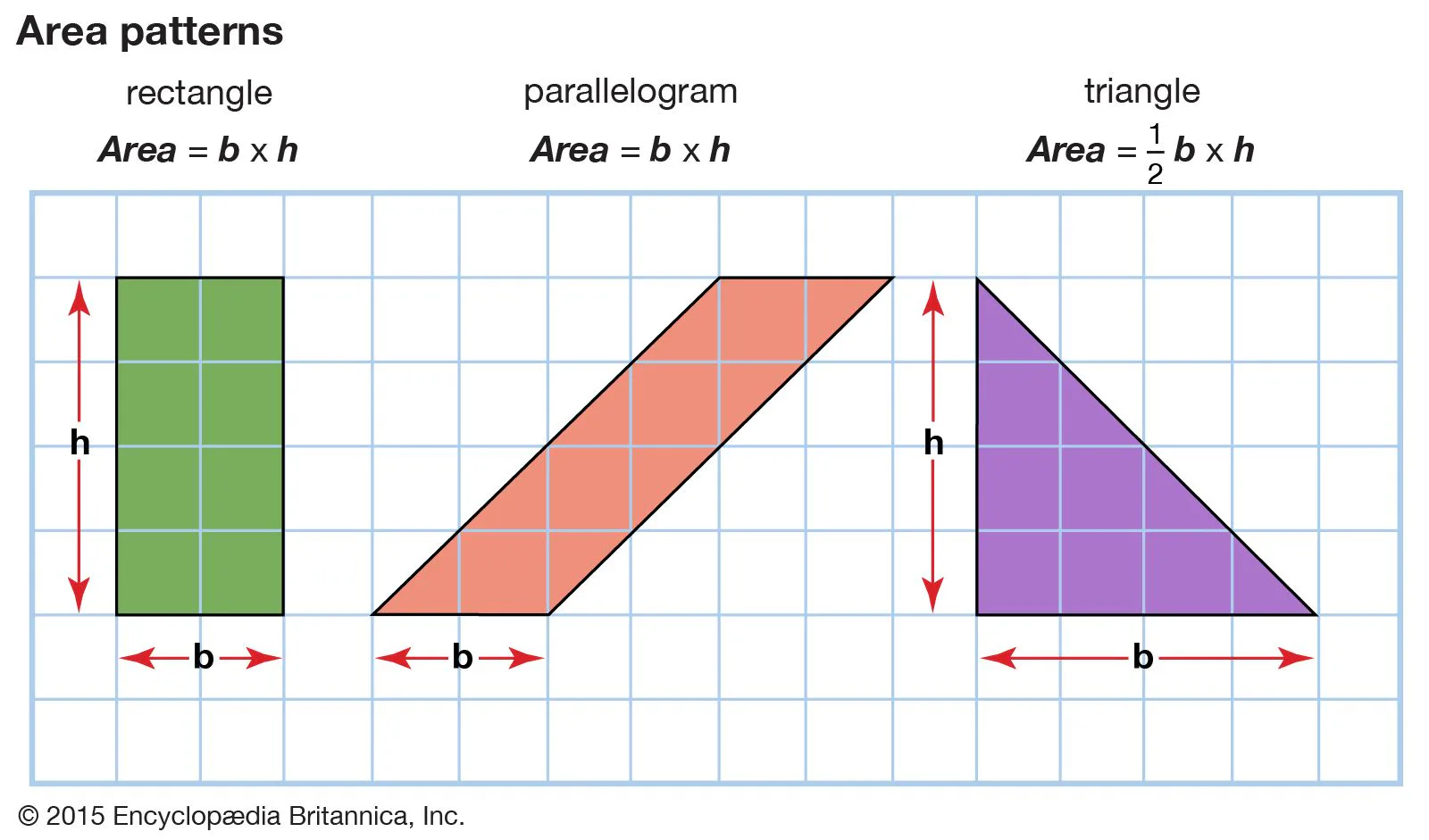
Area of shaded region problems in Grade 6 mathematics present students with complex geometric scenarios that require multiple calculation steps and strategic thinking. These comprehensive quiz collections on Wayground provide targeted assessment opportunities for students to demonstrate their understanding of finding areas within composite figures, overlapping shapes, and regions where one area must be subtracted from another. The practice questions systematically build proficiency in identifying relevant measurements, selecting appropriate area formulas, and executing multi-step calculations while providing immediate feedback to reinforce correct problem-solving approaches. Students develop critical spatial reasoning skills as they learn to decompose complex figures, recognize when to add or subtract different areas, and apply formulas for rectangles, triangles, circles, and other geometric shapes within shaded region contexts. Wayground supports mathematics educators with millions of teacher-created quiz resources specifically designed for geometry instruction and area calculations. The platform's robust search and filtering capabilities enable teachers to locate quizzes that align with curriculum standards and match their students' specific learning needs for shaded region problems. Comprehensive customization tools allow educators to modify existing assessments, adjust difficulty levels, and create differentiated versions that support both remediation for struggling learners and enrichment for advanced students. The digital-first delivery format provides flexible administration options for classroom instruction, homework assignments, and independent practice sessions, while detailed analytics help teachers identify knowledge gaps and plan targeted interventions to strengthen students' geometric problem-solving abilities and computational accuracy.
FAQs
How do I teach area of shaded regions to sixth graders?
Begin with figures that can be split into familiar rectangles and triangles. Have students label each dimension, calculate the whole area and the unshaded area separately, then subtract while keeping square units attached.
What exercises help Grade 6 students practice finding shaded area?
Use a short progression: subtract a rectangle from a larger rectangle, decompose an irregular polygon, then solve a figure that combines two familiar shapes. Ask students to draw partition lines and write the area formula beside each component before calculating.
What mistakes do students make when finding the area of a shaded region?
Sixth graders often subtract lengths instead of areas, use dimensions from the wrong section, or omit square units. Another common error is counting overlapping pieces twice, so students should mark each region as it is included or removed.
How can I use a Grade 6 area of shaded region quiz on Wayground?
Assign the quiz as a digital quiz on Wayground or download the printable PDF for paper practice. Every quiz includes a complete answer key, and paper submissions can be scanned or captured for grading with the Wayground for Teachers app.
How does shaded-area practice fit the Grade 6 Common Core math progression?
It supports Common Core work with area by extending rectangle and triangle formulas to composite figures. Students build from finding the area of one shape toward decomposing polygons and subtracting unshaded sections from a known whole.
How can I differentiate shaded-area practice for a mixed-ability Grade 6 class?
Give developing learners a version with larger text or wider spacing so dimensions and region boundaries are easier to track. In digital sessions, extended time supports the multi-step calculations, while advanced students can work with figures that require more than one decomposition.
Is area of shaded regions appropriate for Grade 6?
Yes. Grade 6 is an appropriate point for students to apply established area formulas to composite figures, including problems that require decomposition or subtraction.

Accessibility
Features
Wayground Super
School & District
Wayground for Business
Create a quiz
Create a presentation
Wayground AI
Subjects
Mathematics
Social Studies
Science
Physics
Chemistry
Biology
About
Our Story
Wayground Blog
Media Kit
Careers
Support
F.A.Q.
Help & Support
Privacy Policy
Terms of Service
Teacher Resources
2026 Wayground


Get our app

