Search Header Logo
  1. Resource Library
  2. Science
  3. Biology
  4. Ecological Relationships
  5. Ecological Relationships
Ecological Relationships

Ecological Relationships

Assessment

Presentation

Science

8th Grade

Easy

NGSS
MS-LS2-2, MS-LS2-4, HS-LS2-3

+7

Standards-aligned

Created by

Garfield Baker

Used 21+ times

FREE Resource

2 Slides • 36 Questions

1

Ecological Relationships
Slide image

2

Multiple Choice

Question image

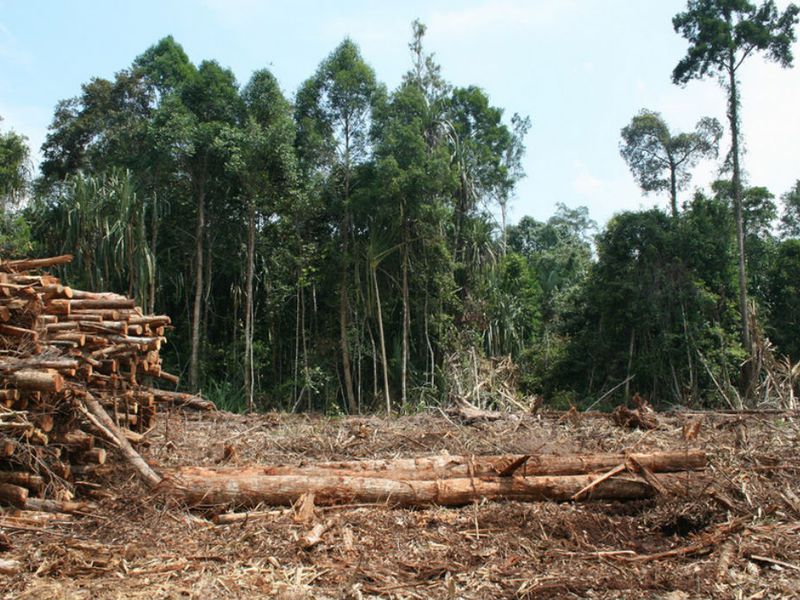
What would human alterations of the environment be considered? Ex. Cutting down the rain forests

1

Density-independent

2

Density-dependent

3

Multiple Choice

Which of the following is a density-independent limiting factor?

1

natural disaster

2

predation

3

disease

4

parasitism

4

Multiple Choice

Many fish die due to a drastic change in water temperature.

1

Density-Dependent

2

Density-Independent

5

Multiple Choice

Due to stress, large numbers of female lemmings miscarry their young and fail to reproduce.

1

Density-Dependent

2

Density-Independent

6

Multiple Choice

Indicates the greatest number of any species that can indefinitely exist within a specific habitat without threatening the existence of other species also living in that habitat

1

carrying capacity

2

population density

3

population

4

population demographics

7

Multiple Choice

Question image

Which of the following is a biome?

1

an elephant

2

a clownfish

3

the savannah

4

pack of wolves

8

Multiple Choice

Question image

A group of organisms in the same species an in the same location is known as a ___________.

1

Individual

2

Population

3

Community

4

Ecosystem

9

The need for :

  • Food

  • Water

  • Space

10

Open Ended

Since food, space and water can be limited how do you believe it affects the relationships between organisms?

11

Multiple Choice

______________ occurs when more than one individual or population tries to use the same limited resource.

1

Niche

2

Predator-prey

3

Availability

4

Competition

12

Multiple Choice

Question image

Individuals of the same species compete for the same resources is_________ competition.

1

Intraspecific

2

Interspecific

13

Multiple Choice

Question image

Individuals of the different species compete for the same resources is_________ competition.

1

Inraspecific

2

Interspecific

14

Multiple Choice

When a pine tree grows real tall and blocks sunlight to another pine tree it is _______ competition.

1

Interference

2

Intraspecific

3

Interspecific

4

Exploitative

15

Multiple Choice

When a pine tree grows real tall and blocks sunlight to another pine tree it is _______ competition.

1

Interference

2

Intraspecific

3

Interspecific

4

Exploitative

16

Multiple Choice

One organism hunts and eats another organism.

1

predation

2

mutualism

3

carnivore

4

parasitism

17

Multiple Choice

Question image

Wild Pig

1

Predator

2

Prey

18

Multiple Choice

Question image

Alligator

1

Predator

2

Prey

19

Multiple Choice

Question image

How will competition affect the carrying capacity of an ecosystem for the animal in competition?

1

Decrease

2

Increase

3

Will show not affect

4

Competition does not exist in nature

20

Multiple Choice

Question image

Predator population lags behind prey population because......

1

Increase in predators leads to decrease in prey

2

Increase in predators leads to increase in prey

3

Increase in predators leads to decrease in producers

4

Increase in producers leads to increase in prey

21

Multiple Choice

A relationship between two organisms in which one organism benefits and the other is harmed.

1

Mutualism

2

Competition

3

Parasitsm

4

Commensalism

22

Multiple Choice

Which of the following symbiotic relationships is considered parasitic?

1

Ticks feeding on a dog

2

Bees transporting pollen from flowers

3

Pilotfish swimming under sharks

4

Birds eating the insects from the back of hippo

23

Multiple Choice

A tapeworm lives in the intestines of its host. Which example best describes the relationship between the tapeworm and its host?

1

The tapeworm benefits from its host; however, the host is not affected.

2

The tapeworm does not benefit from its host, but the host does benefit.

3

The tapeworm benefits from its host, and the host is negatively affected.

24

Multiple Choice

An organism that lives on or in a host and causes it harm is called
1
a host
2
a parasite
3
a cell
4
a virus

25

Multiple Choice

Which of these best describes parasitism?

1

One species benefits while another species also benefits

2

One species benefits while another species is killed

3

One species benefits while another species is harmed

4

One species benefits while nothing happens to another species

26

Multiple Choice

Question image

Mistletoe takes water and nutrients from the spruce, harming the tree. This is an example of -

1

Mutualism

2

Commensalism

3

Parasitism

4

Predation

27

Multiple Choice

When predator numbers decrease, prey numbers ____________ because fewer of them are being consumed.
1
decrease
2
increase
3
stay the same
4
divide in half

28

Multiple Choice

Question image

A relationship that describe a close interaction between two different species is known as what? (This is the broad "umbrella" term.)

1

Biodiversity

2

Symbiosis

3

Predation

4

Emigration

29

Multiple Choice

Type of relationship: A wolf eating a rabbit.

1

Predator/prey

2

Parasite/host

3

Producer/consumer

4

Competitors

30

Multiple Choice

Type of relationship: A wolf eating a rabbit.

1

Predator/prey

2

Parasite/host

3

Producer/consumer

4

Competitors

31

Multiple Choice

Question image

A symbiotic relationship in which both organisms benefit:

1

Competition.

2

Mutualism.

3

Commensalism.

4

Parasitism.

32

Multiple Choice

Question image

Ants protect soft bodied aphids and in return the aphids feed the ants a sugary drink. What is the ecological relationship?

1

Cooperation

2

Parasitism

3

Commensalism

4

Mutualism

33

Multiple Choice

Question image
Which symbiosis is represented in the picture? 
1
parasitism 
2
mutualism
3
commensalism
4
nonalism 

34

Multiple Choice

Question image

Remoras are fish that generally latch on to sharks and eat leftovers of food from the shark. This is an example of which type of ecological relationship?

1

Mutualism

2

Commensalism

3

Parasitism

4

Competition

35

Multiple Choice

Question image
This is known as a relationship in which both organisms involved benefit. 
1
Predator-Prey
2
Commensalism
3
Mutualism
4
Decomposition

36

Multiple Choice

Question image
This is known as a relationship in which one organism benefits, while the other is unaffected.
1
Parasitism
2
Mutualism
3
Immigration
4
Commensalism

37

Multiple Choice

Question image

Pseudoscorpions often hitch rides on the backs of large beetles or true bugs. What is the ecological relationship?

1

Mutualism

2

Commensalism

3

Parasitism

4

Cooperation

38

Multiple Choice

Question image

Pseudoscorpions often hitch rides on the backs of large beetles or true bugs. What is the ecological relationship?

1

Mutualism

2

Commensalism

3

Parasitism

4

Cooperation

Ecological Relationships

Slide image

Show answer

Auto Play

Slide 1 / 38

SLIDE