Search Header Logo
Matter and Its  Properties

Matter and Its Properties

Assessment

Presentation

•

Chemistry

•

3rd Grade

•

Easy

Created by

supper teacher

Used 12+ times

FREE Resource

24 Slides • 130 Questions

1

media

2

Multiple Choice

________ is the amount of matter in an object.

1

volume

2

density

3

mass

3

media

4

media

5

Fill in the Blank

When two or more atoms combine, a _ forms.

6

Multiple Choice

What is a compound?

1

A molecule that is formed from two different elements/atoms.

2

A molecule that is formed from two or more of the same element/atom.

3

A tiny atom that makes up an atom.

4

The center of an atom that is formed by neutrons. protons, and electrons.

7

Multiple Choice

Which of the following cannot be broken down into something simpler?

1

a compound

2

an element

3

a chemical formula

4

a mixture

8

Multiple Choice

The following can be found on the Periodic Elements...

1

The number of atoms in a carbon dioxide molecule.

2

All the compounds that exist in the natural world.

3

The chemical formula for water.

4

All the elements that have been discovered or created in a lab.

9

Multiple Choice

Question image

What is the picture displayed?

1

atom

2

element

3

compound

10

Multiple Choice

Question image
What is the picture displayed?
1
atom
2
element
3
molecule
4
compound

11

Multiple Choice

Question image

What is the picture displayed?

1

compound

2

element

3

molecule

12

Multiple Choice

Which of the following cannot be broken down into something simpler?

1

A compound

2

An element

3

A mixture

13

Multiple Choice

How many elements are in C6H12O6?

1

1

2

2

3

3

4

6

14

Multiple Choice

What do we call a chemical substance made up of 2 or more different types atoms bonded together?
1
formula
2
atom
3
subscript
4
compound

15

Multiple Choice

The smallest piece of matter that still has the properties of an element is a(n) _________________.

1

compound

2

electron

3

atom

4

nucleus

16

Multiple Choice

Question image

The illustration below shows the process of two different substances being combined. Which process does the illustration show?

1

two pure substances physically combined to form a mixture

2

two pure substances chemically combined to form a different pure substance

3

a mixture separated into the components that were originally combined

4

a solution formed by dissolving a solid in a liquid

17

Multiple Choice

What is a compound?
1
an atom with more electrons than protons
2
a substance in which the atoms of two or more elements are combined together
3
an atom with more neutrons than protons
4
a substance in which the atoms of three or more elements are combined together

18

Multiple Choice

The chemical combination of two or more different kinds of atoms in fixed amounts is called a(n)
1
orbit
2
compound
3
mixture
4
element

19

Multiple Choice

Atoms combine to form _______. 
1
electrons
2
molecules
3
nuclei
4
neutrons

20

Multiple Select

Question image

Select two words that describe this diagram

1

molecule

2

element

3

atom

4

compound

21

Multiple Select

Question image

Select two words that describe this diagram

1

molecule

2

element

3

atom

4

compound

22

Multiple Select

Question image

Select two words that describe this diagram

1

molecule

2

element

3

atom

4

compound

23

media

24

Multiple Choice

Properties that DO depend on the amount of matter present.

1

Mass

2

Hardness

3

Extensive

4

Intensive

25

Multiple Choice

Properties that depend on the identity of substance.

1

Mass

2

Hardness

3

Extensive

4

Intensive

26

Multiple Choice

Which of the following is an extensive property?

1

Hardness

2

Boiling Point

3

Density

4

Weight

27

Multiple Choice

Which of the following is an extensive property?

1

Color

2

Mass

3

Odor

4

Luster

28

Multiple Choice

What kind of physical property is this? Color

1

intensive

2

extensive

29

Multiple Choice

What kind of physical property is this? Number of Atoms

1

intensive

2

extensive

30

Multiple Choice

What kind of physical property is this? Hardness

1

intensive

2

extensive

31

Multiple Choice

What kind of physical property is this? Density

1

intensive

2

extensive

32

Multiple Choice

What kind of physical property is this? Odor

1

intensive

2

extensive

33

Multiple Choice

What kind of physical property is this? Volume

1

intensive

2

extensive

34

Multiple Choice

What kind of physical property is this? Length

1

intensive

2

extensive

35

Multiple Choice

1) True or False: Intensive Properties change as the amount of substance changes.

1

True

2

False

36

Multiple Choice

2) True or False: Extensive Properties change as the amount of substance changes.

1

True

2

False

37

Multiple Choice

9) Intensive or Extensive Property: Malleability

1

Intensive

2

Extensive

38

Multiple Choice

9) Intensive or Extensive Property: Density

1

Intensive

2

Extensive

39

Multiple Choice

What kind of physical property is this? Energy

1

intensive

2

extensive

40

Multiple Choice

What kind of physical property is this? Specific Heat

1

intensive

2

extensive

41

Multiple Choice

What kind of physical property is this? Boiling Point

1

intensive

2

extensive

42

Multiple Choice

What kind of physical property is this? Melting Point

1

intensive

2

extensive

43

media
media

44

Multiple Choice

Blue Color: Chemical or Physical Property
1
Chemical Property
2
Physical Property

45

Multiple Choice

Density: Chemical or Physical Property
1
Chemical Property
2
Physical Property

46

Multiple Choice

Flammability (burns): Chemical or Physical Property
1
Chemical Property
2
Physical Property

47

Multiple Choice

Solubility (dissolves): Chemical or Physical Property
1
Chemical Property
2
Physical Property

48

Multiple Choice

Reacts with Acid: Chemical or Physical Property
1
Chemical Property
2
Physical Property

49

Multiple Choice

Reacts with Water: Chemical or Physical Property
1
Chemical Property
2
Physical Property

50

Multiple Choice

Hardness: Chemical or Physical Property
1
Chemical Property
2
Physical Property

51

Multiple Choice

Luster: Chemical or Physical Property
1
Chemical Property
2
Physical Property

52

Multiple Choice

Odor: Chemical or Physical Property
1
Chemical Property
2
Physical Property

53

Multiple Choice

Reacts with Air: Chemical or Physical Property
1
Chemical Property
2
Physical Property

54

Multiple Choice

Which of the following is not a chemical property? 
1
rusting 
2
boiling 
3
rotting 
4
burning 

55

Multiple Choice

Question image
Ability to rust is this type of property:
1
Physical property
2
Chemical property

56

Multiple Choice

Physical properties are
1
properties that can be observed without changing the identity of the substance
2
properties that describe how a substance changes into a completely different substance

57

Multiple Choice

Question image
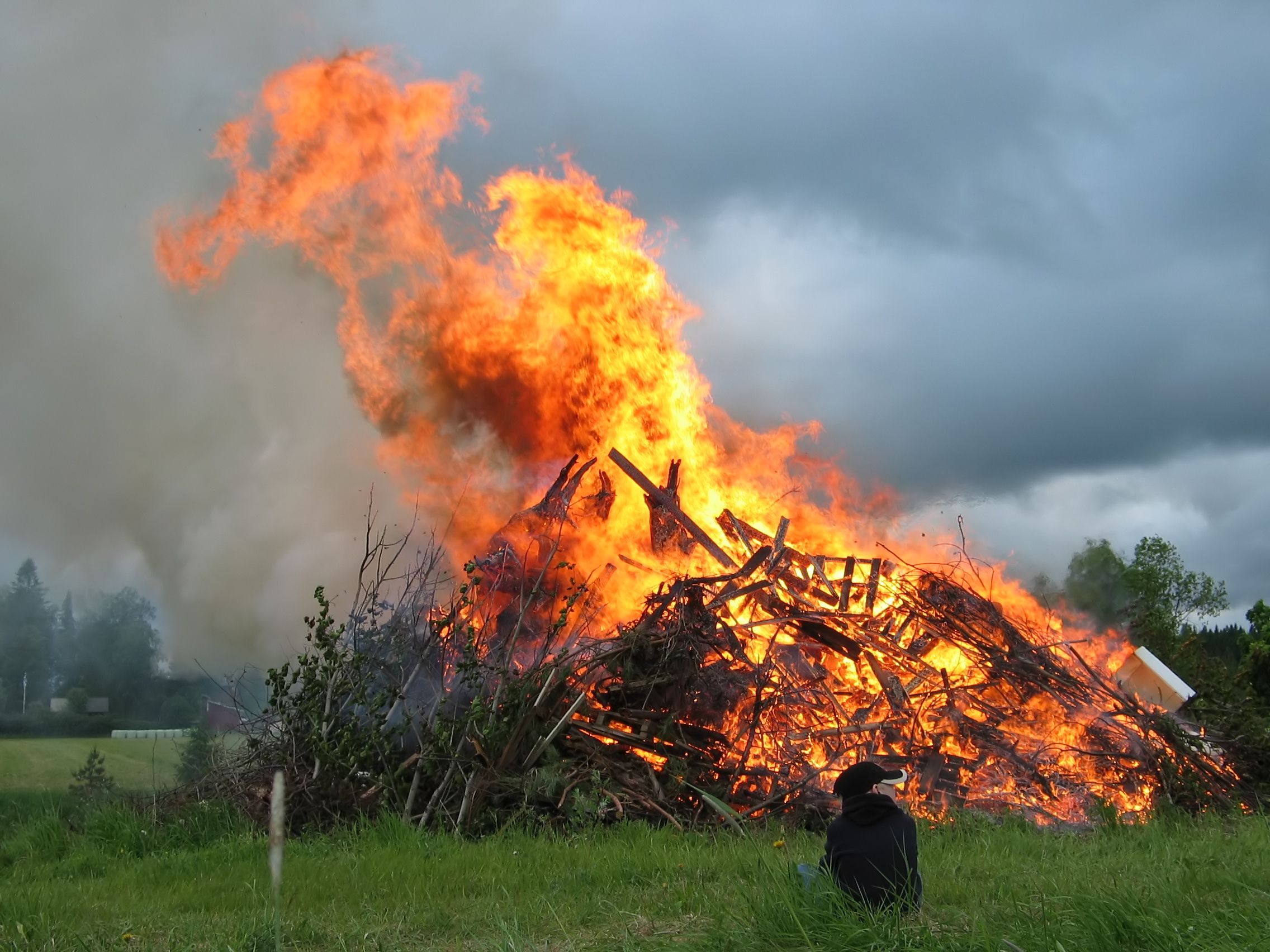
Is wood burning a physical or chemical change?
1
Physical 
2
Chemical

58

Multiple Choice

Question image
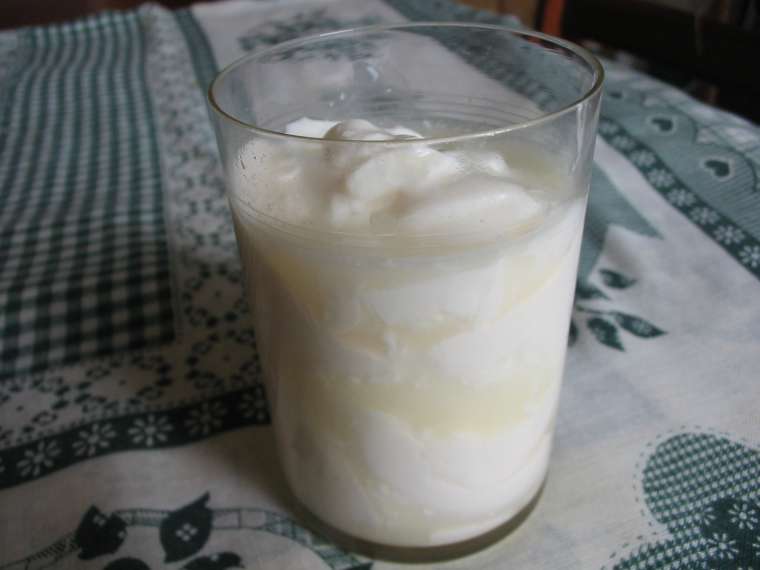
Is milk going sour a physical or chemical change?
1
Physical 
2
Chemical

59

Multiple Choice

Question image
Is Gatorade powder dissolving in water physical or chemical change?
1
Physical 
2
Chemical

60

Multiple Choice

Question image
Is copper tarnishing a physical or chemical change?
1
Physical 
2
Chemical

61

Multiple Choice

Question image
What is matter?
1
a pure substance
2
anything that occupies space and possesses mass
3
an element
4
a compound

62

media

63

media
media

64

media

65

Multiple Choice

Question image

State of matter that takes the shape of it's container and has a definite volume.

1

Solid state

2

Liquid state

3

Gas state

4

Plasma state

66

Multiple Choice

Question image

State of matter that can fill containers with no fixed shape or volume.

1

Solid state

2

Liquid state

3

Gas state

4

Plasma state

67

Multiple Choice

Question image

State of matter in which materials have a definite shape and volume.

1

Solid state

2

Liquid state

3

Gas state

4

Plasma state

68

Multiple Choice

Question image

The diagram shows the changes in state of water (H2O). What is the process Z called?

1

Condensation

2

Freezing

3

Vaporization

4

Melting

69

Multiple Choice

Question image

Which of the following is a property of gases?

1

They have a definite volume.

2

They are not compressible.

3

They have no definite shape.

4

They have no ability to flow.

70

Multiple Choice

Question image

The diagram shows the way the particles of a solid occupy space. Select the property of a solid that is consistent with this micro-view.

1

No define shape

2

Cannot be compressed

3

No definite volume

71

Multiple Choice

Question image

When a beaker of water is heated its volume increases a little. What is happening to the particles in the liquid?

1

They are getting bigger.

2

They are moving slower.

3

They are moving faster.

4

They are getting smaller.

72

Multiple Choice

Question image

When you place a bottle of water in the freezer its volume increases. What is happening to the particles in the liquid?

1

They are getting bigger.

2

They are moving slower.

3

They are moving faster.

4

They are getting smaller.

73

Multiple Choice

Question image

Which is NOT a property of a solid?

1

They do not flow.

2

Definite volume.

3

No definite shape.

4

They are incompressible.

74

Multiple Choice

Question image

Which state of matter is represented in the following diagram?

1

Liquid

2

Liquid and gas

3

Gas

4

Solid

75

Multiple Choice

Question image

Which of the following states is correct?

1

Gases cannot be compressed.

2

Solids are easily compressed.

3

Gases are easier to compress than solids.

4

Liquids cannot be compressed or expanded.

76

Multiple Choice

Question image

Which change of state occurs when particles in a solid begin to move slowly past each other?

1

Melting

2

Freezing

3

Condensing

4

Vaporizing

77

Multiple Choice

Question image

TRUE or FALSE: The particles in solids move around a lot and spread out.

1

TRUE

2

FALSE

78

Multiple Choice

Question image

TRUE or FALSE: Gases have the least kinetic energy out all 3 states of matter.

1

TRUE

2

FALSE

79

Multiple Choice

Question image

Phase change from solid to gas is called:

1

Freezing

2

Condensation

3

Vaporization

4

Sublimation

80

Multiple Choice

Question image

Phase change from liquid to solid is called:

1

Melting

2

Freezing

3

Deposition

4

Condensation

81

Multiple Choice

Question image

Phase change from gas to liquid is called:

1

Melting

2

Freezing

3

Deposition

4

Condensation

82

Multiple Choice

Question image

Phase change from gas to solid is called:

1

Sublimation

2

Freezing

3

Deposition

4

Vaporization

83

Multiple Choice

Question image

Which of the following statements is NOT true about gases?

1

Gases do not have fixed shape or volume

2

Gas particles do not move much, but vibrate

3

Gas particles have a lot of free space

4

Unlike solids, gases can be compressed

84

Multiple Choice

Question image

Which of the following statements is true about liquids?

1

Particles do not move around much, but vibrate

2

Particles have a lot of free space and spread out

3

Liquids have fixed shape & volume

4

Particles are less closely packed than solids

85

Multiple Choice

Question image

Which of the following statements is true about phase changes?

1

Solid turning into liquid is called freezing

2

When ice melts, the kinetic energy is decreased

3

Liquid turning into gas is called condensing

4

When water boils, the kinetic energy is increased

86

Multiple Choice

Question image

Which of the following statements is true about solids?

1

Particles do not move around much, but vibrate

2

Particles have a lot of free space and spread out

3

Solids have fixed shape but not volume.

4

Particles are less closely packed than gas.

87

Multiple Choice

Question image

Look at the picture. Which state of matter is in beaker C?

1

Solid

2

Liquid

3

Gas

4

Blue thingys

88

Multiple Choice

Question image

Look at the picture. Which state of matter is in beaker A?

1

Solid

2

Liquid

3

Gas

4

Blue thingys

89

media

90

Multiple Choice

A plasma can be made in a laboratory by

1

cooling a gas to very low temperatures

2

cooling a gas and reducing the pressure

3

heating a gas to extremely hot temperatures

4

heating a liquid to the point it turns into a gas

91

Multiple Choice

In a plasma the electrons are no longer associated with a particular nucleus.

1

True

2

False

92

Multiple Select

Plasma can be found in which of the following

1

Auroras

2

Lightening

3

LED light bulbs

4

Stars

5

Moons

93

Multiple Choice

The negative charge in a plasma is usually due to the

1

protons

2

neutrons

3

electrons

94

Multiple Choice

The negative charge in a plasma is usually due to the

1

protons

2

neutrons

3

electrons

95

Multiple Choice

In a plasma the number of positively charged particles is ______ than the number of negatively charged particles.

1

significantly more

2

significantly more

3

almost equal

96

media

97

Multiple Choice

Flammability (burns): Chemical or Physical Property
1
Chemical Property
2
Physical Property

98

Multiple Choice

Reacts with Acid: Chemical or Physical Property
1
Chemical Property
2
Physical Property

99

Multiple Choice

Reacts with Water: Chemical or Physical Property
1
Chemical Property
2
Physical Property

100

Multiple Choice

Reacts with Air: Chemical or Physical Property
1
Chemical Property
2
Physical Property

101

Multiple Choice

Which one of these is a chemical property?
1
melting point
2
boiling point
3
color
4
flammability

102

Multiple Choice

Question image
Ability to rust is this type of property:
1
Physical property
2
Chemical property

103

Multiple Choice

Question image
Is wood burning a physical or chemical change?
1
Physical 
2
Chemical

104

Multiple Choice

Question image
Is milk going sour a physical or chemical change?
1
Physical 
2
Chemical

105

Multiple Choice

Question image
Is copper tarnishing a physical or chemical change?
1
Physical 
2
Chemical

106

media

107

media
media

108

media

109

media

110

media

111

Multiple Choice

Combining substances to form new substances is called

1

Chemical reaction

2

Physical reaction

3

Exothermic reaction

4

Endothermic reaction

112

Multiple Choice

What are the three types of elements?

1

Metals - Noble gases - Alkali metals

2

Solid - Liquid  - Gas

3

Metals  - Non-metals - Metalloids

4

Water - Hydrogen - Oxygen

113

Multiple Choice

The number of atoms you begin with in a chemical reaction ...
1
must be the same as the number of  atoms you end with
2
must be an even number
3
can be different to the number you finish with
4
changes depending on how much energy is formed

114

Multiple Choice

Which type of reaction is: C2H4 + 3 O2 → 2 CO2 + 2 H2O
1
Synthesis
2
Decomposition
3
Single Displacement
4
Combustion

115

Multiple Choice

Which type of reaction is:

2 K + MgBr2 → 2 KBr + Mg

1
Synthesis
2
Decomposition
3
Single Displacement
4
Double Displacement

116

Multiple Choice

Provides evidence that a chemical reaction has occurred. 
1
dissolving 
2
melting
3
formation of a gas
4
bending

117

Multiple Choice

What is the part of the chemical equation in green called?

Fe + S → FeS

1

products

2

reactants

3

yield

4

input

118

Multiple Choice

Which of the following is a chemical change?
1
water freezes to form ice
2
sugar dissolves in water
3
gasoline burns in a car engine
4
a piece of metal expands when it is heated

119

Multiple Choice

What types of reactions absorb and release heat?
1
acidic and basic
2
endothermic and exothermic
3
endothermic and heat transfusion
4
covalent and ionic

120

Multiple Choice

When a scientist mixed two chemicals, an exothermic reaction takes place. Which of the following would be proof that the reaction was exothermic?
1
a change of color
2
a change of state
3
a temperature decrease
4
a temperature increase

121

Multiple Choice

In the reaction methane + oxygen turns into carbon dioxide + water, the methane and oxygen are called _______________.
1
reactants
2
products
3
neutrals
4
energizers

122

Multiple Choice

What type of change occurs when a new substance is formed that has different properties from the original substances?
1
chemical change
2
nuclear change
3
physical change
4
mutation

123

Multiple Choice

Which of the following represents a chemical change?
1
cutting a piece of paper with scissors
2
cooling a mixture of air and kerosene vapor to obtain liquid kerosene
3
burning a piece of notebook paper in the presence of oxygen
4
heating water over a flame to its boiling point

124

Multiple Choice

Which is an example of an endothermic reaction?
1
burning wood
2
airplane using fuel
3
plant leaves using photosynthesis
4
digesting food

125

Multiple Choice

What is a chemical reaction?

1

a change in matter when the molecules rearrange to make new molecules

2

a change in matter when matter changes its form or appearance

3

a change in matter when the physical appearance changes

4

a very boring change in matter

126

Multiple Choice

Question image

This image shows a

1

chemical reaction

2

physical change

3

musical change

4

all of these answers are correct

127

Multiple Choice

Question image

The reactants in the image above are:

1

CH4 and 2 O2

2

2 H2O and CO2

3

All of these are reactants

4

All of these are products

128

Multiple Choice

What is a chemical change?

1

Forming a new substance

2

When two or more substances combine to make a greater one

3

When two or more substances combine to make a new chemical substance

4

Combing substances

129

media

130

media

131

media

​mercury is volatile and poisonous

132

media
media
media
media

133

media
media

134

media

135

Multiple Choice

Energy transformations does not happen in a projectile motion.

1

true

2

false

136

Multiple Choice

Energy can change from one form to another, but the total amount of energy never changes.

1

true

2

false

137

Multiple Choice

The Law of Conservation of Energy states that:

1

Energy can be created, destroyed, but not transformed.

2

Energy can't be created, destroyed, or transformed.

3

Energy cannot be created or destroyed; it can only be transformed.

4

Energy can be created and destroyed.

138

Multiple Choice

According to the law of conservation of energy, energy can be created or destroyed.

1

True

2

False

139

media
media
media

140

media

141

media

142

Multiple Choice

When adding salt to water to make a sea water solution, what role would the water be in the scenario?

1

Solvent

2

Solute

3

Solvation

4

Solution

143

Multiple Choice

Which of the following would be a heterogenous solution?

1

Tea

2

Coffee

3

Salt Water

4

Oil and Water

144

Multiple Choice

Which of the following will decrease the solubility of a solution?

1

mixing the solution

2

crushing the solid into smaller particles

3

placing ice in the solution

4

heating the solution

145

Multiple Choice

Question image
1
Element
2
Compound
3
Mixture

146

Multiple Choice

Question image
1
Element
2
Compound
3
Mixture

147

Multiple Choice

Question image
1
Element
2
Compound
3
Mixture

148

Multiple Choice

Question image

What type of change is this?

1

Chemical

2

Melting

3

Evaporation

4

Condensation

5

Sublimation

149

Multiple Choice

What makes elements and compounds different from mixtures? Elements & compounds-

1

have a constant composition (pure substances)

2

are made of gases

3

Will not change when heated

4

conduct electric current

150

Multiple Select

[check all that apply] Pure substances include:

1

Elements

2

Homogeneous Mixtures

3

Compounds

4

Heterogeneous Mixtures

151

Multiple Choice

The properties of a compound are different from the elements that make them up.

1

True

2

False

152

Multiple Select

[check all that apply] Mixtures are

1

chemically combined

2

composed of two or more types of matter that can be present in varying amounts

3

One or more elements chemically combined

4

can be separated by physical changes

153

Multiple Choice

Question image

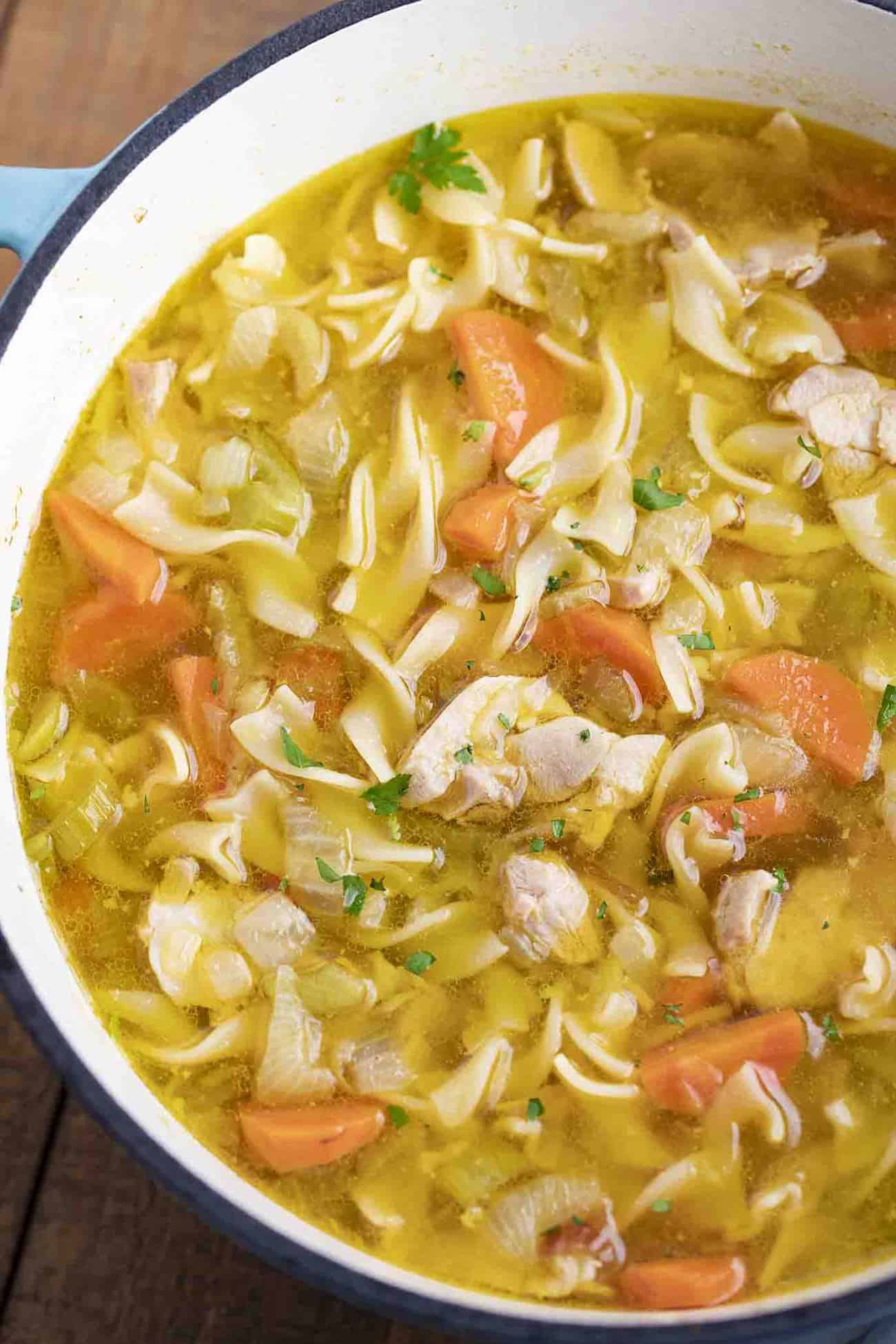
Chicken noodle soup is

1

Homogeneous mixture

2

Heterogeneous mixture

154

Multiple Choice

Freshly brewed black coffee

1

Heterogeneous

2

Homogeneous

media

Show answer

Auto Play

Slide 1 / 154

SLIDE