

Matter Cycles

Presentation
•
Science
•
7th Grade
•
Practice Problem
•
Easy
+19
Standards-aligned

Christopher M McCallister
Used 85+ times
FREE Resource
31 Slides • 24 Questions
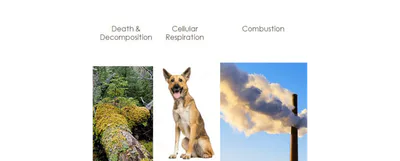
1

Matter Cycles in the Ecosystem
Learning Target:
Model and demonstrate energy flow and matter cycle through an ecosystem and explain role of photosynthesis in these cycles.
2

Matter Cycles
The continuous movement of matter through the living and nonliving parts of an ecosystem is a continuous process, a cycle.
A cycle is a series of events that happens over and over again.
Matter in an ecosystem may change form, but it never leaves the ecosystem, so the matter is said to cycle through the ecosystem.
Law of Conservation of Mass - Matter can not be created or destroyed. It can only be changed.
3
4
5
Multiple Select
What two gases make up most of the atmosphere
Nitrogen
Oxygen
Argon
Carbon Dioxide
Helium
6
Labeling
Pick the correct order of ingredients for Photosynthesis.
Sunlight
Oxygen
Carbon dioxide
Water
Glucose
7
Match
Biosphere
Hydrosphere
Geosphere
Atmosphere
Referring to all of the living organisms on Earth
All the water at and near the surface of the Earth
Consists of all the land on Earth (core, mantle, crust)
A mixture of gases that surrounds a planet or moon.
Referring to all of the living organisms on Earth
All the water at and near the surface of the Earth
Consists of all the land on Earth (core, mantle, crust)
A mixture of gases that surrounds a planet or moon.
8
Multiple Choice
What is the main topic of the transcript?
The importance of pine trees.
The role of bumblebees in pollination.
The production of Swiss cheese.
The carbon cycle and its significance
9
Match
Match the following
Evaporation
Percolation
Condensation
Precipitation
Runoff
Turning from a liquid into a gas
Water that soaks into the ground
Turning from a gas into a liquid
Any form of water falling from clouds
Water that flows over the ground
Turning from a liquid into a gas
Water that soaks into the ground
Turning from a gas into a liquid
Any form of water falling from clouds
Water that flows over the ground
10
Multiple Choice
What would happen if a plant receives more light. Would the rate of Photosynthesis increase or decrease or stay the same
11
Labeling
Label each part of of the water cycle
Percolation
Runoff
Precipitation
Evaporation
Condensation
12


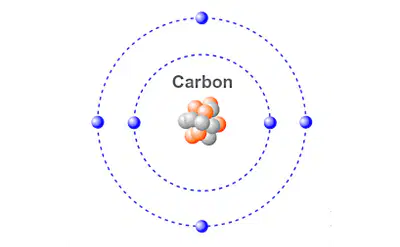
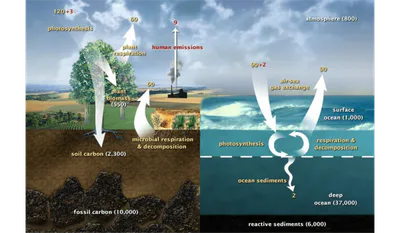
The Carbon Cycle
❖
The key ingredient in all
living organisms
❖
It is the fourth most
abundant element in the
universe
❖
Found in oceans, in the
air, and in certain types of
rocks
❖
Though widely distributed,
not very plentiful
❖
Makes up more
compounds than all other
elements combined
13
Multiple Choice
What happens when water vapor cools
It changes back to vapor
It changes into plasma
It changes into ice
It changes back into liquid water
14
Multiple Choice
What two processes drive the Biological Carbon Cycle
Cellular Respiration & Photosynthesis
Respiration and Nucleosynthesis
Fission & Fusion
Homeostasis & Biogenesis
15
Multiple Choice
Carbon can be found in all of the following EXCEPT:
Animals
Plants
Rocks
Stars
16
Labeling
Identify the different parts of the Carbon Cycle
photosynthesis
consumption (eating)
decomposition
combustion (burning of fossil fuels)
cellular respiration
17
Match
Match the following
Photosynthesis
Cellular respiration
Mitochondria
Chloroplasts
Makes glucose using sunlight
Breaks down glucose for energy
Powerhouse of the cell
Photosynthesis location
Makes glucose using sunlight
Breaks down glucose for energy
Powerhouse of the cell
Photosynthesis location
18
Multiple Choice
Which of the following is NOT a major carbon pool (reservoir) on Earth?
Atmosphere
Oceans
Forests
Deserts
19
Multiple Select
The Carbon Cycle is important because
it moves carbon from the atmosphere and back to the ocean
It allows it to destroy carbon to regulate the tempurature
It regulates the Earth's temperature by storing carbon for different periods of time
It allows for the catalyst to ignite the Tempuran cycle
20
Multiple Choice
Humans have a significant impact on the carbon cycle primarily by:
Increasing the number of trees.
Reducing the amount of carbon dioxide in the atmosphere.
Burning Fossil Fuels
Stopping the natural movement of carbon.
21

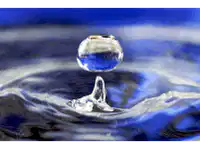
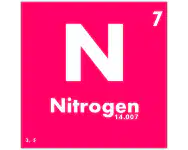
Water -
Necessary for survival
Essential For All Life
Oxygen -
Cellular respiration
Nitrogen -
Helps stabilize & break
down organic matter
22
Multiple Choice
What is the waste product of photosynthesis that is used by cellular respiration?
23
Multiple Select
What are the essential ingrediants to support life on Earth
Water
Oxygen
Nitrogen
Carbon Monoxide
Synaptede
24
25

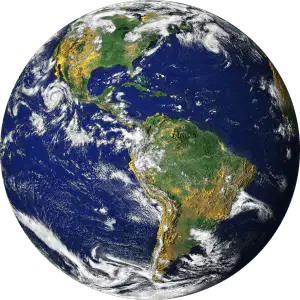



Biosphere
Hydrosphere
Atmosphere
Geosphere
The Four Spheres of the Earth
26
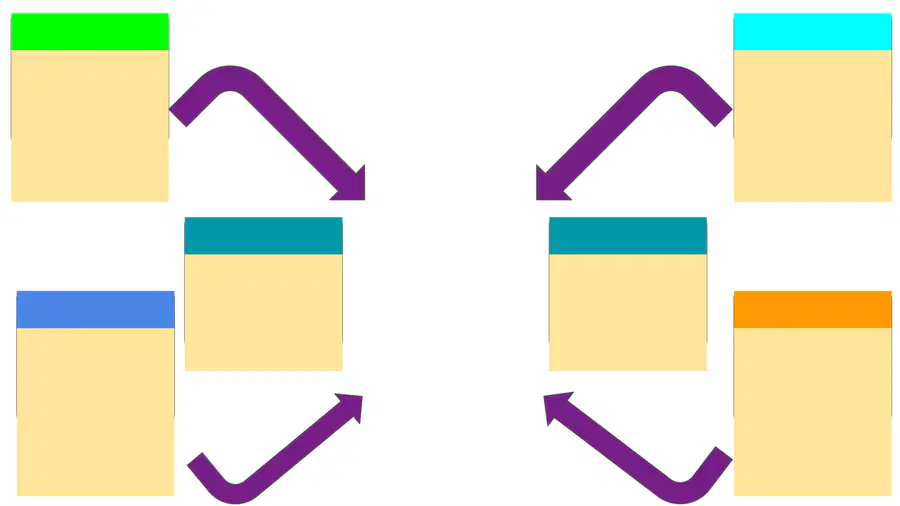
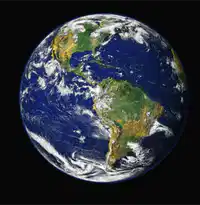
The Sun
The energy driver
of many of the
Earth system
interactions
Closed System
Earth receives
energy from the sun,
but very little matter
enters or exits our
system
Earth's Core
Earth receives
energy from the sun,
but very little matter
enters or exits our
system
Biosphere
●Plants
●Animals
●Fungi
●Bacteria
●Algae
●Coral reefs
●Producers,
Consumers,
Hydrosphere
●Water (Liquid,
Solid, Gas]
●Water Cycle
●Oceans
●Lakes
●Rivers
●Glaciers
●Snow Cover
●Soil Moisture
Atmosphere
●Air
●Winds
●Weather
●Climate
●Jet Stream
●Heat Mixing
●Tornado
●CO2/O2 Mixing
Geosphere
●Land
●Plate Tectonics
●Volcanoes
●The Rock Cycle
●Sedimentation
●Earthquakes
●Magnetism
●Fossilization
●Earthquakes
27
28

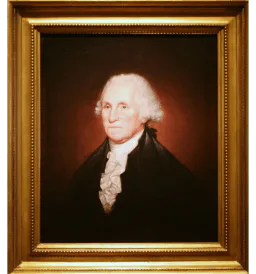
Could you be
drinking the same
water as George
Washington?
29
Water is recycled
constantly through the
ecosystem. That means any
water you drank today has
been around for millions of
years.
Where does all of this
water come from?
Is it new water?
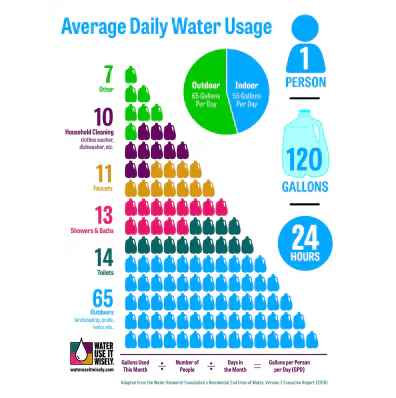
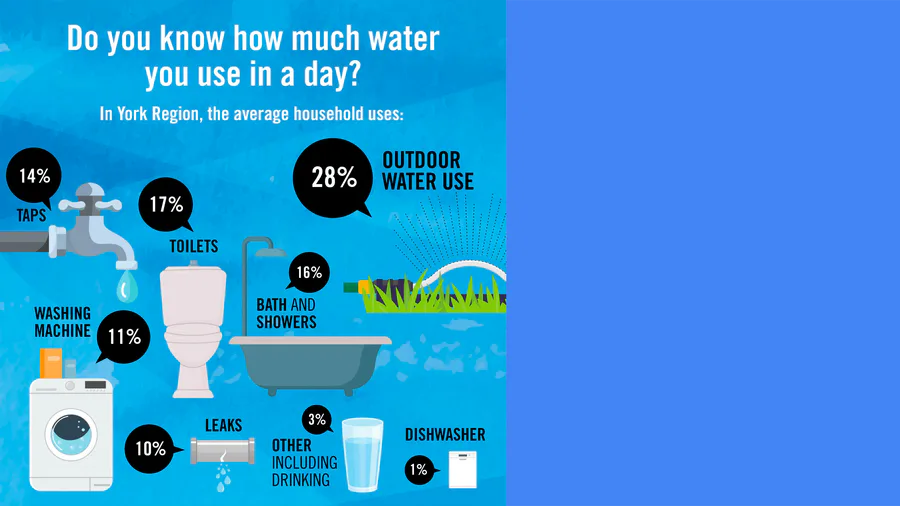
30

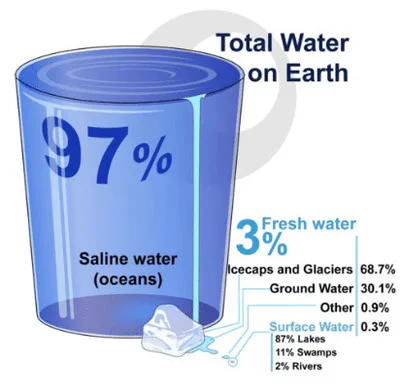
● What do you use
water for?
● Where do you use
the water?
● Where does the
water comes
from?
31
32

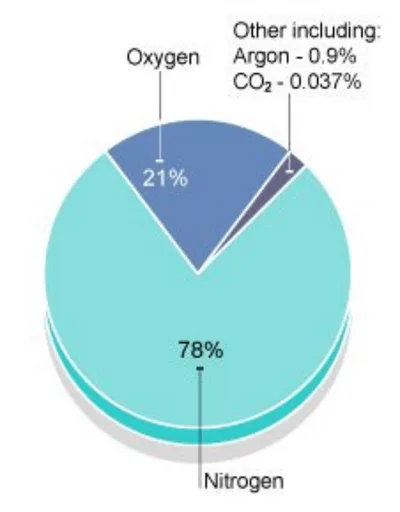
The Carbon Cycle
●
What two Gases are most
abundant in the atmosphere?
● Nitrogen & Oxygen
● Other gases
○ Argon
○ Carbon Dioxide
33

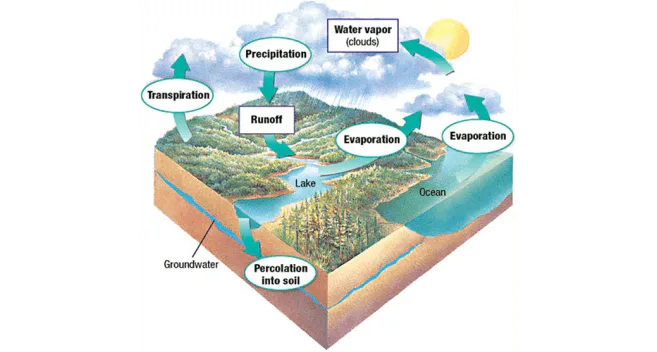
The Water Cycle
34

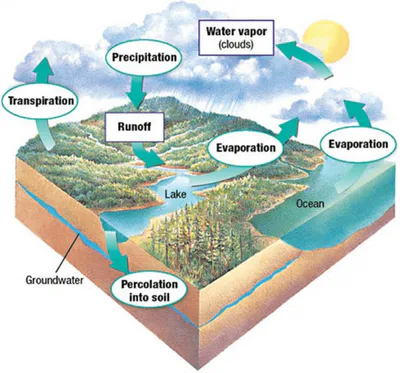
The Water Cycle
●
Evaporation - The process
by which water changes
from liquid form to
atmospheric gas
●
Transpiration - The process
of water entering the
atmosphere by
evaporation from the
leaves of plants
●
Percolation - Water which is
absorbed into the ground
35

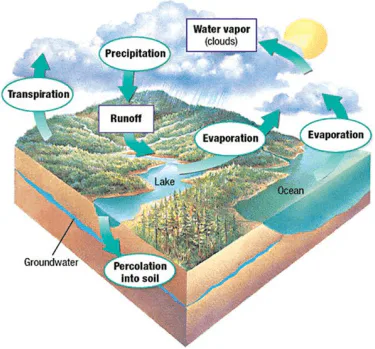
The Water Cycle
●
Precipitation - water vapor
condenses and falls in the
form of rain, snow, sleet,
etc.
●
Runoff - Surface runoff is
the flow of water that
occurs when excess water
from rain, meltwater, or
other sources flows over
the Earth's surface
36
37

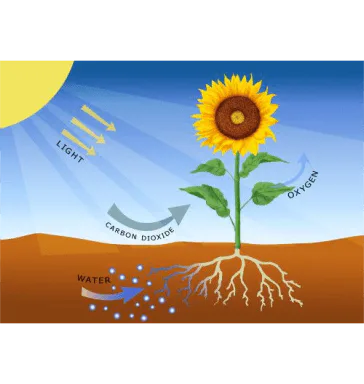
Photosynthesis
❖
There are two main phases
to the process of
photosynthesis.
❖
In the first phase, sunlight is
captured by the
chloroplasts and the energy
is stored in a chemical
called ATP.
❖
In the second phase, the
ATP is used to create sugar
and organic compounds.
❖
Only plants use Photosynthesis to create food
38

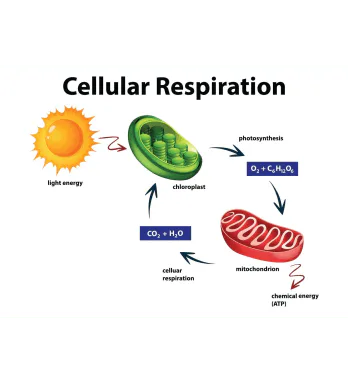
Cellular Respiration
❖
Cellular respiration is the
process by which cells
break down simple food
molecules to release the
energy they contain.
❖
Both Plants and animals use Cellular Respiration to break down glucose
❖
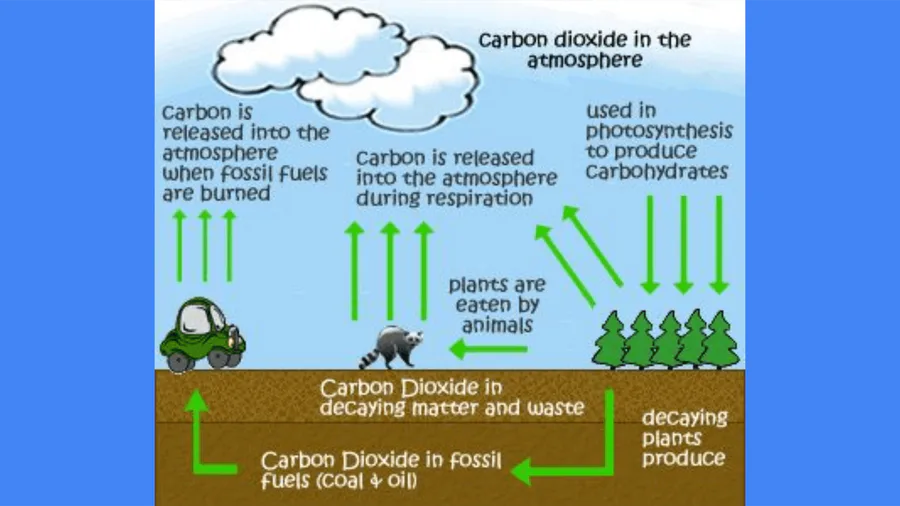
These two processes drive
the Biological Carbon Cycle
It is a vital part of the
relationship between
animals and plants.
❖
39
Multiple Choice
What does Mufasa explain to Simba about the animals in the Pride Lands?
40
Multiple Choice
What is the continuous movement of matter through the living and nonliving parts of an ecosystem called?
Matter Cycle
Nitrogen Cycle
Geological Cycle
Marvel Expanded Cycle
Water Cycle
41
Multiple Choice
How does a volcanic eruption affect Earth's interconnected cycles?
Volcanic eruptions improve water quality increasing the salinity.
It affects all the spheres (atmosphere, lithosphere, hydrosphere, biosphere).
42
Fill in the Blanks
A cycle is a process or event that
43
Multiple Select
The "Law of Conservation of Mass" states that Matter can neither be _____ or _____
Created
Destroyed
Recycled
Transposed
Obliviated
44
Multiple Choice
Is Earth a closed or open system
Closed
Open
45
46
Multiple Choice
The atmosphere is MOSTLY made up of which gas?
Oxygen
Nitrogen
Carbon Dioxide
Argon
47

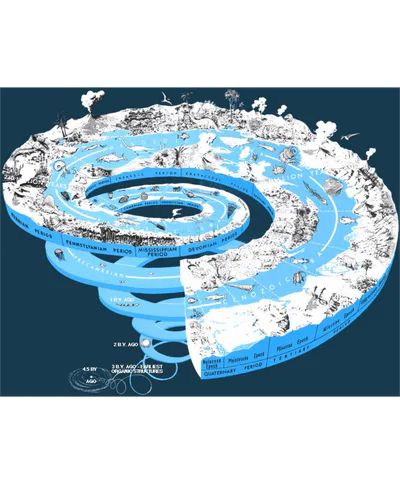
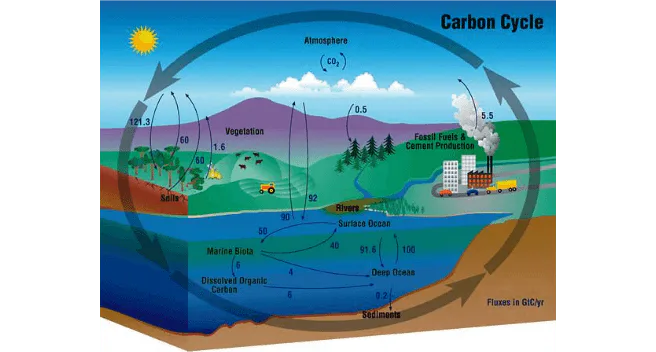
For hundreds of millions of years, the
chemicals and elements found on
Earth have changed very little.
The amount of one element or
chemical in the Earth’s surface is
practically the same as it was many
millions of years ago.
48
49

50
51
52

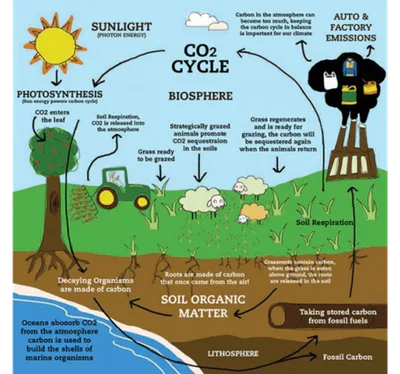
53


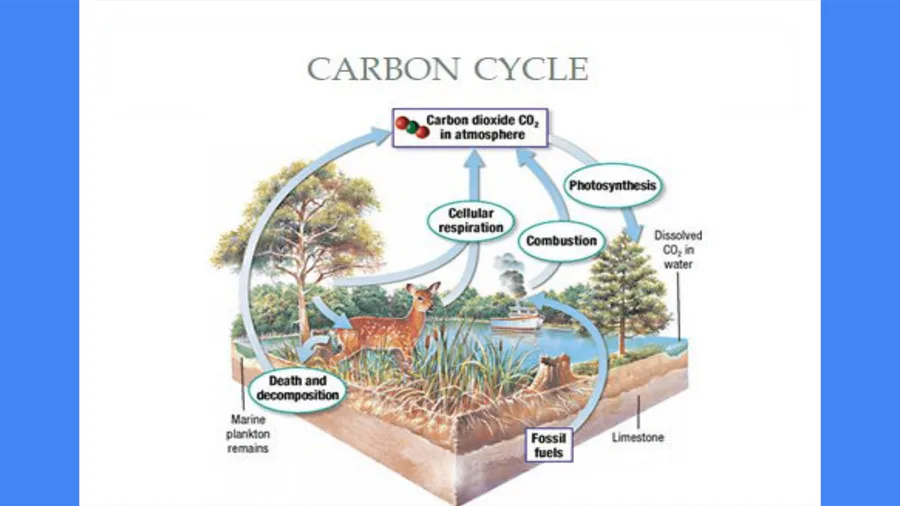
The Carbon Cycle
❖
This balance is maintained
by cycles between the
Earth and its organisms.
❖
The elements of the Earth
are taken into lifeforms,
used to sustain the
organism, and later
released in the form of
waste, or through
decomposition upon the
death of the organism.
Fast Cycles:
❖ Biological
cycle
❖ Water cycle.
Slow Cycles:
❖ Geologic
cycle.
54


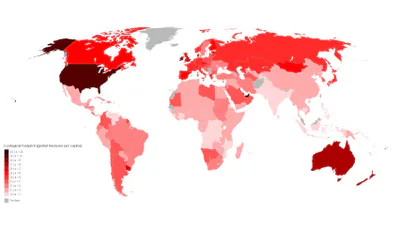
The Carbon Cycle
❖
This consistency is
one of the things
that makes life on
Earth possible.
❖
How do humans
upset the Carbon
Cycle?
55


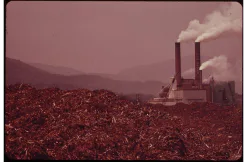
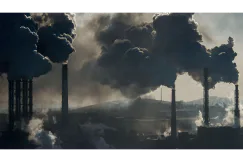
❖
They add
carbon to the
cycle before it
is ready.
❖
One of the
ways this is
done is
through the
burning of
fossil fuels
❖
The
destruction of
carbon
reservoirs
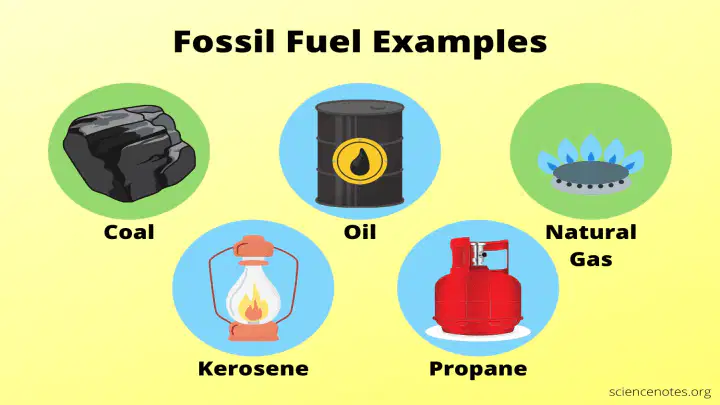
What are fossil fuels?
❖
Coal, Oil, Natural Gas
❖
Ancient remains of plants and animals
Matter Cycles in the Ecosystem
Learning Target:
Model and demonstrate energy flow and matter cycle through an ecosystem and explain role of photosynthesis in these cycles.
Show answer
Auto Play
Slide 1 / 55
SLIDE
Similar Resources on Wayground

51 questions
4.2 Human Reproduction System
Presentation
•
7th Grade
51 questions
Chapter 6 Science Test Review
Presentation
•
6th Grade
49 questions
Electromagnetic Spectrum
Presentation
•
6th - 8th Grade
49 questions
Motion Graph Practice
Presentation
•
6th Grade
49 questions
Properties and Changes Test Review OL
Presentation
•
6th Grade
48 questions
Cell Division: Mitosis and Meiosis
Presentation
•
7th Grade
53 questions
Introduction to Punnet Squares
Presentation
•
6th - 8th Grade
49 questions
Chemical Bonds and Chemical Formulas and Endothermic Exothermic Reactions
Presentation
•
7th Grade
Popular Resources on Wayground
10 questions
Impact of 9/11 and the War on Terror

Interactive video
•
10th - 12th Grade
21 questions
Continents and Oceans

Quiz
•
6th Grade
5 questions
9/11
Interactive video
•
9th Grade
20 questions
Parts of Speech
Quiz
•
5th Grade
16 questions
Subject & Predicate
Quiz
•
5th Grade
10 questions
Riddles Riddles fun Riddles
Quiz
•
6th - 12th Grade
21 questions
Lab Safety
Quiz
•
10th Grade
6 questions
PRIDE in the Hallways and Bathrooms
Presentation
•
12th Grade
Discover more resources for Science
20 questions
Lab Safety
Quiz
•
5th - 8th Grade
17 questions
7.6D Aqueous Solutions
Quiz
•
7th Grade
14 questions
Science Variables
Quiz
•
7th Grade
20 questions
Claim, Evidence and Reasoning (CER)
Quiz
•
6th - 8th Grade
18 questions
Counting Atoms
Quiz
•
7th - 8th Grade
10 questions
Exploring Chemical and Physical Changes
Interactive video
•
6th - 10th Grade
20 questions
Food Webs + Energy Pyramids
Quiz
•
7th Grade
10 questions
Exploring the Evolution of Cell Theory
Interactive video
•
7th Grade