Search Header Logo
  1. Resource Library
  2. Science
  3. Earth & Space Science
  4. Sedimentary Rocks
  5. Journey Through Sedimentary Rocks
Journey Through Sedimentary Rocks

Journey Through Sedimentary Rocks

Assessment

Presentation

Science

8th Grade

Medium

NGSS
MS-ESS2-1, MS-ESS2-2, MS-LS4-1

+7

Standards-aligned

Created by

Jason Casner

Used 5+ times

FREE Resource

23 Slides • 48 Questions

1

Journey Through Sedimentary Rocks

Explore the formation and characteristics of sedimentary rocks, including their importance in understanding Earth's history. Discover the processes involved in their creation and the valuable information they provide about past environments and life forms.

2

Multiple Choice

Question image
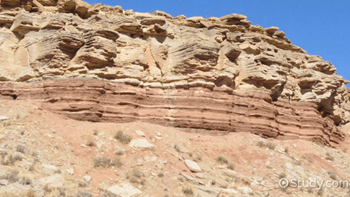
Name this rock.
1
lithographic limestone
2
breccia
3
coal
4
conglomerate

3

Multiple Choice

A rock formed from fragments of other rocks is a(n)
1
Metamorphic Rock
2
Sedimentary Rock
3
Extrusive Rock
4
Igneous Rock

4

Journey Through Sedimentary Rocks

  • Origins of Sedimentary Rock: Grains of sand compacted and cemented together form sedimentary rock.
  • Composition of Sedimentary Rock: Rock or mineral fragments are called sediment.
  • Deposition and Compaction: Sediment deposited in layers and compacted forms sedimentary rock.
  • Cementation: Dissolved minerals bind sedimentary rock together.
  • Formation: Sedimentary rocks form at or near the Earth's surface.
  • Distinctive Feature: Layers are the most noticeable feature of sedimentary rock.

5

Multiple Choice

Question image
This rock was another type of rock that was heated and compressed over time. What type of rock is this?
1
Sedimentary
2
Igneous
3
Metamorphic

6

Multiple Choice

Question image
This rock started as molten magma. What type of rock is this?
1
Sedimentary
2
Igneous
3
Metamorphic

7

Multiple Choice

what kind of rock is formed when debris is buried, compresses and cemented together? 
1
Metmaorphic
2
Magma
3
Sedimetnary
4
Igneous

8

media

9

Multiple Choice

Question image
The process when rocks break into smaller pieces due to exposure to natural elements is called
1
erosion
2
weathering
3
sediments

10

Multiple Choice

What is the most noticeable feature of sedimentary rock?

1

Grains of sand compacted and cemented together

2

Rock or mineral fragments

3

Layers

4

Dissolved minerals

11

Multiple Choice

Intrusive & extrusive are 2 types of...

1

sedimentary

2

metamorphic

3

Igneous

12

Multiple Choice

Which of these can transform metamorphic rock into igneous rock?

1

heat and pressure

2

melting and cooling

3

pressure and melting

4

deposition and cementation

13

Multiple Choice

Scientist that study fossils. 
1
Geologist
2
Archaeologist
3
Paleontologist
4
Microbiologist

14

Multiple Choice

Scientists that study human history and prehistory through excavations, and analysis.
1
Microbiologist
2
Geologist
3
Paleotologist
4
Archaeologist 

15

Multiple Choice

A rock consists of two or more minerals.

1

True

2

False

16

Multiple Choice

Physical and chemical process that transforms sediments into sedimentary rocks, due to increasing pressure and temperature is:

1

crystalization

2

deposition

3

weathering

4

lithification

17

Multiple Choice

When rocks are deeply buried, placing them under pressure because of the weight of overlying layers, this is called:

1

lithification

2

cementation

3

deposition

4

compaction

18

Multiple Choice

What are the 3 major types of rocks?
1
Igneous, Metamorphic, Sedimentary
2
Metamorphic, Igneous, Cementation
3
magma, lava, crystals

19

Multiple Choice

Are rocks the same as minerals?

1

YES

2

NO

20

Multiple Choice

The name rock is given when it is broken down into smaller pieces.
1
texture
2
weathering
3
sediment
4
erosion

21

Multiple Choice

Question image
Fossils are only found in sedimentary rocks.
1
True
2
False

22

Multiple Choice

Which rock is formed form the cooling of volcanic ash on Earth's surface?

1

intrusive igneous

2

foliated metamorphic

3

extrusive igneous

4

organic sedimentary

23

media

24

Multiple Choice

Rocks that form from colling magma inside Earth?

1

Igneous intrusive

2

Igneous extrusive

3

Metamorphic foliated

4

Metamorphic nonfoliated

25

Sedimentary Rock:

Trivia: Sedimentary rocks are formed in layers over time. These layers can contain fossils, providing valuable information about Earth's history. They are like pages in a book, telling the story of our planet's past. Layers are the most noticeable feature of sedimentary rock.

26

Multiple Choice

True/False: Igneous rocks can only turn into metamorphic rocks.
1
True
2
False

27

media

28

Multiple Choice

Any rock that forms from another rock as a result of changes in heat or pressure (or both) is a:

1

chemical rock

2

igneous rock

3

sedimentary rock

4

metamorphic rock

29

Multiple Choice

squeezing sediments together in layers
1
compaction
2
weathering
3
cementation
4
deposition 

30

Multiple Choice

This is a natural solid that is made of one or more minerals.

1

Mineral

2

Fossil

3

Rock

4

Sediment

31

media

32

Multiple Choice

This is the continuous process of rock changing from one type to another.

1

Igneous rocks

2

Sedimentary rocks

3

Metamorphic rocks

4

Rock Cycle

33

Journey Through Sedimentary Rocks

  • Clastic sedimentary rocks: Coarse-, medium-, or fine-grained
  • Sedimentary rock: Minerals crystallize out of solution
  • Fossil sedimentary rock: Formed from remains of plants and animals
  • Limestone: Made of tiny organisms called foraminifera
  • Limestone: Made from calcium carbonate from skeletons

34

Multiple Choice

What type of rock might contain evidence of past life?

1

Sedimentary Rock

2

Igneous Rock

3

Metamorphic Rock

35

Multiple Choice

All rocks have either smooth or not smooth texture.

1

True

2

False

36

Multiple Choice

Which of the following lists the steps an igneous rock undergoes in order to become a sedimentary rock, in the correct order?

1

Deposition, erosion, melting, cooling

2

Erosion, weathering, eruption, cooling

3

Dissolving, deposition, cooling, fracture

4

Weathering, erosion, deposition, cementation

37

Multiple Choice

Question image

What factors can lead to the formation of a sedimentary rock?

1

melting and solidification

2

extreme heat and pressure

3

compaction and cementation

38

Multiple Choice

Limestone is a sedimentary rock. During the rock cycle, limestone is changed into marble, a metamorphic rock. The processes that act on limestone and change it into marble are

1

weather and erosion

2

heat and pressure

3

compacting and cementing

4

melting, cooling, and hardening

39

Multiple Choice

Composition of rocks refers to...

1

What song plays when you find the rock.

2

What the rock is made of.

3

What color the rock is.

4

How hard a rock is.

40

Multiple Choice

Question image

According to the diagram, what process is shown by letter A?

1

extrusion

2

erosion

3

crystallization

4

intrusion

41

Multiple Choice

What is limestone made of?

1

Calcium carbonate from skeletons

2

Minerals crystallize out of solution

3

Formed from remains of plants and animals

4

Coarse-, medium-, or fine-grained

42

Multiple Choice

Question image

According to the diagram, what process is shown by letter B?

1

compaction & cementation

2

weather & erosion

3

heat & pressure

4

melting

43

media

44

Multiple Choice

If a lot of heat is applied to a rock, it will turn into

1

magma

2

rocks

3

sediment

4

metamorphic rocks

45

Multiple Choice

What is the correct order of making and dropping off of sediments?
1
weathering, erosion, deposition 
2
erosion, weathering, deposition
3
weathering, deposition , erosion

46

media

47

Limestone: Calcium Carbonate

Trivia: Limestone is primarily composed of calcium carbonate derived from the skeletons of marine organisms. It forms through the process of minerals crystallizing out of solution. Limestone is not formed from the remains of plants and animals. It can have different textures, such as coarse, medium, or fine-grained.

48

media

49

Multiple Choice

Question image

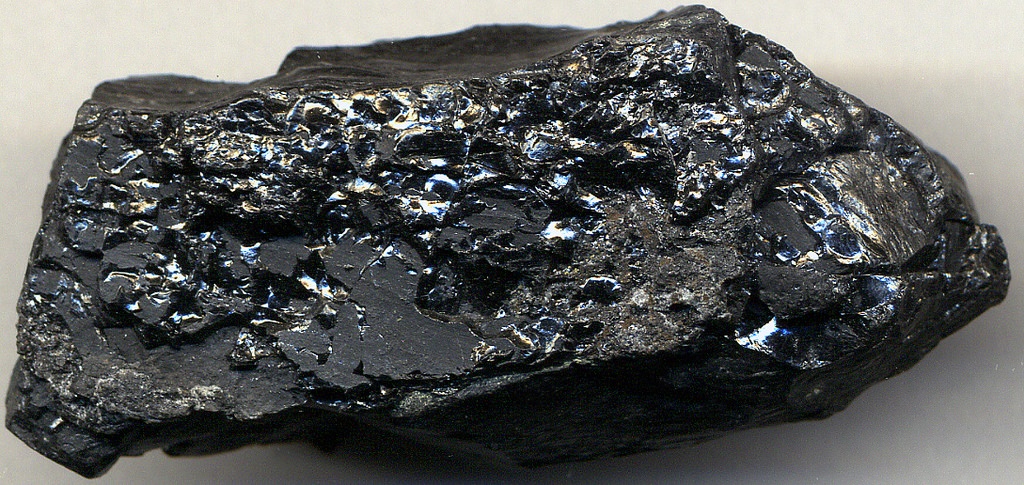
Which of the following is an organically formed sedimentary rock? (A biochemical rock)

1

obsidian

2

coal

3

siltstone

4

shale

50

media

51

Journey Through Sedimentary Rocks

Sedimentary rocks are formed from the accumulation of sediments over time. One type of sedimentary rock is limestone, which is made up of shells of sea creatures. Another type is organic sedimentary rock, which forms from heat and pressure on plant material. Sedimentary rocks are arranged in layers through a process called stratification. This process involves the deposition of sediments and the formation of distinct layers. Sedimentary rock structures provide valuable information about Earth's history and the processes that have shaped our planet.

52

Multiple Choice

Igneous rock is formed form...

1

Magma and Lava

2

Other rocks getting cemented together.

3

Pressure and heat.

53

Multiple Choice

the process by which running water, wind, or ice carry away bits of broken-up rock
1
weathering
2
sediment
3
erosion
4
cememtation

54

media

55

Multiple Choice

What is the process called that involves the deposition of sediments and the formation of distinct layers in sedimentary rocks?

1

Stratification

2

Metamorphism

3

Erosion

4

Volcanism

56

media

57

Multiple Choice

Question image

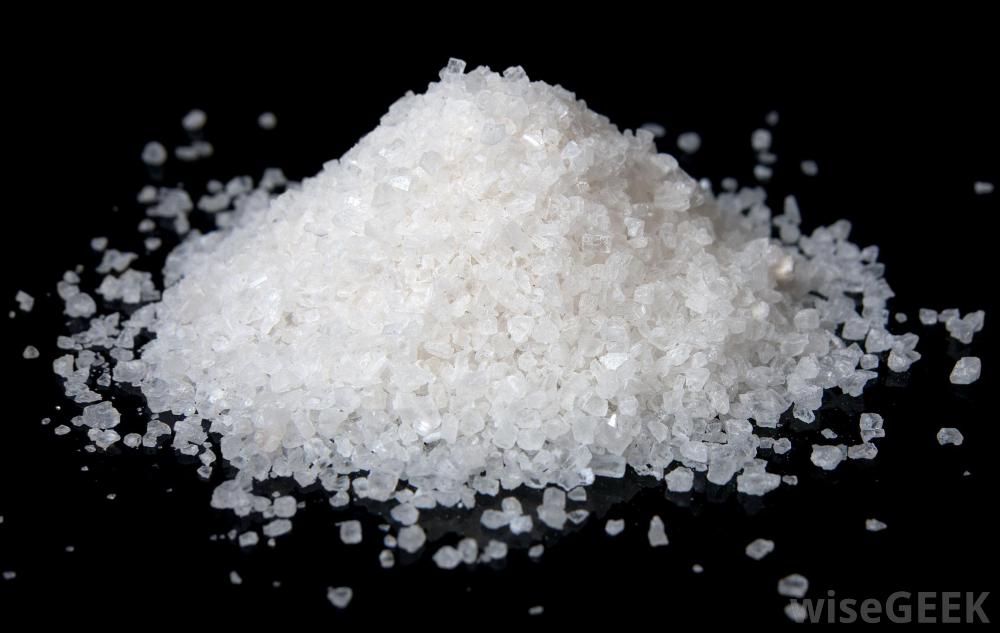
Which of the following is a chemically formed sedimentary rock?

1

marble

2

breccia

3

rock salt

4

quartz

58

Multiple Choice

Sedimentary rock is formed form...

1

Magma and Lava

2

Other rocks or materials getting cemented together.

3

Pressure and heat.

59

Stratification

Trivia: Stratification is the process of depositing sediments and forming distinct layers in sedimentary rocks. It is a key process in the formation of rock formations such as cliffs, canyons, and valleys. The layers can provide valuable information about Earth's history and the environment in which the rocks were formed. Fossils are often found in these layers, helping scientists study past life on Earth.

60

media

61

Multiple Choice

Sedimentary rock formed from remains of plants and animals is called _?_.

1

chemical sedimentary rock

2

biochemical (organic) sedimentary rock

3

clastic sedimentary rock

4

erosion

62

media

63

Markings on Sedimentary Rocks

The markings on sedimentary rocks that record the wave motion of wind or water are called ripple marks. These marks are formed when sediments are moved by the action of waves or currents. They can provide valuable information about the past environments in which the rocks were deposited. Ripple marks can vary in size and shape, and can be preserved in sedimentary rocks for millions of years.

64

Multiple Choice

Metamorphic rock is formed form...

1

Magma and Lava

2

Other rocks or materials getting cemented together.

3

Pressure and heat.

65

Multiple Choice

Question image
Which layer of sedimentary rock is the oldest?
1
A
2
B
3
D
4
F

66

media

67

Multiple Choice

What are the markings on sedimentary rocks that record the wave motion of wind or water called?

1

Fossils

2

Fault lines

3

Ripple marks

4

Volcanic eruptions

68

media

69

Multiple Choice

the process in which dissolved minerals crystallize and glue sediment together.
1
compaction
2
deposition
3
organic sedimentary rock
4
cementation

70

Multiple Choice

All rocks follow the same path on the rock cycle.

1

TRUE

2

FALSE

71

Ripple Marks

Ripple marks are the markings on sedimentary rocks that record the wave motion of wind or water. They provide evidence of past water or wind activity and can vary in size and shape. These marks are important for understanding the geological history of an area and can help identify ancient shorelines or riverbeds. Fossils, Fault lines, and Volcanic eruptions are not related to the wave motion of wind or water.

Journey Through Sedimentary Rocks

Explore the formation and characteristics of sedimentary rocks, including their importance in understanding Earth's history. Discover the processes involved in their creation and the valuable information they provide about past environments and life forms.

Show answer

Auto Play

Slide 1 / 71

SLIDE