
- Resource Library
- Science
- Earth & Space Science
- Deposition
- The Forces Of Nature: Exploring Erosion And Deposition

The Forces of Nature: Exploring Erosion and Deposition

Presentation
•
Science
•
7th Grade
•
Practice Problem
•
Hard
+7
Standards-aligned

Amielia Cool
Used 3+ times
FREE Resource
11 Slides • 8 Questions
1
Landforms and Agents
2
Fill in the Blanks
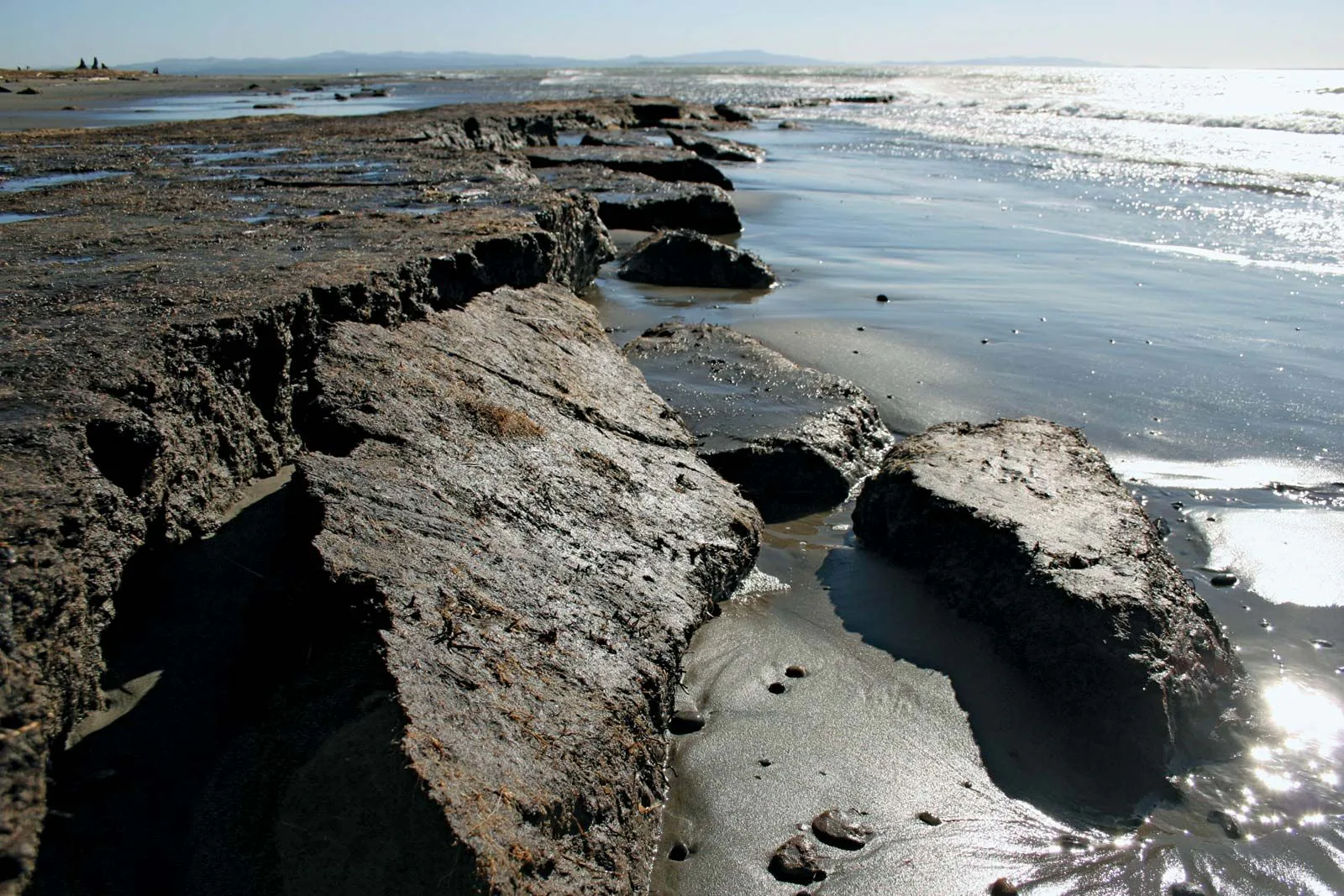
Define Erosion
Type answer...
3
Types of Erosion
4
Match
Match the type of cause and effect of erosion
Wind Erosion
Water Erosion
Glacial Erosion
Coastal Erosion
weathering of rock
rivers changing
valley
coastlines changing
weathering of rock
rivers changing
valley
coastlines changing
5
Erosion causes landforms!
Did you know? Coastal erosion is a natural process that shapes our coastlines. It is caused by the relentless action of waves and currents, wearing away the land over time. This process can lead to the formation of stunning cliffs, beaches, and other coastal features. Protecting coastal areas is crucial to preserve their beauty and prevent damage to human settlements.
Erosion is a natural process and forms beautiful landforms... but that doesn't always mean they are helpful to humans.
6
Agents of Erosion
7
Multiple Select
Which forces of nature are responsible for carving out canyons and creating valleys?
Water
Wind
Ice
Gravity
8
Force of Nature: Water
Did you know? Water is a powerful force of nature that carves out canyons and creates valleys. Over millions of years, flowing water erodes the land, shaping breathtaking landscapes. From the Grand Canyon to the Nile Valley, water has left its mark on our planet's surface.
9
Erosion Landforms
10
Multiple Choice
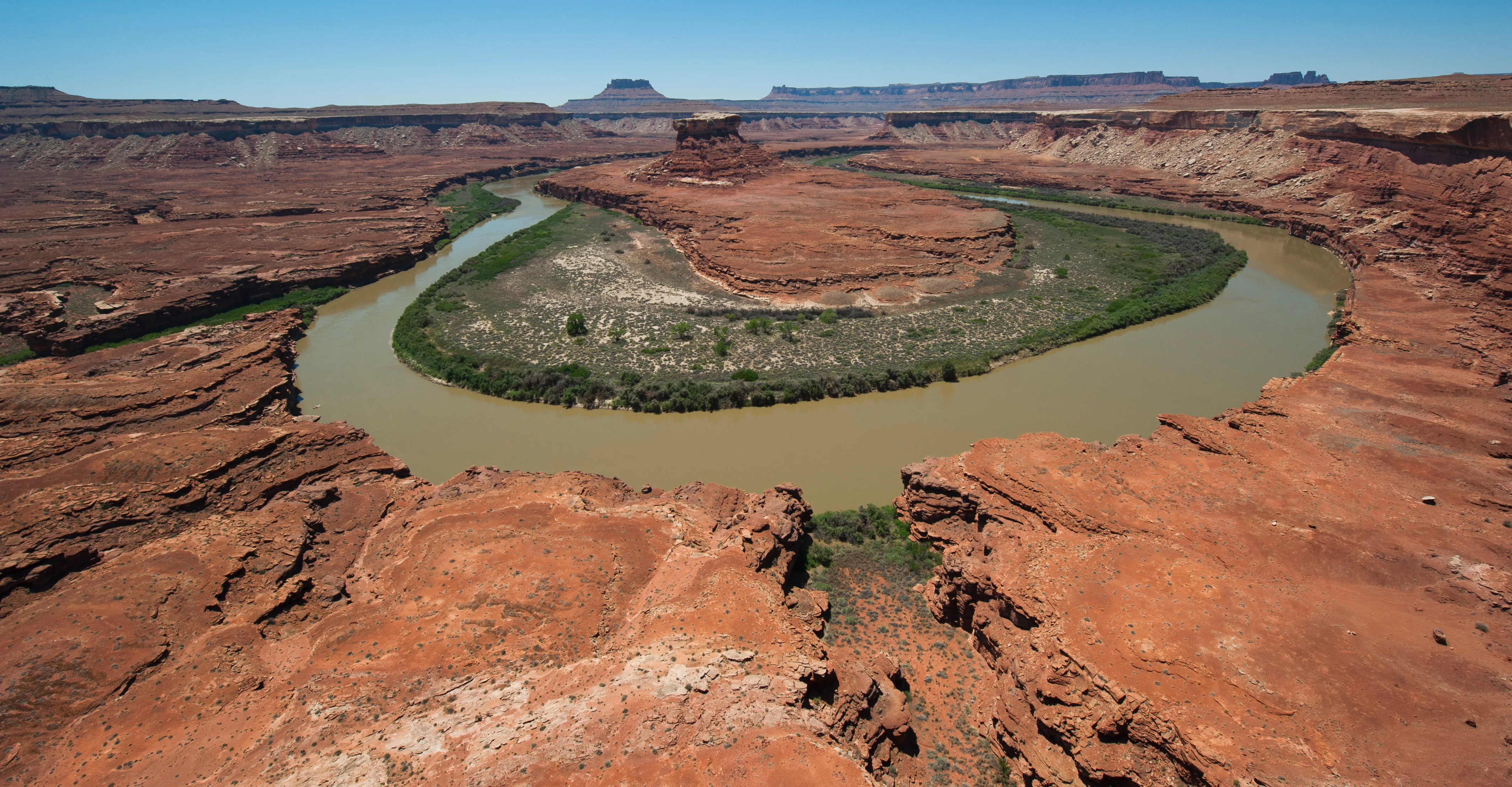
Which of the following is NOT an example of erosion?
Canyons
Oxbow river
Arch
Talus Slope
11
Not a Result of Erosion
Trivia: A Talus slope is an example of deposition. The rocks that have eroded by gravity pulling them down a hill, stop moving and as more rocks fall, pile up at the base of a slope.
12
Fill in the Blanks
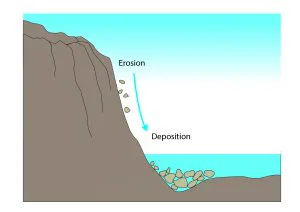
Define deposition
Type answer...
13
Deposition Landforms
14
Multiple Choice
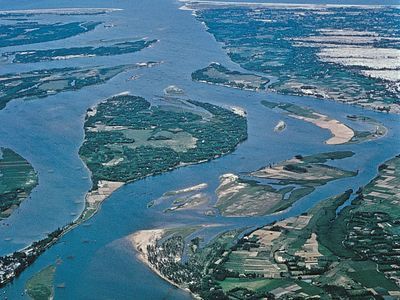
Which landform is formed at the mouth of a river where it meets a body of water?
Deltas
Alluvial Fans
Beaches
Barrier Islands
15
Deltas
Deltas are landforms formed at the mouth of a river where it meets a body of water. They are created by the deposition of sediment carried by the river. Deltas are important ecosystems and often have rich agricultural soil. Some famous deltas include the Nile Delta and the Mississippi Delta. Deltas play a crucial role in shaping the Earth's landscape.
16
Erosion and Deposition
17
Categorize
breaking down of Rocks
Movement of sediment
Sediment not moving
Rivers picking up sediment
Wind moving rock pieces
Delta
Water carrying away soil
Glaciers transporting rocks
Chemical weathering changing rock composition
Frost wedging breaking rocks apart
Roots growing in cracks of rocks
Temperature changes causing rocks to expand and contract
Settling of sediment
Depositing of sediment
Sediment settling in a new location
18
Multiple Select
What are the agents of erosion cause mass wasting events?
Water
Wind
Ice
Gravity
19
Agents of Erosion
Trivia: Water, wind, ice, and gravity are the forces responsible for shaping the Earth's surface. Water erodes through rivers and waves, wind carries and deposits sediment, ice carves valleys and glaciers, and gravity causes landslides and erosion on slopes. These agents work together to shape our planet's landscapes.
Landforms and Agents
Show answer
Auto Play
Slide 1 / 19
SLIDE
Similar Resources on Wayground

15 questions
Outer Planets
Presentation
•
7th Grade
12 questions
Asexual Reproduction
Presentation
•
7th Grade
17 questions
Evolution
Presentation
•
7th Grade
14 questions
Environmental Changes
Presentation
•
7th - 8th Grade
17 questions
Photosynthesis
Presentation
•
7th Grade
17 questions
7th Grade levels of organization
Presentation
•
7th Grade
17 questions
Heredity (Inherited vs Acquired Traits)
Presentation
•
7th Grade
13 questions
Human Population Growth.
Presentation
•
7th Grade
Popular Resources on Wayground
10 questions
How much do you know about our Portrait of an Eagle?

Quiz
•
10th Grade
10 questions
Fast Food Slogans
Quiz
•
6th - 8th Grade
21 questions
Continents and Oceans
Quiz
•
6th Grade
20 questions
Parts of Speech
Quiz
•
5th Grade
16 questions
Subject & Predicate
Quiz
•
5th Grade
25 questions
Multiplication Facts
Quiz
•
5th Grade
12 questions
Map Skills
Quiz
•
3rd Grade
22 questions
Continents and Oceans
Quiz
•
5th Grade
Discover more resources for Science
17 questions
7.6D Aqueous Solutions
Quiz
•
7th Grade
20 questions
Claim, Evidence and Reasoning (CER)
Quiz
•
6th - 8th Grade
18 questions
Counting Atoms
Quiz
•
7th - 8th Grade
10 questions
Exploring Chemical and Physical Changes

Interactive video
•
6th - 10th Grade
20 questions
Food Chains & Food Webs
Quiz
•
5th - 7th Grade
10 questions
Decoding the Periodic Table of Elements
Interactive video
•
6th - 10th Grade
16 questions
Photosynthesis and Cellular Respiration Review
Quiz
•
7th Grade
10 questions
Exploring the Periodic Table
Interactive video
•
6th - 10th Grade