
Forensic Science Lesson 02: Criminal Justice and The Law

Presentation
•
Science
•
12th Grade
•
Medium
Standards-aligned

Abby Fancsali
Used 7+ times
FREE Resource
27 Slides • 21 Questions
1
2
Multiple Choice
The use of techniques related to the collection, examination, and analysis of evidence at a crime scene
chromatography
forensic science
biology
earth science
3
Multiple Choice
Which type of forensic science would look at evidence to determine the time and cause of victim?
Forensic Psychology
Forensic Pathology
Forensic Geology
Forensic Entomology
4
Drag and Drop
5
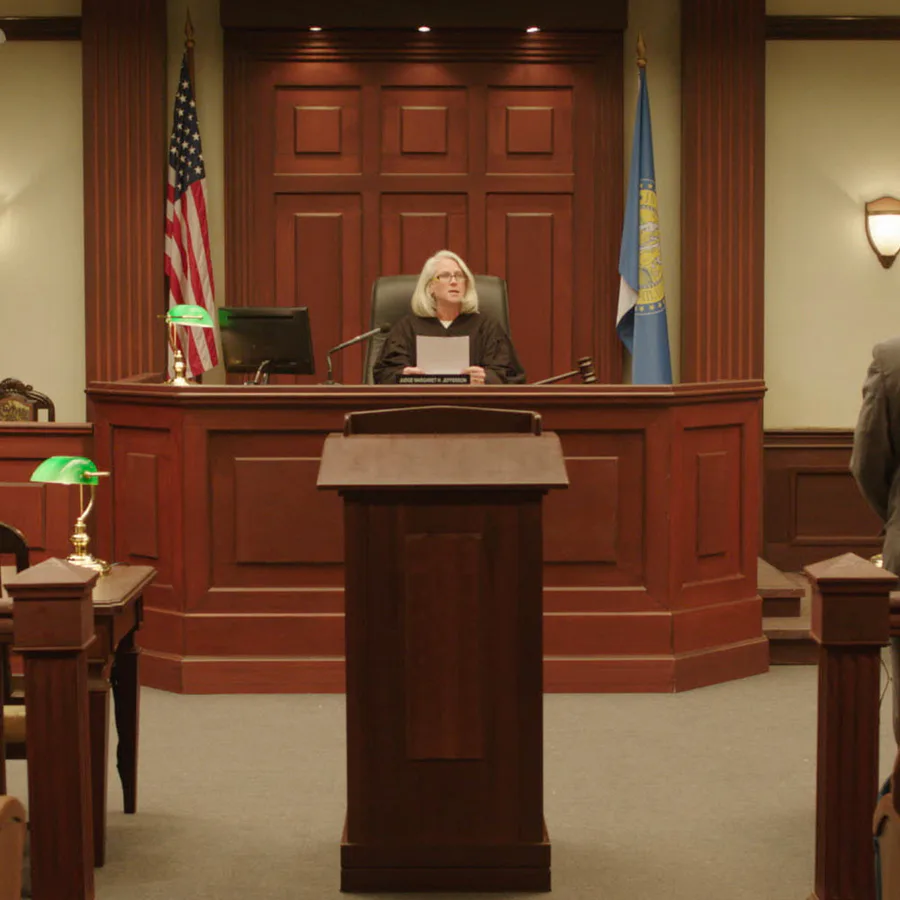
Describe the Criminal Justice System in the United States
Explain Federal rules of evidence
Differentiate between different types of law in the criminal justice system
6
Open Ended
Why do we have Laws?
7
Criminal Justice and the Law
Laws are established to regulate relationships between individuals, organizations, and agencies
Laws can vary from region to region
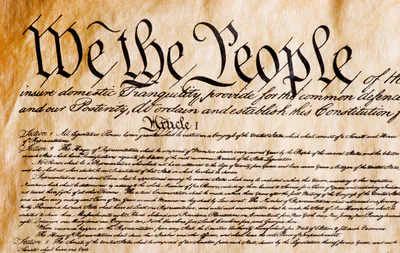
In the United States, the Constitution is the final authority on laws about individual rights and the limits of the government
Is not a list of all laws
Needs to be interpreted in deciding whether new or existing laws are acceptable
There are different types of law that relate to different situations
8
Statutory Law
Statutory Law: Legislative acts declaring, commanding, or prohibiting something
"The Law on the Books" as written and enacted by the government
In the US, is written by Congress
Based on the Constitution
9
Common Law
Common Law: the body of law made up of judicial opinions and precedents
Also called Case Law
Written directly by Judges
In the US: The Supreme Court carries the greatest influence
Uses decisions made in previous cases or superior courts as a basis to justify later decisions made in similar cases
Stare Decisis: To stand by the decision
Precedents: decisions made in previous cases or superior courts
Allows for predictability and consistency in how the law is applied
10
Civil Law
Civil Law: Law that deals with noncriminal suits brought to protect or preserve a civil or private right or matter
Also called Private Law
Deals with relationships between individuals involving such matters as property or contracts
Marriages/Divorces, Wills/Property Transfer, Negligence & Faulty Products
More concerned with assigning blame than establishing intent
Needs a Preponderance of evidence to convict
Violations are generally punishable by fines or transfers of property
11
Criminal Law
Criminal Law: regulation and enforcement of rights, setting the acceptable limits of conduct in society
Also called Public Law
Concerned with offences against an individual that are deemed offensive to society
The state is the plaintiff
The prosecution is called to prove guilt "Beyond a Reasonable Doubt"
12
Key Individual Rights Guaranteed by the Bill of Rights
The Right to be presumed innocent until proven guilty
The right not to be searched unreasonably
The Right not to be arrested without Probable Cause
Includes unreasonable seizure of personal property
The Right against self-incrimination
The Right to an attorney and Trial by Jury
The Right to know any charges against oneself
The Right to due process
13
How does Forensic Science Deal With Law?
Forensic Scientists may examine evidence that deals with any and all types of law, not just criminal
All collectors of evidence of are required to be aware of and follow the rights guaranteed by the Constitution and Bill of Rights
14
Multiple Choice
Which type of law is written by judges as court decisions
Common Law
Civil Law
Criminal Law
Statutory Law
15
Multiple Choice
Two neighbors are in court arguing over a fence that is crossing over the two properties. What type of law is this?
Criminal Law
Civil Law
Common Law
Statutory Laf
16
Multiple Select
Which of the following Rights are guaranteed by the Bill of Rights?
The right of Presumption of innocent until proven guilty
The right to know what charges are against you
The right to an attorney
The right to not be discussed until after a trial
The right to see all aspects of an investigation against yourself
17
Multiple Choice
What is the final authority of laws and individual rights in The United States?
The Supreme Court
The Constitution
Congress
The President
18
Multiple Select
Which types of law may involve forensic science
Civil Law
Criminal Law
Statutory Law
Common Law
19
Types of Crimes
Violation: A breach of a right, duty, or law
Occurs anytime a law has been broken
Classified in three ways
Infraction: A violation of a rule that is not punishable by prison
Misdemeanor: A minor crime that is usually punished with a fine or confinement other than prison
Punishment can range up to one year in jail
Felony: A serious crime such as murder, punishable by more than one year of imprisonment up to execution
20
Steps in Pursuing Justice
Steps in pursuing justice can be confusing due to different jurisdictions, procedures, and state rules, but there are some standard steps involved
After the crime is committed and discovered, a suspect needs to be identified through evidence
Elements: Specific factors or parts of a crime
did the crime occur?
did the accused intend for the crime to happen?
21
Steps in Pursuing Justice-Post Arrest
When a suspect is arrested, they are taken to a police department
Booking: a police procedure following arrest that records basic information about the suspect
photos, fingerprints, a lineup
If questioning is going to follow, a suspect is read their Miranda Rights
Constitutional rights guaranteed to all arrestees
Note: This does not happen during the moment of arrest
22
Steps in Pursuing Justice -Arraignment
Within 72 hours, the suspect must be brought before the courts for arraignment
The first act in a criminal proceeding where the defendant is brought before the court to hear charges and enter a plea
The court may assign a public defender if they do not have one
If appropriate, Bail may be set
Bail: An amount of money put up to guarantee that the defendant will appear in court.
23
Steps in Pursuing Justice -Pleas
A suspect may offer one of many different pleas
Guilty
Not Guilty
Not Guilty because of insanity
Double Jeopardy: The defendant claims they have already been tried for the same crime in the same court
Nolo contendre: A defendant neither admits guilt nor pleads not guilty, but accepts the punishment as though guilty
"No Contest"
Once a plea is entered, future court dates are set
24
Steps in Pursuing Justice -Not Guilty by Reason of Insanity
Has a very specific legal meaning
Defendant must prove that at the time of the offense they were unable to appreciate the nature and quality or wrongfulness of his acts
Require Clear and Convincing Evidence
When a plea of insanity is entered, intent not required to be shown
25
Steps in Pursuing Justice -Post Arraignemt
After arraignment, the suspect is brought before. judge
If a felony, a preliminary hearing is held to determine if a person charged should be held for trial
No jury, just the judge deciding how to proceed
If there is enough evidence, many states will use a Grand Jury instead of a Preliminary Hearing
A group of people who inquire into a crime to determine if a person should be Indicted
Indict: To Formally Accuse a person of a crime
26
Steps in Pursuing Justice -Trials
During a trial, a person is presumed innocent until proven guilty
The burden of proof rests on the prosecution
Trials are done before a jury of peers who hear the evidence and decide if it is sufficient to prove guilt
Only about 50% of arrests are convicted
Plea Bargain: agreement in which a defendant pleads guilty to a lesser charge and the prosecutor drops more serious charges
Avoids the cost of a trial
Can occur at any point before the end of a trial
90% of cases end with some form of Plea Bargain
27
Multiple Choice
The specific factors or parts of a crime are called
evidience
forensics
elements
criminalistics
28
Multiple Choice
True or false: Most criminal cases end in conviction
True
False
29
Multiple Choice
When a suspect is questioned, what must be done by the police?
They must have a bail amount set
They must be in the presence of a judge
They must have their Miranda Rights read to them
Nothing, the police can just question people whenever they want
30
Multiple Choice
What is the least severe type of crime?
Felony
Misdemeanor
Infraction
All crimes are equal in severity
31
Multiple Choice
When does a suspect enter a plea?
During their Arrest
During Booking
During arraignment
When Paying Bail
32
Federal Rules of Evidence
There are rules for what types of evidence are allowed to be entered in trial
Evidence must be Probative
Have a purpose to prove something
Evidence must be Material
address the issue of the particular crime
Evidence Must be Reliable
33
Hearsay
Hearsay: Testimony that relates what a witness saw or heard from someone else
They did not directly see or hear what happened, but someone else told them
It is generally inadmissable in criminal suits because it is not taken under oath or able to be cross-examined
Can be Admissible in Civil Suits
34
Expert testimony
Expert Witness: a person who is a specialist in a subject that is often technical, and testifies without actually witnessing the event
Explains why evidence may be interpreted the way it is
Is an exception to the rules against giving opinions as evidence
Two legal cases serve as the influence on how expert testimony can be used in court
Frye v. The United States, 1923
Daubert v. Merrell Dow Pharmaceuticals, Inc., 1993
35
Expert testimony-The Frye Standard
1923- James Frye convicted of second-degree murder
The case was appealed with the defense arguing that an expert witness about a form of lie detection was not allowed to testify
The Supreme Court decided to let the conviction stand
The Frye Standard says that expert testimony can only be allowed if the science in question has gained "general acceptance" in the field
Can be vague and hard to reach
Can hinder testimonies based on new fields and technologies
36
Expert testimony-The Daubert Ruling
1993: Two families sued Dow, claiming that their children's birth defects were caused by medicine marketed by Dow
Initially the court decided the evidence from the families did not meet "general acceptance" standards, and the case went to the Supreme Court
The Supreme Court stated that due to rapid changes in some technologies, the Frye Standard was not an appropriate standard for admissibility
Helps to keep junk science out of the courtroom
37
Expert testimony-The Daubert Ruling Guidelines
The scientific theory must be testable
The theory/technique must be subject to peer review and publication
The rate of error must be given in the testimony
The theory/technique must follow set standards
The court must consider whether the theory or technique has attracted widespread acceptance within a relevant scientific community
38
Multiple Choice
When may Hearsay be allowed in trials?
During all trials
During criminal trials only
During Civil trials
Never
39
Multiple Select
Select all the requirements for evidence in a trial.
Probative
Material
Reliable
Definitive
40
What are the roles of the Forensic Scientist?
Analyze evidence and prepare reports on the analyses.
Sometimes will work a crime scene
Testify in court as an expert witness
41
Poll
Do you think Forensic Science has an effect on Fiction and Pop Culture?
Yes
No
42
Word Cloud
Name the first piece of fiction that involves forensic science that you can think of.
43
Poll
Do you think Pop Culture has an effect on Forensic Science?
Yes
No
44
How have people viewed Forensic Science over time
Mystery stories have been popular for some time
1841: Murders in the Rue Morgue Published
First murder mystery
1887: The first Sherlock Holmes Story Written
Brought the idea of using science to solve crimes to the mainstream attention
Described and proposed theories of solving crimes not yet considered, like creating chemicals to find bloodstains
Some of these ideas were tested and quickly accepted

45
What is the CSI Effect?
Television Crime Dramas have brought attention to forensic science to a new height
Most people now know about DNA/Blood Analysis, fingerprinting, and bone analysis, even if they don't understand the science behind it
There is a growing concern that jurors who watch crime shows may bring bias against investigators that don't match what they see on TV
Evidence is usually not 100% conclusive
You don't always find DNA or fingerprints
Some cases involve discounting Eyewitness testimony due to a lack of DNA
Despite the idea being controversial, several states allow for the dismissal of jurors due to them being fans of crime dramas
46
Misconceptions from the CSI Effect
All Crime labs are well equipped with the latest technology
Most Machines are far too expensive to have more than one
Crime Scene Investigators process the Crime Scene
This is done by trained police officers
Crime Scene Investigators know all fields of science
Most are a specialist in one field
Technology makes solving crimes solvable within a couple of days
Many tests can take a day to complete, but there are backlogs and multiple runs need to be done
Forensic Science Tests are never wrong
Human error can influence a test
47
Open Ended

Do you feel that watching crime shows should disqualify a person from a jury? Explain why or why not.
48
Open Ended

Assuming the CSI Effect is a real thing that can affect a jury's decision to convict, what would you propose as a means to overcome it? Name at least three things.
Show answer
Auto Play
Slide 1 / 48
SLIDE
Similar Resources on Wayground

41 questions
Bio 11.1 and 11.2 LESSON
Presentation
•
12th Grade - University
47 questions
Fruit and Vegetables/Imperatives - CAp
Presentation
•
12th Grade
40 questions
Types of Evidence
Presentation
•
12th Grade
42 questions
Unit 4 Section 2: Intro to Biology &Prokaryotic Life
Presentation
•
12th Grade
42 questions
Unit 1 Test Review
Presentation
•
KG - 12th Grade
43 questions
Introduce Minerals
Presentation
•
11th - 12th Grade
40 questions
IB BIO 5.2 Notes
Presentation
•
12th Grade
44 questions
Wave Properties and the Light Equations Lesson
Presentation
•
KG - University
Popular Resources on Wayground
10 questions
How much do you know about our Portrait of an Eagle?

Quiz
•
10th Grade
10 questions
Fast Food Slogans
Quiz
•
6th - 8th Grade
21 questions
Continents and Oceans
Quiz
•
6th Grade
20 questions
Parts of Speech
Quiz
•
5th Grade
16 questions
Subject & Predicate
Quiz
•
5th Grade
25 questions
Multiplication Facts
Quiz
•
5th Grade
12 questions
Map Skills
Quiz
•
3rd Grade
22 questions
Continents and Oceans
Quiz
•
5th Grade
Discover more resources for Science
22 questions
Periodic Table Review
Quiz
•
9th - 12th Grade
7 questions
Newton's Laws Video Quiz

Interactive video
•
9th - 12th Grade
17 questions
Unit 3A: Cells Vocab
Quiz
•
9th - 12th Grade
89 questions
Unit 1 (Ch 2 & 3) Test Review - Water/Ocean Currents
Quiz
•
9th - 12th Grade
58 questions
Biomolecule Test Corrections
Quiz
•
9th - 12th Grade
20 questions
Unit 2: Cell Energy Review
Quiz
•
9th - 12th Grade
17 questions
Explore Newton's Laws of Motion
Quiz
•
8th - 12th Grade
35 questions
Directional Terms, Body Cavities, Body Planes
Quiz
•
11th - 12th Grade