

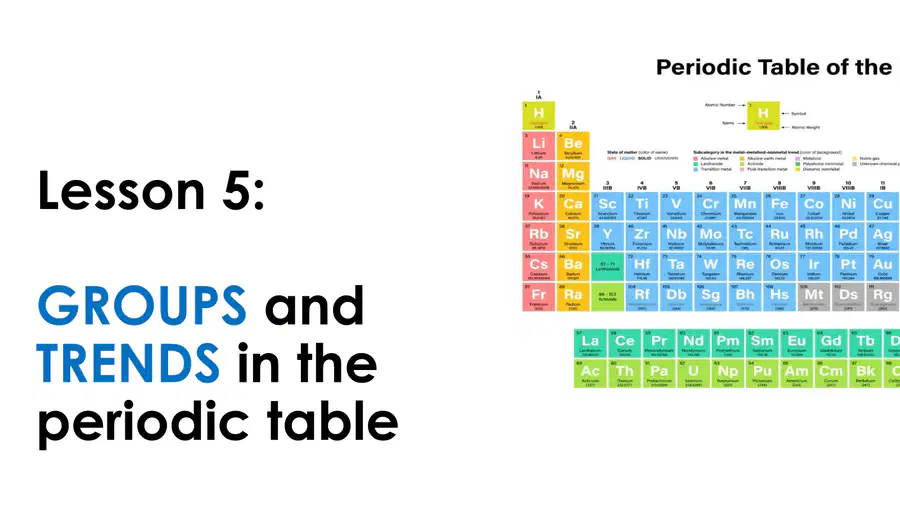
Lesson 5: Groups and Trends in the Periodic Table

Presentation
•
Chemistry
•
8th Grade
•
Practice Problem
•
Medium

Nimrod Diaz
Used 4+ times
FREE Resource
42 Slides • 18 Questions
1

REVIEW
2
Multiple Choice
It refers to the sum of the total number of protons and neutrons of the most abundant isotope of a certain element.
Mass Number
Atomic Weight
Chemical Mass
Isotopes
3
Multiple Choice
He introduced the method of using letters to symbolize elements.
Antoine Lavoisier
Jons Jakob Berzelius
Johann Wolfgang Dobereiner
John Newlands
4
Multiple Choice
He is regarded as the Father of Modern Chemistry and he was able to published Methods of Chemical Nomenclature.
Antoine Lavoisier
Jons Jakob Berzelius
Johann Wolfgang Dobereiner
John Newlands
5
Multiple Choice
He created the first periodic table in 1869 by grouping together elements in a certain way.
Johann Wolfgang Dobereiner
John Newlands
Dmitri Mendeleev
Henry Mosely
6
Multiple Choice
On 28 November 2016, the (IUPAC) approved the name and symbols for four elements: nihonium (Nh), moscovium (Mc), tennessine (Ts), and oganesson (Og), respectively for element 113, 115, 117, and 118. What does IUPAC stands for?
International Union of Physics and Applied Chemistry
International United of Physical and Applied Chemistry
International Union of Pure and Applied Chemistry
International Union of Physical and Applied Chemistry
7
Multiple Choice
Which of the following statements best describes the Group A elements in the periodic table?
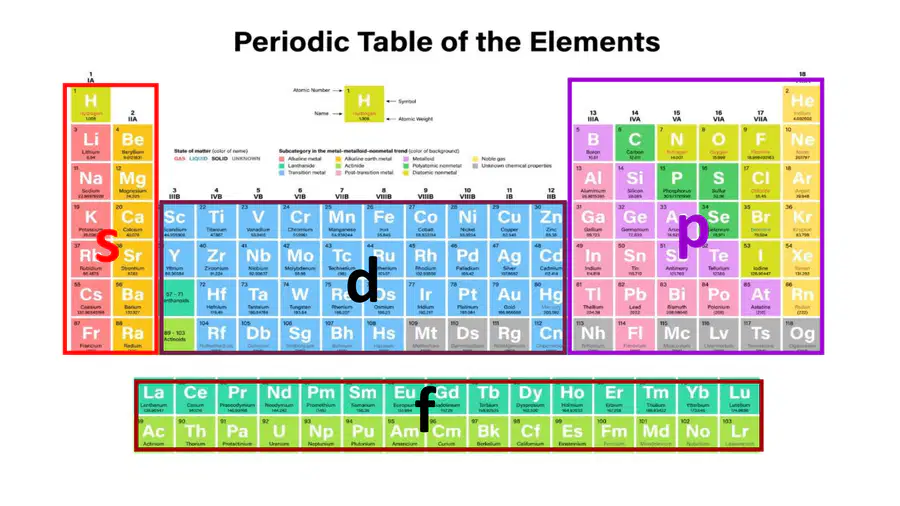
Group A elements are the representative elements and have d or f sub-shells as their outer orbitals.
Group A elements are the lanthanides and actinides and have s or p sub-shells as their outer orbitals.
Group A elements are the transition elements and have s or p sub-shells as their outer orbitals.
Group A elements are the representative elements and have s or p sub-shells as their outer orbitals.
8
Multiple Choice
Which of the following statements best describes the Group B elements in the periodic table?
Group B elements are the representative elements and have partly filled s or p sub-shells.
Group B elements are the non-representative elements and have partly filled d sub-shells (the transition elements) or partly filled f sub-shells (the lanthanide series and the actinide series).
Group B elements are the transition elements and have fully filled d sub-shells.
Group B elements are the lanthanide and actinide series and have fully filled f sub-shells.
9
Multiple Choice
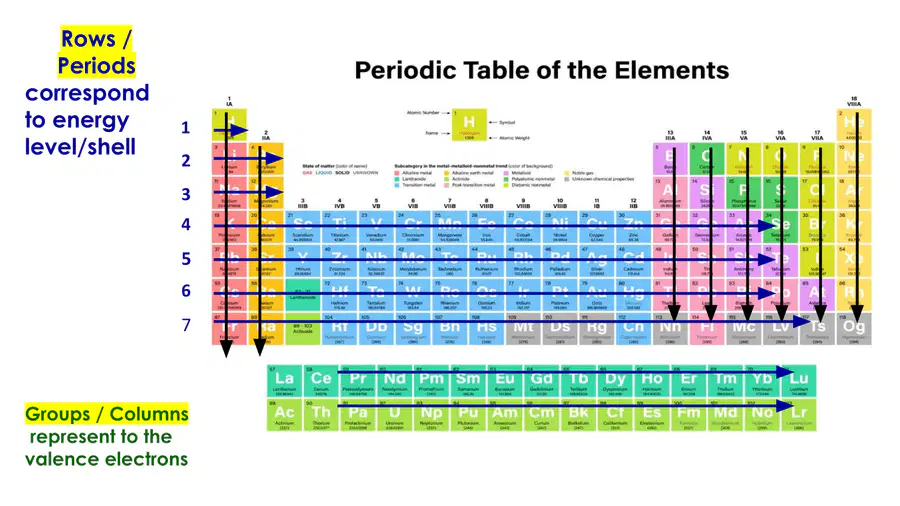
What do the rows or periods in the periodic table correspond to?
number of protons in an atom
number of isotopes of an element
atomic mass of an element
energy levels or shells of an atom
10
Multiple Choice
In the periodic table, what do the groups or columns represent and why do elements in the same group share similar chemical properties?
Groups represent the number of protons in the nucleus, and elements in the same group share similar chemical properties because they have the same number of protons.
Groups represent the atomic mass of elements, and elements in the same group share similar chemical properties because they have the same atomic mass.
Groups represent the valence electrons, and elements in the same group share similar chemical properties because they have the same electron configuration in their outer shell.
11
12
13
14
15
16
17
Multiple Choice
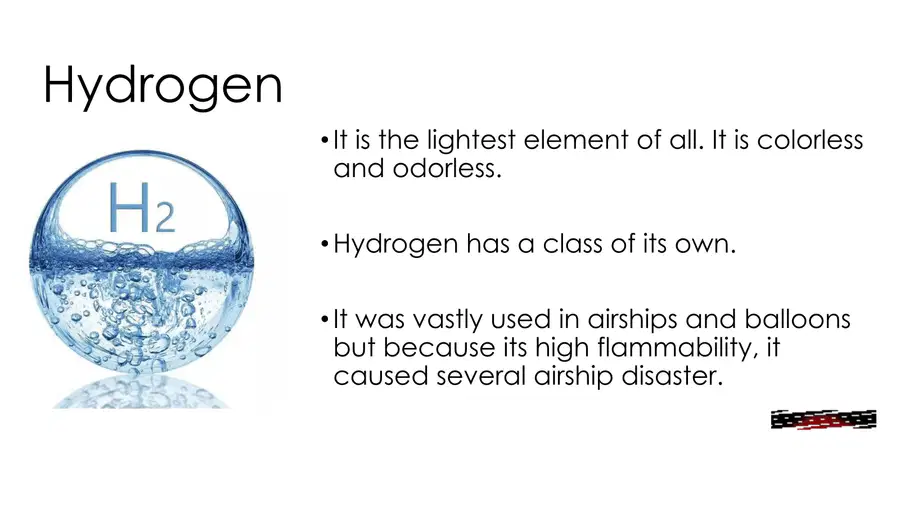
What is the most abundant element in the universe, making more than 90% of all atoms.
Carbon
Hydrogen
Oxygen
Nitrogen
Neon
18
19
20
21
22
23
24
25
26
27
Multiple Choice
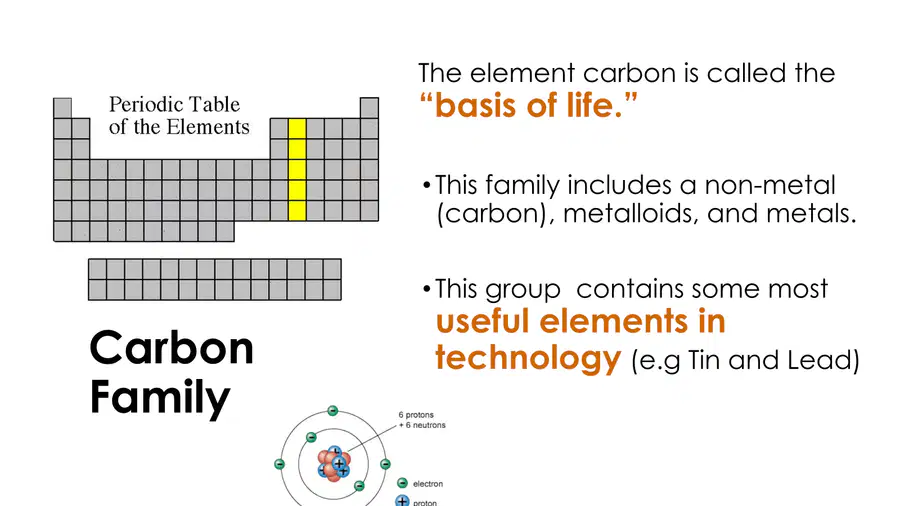
What family or element is considered to be the "basis of life"?
Carbon
Hydrogen
Oxygen
Nitrogen
Neon
28
29
Multiple Choice
What family or element is considered to be the most plentiful component of the Earth's atmosphere?
Carbon
Hydrogen
Oxygen
Nitrogen
Neon
30
31
Multiple Choice
What family or element is considered to be essential in combustion process?
Carbon
Hydrogen
Oxygen
Nitrogen
Neon
32
33
34
35
36
37
38
39
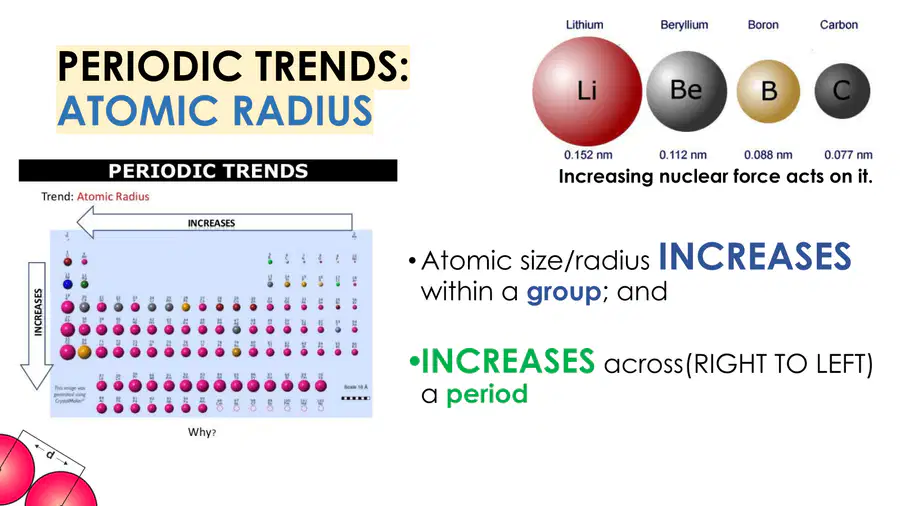
40
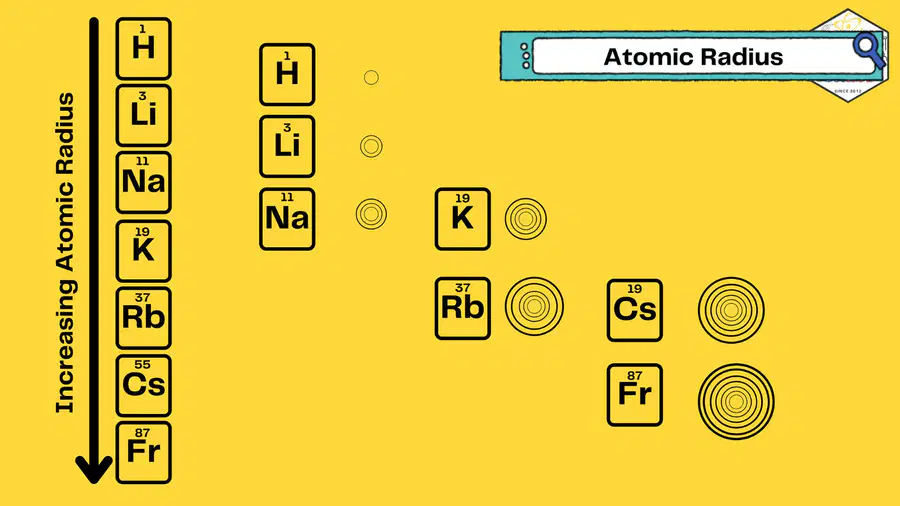
41
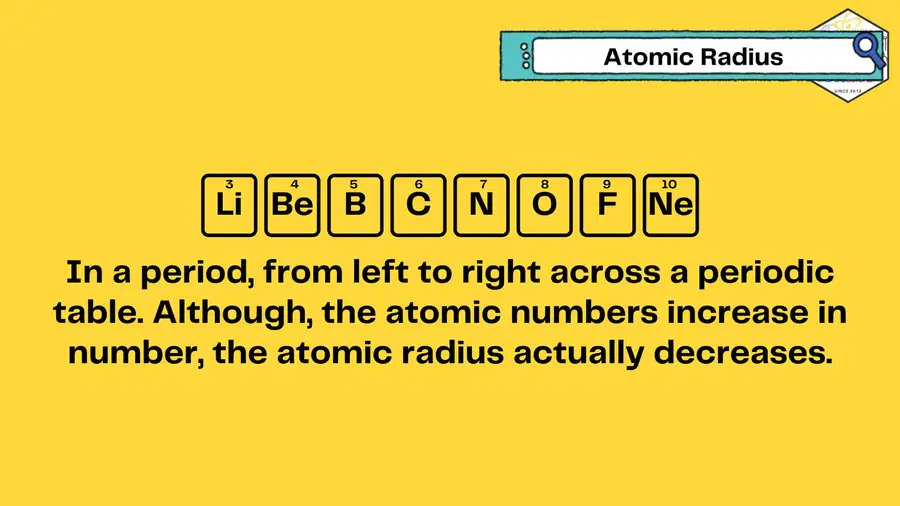
42
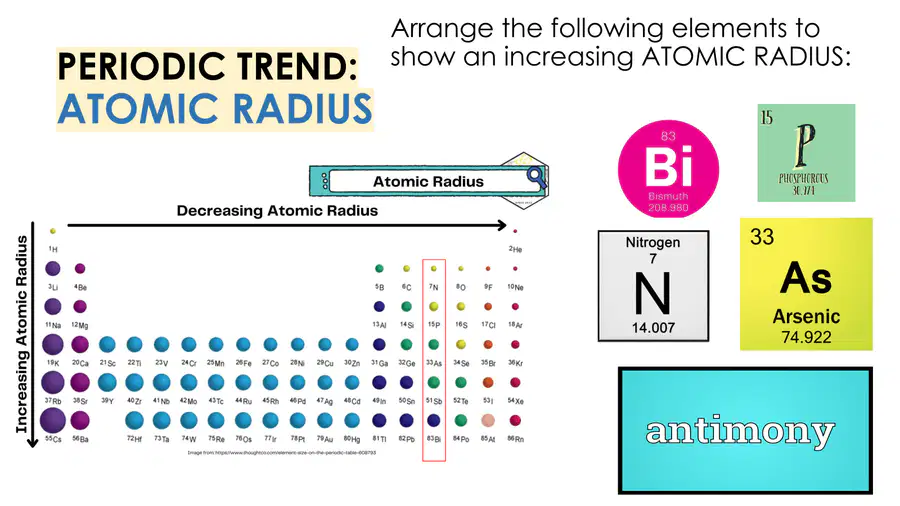
43
Multiple Choice
Which atom has the largest atomic radius?
potassium
rubidium
francium
cesium
44
Multiple Choice
Which periodic group has the smallest atomic radius?
Transition Metals
Halogens
Alkali Metals
Noble Gases
45
46
47
48

49
50
51
Multiple Choice
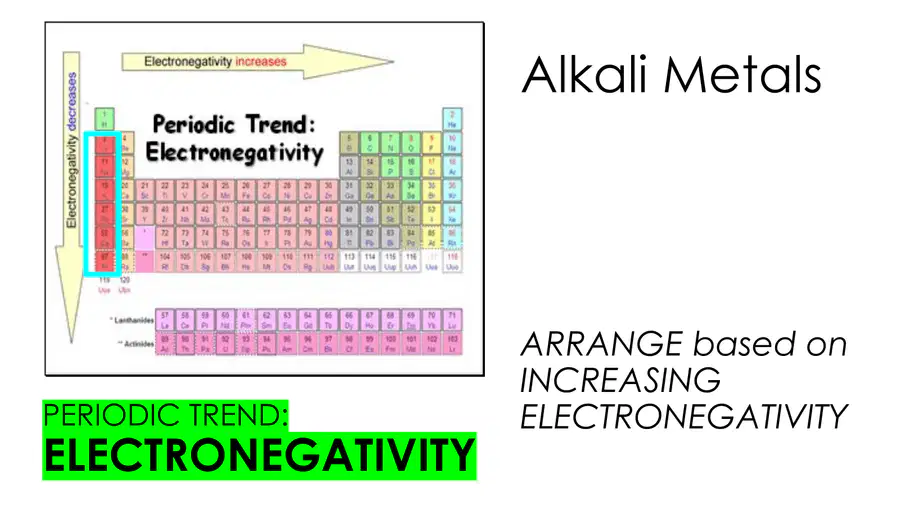
Which has the greater electronegativity?
Cl or Al?
Cl
Al
52
Multiple Choice
Which of the following will have a higher electronegativity than arsenic (As)?
Carbon (C)
Neon (Ne)
Antimony (Sb)
Germanium (Ge)
53
54
55
56
57
58
59
Multiple Choice
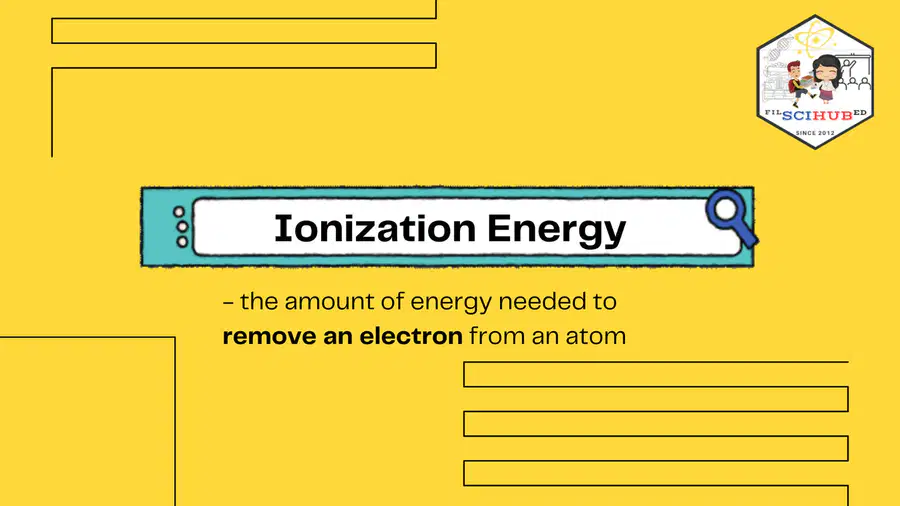
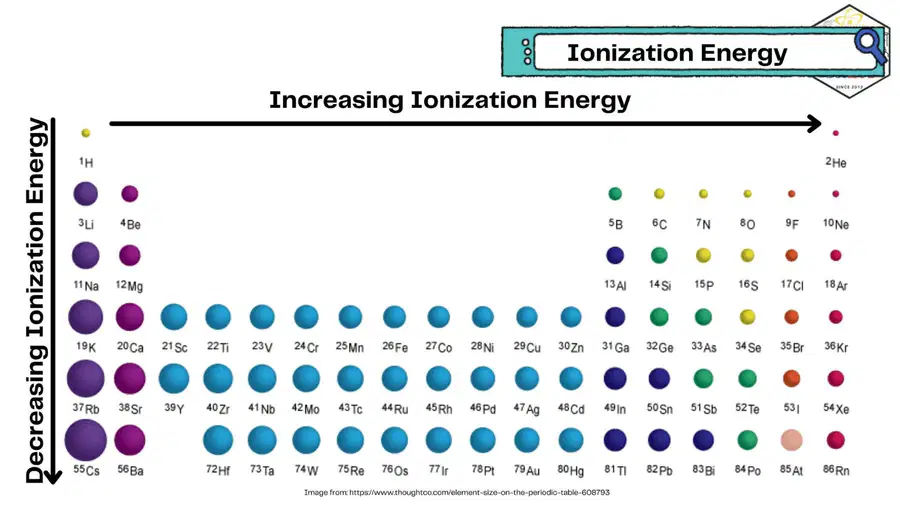
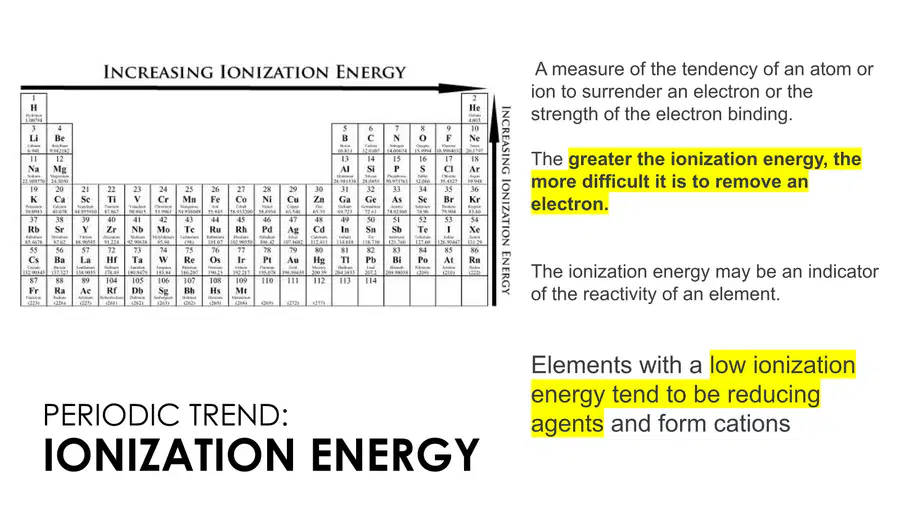
Which of the following will have a lower ionization energy than Scandium (Sc)?
Helium (He)
Titanium (Ti)
Calcium (Ca)
Magnesium (Mg)
60
REVIEW
Show answer
Auto Play
Slide 1 / 60
SLIDE
Similar Resources on Wayground

55 questions
Que tiempo hace y Las estaciones
Presentation
•
7th - 8th Grade
55 questions
Teach .Ed. Periodic table/Mixtures
Presentation
•
8th Grade
60 questions
Ecosystems & Cycles
Presentation
•
8th Grade
55 questions
Earth Science Review Lesson
Presentation
•
8th Grade
55 questions
Science TCAP Practice
Presentation
•
8th Grade
58 questions
Petroski - Physical Science LEAP Review
Presentation
•
8th Grade
53 questions
French Foods and Dining Customs
Presentation
•
8th Grade
55 questions
S8GU1L3 - The life cycle of stars
Presentation
•
8th Grade
Popular Resources on Wayground
10 questions
Oak Hills High School Policy and Success Quiz

Passage
•
9th Grade
11 questions
Hallway & Bathroom Expectations

Quiz
•
6th - 8th Grade
15 questions
School Bus Safety Questions
Quiz
•
6th Grade
25 questions
AJHS Scavenger Hunt
Quiz
•
6th Grade
20 questions
Lab Safety Quiz
Quiz
•
6th Grade
22 questions
would you rather
Quiz
•
3rd - 11th Grade
29 questions
Laboratory Safety Rules
Quiz
•
6th Grade
21 questions
Continents and Oceans
Quiz
•
6th Grade
Discover more resources for Chemistry
11 questions
Hallway & Bathroom Expectations
Quiz
•
6th - 8th Grade
22 questions
would you rather
Quiz
•
3rd - 11th Grade
10 questions
MCSD Handbook Test
Quiz
•
6th - 8th Grade
10 questions
Panther Principles Success Quiz
Quiz
•
6th - 8th Grade
15 questions
Wren Pride and School Procedures Worksheet
Quiz
•
8th Grade
29 questions
Viking Voyage Day 1 Quiz
Quiz
•
8th Grade
20 questions
Lab Safety review
Quiz
•
8th Grade
15 questions
SS8G1 Georgia Geography
Quiz
•
8th Grade