

IGCSE Geography-Economic Activity and Energy-Energy Demand

Presentation
•
Geography
•
9th - 10th Grade
•
Practice Problem
•
Easy

Aimee Cooper
Used 1+ times
FREE Resource
19 Slides • 10 Questions
1

Future Scenarios Overpopulation, Underpopulation, or Optimum Population?
Depending on how societies manage resources, we could face three futures:
Overpopulation – Too many people, not enough resources.
Optimum Population – The right balance between people and resources.
Underpopulation – Too few people to sustain economic growth.
How can we ensure we reach an optimum population level?

2
Open Ended
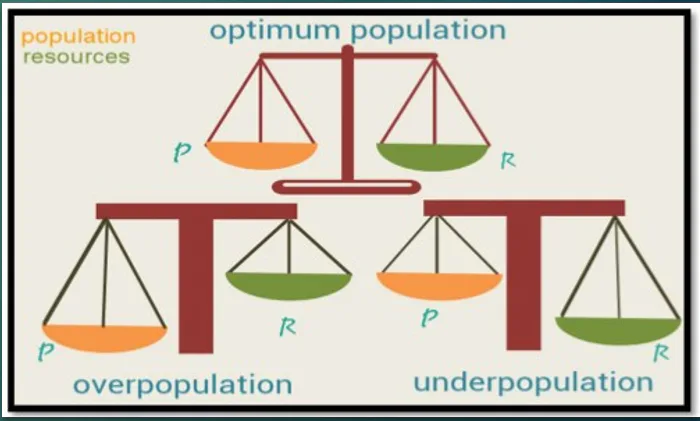
How can we make sure we achieve the right balance between population and resources.
3
Achieving the right balance


4
Open Ended
Explain the differences in the theories of Malthus and Boserup about the relationship between population and resources. (6 marks)
5

Lesson Objectives
To describe global energy demand trends.
To explain how energy consumption varies globally.
To justify differences using economic, technological, and environmental factors.
To evaluate energy security in different regions.
6

Lesson Objectives
To understand different population theories (Malthus and Boserup).
To evaluate how population growth interacts with resource availability.
To debate and form reasoned arguments around population and resources.
7

Energy Demand and Consumption
Energy is essential for modern life. From powering homes and industries to transportation and communication, our world relies on different energy sources. But how is demand changing, and how does it vary globally?

8
Open Ended

How many energy sources can you think of?
Which three sources provide over 80% of the world's energy?
9

Three main sources: Oil, coal, natural gas (~80% of global energy).
10
Match
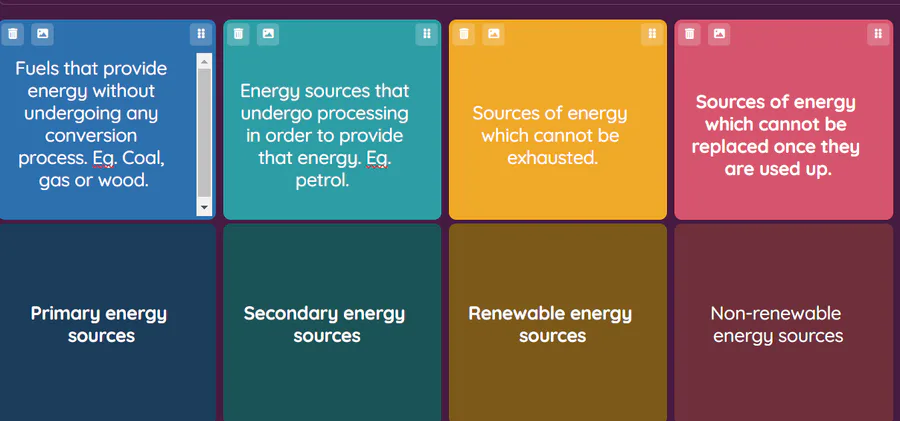
Classify these energy types
Fuels that provide energy without undergoing any conversion process. Eg. Coal, gas or wood.
Energy sources that undergo processing in order to provide that energy. Eg. petrol.
Sources of energy which cannot be exhausted.
Sources of energy which cannot be replaced once they are used up.
Primary energy sources
Secondary energy sources
Renewable energy sources
Non-renewable energy sources
Primary energy sources
Secondary energy sources
Renewable energy sources
Non-renewable energy sources
11
12

Classifying Energy Sources
Energy sources can be categorised into four main types: primary, secondary, renewable, and non-renewable. Primary energy sources are those that provide energy in their natural form without requiring conversion, such as coal, gas, and wood. Secondary energy sources are derived from primary sources and require processing, such as electricity and petrol. Renewable energy sources are naturally replenished and cannot be exhausted, including solar, wind, and hydroelectric power. Non-renewable energy sources, such as oil, coal, and natural gas, cannot be replaced once used, making their long-term sustainability a concern.

13
Open Ended

Describe the graph. What does it remind you of? (Hint: Think of last lesson)
14
15
Open Ended

Why is energy demand increasing?
16

Global Energy Demand Trends
Over the past century, global energy demand has risen exponentially. This increase is driven by three major factors: population growth, economic development, and technological advancement. More people mean more demand for electricity, transport, and heating. As economies develop, industrial production and consumer lifestyles increase energy use. Technological progress has also led to greater energy consumption, with the widespread adoption of electrical appliances, vehicles, and infrastructure.

17
Open Ended

Which countries have the highest energy consumption per capita?
Which countries have the lowest energy consumption per capita?
Why do you think this is?
18
19

Spatial Variation in Energy Consumption
Energy consumption is not evenly distributed across the world. High-income countries (HICs) tend to use significantly more energy per capita than middle-income (MICs) and low-income countries (LICs). This variation is due to economic development, infrastructure, and industrial activity.
For example, countries like the United States, Canada, and Norway have high energy consumption due to widespread car ownership, advanced industry, and cold climates requiring heating. In contrast, countries in sub-Saharan Africa have much lower energy use per capita due to limited electricity access, fewer industrial operations, and lower disposable incomes.

20
Why Does Energy Demand Vary?
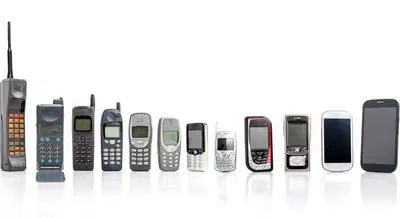
The three most significant factors affecting global energy demand are population growth, increased wealth, and technological advancements. As populations grow, the need for electricity, fuel, and industrial energy increases. Wealthier nations and individuals consume more energy for transportation, heating, air conditioning, and consumer goods. Meanwhile, technology can both increase and decrease energy demand—new devices require energy, but innovations in energy efficiency can help reduce consumption.
21
The Energy Mix
A country’s energy mix refers to the combination of energy sources it uses to meet demand. This mix varies depending on resource availability, economic development, and government policies.
HICs tend to have a more diverse and sustainable energy mix, incorporating renewables such as wind and solar power alongside fossil fuels. MICs often rely heavily on fossil fuels due to rapid industrialization and rising demand. LICs frequently depend on biomass and coal, with limited access to modern energy infrastructure.
22
Open Ended
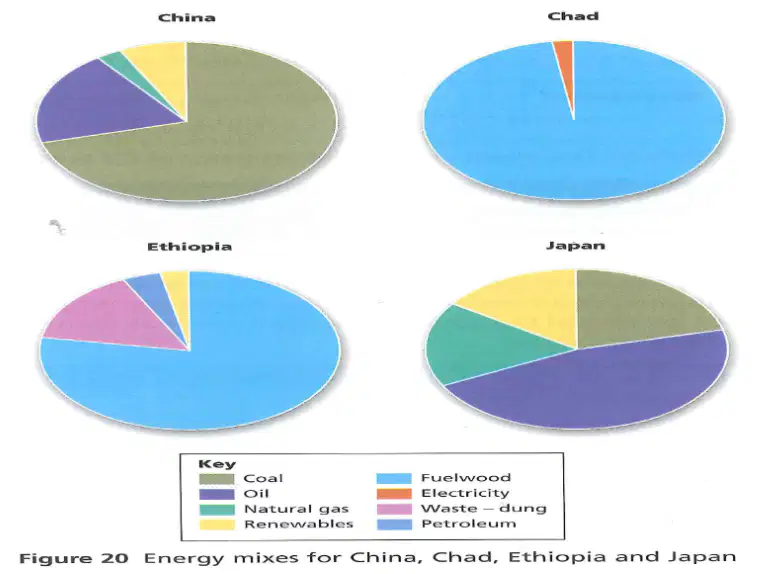
How and why does the energy mix vary between HICs, MICs, and LICs?
23
HICs vs MICs vs LICs Energy Consumption
Energy consumption patterns differ significantly between high-, middle-, and low-income countries. HICs, such as Germany and the UK, are shifting towards renewables while reducing reliance on coal. MICs, such as China and India, continue to use large amounts of fossil fuels but are also investing in renewable energy. LICs, like Ethiopia and Chad, rely on traditional biomass and have limited access to modern energy sources.

24
Open Ended
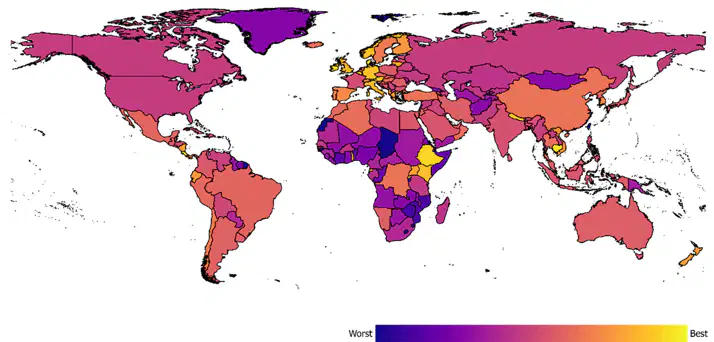
This map shows a countries energy security (ability to meet its own energy needs) describe the pattern.
25
Energy Security
Energy security refers to a country’s ability to meet its energy needs reliably and affordably. Some countries, such as Canada and Saudi Arabia, are energy-secure due to abundant natural resources. Others, like Japan and many African nations, are energy-insecure because they rely on expensive imports or suffer from unstable energy supplies.

26
We will now watch Hans Rosling’s TED Talk, “The Magic Washing Machine”, which explores how access to energy changes lives. Before watching, consider: How does electricity access impact economic development and living standards?
27
Open Ended
Explain why energy demand and consumption vary globally (6 marks).
28
Lesson Objectives
To describe global energy demand trends.
To explain how energy consumption varies globally.
To justify differences using economic, technological, and environmental factors.
To evaluate energy security in different regions.
29

Homework

Future Scenarios Overpopulation, Underpopulation, or Optimum Population?
Depending on how societies manage resources, we could face three futures:
Overpopulation – Too many people, not enough resources.
Optimum Population – The right balance between people and resources.
Underpopulation – Too few people to sustain economic growth.
How can we ensure we reach an optimum population level?
Show answer
Auto Play
Slide 1 / 29
SLIDE
Similar Resources on Wayground

26 questions
Cell Transport
Presentation
•
9th - 10th Grade
20 questions
CR: INTRO-GLYCOLYSIS
Presentation
•
9th - 10th Grade
20 questions
Biology EOC Category 4 Review
Presentation
•
9th Grade
23 questions
Photosynthesis & Cellular Respiration Review
Presentation
•
9th - 10th Grade
20 questions
Advocacy
Presentation
•
9th - 10th Grade
23 questions
Ethos, Logos, Pathos
Presentation
•
10th Grade
24 questions
Ions
Presentation
•
10th Grade
21 questions
Moles and Molar Mass
Presentation
•
10th Grade
Popular Resources on Wayground
25 questions
The Ultimate College Knowledge Quiz

Quiz
•
8th Grade
20 questions
Math Review
Quiz
•
3rd Grade
15 questions
Fast food
Quiz
•
7th Grade
20 questions
Math Review
Quiz
•
6th Grade
20 questions
Context Clues
Quiz
•
6th Grade
20 questions
Inferences
Quiz
•
4th Grade
19 questions
Classifying Quadrilaterals
Quiz
•
3rd Grade
20 questions
Figurative Language Review
Quiz
•
6th Grade
Discover more resources for Geography
10 questions
Fact Check Ice Breaker: Two truths and a lie
Quiz
•
5th - 12th Grade
40 questions
Math Large Group Session 1
Quiz
•
9th - 12th Grade
20 questions
Algebra 1 Review
Quiz
•
9th Grade
20 questions
Math 1 EOC Review
Quiz
•
9th Grade
10 questions
Logos
Quiz
•
6th - 9th Grade
14 questions
Attributes of Linear Functions
Quiz
•
9th - 12th Grade
100 questions
NC Biology EOC Review
Quiz
•
9th - 10th Grade
9 questions
NC Math 1 EOC Review Non-Calculator
Quiz
•
9th Grade