Search Header Logo
  1. Resource Library
  2. Science
  3. Chemistry
  4. Ionic Bonding
  5. Chemical Bonding
Chemical Bonding

Chemical Bonding

Assessment

Presentation

Science

6th - 8th Grade

Practice Problem

Medium

NGSS
HS-PS1-1, HS-PS1-2, HS-PS1-3

Standards-aligned

Created by

Madelynn Marr

Used 1+ times

FREE Resource

18 Slides • 14 Questions

1
media

2

media

3

Multiple Choice

Which of the following is a reason why atoms form chemical bonds?

1

To become stable by achieving a full outer shell

2

To increase their atomic number

3

To lose all their electrons

4

To become radioactive

4

media

5

Multiple Choice

Which type of chemical bond involves the transfer of electrons from one atom to another?

1

Ionic bond

2

Covalent bond

3

Metallic bond

4

Hydrogen bond

6

media

7

media

8

Open Ended

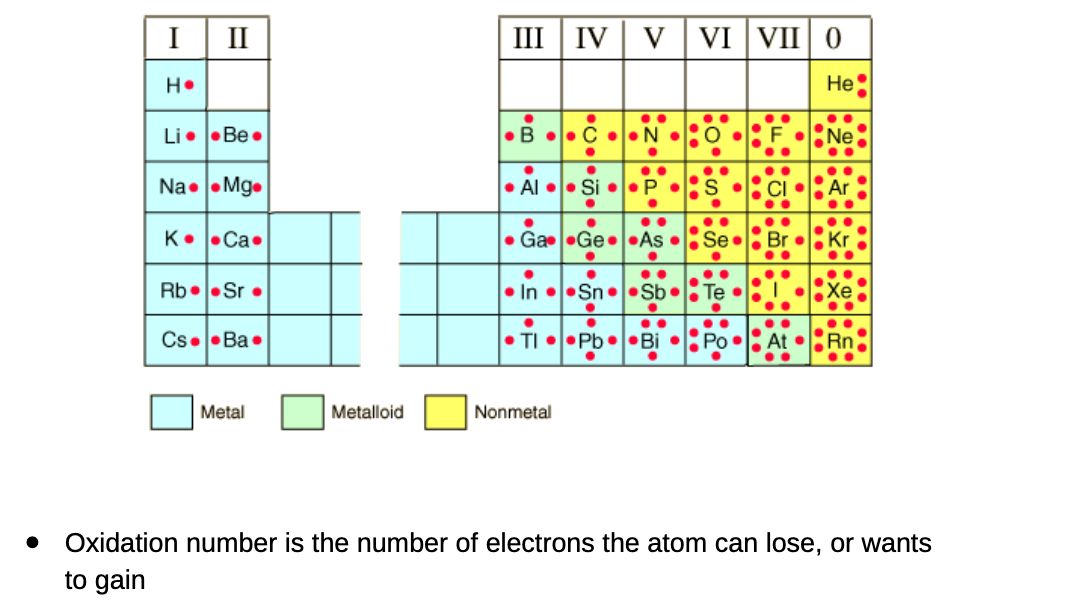
Explain how the periodic table can help predict whether an element will lose or gain electrons during bond formation.

9

media

10

media

11

Multiple Select

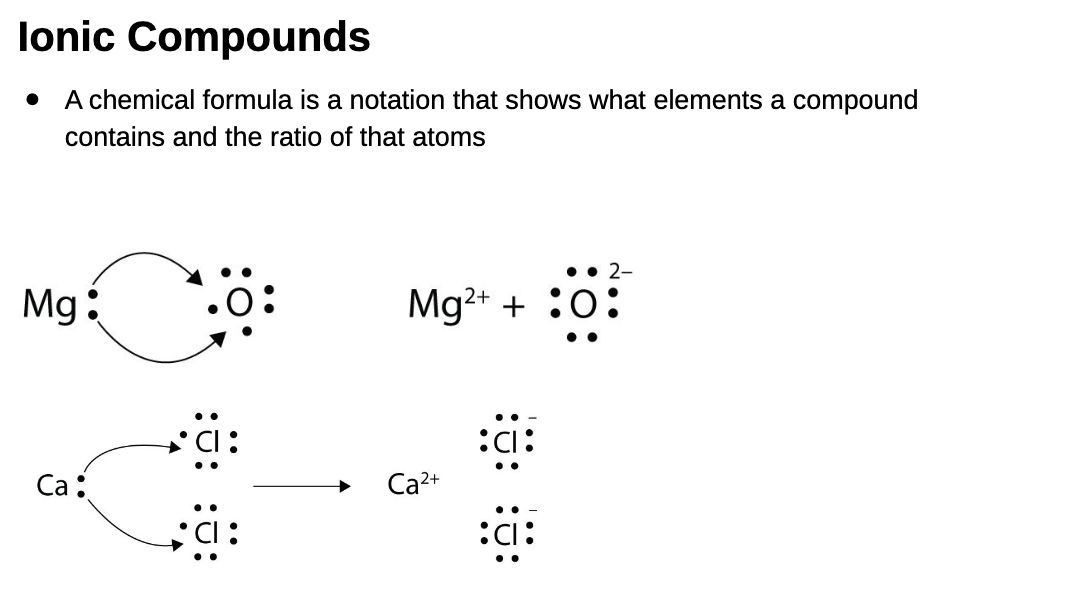
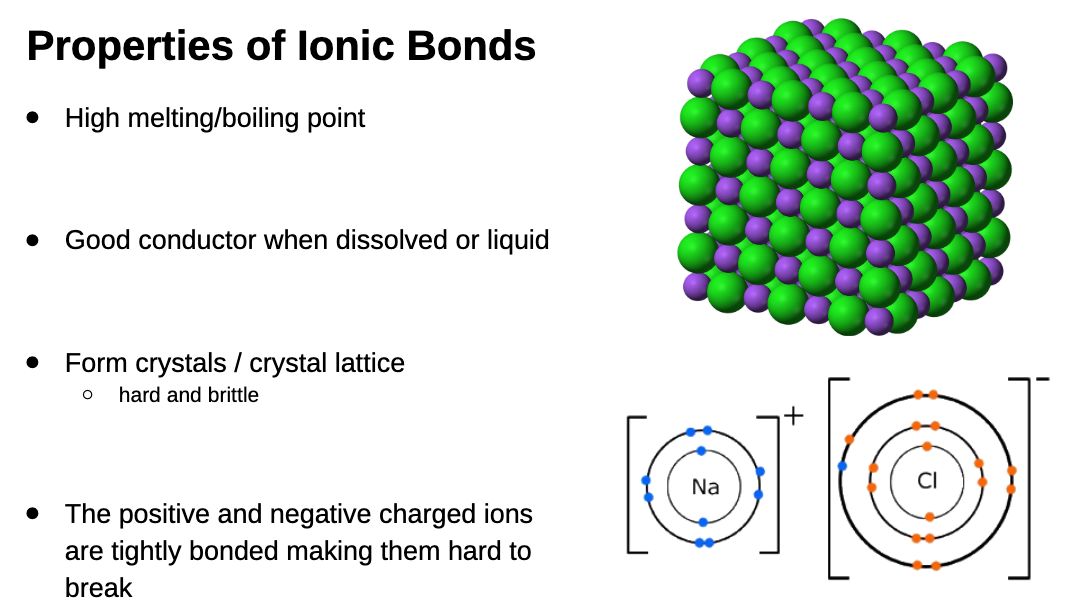
Which of the following are properties of ionic bonds?

1

High melting/boiling point

2

Good conductor when dissolved or liquid

3

Form crystals/crystal lattice

4

Low reactivity

12

media

13

Open Ended

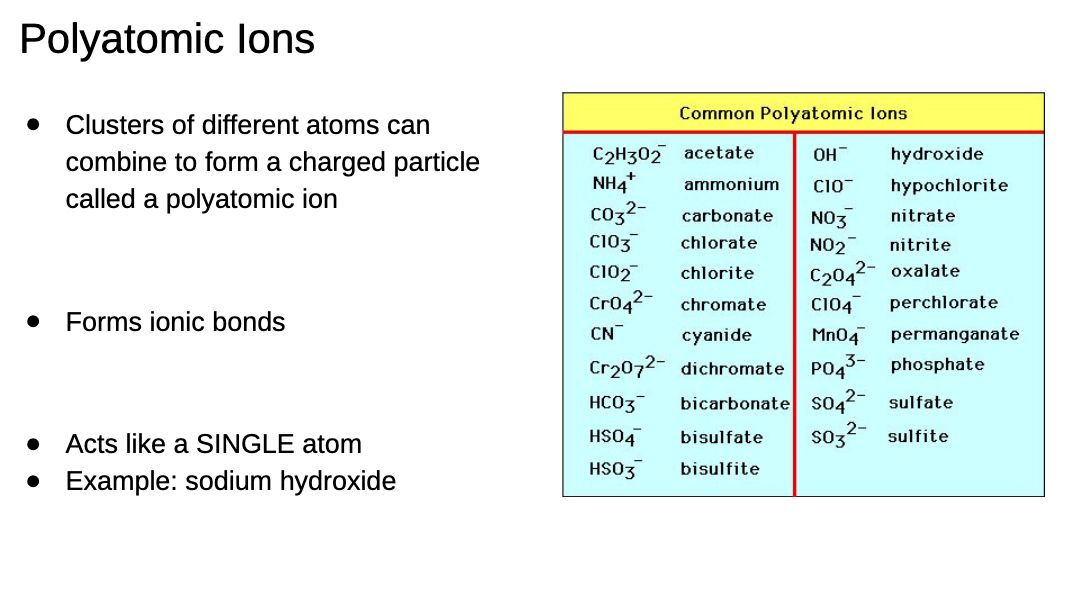
Describe the difference between a polyatomic ion and a simple ion, and give an example of each.

14

Fill in the Blank

Type answer...

15

media

16

Multiple Choice

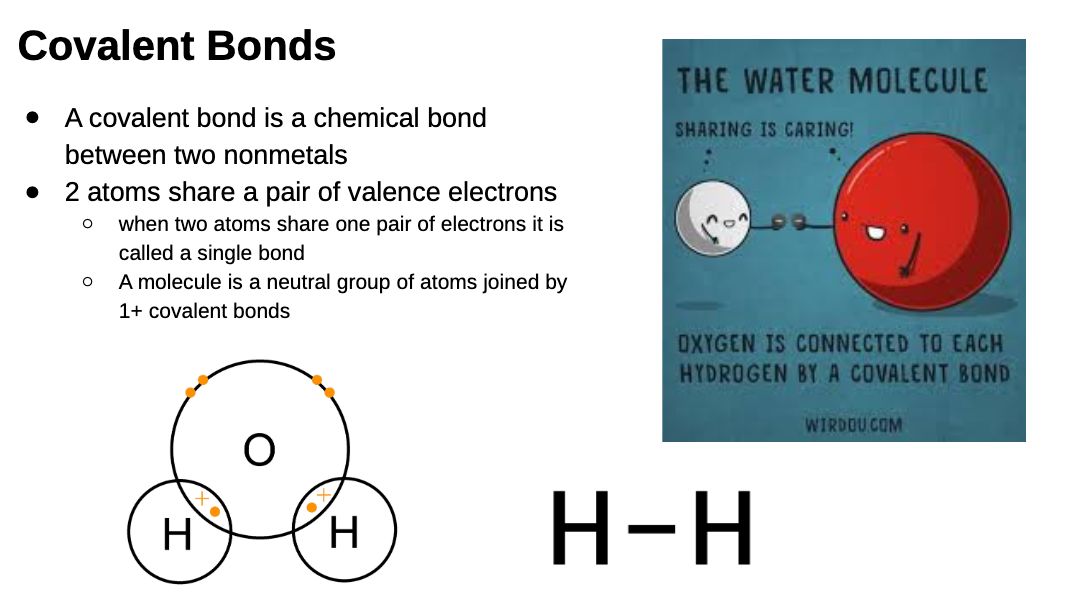
Which of the following best describes a covalent bond?

1

A chemical bond between two nonmetals where atoms share a pair of valence electrons

2

A bond formed by the transfer of electrons from one atom to another

3

A bond between a metal and a nonmetal

4

A bond that results in the formation of ions

17

media

18

media

19

Fill in the Blank

Type answer...

20

media

21

Multiple Select

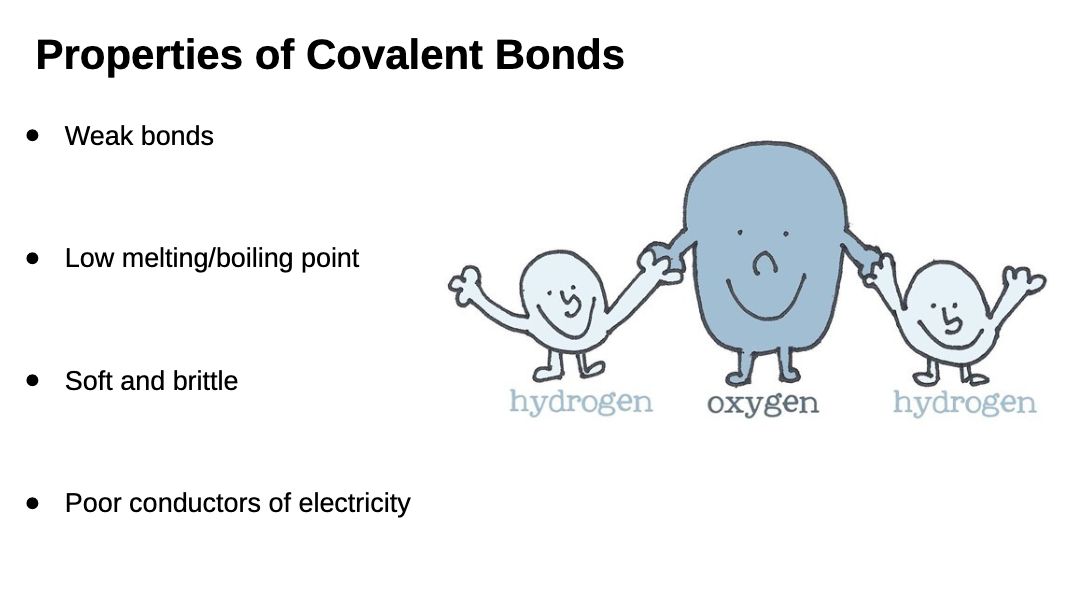
Which of the following are properties of covalent bonds?

1

Weak bonds

2

High melting/boiling point

3

Soft and brittle

4

Poor conductors of electricity

22

media

23

Multiple Choice

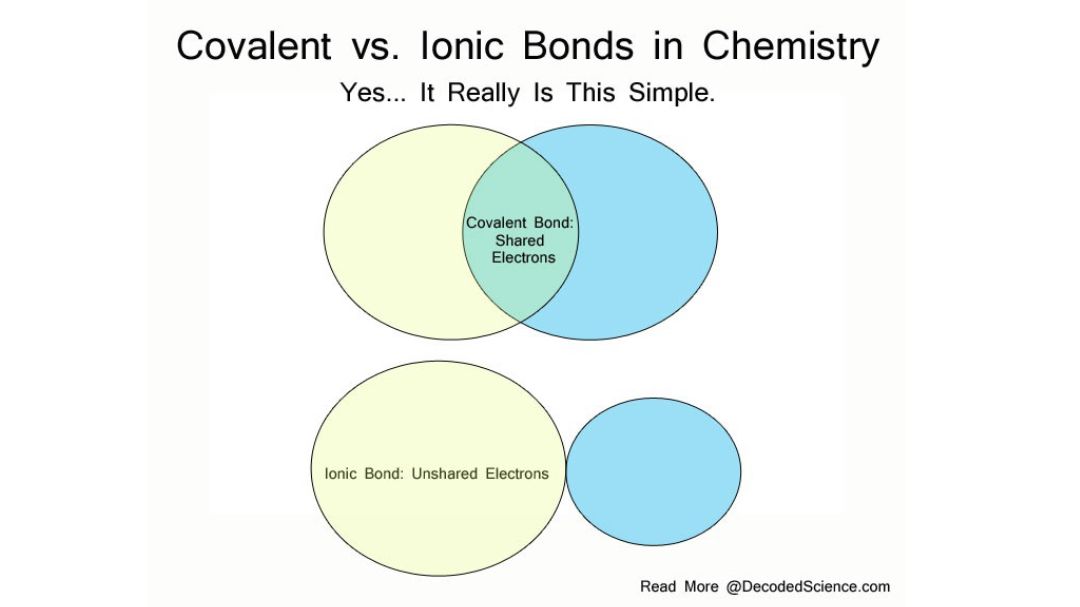
What is the main difference between covalent and ionic bonds as shown in the diagram?

1

Covalent bonds involve shared electrons, while ionic bonds involve unshared electrons.

2

Covalent bonds are stronger than ionic bonds.

3

Ionic bonds occur only between metals.

4

Covalent bonds form ions.

24

media

25

media

26

Multiple Choice

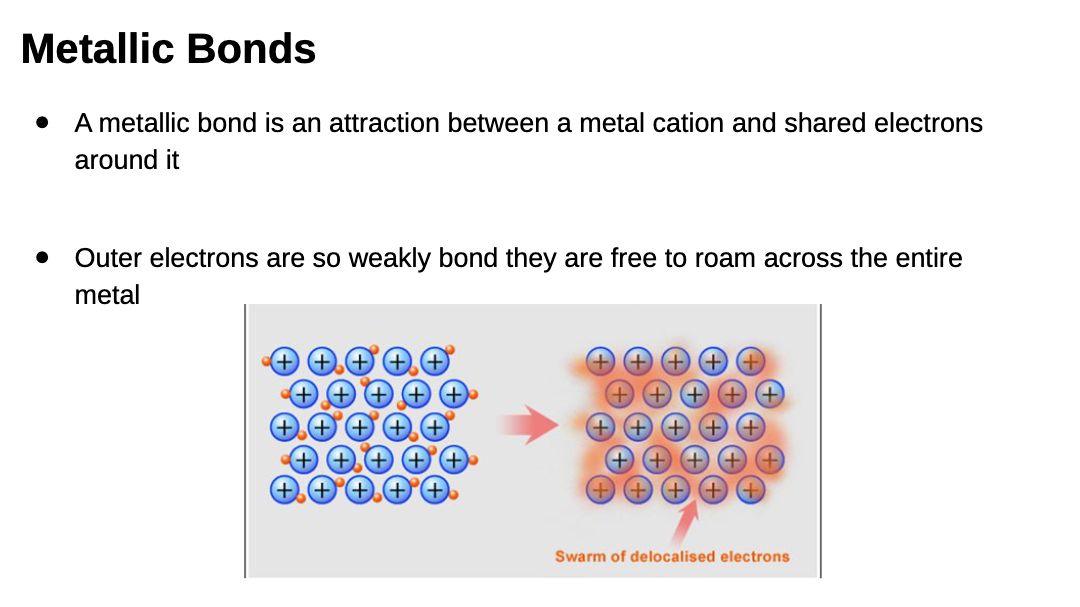
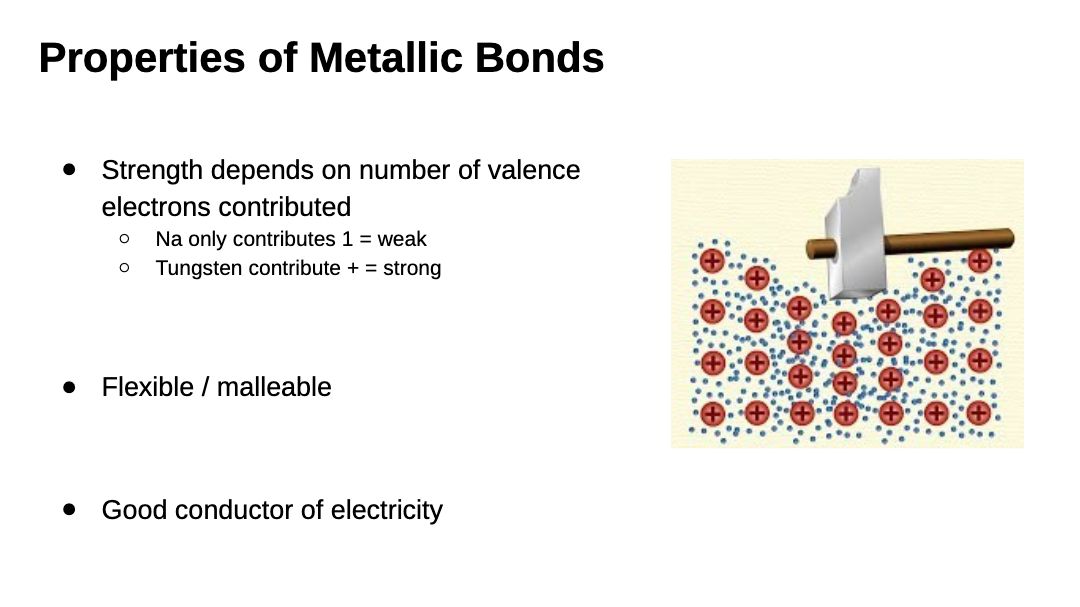
Which property is NOT typically associated with metallic bonds?

1

Good conductor of electricity

2

Flexible/malleable

3

Strength depends on valence electrons contributed

4

Low melting point

27

media

28

media

29

media

30

Fill in the Blank

Type answer...

31

Open Ended

In your own words, explain why atoms form chemical bonds and how this relates to their stability.

32

Multiple Choice

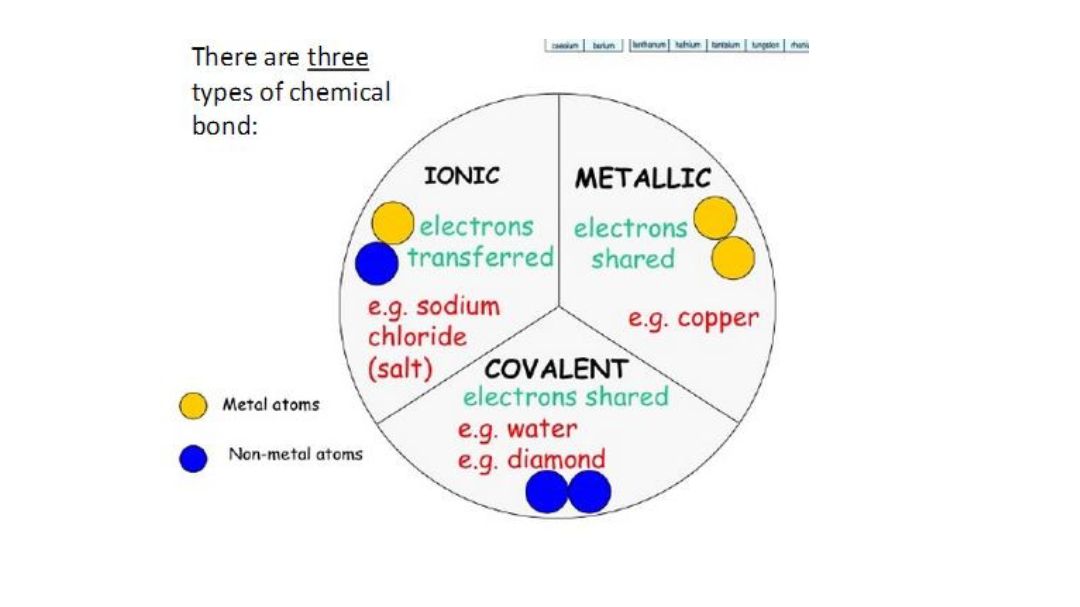
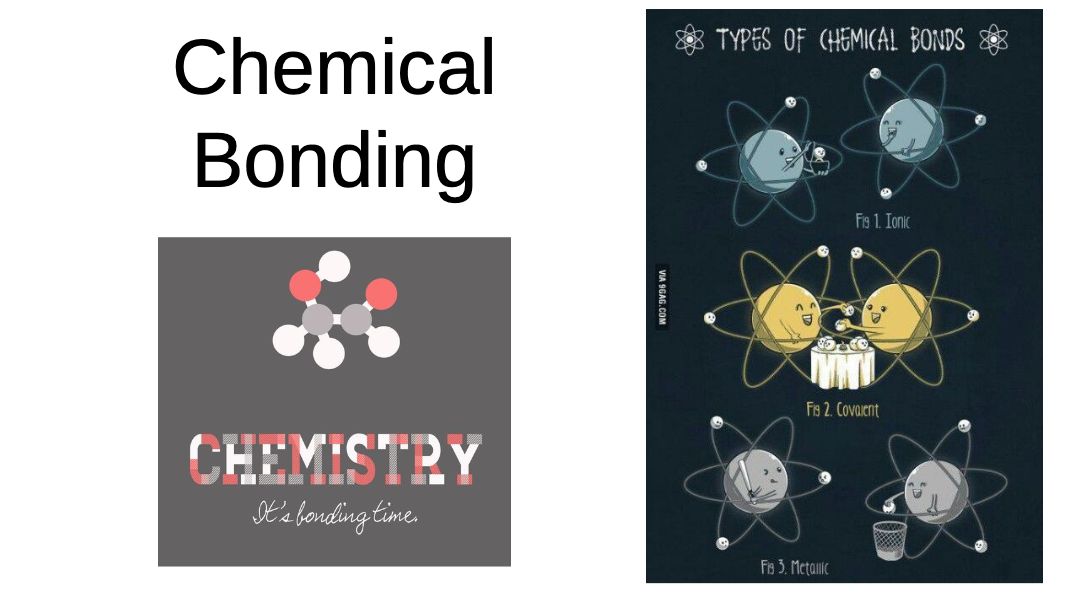
Which of the following is NOT a type of chemical bond shown in the diagram?

1

Ionic

2

Covalent

3

Metallic

4

Hydrogen

media

Show answer

Auto Play

Slide 1 / 32

SLIDE