Search Header Logo
  1. Resource Library
  2. Science
  3. Chemistry
  4. Chemical Reactions
  5. Balancing Chemical Reactions Notes
Balancing Chemical Reactions Notes

Balancing Chemical Reactions Notes

Assessment

Presentation

Science

9th - 12th Grade

Practice Problem

Hard

NGSS
MS-PS1-2, MS-PS1-1, MS-PS1-5

Standards-aligned

Created by

Amy Redhair

FREE Resource

11 Slides • 14 Questions

1

media

2

Multiple Choice

Question image
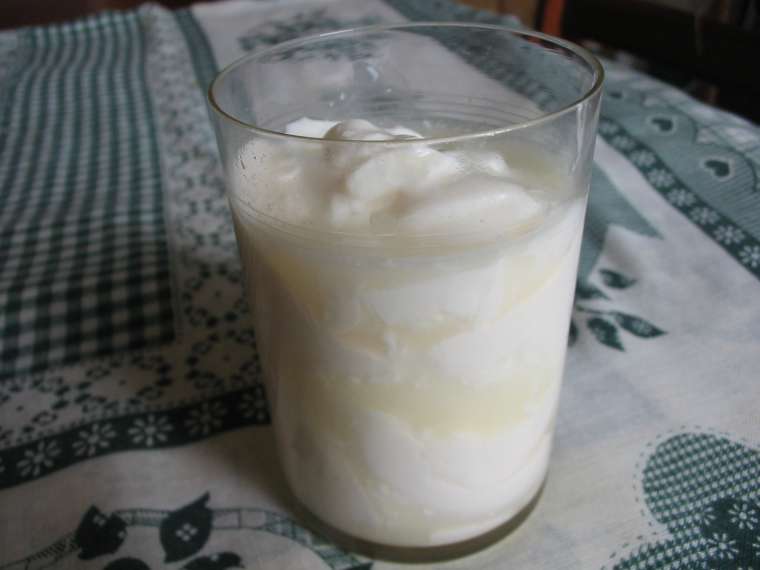
Is milk going sour a physical or chemical change?
1
Physical 
2
Chemical

3

Multiple Choice

Question image
Is copper tarnishing a physical or chemical change?
1
Physical 
2
Chemical

4

media

5

Labelling

Label the reactants and products in the chemical equation shown.

Drag labels to their correct position on the image

Products

Reactants

6

media

7

Hotspot

Click on the products coefficient.

8

Multiple Choice

What does the coefficient in a chemical equation represent?

1

The number of atoms in a molecule

2

The number of each substance needed

3

The state of matter of each substance

4

The total mass of the reactants

9

media

10

media

11

media

12

Fill in the Blank

13

media

14

Open Ended

Explain why it is important to balance chemical equations and describe the consequences of not doing so.

15

Multiple Select

Which of the following statements about subscripts and coefficients in chemical equations are correct?

1

Subscripts can be changed to balance equations

2

Coefficients tell us the number of each substance needed

3

Coefficients can be changed but subscripts cannot

4

Subscripts represent the state of matter

16

media

17

Multiple Choice

Which step in balancing equations involves changing the coefficients only on either side of the equation to balance the number of each atom?

1

Write the equation for the reaction

2

Put the symbols of each element in a column

3

Count the number of each atom on both sides

4

Change the coefficients only

18

media

19

media

20

media

21

Multiple Choice

In the equation 2Na(s) + Cl2(g) → 2NaCl(s), what does (g) indicate about chlorine?

1

It is a solid

2

It is a liquid

3

It is a gas

4

It is aqueous

22

Fill in the Blank

23

Multiple Choice

Which of the following is NOT evidence of a chemical change?

1

Release of light

2

Temperature change

3

Odor change

4

Change in shape

24

Multiple Choice

Which of the following best describes the role of reactants in a chemical reaction?

1

They are the substances that are produced in the reaction.

2

They are the starting substances that undergo change.

3

They are the catalysts that speed up the reaction.

4

They are the substances that remain unchanged.

25

Open Ended

Reflecting on today's lesson about physical and chemical changes, what is one example from your daily life where you have observed a chemical change?

media

Show answer

Auto Play

Slide 1 / 25

SLIDE