
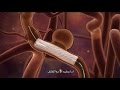
Understanding Cerebral Aneurysms and Endovascular Treatment

Interactive Video
•
Science, Biology, Health, Professional Development
•
10th Grade - University
•
Practice Problem
•
Hard

Ethan Morris
FREE Resource
Read more
10 questions
Show all answers
1.
MULTIPLE CHOICE QUESTION
30 sec • 1 pt
What is a cerebral aneurysm?
A blockage in the heart
A weak spot on a blood vessel in the brain
A form of stroke
A type of brain tumor
2.
MULTIPLE CHOICE QUESTION
30 sec • 1 pt
What symptom is commonly reported by patients with a cerebral aneurysm?
Nausea
Blurred vision
Dizziness
Worst headache of their life
3.
MULTIPLE CHOICE QUESTION
30 sec • 1 pt
Who is Dr. Michelle Mahad?
A general surgeon
A cardiologist
A neurologist
An interventional neurosurgeon
4.
MULTIPLE CHOICE QUESTION
30 sec • 1 pt
What is the primary benefit of endovascular treatment over open surgery?
It is more expensive
It requires a longer recovery time
It is non-invasive and does not require opening the skull
It is less effective
5.
MULTIPLE CHOICE QUESTION
30 sec • 1 pt
What is the first step in the endovascular procedure?
Opening the skull
Performing a craniotomy
Making a small puncture to access the femoral artery
Administering anesthesia
6.
MULTIPLE CHOICE QUESTION
30 sec • 1 pt
What material is used to close the aneurysm during the procedure?
Soft platinum coils
Copper threads
Silver wires
Gold coils
7.
MULTIPLE CHOICE QUESTION
30 sec • 1 pt
What additional device might be used alongside coils in the procedure?
A stent
A pacemaker
A balloon
A catheter
Access all questions and much more by creating a free account
Create resources
Host any resource
Get auto-graded reports

Continue with Google

Continue with Email

Continue with Classlink

Continue with Clever
or continue with

Microsoft
%20(1).png)
Apple

Others
Already have an account?


