
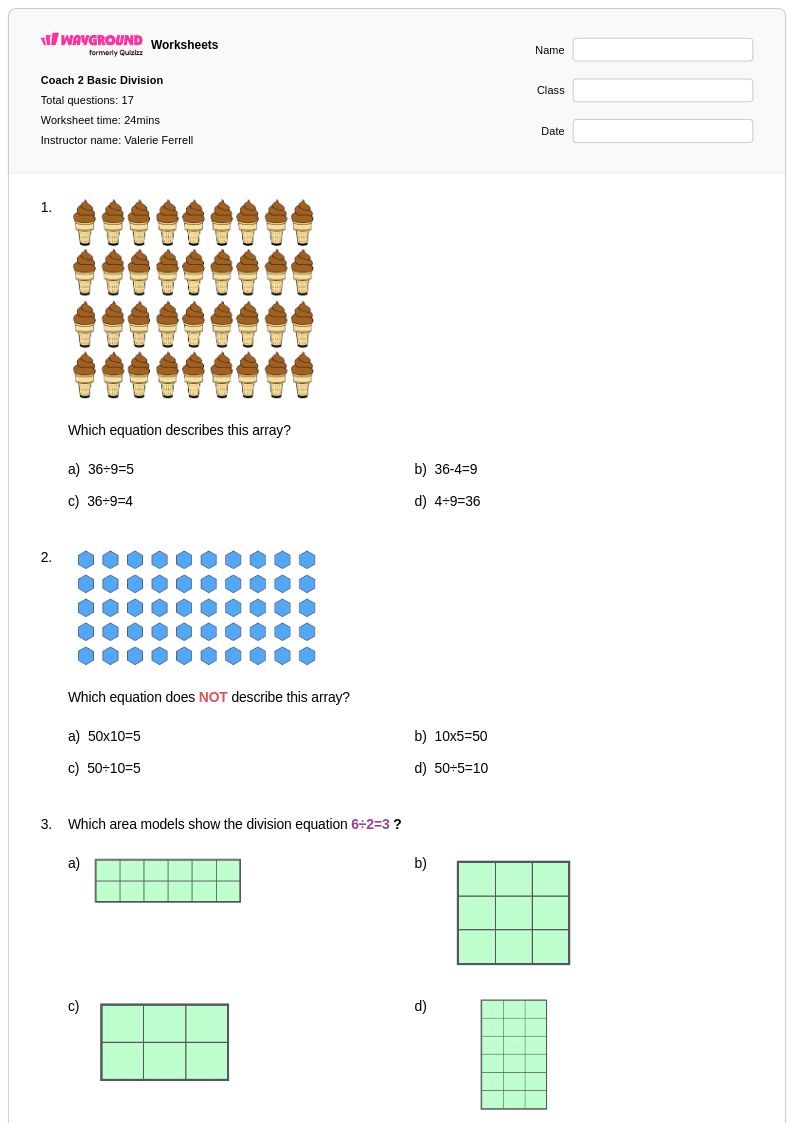
17 Q
3rd
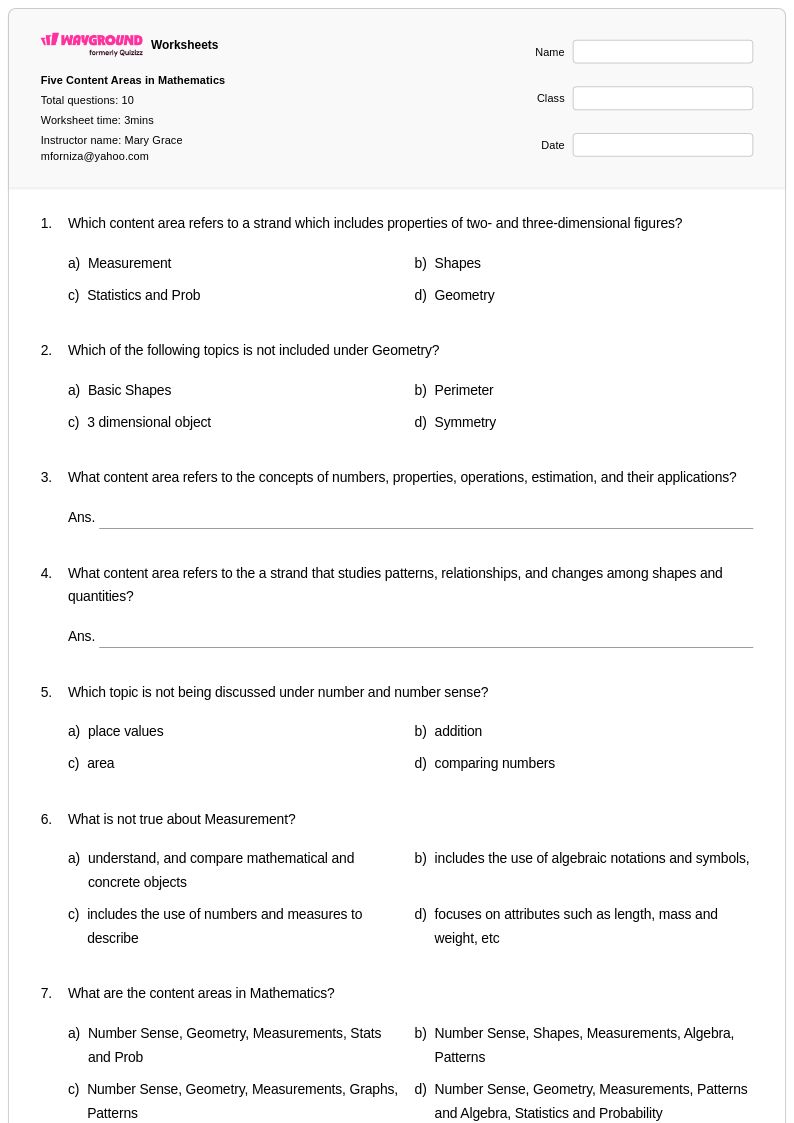
10 Q
KG - 3rd
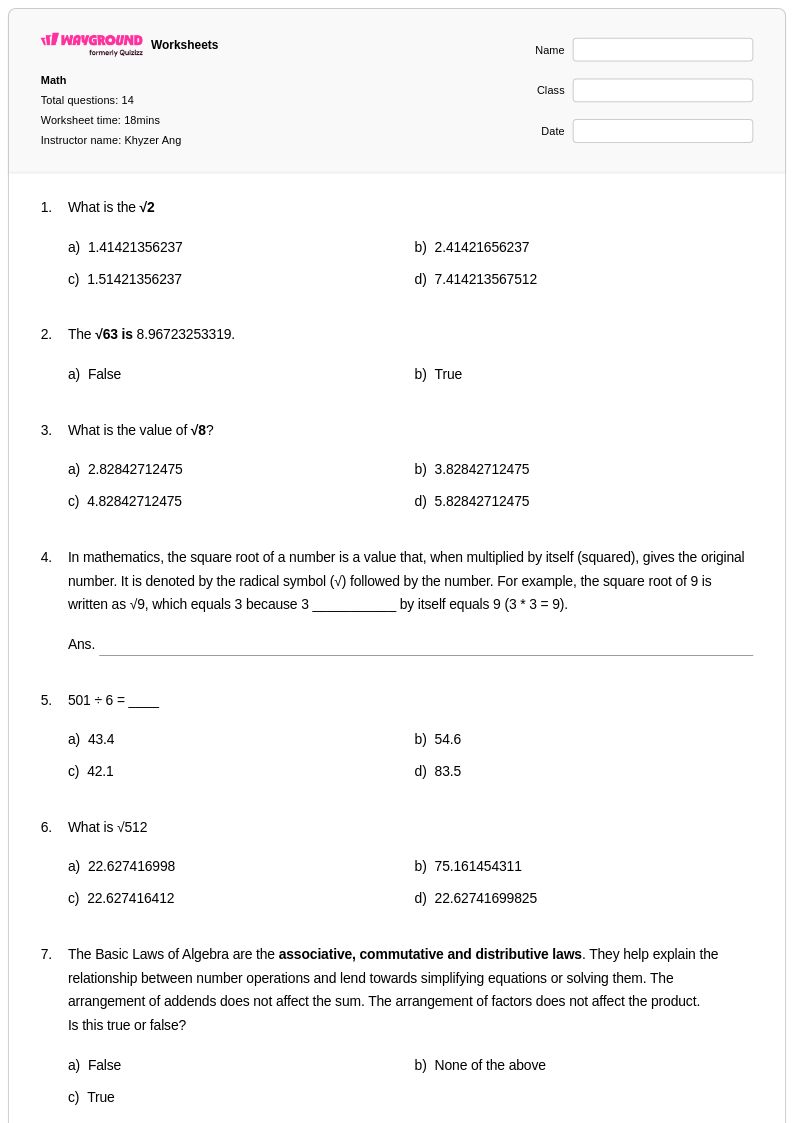
19 Q
1st - 5th
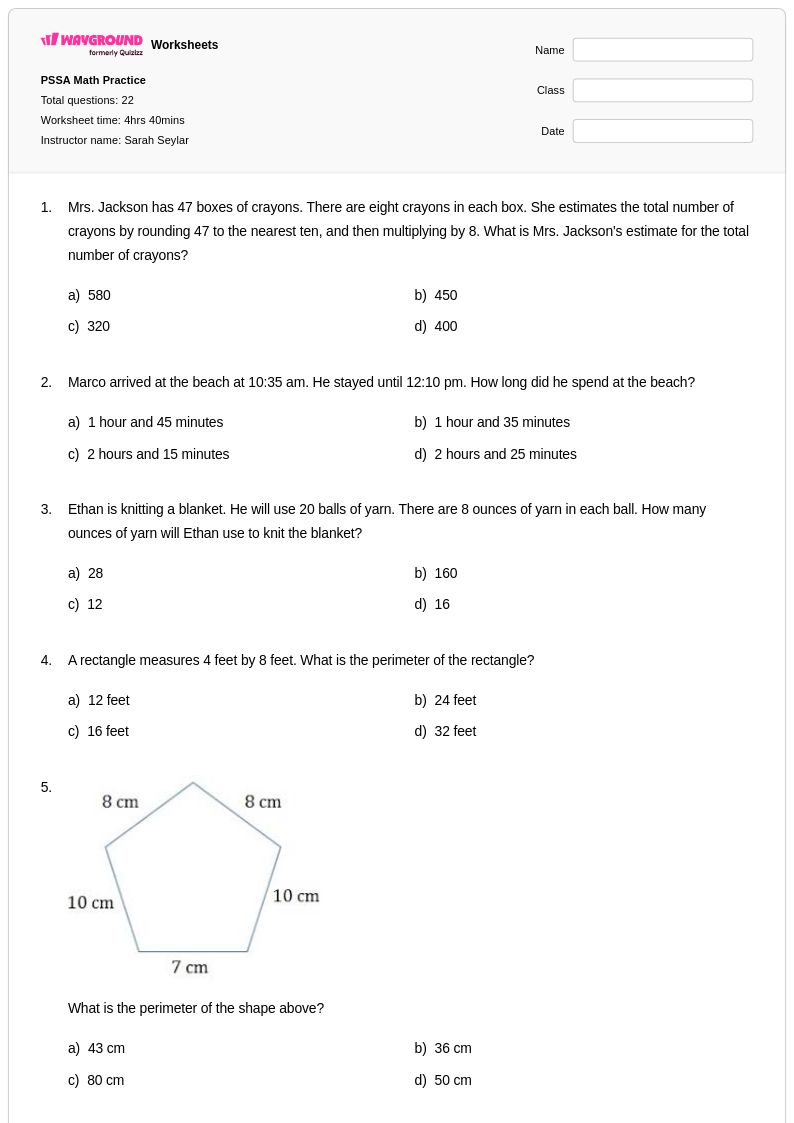
22 Q
3rd
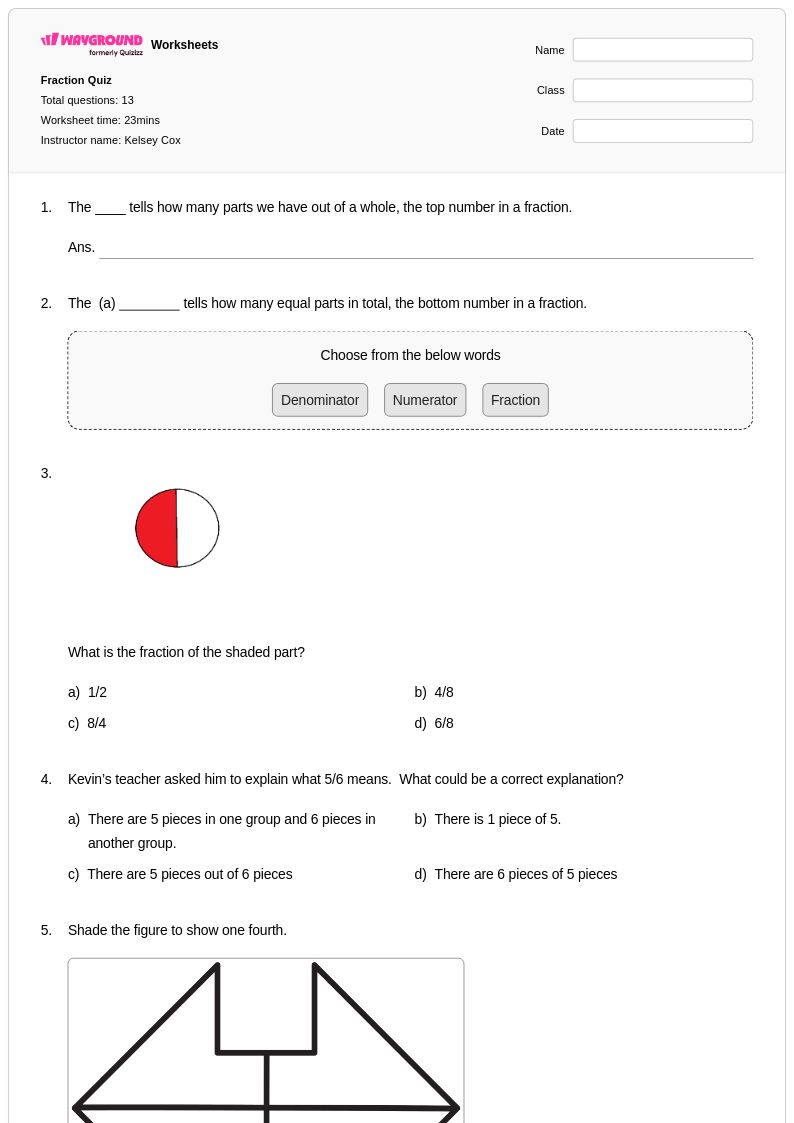
13 Q
3rd
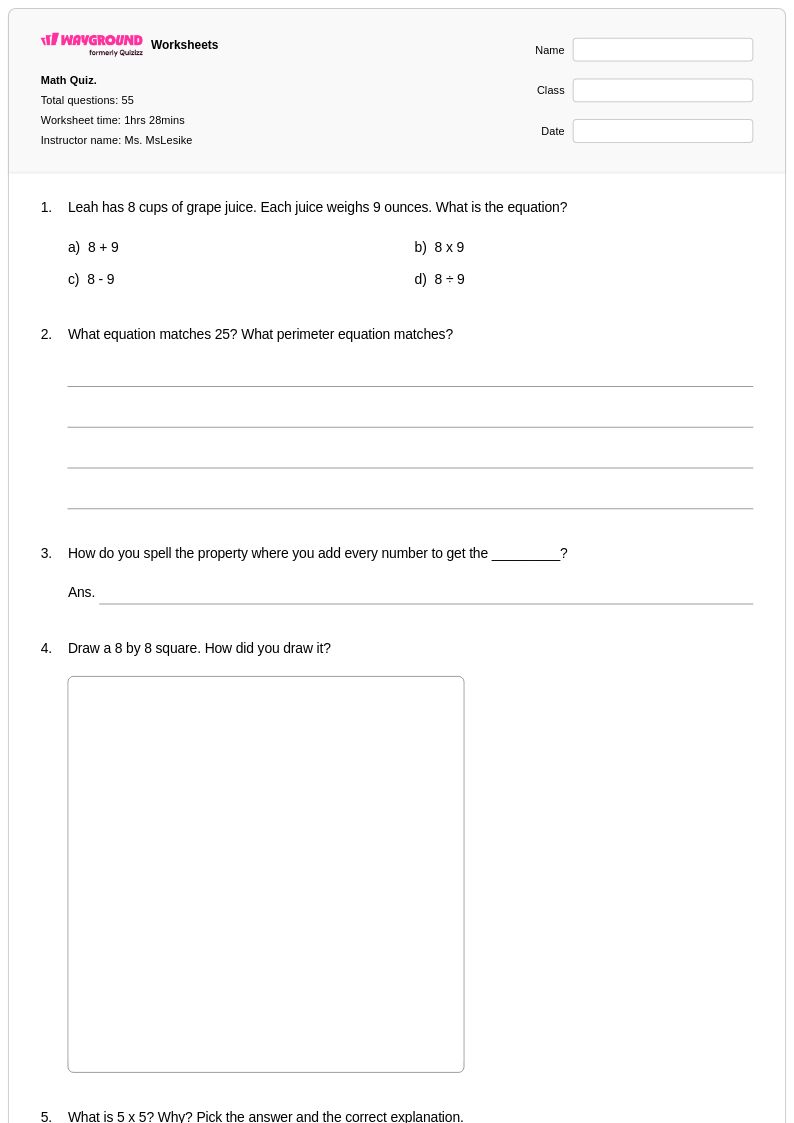
55 Q
3rd
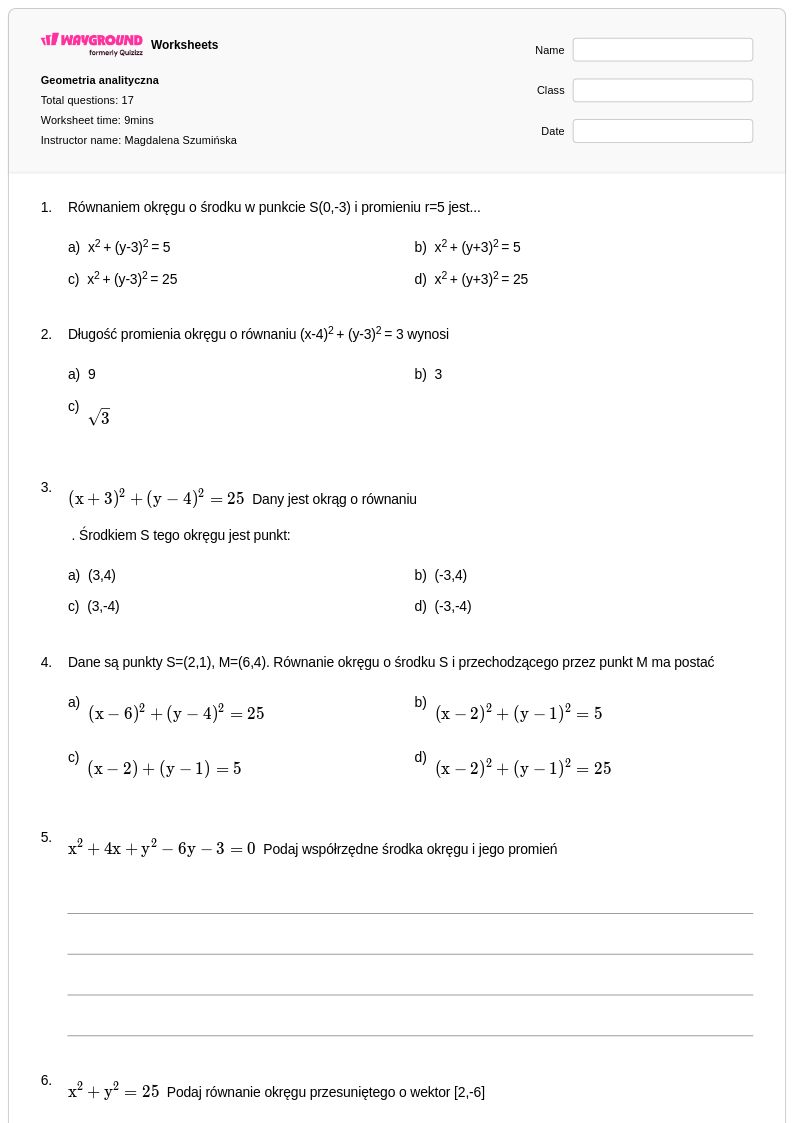
17 Q
3rd
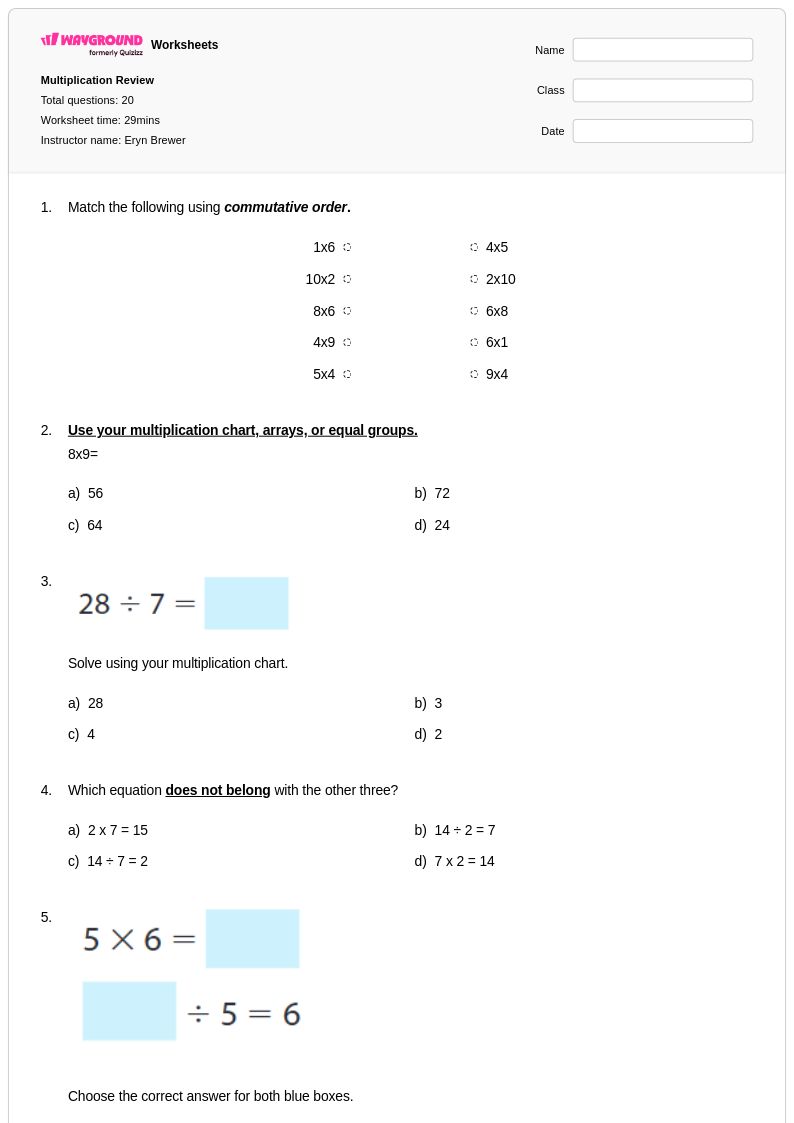
20 Q
3rd
10 Q
3rd
10 Q
3rd
12 Q
3rd
15 Q
3rd
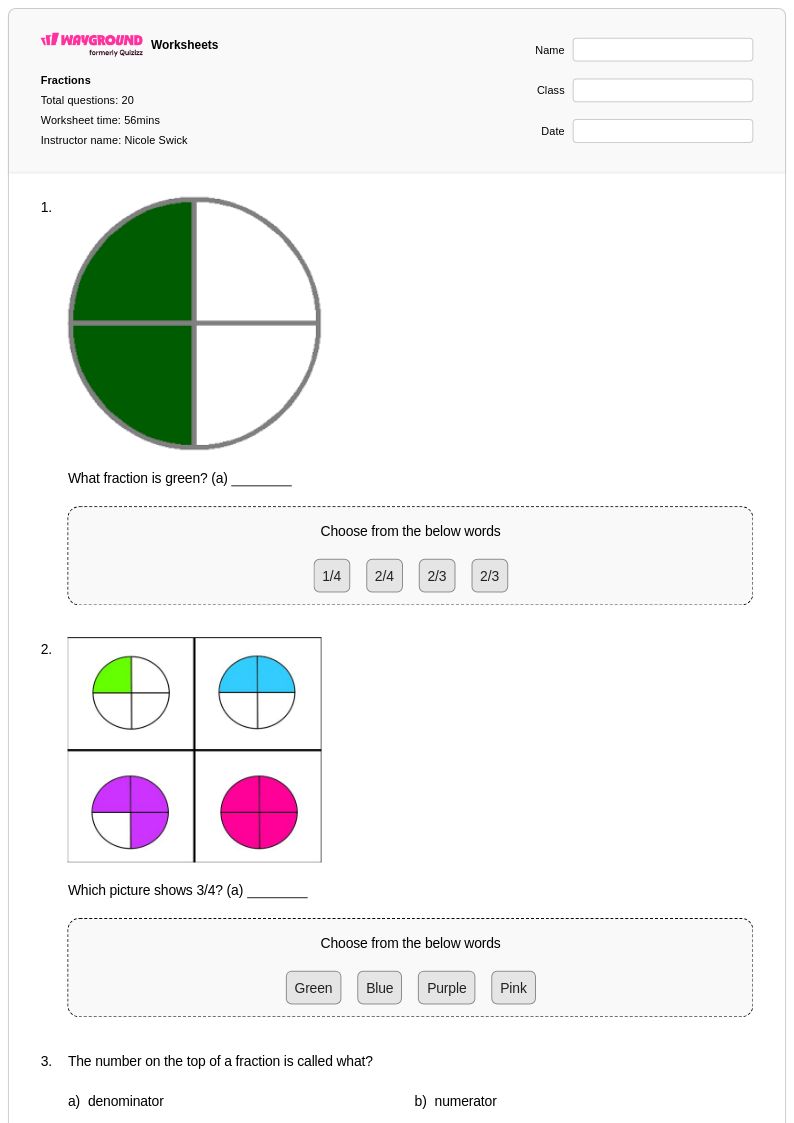
20 Q
3rd
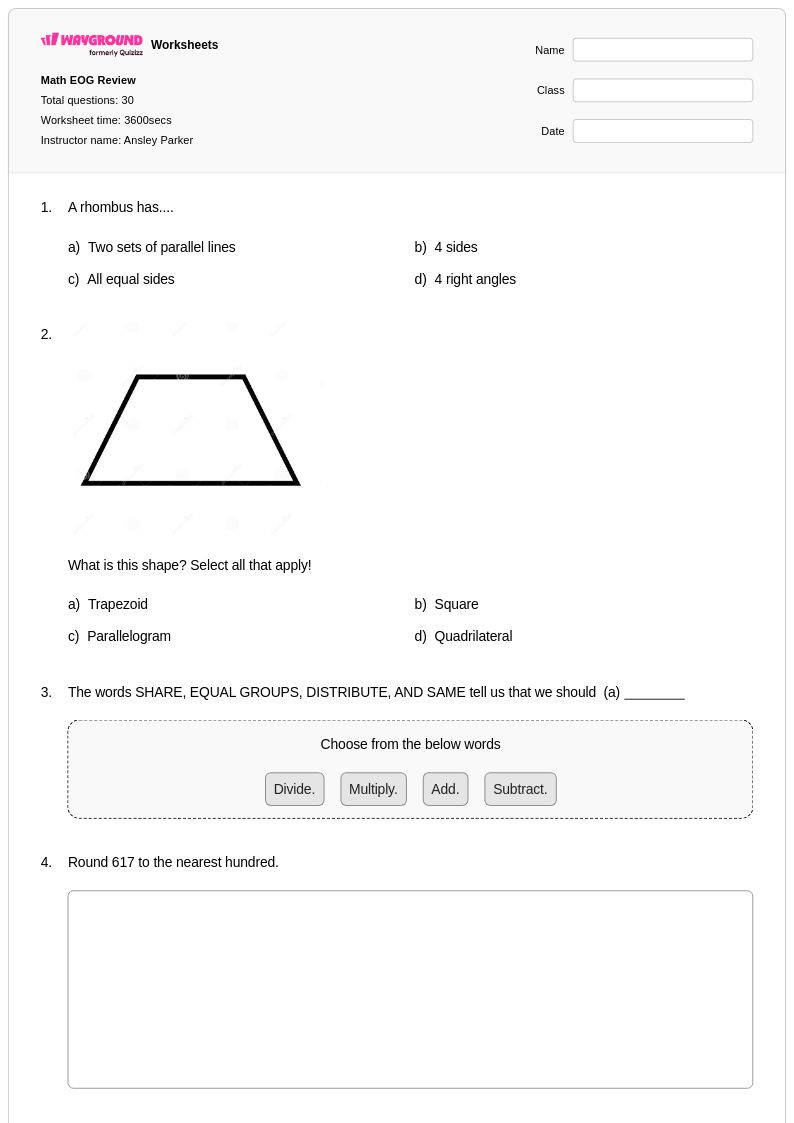
30 Q
3rd
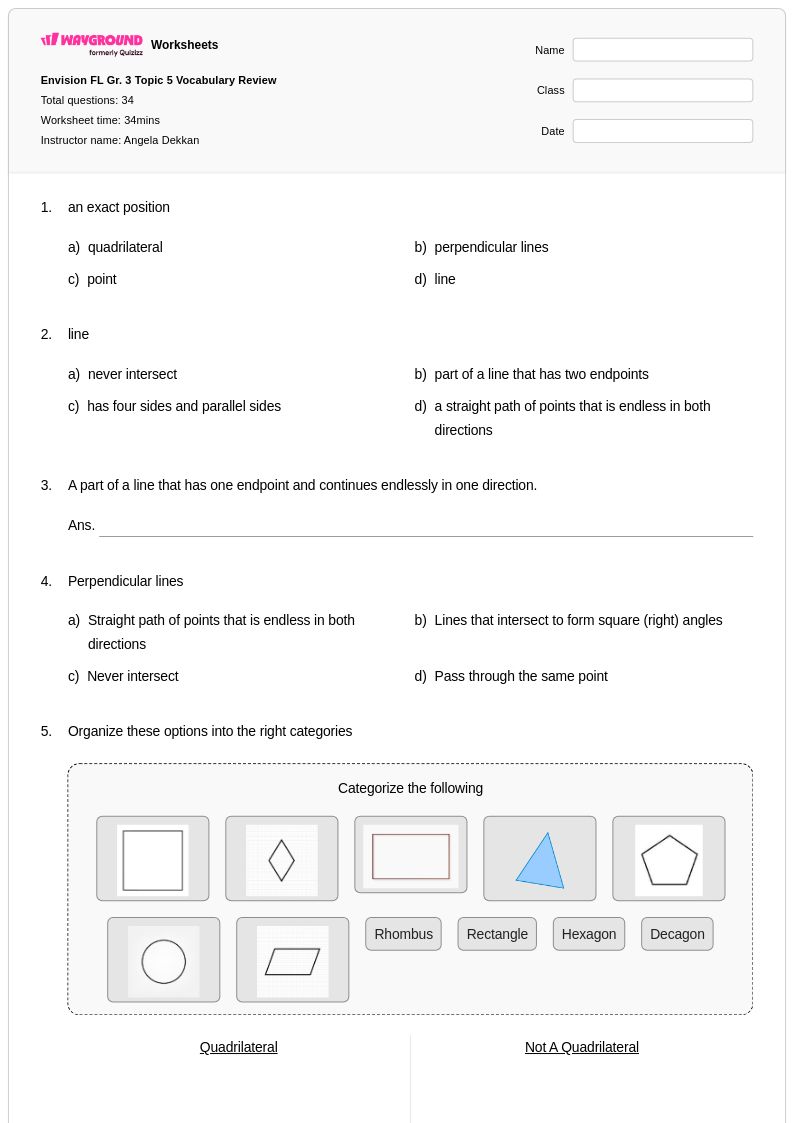
34 Q
3rd
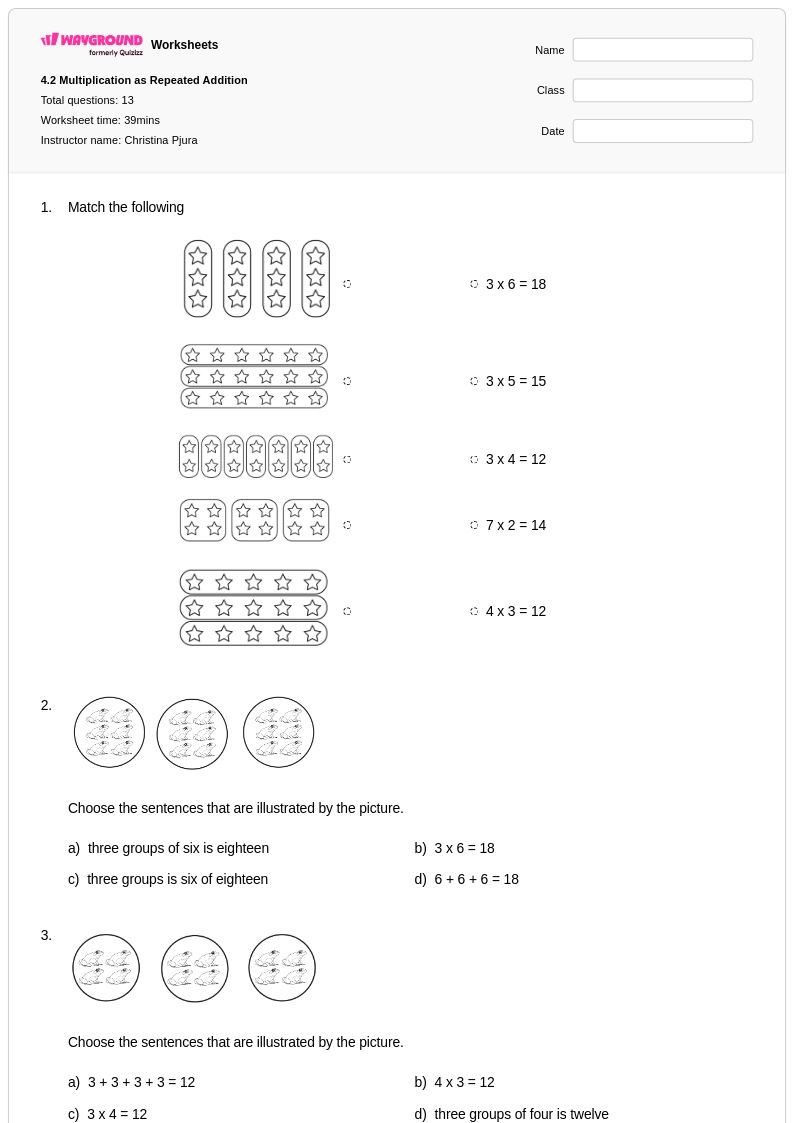
13 Q
3rd
15 Q
3rd
15 Q
3rd
15 Q
3rd - Uni
10 Q
3rd
20 Q
2nd - Uni
10 Q
1st - 5th
25 Q
3rd
15 Q
3rd - 5th
Explore Basic Geometric Concepts Worksheets by Grades
Explore Other Subject Worksheets for year 3
Explore printable Basic Geometric Concepts worksheets for Year 3
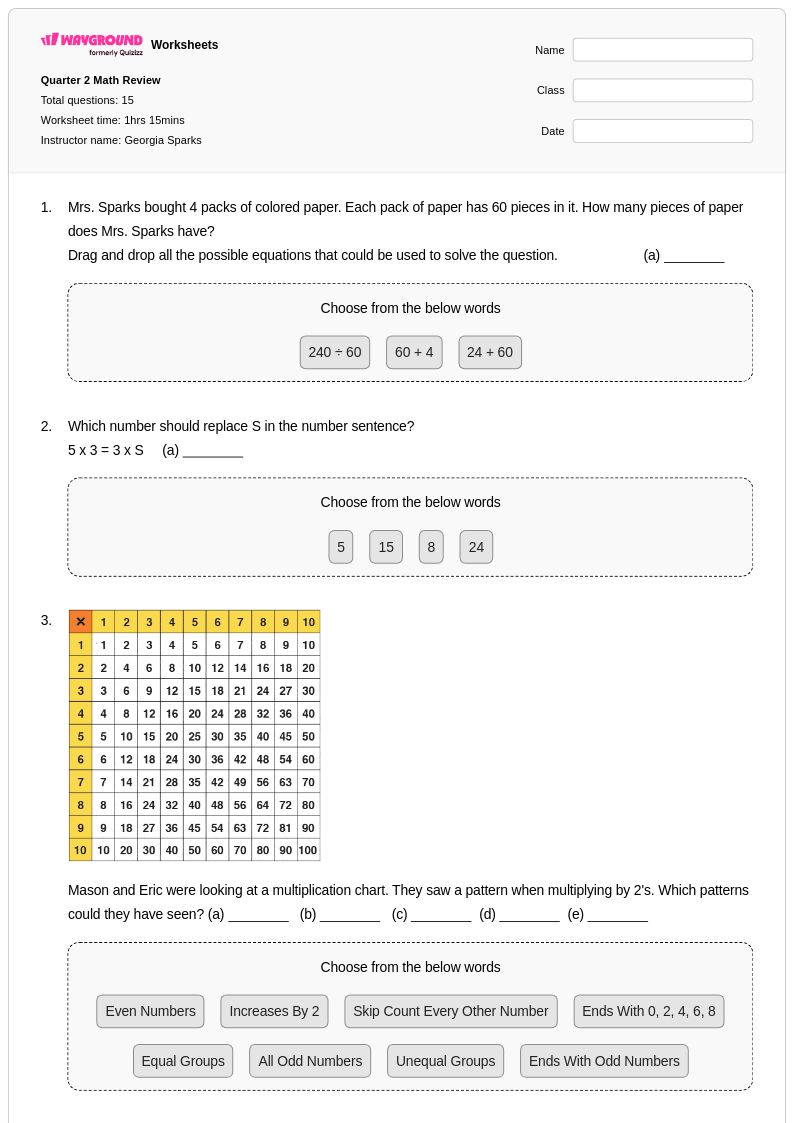
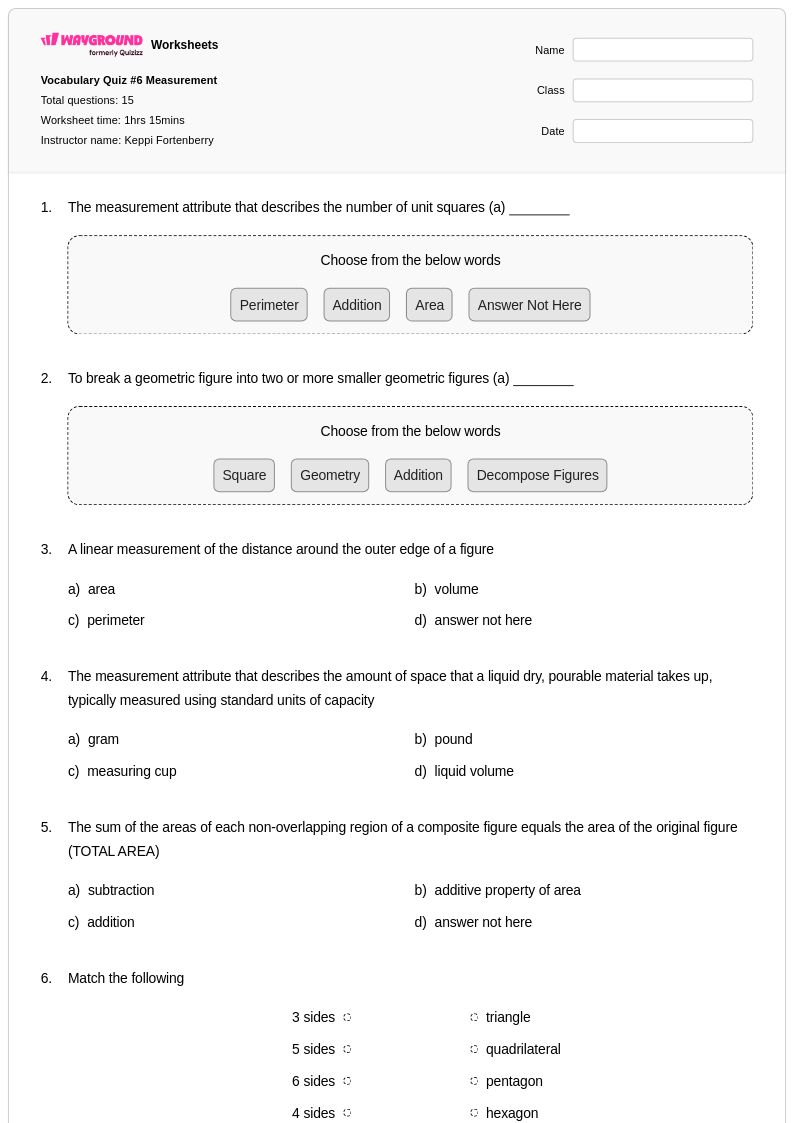
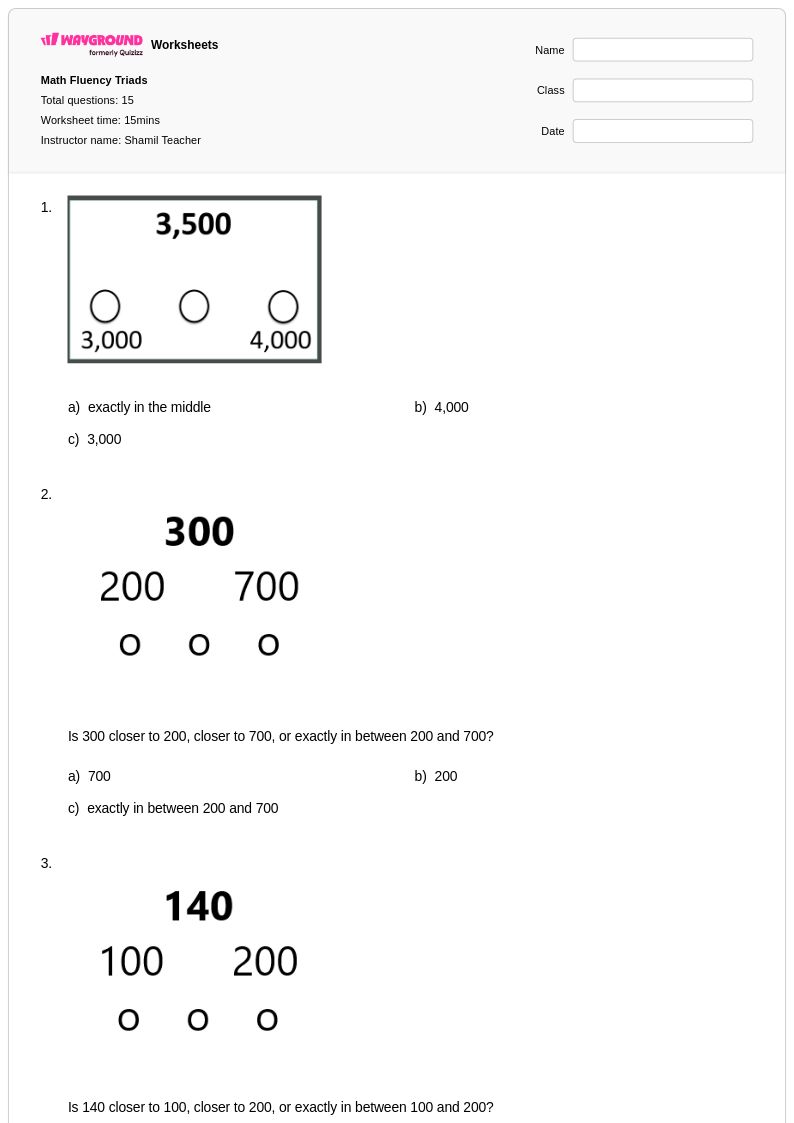
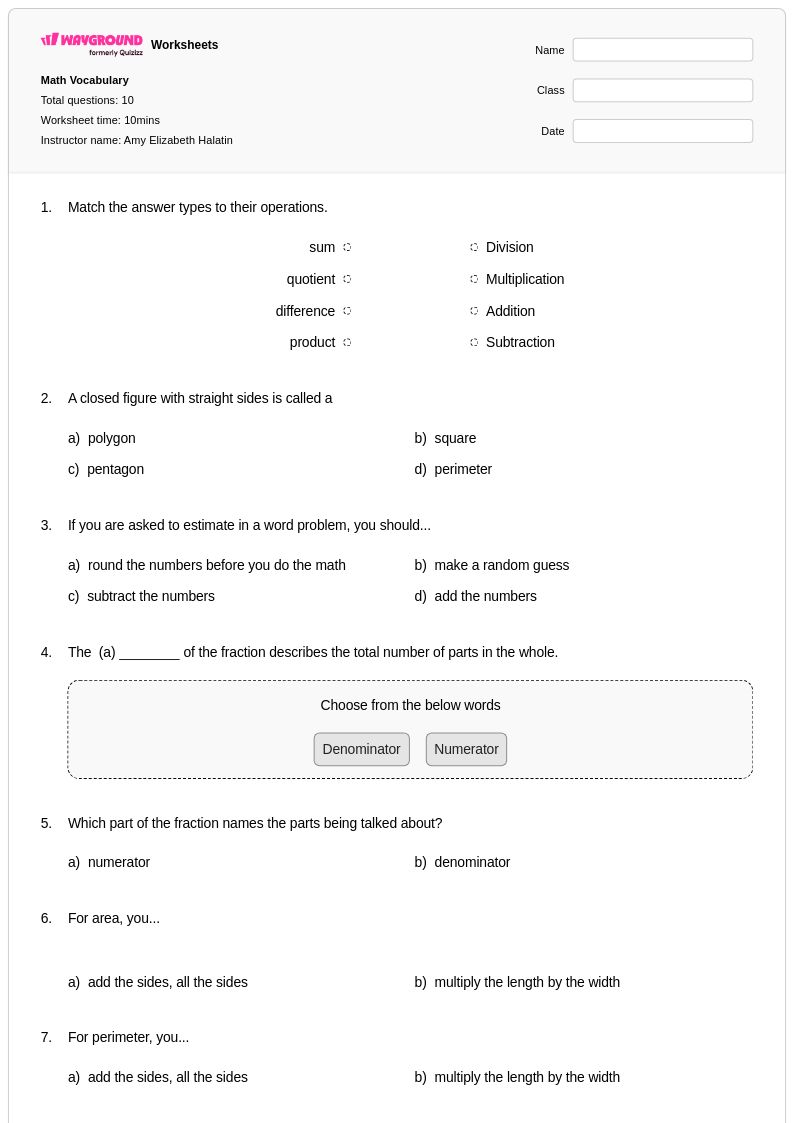
Basic geometric concepts worksheets for Year 3 through Wayground (formerly Quizizz) provide essential foundational practice for young learners beginning their journey into spatial reasoning and shape recognition. These comprehensive printable resources focus on fundamental geometric skills including identifying and classifying two-dimensional and three-dimensional shapes, understanding basic properties like sides and vertices, recognizing geometric patterns, and exploring spatial relationships. Each worksheet collection includes detailed answer keys and structured practice problems that progressively build students' confidence with essential concepts such as distinguishing between circles, squares, triangles, rectangles, cubes, spheres, and cylinders. The free pdf format ensures accessibility while maintaining the visual clarity necessary for geometric learning, allowing students to develop critical observation skills and mathematical vocabulary through hands-on exploration of shapes in their environment.
Wayground (formerly Quizizz) empowers Year 3 educators with millions of teacher-created geometric concept worksheets that streamline lesson planning and support differentiated instruction across diverse learning needs. The platform's robust search and filtering capabilities enable teachers to quickly locate resources aligned with specific standards and learning objectives, while customization tools allow for seamless modification of existing materials to match individual classroom requirements. These digital and printable worksheet collections serve multiple instructional purposes, from initial concept introduction and guided practice to targeted remediation for struggling learners and enrichment activities for advanced students. Teachers can efficiently organize geometric learning progressions, create assessment opportunities, and provide consistent skill practice through carefully curated pdf resources that maintain pedagogical quality while offering the flexibility to adapt content for various learning styles and academic goals.
FAQs
How do I teach basic geometric concepts to third graders?
What activities help third graders practice classifying shapes?
What mistakes do third graders make with shape classification?
How can I use these Grade 3 geometry worksheets for instruction and assessment?
How does Grade 3 geometry fit the Common Core progression?
How can I scaffold shape-classification work for third graders?