
20 Q
4th - Uni
20 Q
4th - Uni
14 Q
6th
15 Q
4th - Uni
20 Q
4th - Uni
20 Q
3rd - Uni
20 Q
3rd - Uni
13 Q
5th - Uni
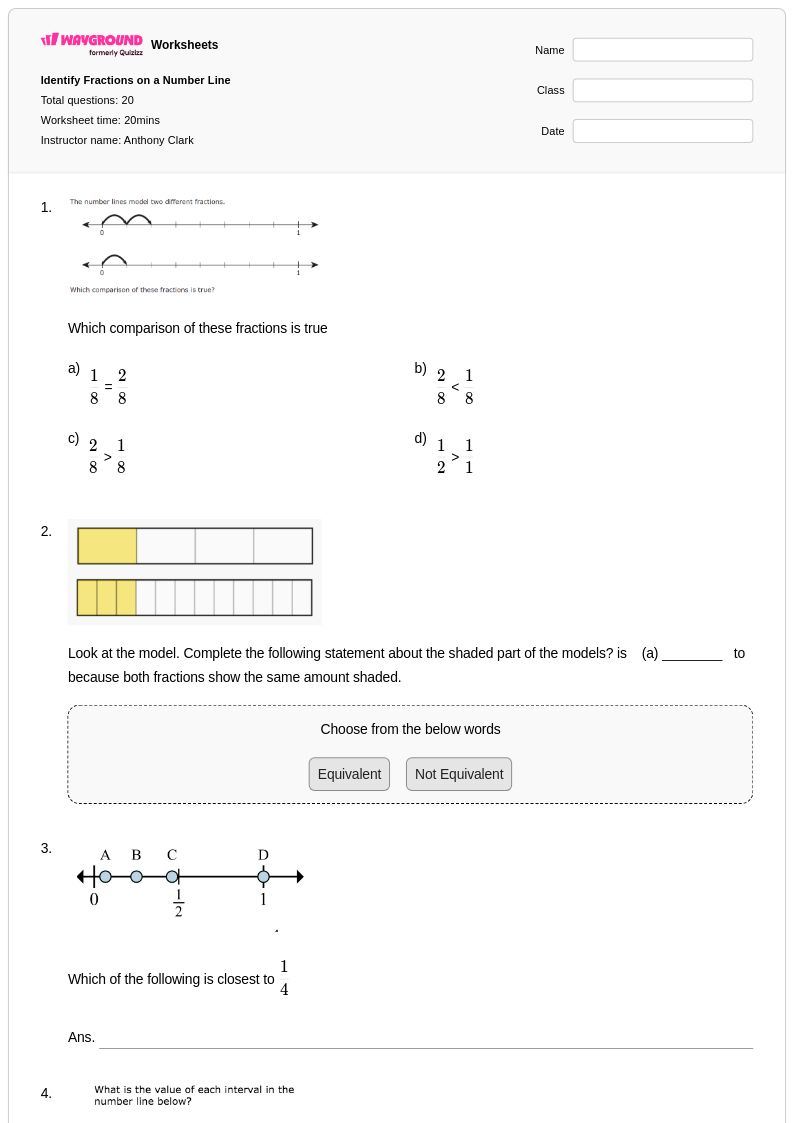
20 Q
3rd - Uni
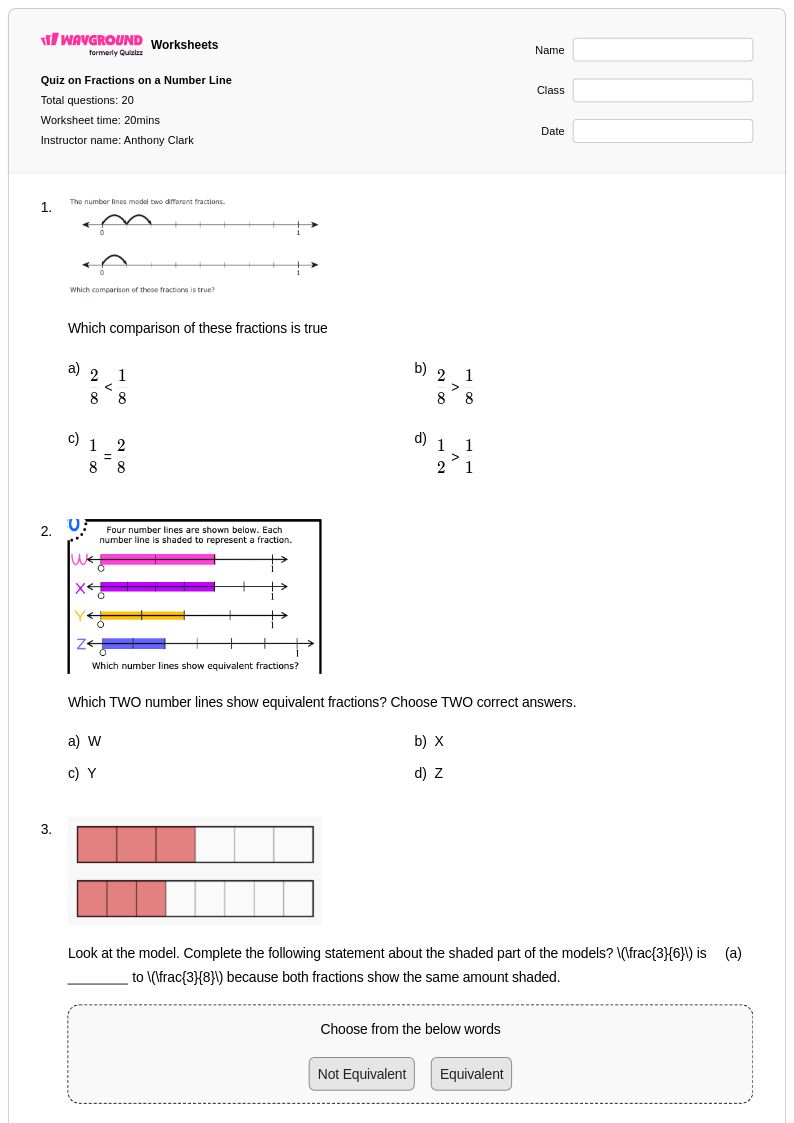
20 Q
3rd - Uni
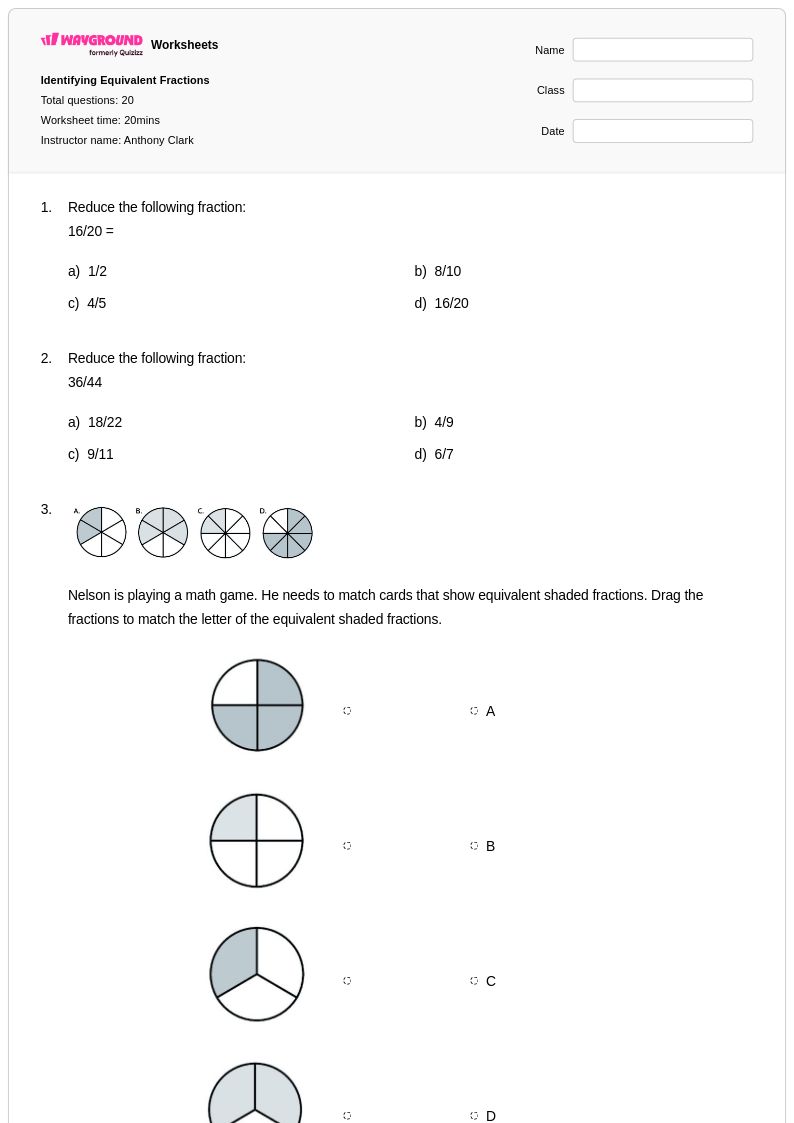
20 Q
4th - Uni
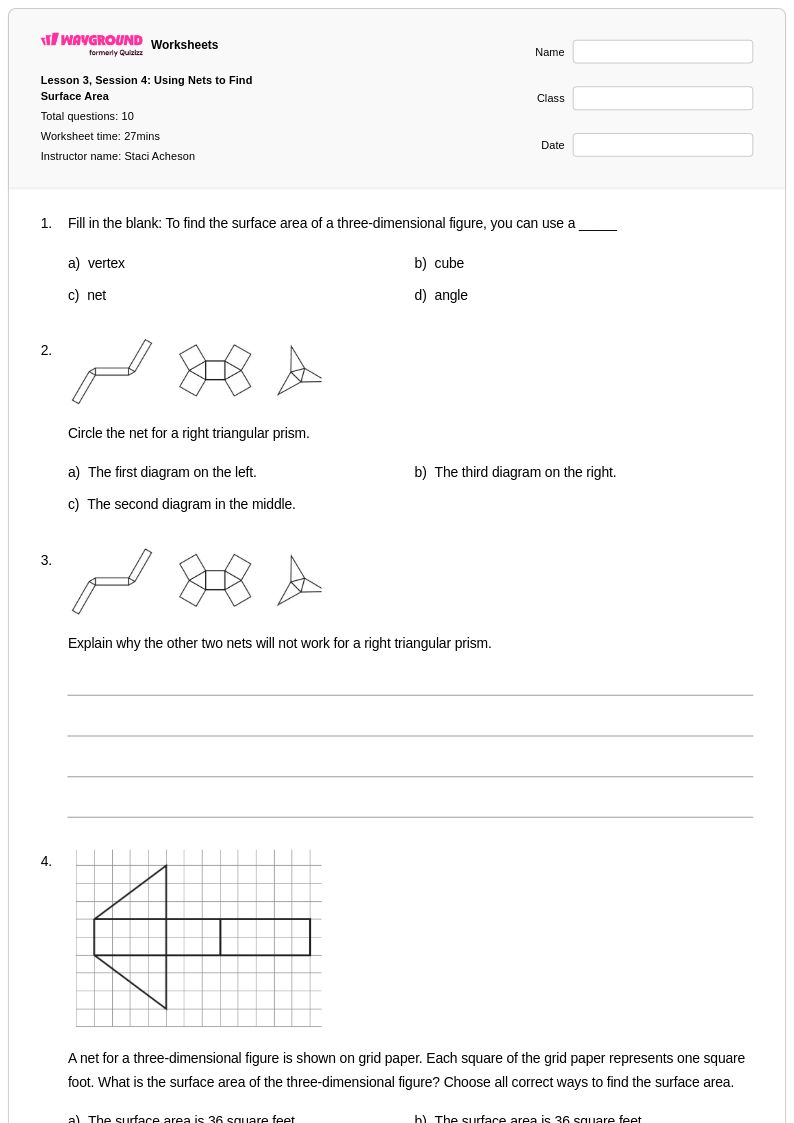
10 Q
6th
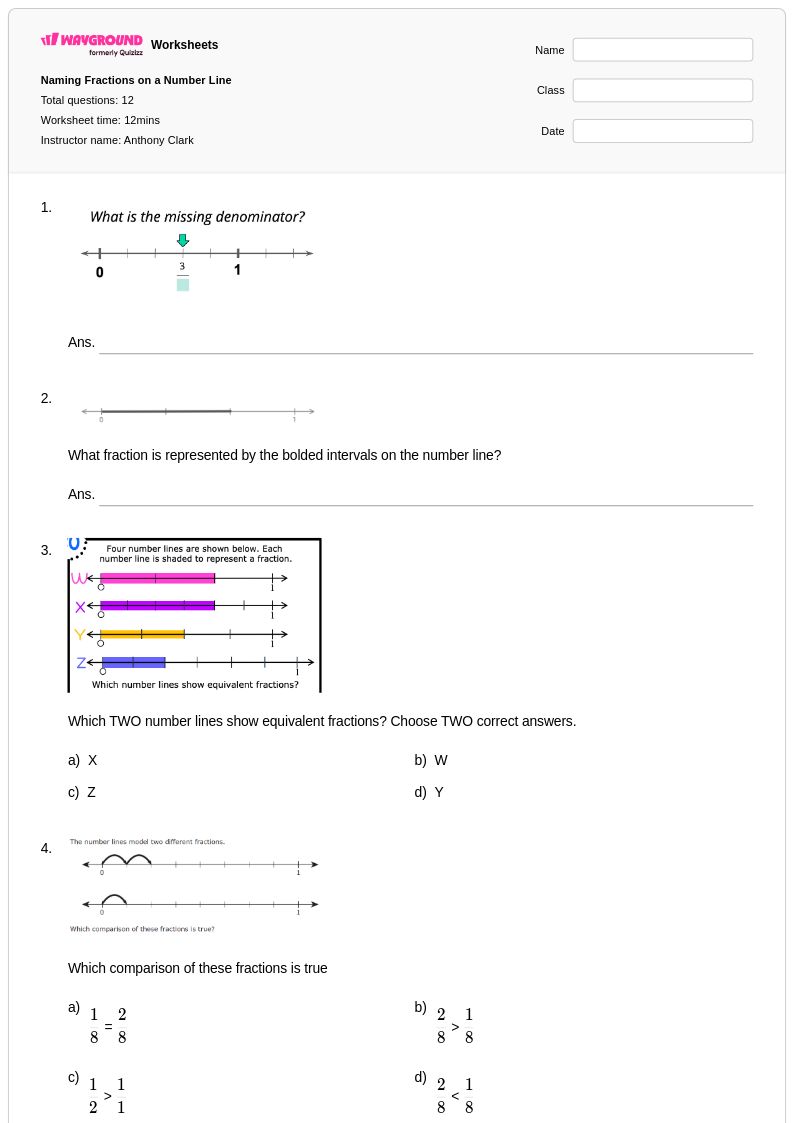
12 Q
3rd - Uni
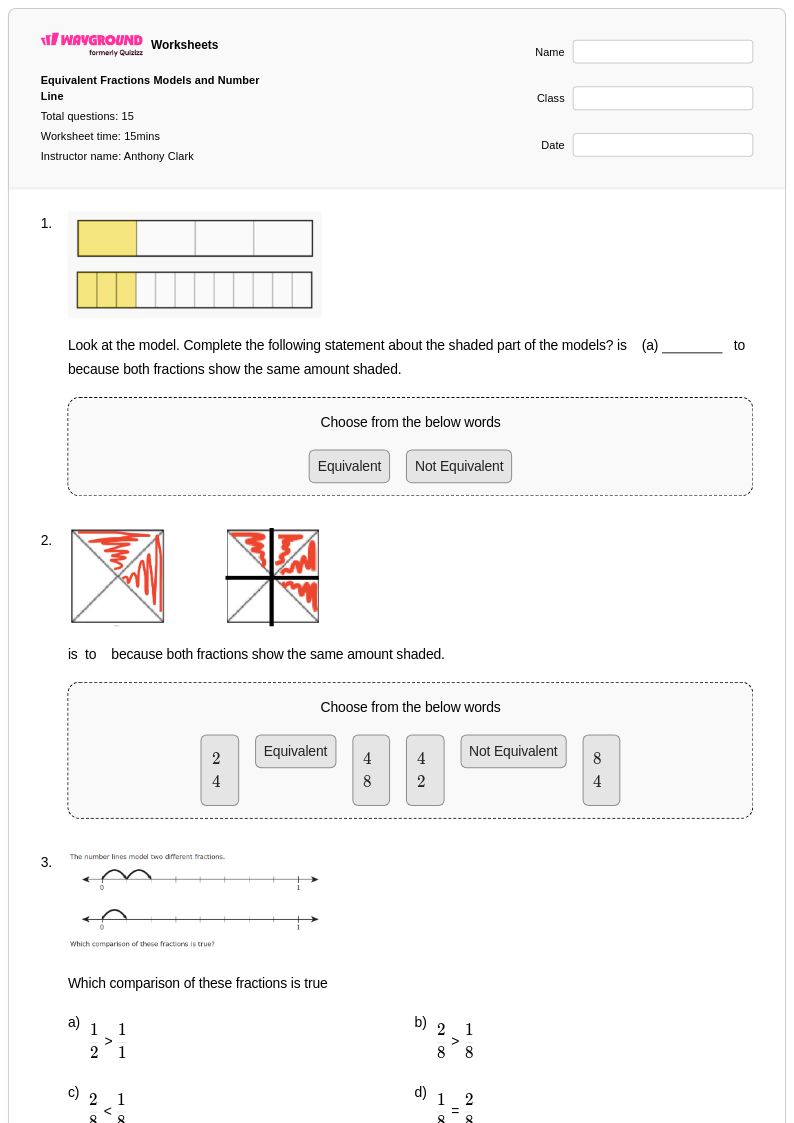
15 Q
3rd - Uni
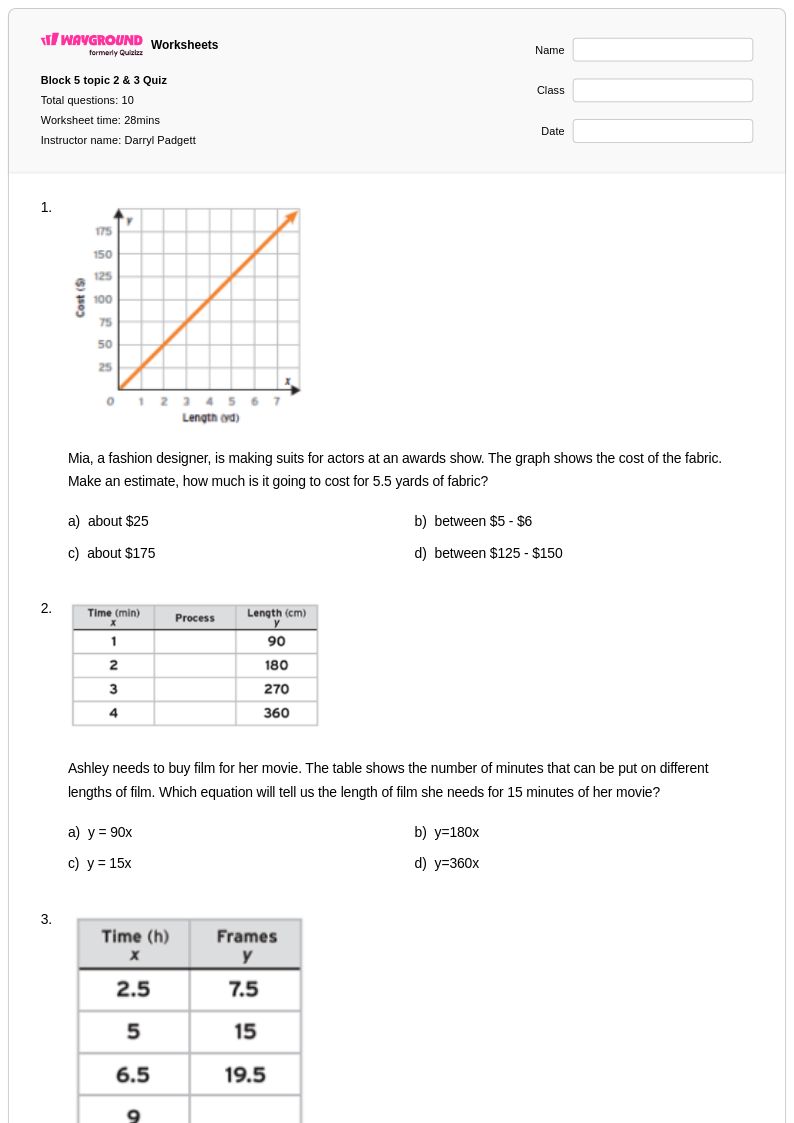
10 Q
6th - 8th
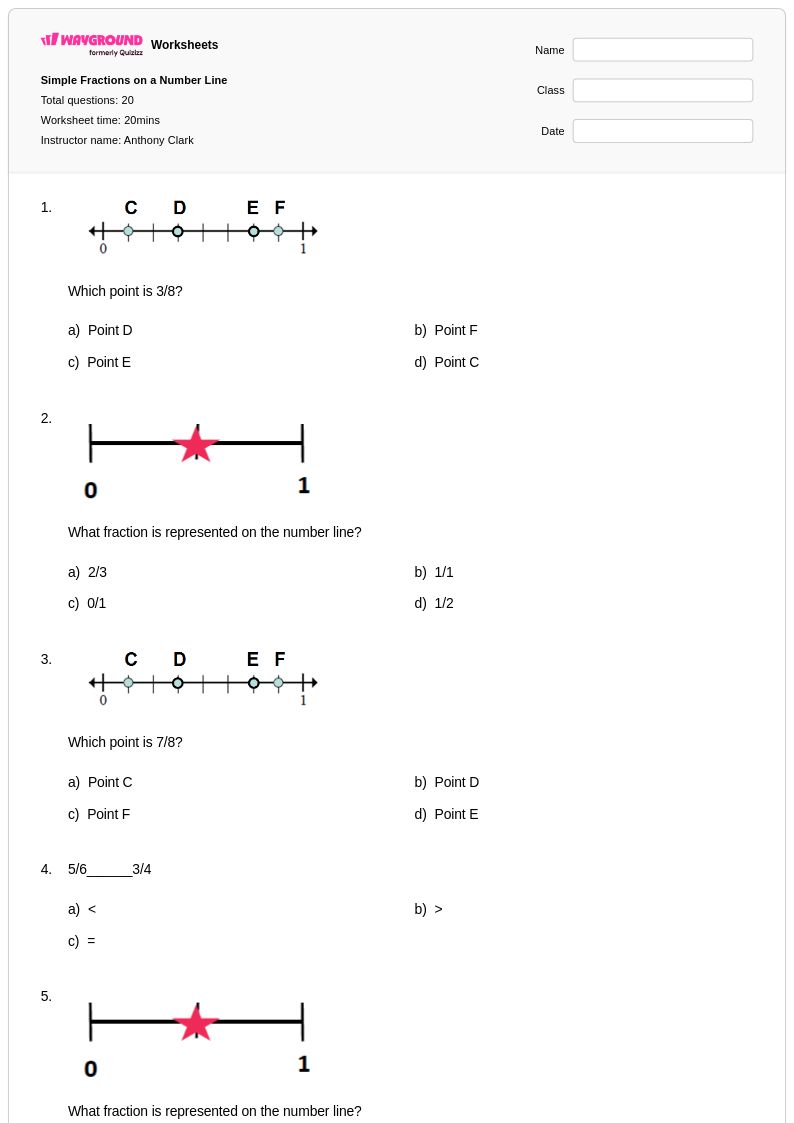
20 Q
3rd - Uni
17 Q
3rd - Uni
15 Q
3rd - Uni
20 Q
4th - Uni

6 Q
1st - Uni
20 Q
4th - Uni
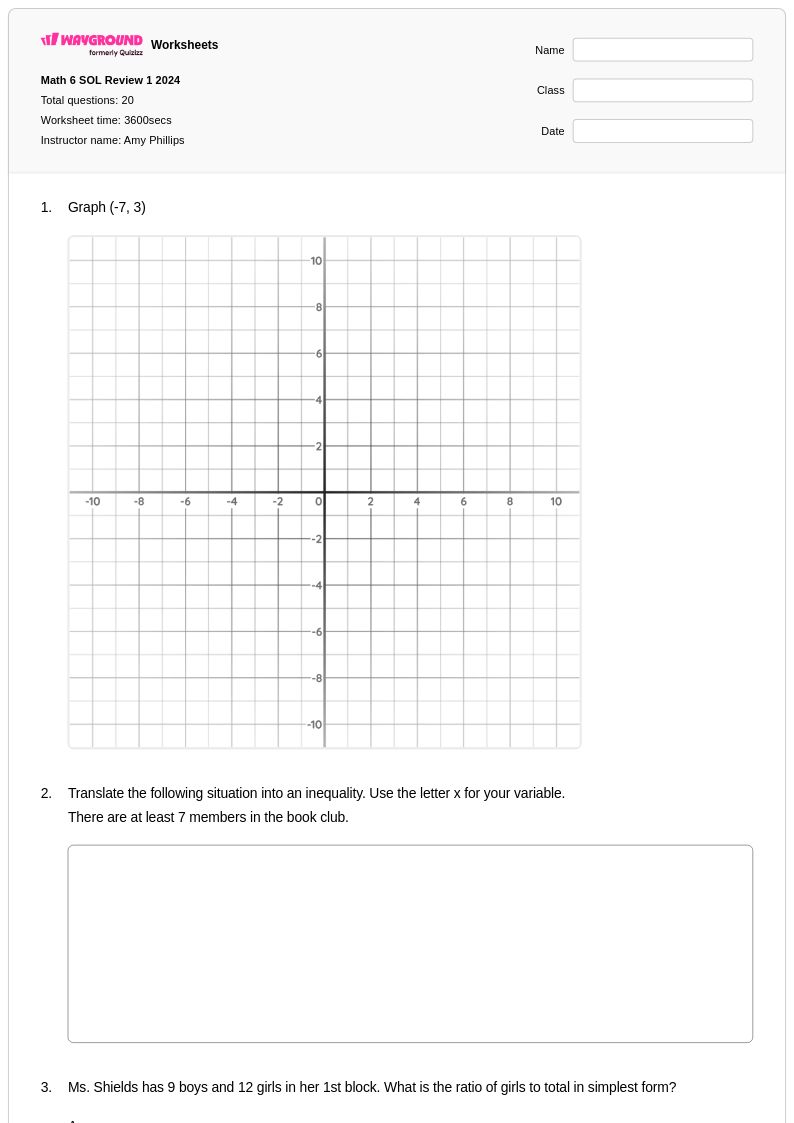
20 Q
6th
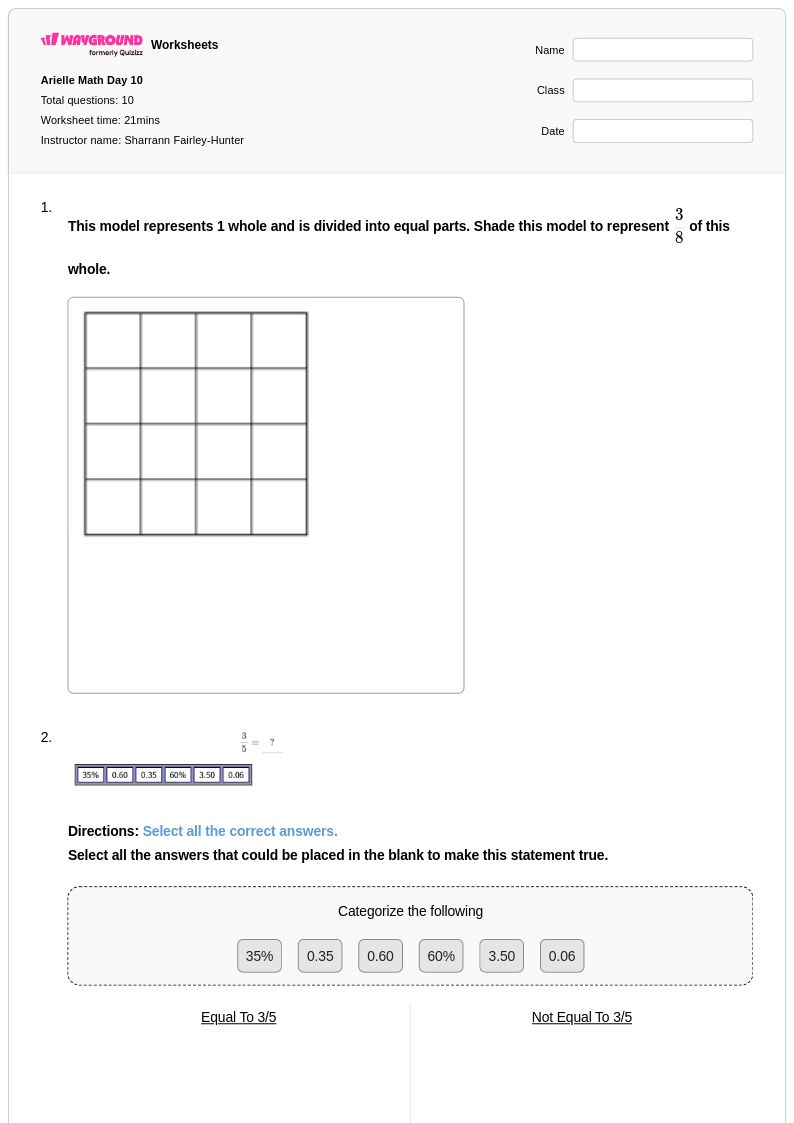
10 Q
6th
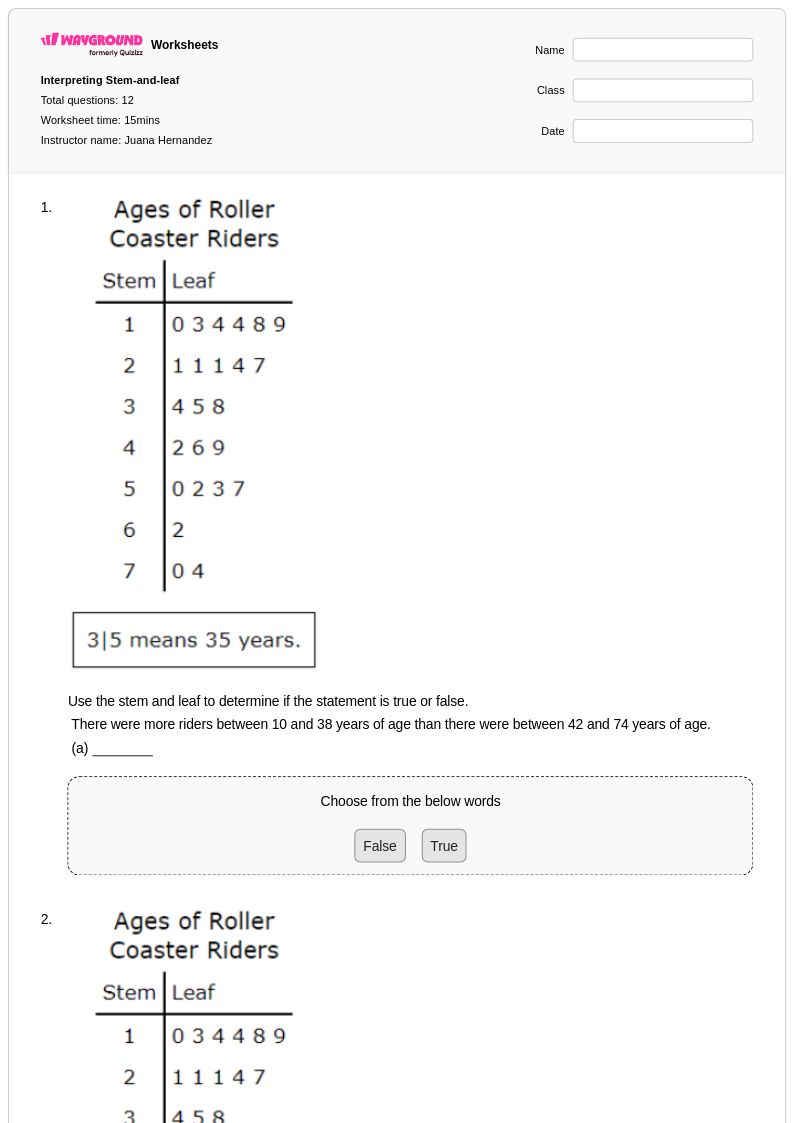
12 Q
6th
Explore Other Subject Worksheets for year 6
Explore printable Block Model worksheets for Year 6
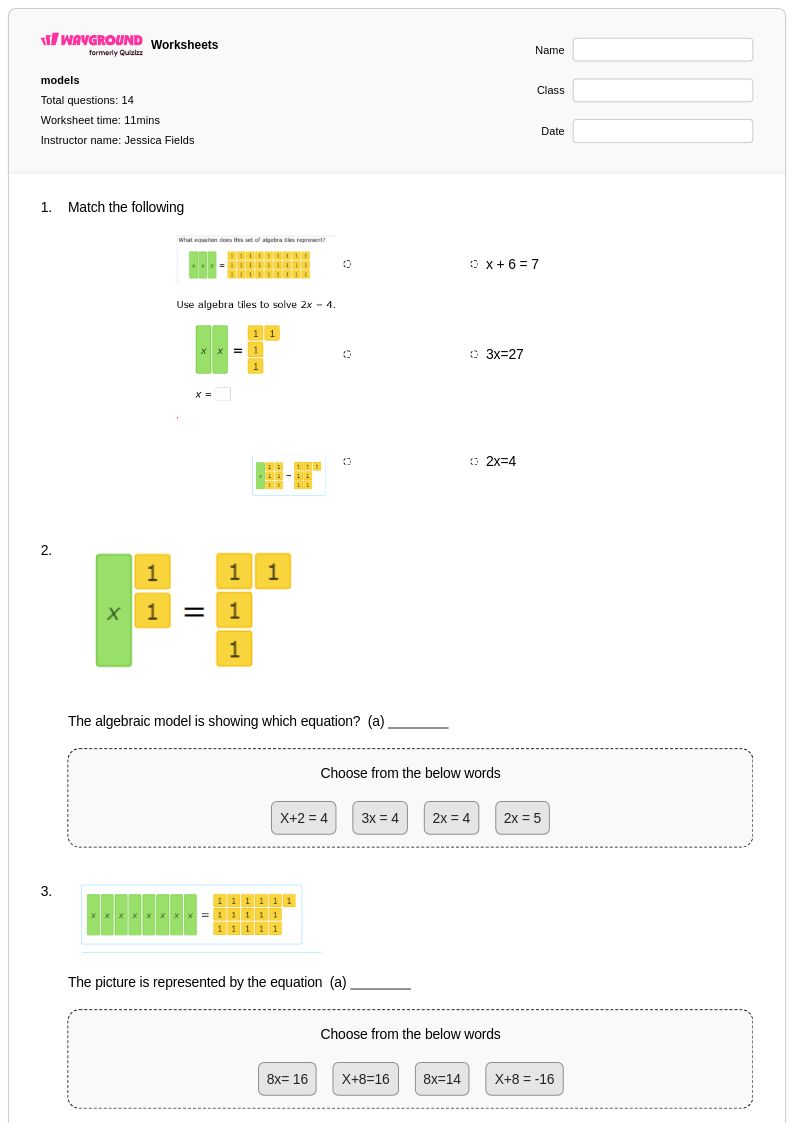
Block model worksheets for Year 6 algebra represent a fundamental approach to helping students visualize and solve algebraic concepts through concrete representations. These carefully designed practice materials available through Wayground (formerly Quizizz) focus on developing students' ability to use rectangular blocks or visual models to represent variables, constants, and algebraic expressions in an accessible format. The worksheets strengthen critical mathematical reasoning skills by guiding students through step-by-step problems where they manipulate physical or visual blocks to understand abstract algebraic relationships, building a solid foundation for more complex equation solving. Each printable resource includes comprehensive answer keys and structured practice problems that allow students to progress from basic variable representation to solving simple equations using block diagrams, with free pdf formats ensuring easy classroom distribution and independent study support.
Wayground (formerly Quizizz) empowers educators with an extensive collection of millions of teacher-created block model resources specifically designed to meet diverse Year 6 algebra instruction needs. The platform's robust search and filtering capabilities enable teachers to quickly locate worksheets aligned with specific standards and learning objectives, while built-in differentiation tools allow for seamless customization based on individual student skill levels and learning pace. These comprehensive worksheet collections are available in both printable and digital formats, including downloadable pdf options, making them ideal for various classroom environments and teaching situations. Teachers can effectively utilize these resources for targeted skill practice, remediation support for struggling learners, enrichment activities for advanced students, and comprehensive lesson planning that bridges the gap between concrete mathematical thinking and abstract algebraic concepts.
FAQs
How do I teach block models in Grade 6 algebra?
What exercises help sixth graders practice algebra with block models?
What mistakes do Grade 6 students make when solving equations with block models?
How do I use a Grade 6 block model worksheet for instruction or assessment?
Are Grade 6 block models aligned with Common Core math?
How can I accommodate students who struggle with block model equations?
Why are block models useful in Grade 6?