
20 Q
2nd - Uni
5 Q
1st
10 Q
3rd
19 Q
2nd - Uni
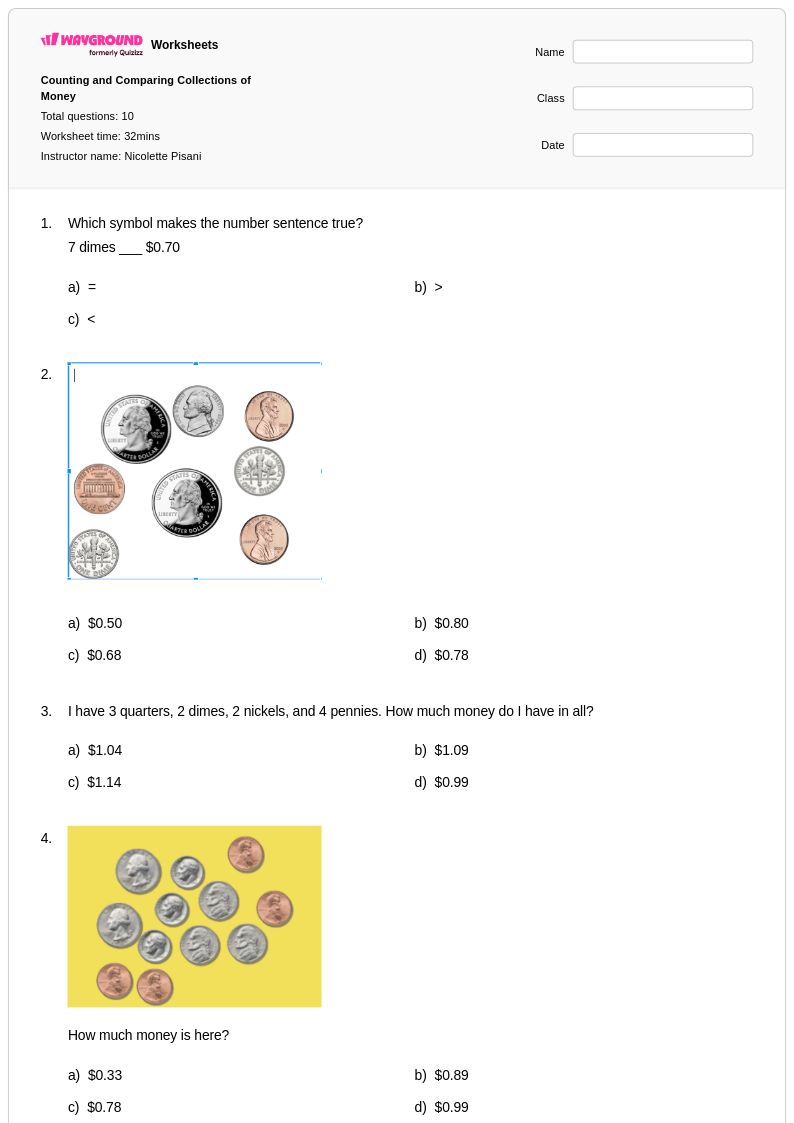
10 Q
3rd
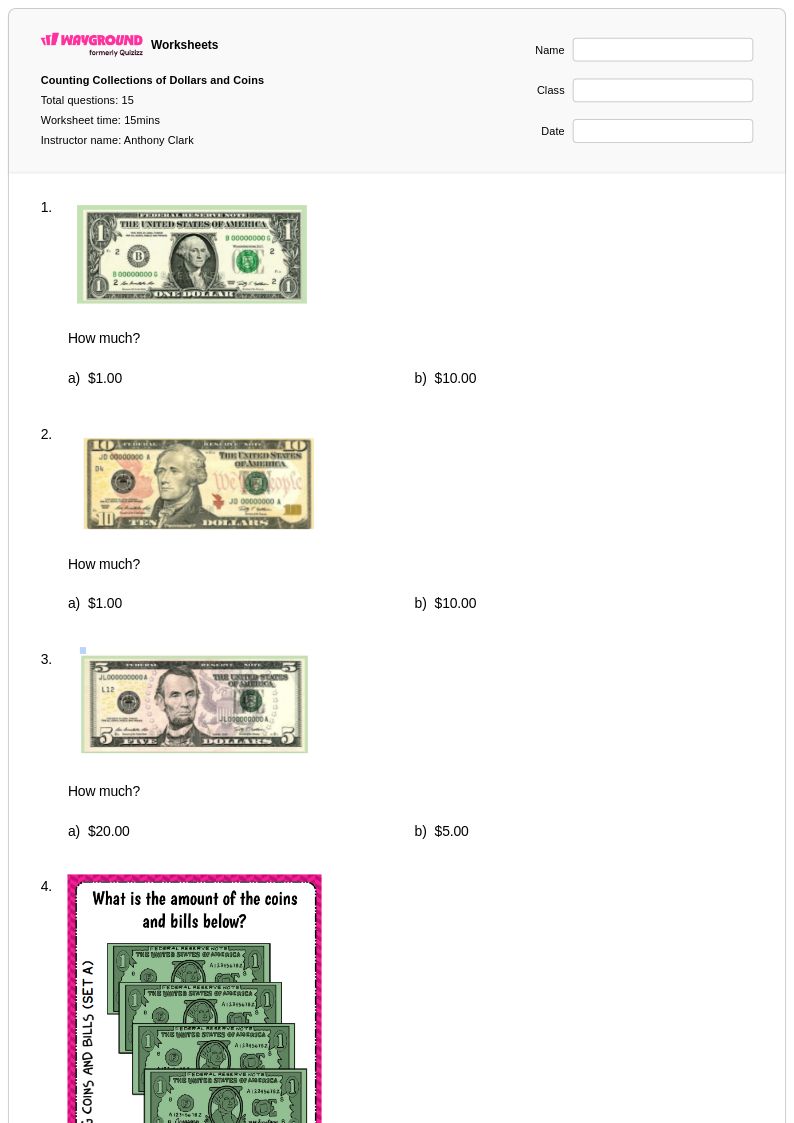
15 Q
2nd - Uni
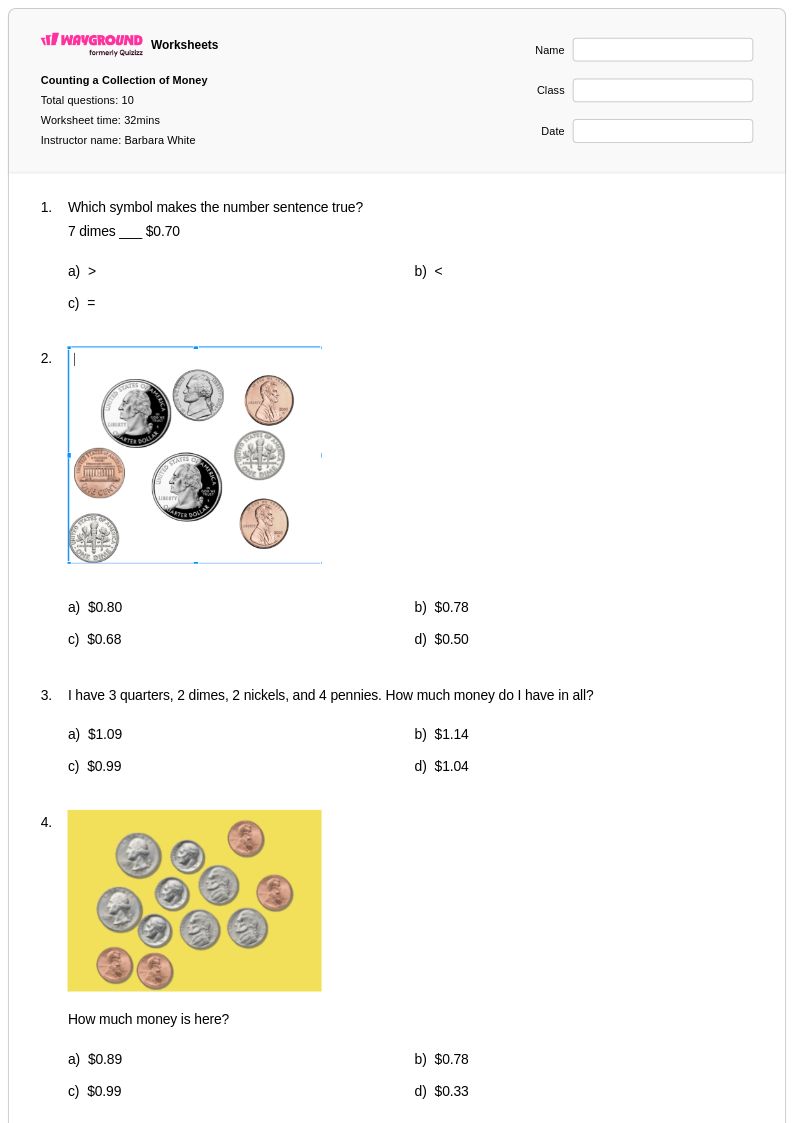
10 Q
3rd
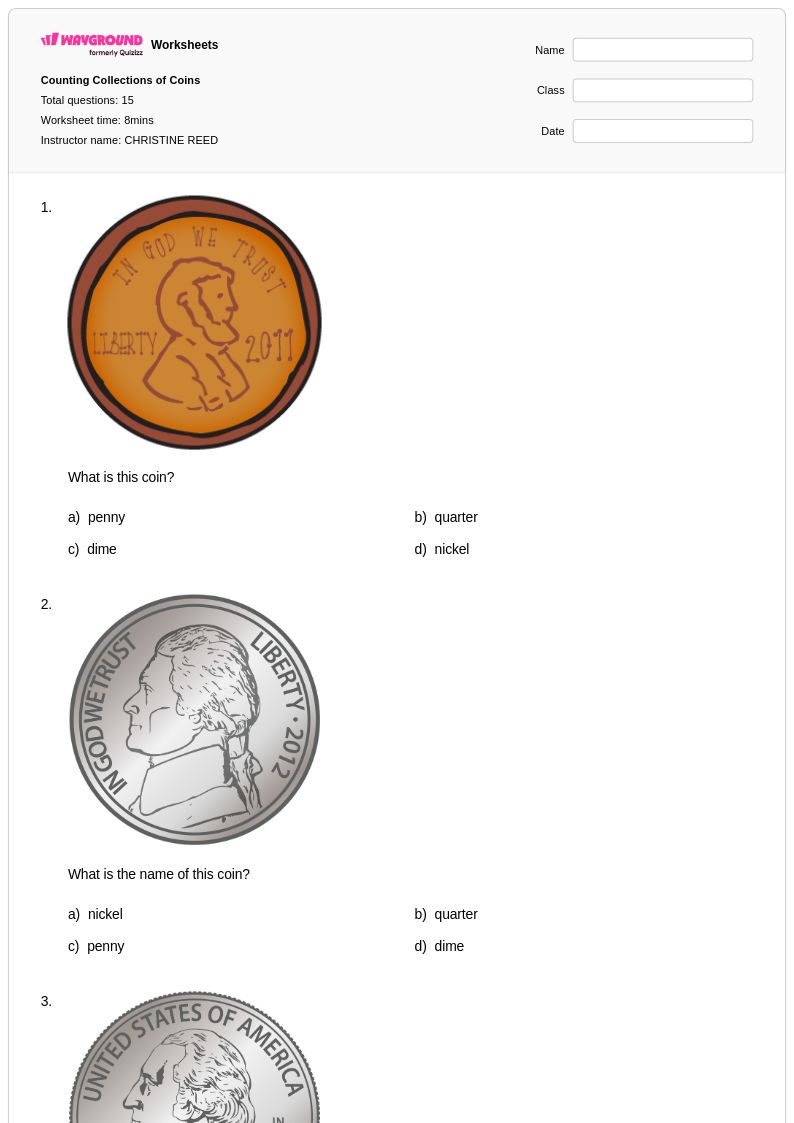
15 Q
2nd - 4th
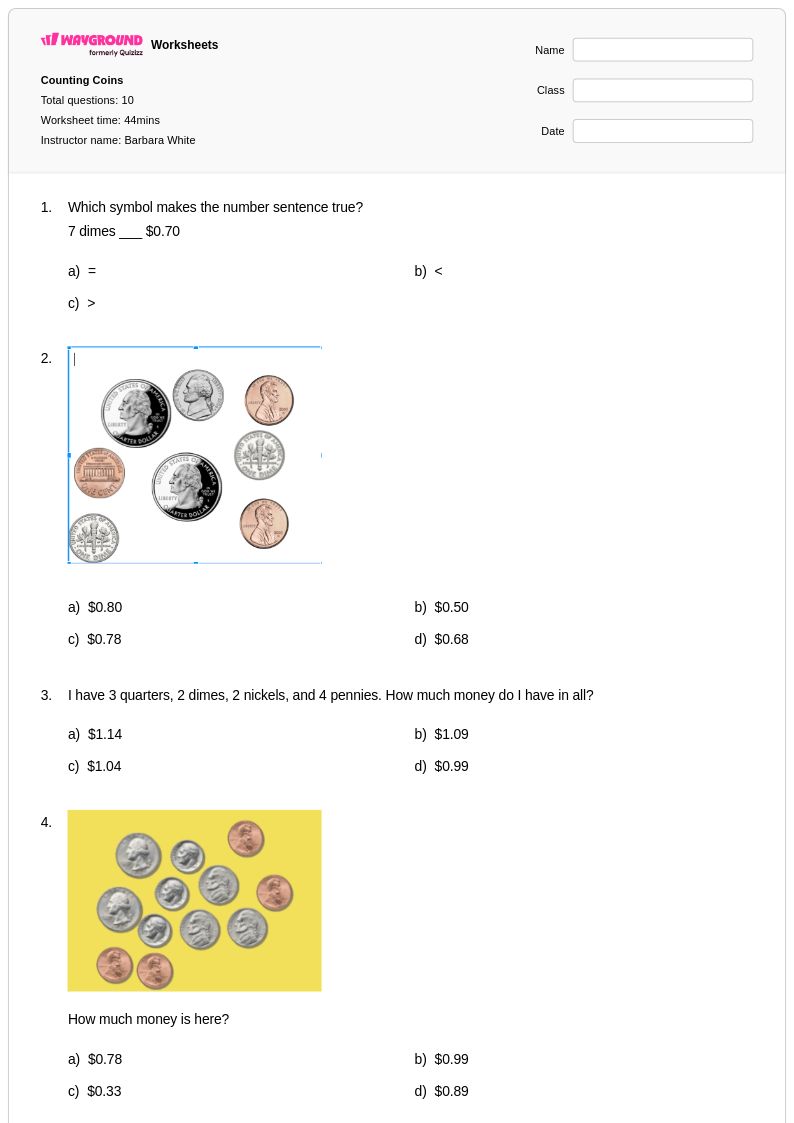
10 Q
3rd
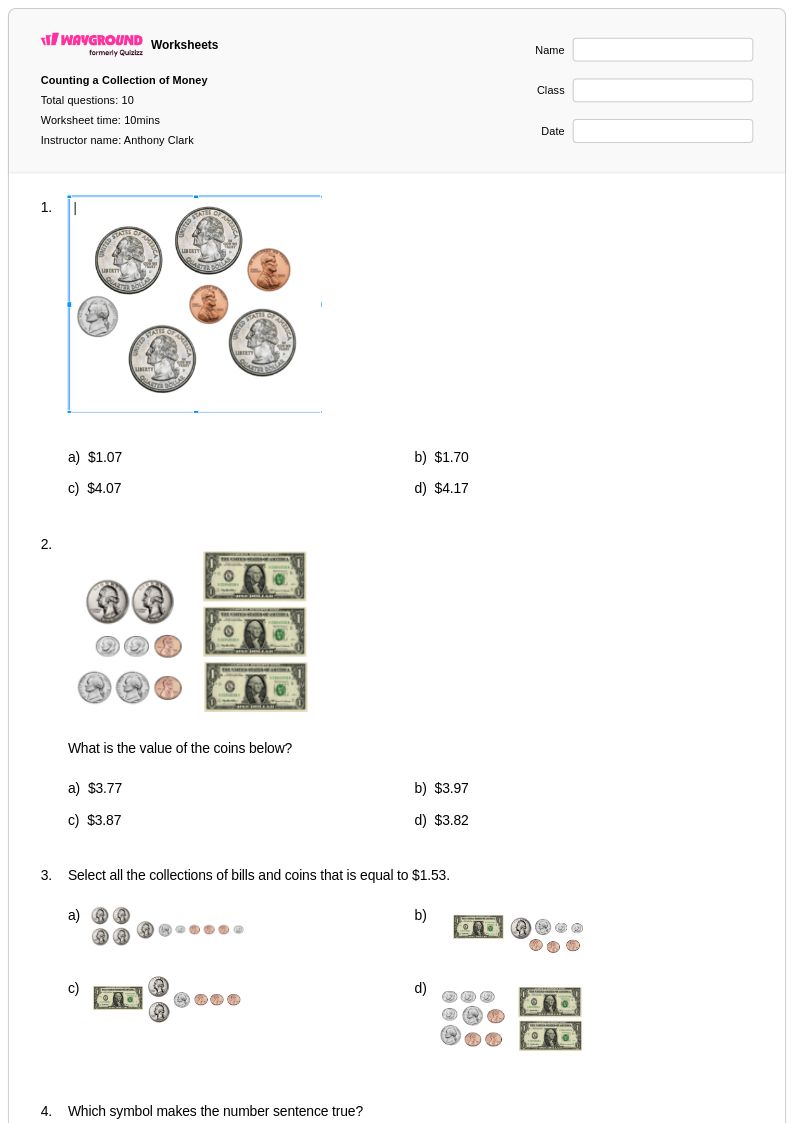
10 Q
3rd - Uni
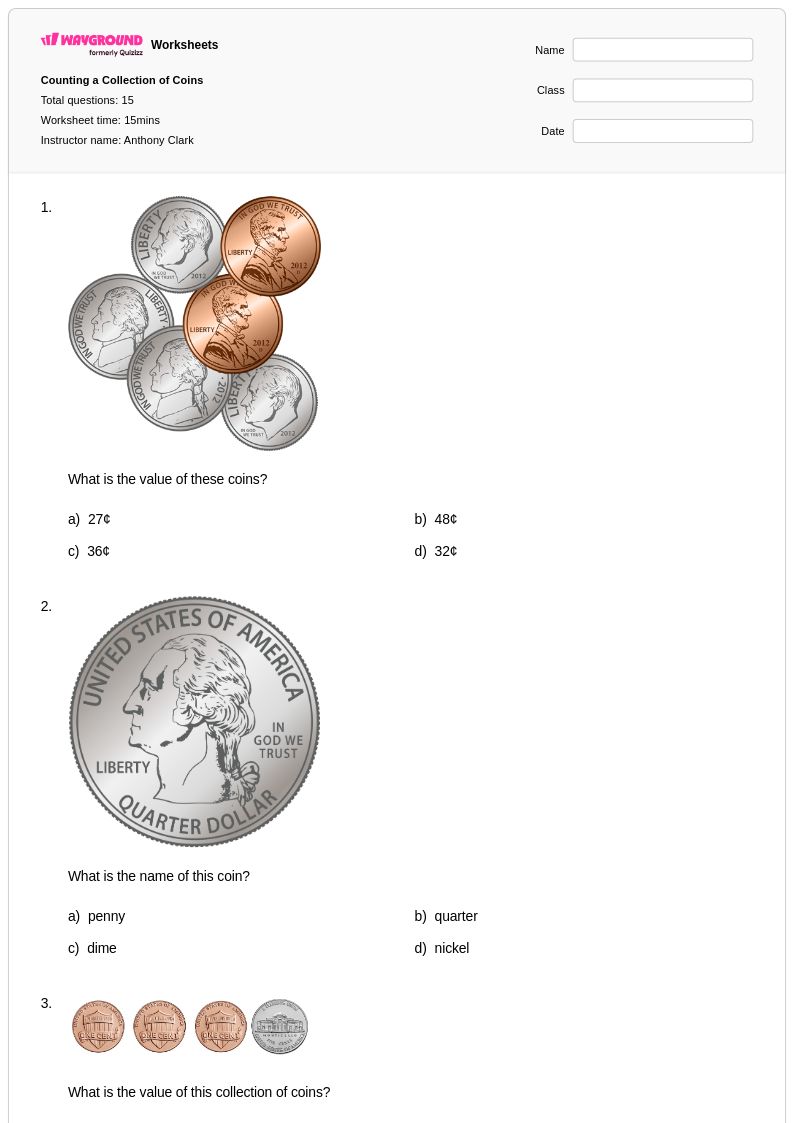
15 Q
2nd - Uni
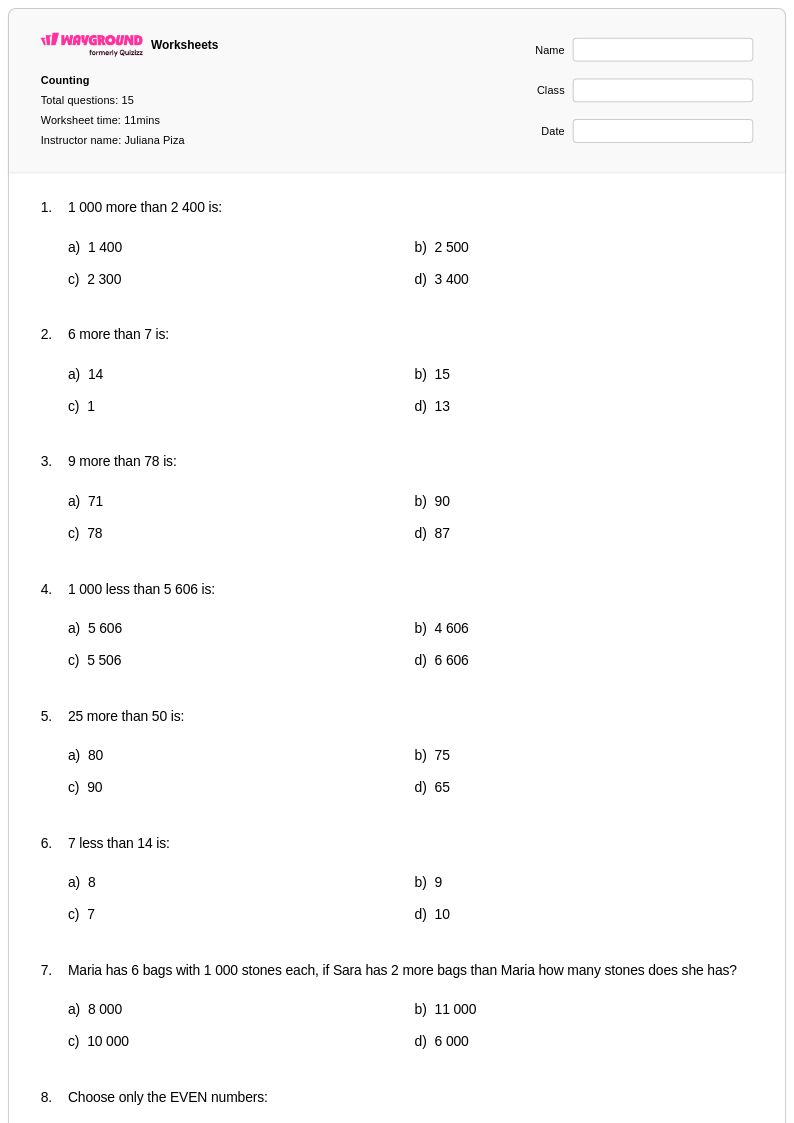
15 Q
4th
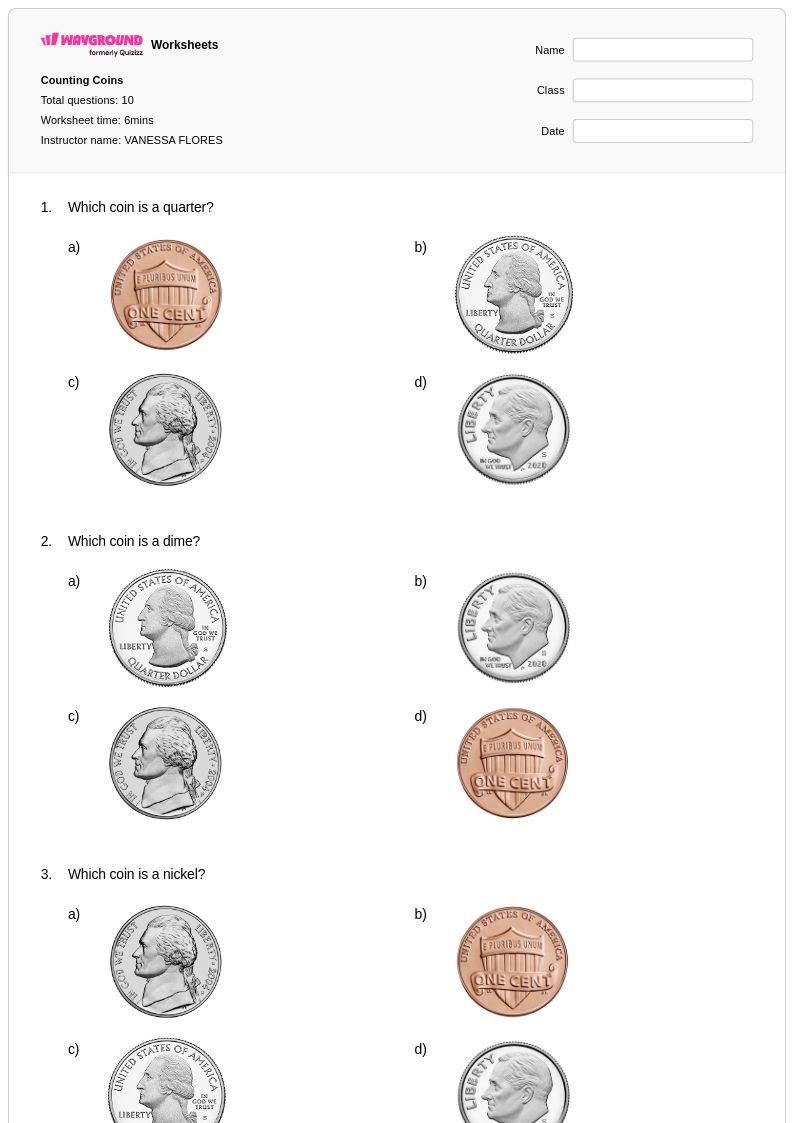
10 Q
1st
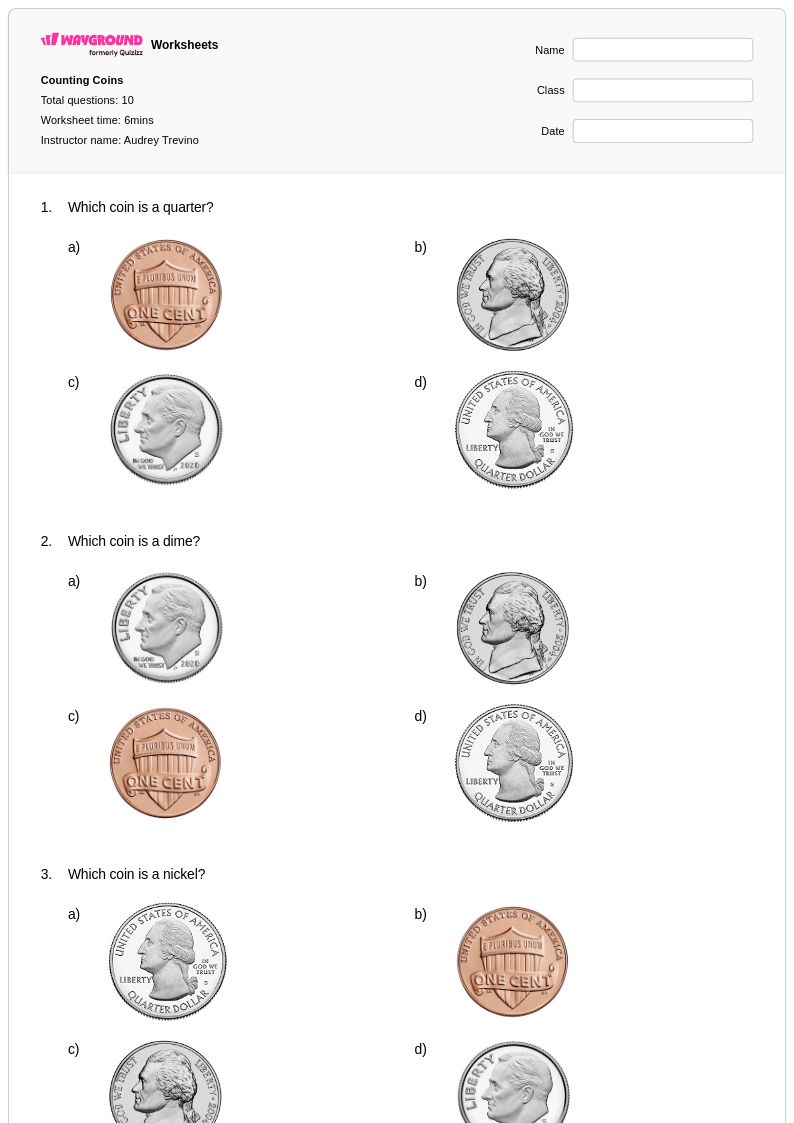
10 Q
1st
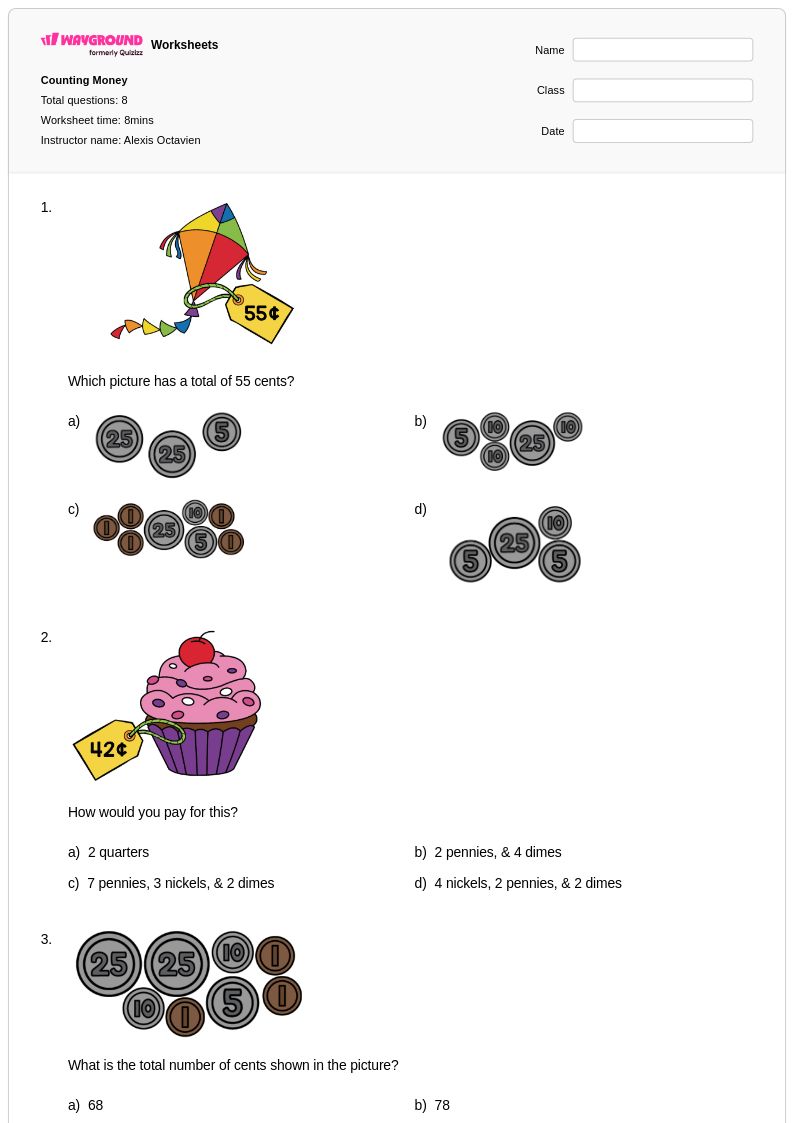
8 Q
2nd
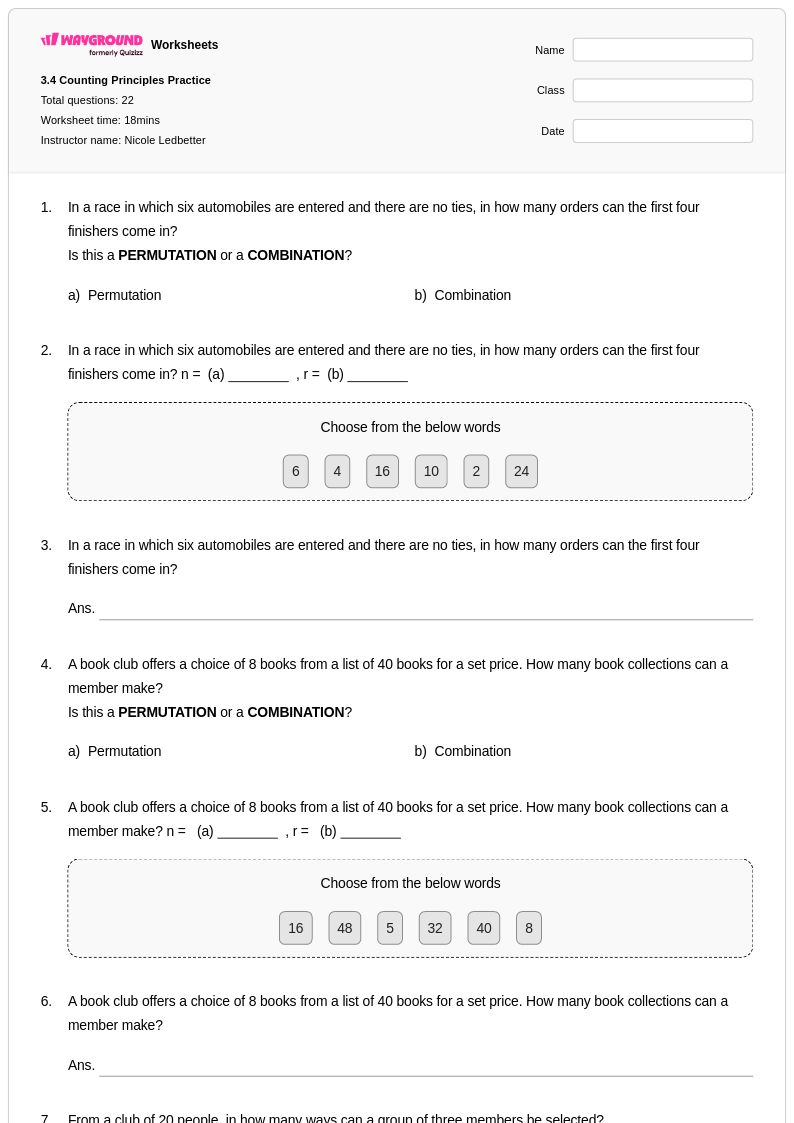
22 Q
9th - 12th
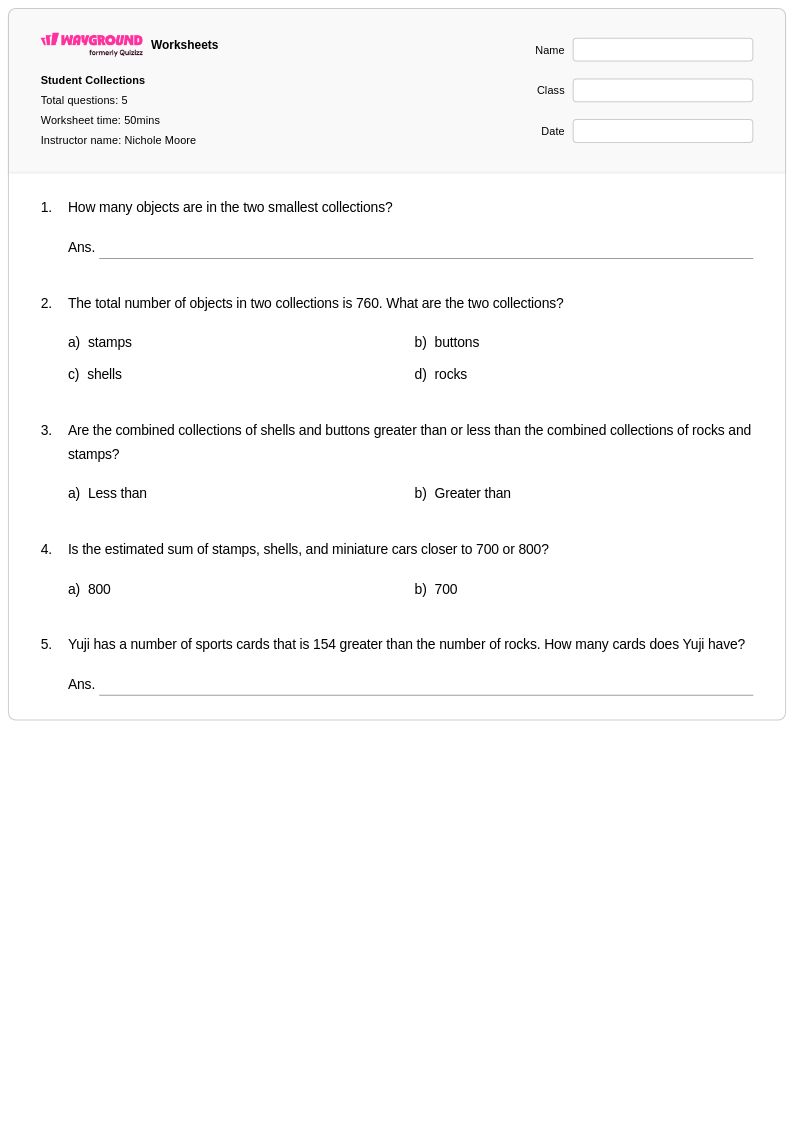
5 Q
3rd
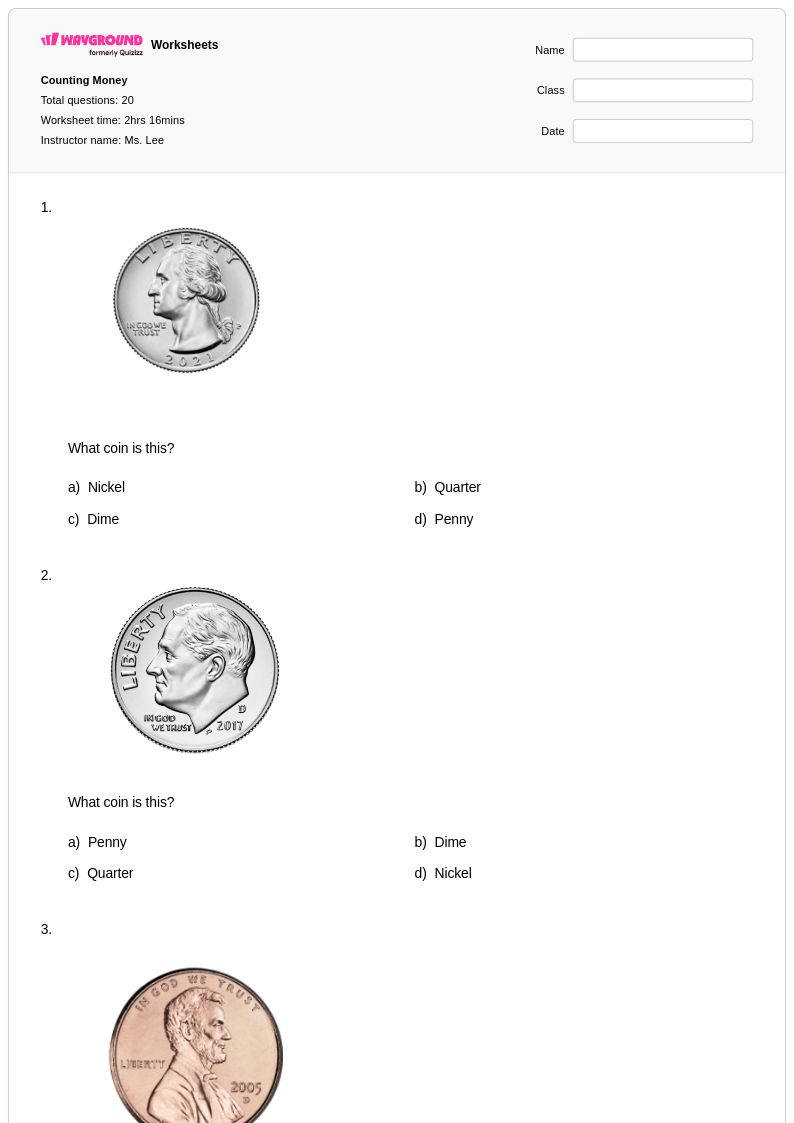
20 Q
2nd
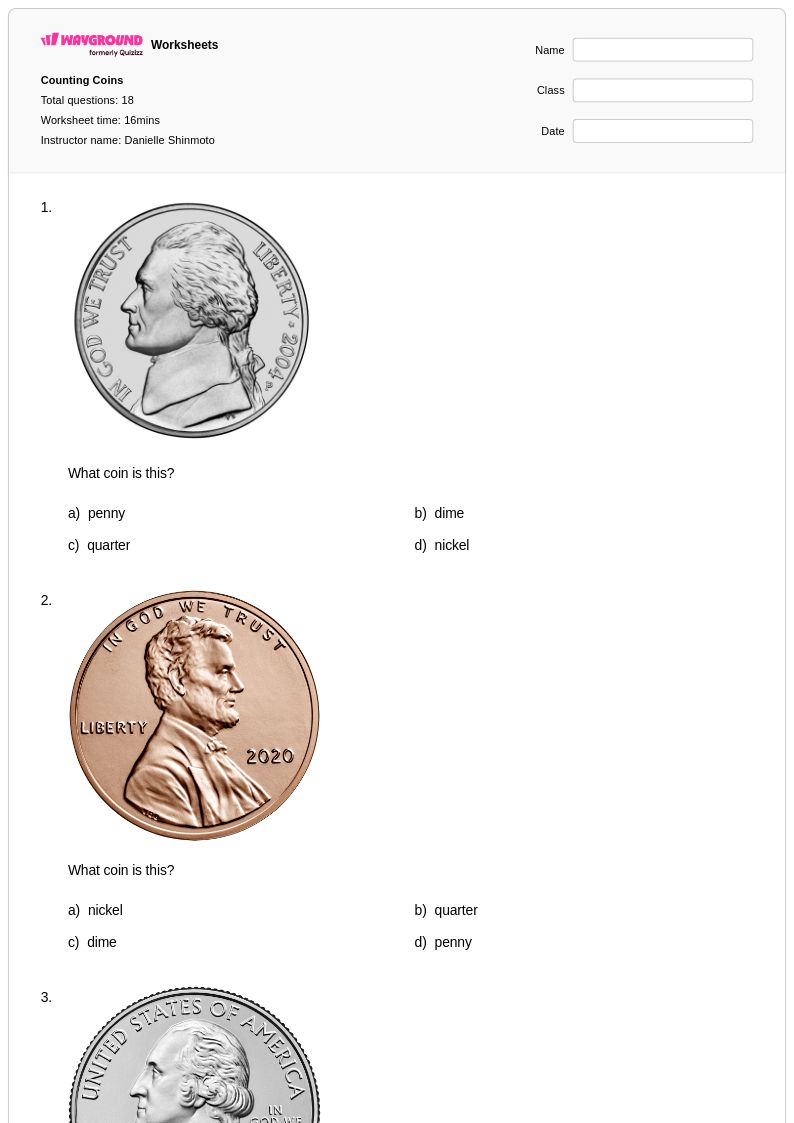
18 Q
2nd
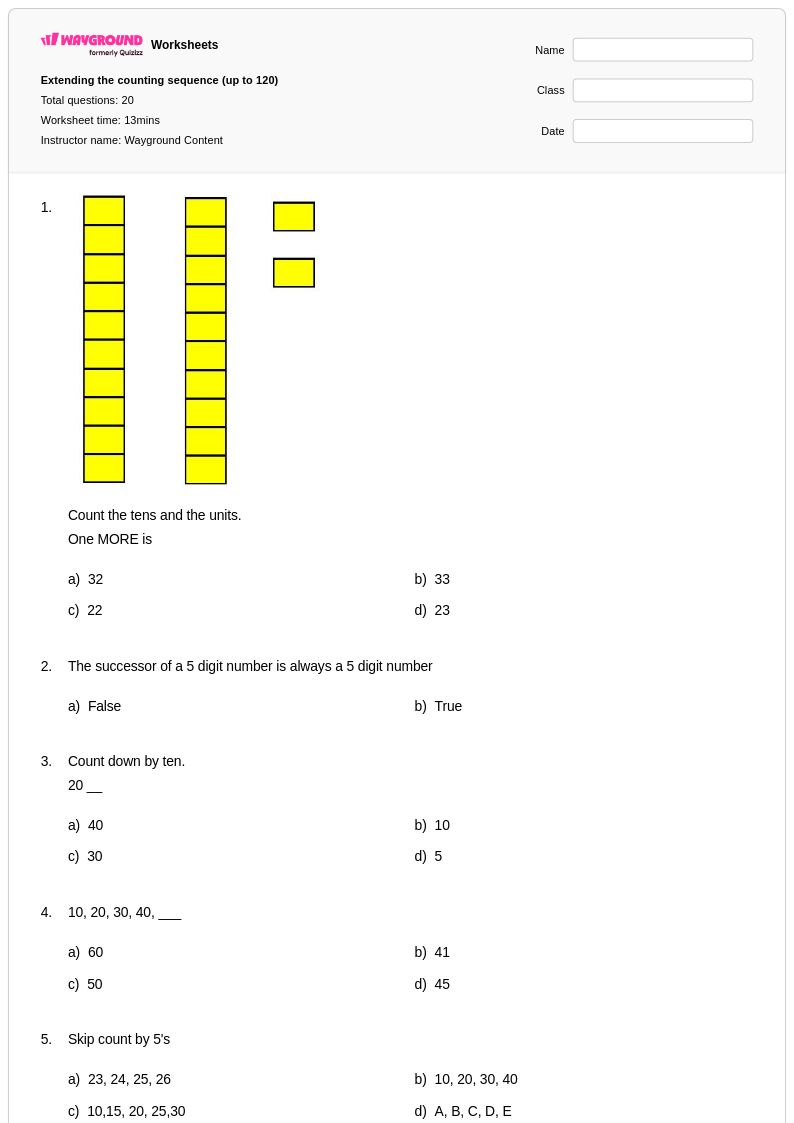
20 Q
1st
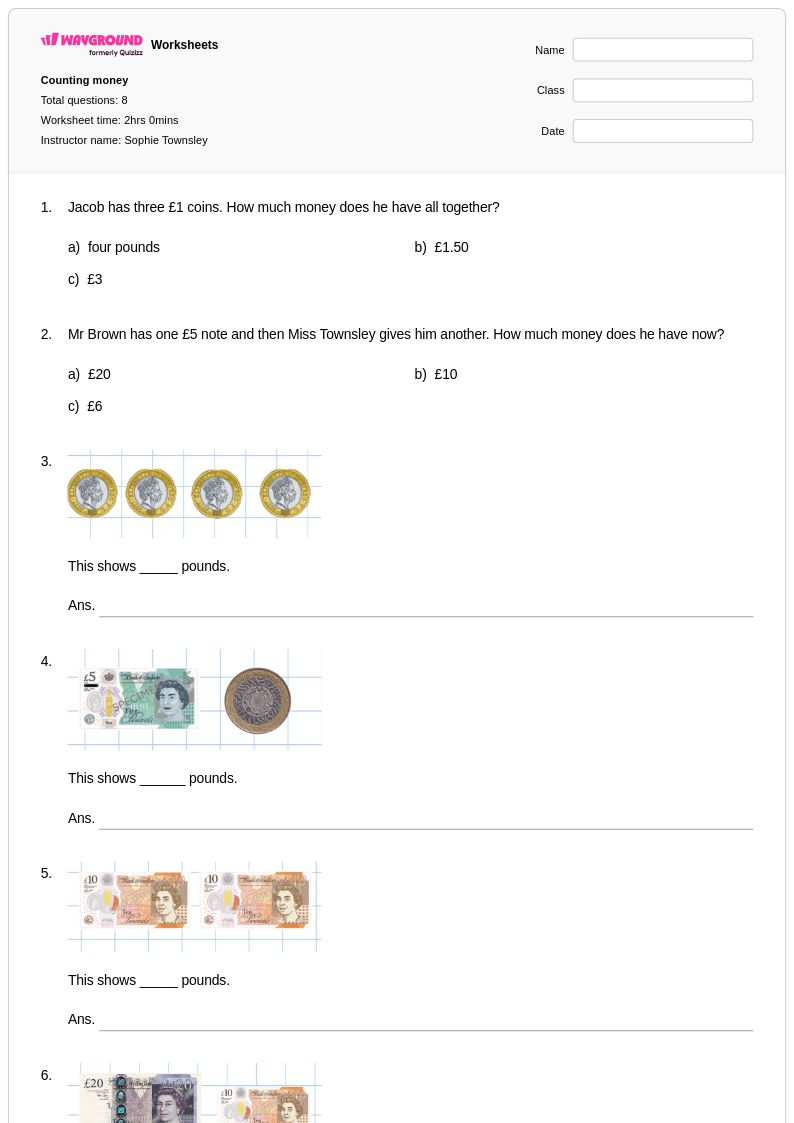
8 Q
2nd
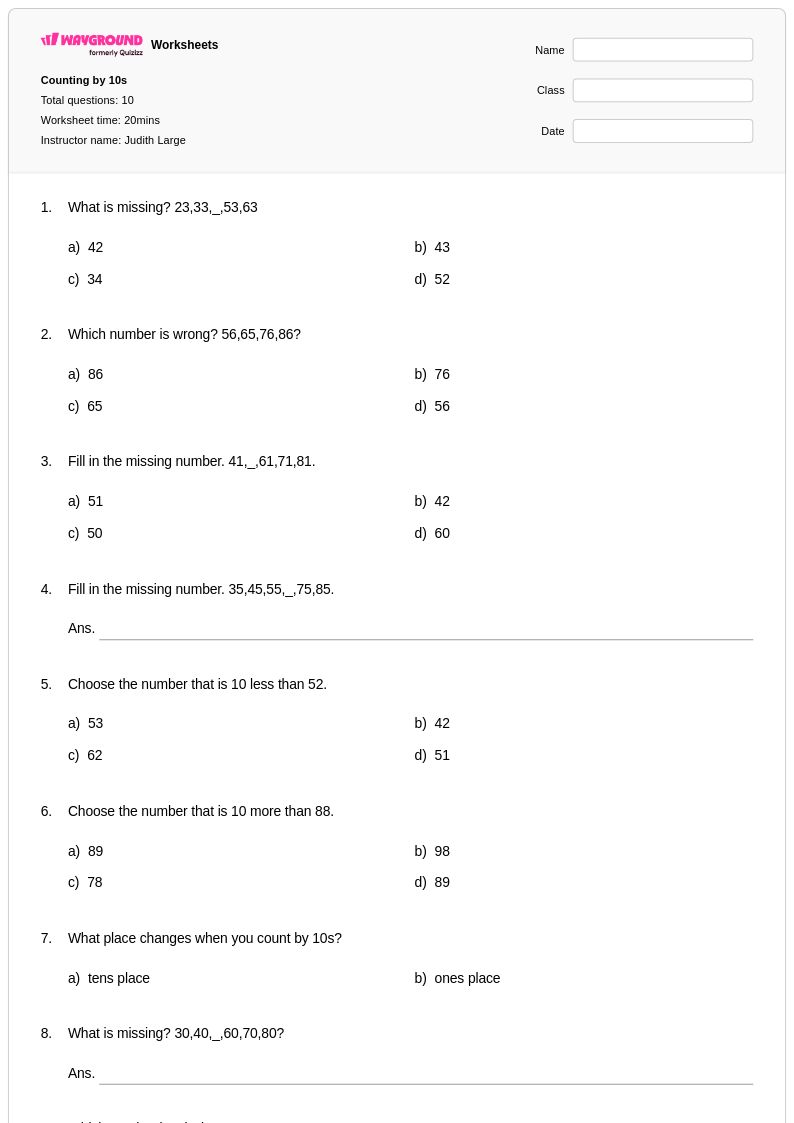
10 Q
1st
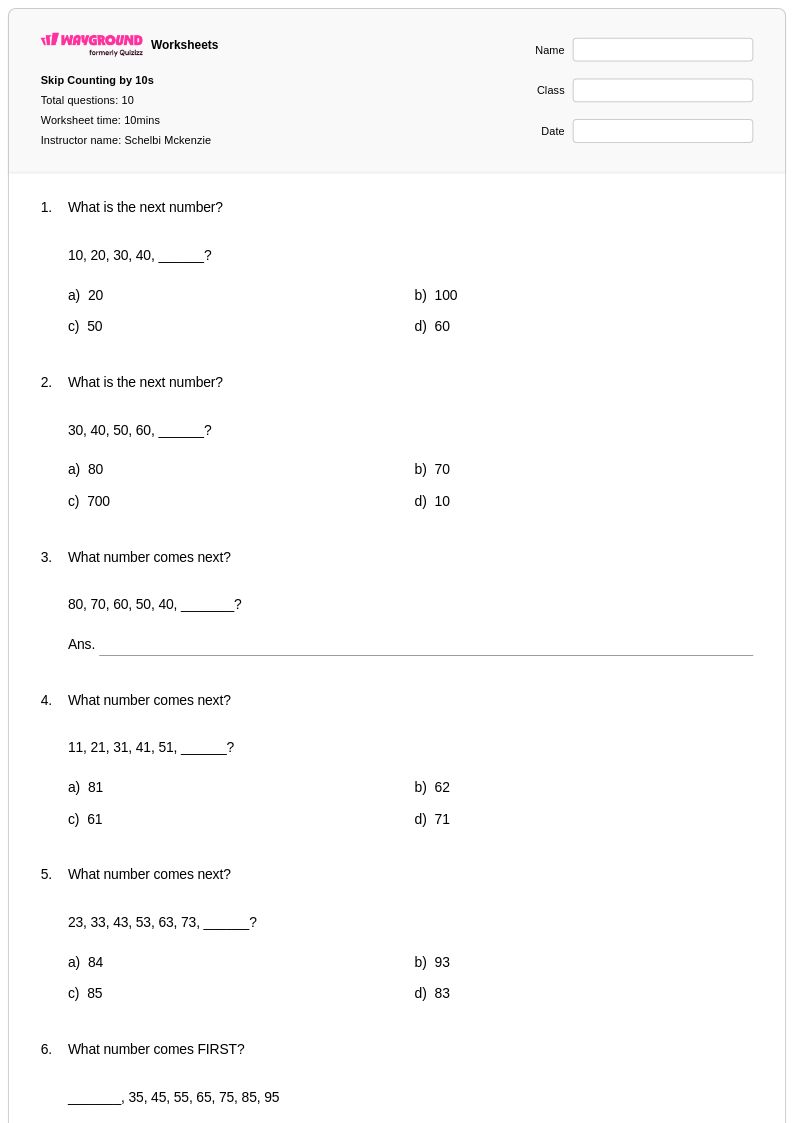
10 Q
2nd
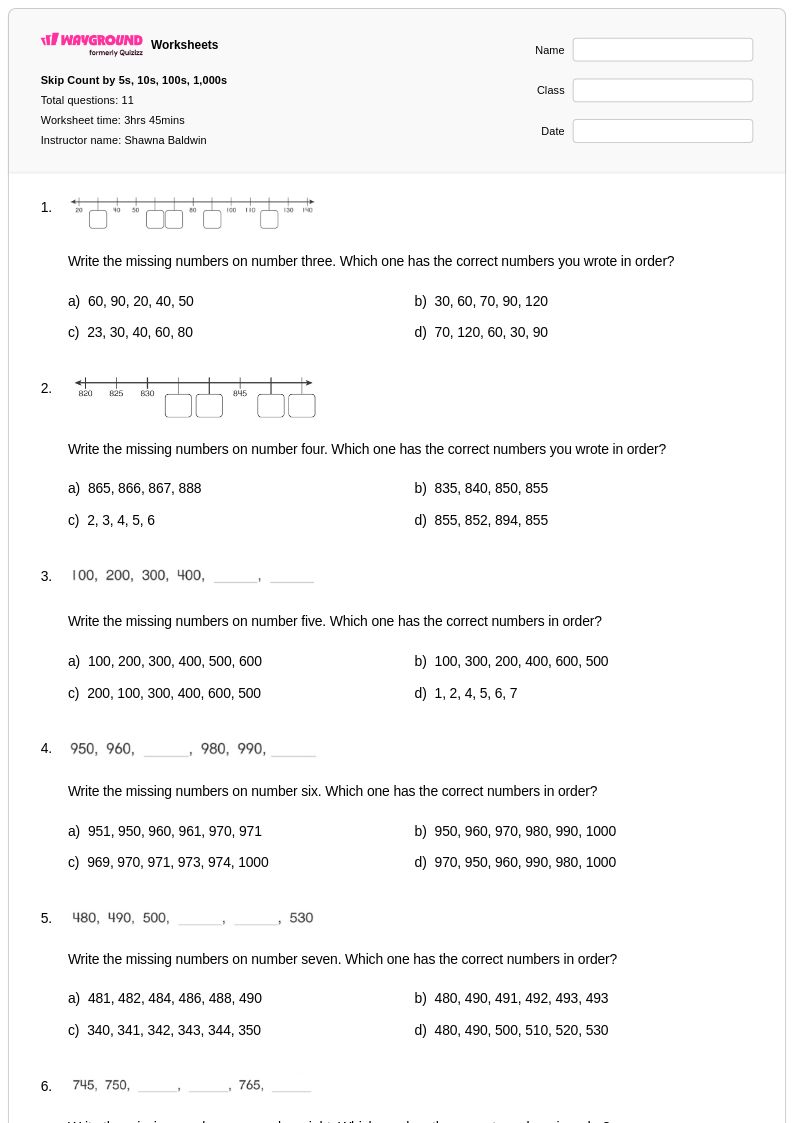
11 Q
2nd
Explore Counting Collections Worksheets by Grades
Explore Other Subject Worksheets for kindergarten
Explore printable Counting Collections worksheets for Kindergarten
Counting Collections worksheets for Kindergarten provide essential practice in developing foundational number sense skills that young learners need to build mathematical confidence. These comprehensive resources help students master the critical ability to count objects systematically, organize items into groups, and understand the relationship between numbers and quantities. Through engaging practice problems featuring everyday objects like toys, animals, and classroom materials, children learn to apply one-to-one correspondence, recognize number patterns, and develop counting strategies that will support their mathematical growth. Each worksheet comes complete with an answer key and is available as a free printable pdf, making it easy for educators to incorporate meaningful counting practice into daily instruction.
Wayground (formerly Quizizz) empowers teachers with an extensive library of millions of educator-created Counting Collections worksheets specifically designed for Kindergarten learners. The platform's robust search and filtering capabilities allow teachers to quickly locate age-appropriate resources that align with developmental standards and individual student needs. Advanced differentiation tools enable educators to customize worksheets for various skill levels, ensuring that both struggling learners and advanced students receive appropriately challenging content. These versatile resources are available in both printable and digital formats, including downloadable pdfs, giving teachers the flexibility to use them for whole-class instruction, small group work, independent practice, or homework assignments. This comprehensive approach supports effective lesson planning while providing targeted remediation and enrichment opportunities that strengthen each child's counting and number recognition abilities.
FAQs
How do I teach counting collections in kindergarten?
What counting collections activities are effective for kindergarten practice?
What mistakes do kindergarten students make when counting objects?
How can I use kindergarten Counting Collections worksheets on Wayground?
How do kindergarten counting collections align with Common Core math?
How can I differentiate counting collections worksheets for kindergarten students?
What counting skills should kindergarten students develop?