
Recommended Topics for you
- Color Sorting
- Data Representation
- Data Tables
- Graphing Data
- Organizing Data
- Qualitative Data
- Reading Charts
- Reading Graphs
- Reading Tables
- Sorting by Size
- Tally Graphs
- Tally Marks
- Tape Diagrams
- Types of Graphs
- Venn Diagrams
- X and Y Axes
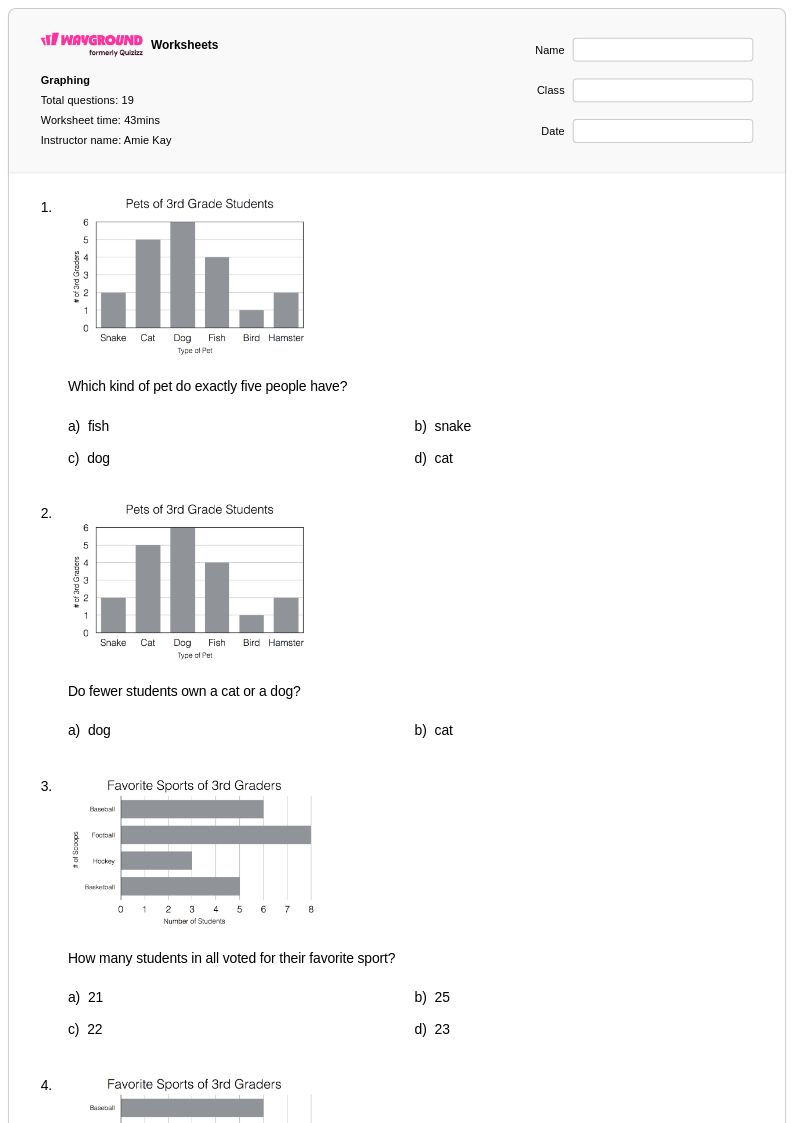
19 Q
2nd

13 Q
2nd
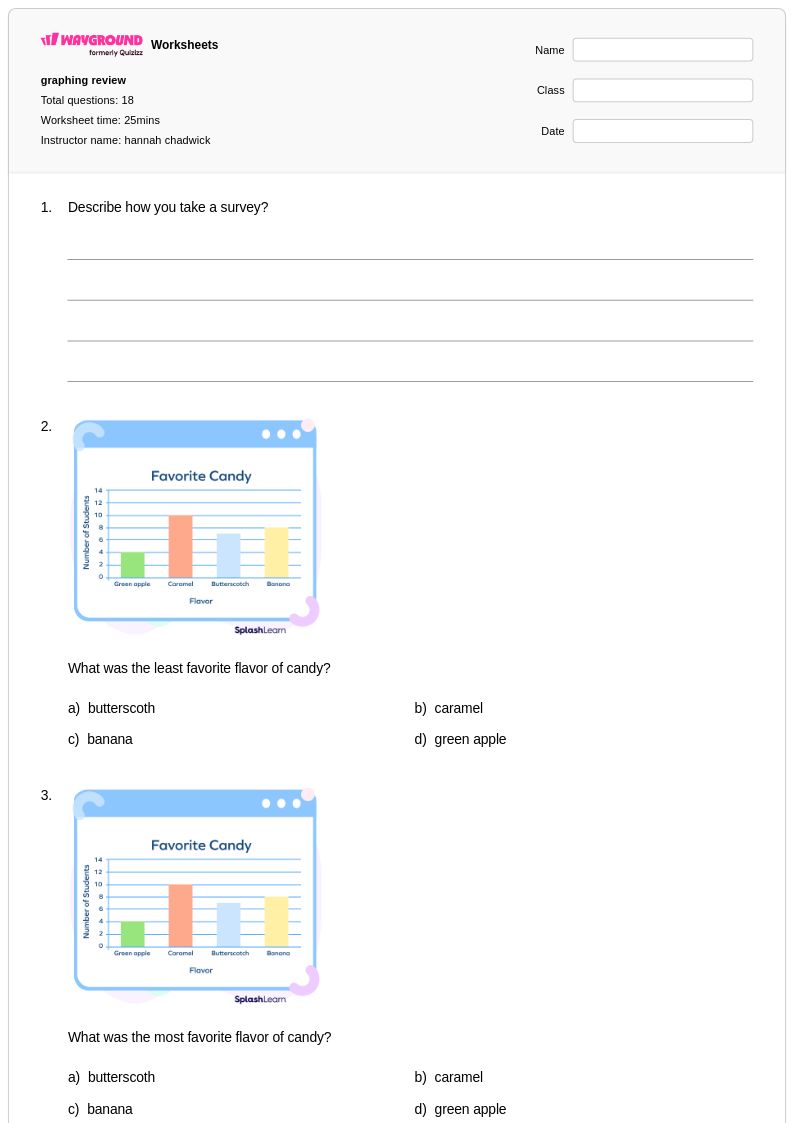
18 Q
2nd
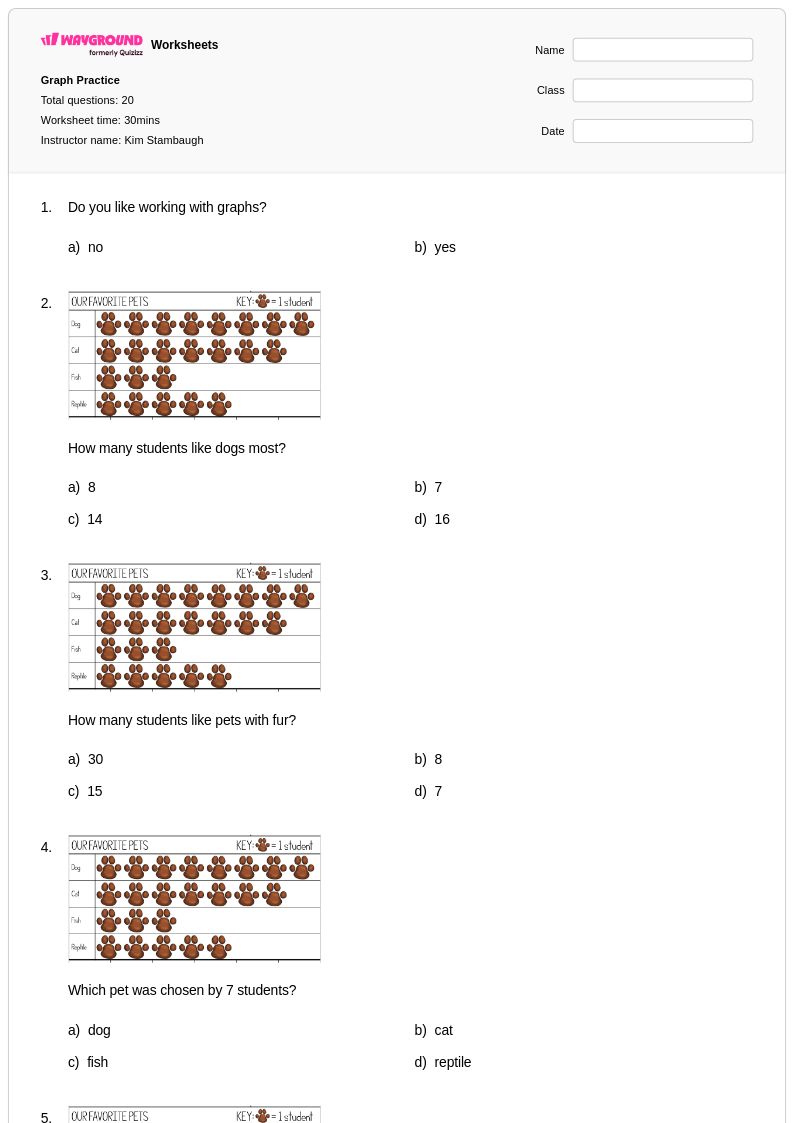
20 Q
2nd
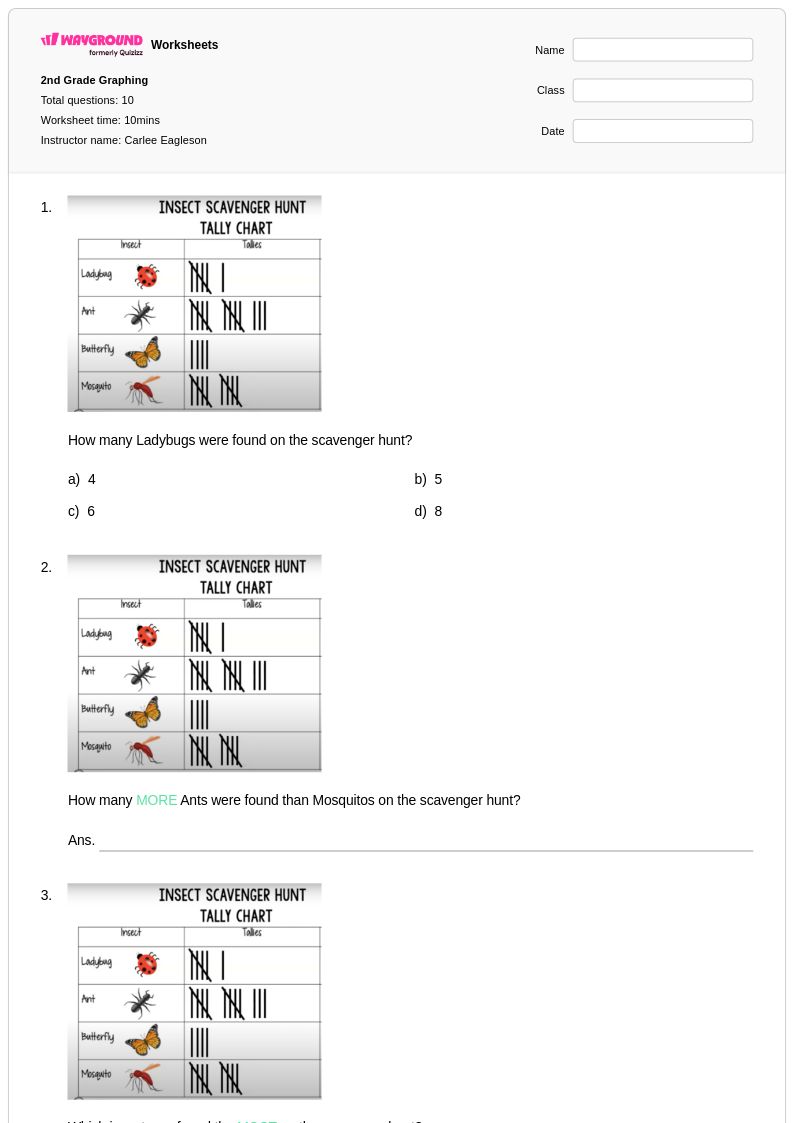
10 Q
2nd
16 Q
2nd
7 Q
2nd
10 Q
2nd - 3rd

19 Q
2nd
20 Q
2nd
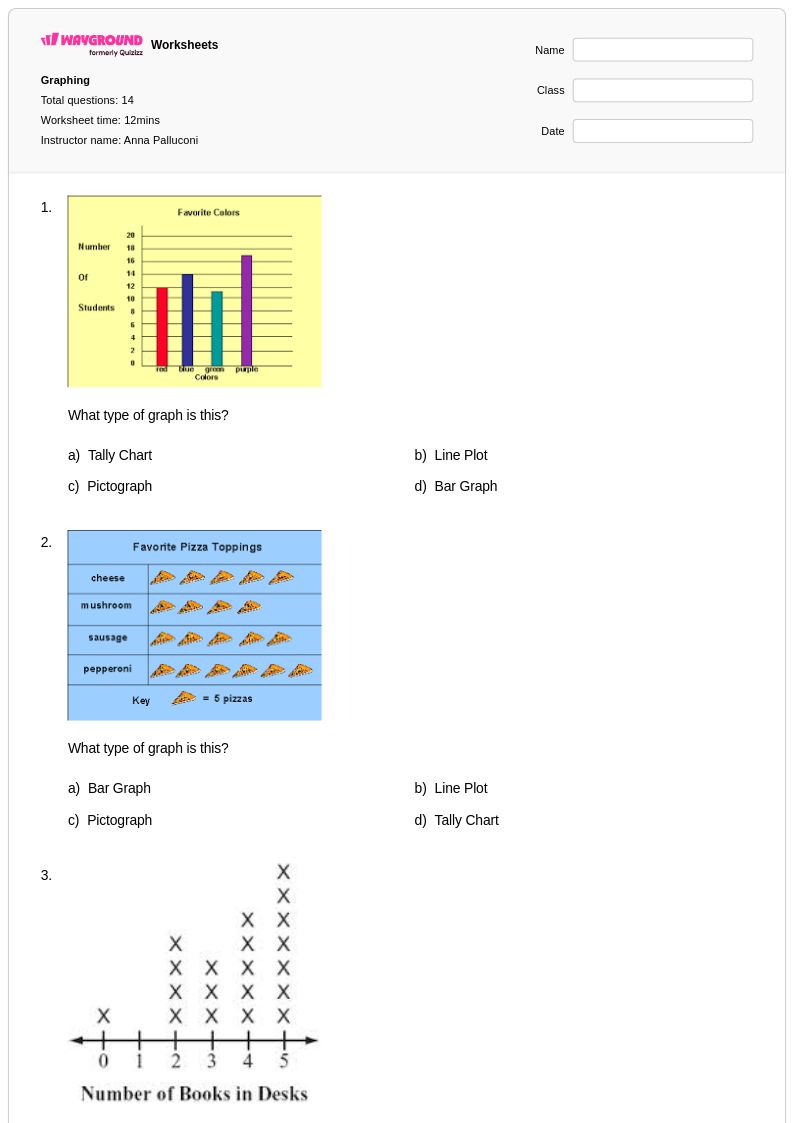
14 Q
2nd
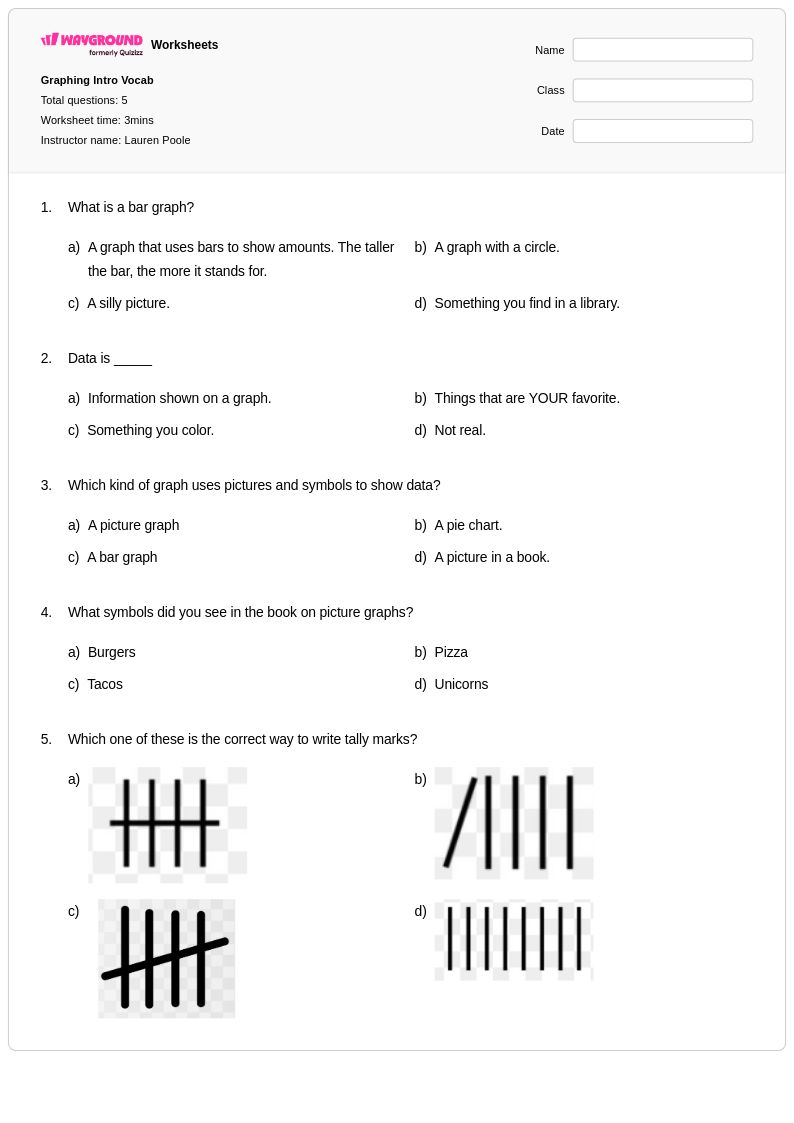
5 Q
1st - 3rd
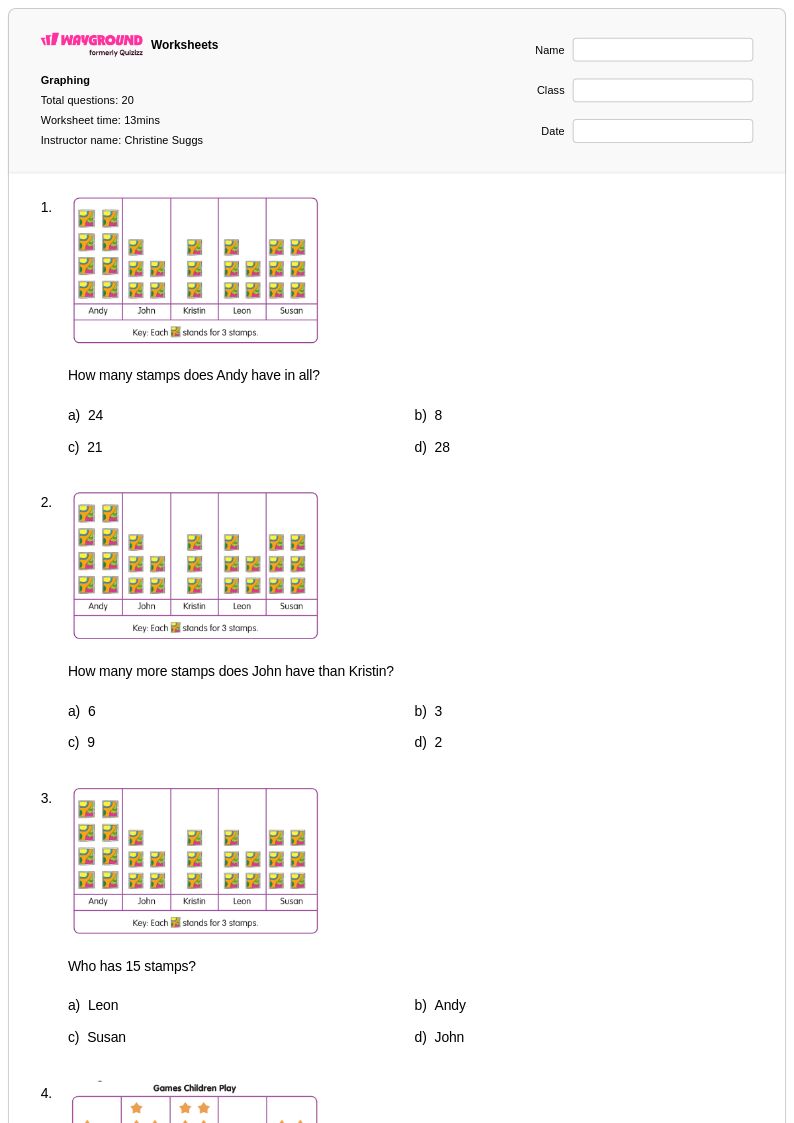
20 Q
2nd
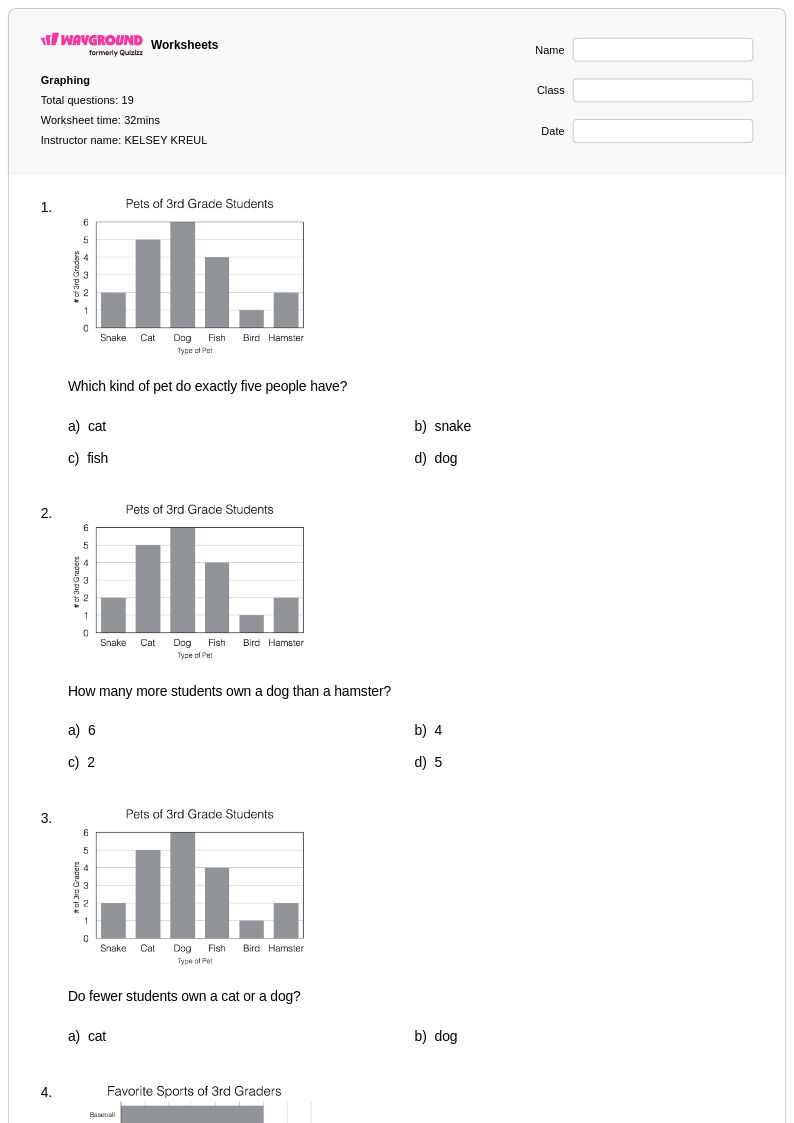
19 Q
1st - 3rd
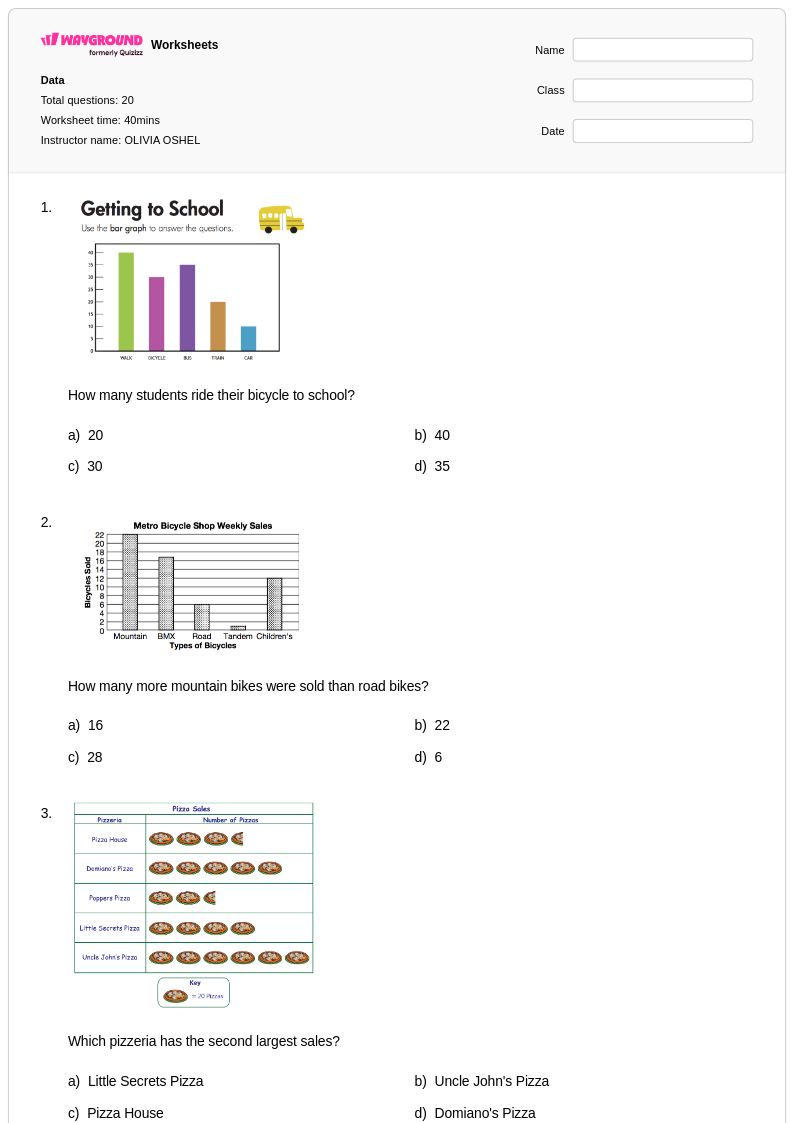
20 Q
2nd
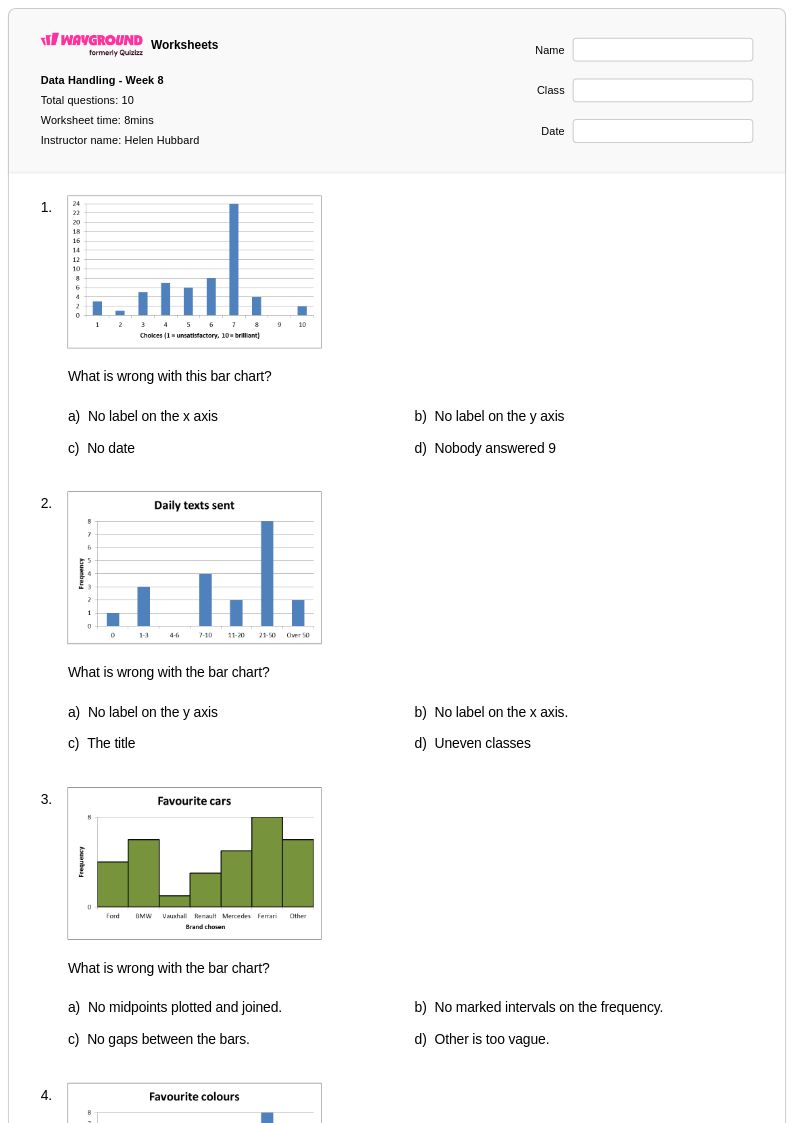
10 Q
KG - 11th
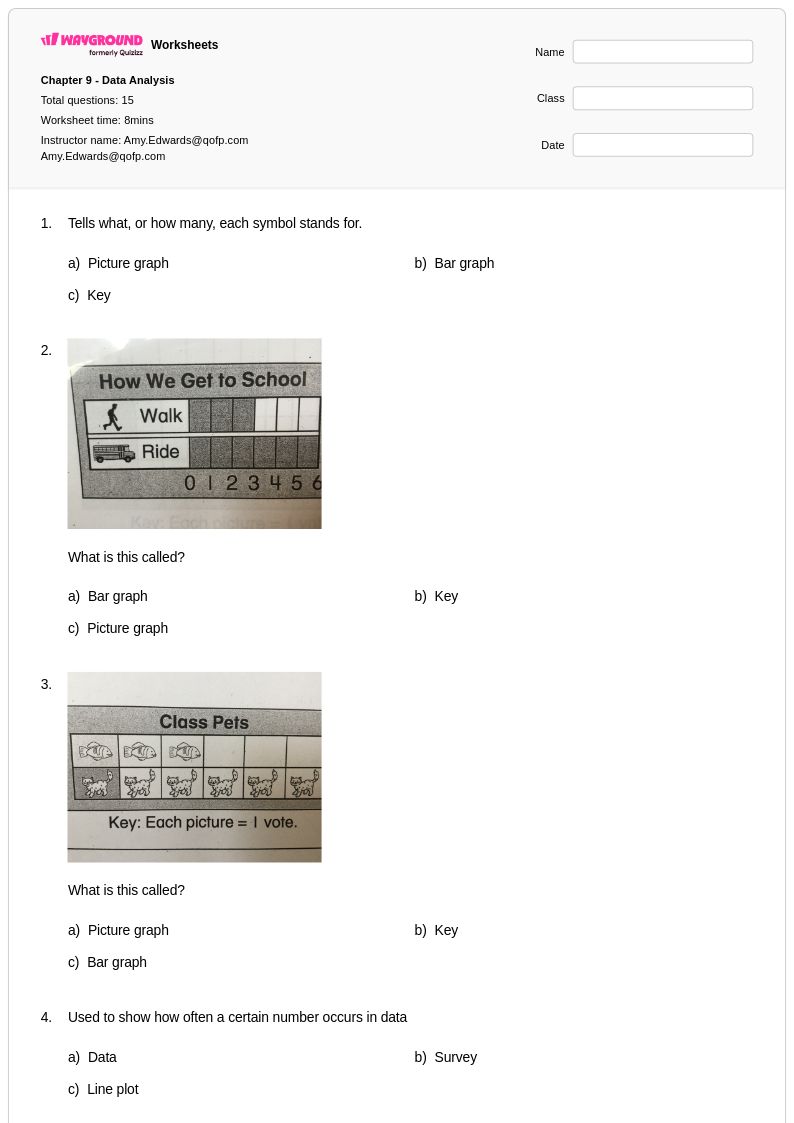
15 Q
2nd
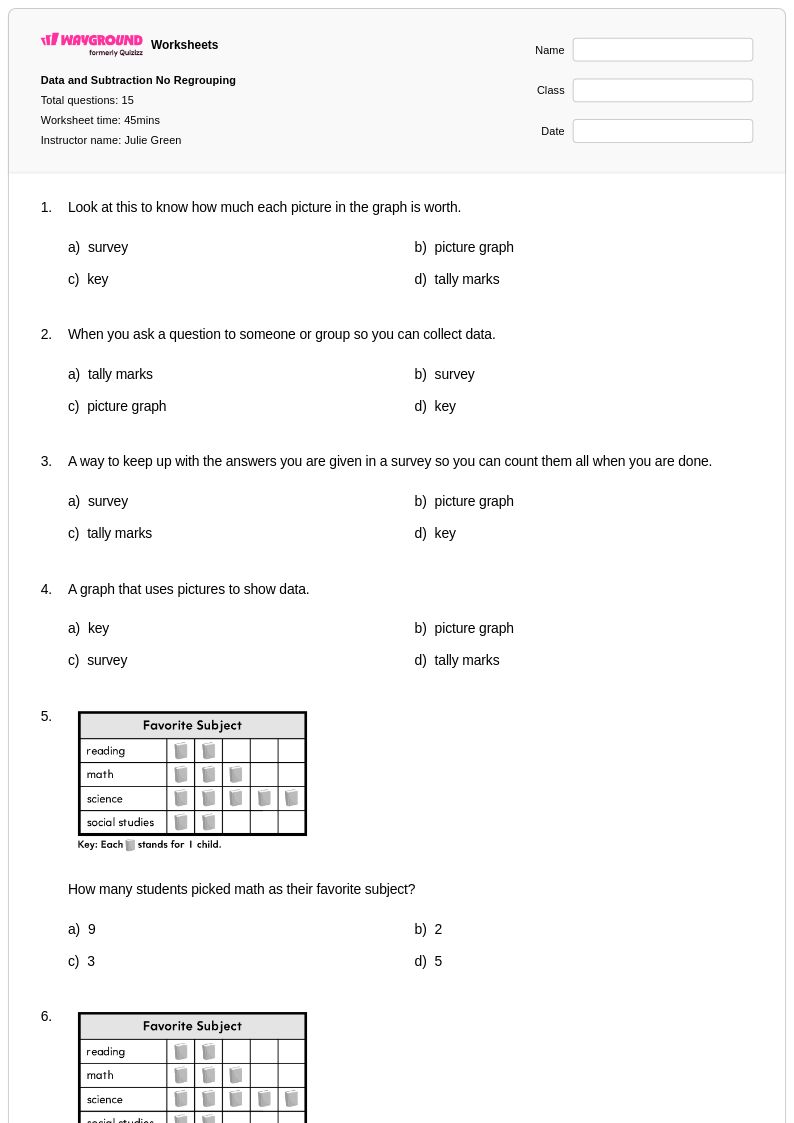
15 Q
2nd
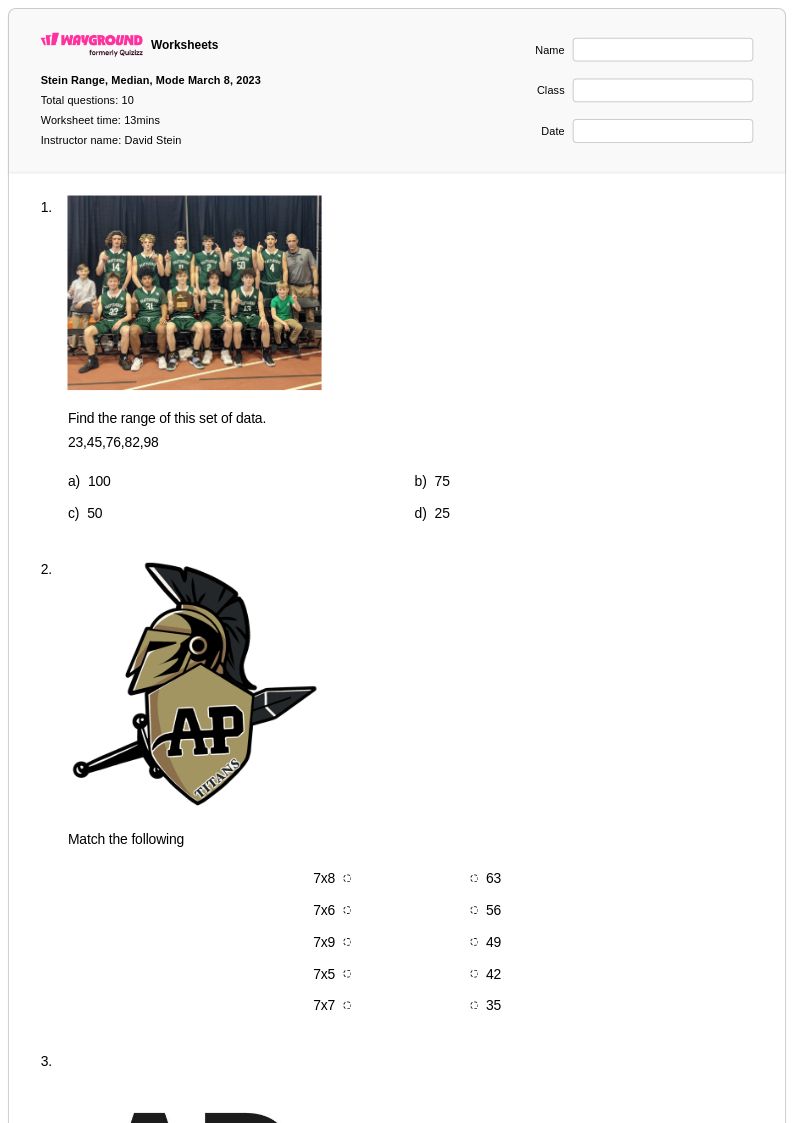
10 Q
2nd

10 Q
2nd
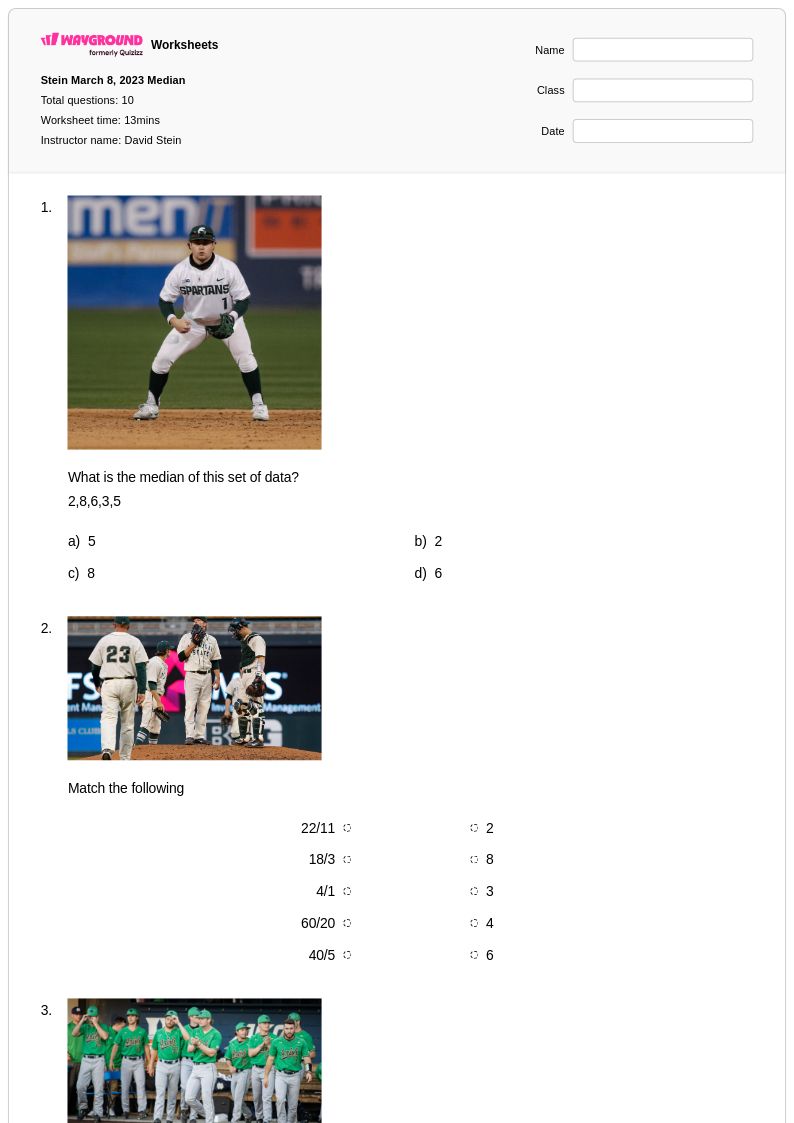
10 Q
2nd
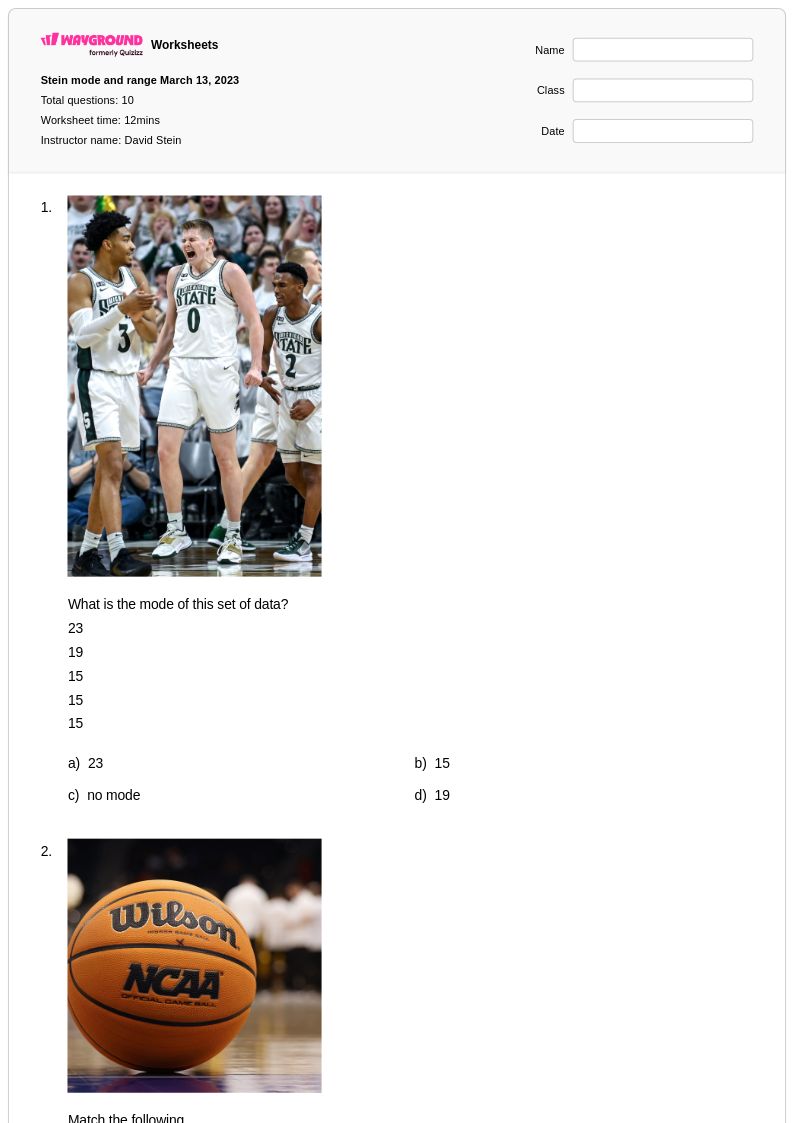
10 Q
2nd
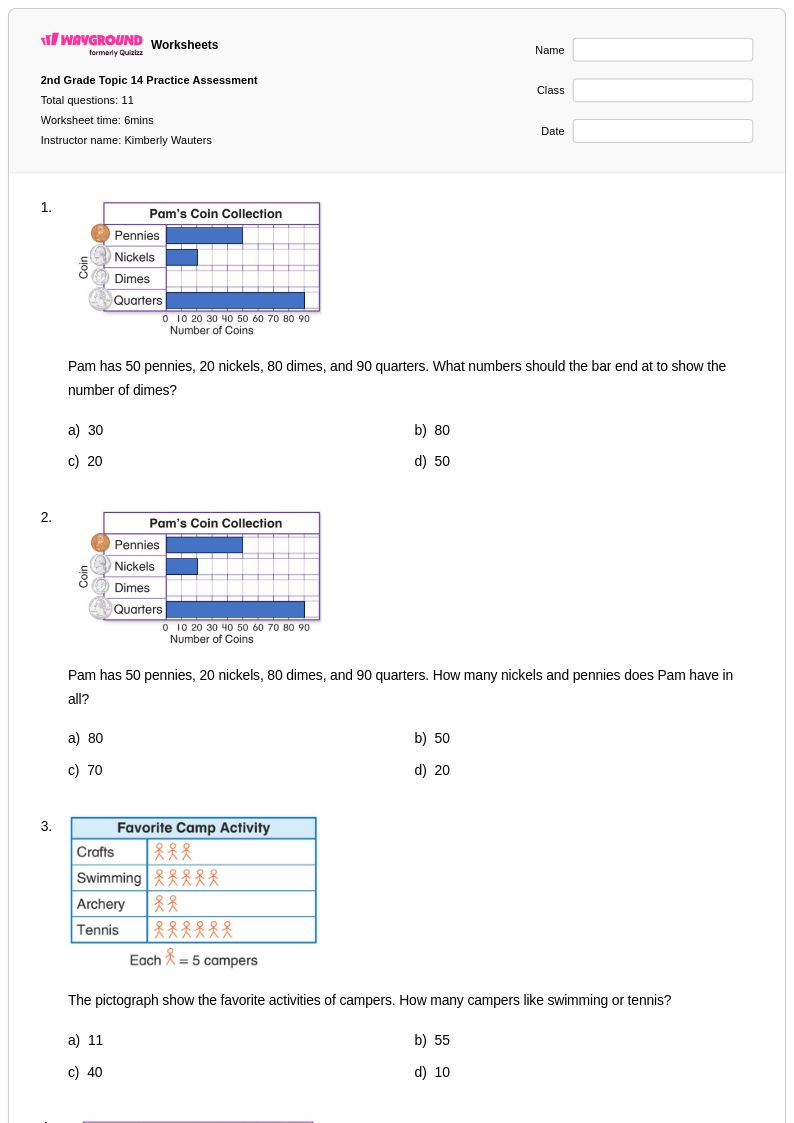
11 Q
2nd
12 Q
1st - Uni
Explore Data and Graphing Worksheets by Grades
Explore Data and Graphing Worksheets for year 2 by Topic
Explore Other Subject Worksheets for year 2
Explore printable Data and Graphing worksheets for Year 2
Data and graphing worksheets for Year 2 students available through Wayground (formerly Quizizz) provide essential foundation-building practice in organizing, interpreting, and representing information visually. These comprehensive resources strengthen critical mathematical thinking skills by guiding young learners through hands-on experiences with collecting data, creating simple charts and graphs, and drawing conclusions from visual representations. The worksheets feature age-appropriate scenarios such as counting favorite pets, tracking weather patterns, or organizing classroom survey results, making abstract concepts tangible and engaging. Each printable resource includes structured practice problems that progressively build complexity, from basic sorting and counting activities to creating pictographs and bar graphs, with accompanying answer keys that support both independent learning and guided instruction in pdf format.
Wayground (formerly Quizizz) empowers educators with an extensive collection of teacher-created data and graphing resources specifically designed for Year 2 mathematics instruction. The platform's millions of worksheets offer robust search and filtering capabilities that align with curriculum standards, enabling teachers to quickly locate materials that match specific learning objectives and skill levels. Advanced differentiation tools allow instructors to customize content difficulty and presentation style to meet diverse student needs, while flexible formatting options provide both digital and printable versions for seamless classroom integration. These comprehensive features streamline lesson planning and assessment preparation, supporting targeted remediation for struggling learners and enrichment opportunities for advanced students, ensuring every second-grade student develops strong foundational skills in data analysis and graphical representation.
FAQs
How do I teach data and graphing to second graders?
What exercises help second graders practice data and graphing?
What mistakes do second graders commonly make with pictographs and bar graphs?
How can I use Wayground Grade 2 data and graphing worksheets?
How does Grade 2 data and graphing align with Common Core math?
How can I differentiate Grade 2 data and graphing practice?