Free Printable Equal Values Method Worksheets for Year 6
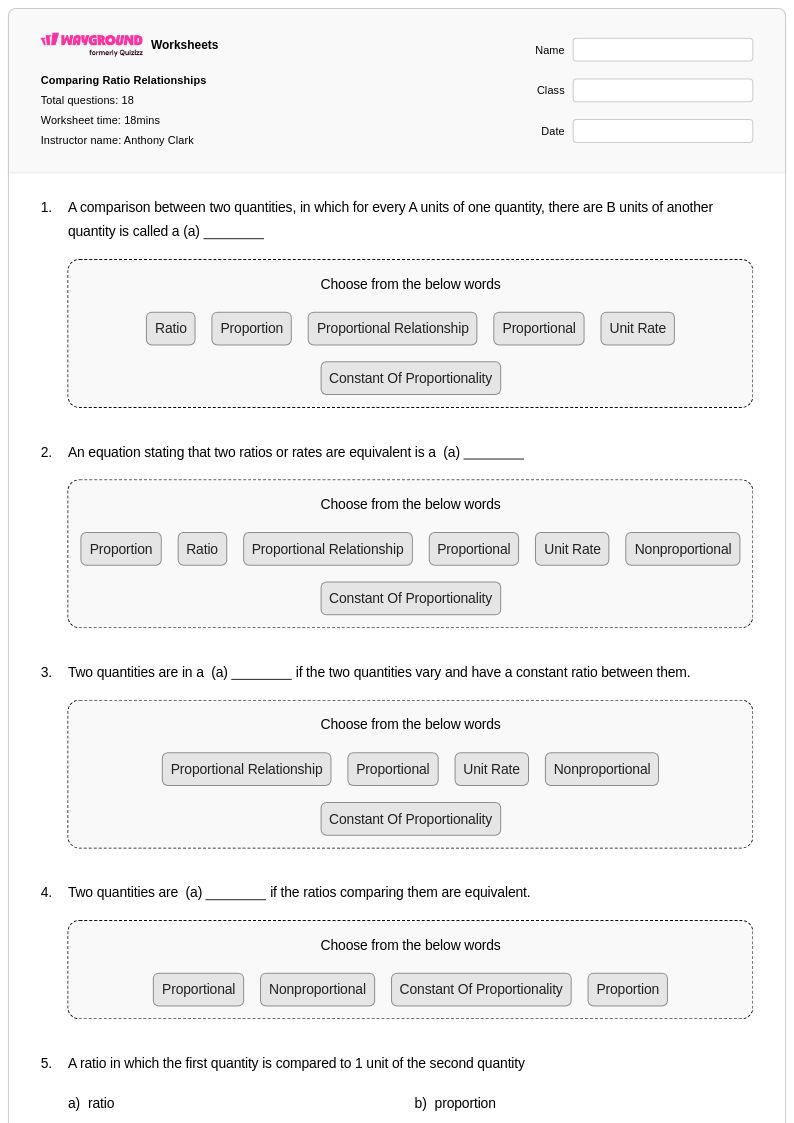
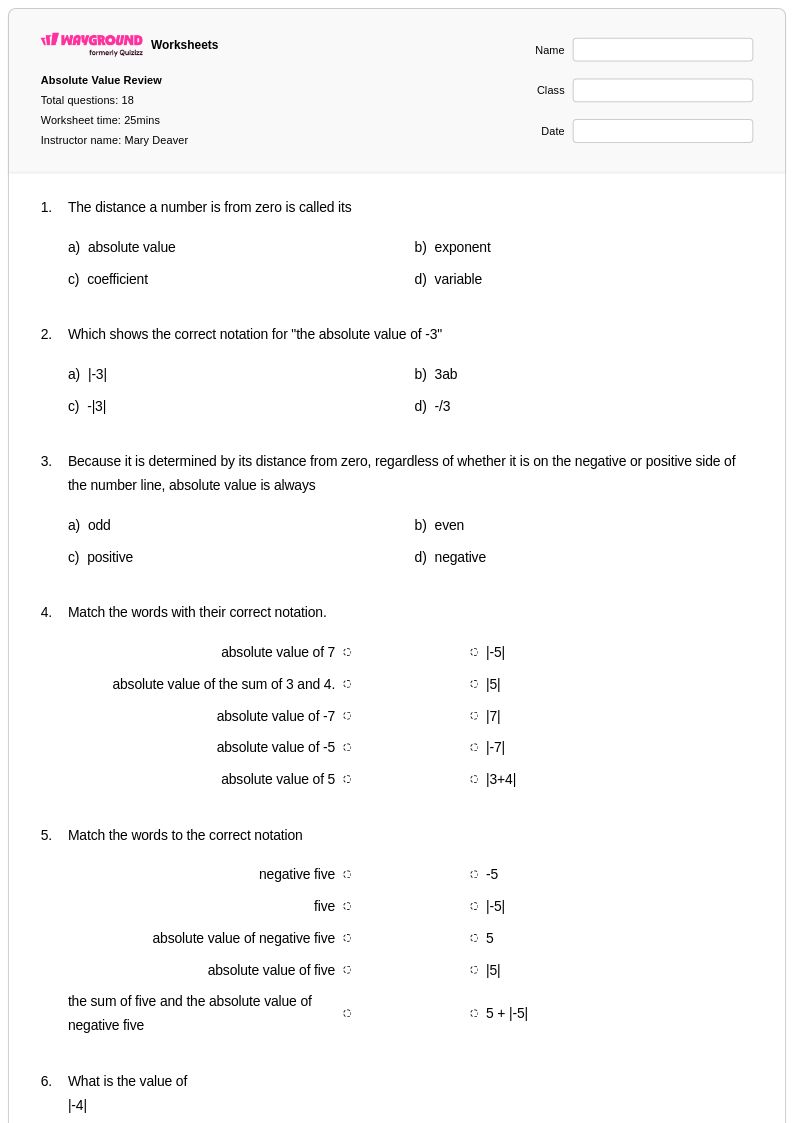
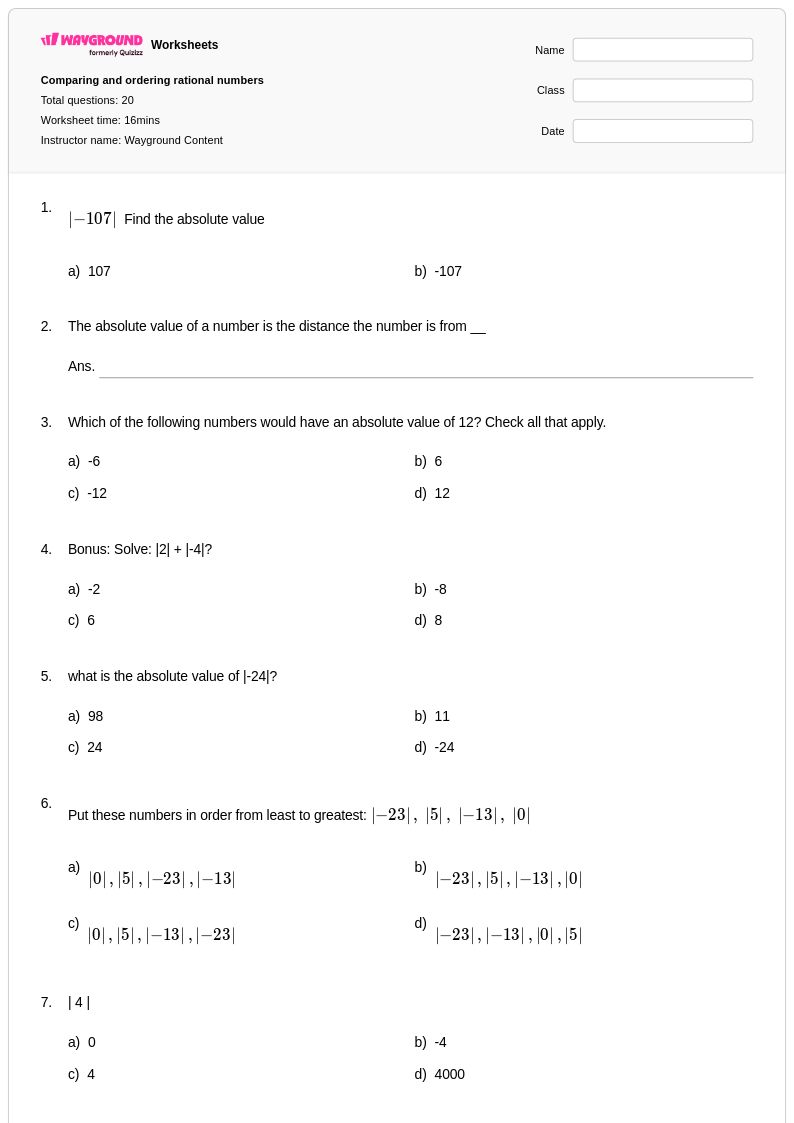
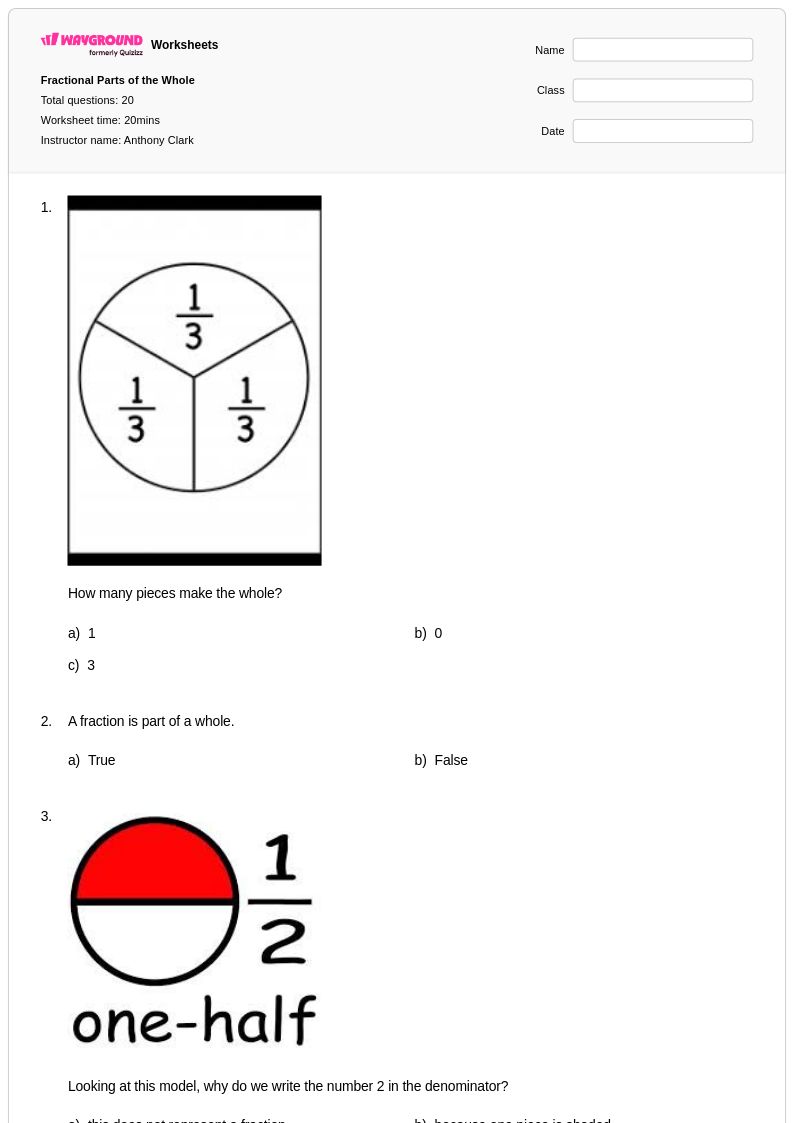
Year 6 Equal Values Method worksheets from Wayground provide free printable PDFs with practice problems and answer keys to help students master solving algebraic equations using substitution techniques.
Explore printable Equal Values Method worksheets for Year 6
Equal Values Method worksheets for Year 6 mathematics provide students with structured practice in solving algebraic equations by finding equivalent expressions and maintaining balance on both sides of an equation. These comprehensive printables help sixth graders develop critical thinking skills as they learn to isolate variables, apply inverse operations, and verify their solutions by substituting values back into original equations. The worksheet collections include varied practice problems that progress from simple one-step equations to more complex multi-step scenarios, complete with detailed answer keys that allow students to check their work independently and identify areas needing additional focus. These free resources strengthen foundational algebraic reasoning skills that prepare students for more advanced mathematical concepts while building confidence in equation-solving strategies.
Wayground, formerly Quizizz, empowers educators with an extensive library of millions of teacher-created Equal Values Method worksheets specifically designed for Year 6 algebra instruction. The platform's advanced search and filtering capabilities enable teachers to quickly locate resources aligned with curriculum standards and student proficiency levels, while built-in differentiation tools allow for seamless customization to meet diverse learning needs within the classroom. These versatile materials are available in both printable pdf format and interactive digital versions, making them ideal for lesson planning, targeted remediation sessions, enrichment activities, and independent skill practice. Teachers can efficiently modify existing worksheets or combine multiple resources to create comprehensive practice sets that address specific learning objectives and support varied instructional approaches throughout their algebra curriculum.
FAQs
How do I teach the Equal Values Method to 6th graders?
At Grade 6, the Equal Values Method is really an introduction to the idea that two different-looking expressions can represent the same number. Ground it in something concrete first: if a bag of apples costs the same as 3 oranges plus $1, and you know the cost of oranges, you can find the bag's price. From there, translate that reasoning into equations. Keep early problems to one variable and simple operations — students at this level are still solidifying inverse operations, so the method should feel like a natural extension of what they already know about balancing equations, not a new algorithm.
What exercises help 6th graders practice the Equal Values Method?
Start with one-step equations where both sides are already expressed in terms of the same variable, so students can focus purely on the logic of setting them equal. Once that clicks, move to two-step problems that require one inverse operation before solving. Wayground's Grade 6 worksheets progress through this range, and the included answer keys let students verify each step independently — which matters at this level, where catching a sign error early prevents it from becoming a habit.
What mistakes do 6th graders commonly make with the Equal Values Method?
The most common error is treating the equals sign as a signal to 'do something' rather than as a statement of balance — students will solve one side and ignore the other. A close second is skipping the verification step: they find a value for x but don't substitute it back to confirm both sides are actually equal. At Grade 6, it's worth making substitution-and-check a non-negotiable part of every problem, not an optional last step.
How do I use these Grade 6 Equal Values Method worksheets?
Wayground worksheets are available as printable PDFs and as digital quizzes you can assign directly on the platform. For independent practice or homework, the PDF works well — every worksheet includes a complete answer key so students can self-check without waiting for you to grade. If you want immediate visibility into where the class is struggling, assign it as a digital quiz and review results before the next lesson.
What grade level is the Equal Values Method typically taught?
The foundational concept — that two equivalent expressions can be set equal to solve for an unknown — is introduced in Grade 6 as part of early algebraic reasoning. Students revisit and extend it in Grades 7 and 8 as equations become more complex, eventually applying it formally to systems of linear equations. The Grade 6 version focuses on single-variable equations and building the habit of checking solutions.
Is the Equal Values Method aligned to Common Core for 6th grade?
Common Core introduces algebraic equations in Grade 6, where students are expected to understand that solving an equation means finding the value that makes it true and to use substitution to verify solutions. The Equal Values Method at this grade level directly supports that standard: students practice recognizing equivalent expressions, isolating variables using inverse operations, and confirming answers by substituting back. It builds toward the multi-step equation work formalized in Grade 7.
How can I support diverse learners with these worksheets?
For students who find multi-step directions overwhelming, Wayground's reduced answer choices option narrows the decision space so they can focus on the equation logic itself. The Read Aloud feature helps students who struggle with reading decode word problems without that becoming the obstacle. You can also generate a version of the worksheet with wider font spacing or a larger font size for students who need it — a small adjustment that makes a real difference in readability without changing the math.