
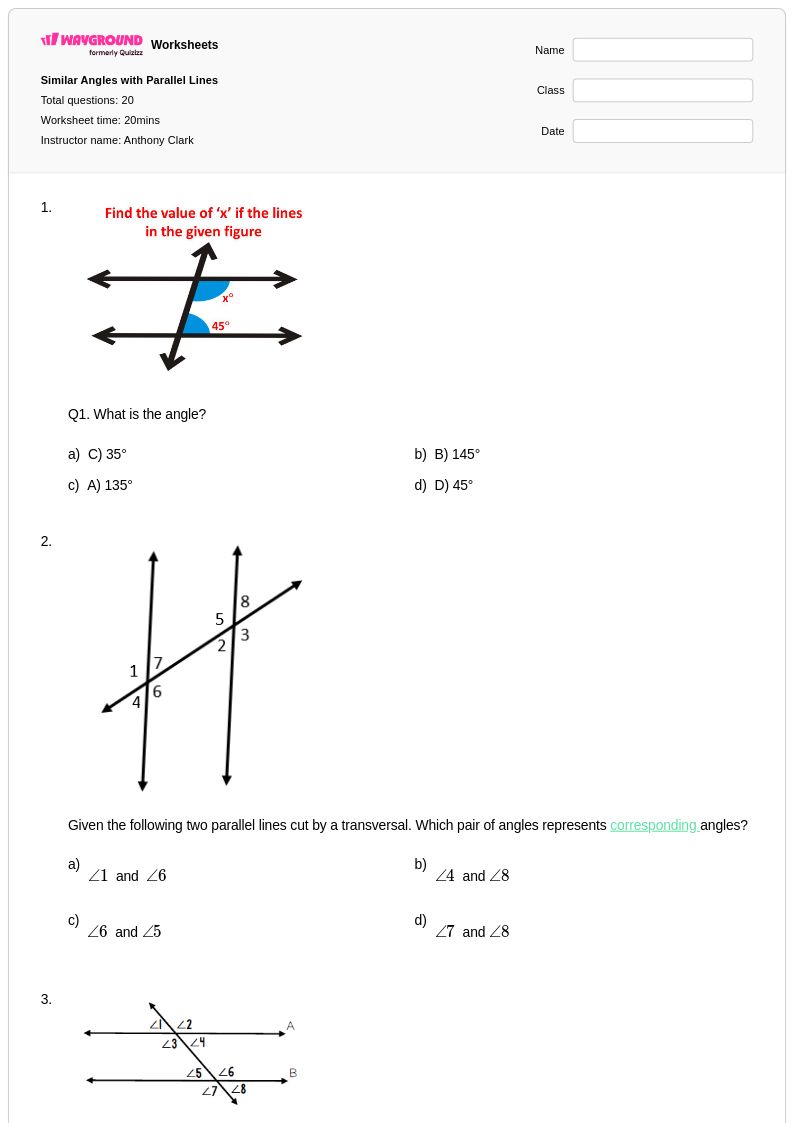
20 Q
9th - Uni
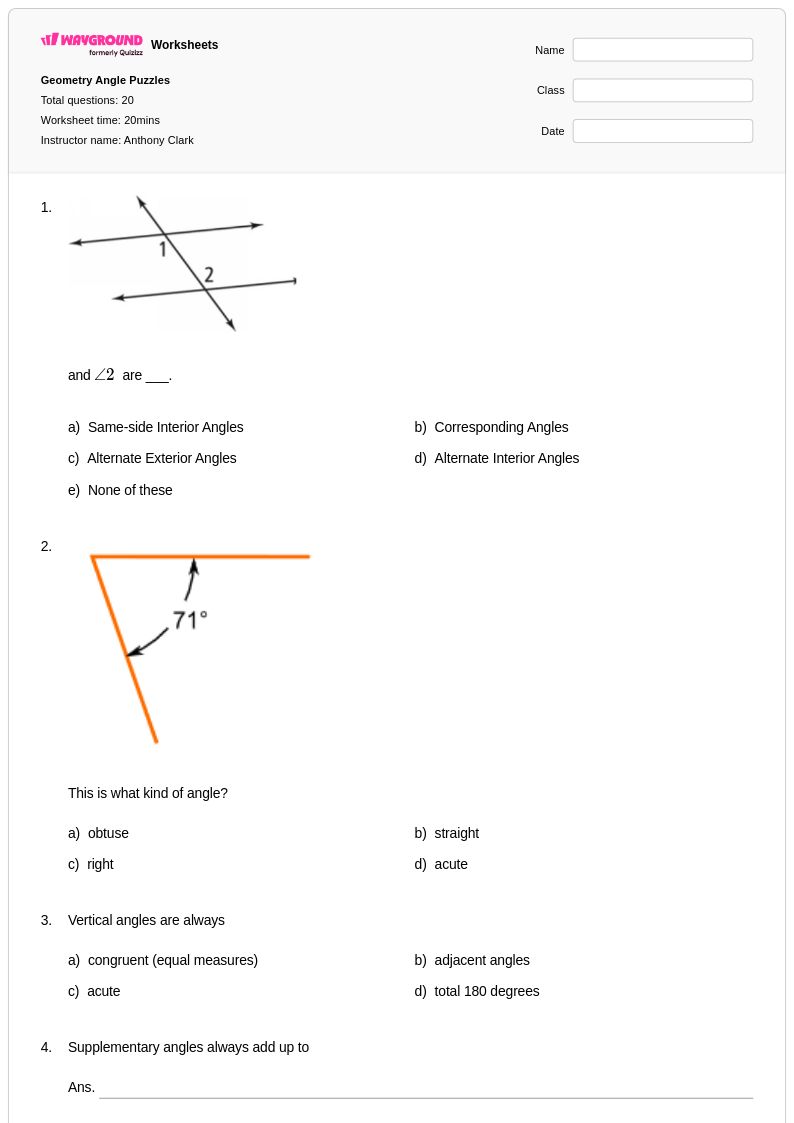
20 Q
10th - Uni
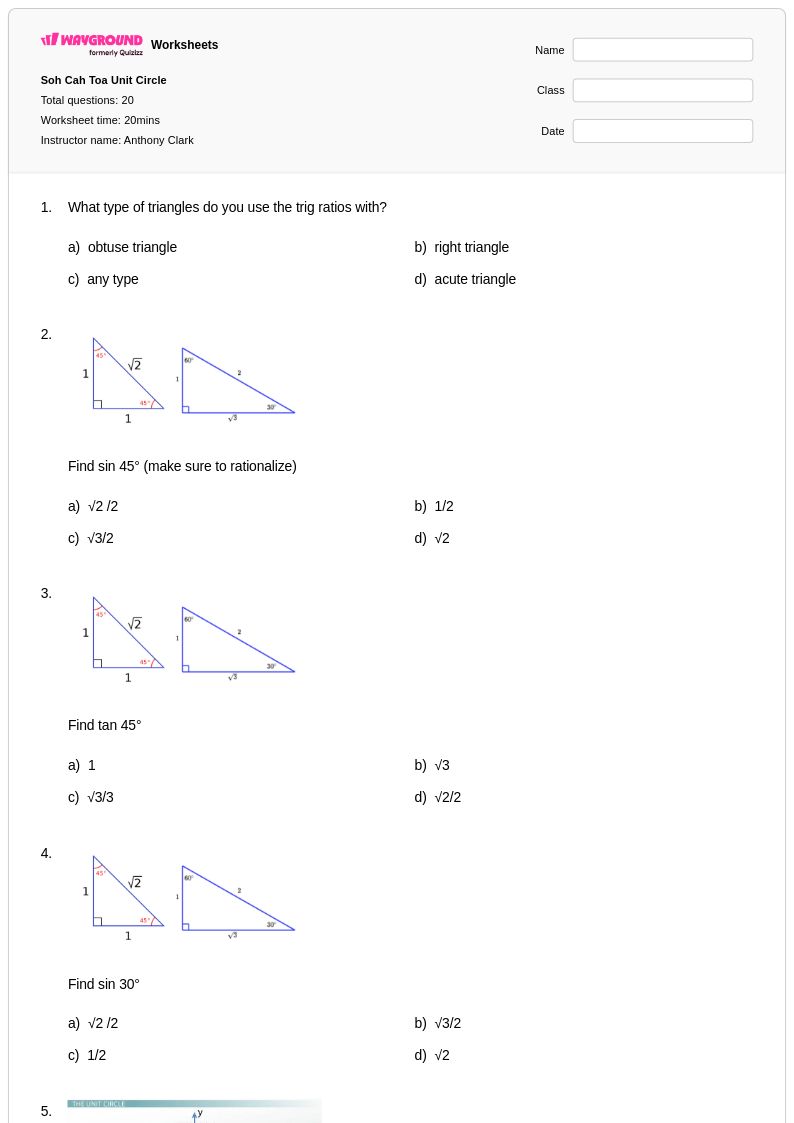
20 Q
10th - Uni
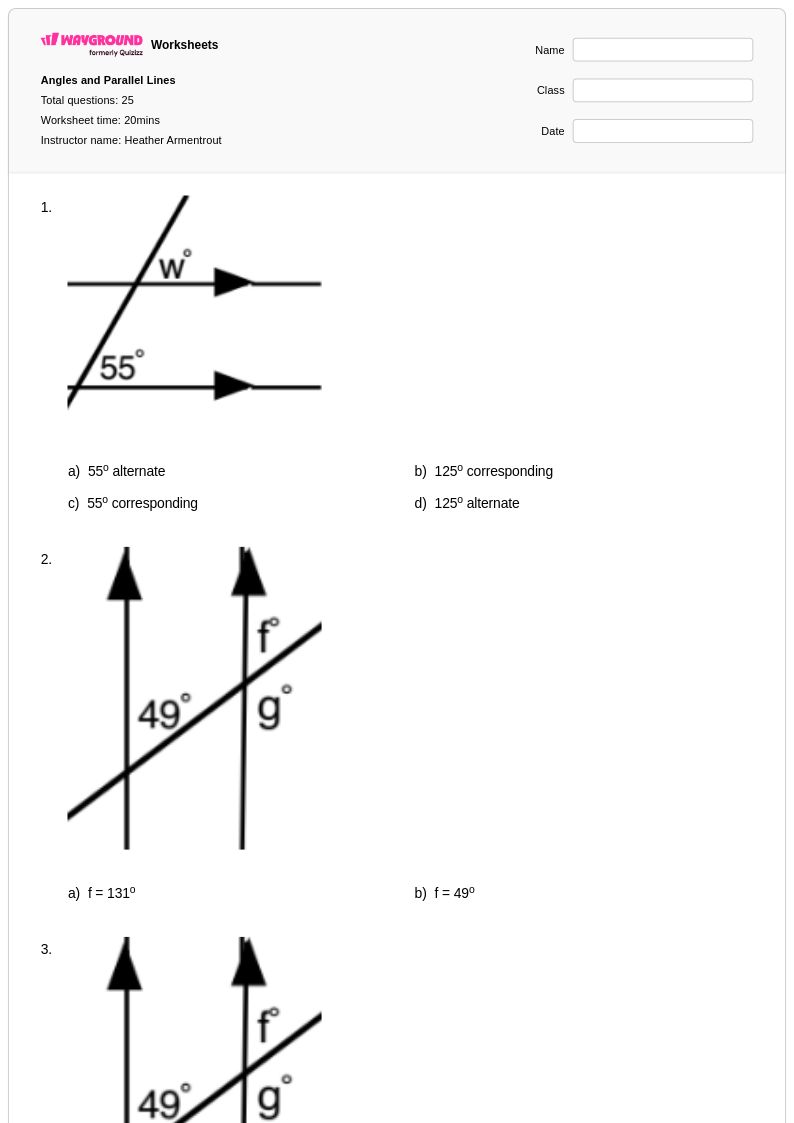
25 Q
7th - 12th
13 Q
9th - 12th
19 Q
10th - Uni
20 Q
11th - Uni
26 Q
12th
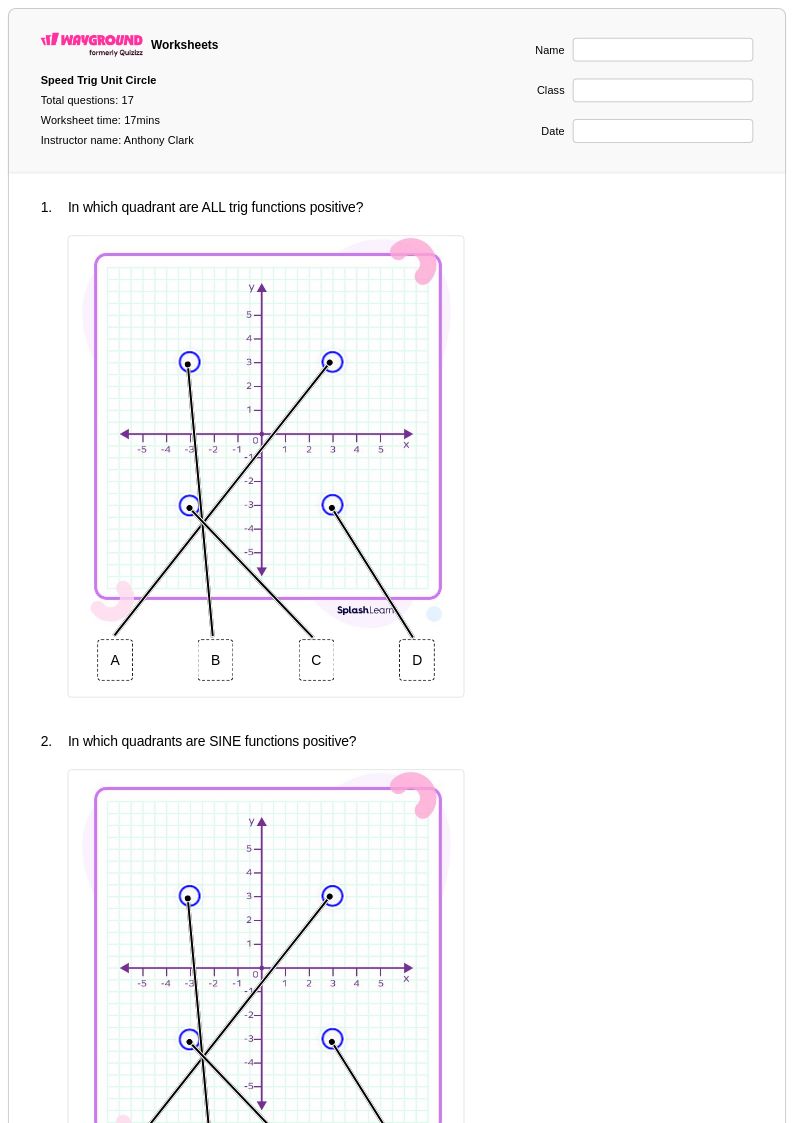
17 Q
12th - Uni
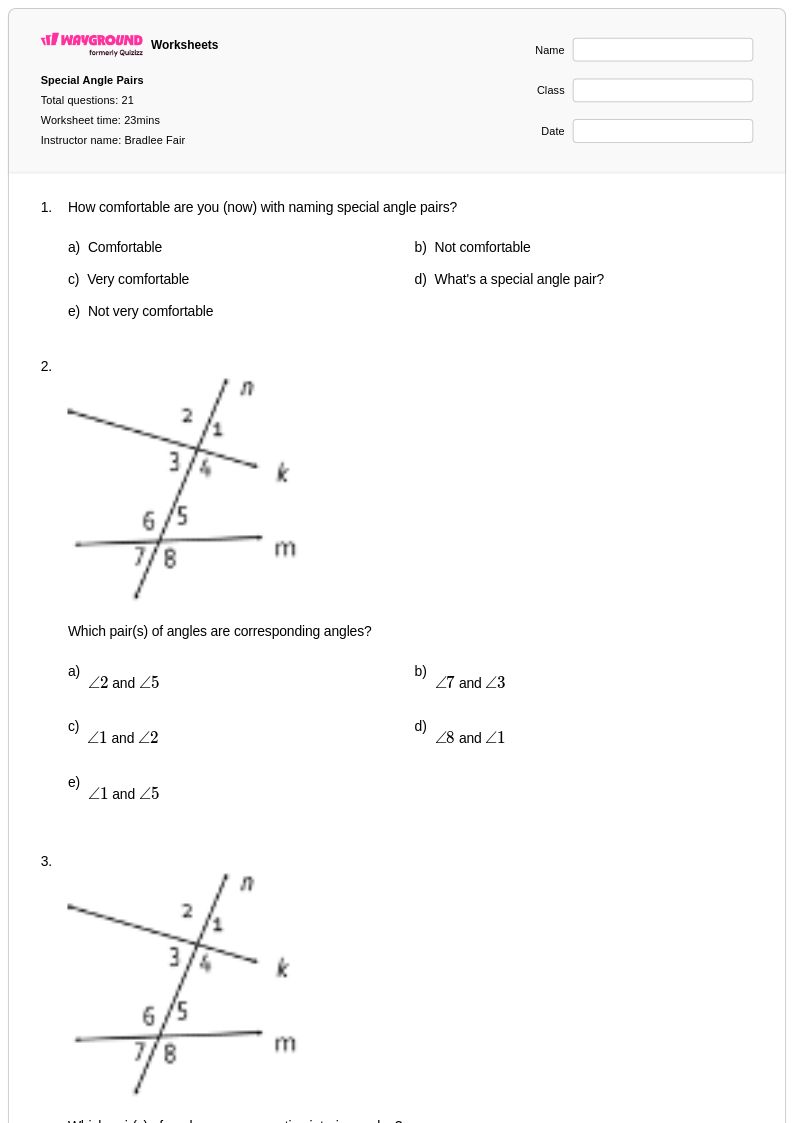
21 Q
9th - 12th
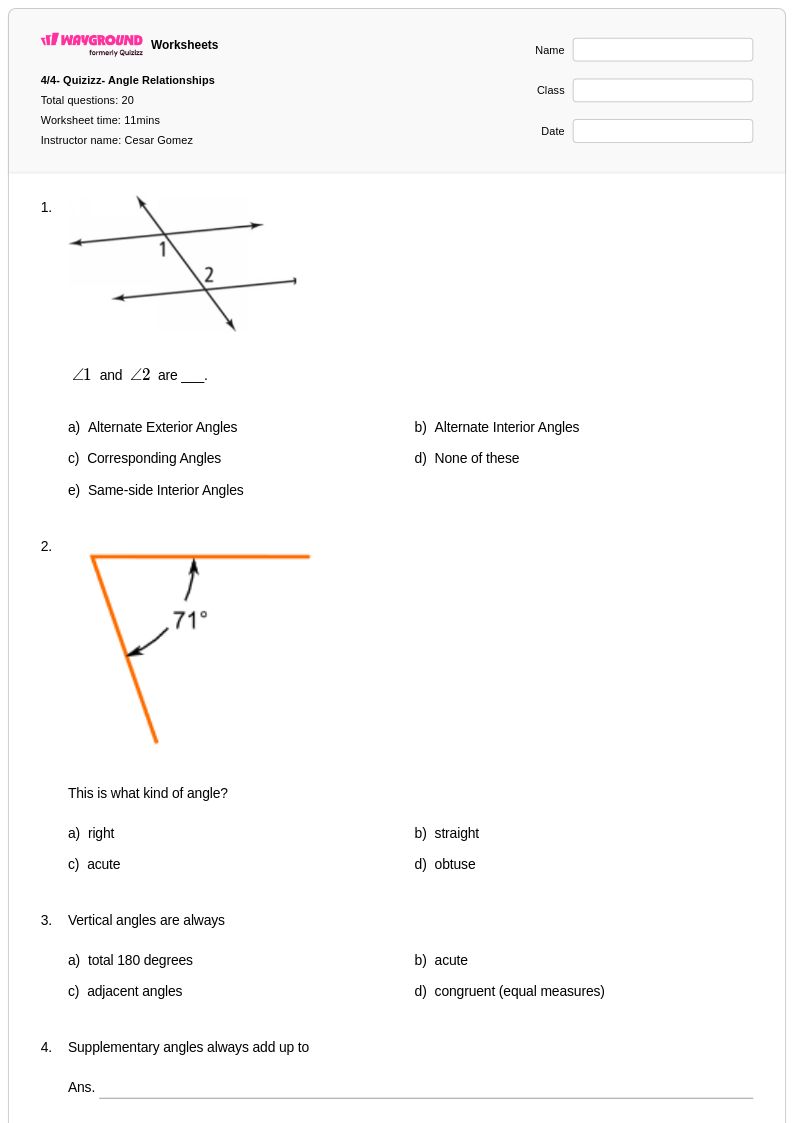
20 Q
9th - 12th
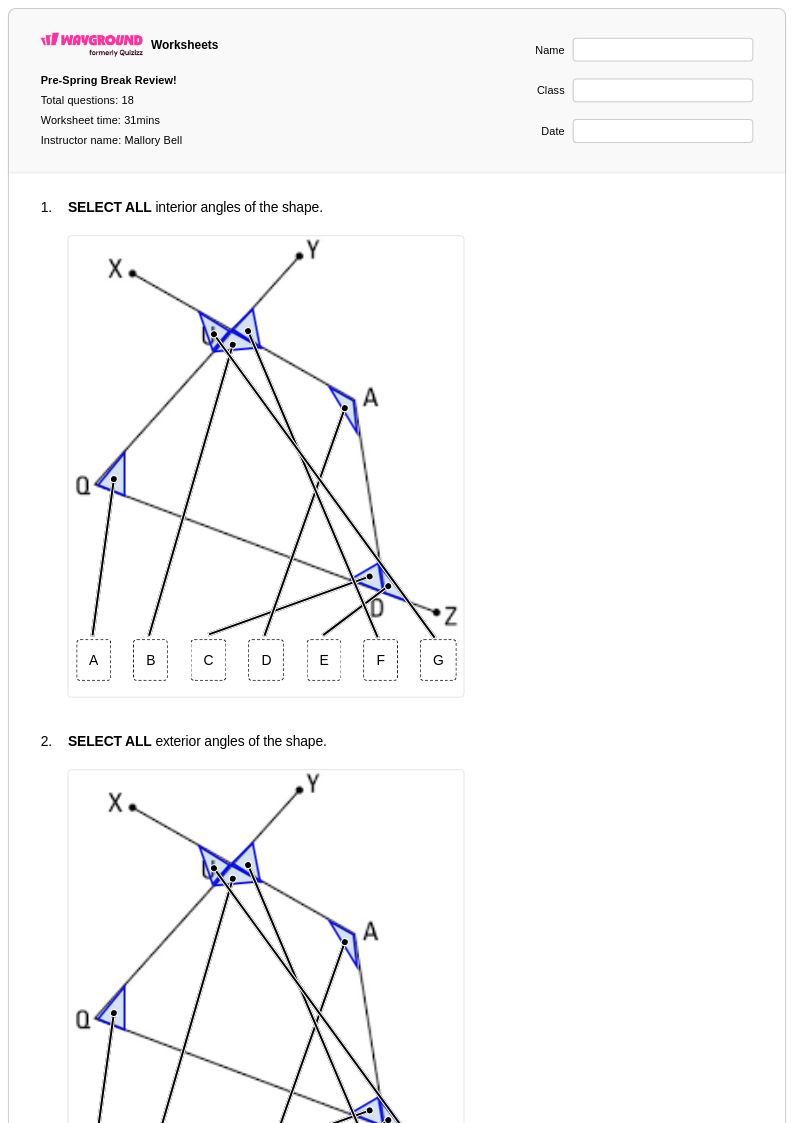
18 Q
9th - 12th
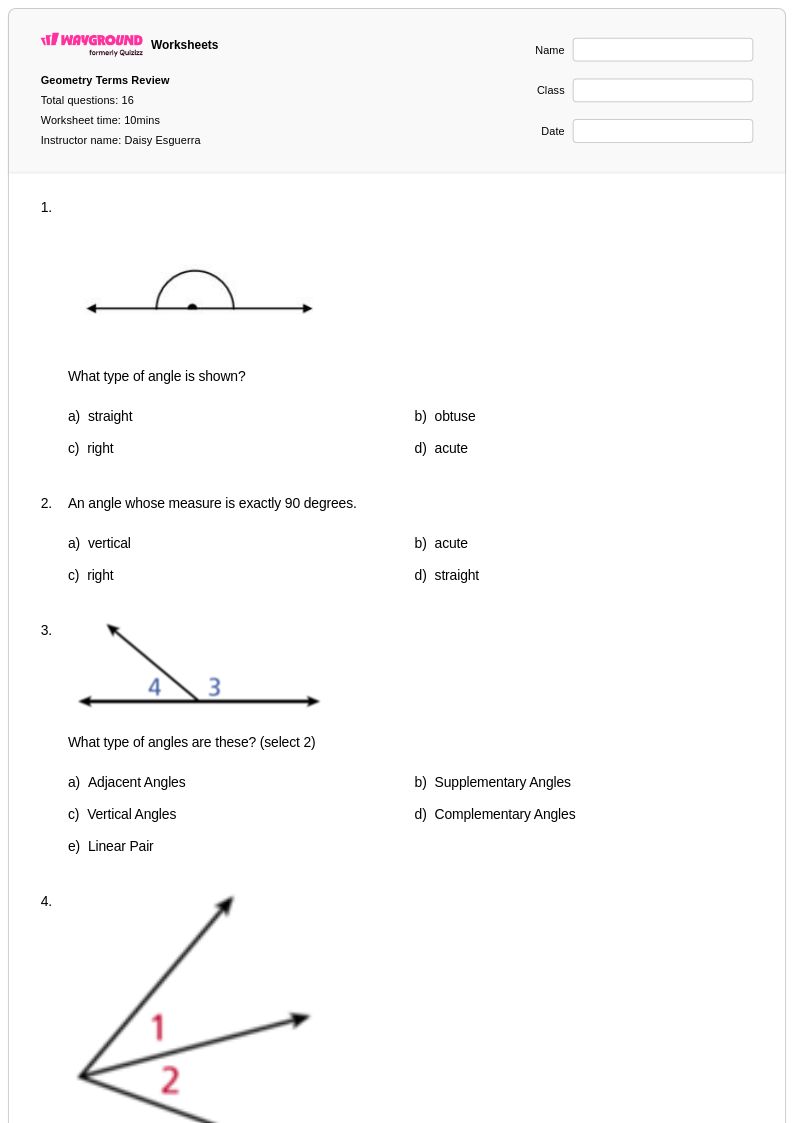
16 Q
9th - 12th

21 Q
12th
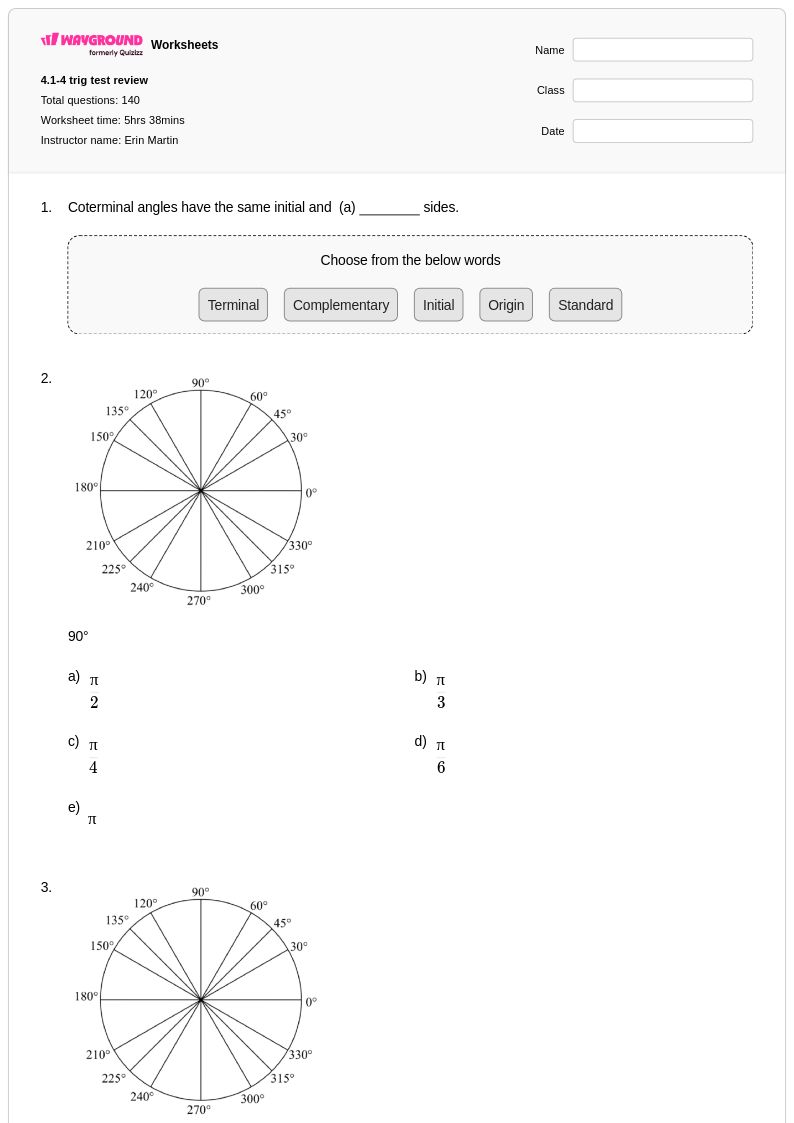
138 Q
9th - 12th
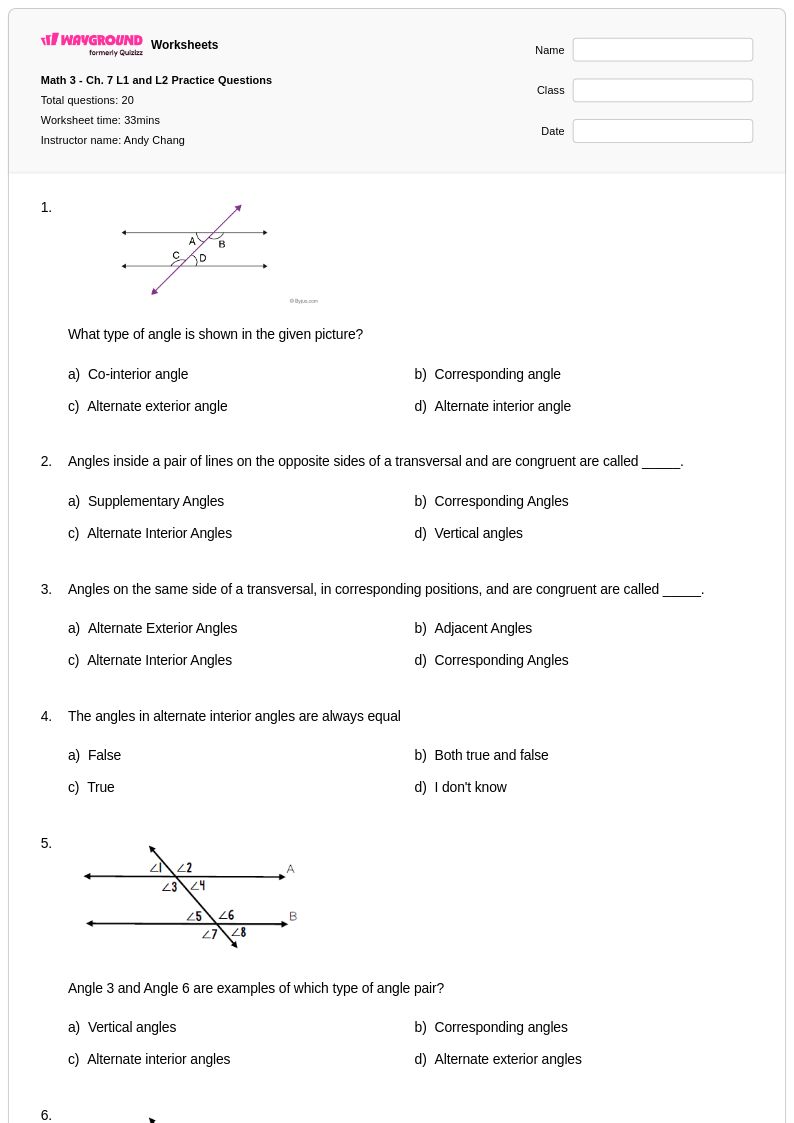
20 Q
8th - Uni
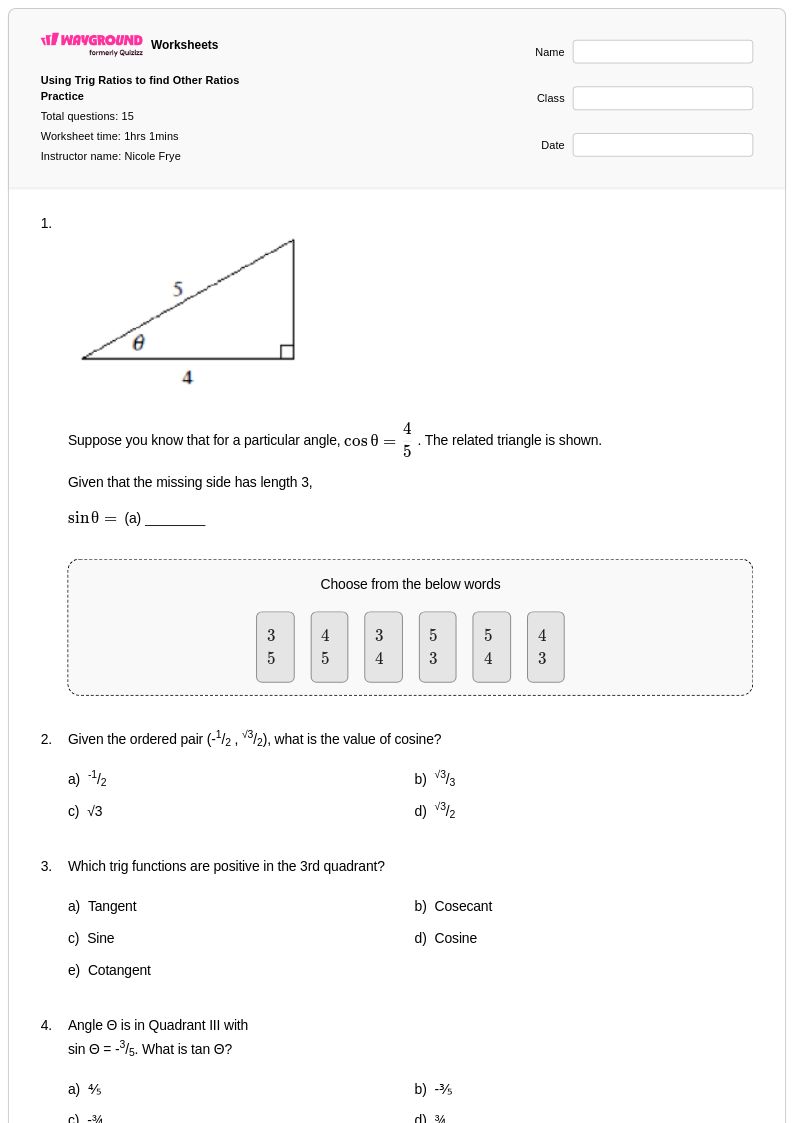
15 Q
12th
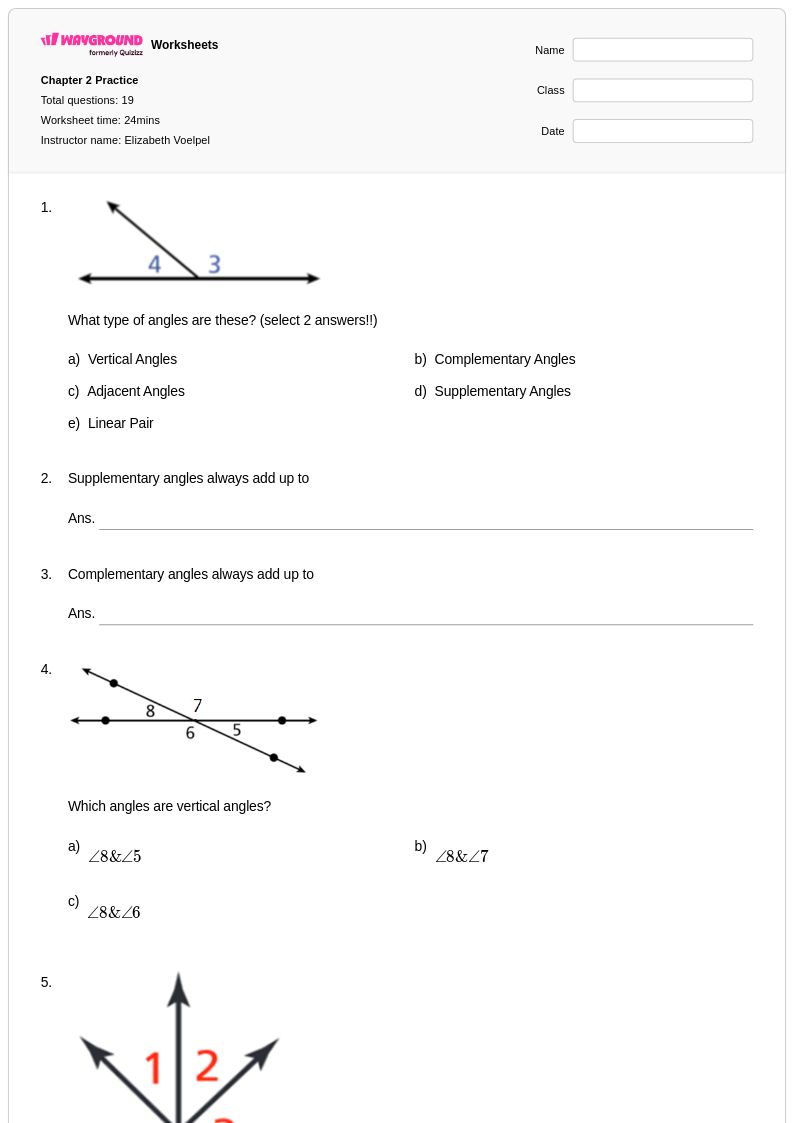
19 Q
10th - 12th
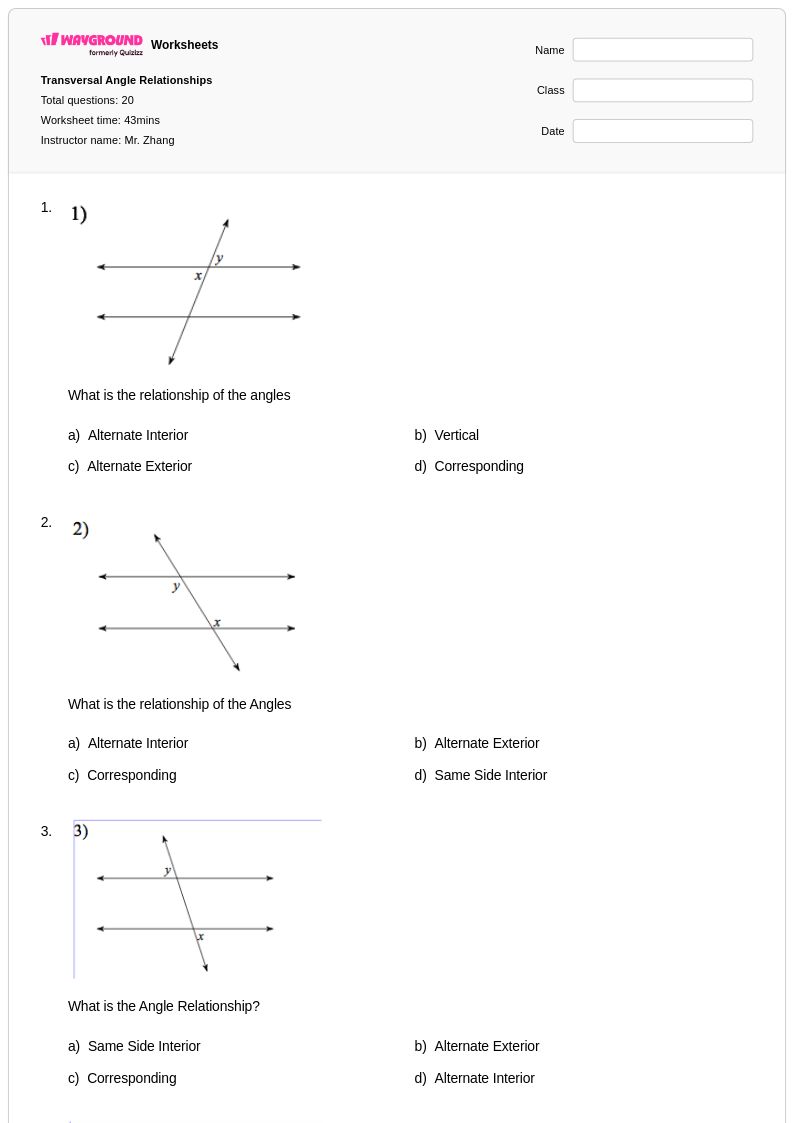
20 Q
8th - 12th
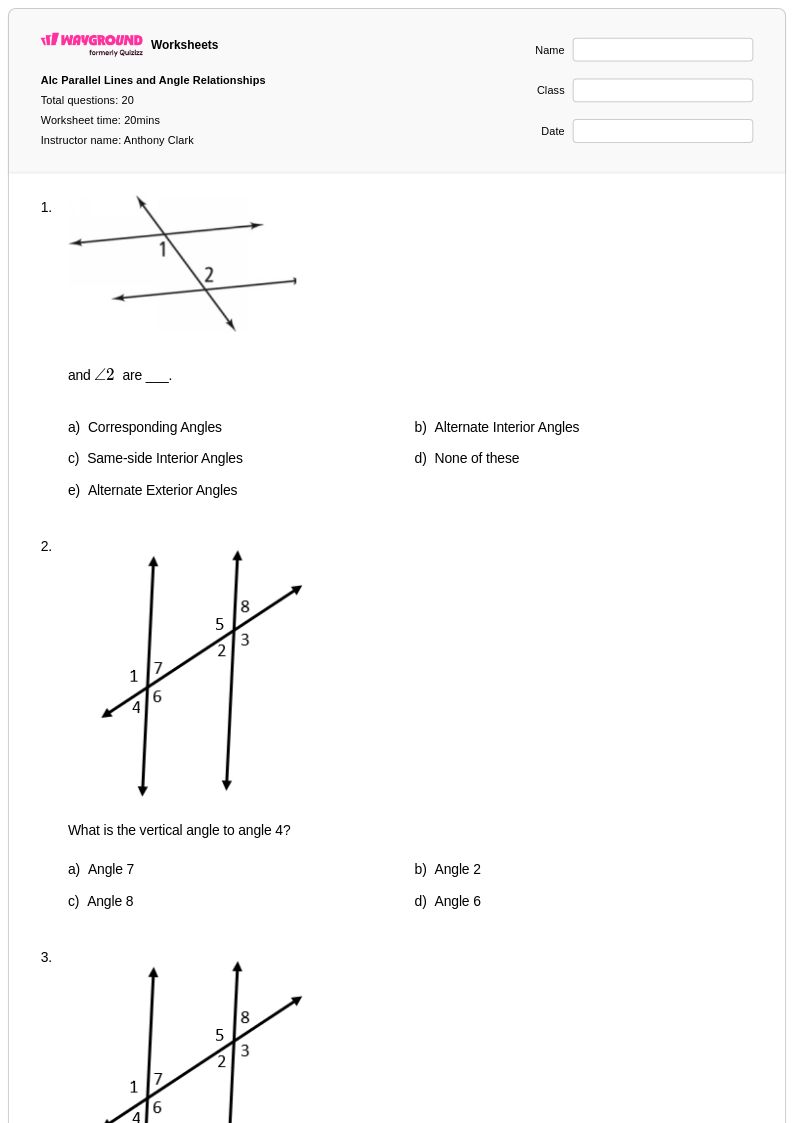
20 Q
10th - Uni
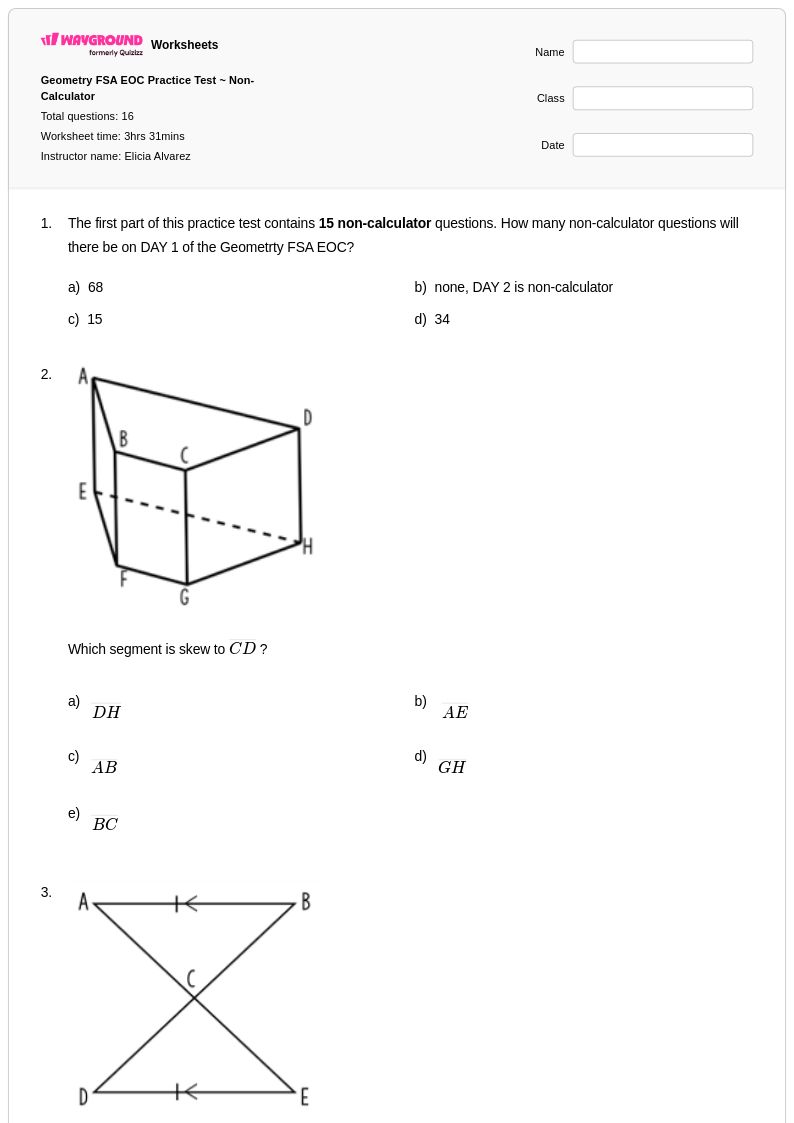
16 Q
6th - 12th
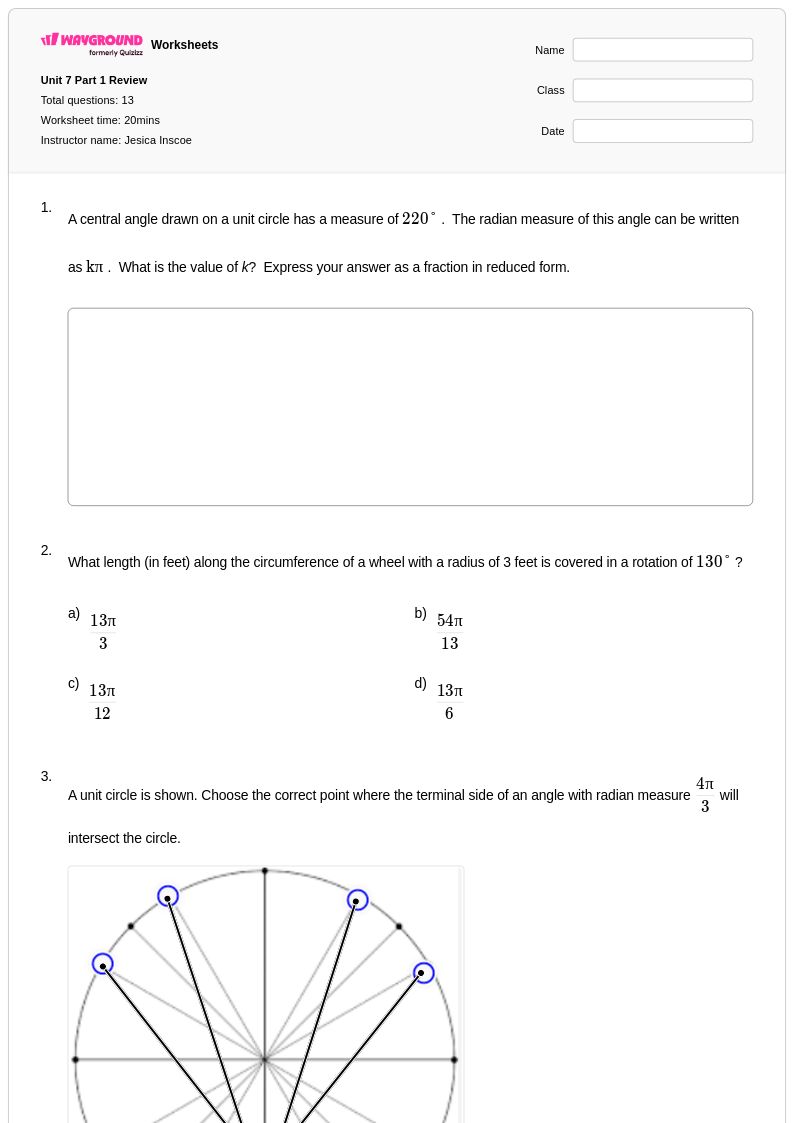
13 Q
9th - 12th
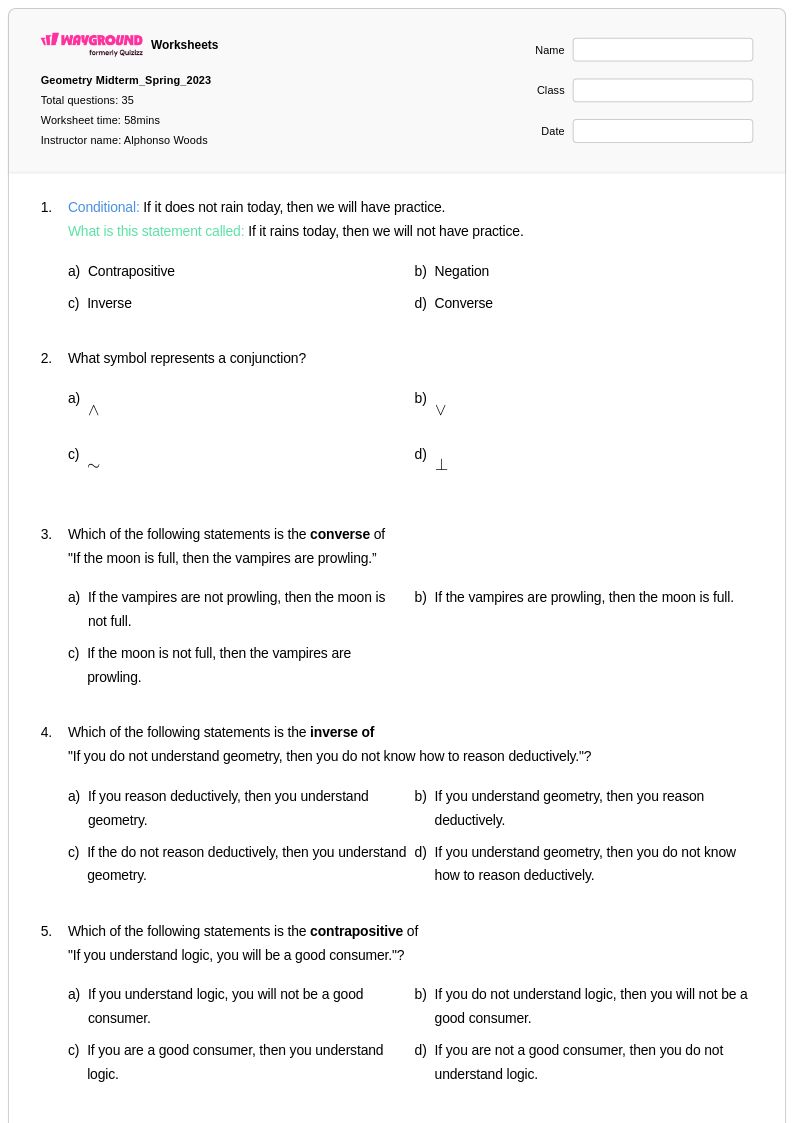
35 Q
9th - 12th
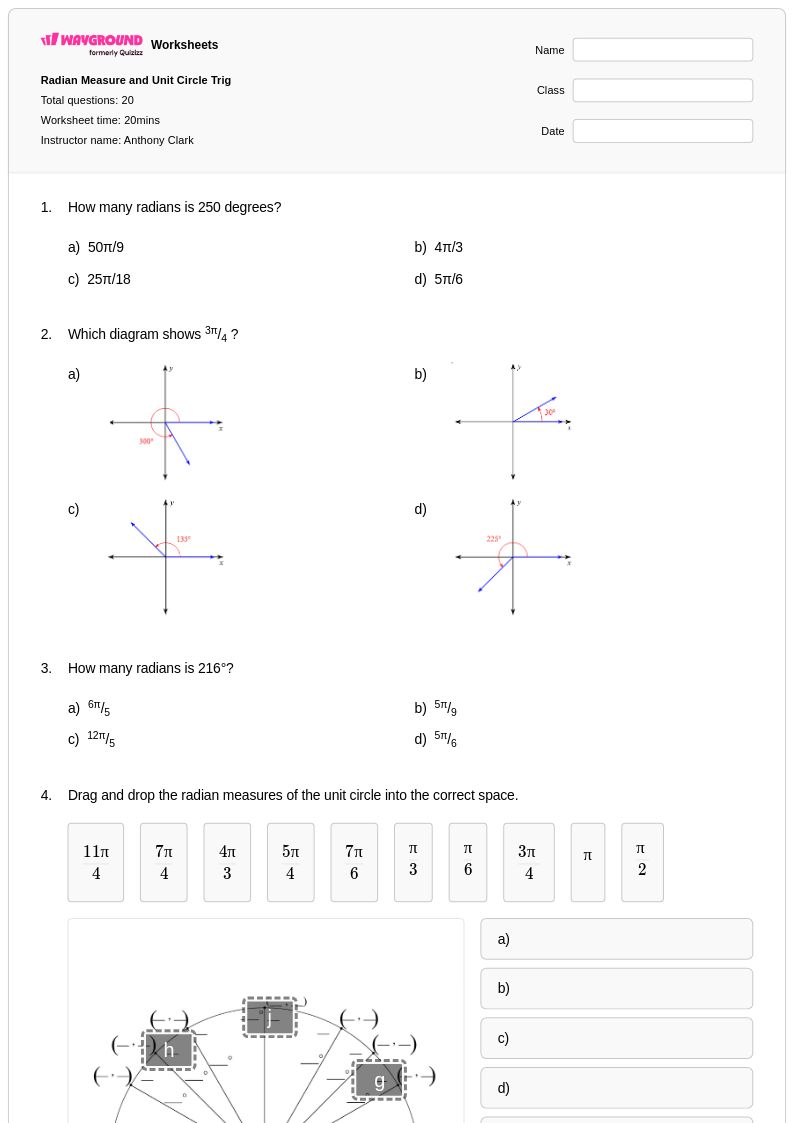
20 Q
12th - Uni
Explore Finding Quadrant of an Angle Worksheets by Grades
Explore Other Subject Worksheets for year 12
Explore printable Finding Quadrant of an Angle worksheets for Year 12
Finding quadrant of an angle worksheets for Year 12 students available through Wayground (formerly Quizizz) provide comprehensive practice with this essential trigonometry skill that bridges coordinate geometry and angular measurement. These worksheets strengthen students' ability to determine which quadrant contains the terminal side of angles measured in both degrees and radians, reinforcing their understanding of the unit circle and reference angles. The practice problems progress systematically from basic positive angles to negative angles, coterminal angles, and angles greater than 360 degrees, helping students master the relationship between angle measures and their corresponding positions on the coordinate plane. Each worksheet collection includes detailed answer keys and is available as free printables in pdf format, allowing students to work through problems at their own pace while building confidence in this fundamental concept that underlies advanced trigonometric functions and graphing.
Wayground (formerly Quizizz) supports mathematics teachers with an extensive library of millions of teacher-created resources specifically designed for finding quadrant of an angle instruction at the Year 12 level. The platform's robust search and filtering capabilities enable educators to quickly locate worksheets that align with curriculum standards and match their students' specific learning needs, whether for initial instruction, remediation, or enrichment activities. Teachers can customize existing worksheets or create new variations using the platform's flexible tools, adjusting difficulty levels and problem types to accommodate diverse learning styles and abilities within their classrooms. These resources are available in both printable pdf format for traditional paper-and-pencil practice and digital formats for interactive online learning, giving educators the versatility to implement effective skill practice across various teaching environments while supporting students' mastery of this critical trigonometric concept.
FAQs
How do I review finding the quadrant of an angle with Grade 12 students?
What exercises give Grade 12 students meaningful quadrant practice?
What errors should I watch for when students find an angle’s quadrant?
How can I use these Grade 12 worksheets for review or assessment?
Where does finding an angle’s quadrant fit in the Common Core math progression?
How can I differentiate this trigonometry review?
Is finding the quadrant of an angle still useful in Grade 12?