
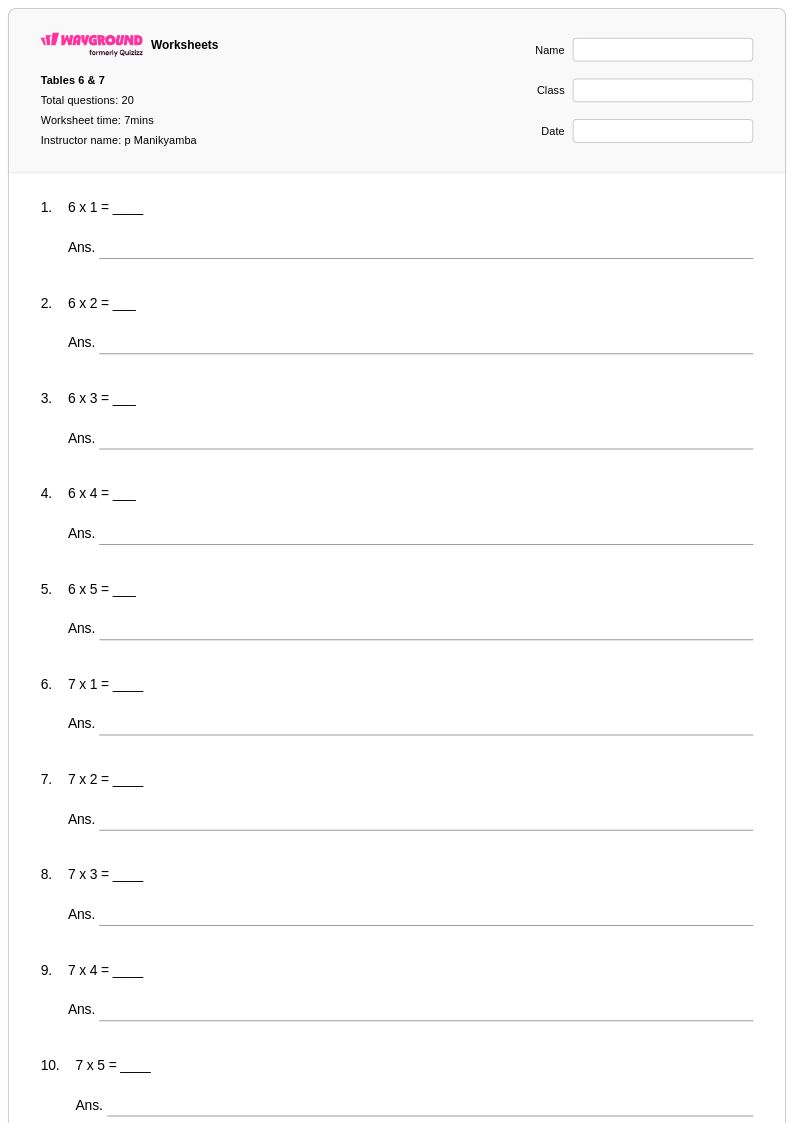
20 Q
2nd - 5th
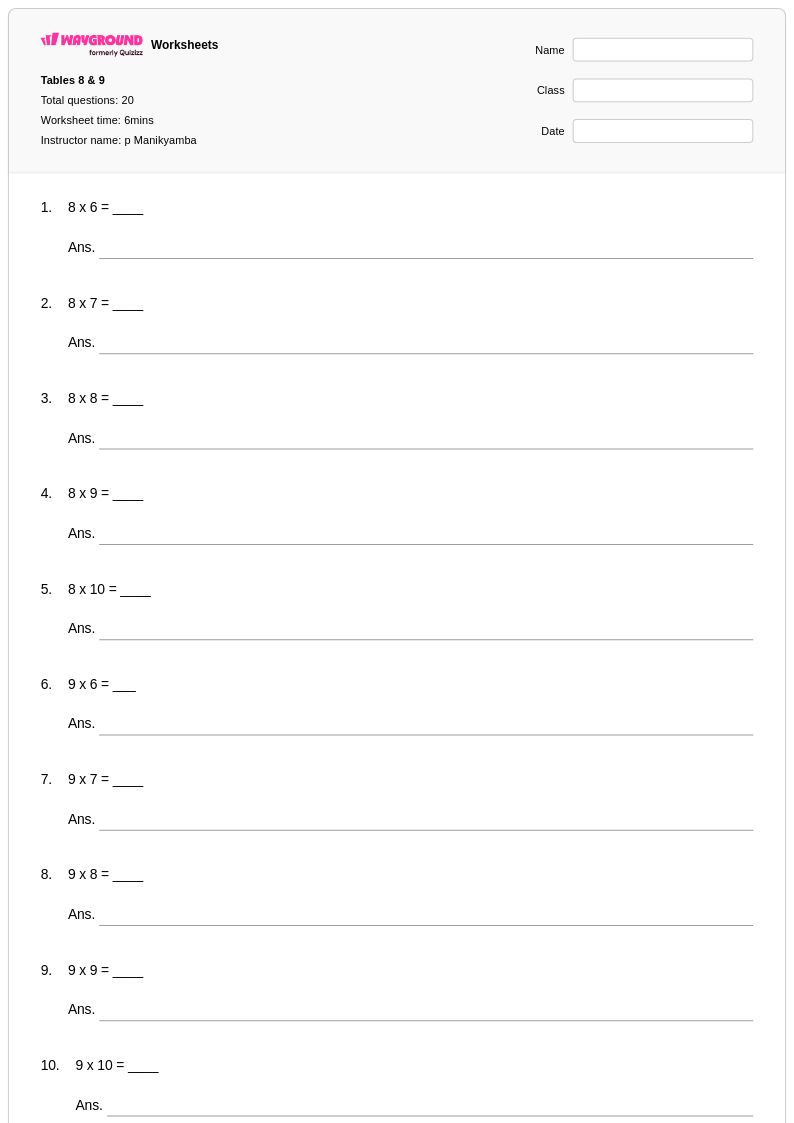
20 Q
2nd - 5th
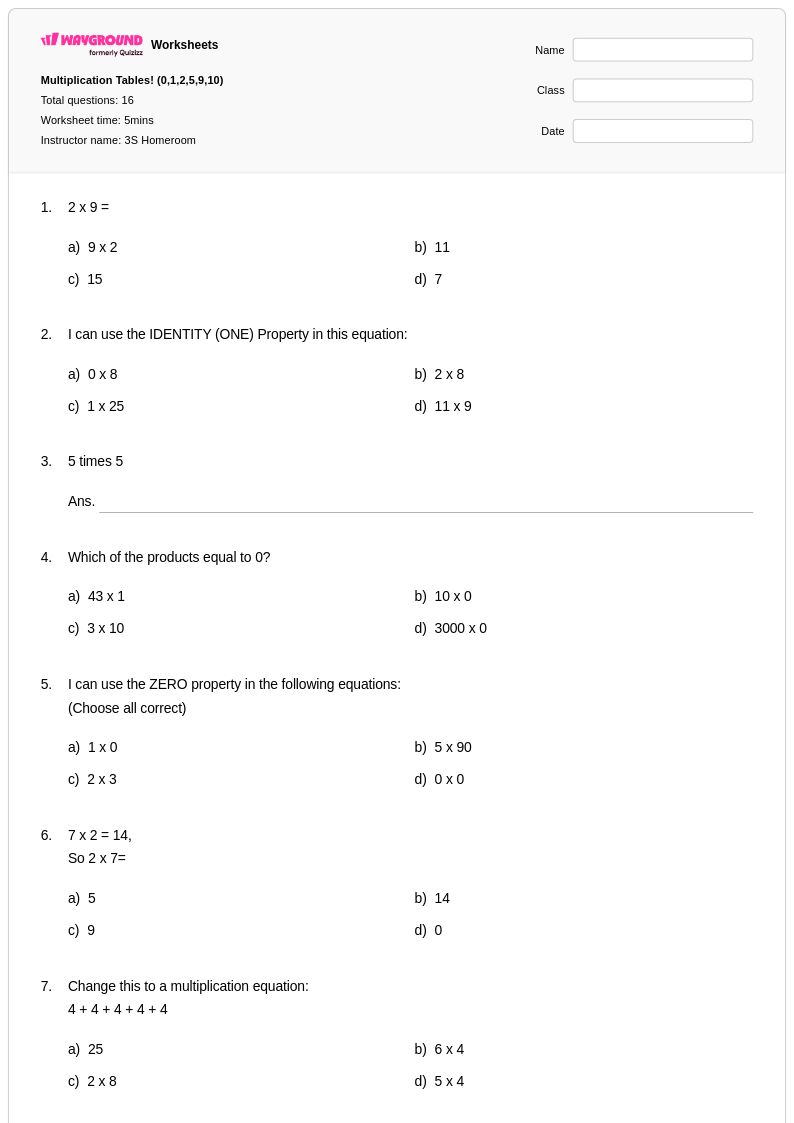
16 Q
3rd
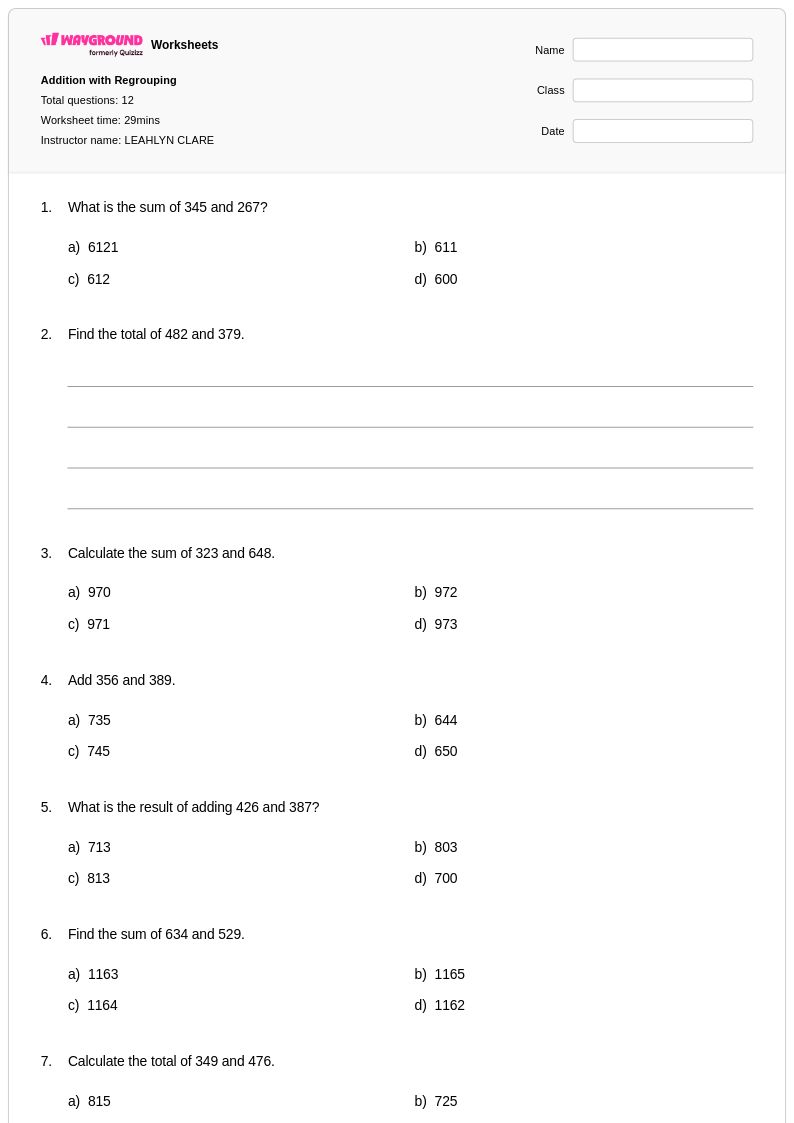
12 Q
3rd
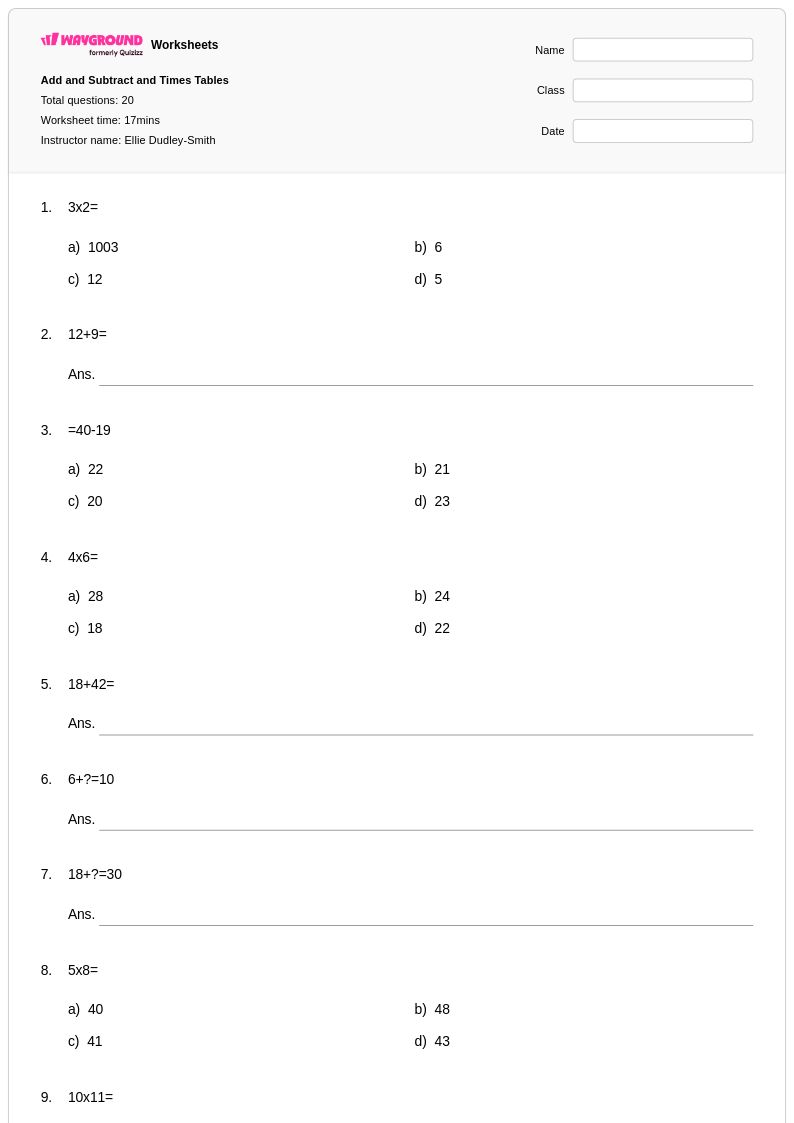
20 Q
3rd
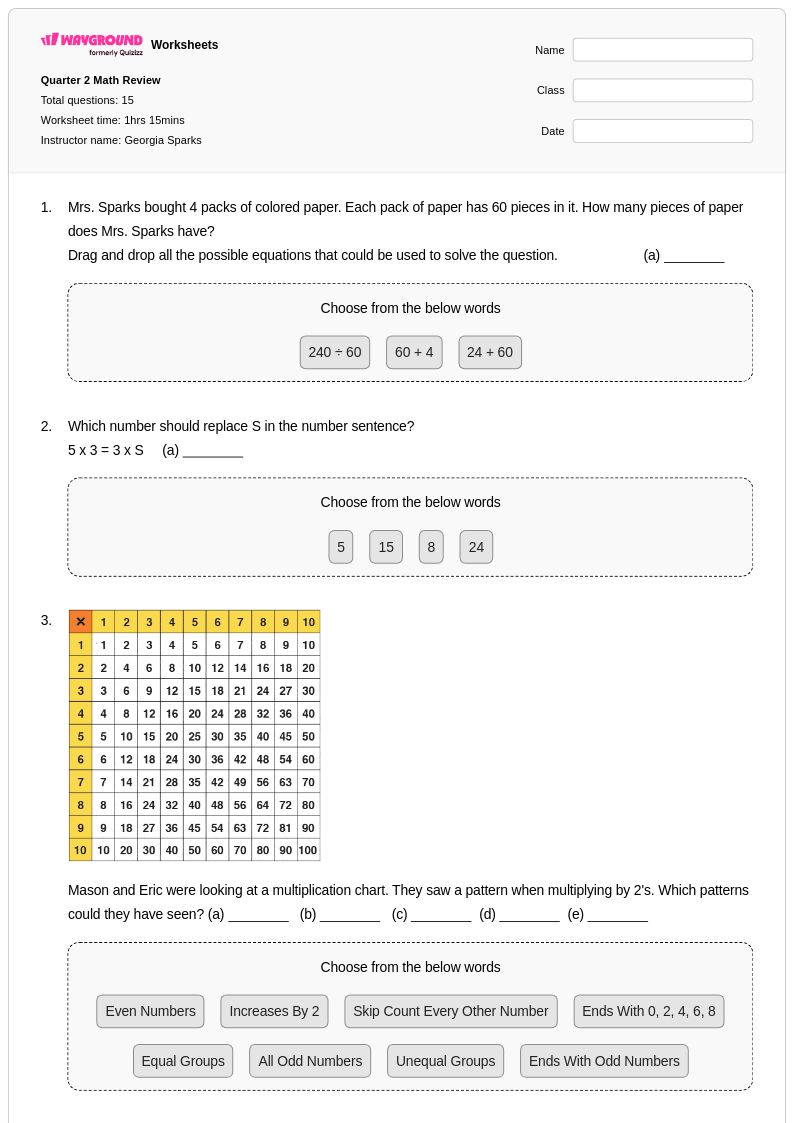
15 Q
3rd
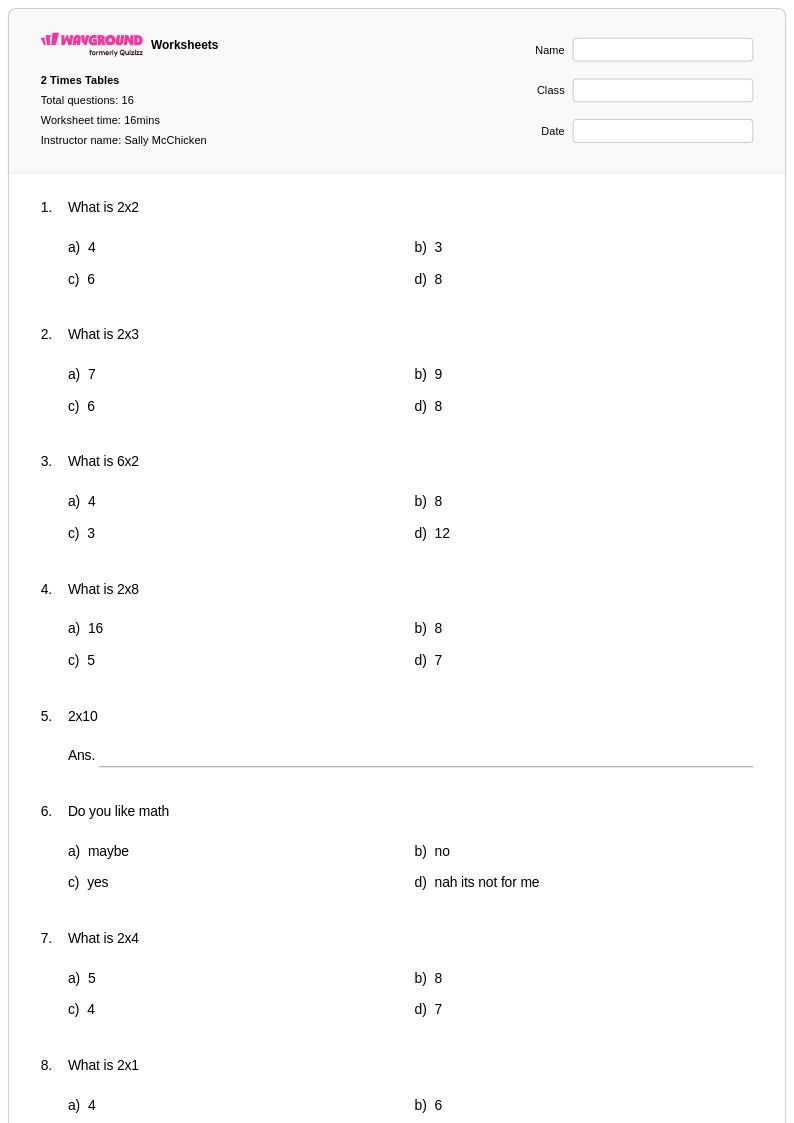
16 Q
KG - 3rd
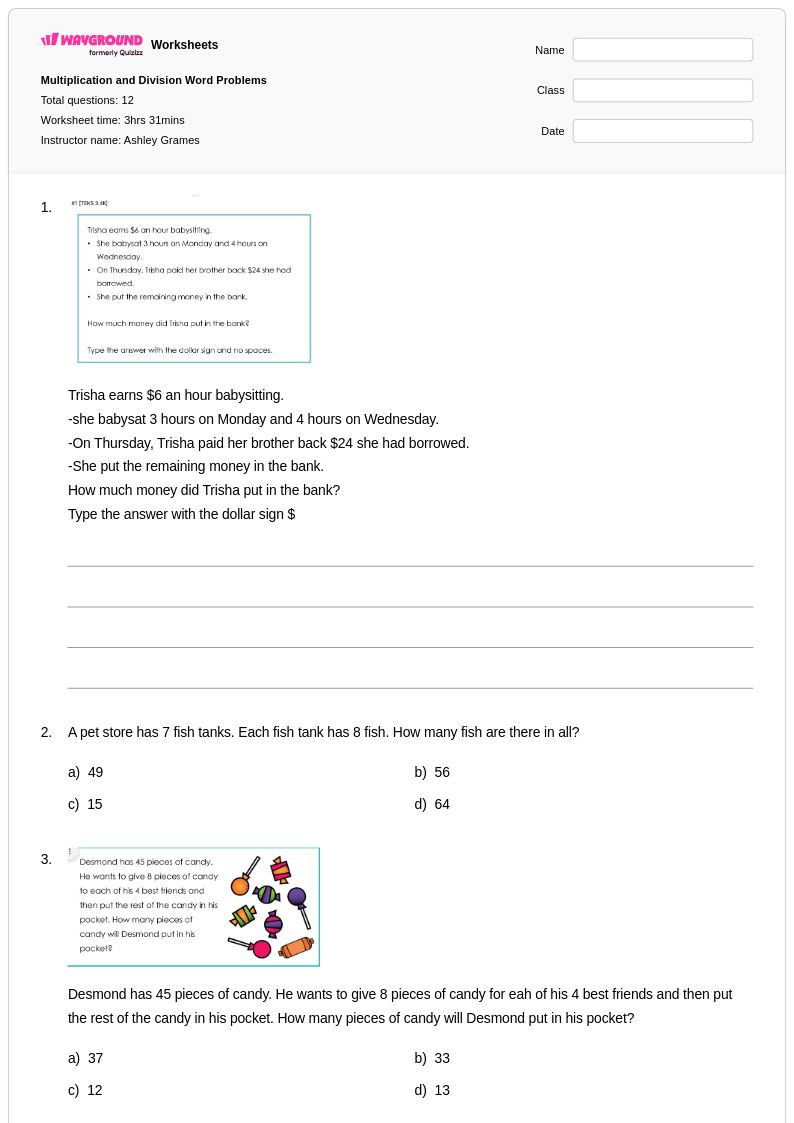
12 Q
3rd
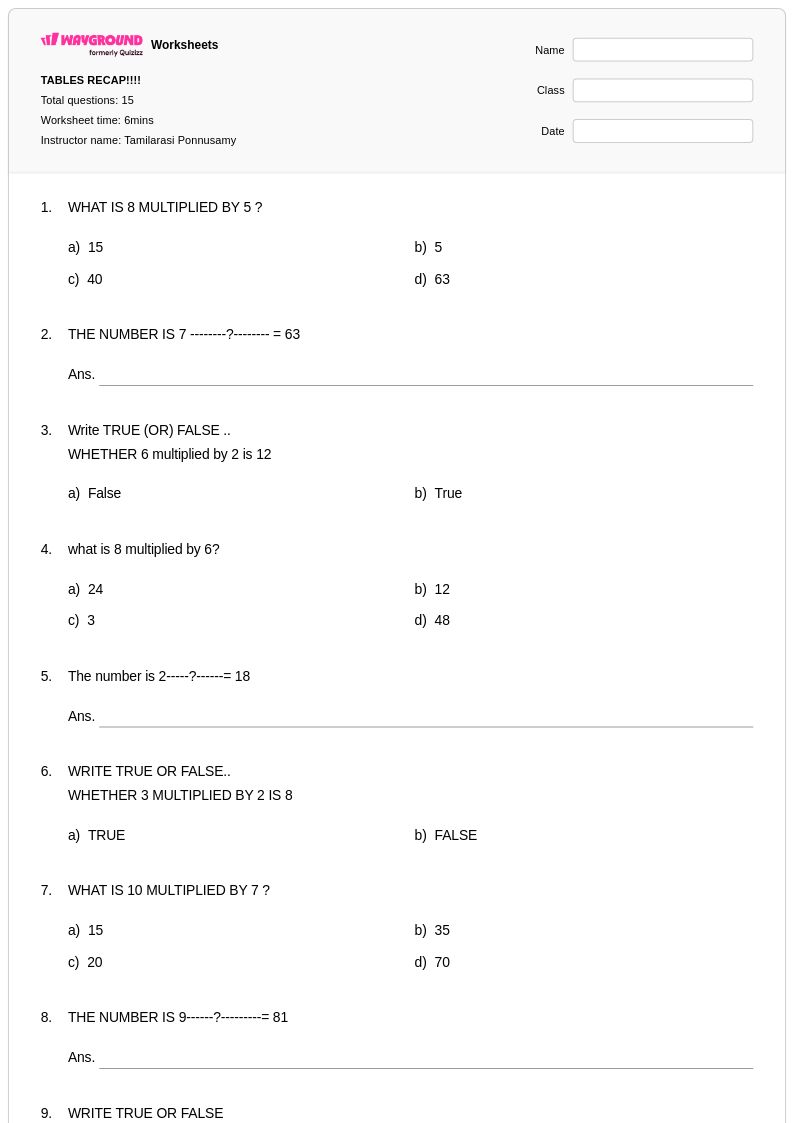
15 Q
3rd
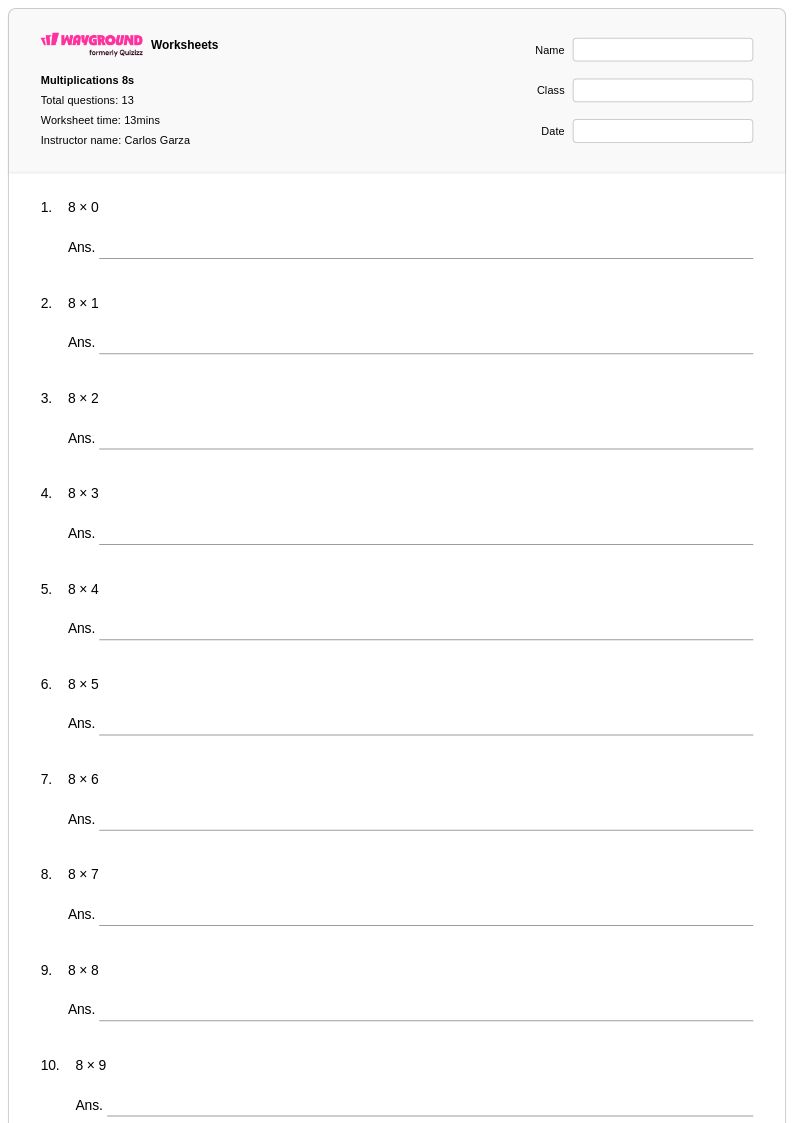
13 Q
2nd - 3rd
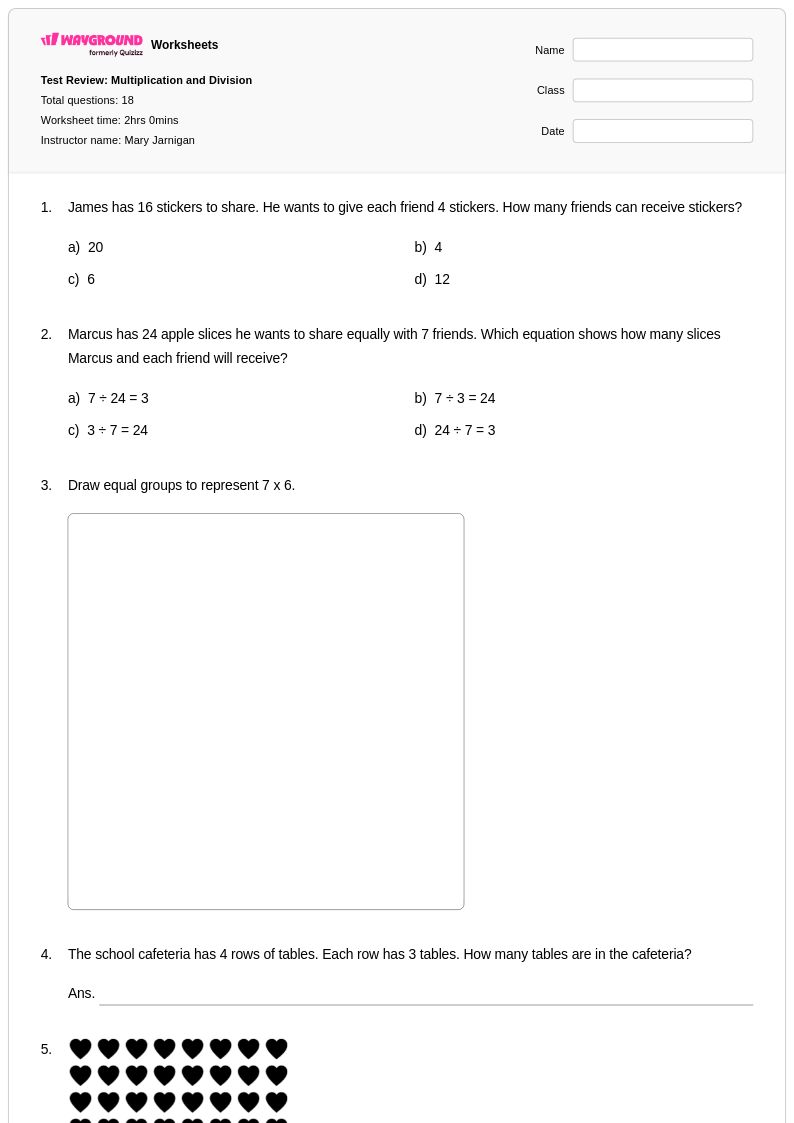
18 Q
3rd - Uni
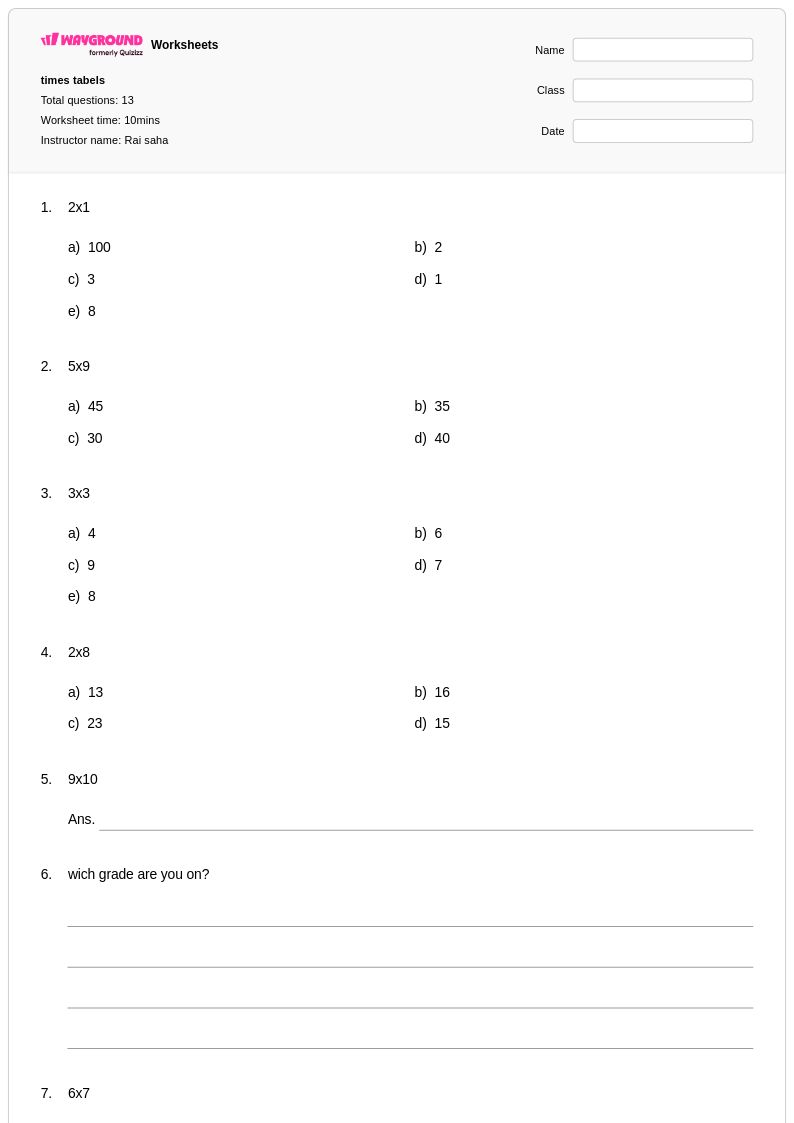
13 Q
2nd - 4th
20 Q
3rd - Uni
10 Q
2nd - 3rd
19 Q
1st - 5th
15 Q
3rd
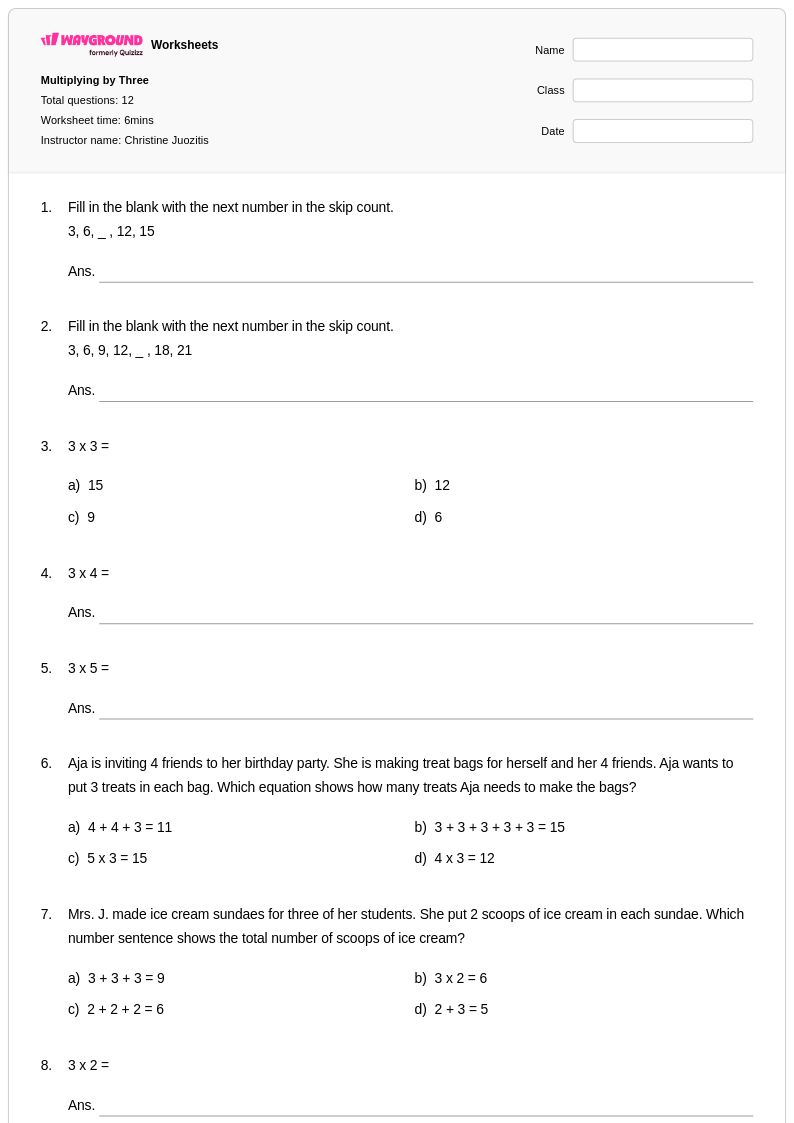
12 Q
3rd
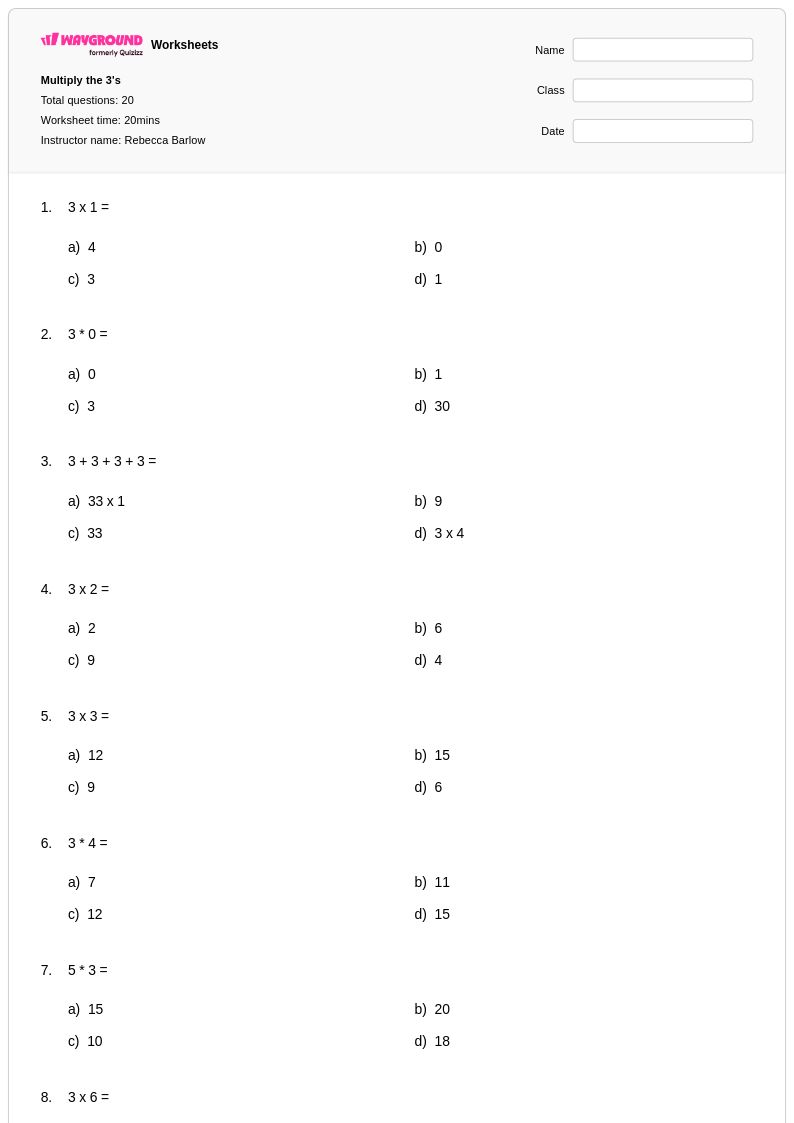
20 Q
3rd
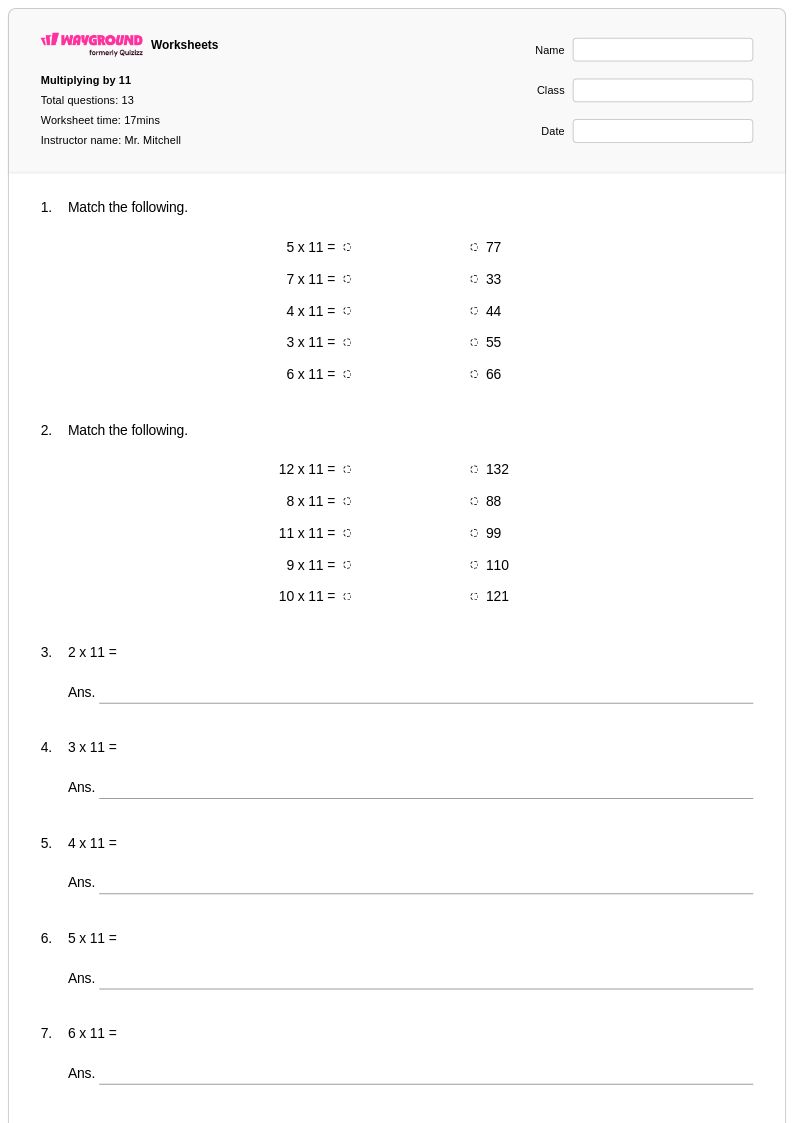
13 Q
3rd - Uni
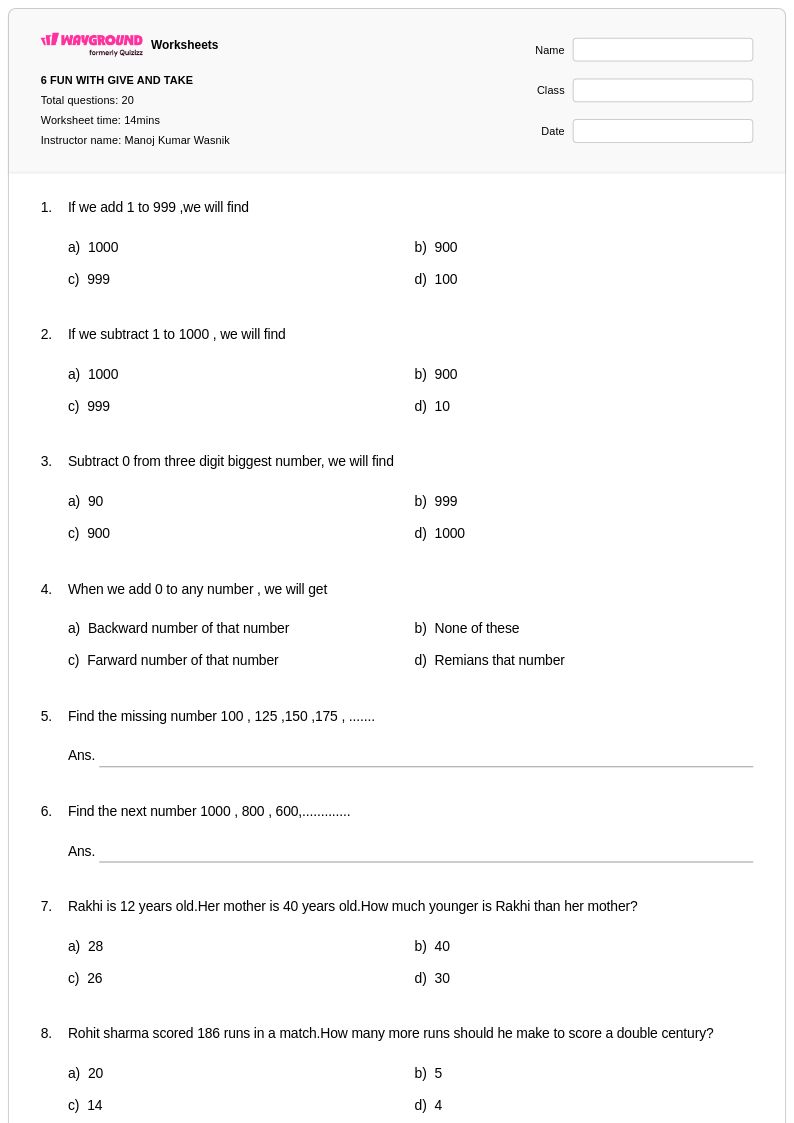
20 Q
3rd
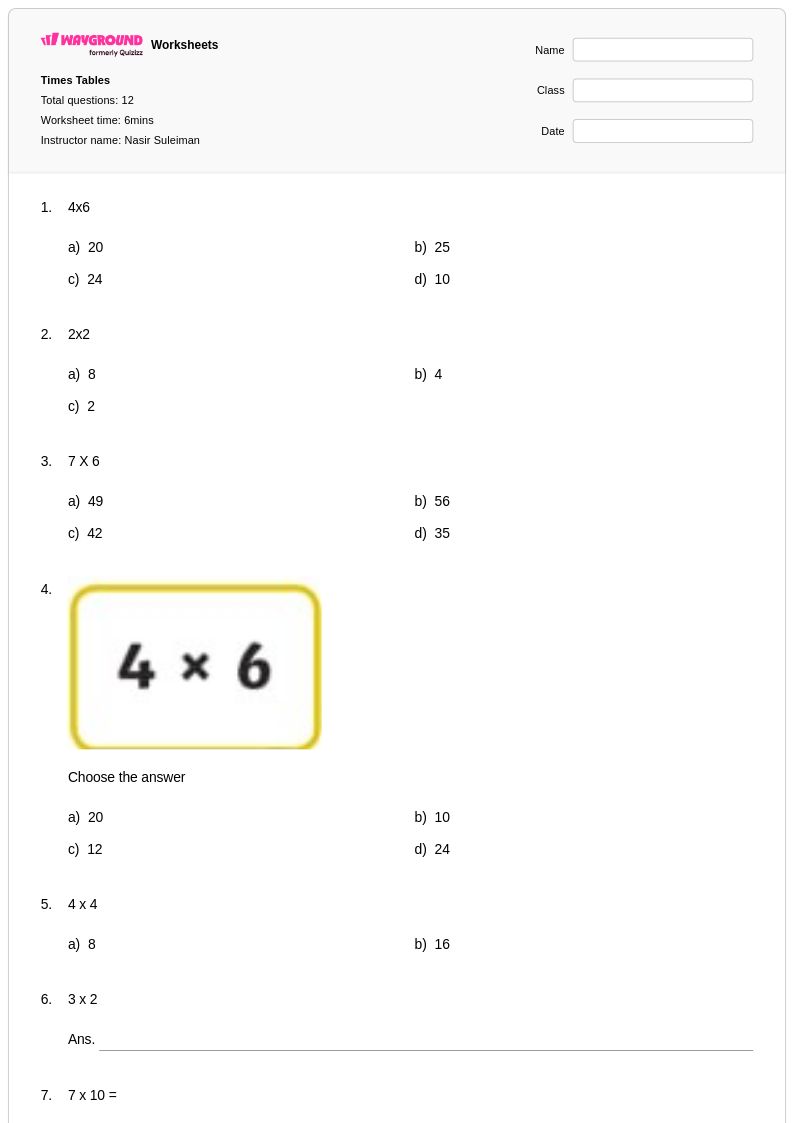
12 Q
3rd - 6th
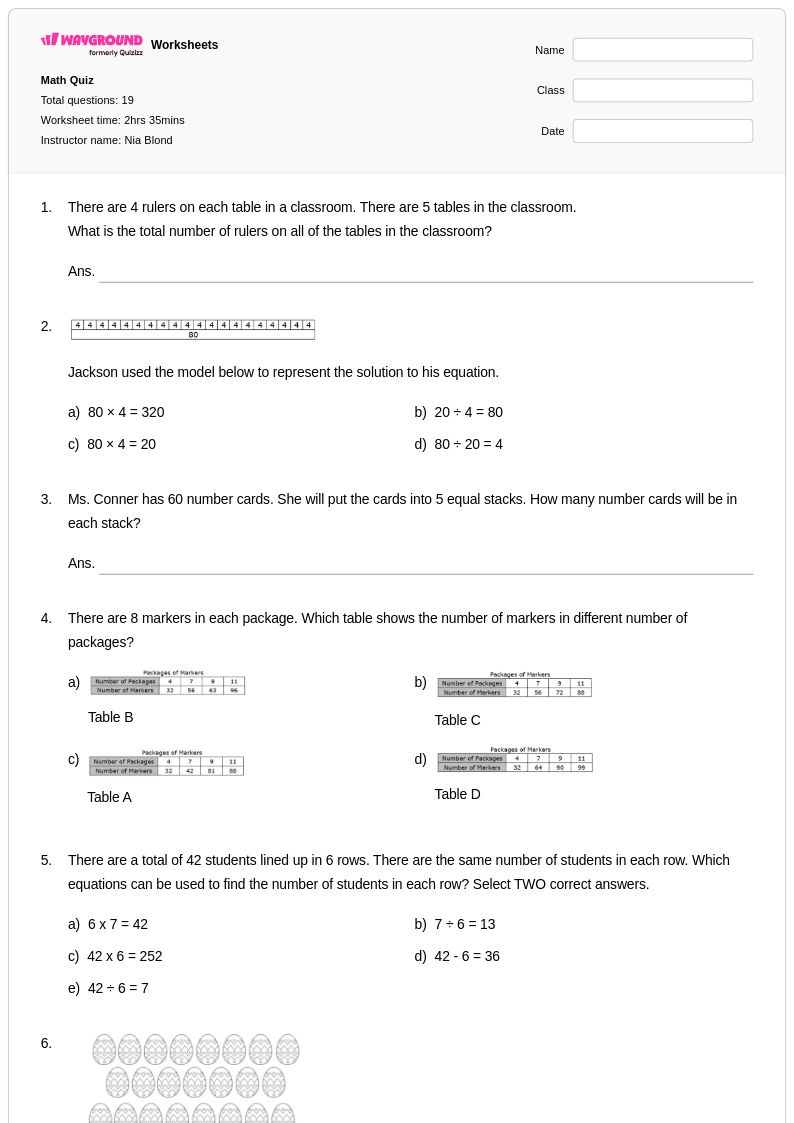
19 Q
3rd
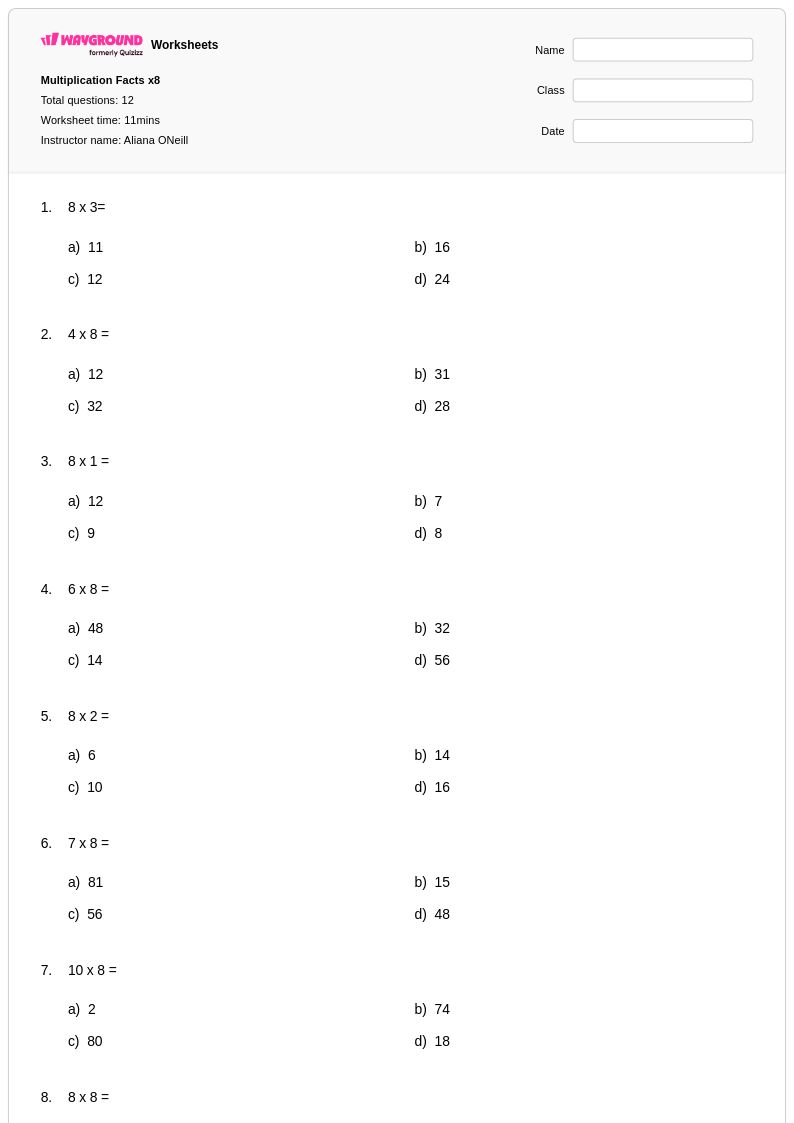
12 Q
3rd - 5th
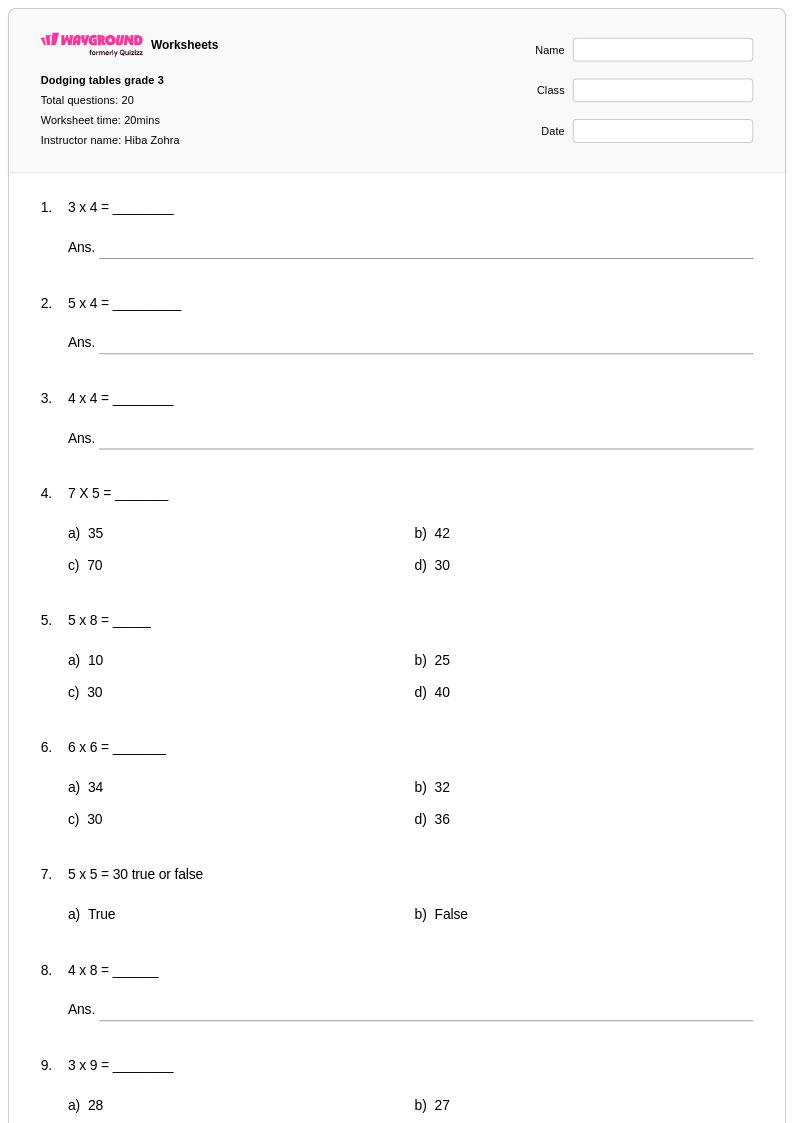
20 Q
3rd
Explore Other Subject Worksheets for year 3
Explore printable Graphing with Tables worksheets for Year 3
Graphing with tables forms a fundamental cornerstone of Year 3 mathematics education, bridging the gap between raw data collection and visual representation skills that students will use throughout their academic careers. Wayground's comprehensive collection of graphing with tables worksheets provides third-grade students with structured practice in organizing information into tables and translating that data into various graph formats including bar graphs, pictographs, and simple line plots. These carefully designed practice problems strengthen essential skills such as data interpretation, pattern recognition, and logical reasoning while building confidence in mathematical communication. Each worksheet comes complete with an answer key and is available as free printable resources, allowing teachers to seamlessly integrate these materials into their lesson plans and provide students with immediate feedback on their progress.
Wayground's extensive library, featuring millions of teacher-created resources, offers educators unparalleled support in delivering effective graphing with tables instruction for Year 3 students. The platform's robust search and filtering capabilities enable teachers to quickly locate worksheets that align with specific learning objectives and curriculum standards, while built-in differentiation tools help accommodate diverse learning needs within the classroom. Teachers can customize these printable and digital pdf resources to target particular skill gaps, whether for remediation of struggling learners or enrichment activities for advanced students. The flexible format options support various instructional approaches, from independent practice sessions to collaborative learning activities, ensuring that educators have the tools necessary for comprehensive skill development in data organization and graphical representation at the elementary level.
FAQs
What do 3rd graders learn about graphing?
How can I introduce graphing from a table to my 3rd-grade class?
What types of graphs are best for 3rd-grade data practice?
What's a common mistake 3rd graders make with bar graphs?
How can I use these 3rd-grade graphing worksheets?
How does this topic align with 3rd-grade math standards?