
15 Q
7th
43 Q
7th
7 Q
6th - 9th
15 Q
4th - Uni
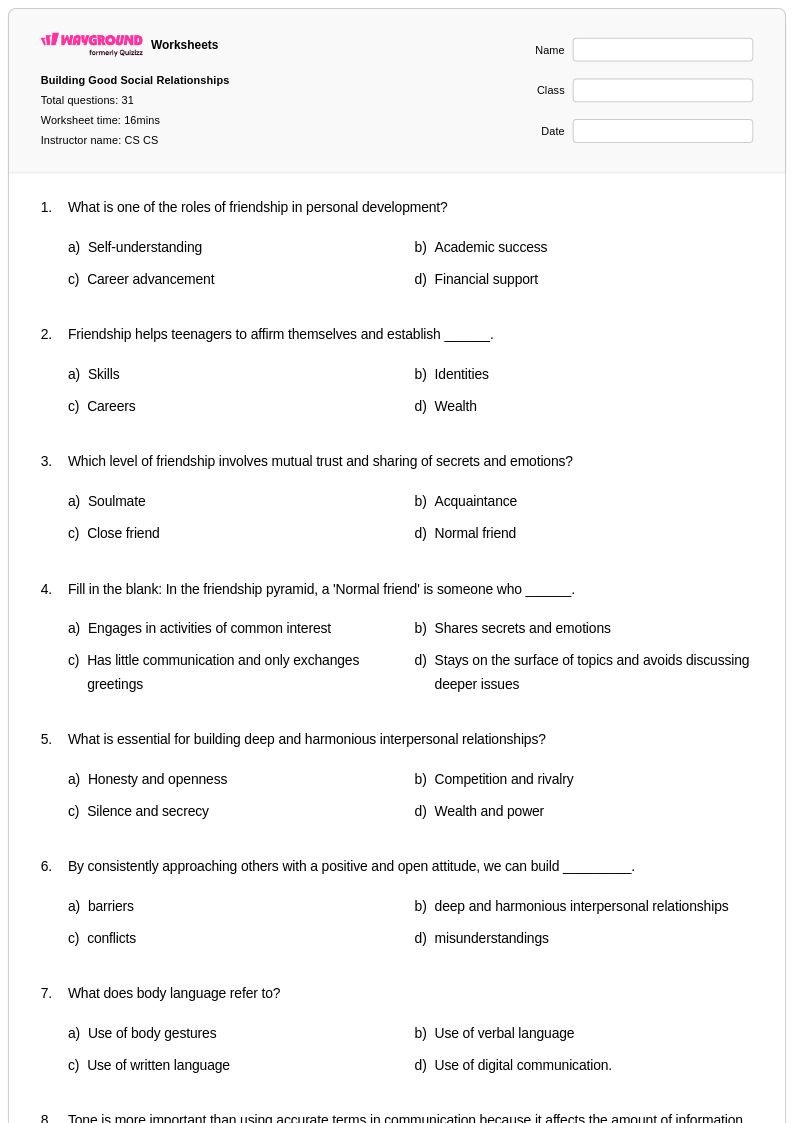
31 Q
7th
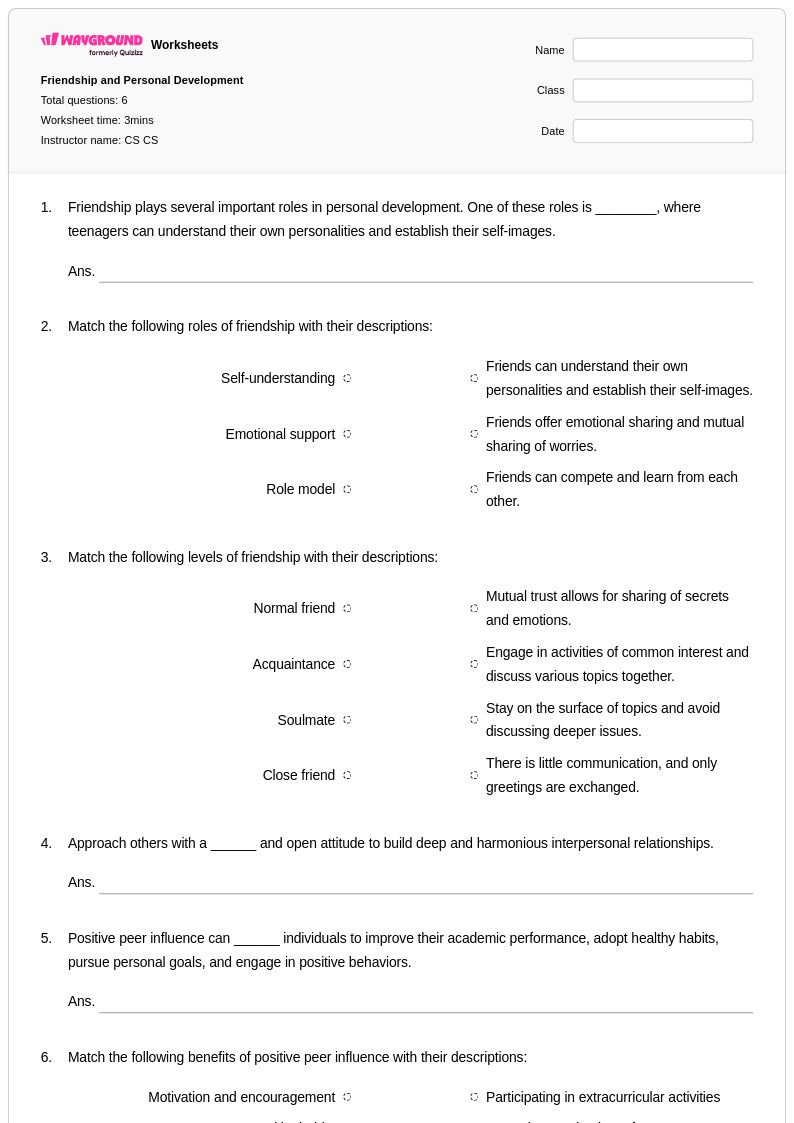
6 Q
7th
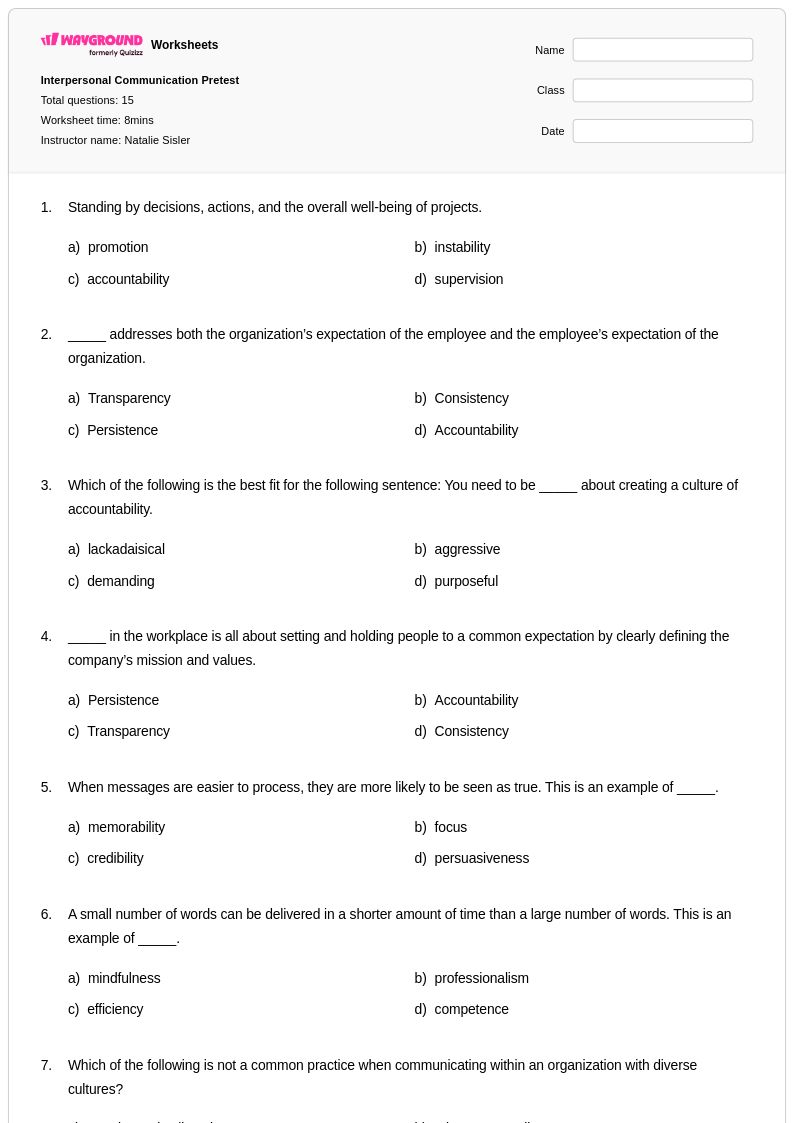
15 Q
7th
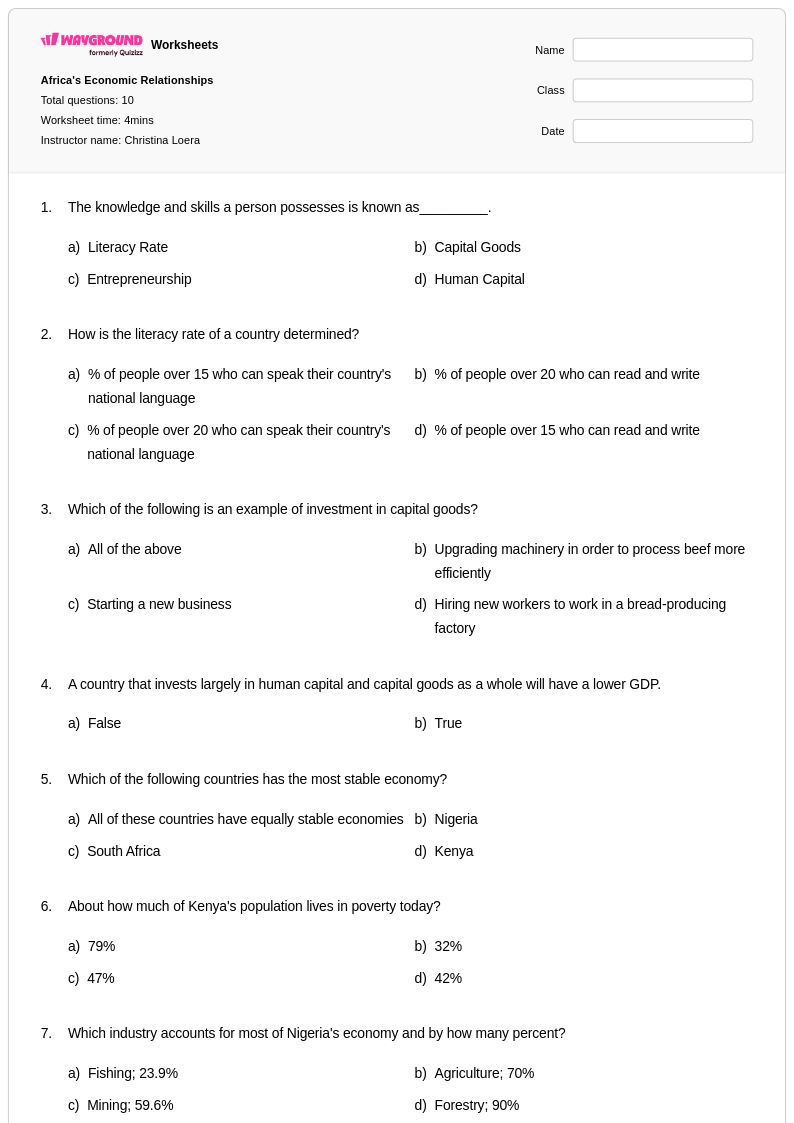
10 Q
7th
10 Q
1st - 10th
15 Q
1st - Uni
14 Q
7th
10 Q
7th - 12th
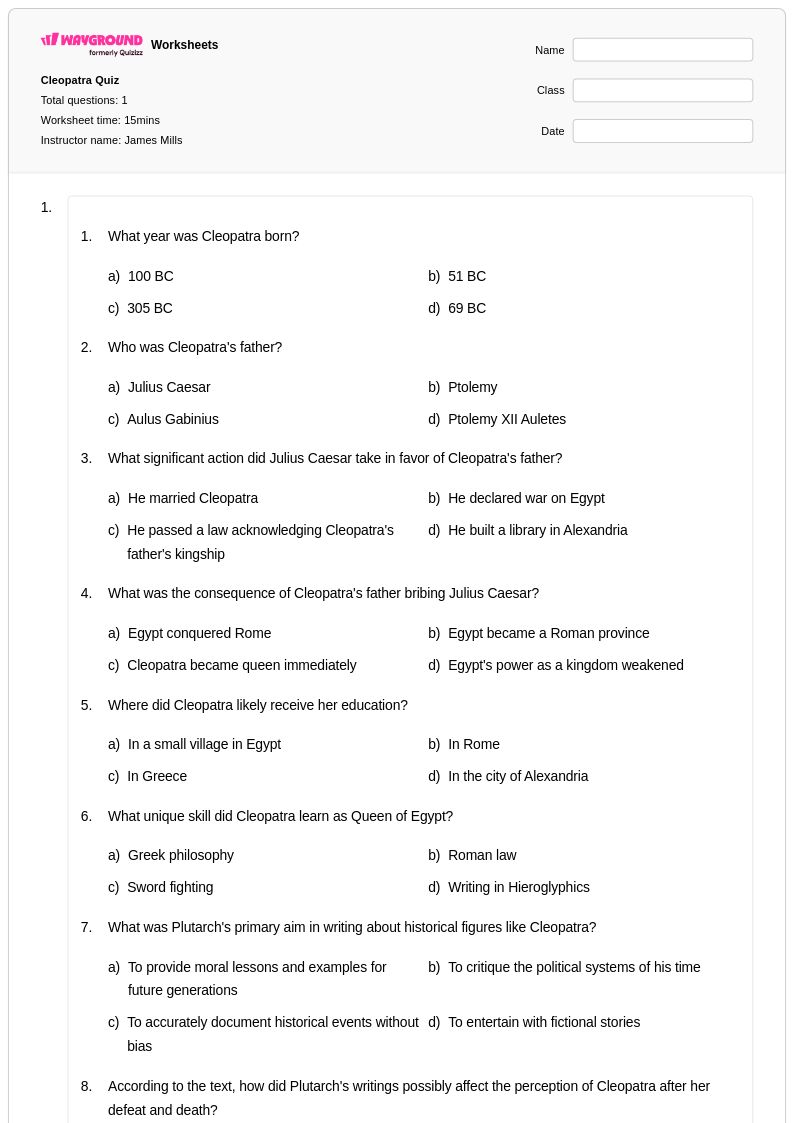
21 Q
7th
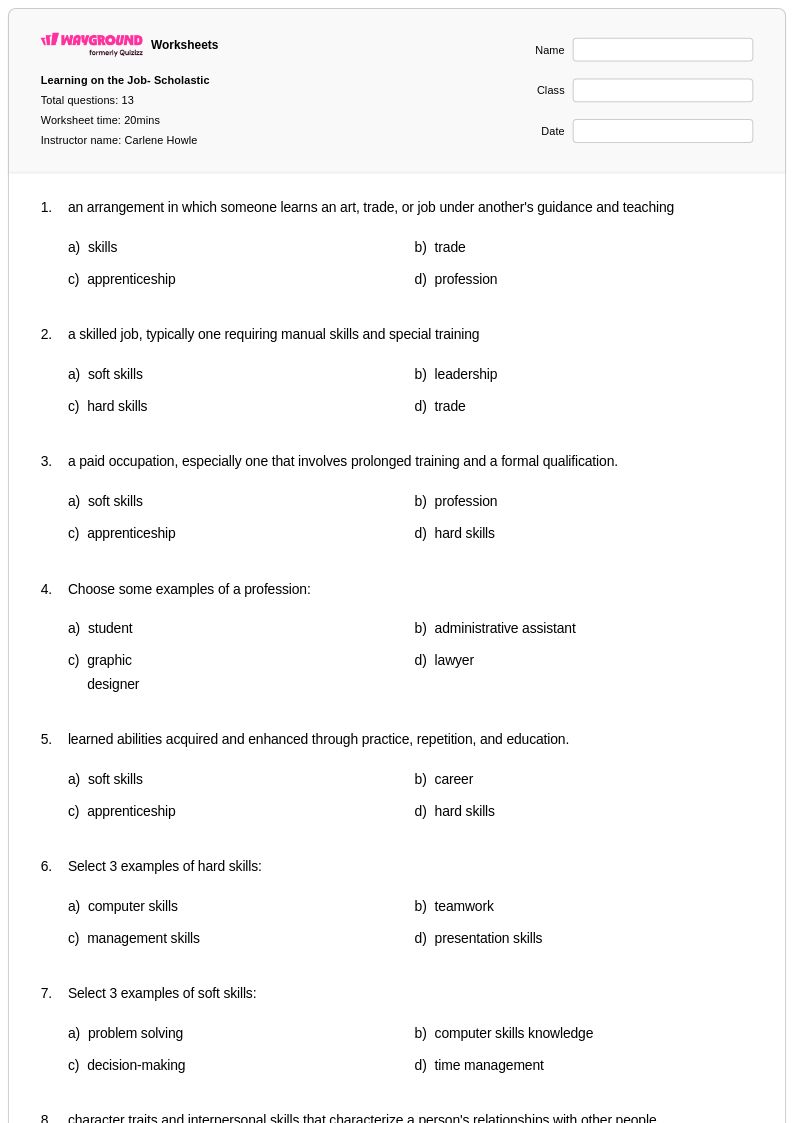
13 Q
6th - 8th
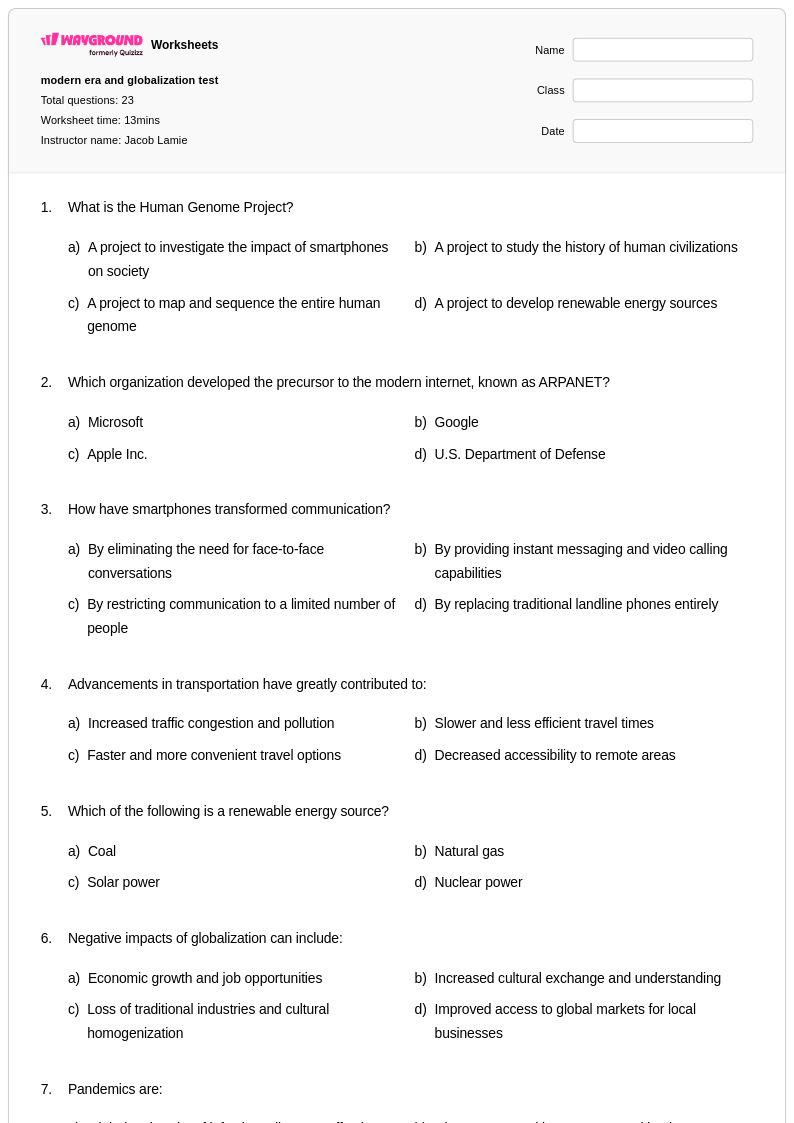
23 Q
7th
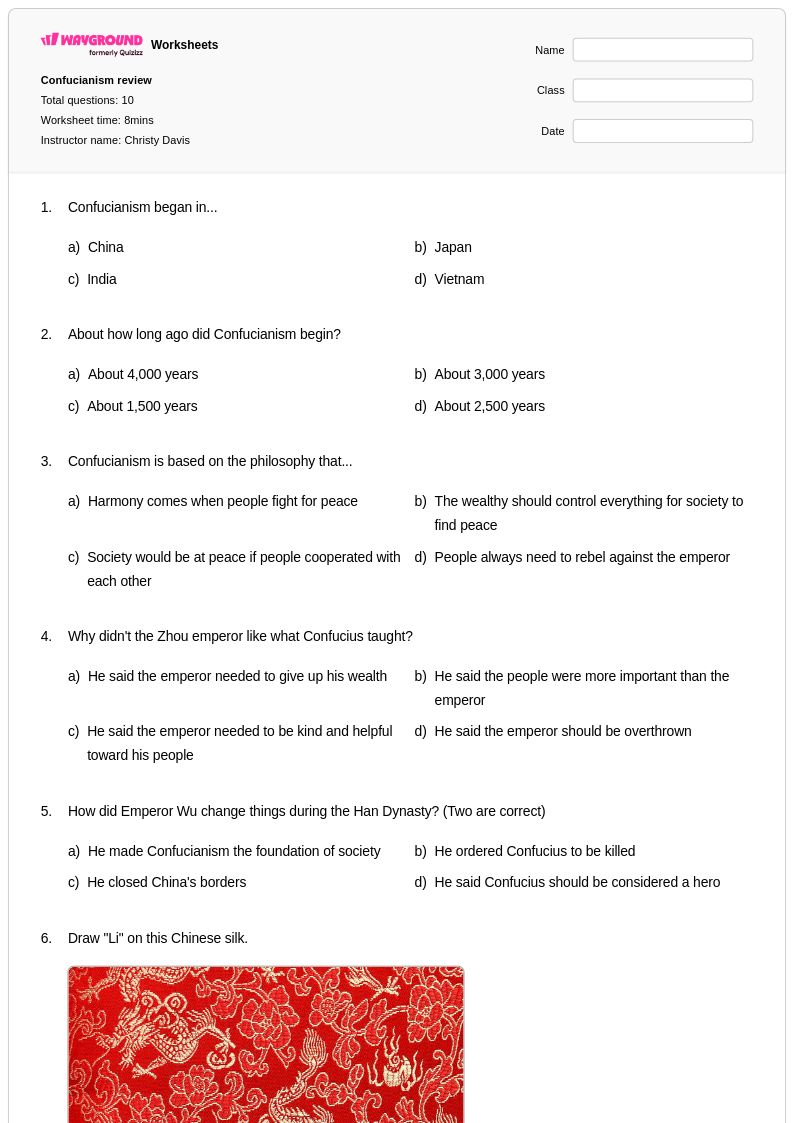
10 Q
7th
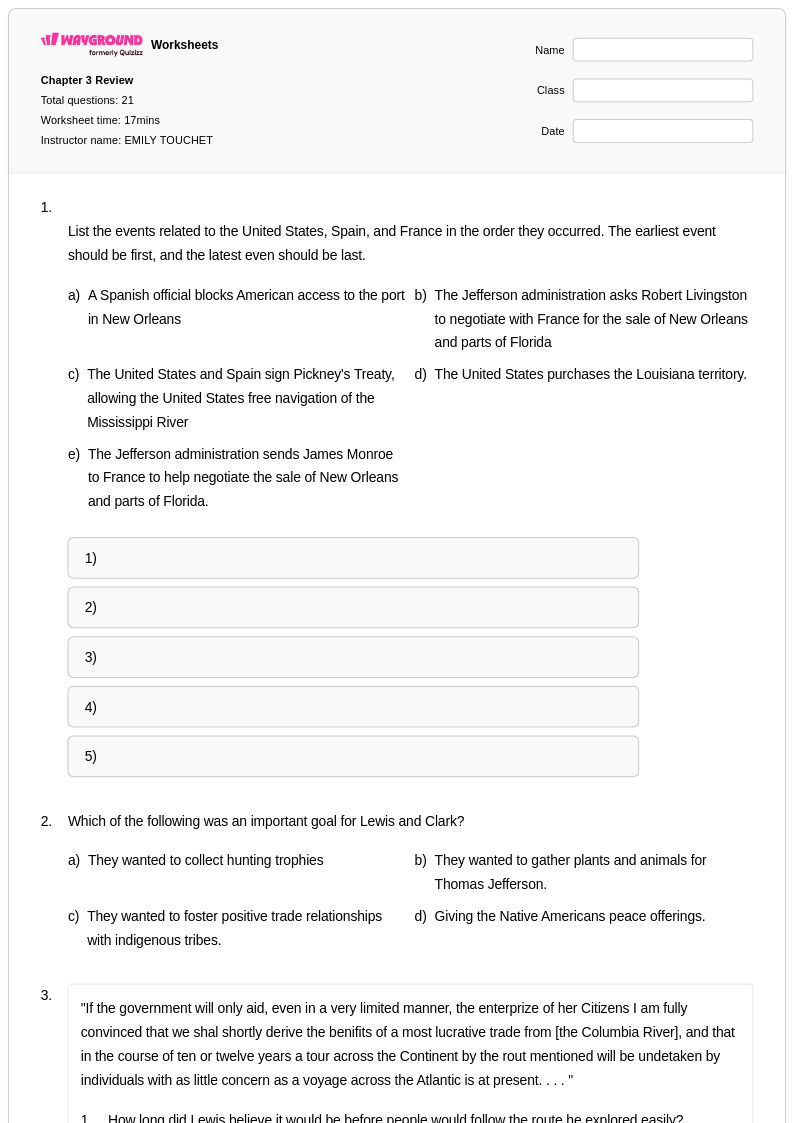
22 Q
7th
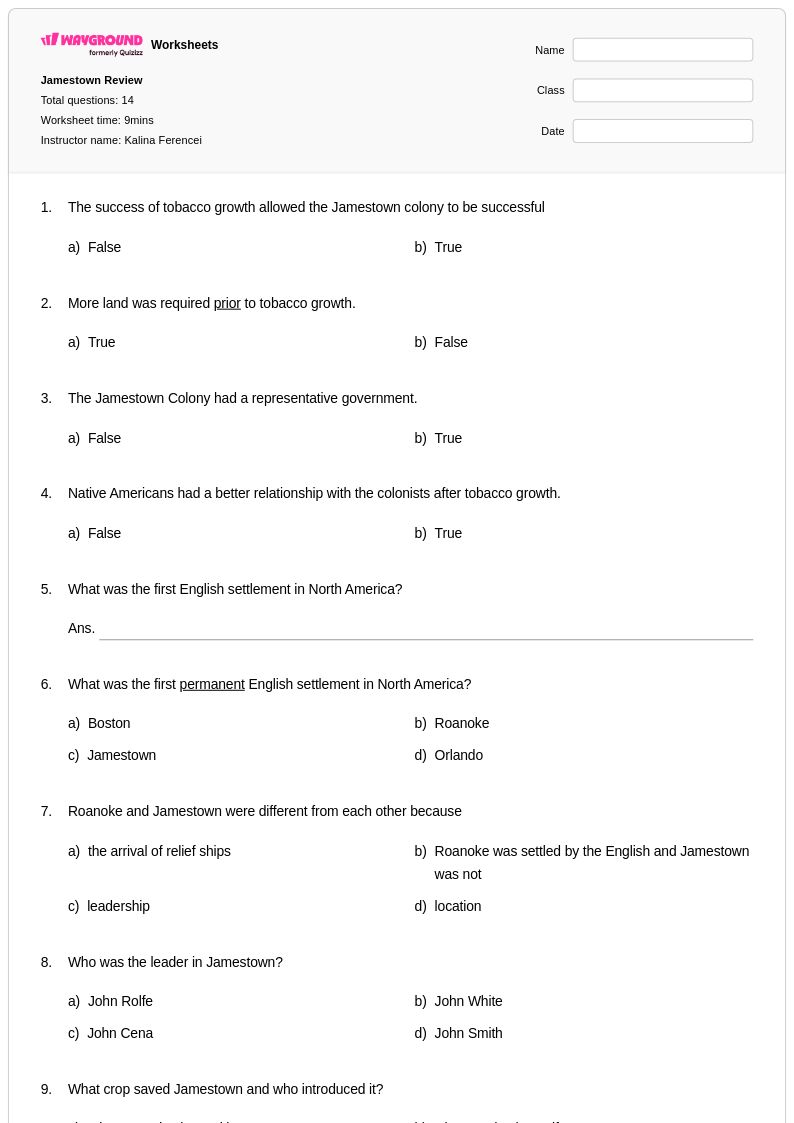
14 Q
7th
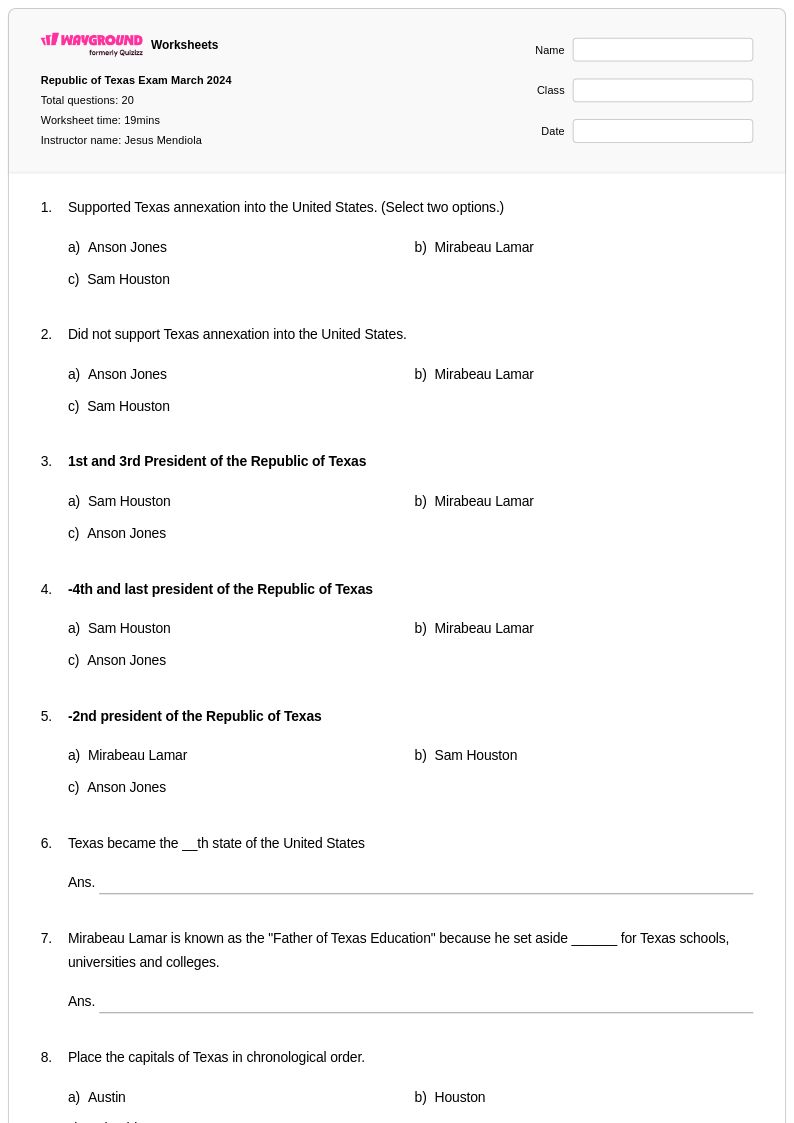
20 Q
7th
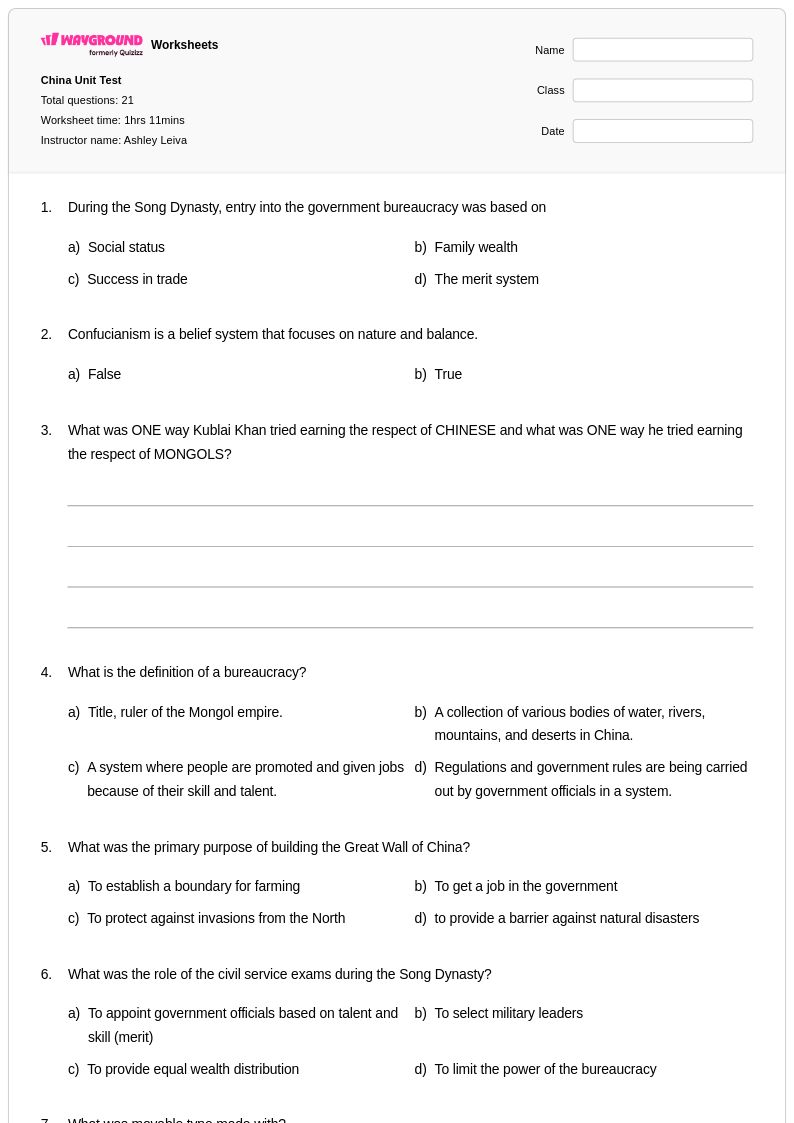
26 Q
7th
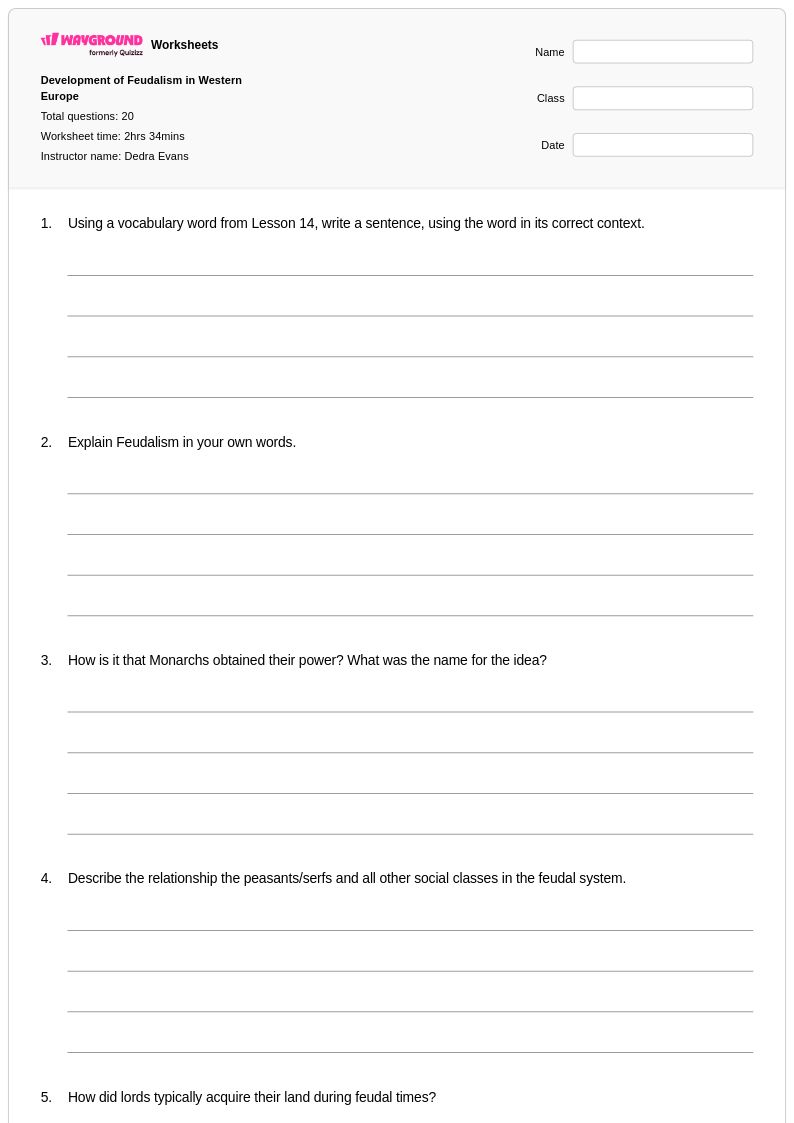
20 Q
7th
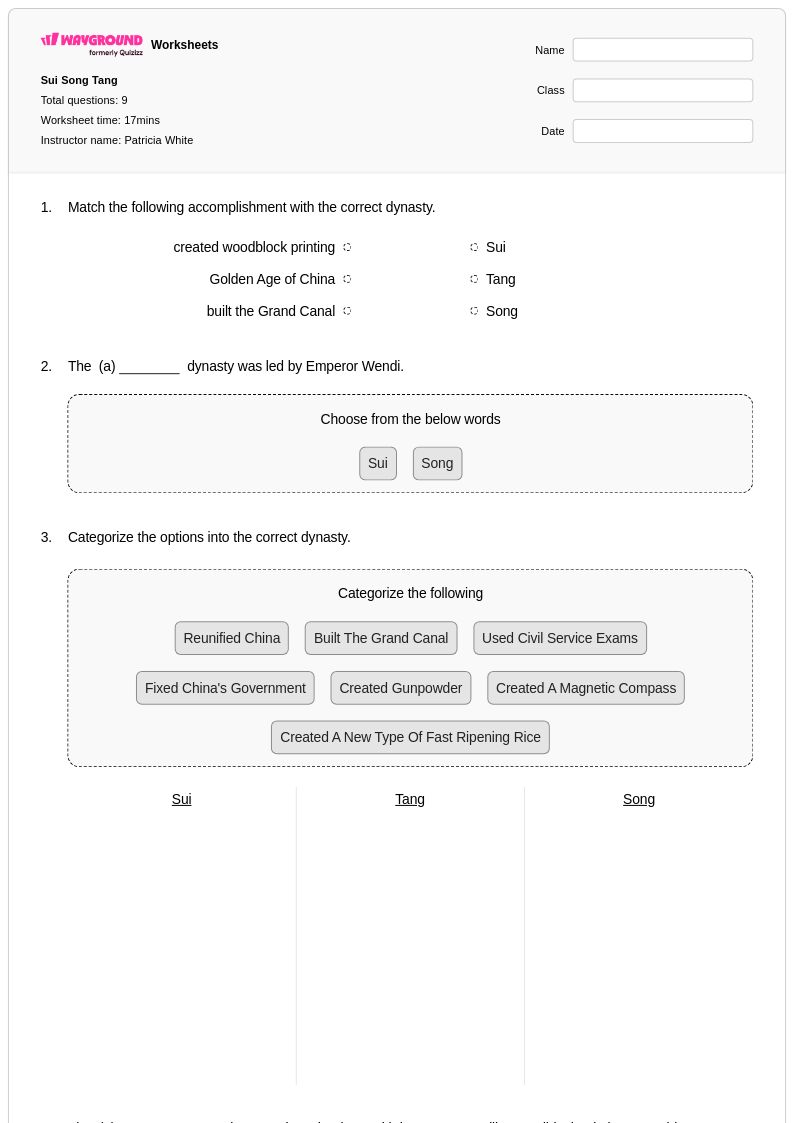
9 Q
7th
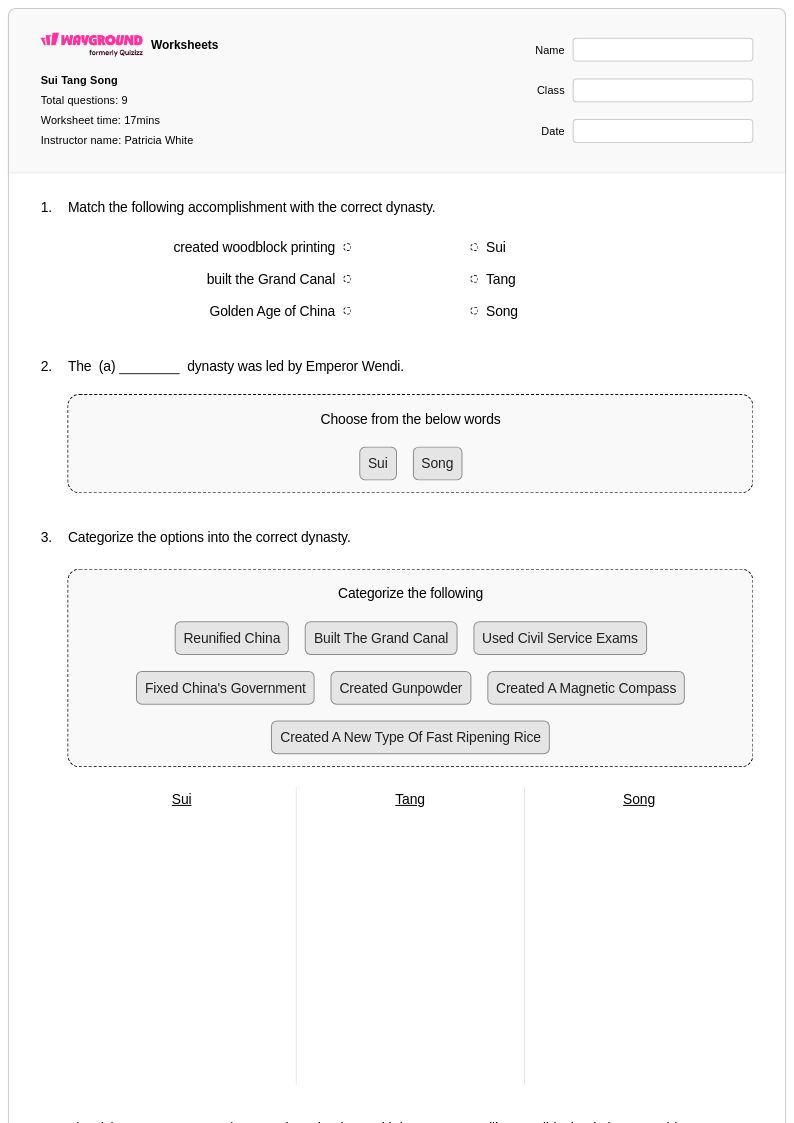
9 Q
7th
Explore Interpersonal Relationships Worksheets by Grades
Explore Other Subject Worksheets for year 7
Explore printable Interpersonal Relationships worksheets for Year 7
Year 7 interpersonal relationships worksheets available through Wayground (formerly Quizizz) provide comprehensive practice opportunities for students to develop essential social interaction skills that form the foundation of healthy personal connections. These expertly designed resources strengthen critical abilities including effective communication techniques, conflict resolution strategies, empathy development, and boundary-setting practices that seventh graders need to navigate increasingly complex social dynamics. The worksheet collection includes diverse practice problems that challenge students to analyze relationship scenarios, identify communication patterns, and apply problem-solving techniques to real-world interpersonal challenges. Teachers can access complete answer keys alongside each printable resource, ensuring efficient grading and meaningful feedback delivery. These free educational materials cover essential subtopics such as active listening skills, nonverbal communication interpretation, peer relationship management, and healthy relationship characteristics through engaging pdf formats that support both classroom instruction and independent study.
Wayground (formerly Quizizz) empowers educators with an extensive library of millions of teacher-created interpersonal relationships resources specifically designed to meet diverse Year 7 social studies curriculum requirements and standards alignment needs. The platform's advanced search and filtering capabilities enable teachers to quickly locate age-appropriate materials that target specific relationship skills, from basic friendship dynamics to more complex peer interaction scenarios. Differentiation tools allow educators to customize worksheet difficulty levels and content focus areas, supporting both remediation for struggling learners and enrichment opportunities for advanced students. These versatile resources are available in both printable and digital formats, including downloadable pdf versions, providing maximum flexibility for various teaching environments and student learning preferences. Teachers can seamlessly integrate these materials into lesson planning workflows, using them for targeted skill practice, formative assessment opportunities, and comprehensive review sessions that reinforce healthy interpersonal relationship development throughout the academic year.
FAQs
How do I teach interpersonal relationships in the classroom?
What exercises help students practice interpersonal relationship skills?
What common mistakes do students make when learning about interpersonal relationships?
How can I differentiate interpersonal relationships worksheets for students with varying skill levels?
How do I use interpersonal relationships worksheets in my classroom?
How do interpersonal relationship skills connect to other areas of student development?