Free Printable Moral Inventory Worksheets for Year 7
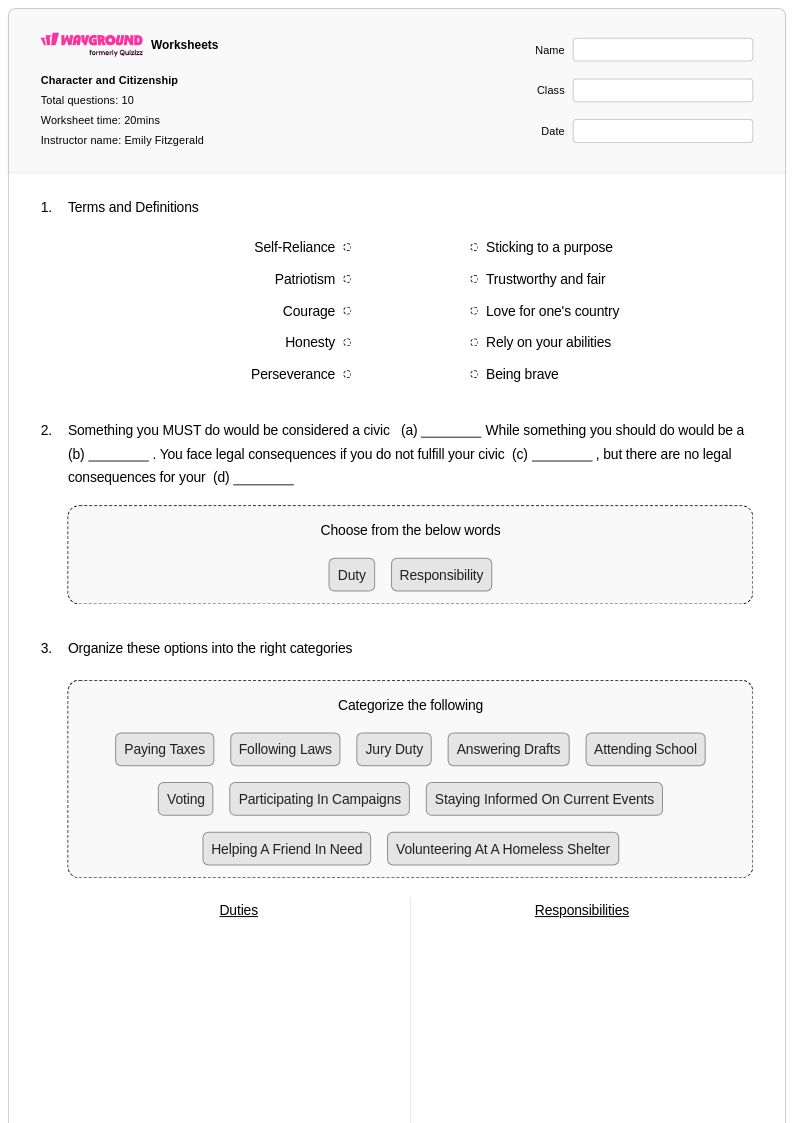
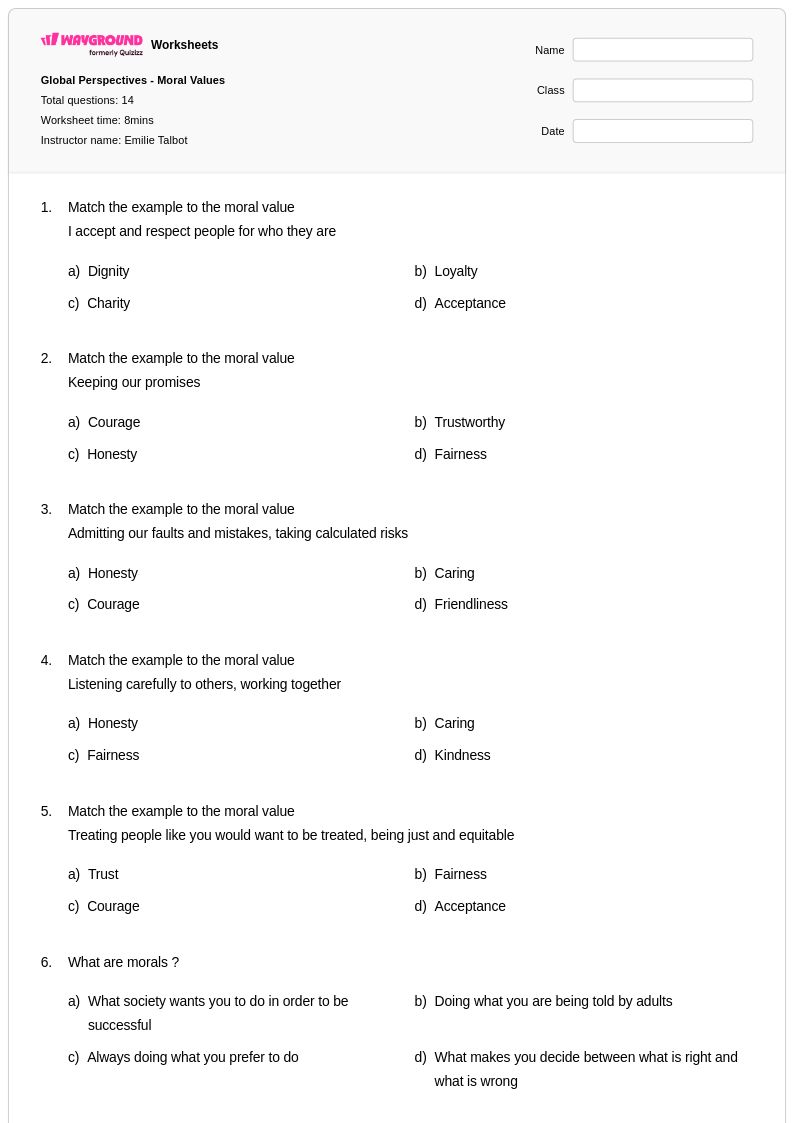
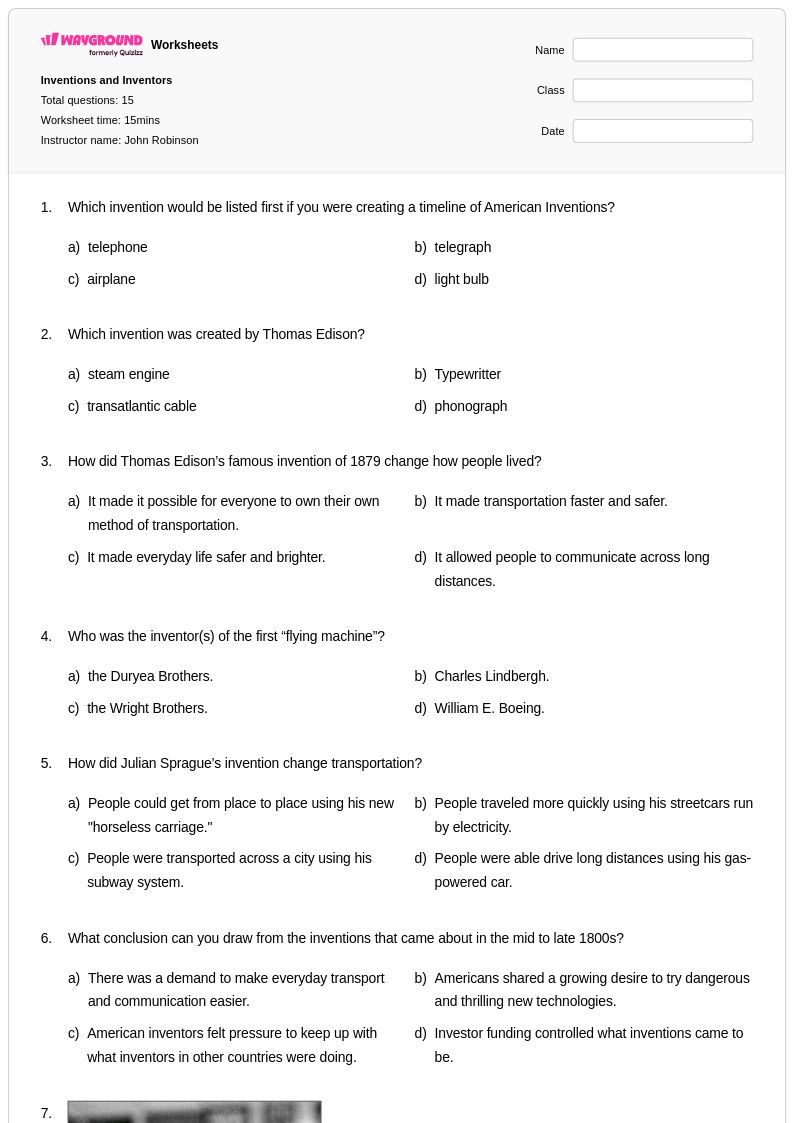
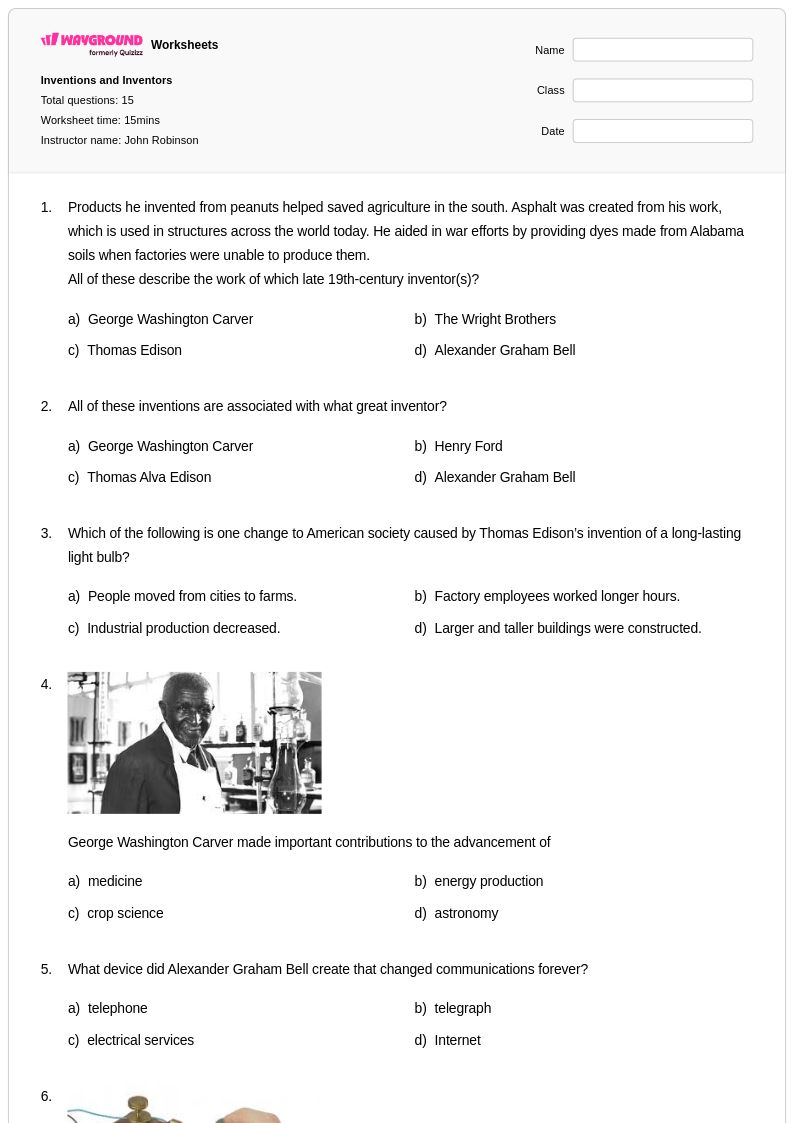
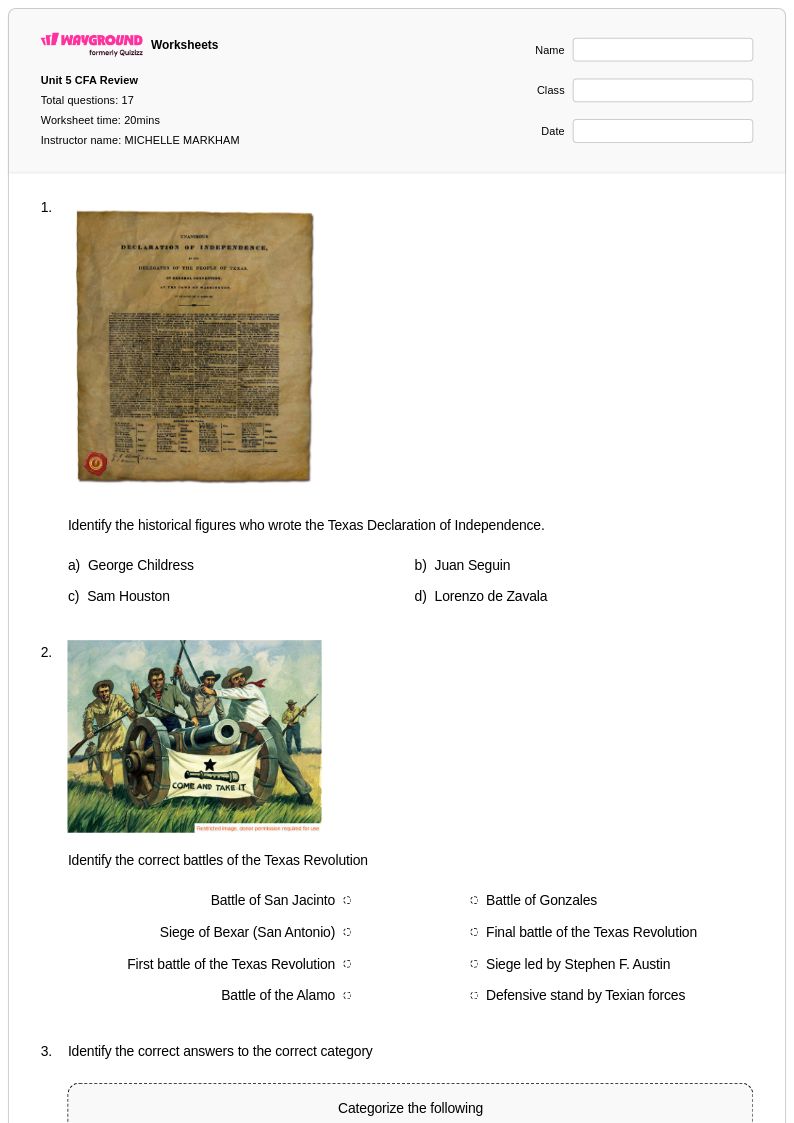
Year 7 moral inventory worksheets from Wayground help students develop ethical decision-making skills through engaging printables and practice problems that explore personal values, character development, and responsible choices with comprehensive answer keys.
Explore printable Moral Inventory worksheets for Year 7
Moral inventory worksheets for Year 7 students available through Wayground provide essential tools for developing self-awareness and ethical reasoning skills during these crucial middle school years. These comprehensive resources guide seventh graders through structured self-reflection exercises that help them examine their values, behaviors, and decision-making processes in various social situations. The practice problems within these worksheets encourage students to identify personal strengths and areas for growth while building critical thinking skills around moral dilemmas they encounter in their daily lives. Each printable resource includes detailed answer keys that support both independent learning and guided classroom discussions, allowing students to engage with complex ethical concepts through age-appropriate scenarios and reflection prompts that strengthen their capacity for honest self-assessment.
Wayground's extensive collection of teacher-created moral inventory resources offers educators flexible solutions for integrating character education into their Year 7 social studies curriculum. With millions of educational materials at their disposal, teachers can easily search and filter through standards-aligned worksheets that address specific aspects of moral development and social-emotional learning. The platform's differentiation tools enable instructors to customize content for diverse learning needs, while the availability of both digital and PDF formats ensures seamless integration into any classroom environment. These adaptable resources support comprehensive lesson planning by providing structured frameworks for remediation, enrichment, and ongoing skill practice, empowering educators to create meaningful learning experiences that foster ethical thinking and personal responsibility in their middle school students.
FAQs
How do I teach moral inventory to students?
Teaching moral inventory begins with creating a psychologically safe classroom environment where students feel comfortable examining their own values and actions honestly. Start with guided prompts that ask students to reflect on recent decisions, their motivations, and how their choices affected others. Building in regular, low-stakes reflection routines helps students develop the habit of honest self-assessment over time rather than treating it as a one-time exercise.
What exercises help students practice self-reflection and ethical reasoning?
Structured reflection prompts are among the most effective tools for developing moral inventory skills, particularly when they ask students to identify both strengths and areas for growth rather than focusing only on missteps. Scenario-based activities that present ethical dilemmas help students examine their decision-making patterns in a low-pressure context. Journaling, peer discussion, and accountability check-ins extend this practice by giving students multiple formats to process their thinking.
What mistakes do students commonly make when completing a moral inventory?
The most common error is surface-level reflection, where students write what they think is expected rather than engaging in genuine self-examination. Students also tend to either over-criticize themselves without acknowledging strengths or, conversely, avoid acknowledging accountability for how their actions affect others. Teachers should scaffold moral inventory activities with specific, concrete prompts that push past vague responses and model the kind of honest, balanced reasoning they want to see.
How can moral inventory activities support social-emotional learning goals?
Moral inventory activities directly strengthen core SEL competencies including self-awareness, responsible decision-making, and empathy, because they require students to examine their own values and recognize the real-world impact of their choices on others. When integrated consistently into a character education program, these reflective activities help students build the internal frameworks they need to navigate ethical challenges independently. This makes moral inventory work a natural complement to social studies curricula focused on citizenship and personal responsibility.
How do I use Wayground's moral inventory worksheets in my classroom?
Wayground's moral inventory worksheets are available as printable PDFs for traditional classroom use and in digital formats for technology-integrated environments, giving teachers flexibility across in-person, hybrid, and remote settings. Teachers can also host the worksheets as a quiz directly on Wayground, which allows for streamlined digital delivery and easy progress monitoring. Each worksheet includes answer keys and reflection prompts, so teachers can use them for guided whole-class activities, independent work, or small-group character education discussions.
How do I differentiate moral inventory activities for students with different needs?
Wayground supports differentiation through built-in student-level accommodations that can be applied individually without other students being notified. For students who need additional support, teachers can enable Read Aloud so questions and prompts are read to them, reduce answer choices to lower cognitive load, or grant extended time per question. These settings are saved and reusable across sessions, making it practical to maintain consistent accommodations for students who need them throughout a character education unit.