Free Printable Long Vowel Patterns Worksheets for Year 3
Master Year 3 long vowel patterns with Wayground's comprehensive collection of free worksheets, printables, and practice problems featuring answer keys to help students identify and apply vowel sounds confidently.
Explore printable Long Vowel Patterns worksheets for Year 3
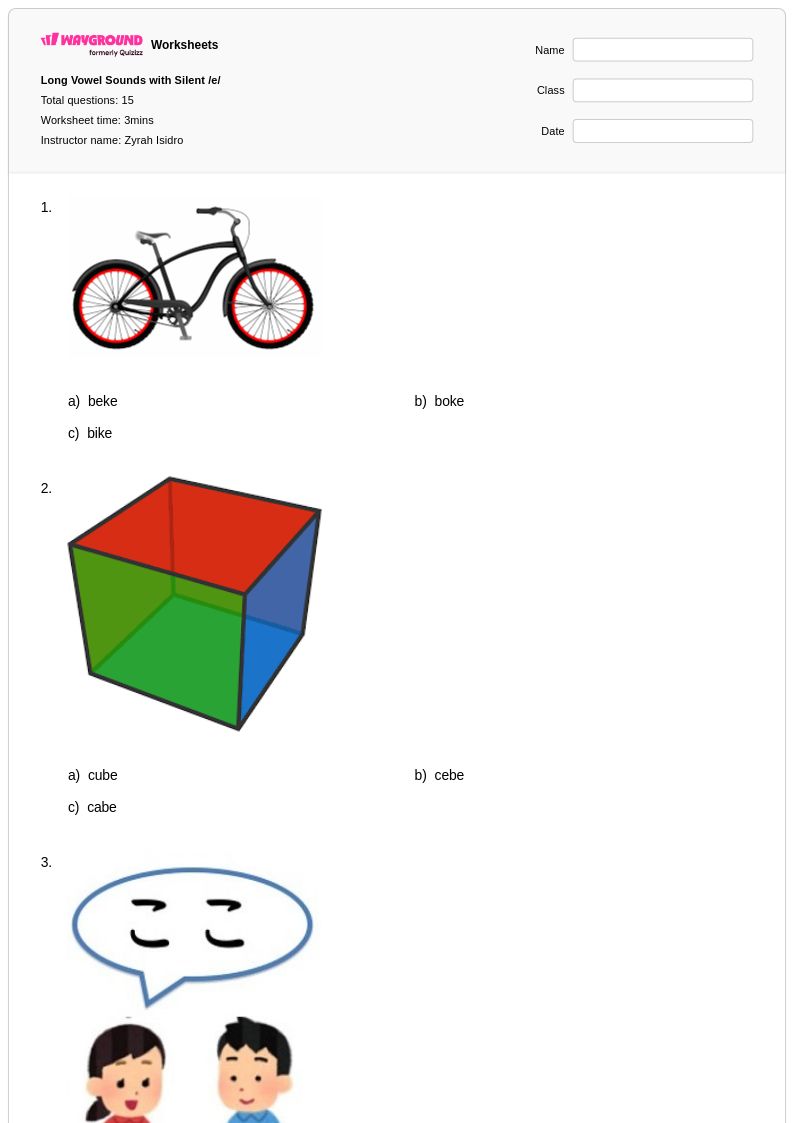
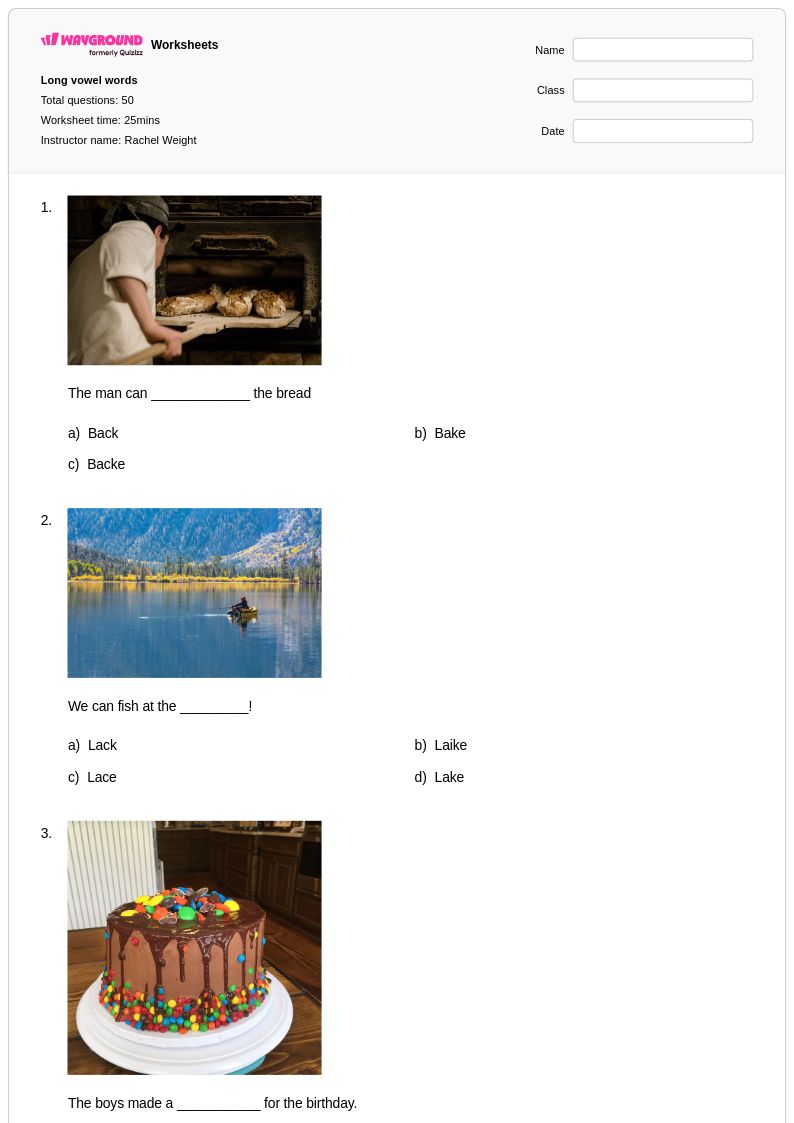
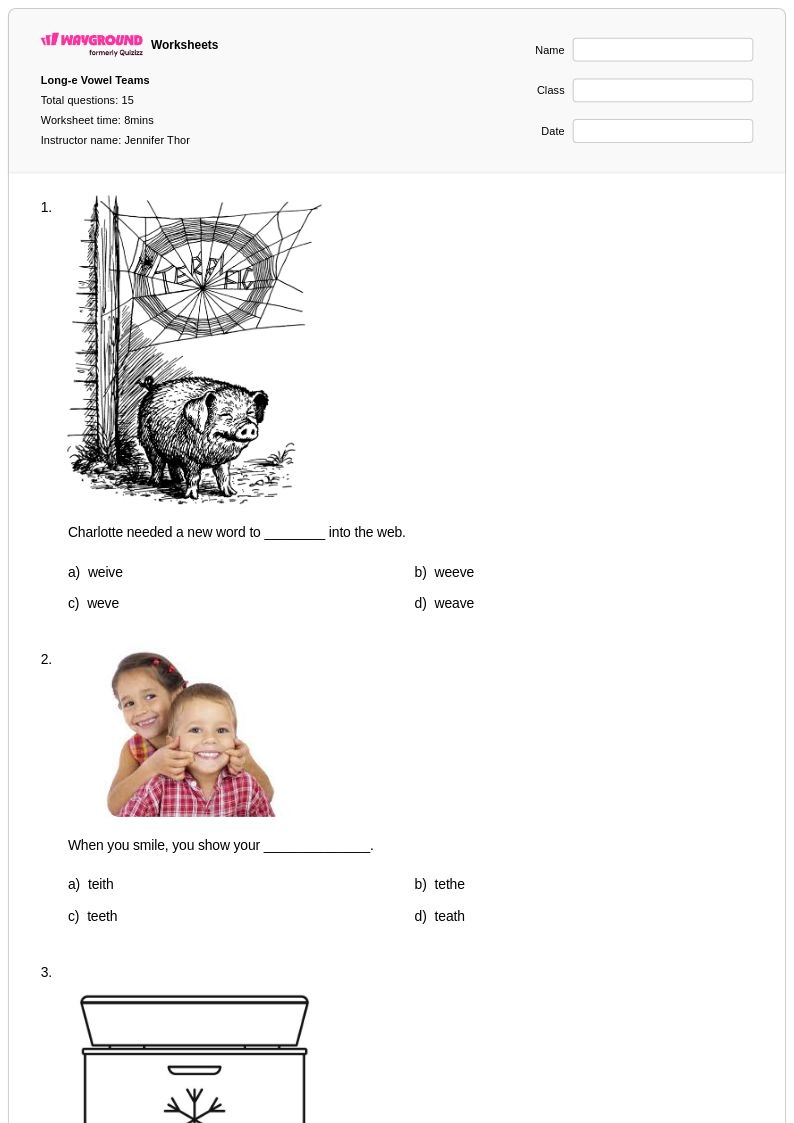
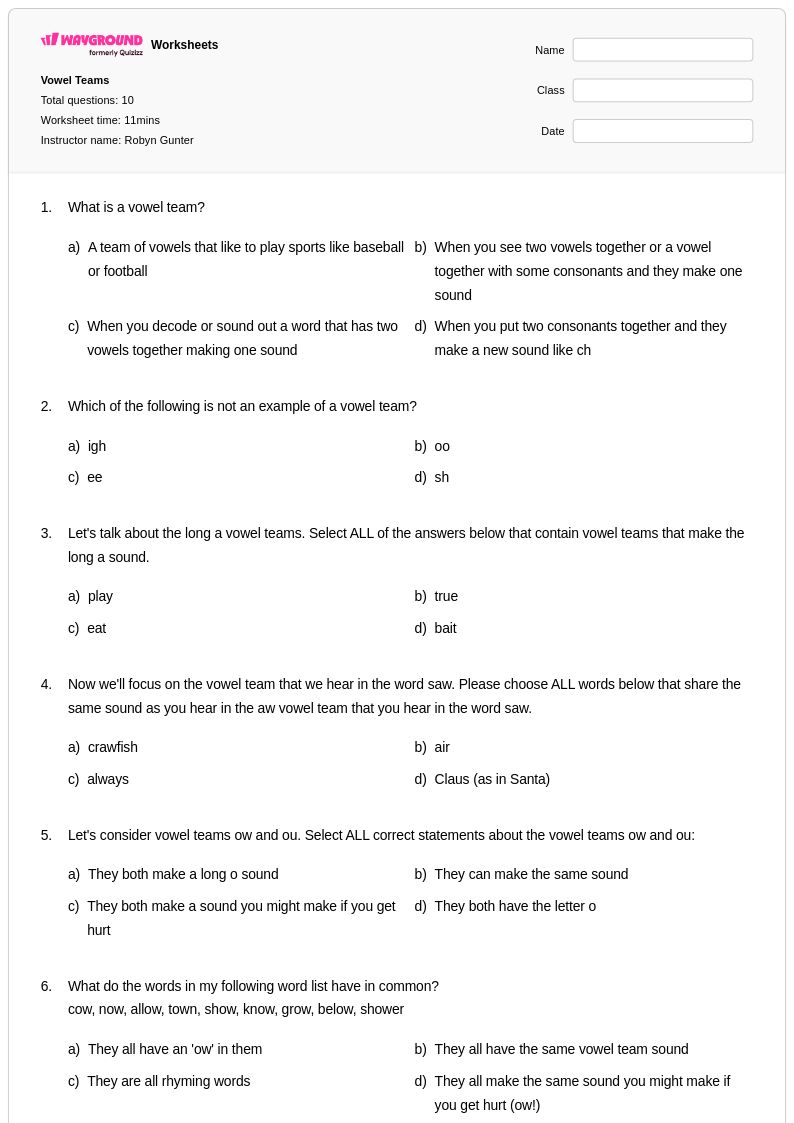
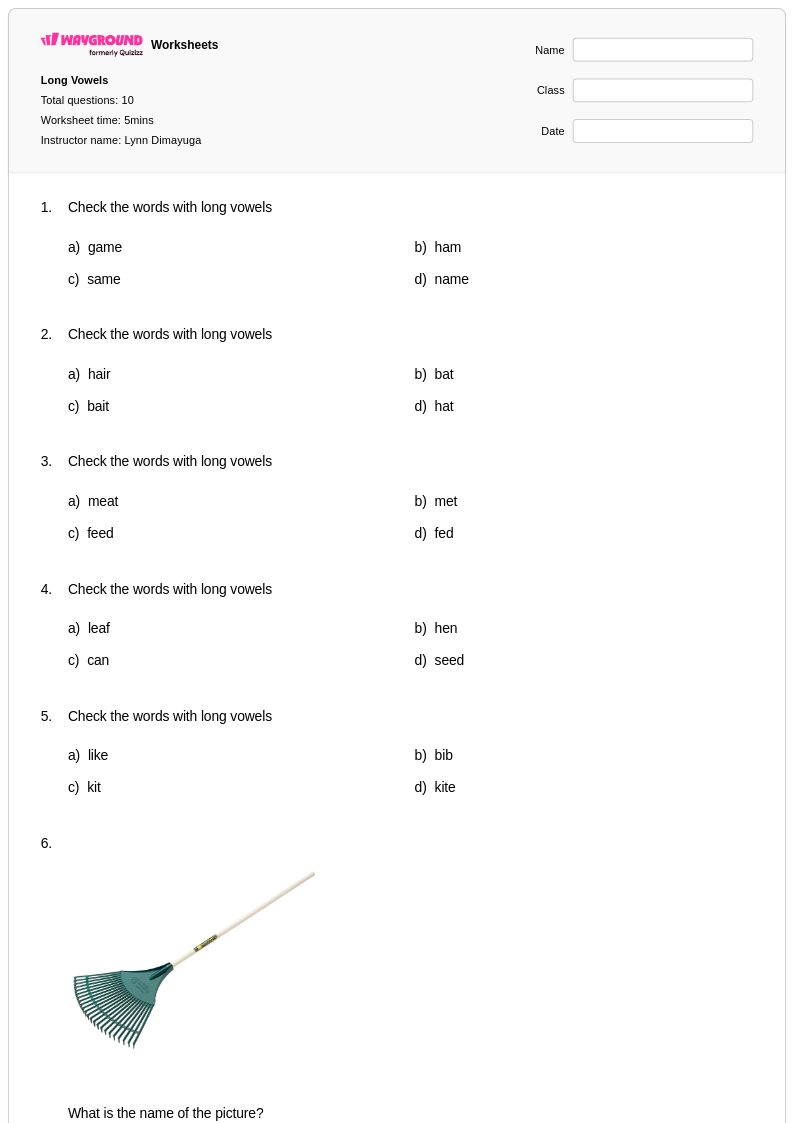
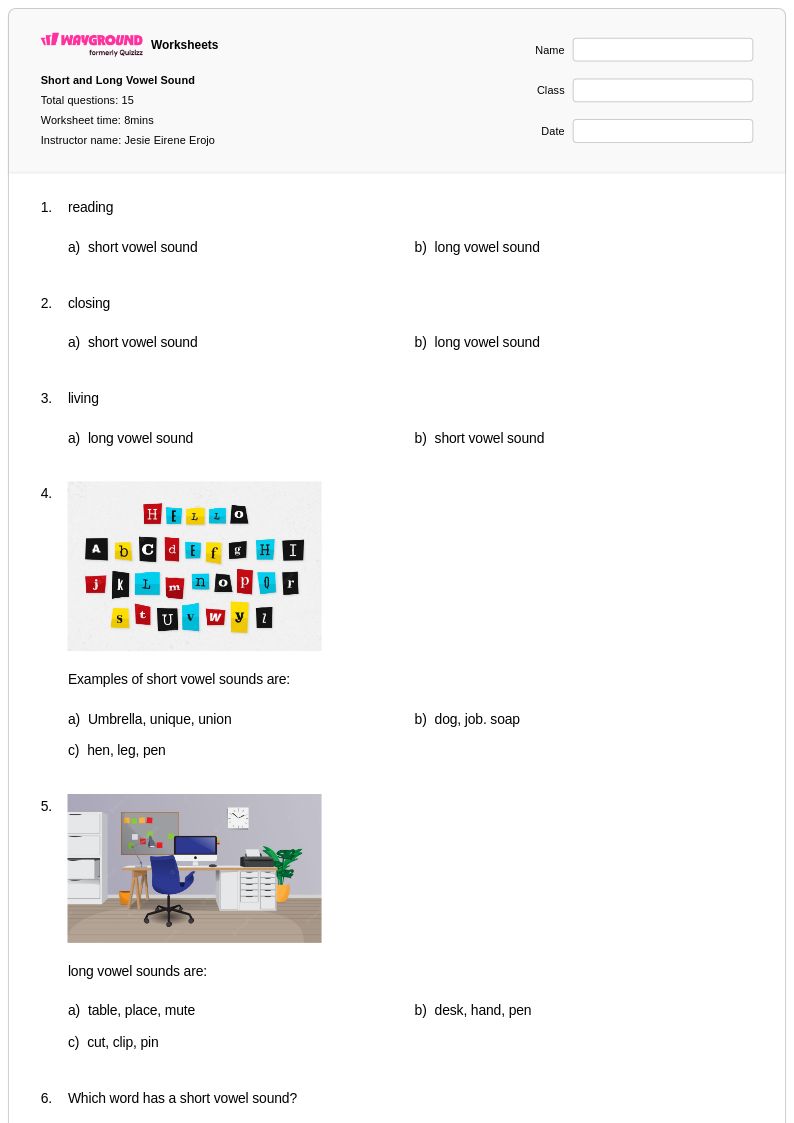
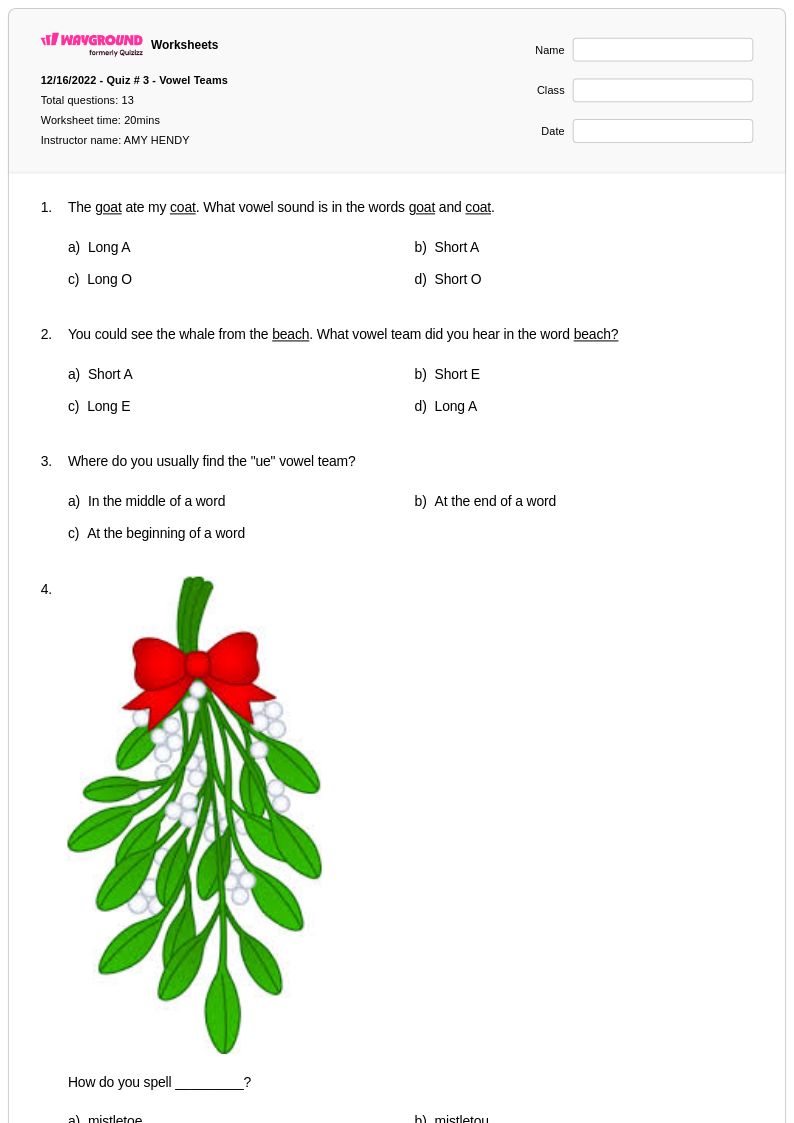
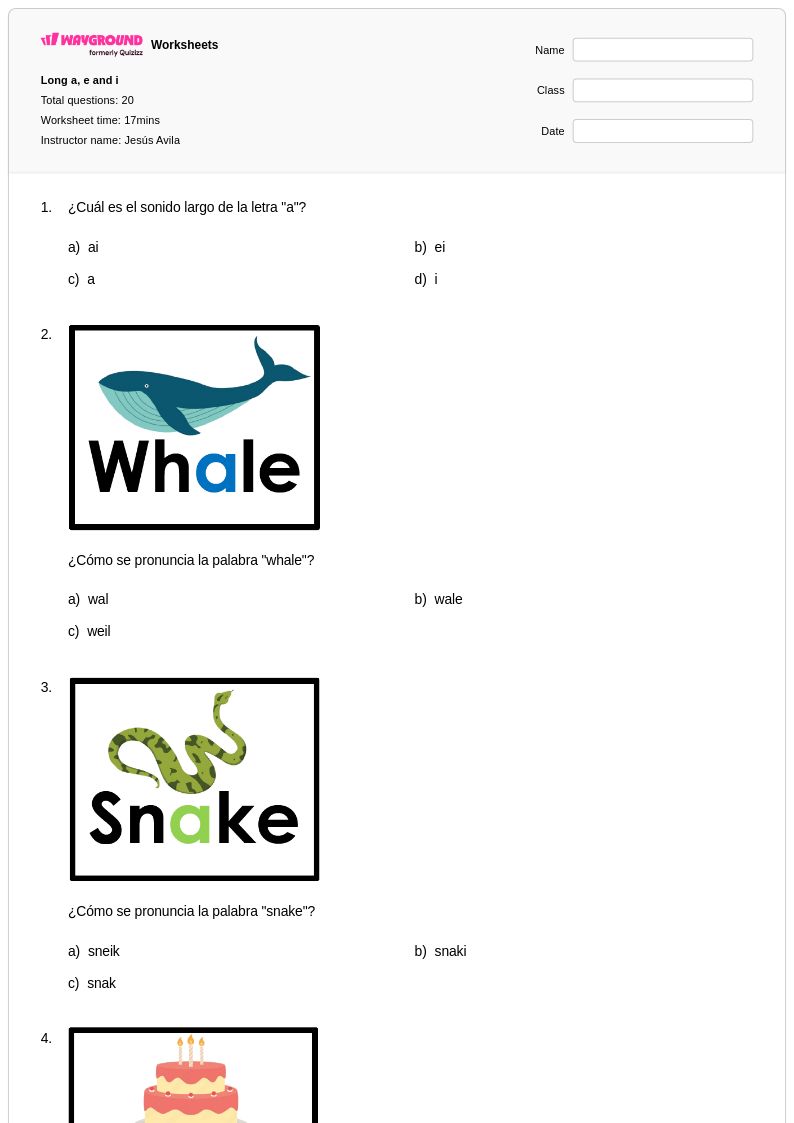
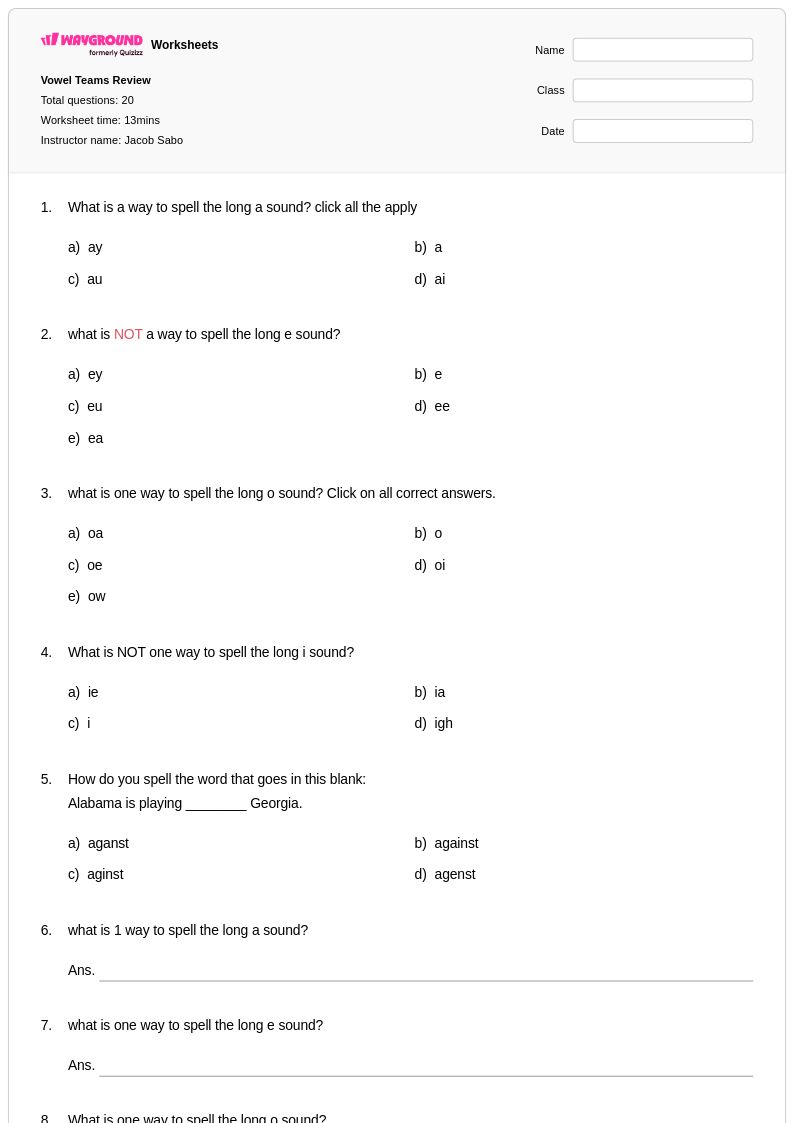
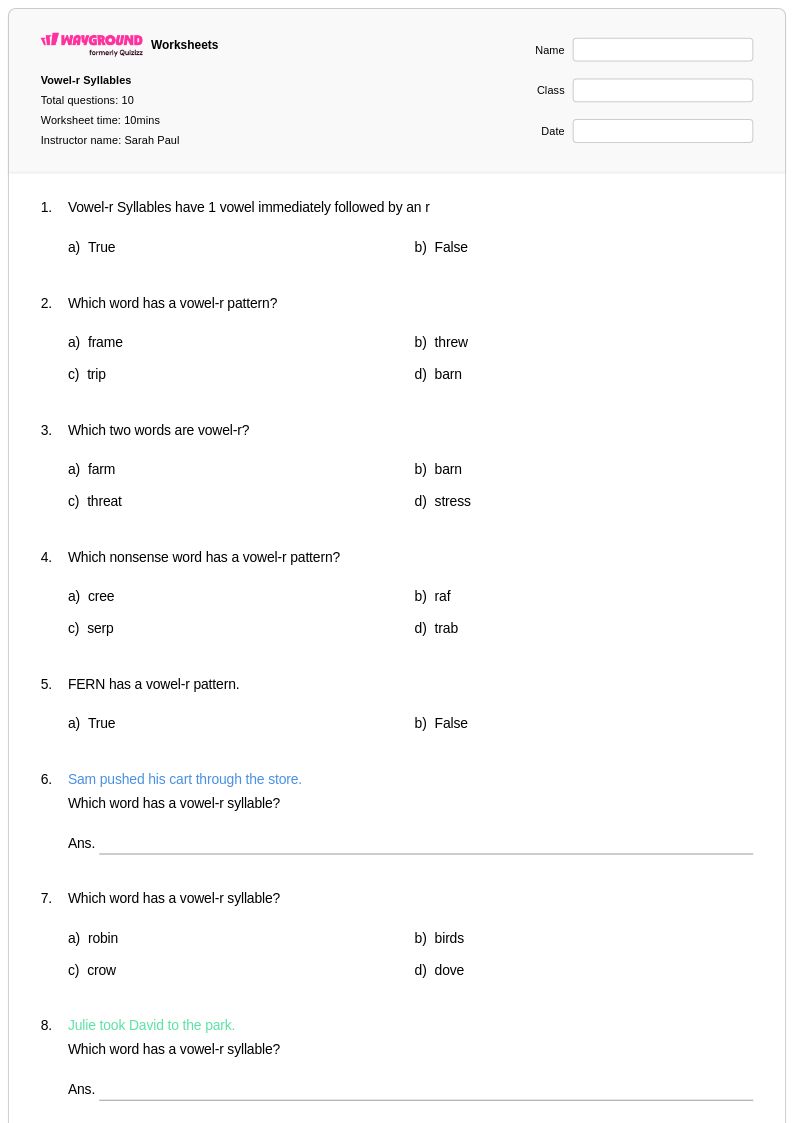
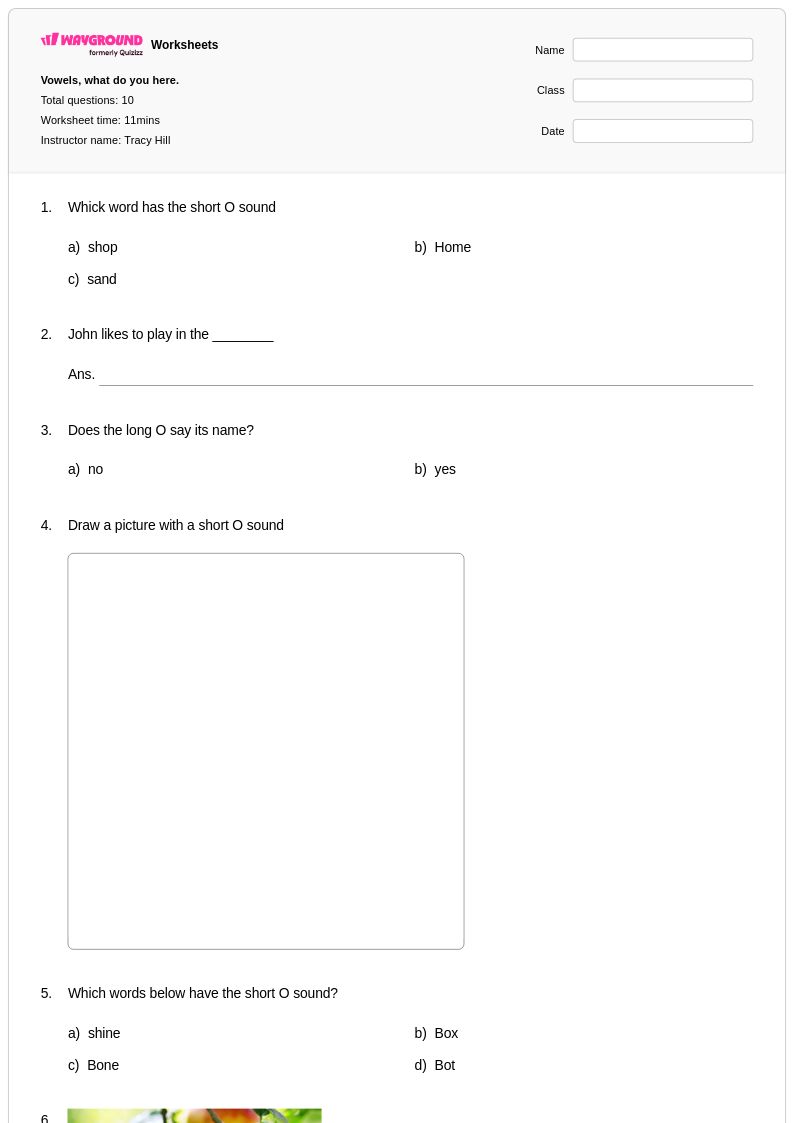
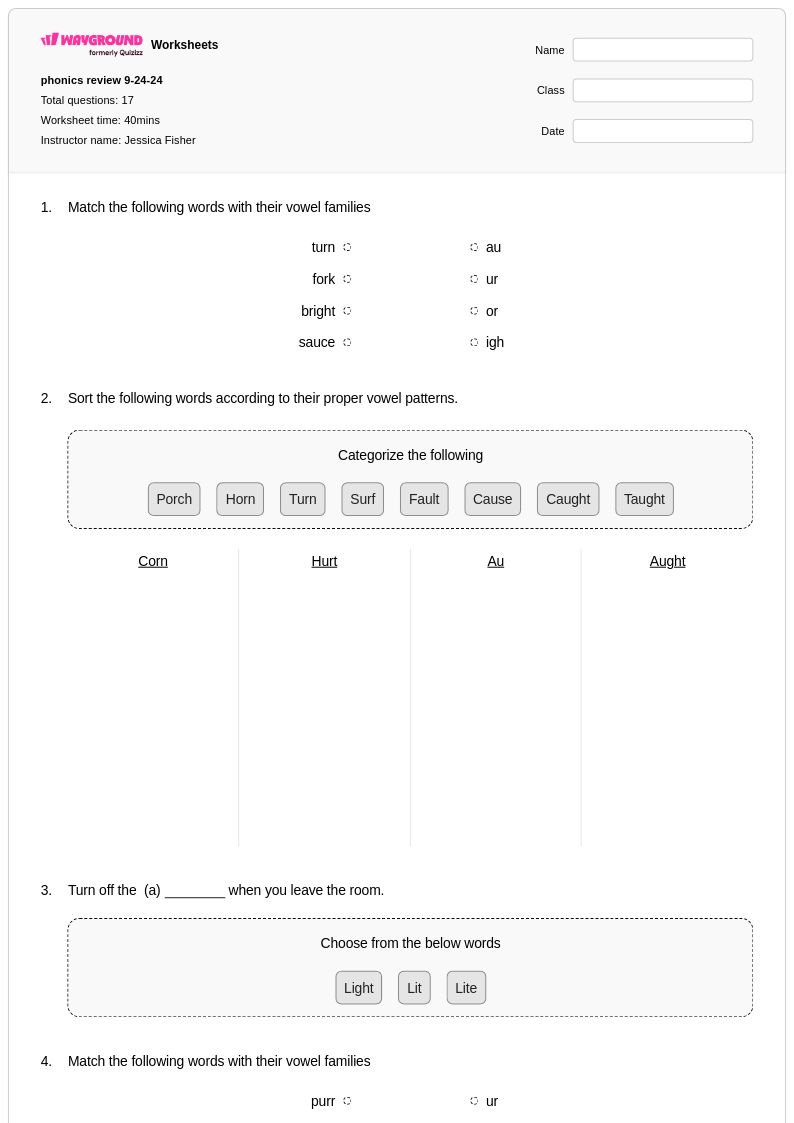
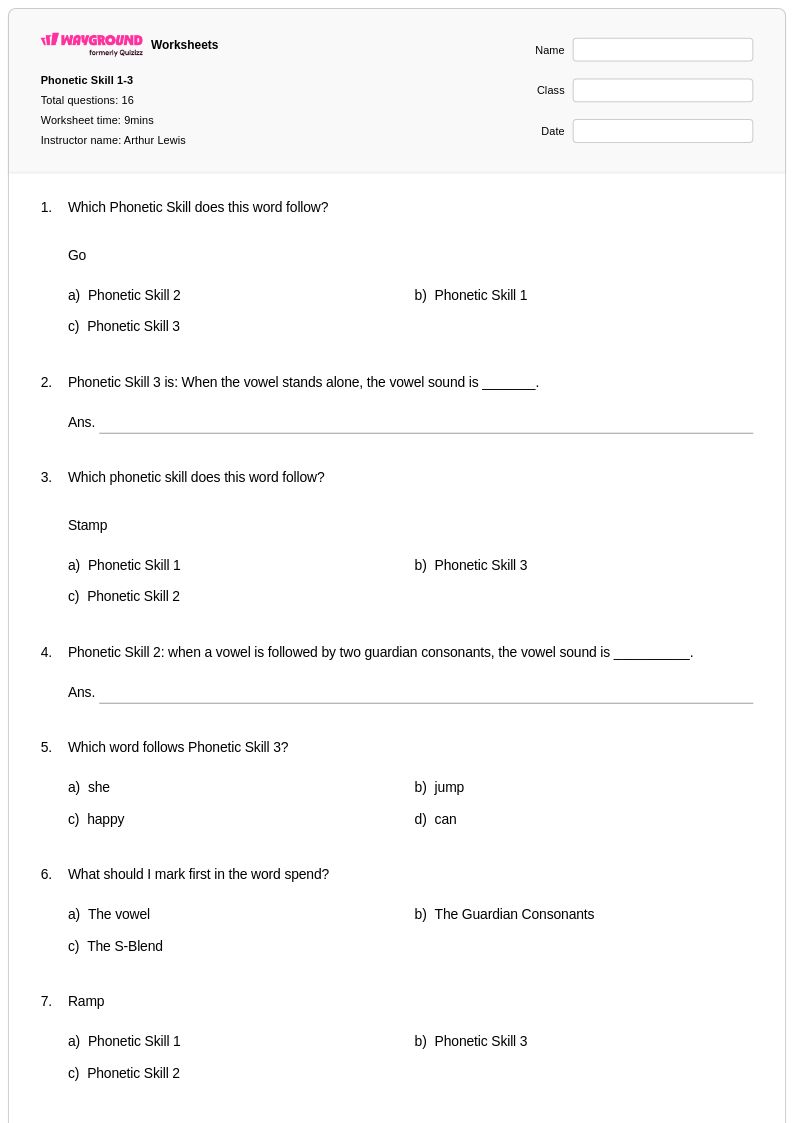
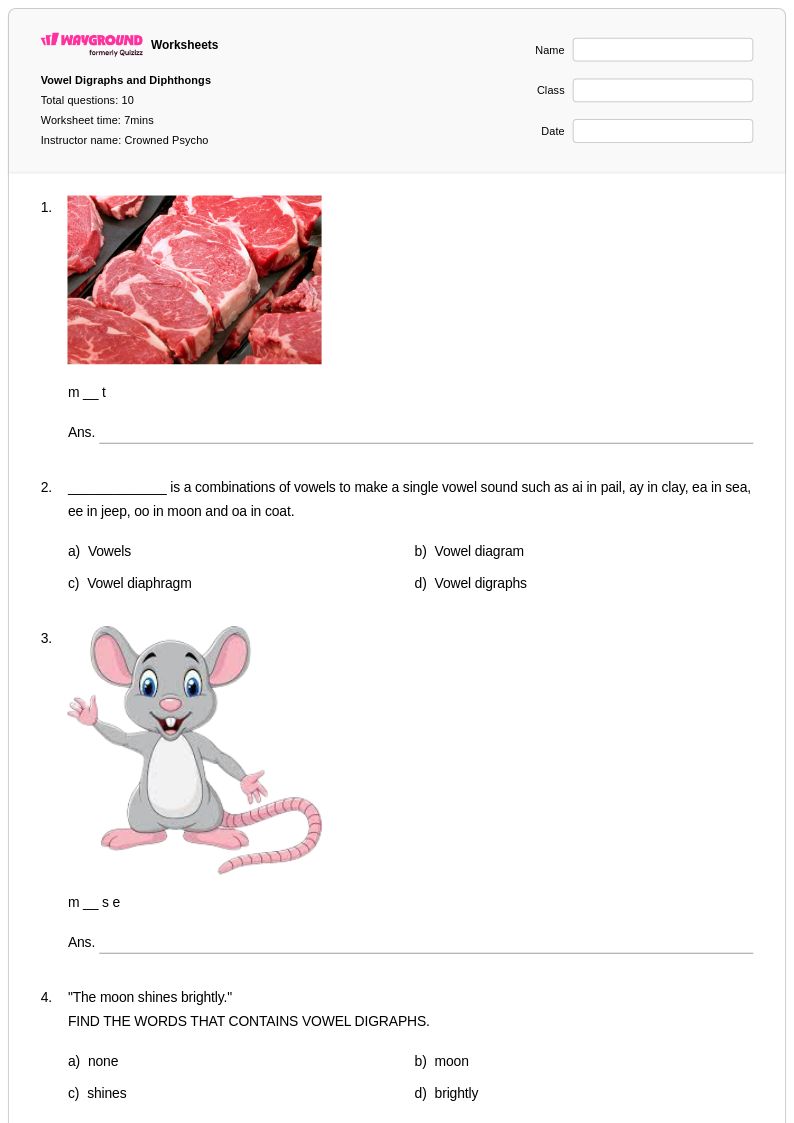
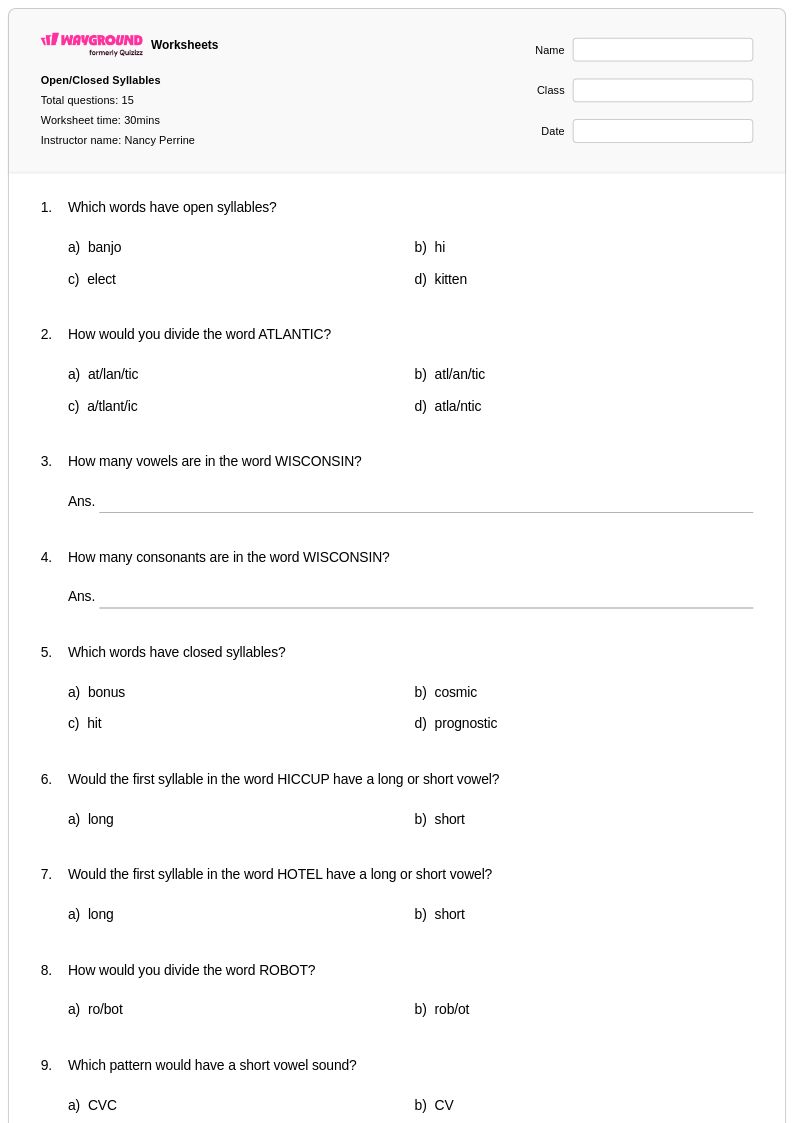
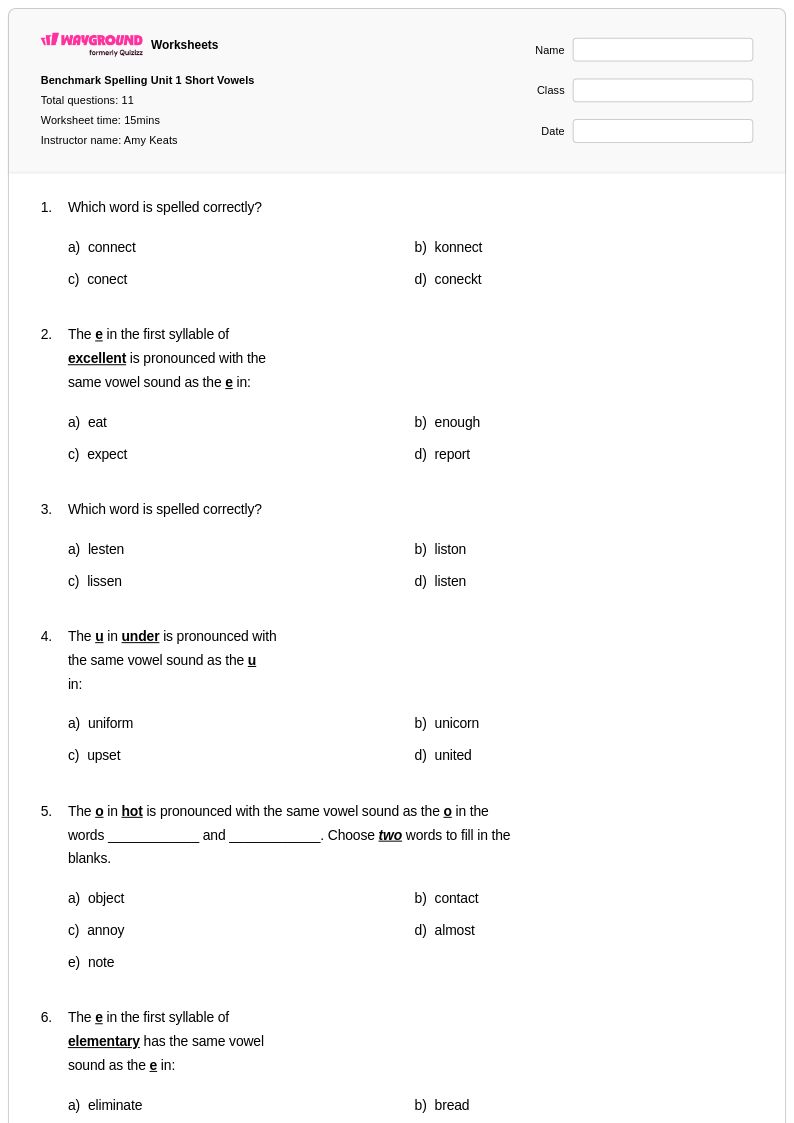
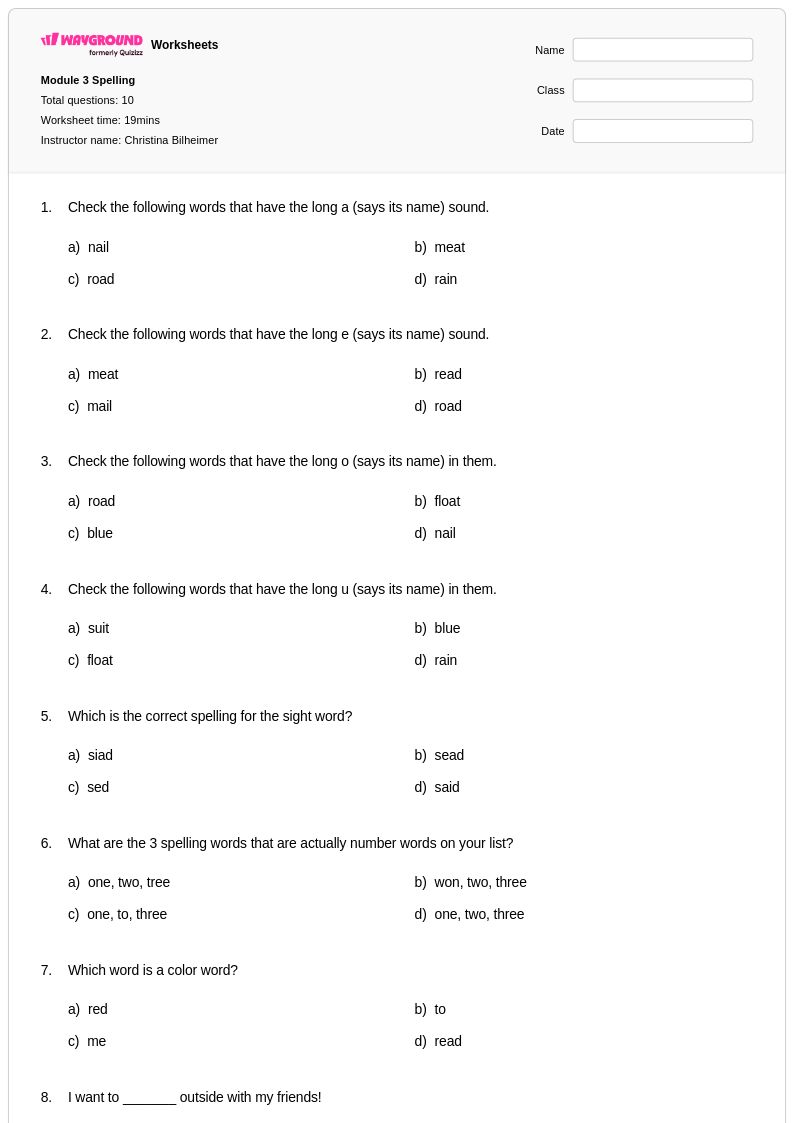
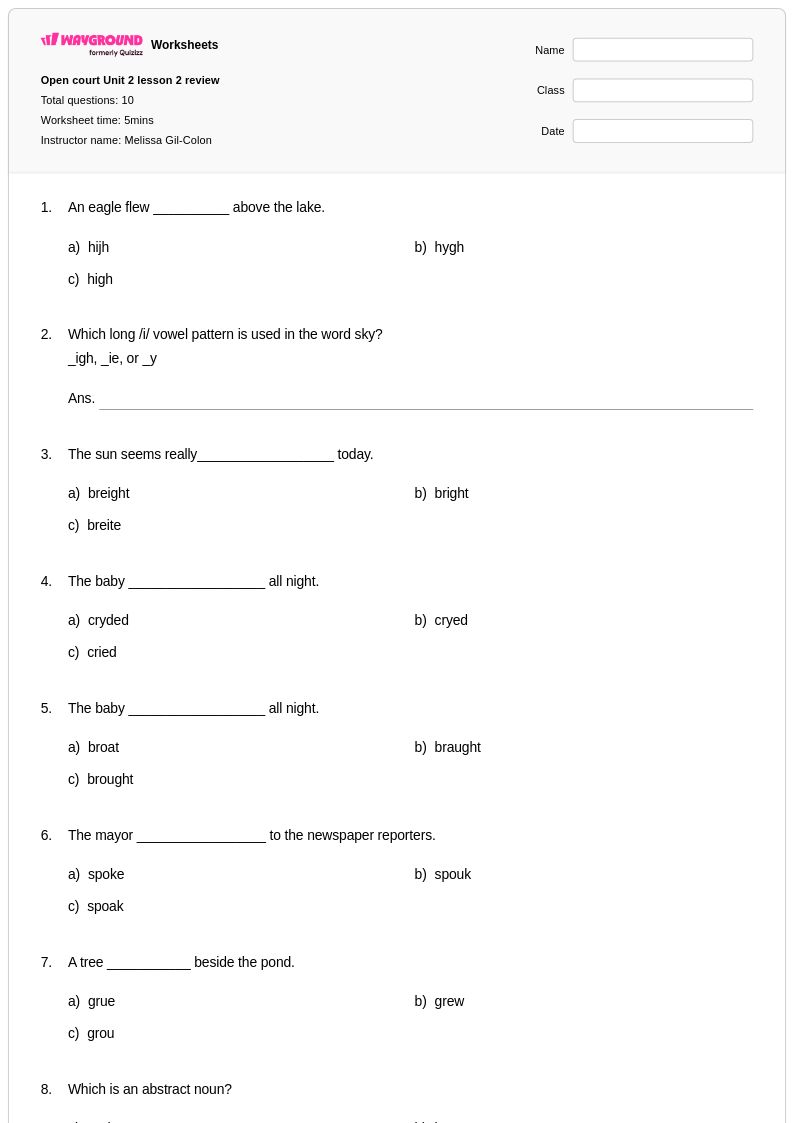
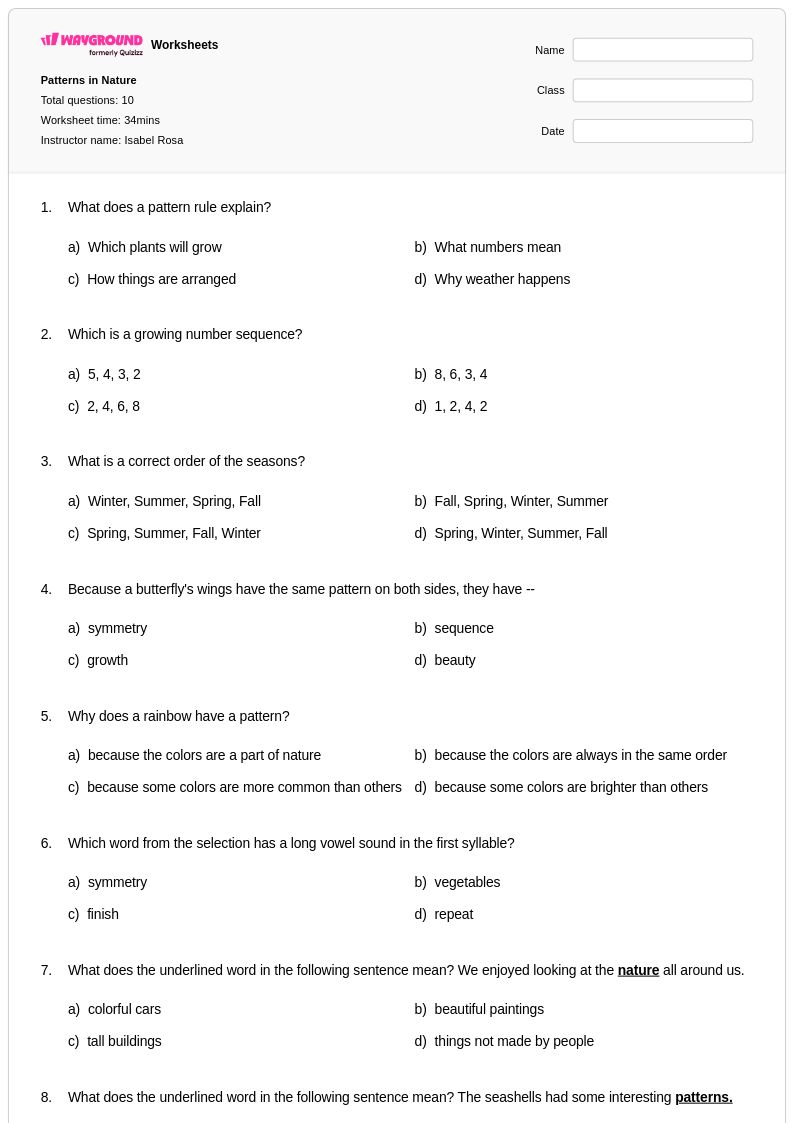
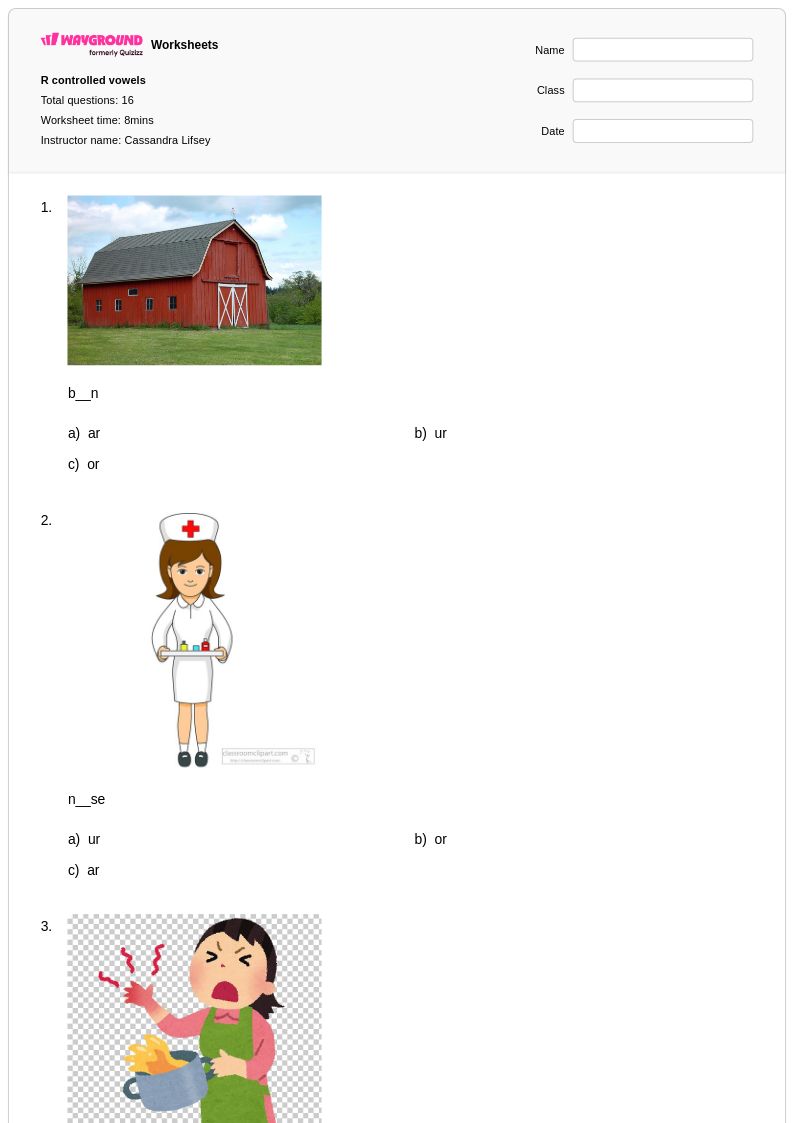
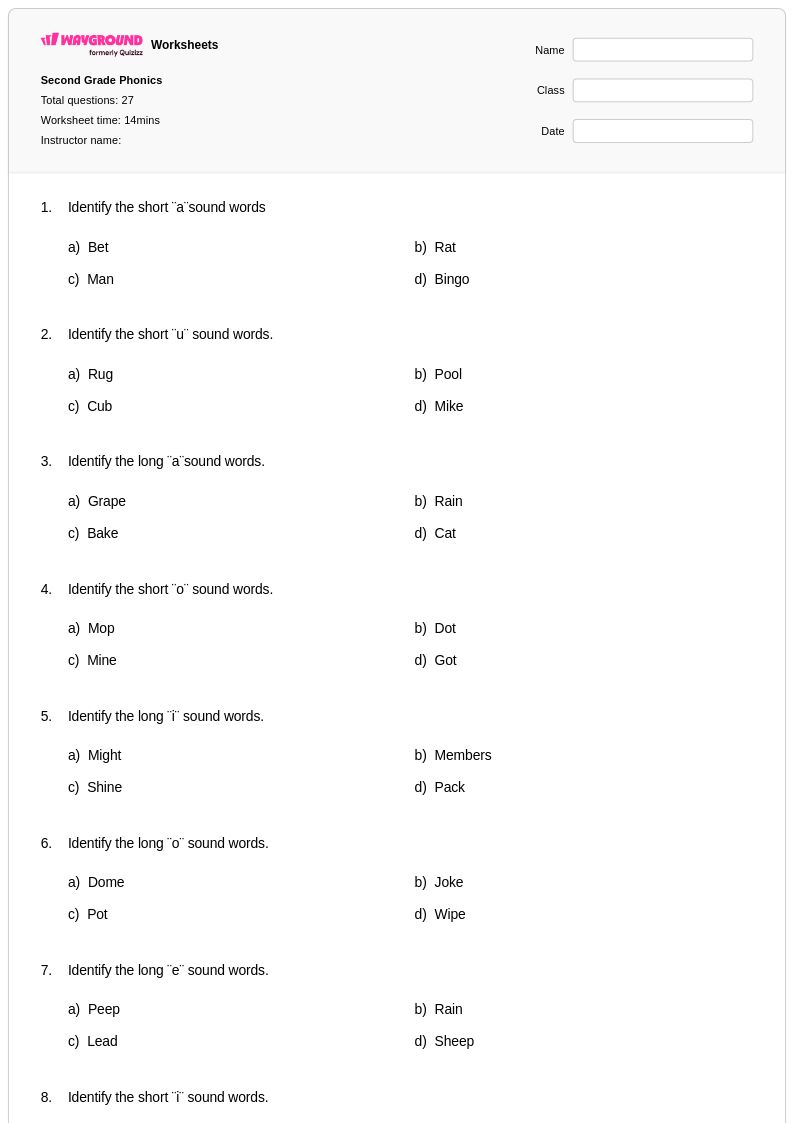
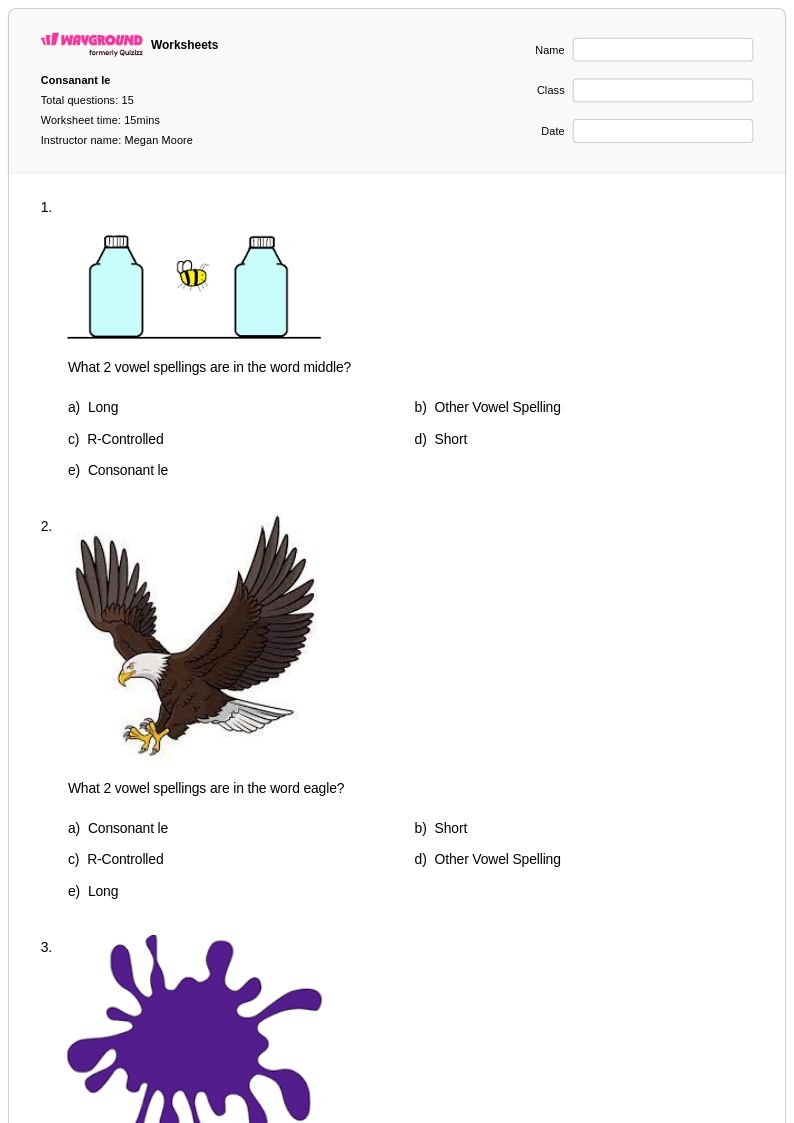
Long vowel patterns represent a crucial phonics milestone for Year 3 students as they transition from basic letter-sound relationships to more complex spelling conventions. Wayground's comprehensive collection of long vowel pattern worksheets provides systematic practice with essential patterns including silent e, vowel teams like ai/ay and oa/ow, and vowel digraphs that create the long vowel sounds students encounter in increasingly sophisticated texts. These carefully structured practice problems guide learners through recognizing, reading, and spelling words containing long vowel patterns, strengthening their decoding skills and building the phonetic foundation necessary for fluent reading. Each worksheet includes detailed answer keys and is available as free printables in convenient PDF format, allowing educators to seamlessly integrate targeted phonics instruction into their literacy curriculum while providing students with essential skill-building opportunities.
Wayground's extensive platform, featuring millions of teacher-created resources, empowers educators to locate precisely the right long vowel pattern materials for their Year 3 classrooms through robust search and filtering capabilities. The collection aligns with key phonics standards and offers powerful differentiation tools that allow teachers to customize worksheets for diverse learning needs, whether providing foundational support for struggling readers or offering enrichment challenges for advanced students. Available in both printable PDF format and interactive digital versions, these resources streamline lesson planning while supporting effective remediation and skill practice across various instructional settings. Teachers can efficiently organize their phonics instruction knowing they have access to high-quality, professionally designed materials that address the specific long vowel pattern concepts their students need to master for reading success.
FAQs
How do I teach long vowel patterns to early readers?
Teach long vowel patterns by grouping them into predictable rules: silent e (CVCe), vowel teams (ai, ay, ee, ea, oa, ow, ie), and vowel digraphs. Start with one pattern at a time, provide high-frequency word examples, and give students repeated exposure through sorting, reading, and spelling activities. Building pattern recognition before blending helps students internalize the rules rather than memorize individual words.
What exercises help students practice long vowel spelling patterns?
Effective practice exercises include word sorting by vowel pattern, fill-in-the-blank spelling tasks, identifying long vowel words within sentences, and distinguishing between short and long vowel sounds in minimal pairs. Targeted worksheets that focus on specific patterns like ai versus ay or ee versus ea help students avoid confusion by contrasting similar spellings in a controlled context.
What mistakes do students commonly make with long vowel patterns?
Students frequently confuse vowel teams that represent the same sound but use different spellings, such as ai and ay, or ee and ea. They also tend to overapply the silent e rule to words where it doesn't apply, or miss it entirely in words like 'cake' and 'ride.' Another common error is reverting to short vowel pronunciations when encountering unfamiliar multisyllabic words, even when a long vowel pattern is present.
How do I differentiate long vowel pattern instruction for struggling readers?
For struggling readers, isolate one vowel pattern at a time and use decodable texts that reinforce only the pattern being taught. Reduce the number of answer choices on practice activities to lower cognitive load, and use read-aloud support so students can hear the target sound modeled before attempting to identify it independently. On Wayground, teachers can enable accommodations such as Read Aloud and reduced answer choices for individual students without affecting the rest of the class.
How can I use Wayground's long vowel pattern worksheets in my classroom?
Wayground's long vowel pattern worksheets are available as printable PDFs for traditional classroom use and in digital formats for technology-integrated learning environments. Teachers can also host the worksheets as a quiz directly on Wayground, making it easy to assign practice as homework or an in-class activity. Each worksheet includes a comprehensive answer key, supporting both independent student practice and teacher-led guided instruction.
How do I help students distinguish between long and short vowel sounds?
Use minimal pair comparisons — words that differ only in vowel sound, such as 'cap' versus 'cape' or 'bit' versus 'bite' — to make the contrast explicit. Have students say each word aloud and identify the vowel sound before categorizing it. Consistent exposure to both sound types within the same lesson helps students build the discrimination skills needed for accurate decoding and spelling.