
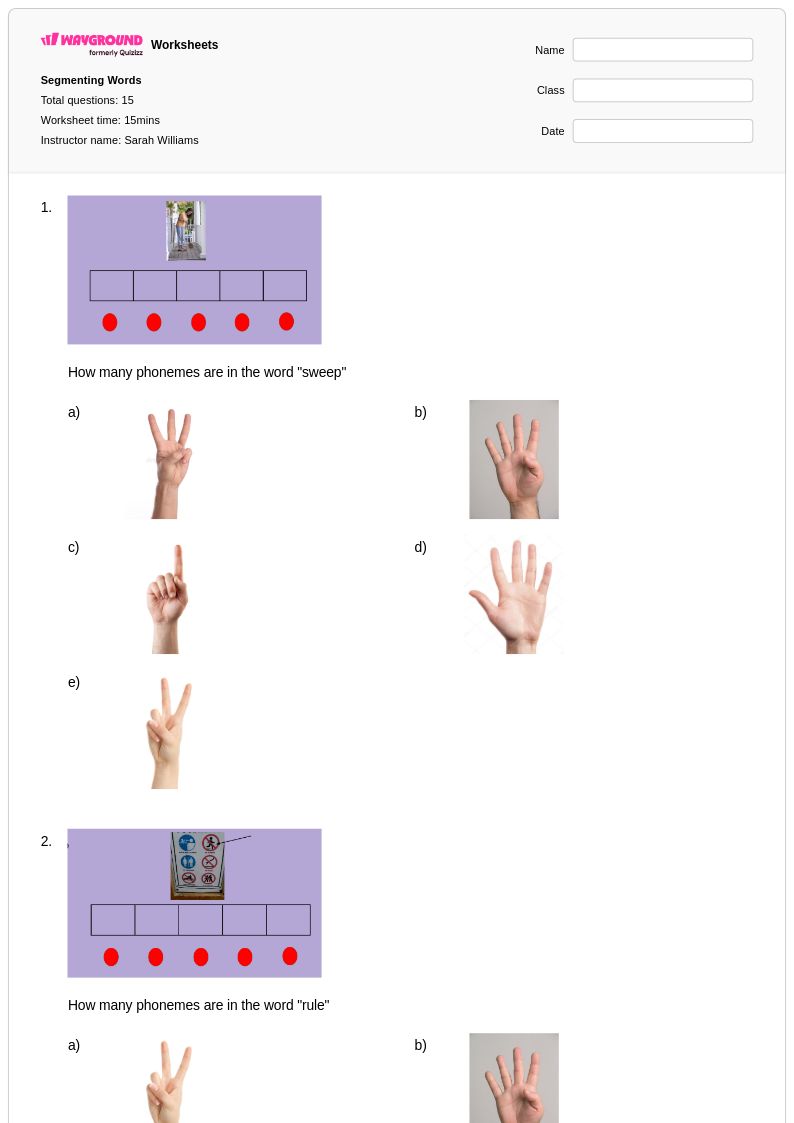
15 Q
3rd - Uni
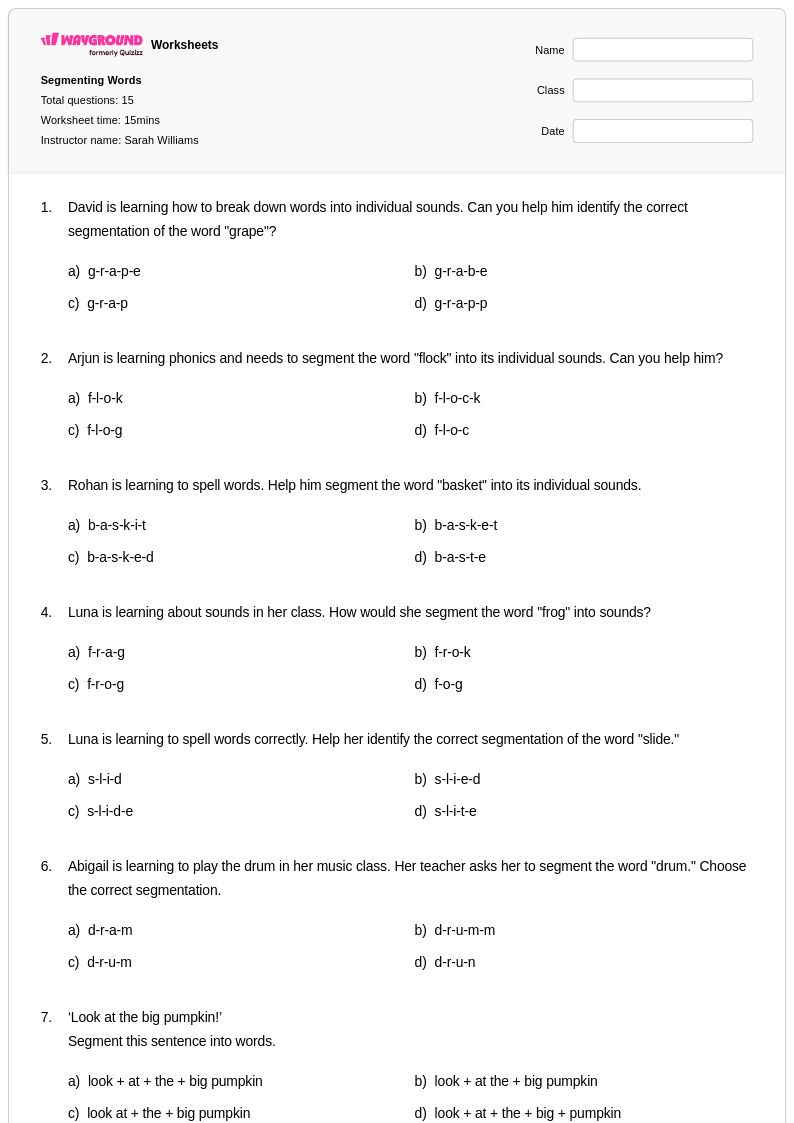
15 Q
3rd - Uni
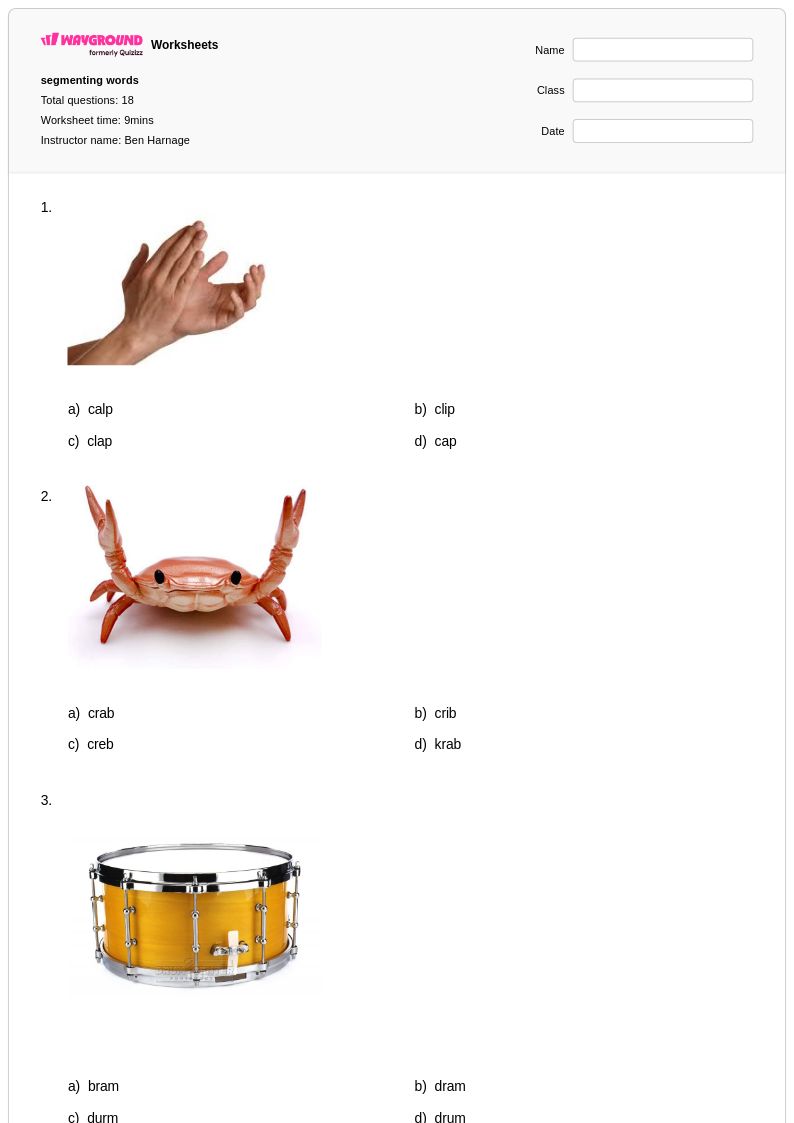
18 Q
3rd
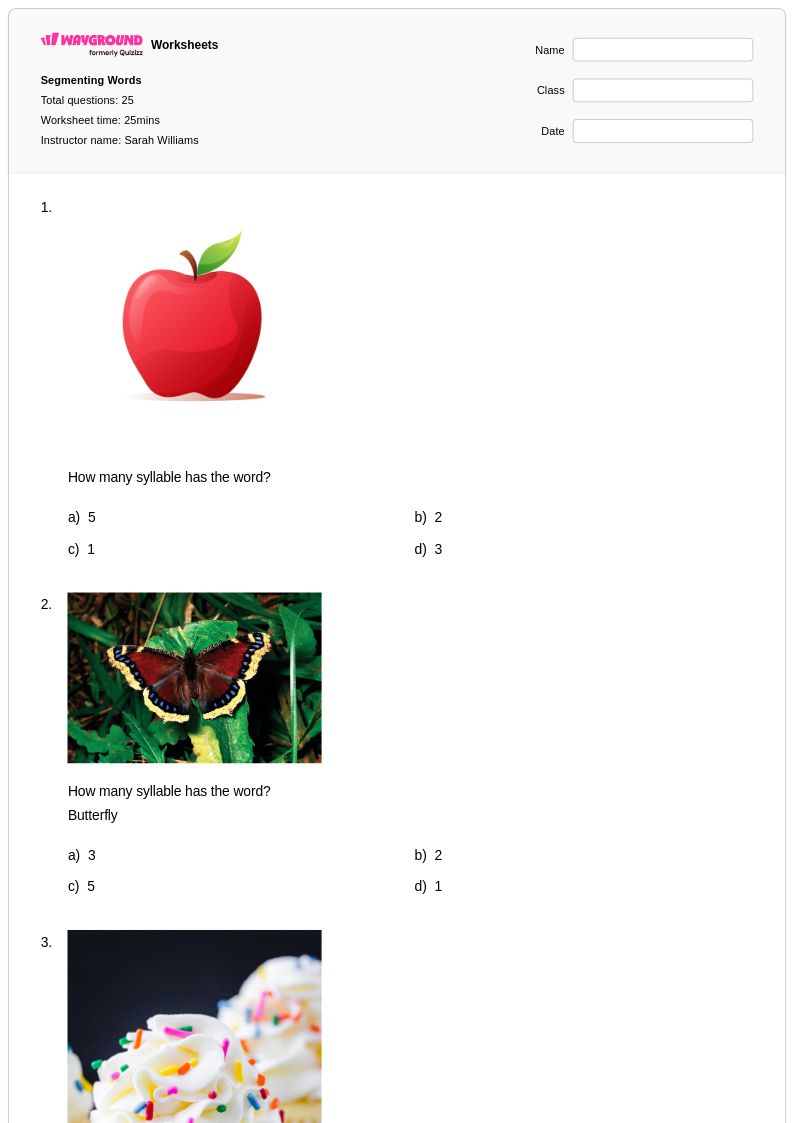
25 Q
3rd - Uni
10 Q
1st - 5th
10 Q
KG - Uni
20 Q
3rd - 5th
20 Q
KG - 3rd
10 Q
3rd
20 Q
3rd - 6th
50 Q
1st - Uni
10 Q
3rd
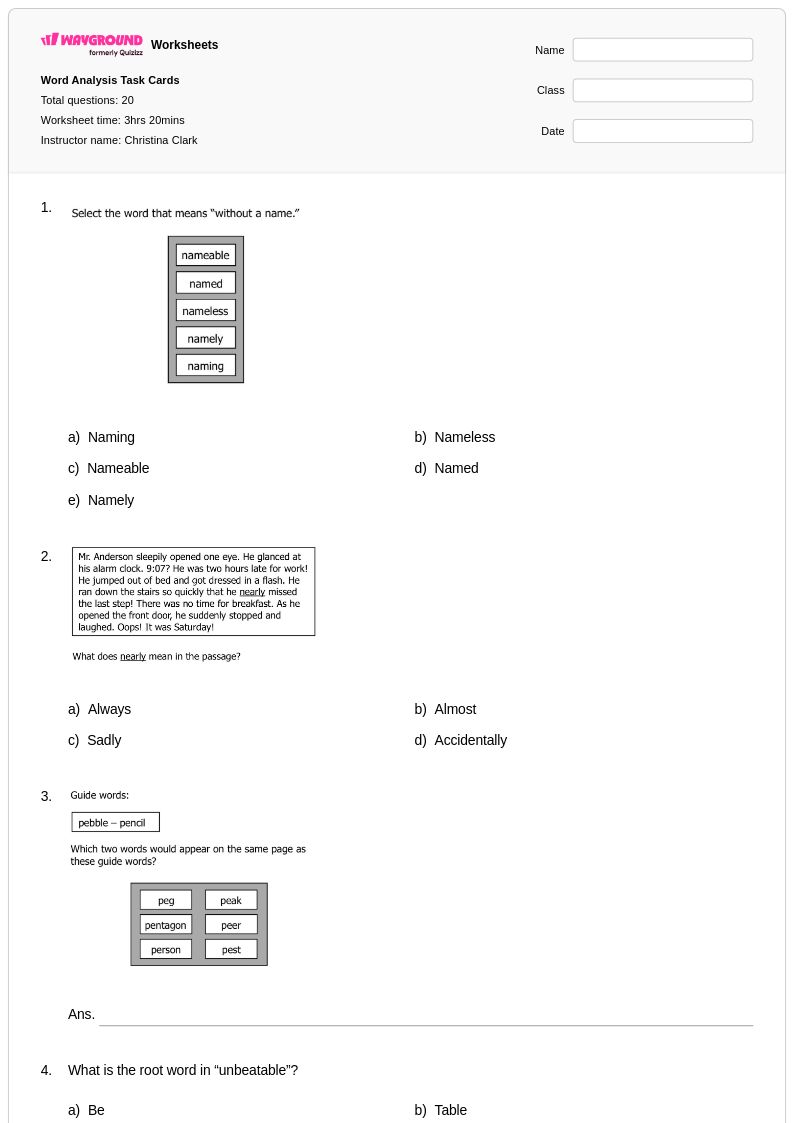
20 Q
3rd
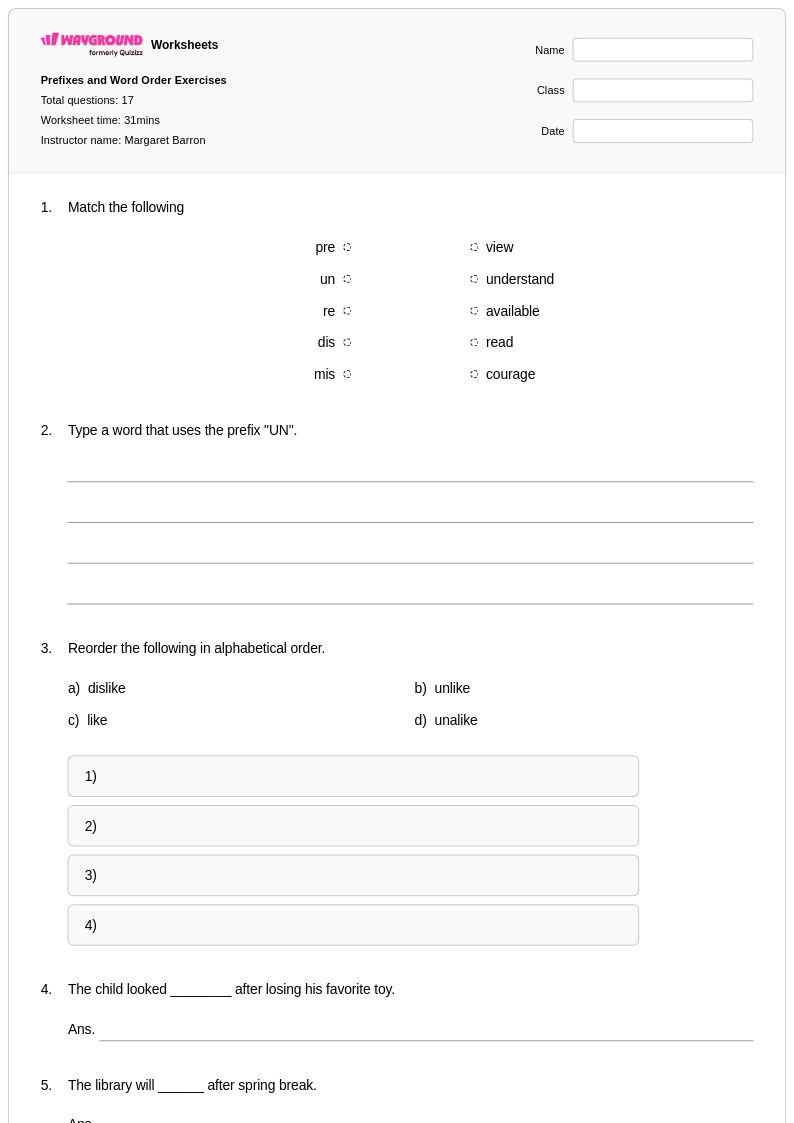
20 Q
3rd
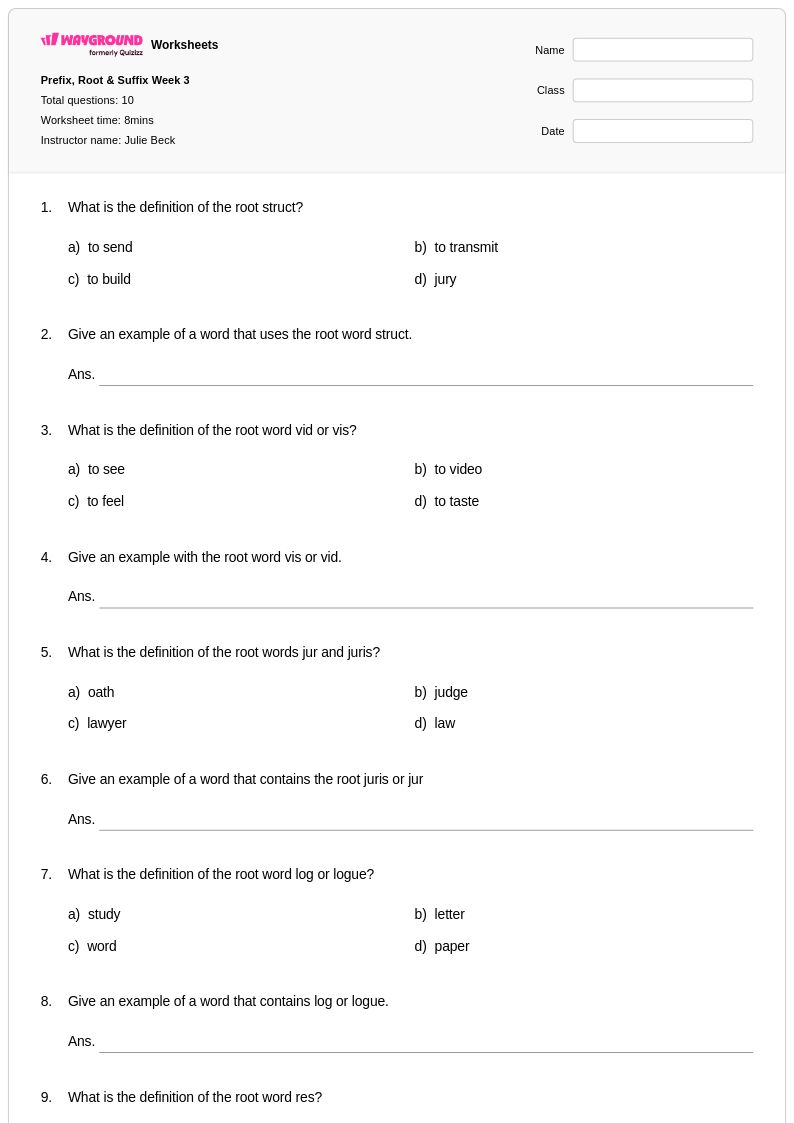
10 Q
3rd - 6th
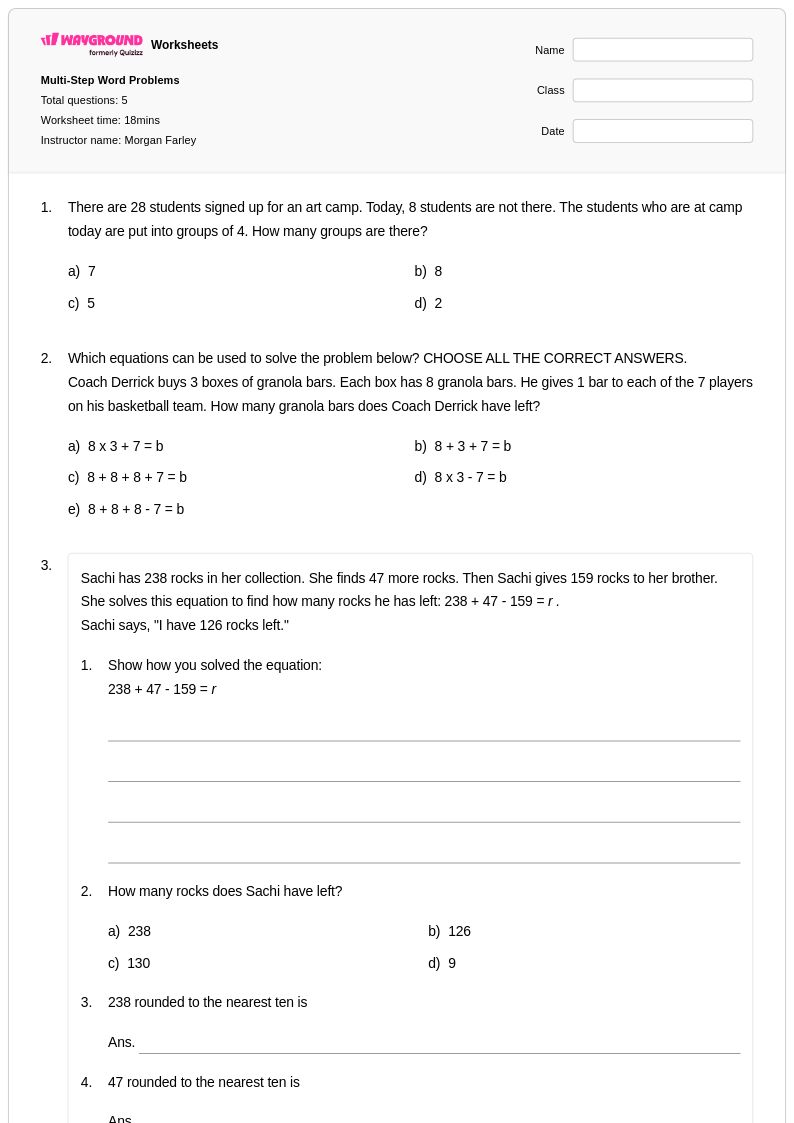
11 Q
3rd
10 Q
2nd - 3rd
14 Q
1st - 5th
20 Q
2nd - 3rd
46 Q
1st - 5th
13 Q
3rd
15 Q
2nd - Uni
84 Q
1st - 5th
12 Q
3rd
Explore Segmenting Words Worksheets by Grades
Explore Other Subject Worksheets for year 3
Explore printable Segmenting Words worksheets for Year 3
Segmenting words worksheets for Year 3 students available through Wayground (formerly Quizizz) provide essential phonics practice that builds foundational reading and spelling skills. These comprehensive resources help third-grade learners develop the critical ability to break words into their individual sounds or phonemes, a key component of phonological awareness that directly supports decoding unfamiliar words and improving overall reading fluency. The collection includes free printables with detailed answer keys, practice problems that progress from simple consonant-vowel-consonant patterns to more complex multisyllabic words, and pdf worksheets that systematically guide students through the process of identifying and separating each sound within spoken and written words.
Wayground (formerly Quizizz) empowers teachers with millions of educator-created segmenting words resources that streamline lesson planning and provide targeted phonics instruction. The platform's robust search and filtering capabilities allow teachers to quickly locate materials aligned with specific learning standards and customize worksheets to match individual student needs and reading levels. These differentiation tools enable effective remediation for struggling readers while offering enrichment opportunities for advanced learners, with resources available in both printable pdf format for traditional classroom use and digital formats for interactive learning experiences. Teachers can efficiently plan skill practice sessions, track student progress through systematic phoneme segmentation activities, and ensure that every third-grade student receives appropriate support in developing this fundamental literacy skill.
FAQs
How do I teach students to segment words into sounds?
What exercises help students practice segmenting words?
What mistakes do students commonly make when segmenting words?
How can I differentiate segmenting words practice for students at different skill levels?
How do I use Wayground's segmenting words worksheets in my classroom?