
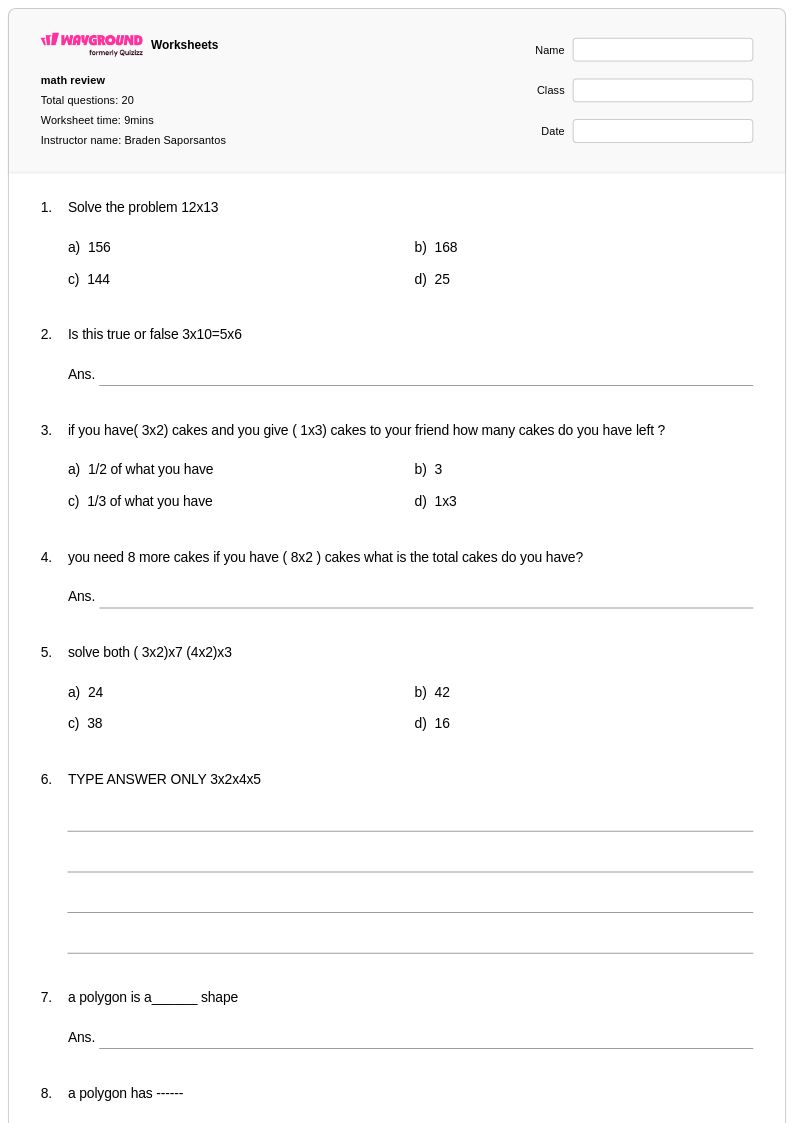
20 Q
3rd
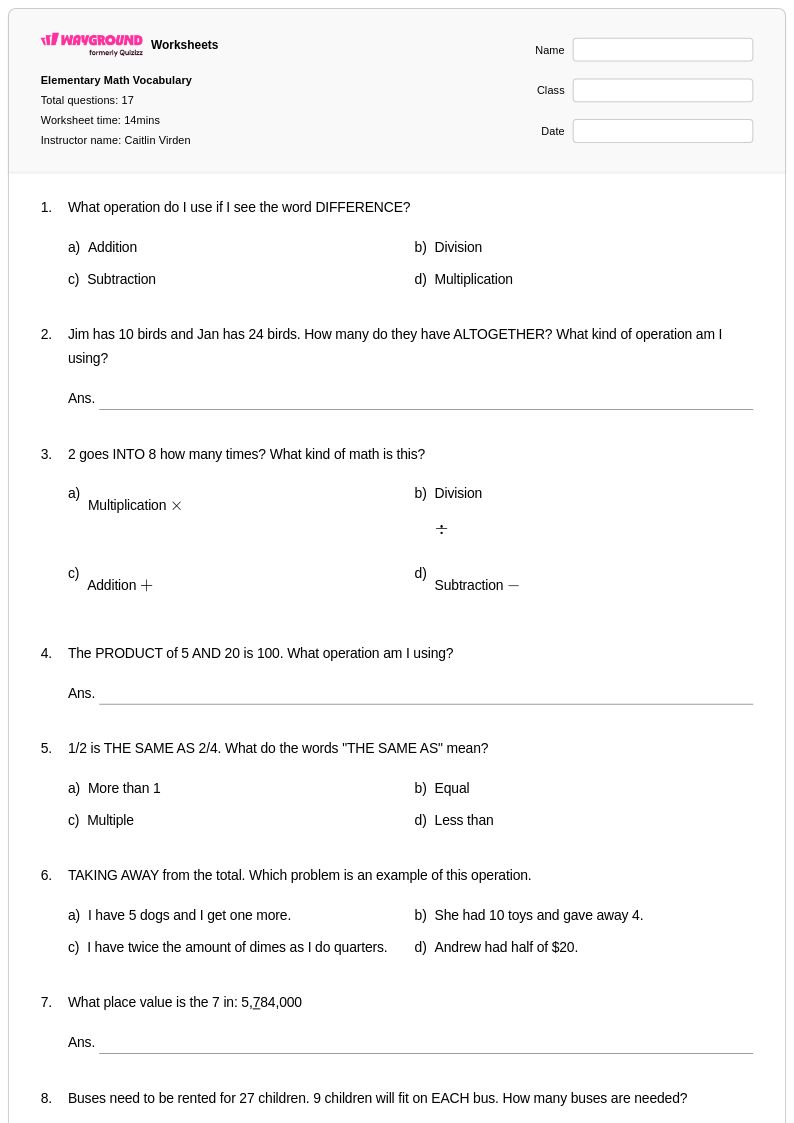
17 Q
3rd - 6th
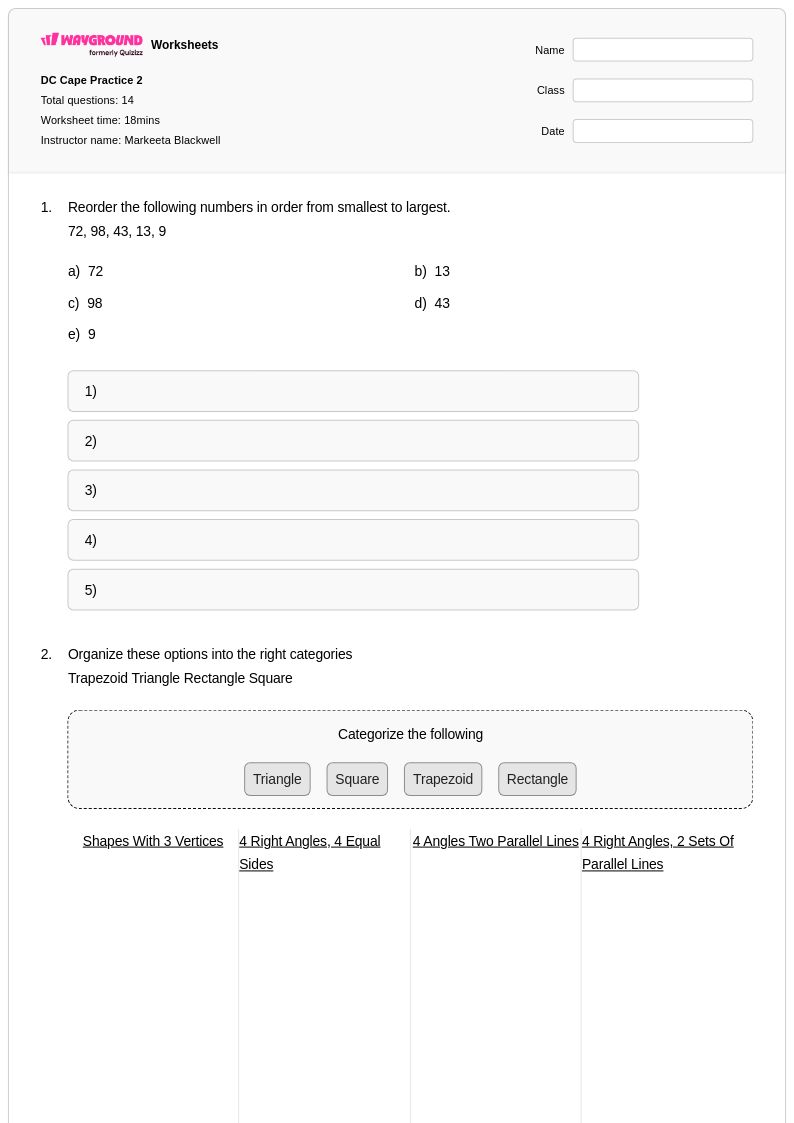
14 Q
3rd
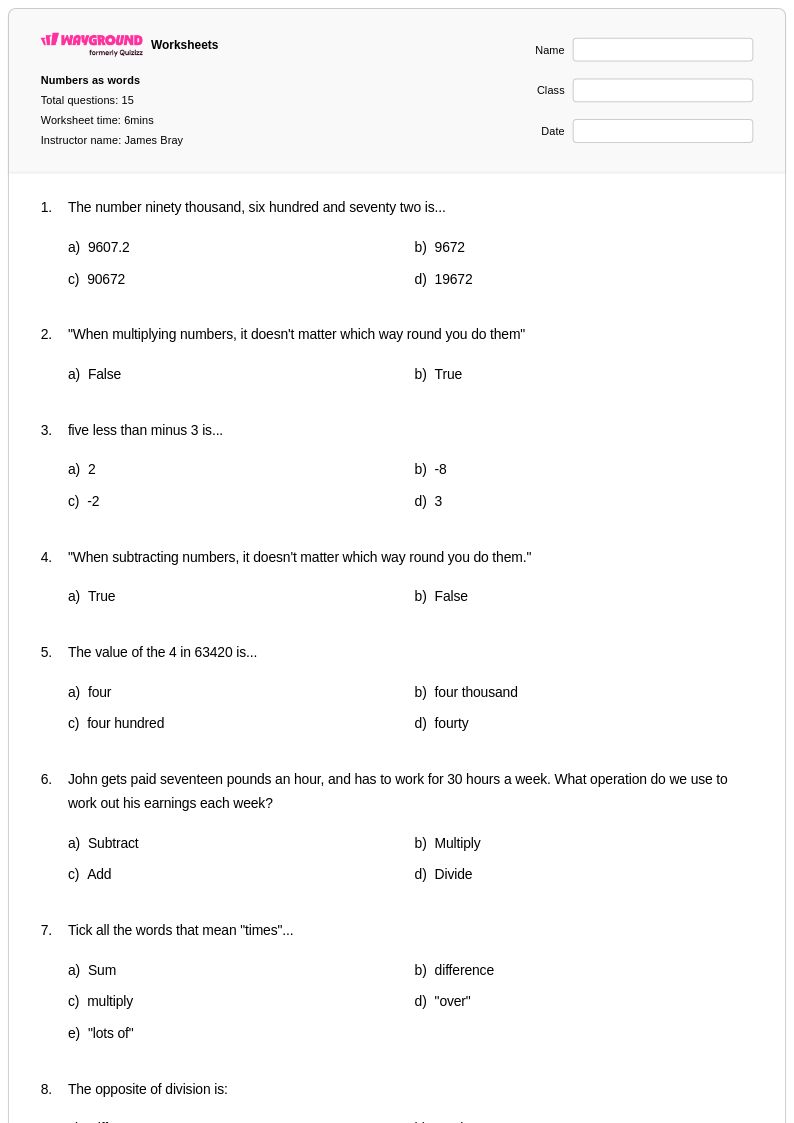
15 Q
3rd - 5th
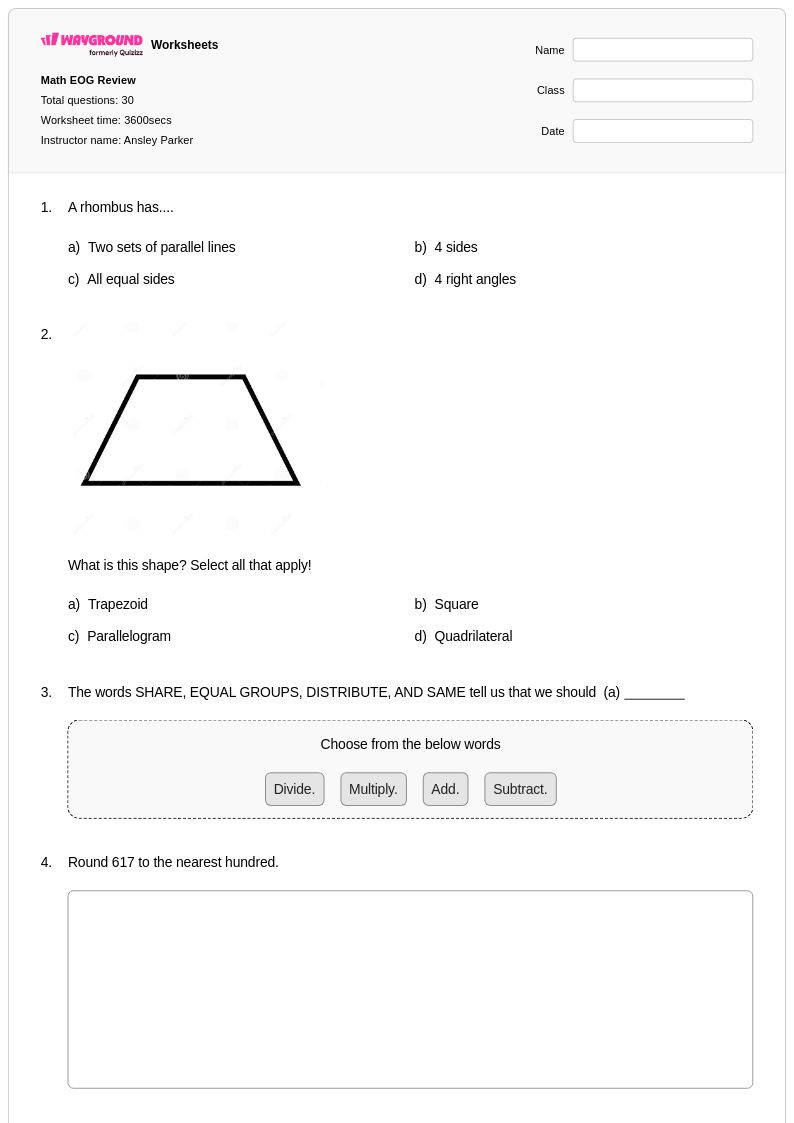
30 Q
3rd
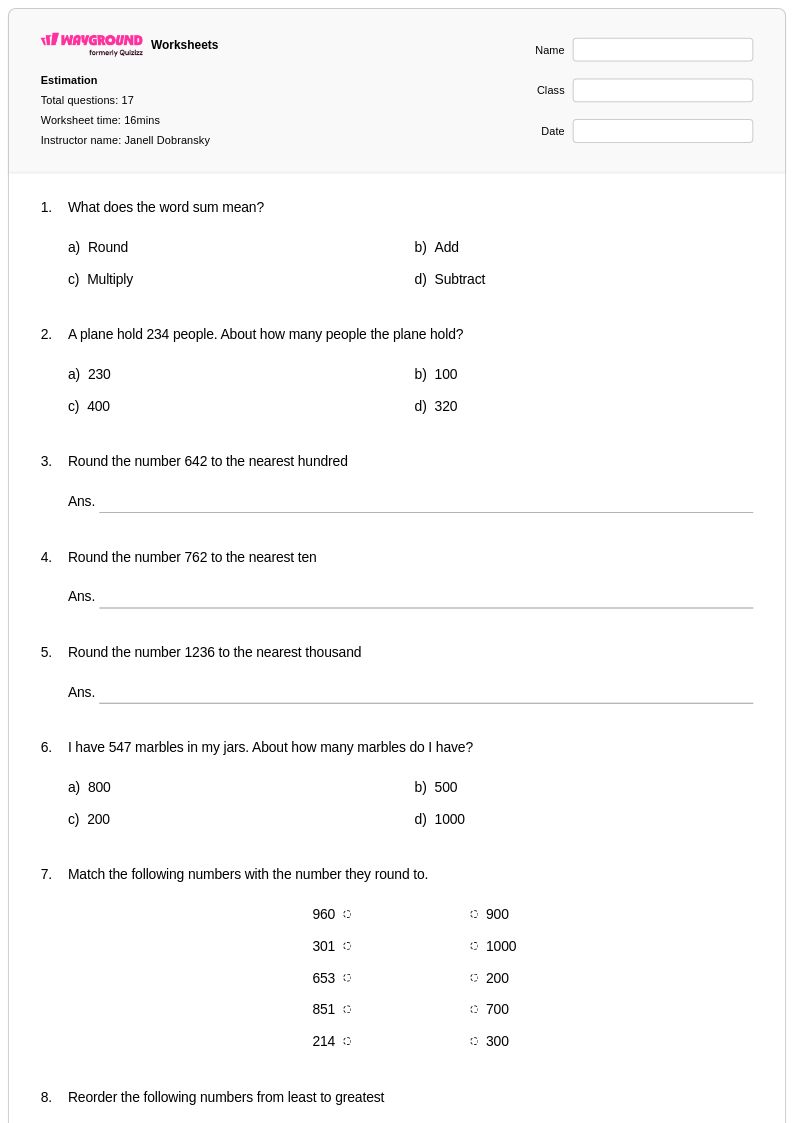
17 Q
3rd
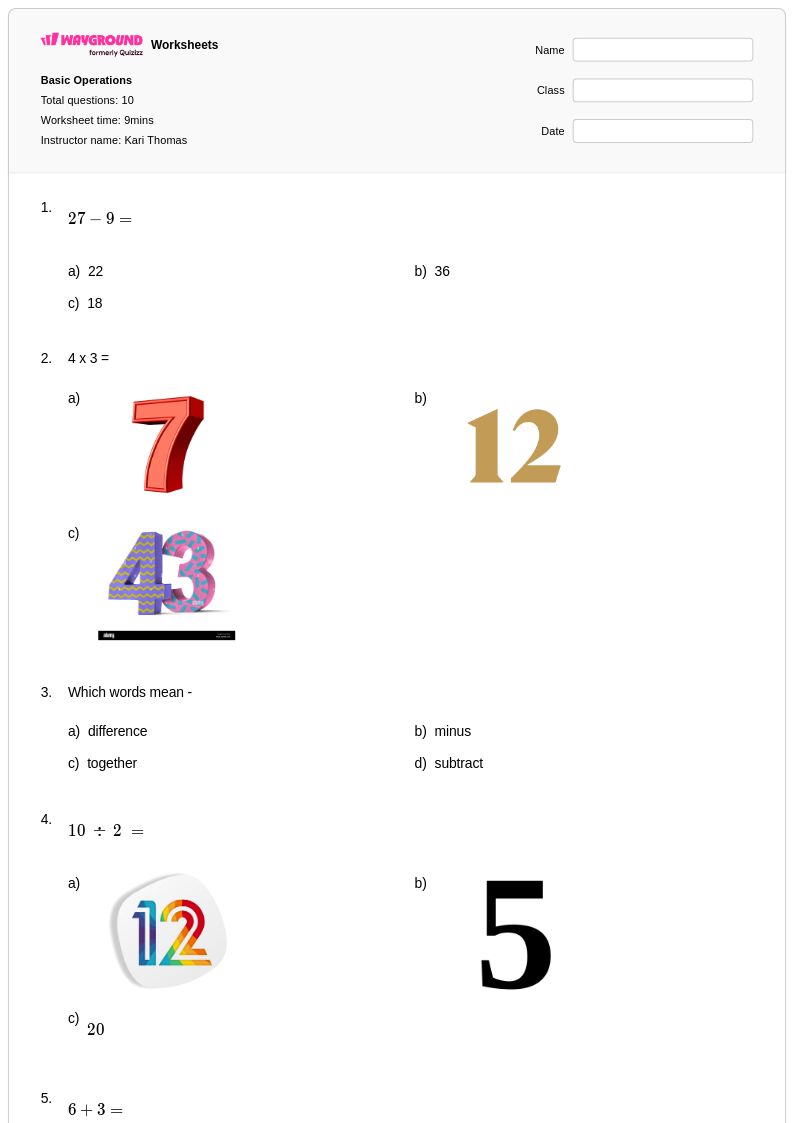
10 Q
3rd
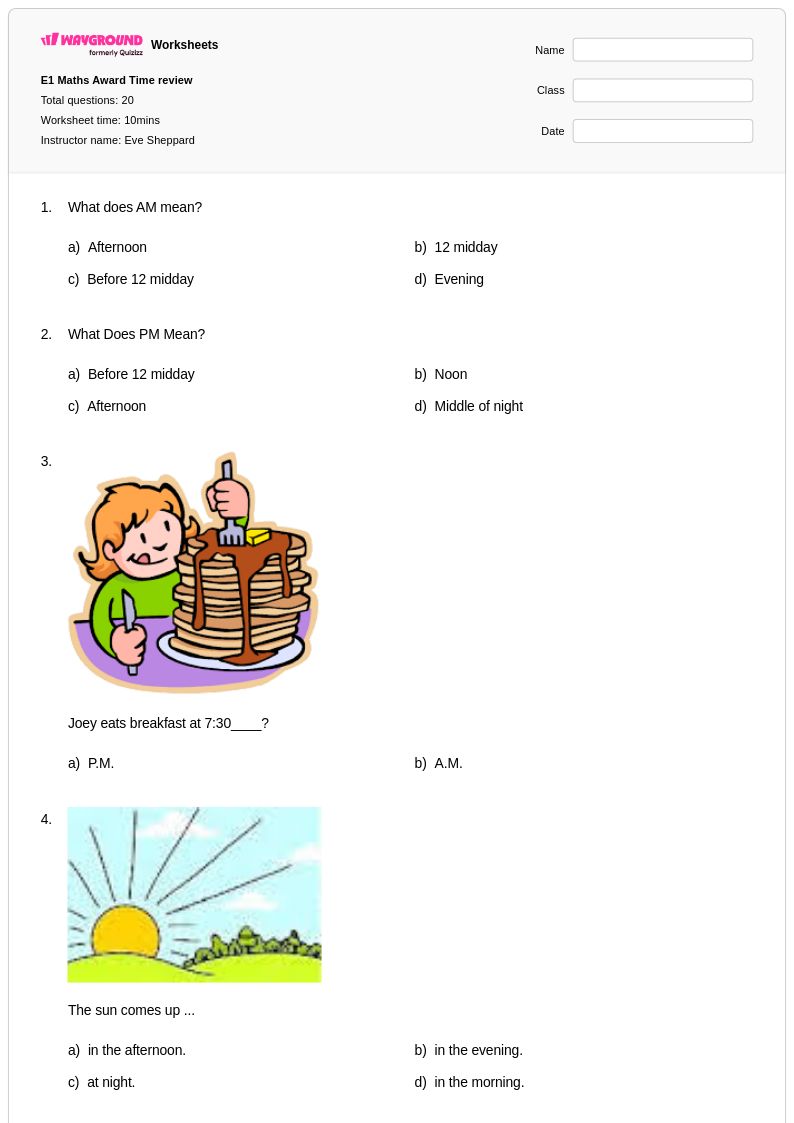
20 Q
1st - 5th
10 Q
3rd
15 Q
3rd
11 Q
3rd
19 Q
3rd
12 Q
3rd
10 Q
1st - 5th
15 Q
3rd
10 Q
3rd
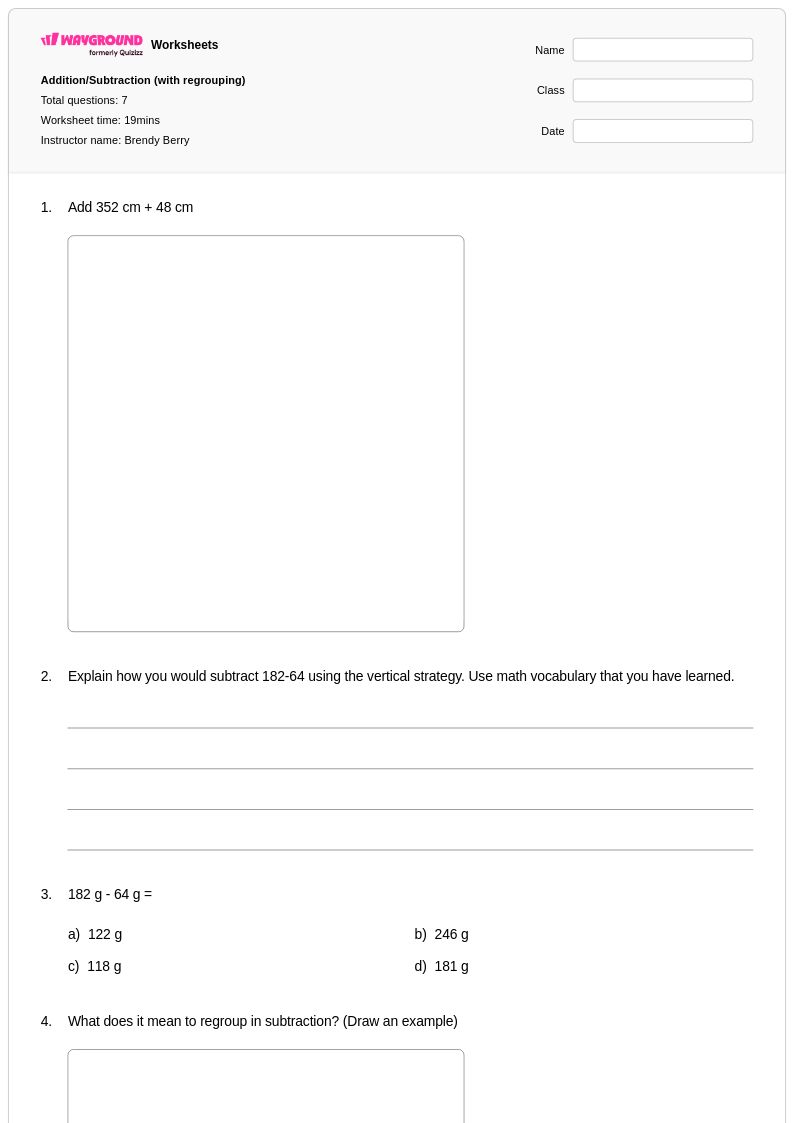
7 Q
3rd
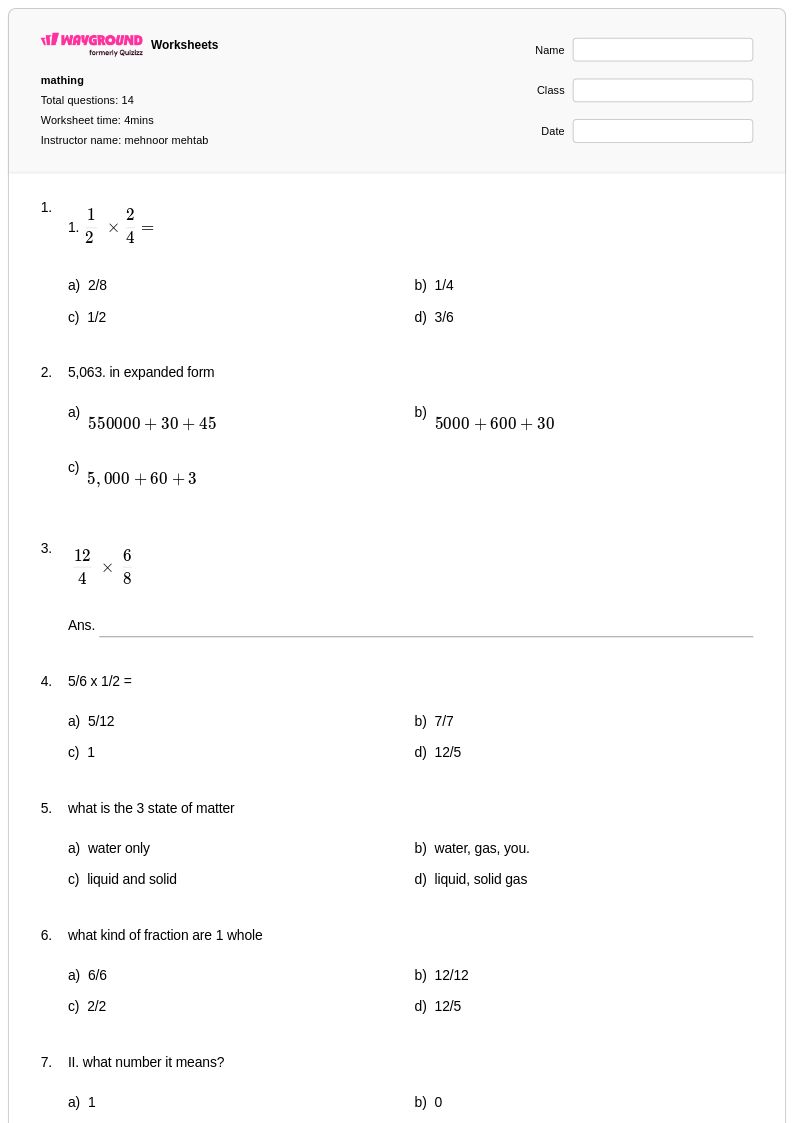
14 Q
3rd
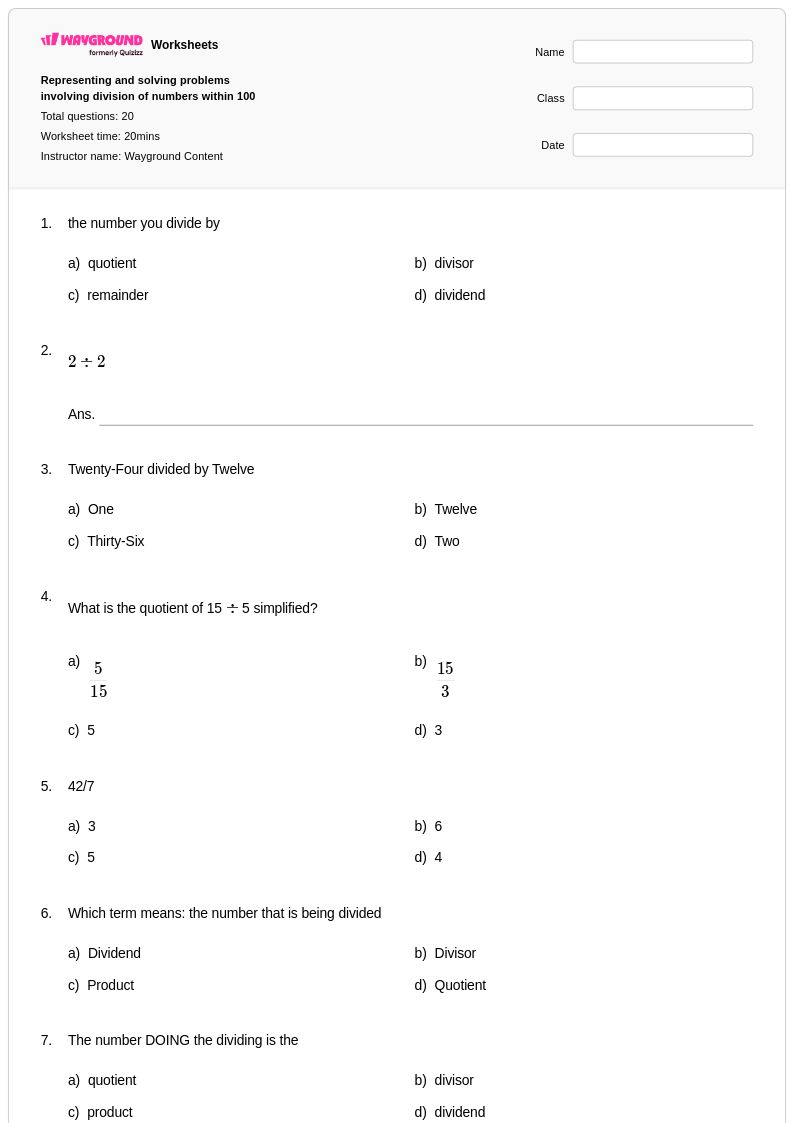
20 Q
3rd
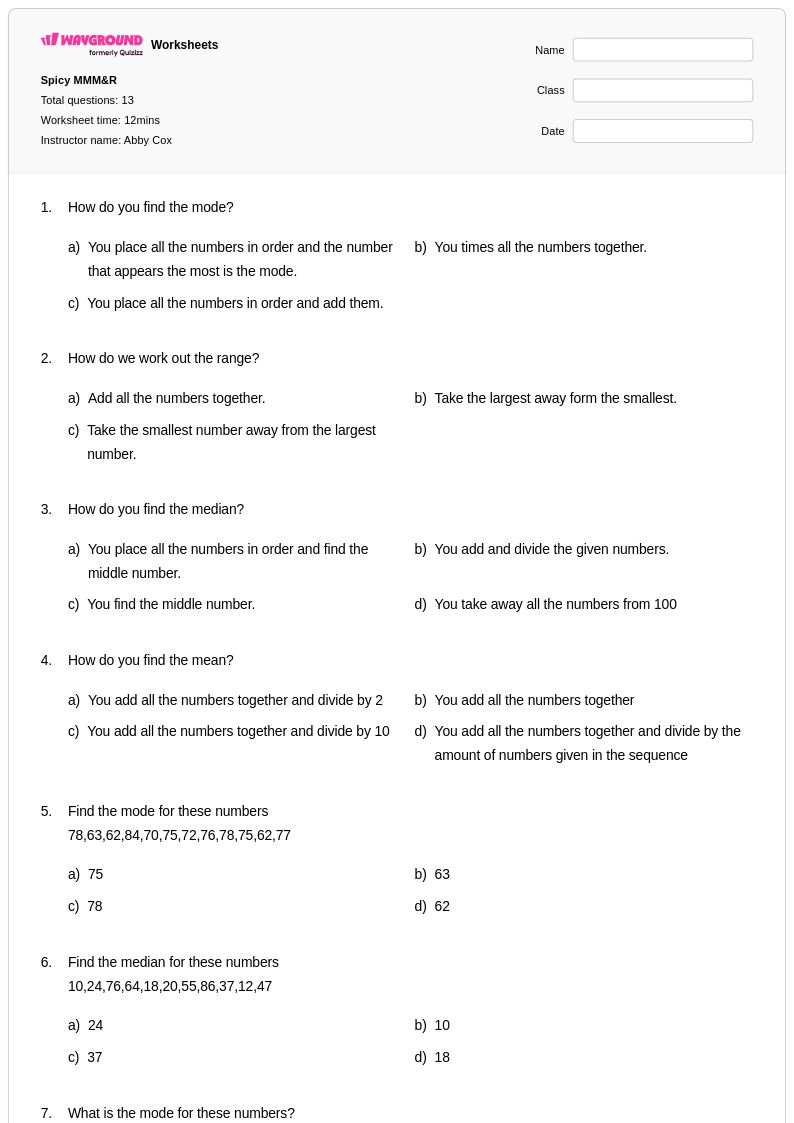
13 Q
1st - 5th
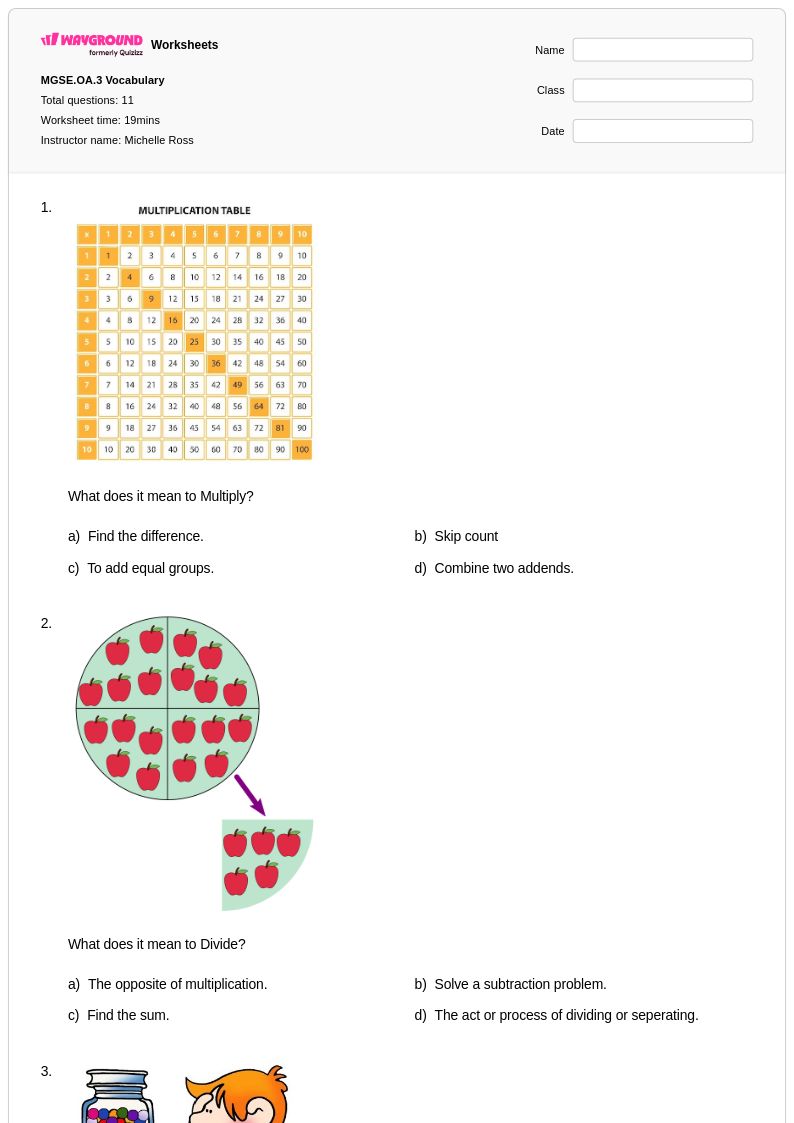
11 Q
3rd - 5th
13 Q
3rd
6 Q
3rd
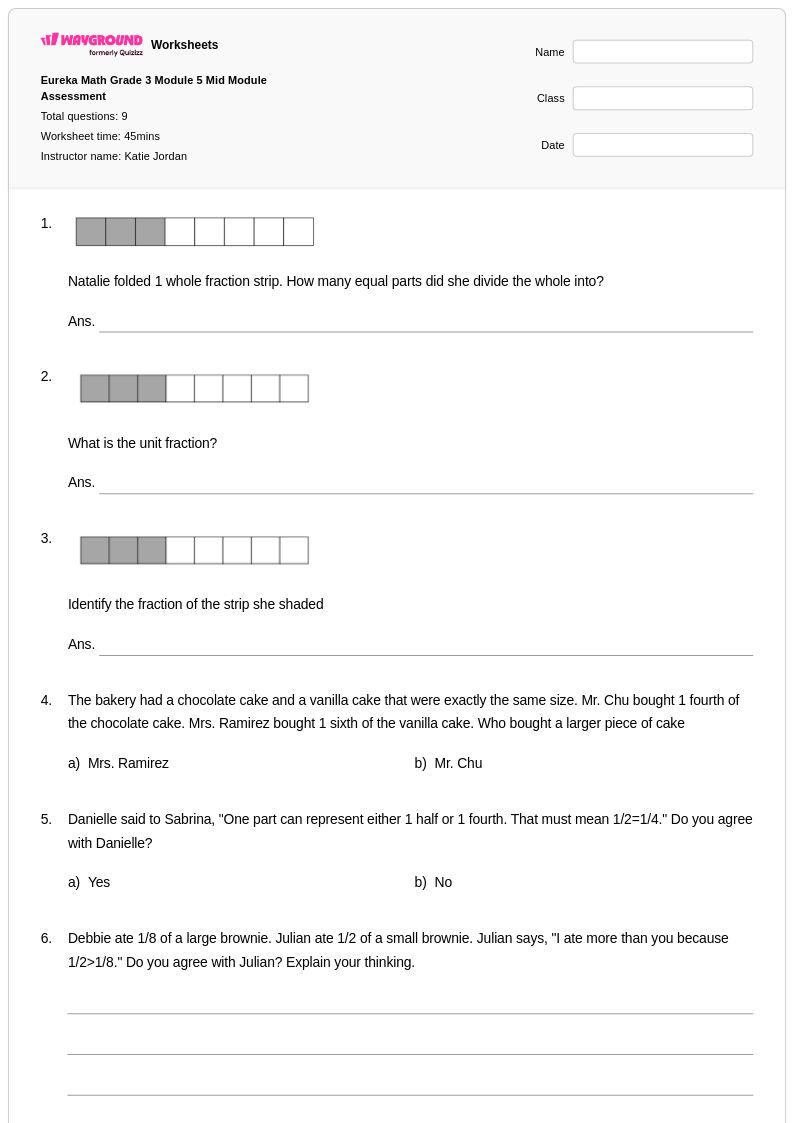
9 Q
3rd
Explore Other Subject Worksheets for year 3
Explore printable Mean worksheets for Year 3
Mean worksheets for Year 3 students available through Wayground (formerly Quizizz) provide essential foundation work for developing statistical reasoning and mathematical thinking at the elementary level. These carefully designed worksheets introduce young learners to the concept of average through age-appropriate activities that involve finding the mean of small sets of numbers, often using visual representations like pictures, objects, or simple data sets. The academic purpose centers on building number sense, reinforcing addition and division skills, and developing logical thinking patterns that prepare students for more advanced statistical concepts in later grades. Each worksheet collection includes comprehensive practice problems with accompanying answer key materials, ensuring educators have complete instructional support. These free printables offer structured exercises that progress from concrete manipulative-based problems to more abstract numerical calculations, strengthening computational fluency while introducing fundamental data analysis skills.
Wayground (formerly Quizizz) empowers educators with access to millions of teacher-created resources specifically designed for Year 3 mean instruction, featuring robust search and filtering capabilities that allow quick identification of materials matching specific learning objectives and standards alignment requirements. The platform's differentiation tools enable teachers to customize worksheet difficulty levels, modify problem types, and adjust visual supports to meet diverse student needs within a single classroom. These comprehensive collections are available in both printable pdf formats for traditional paper-based instruction and digital formats for technology-integrated learning environments. Teachers can efficiently plan targeted skill practice sessions, implement focused remediation for struggling learners, and provide enrichment opportunities for advanced students, all while maintaining instructional coherence across different learning modalities and ensuring that foundational statistical concepts are solidly established before progressing to more complex mathematical topics.
FAQs
Is the concept of mean typically taught in 3rd grade?
How can I introduce the concept of mean to 3rd graders?
What types of problems are best for 3rd graders learning about the mean?
What foundational skills should 3rd graders have before learning about the mean?
How can I use this 3rd-grade mean worksheet in my classroom?
How does this topic relate to 3rd-grade math standards?