Explore Year 10 segregation worksheets and printables that help students analyze the history and impact of racial segregation in America through engaging practice problems, free PDF resources, and comprehensive answer keys.
Explore printable Segregation worksheets for Year 10
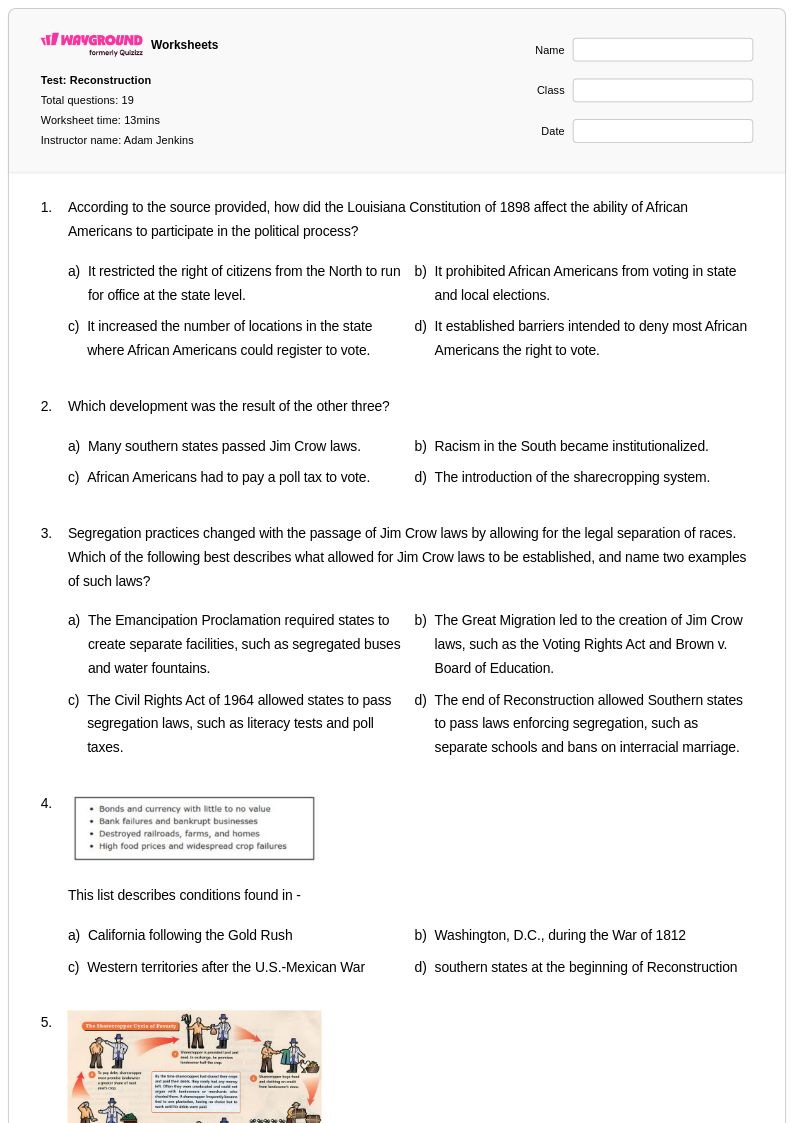
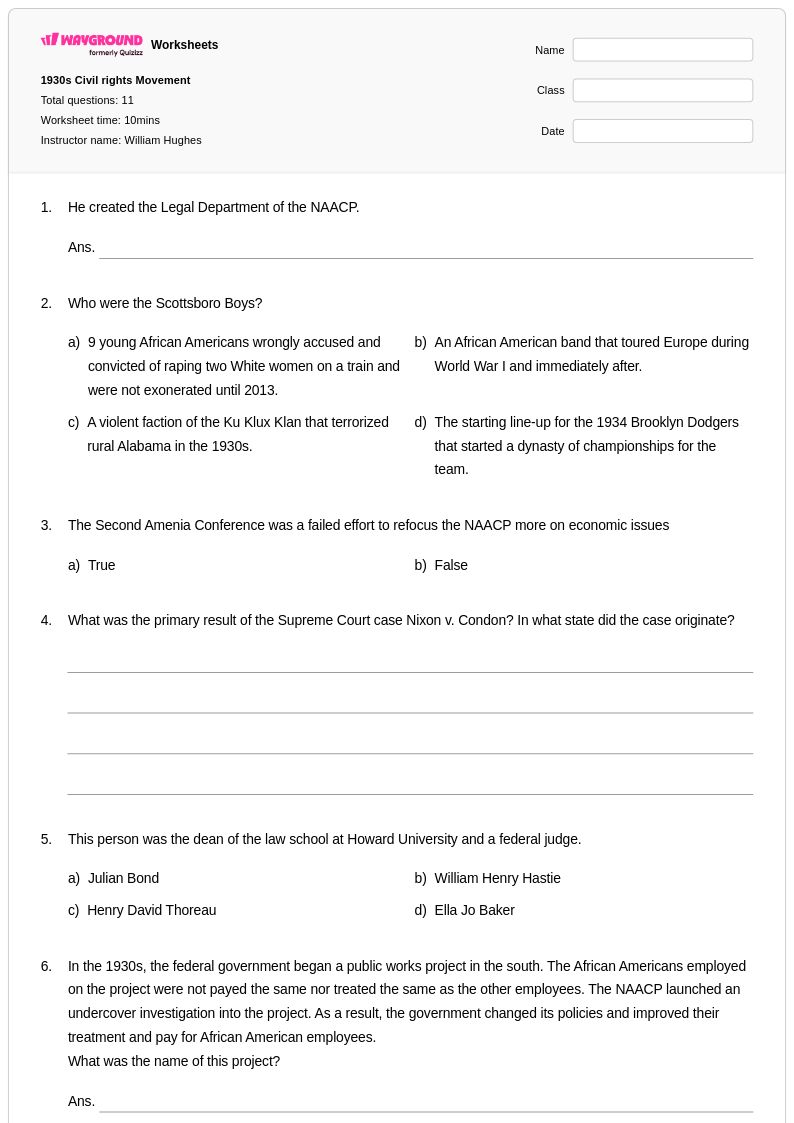
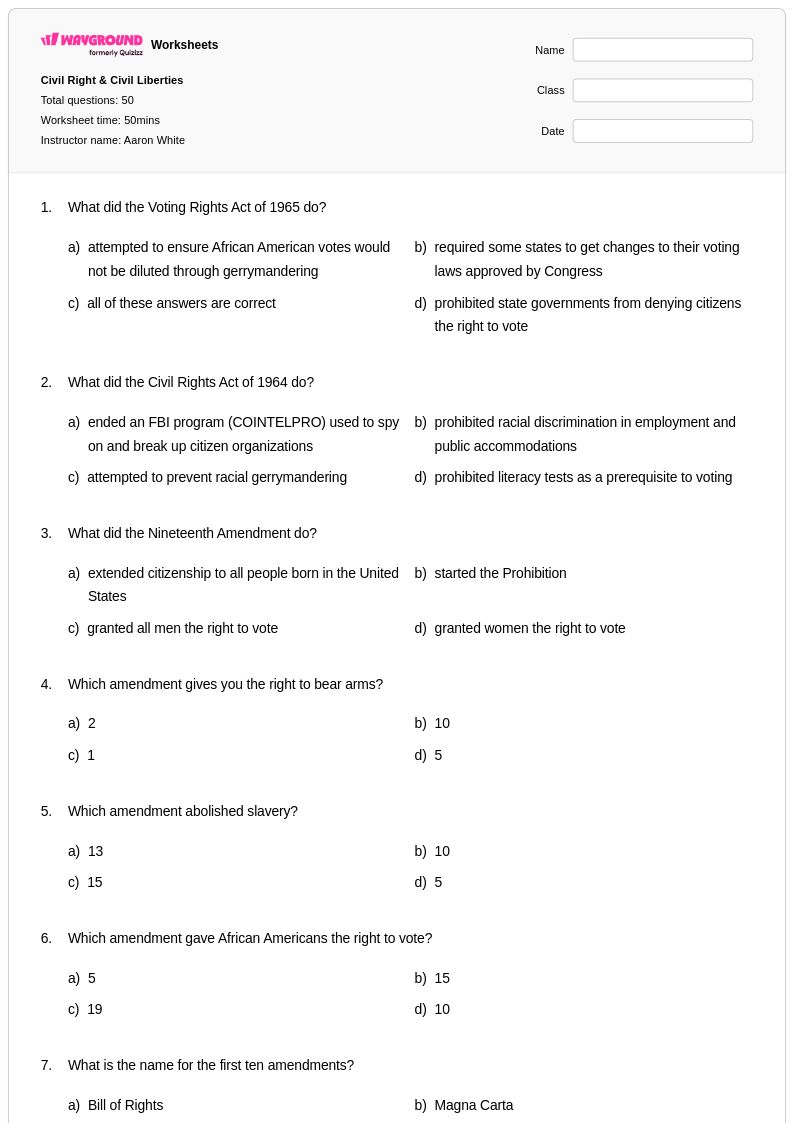
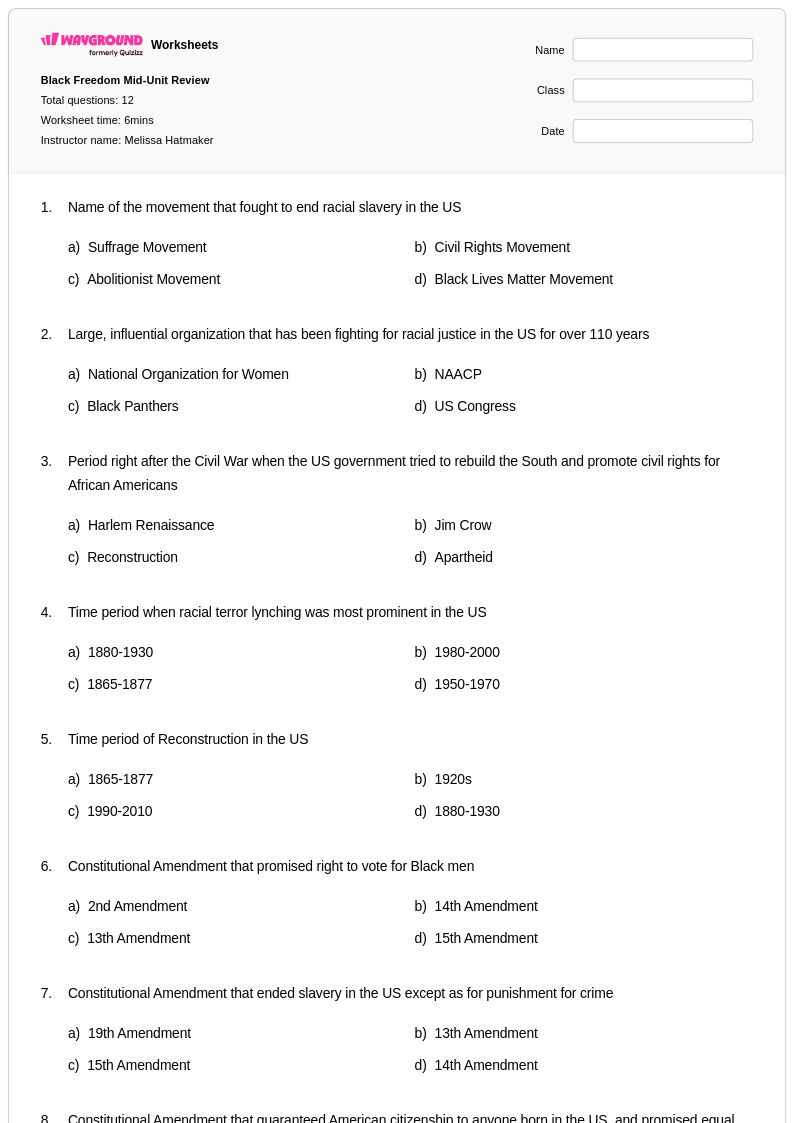
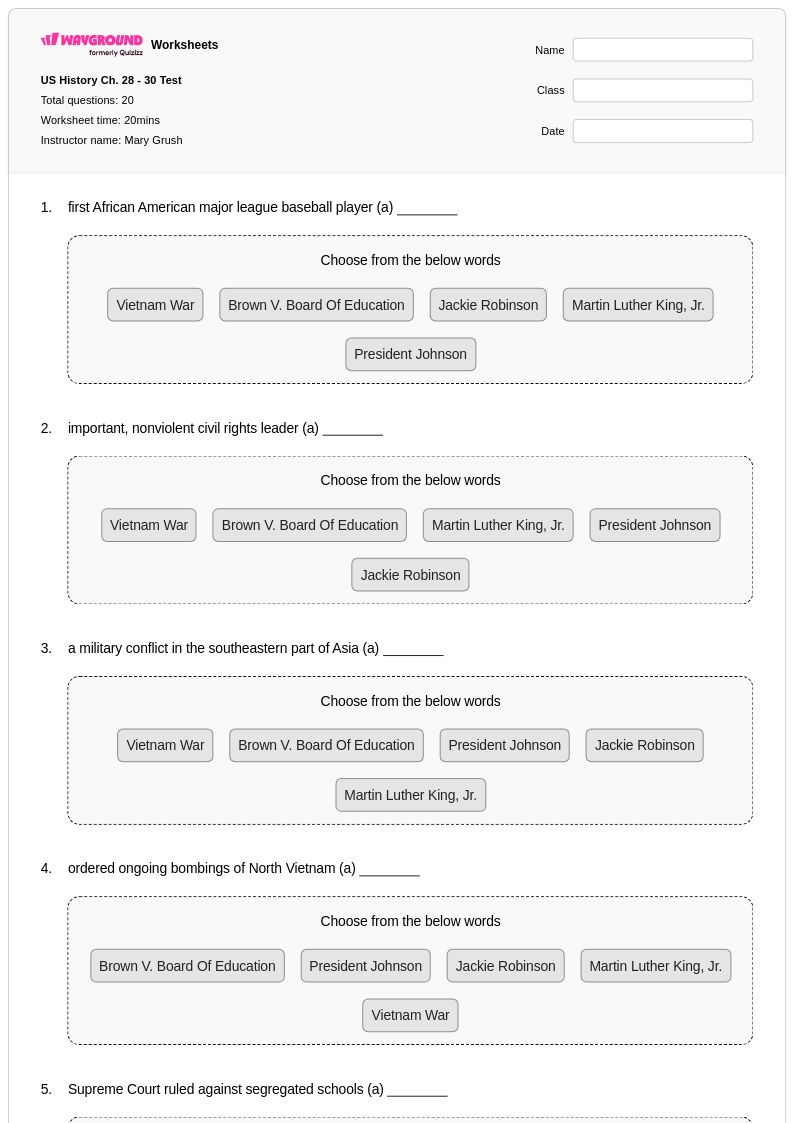
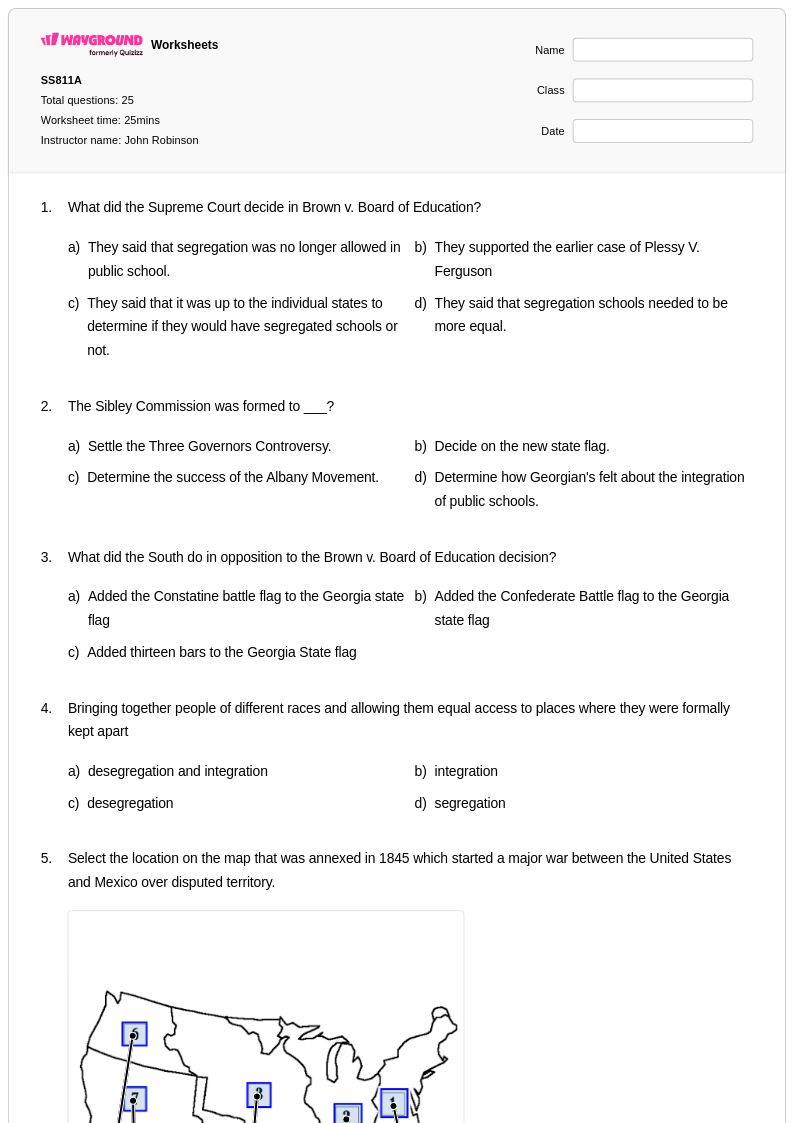
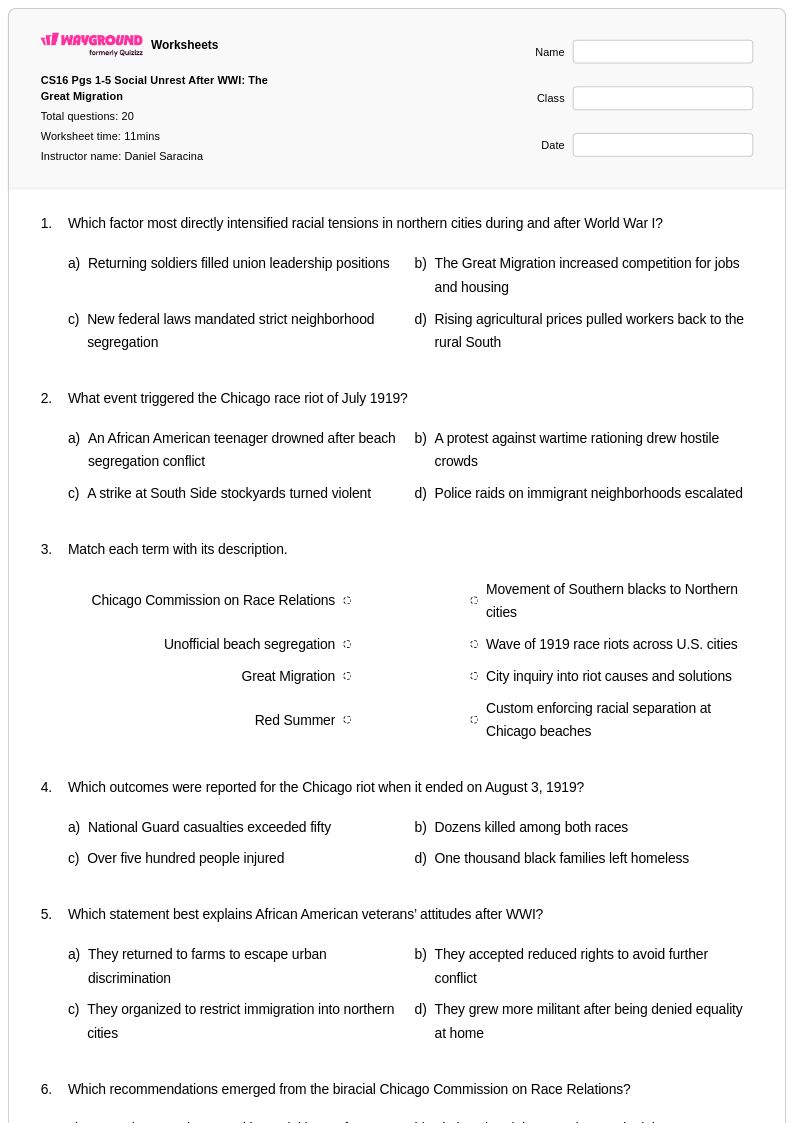
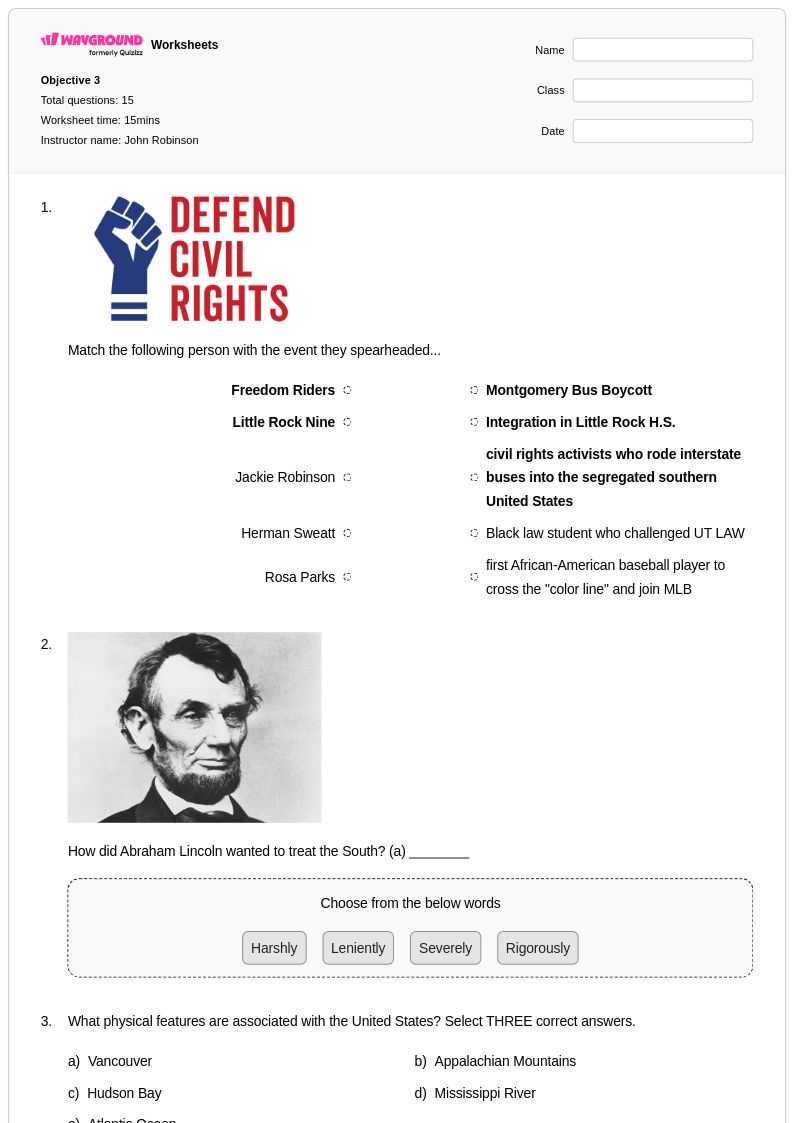
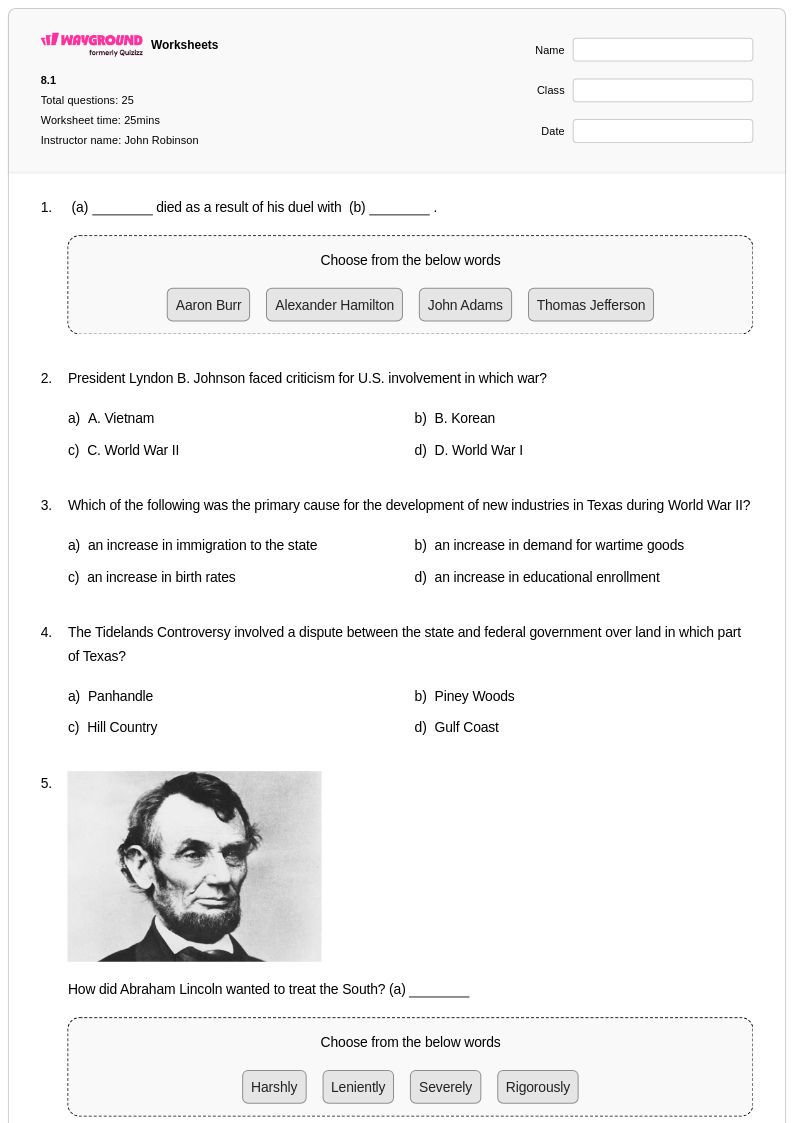
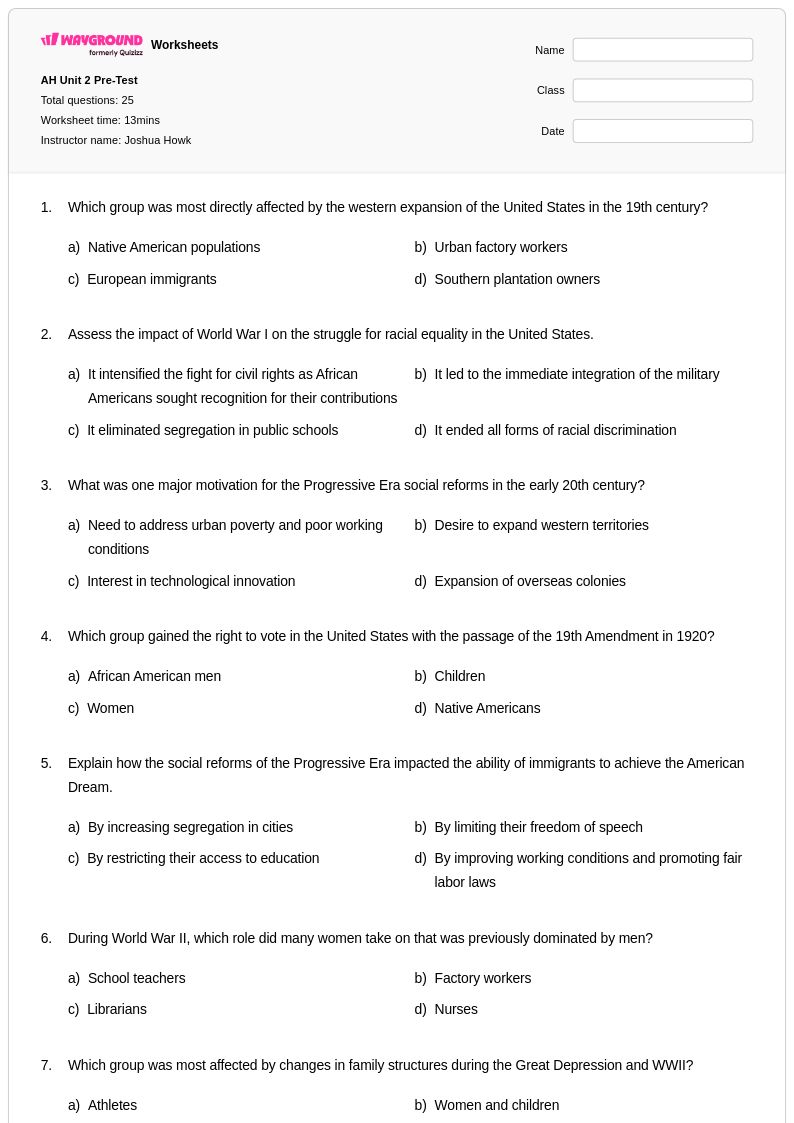
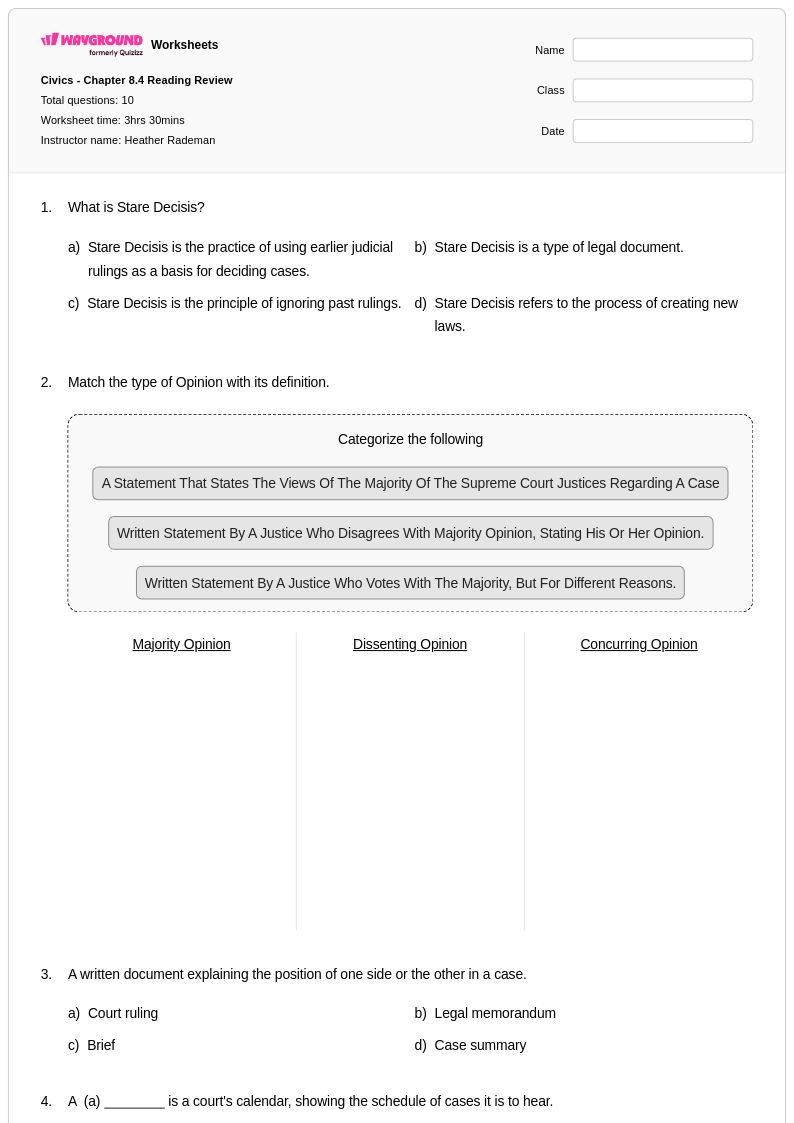
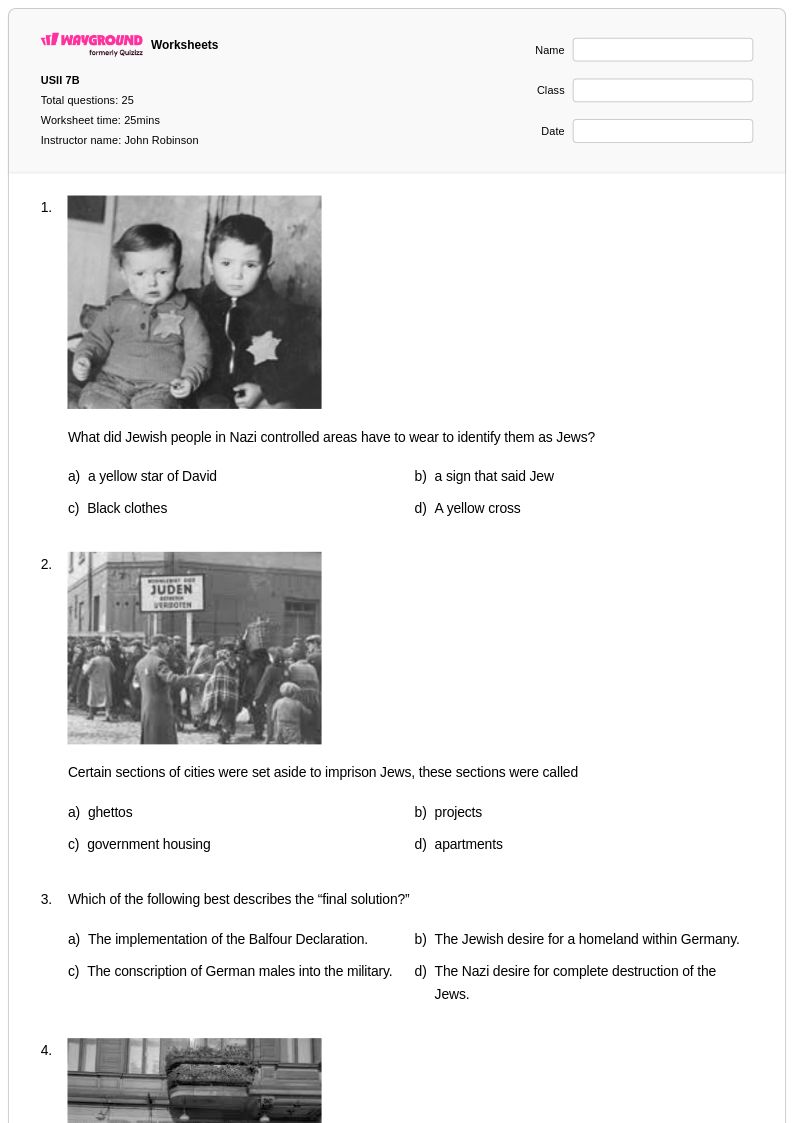
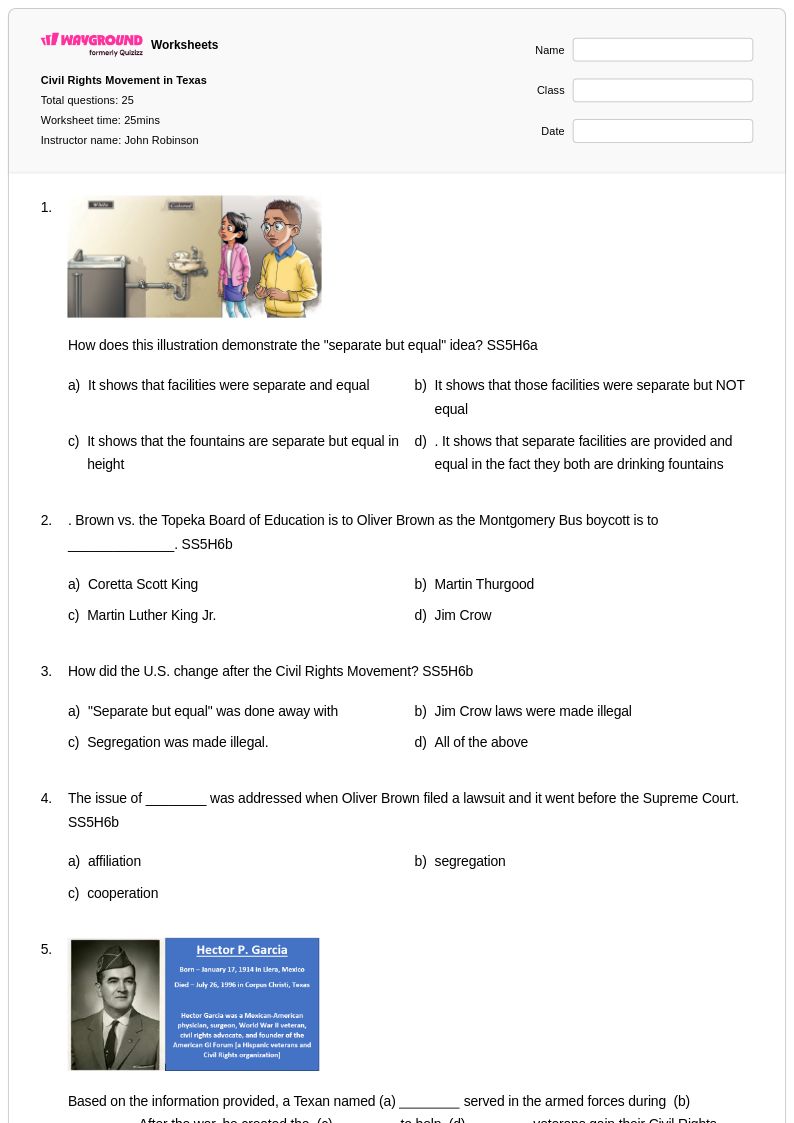
Segregation worksheets for Year 10 students available through Wayground (formerly Quizizz) provide comprehensive coverage of this pivotal period in American civil rights history. These educational resources examine the legal, social, and economic structures that enforced racial separation from the post-Reconstruction era through the Civil Rights Movement, helping students analyze primary sources, interpret historical legislation like Jim Crow laws, and evaluate the long-term impact of segregationist policies on American society. The practice problems within these printable materials strengthen critical thinking skills by requiring students to compare and contrast different regional approaches to segregation, assess the effectiveness of early civil rights strategies, and draw connections between historical events and contemporary issues. Each worksheet includes detailed answer keys that enable both independent study and classroom discussion, while the free pdf format ensures accessibility for diverse learning environments.
Wayground (formerly Quizizz) supports educators teaching about segregation through its extensive library of millions of teacher-created resources that can be easily searched and filtered by specific historical periods, key figures, or thematic concepts. The platform's standards alignment features ensure that Year 10 segregation worksheets meet state and national social studies requirements, while differentiation tools allow teachers to modify content complexity for students with varying academic needs. Teachers can customize these digital and printable materials to focus on particular aspects of segregation, whether examining the Great Migration, analyzing landmark court cases, or exploring resistance movements, making lesson planning more efficient and targeted. The flexible format options support both remediation for struggling learners and enrichment opportunities for advanced students, enabling comprehensive skill practice in historical analysis, document interpretation, and persuasive writing within the context of this essential chapter in U.S. History.
FAQs
How do I teach segregation in a U.S. History class?
Teaching segregation effectively means grounding students in the legal and social architecture that enforced racial separation, starting with post-Reconstruction legislation and tracing through Jim Crow laws, Plessy v. Ferguson, and the eventual dismantling of segregated systems following Brown v. Board of Education. Connecting legislation to lived experience is essential — use primary sources such as photographs, personal accounts, and court documents to help students understand the human impact, not just the policy timeline. Building toward the Civil Rights Movement gives students a coherent narrative arc that shows cause, resistance, and consequence.
What are common misconceptions students have about segregation?
A frequent misconception is that segregation was exclusively a Southern phenomenon — students often don't recognize how segregated housing, schools, and public spaces existed across the North and West through discriminatory practices like redlining and restrictive covenants. Another common error is treating Brown v. Board of Education as the end of segregation rather than a pivotal legal moment that was resisted and slowly enforced over subsequent decades. Students also tend to conflate de jure segregation (legally mandated) with de facto segregation (segregation in practice), which are distinct concepts with very different legal and historical implications.
What exercises help students practice analyzing the history of segregation?
Effective practice exercises include primary source analysis of Jim Crow laws, side-by-side comparison of Supreme Court rulings such as Plessy v. Ferguson and Brown v. Board of Education, and document-based questions that ask students to evaluate the social and economic impacts of segregation policies. Timeline activities that trace the evolution of segregated institutions across education, transportation, housing, and public accommodations help students build a coherent chronological understanding. Practice problems that connect constitutional principles to specific court decisions reinforce the relationship between federal authority and state-level enforcement of segregation.
How do I differentiate segregation lessons for students at different skill levels?
For students who need additional support, scaffolded primary source excerpts with guided annotation frames and reduced reading complexity help build access to difficult content without diluting historical rigor. More advanced students benefit from open-ended analytical tasks that require them to evaluate competing historical interpretations or trace connections between segregation-era policies and contemporary civil rights issues. On Wayground, teachers can apply individual accommodations including Read Aloud, extended time, and reduced answer choices to specific students, so differentiation happens at the student level without disrupting the rest of the class.
How do I use Wayground's segregation worksheets in my classroom?
Wayground's segregation worksheets are available as printable PDFs for traditional classroom use and in digital formats for technology-integrated or remote learning environments, giving teachers flexibility regardless of their classroom setup. Teachers can also host worksheets as a quiz on Wayground, which enables real-time tracking of student responses and supports formative assessment. Wayground's search and filtering tools allow teachers to quickly locate materials aligned to specific standards or targeted to a particular skill level, making it efficient to build lesson sequences that move from foundational knowledge through critical analysis.
How do I help students understand the connection between historical segregation and contemporary civil rights issues?
The most effective approach is to build explicit bridges between specific historical policies and their measurable long-term effects — for example, connecting redlining maps from the 1930s and 1940s to present-day wealth and housing disparities, or tracing the underfunding of segregated schools to ongoing educational inequities. Structured discussion and analytical writing tasks that ask students to evaluate continuity and change over time help develop this reasoning skill rather than leaving connections implied. Encouraging students to examine primary sources from both the segregation era and the present reinforces the idea that history is not sealed off from contemporary life.