Free Printable Syllabication Worksheets for Year 3
Year 3 syllabication worksheets and printables help students master breaking words into syllables through engaging practice problems, free PDF downloads, and comprehensive answer keys from Wayground's phonics collection.
Explore printable Syllabication worksheets for Year 3
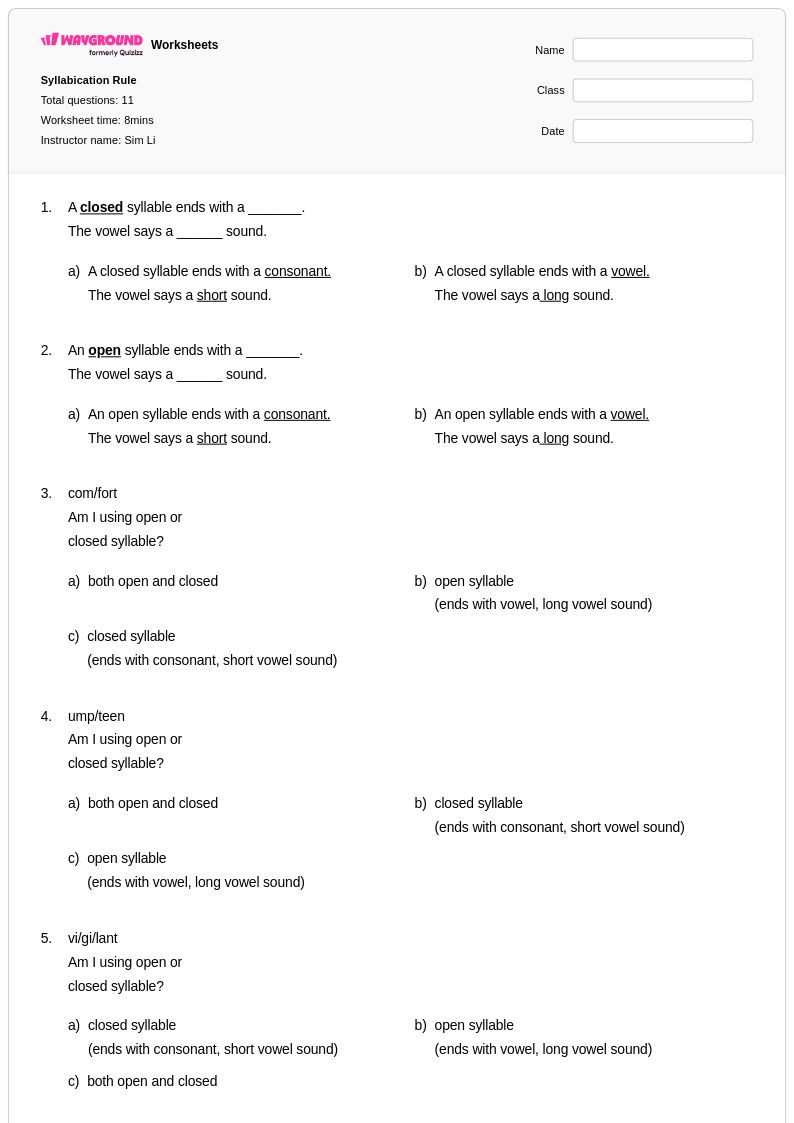
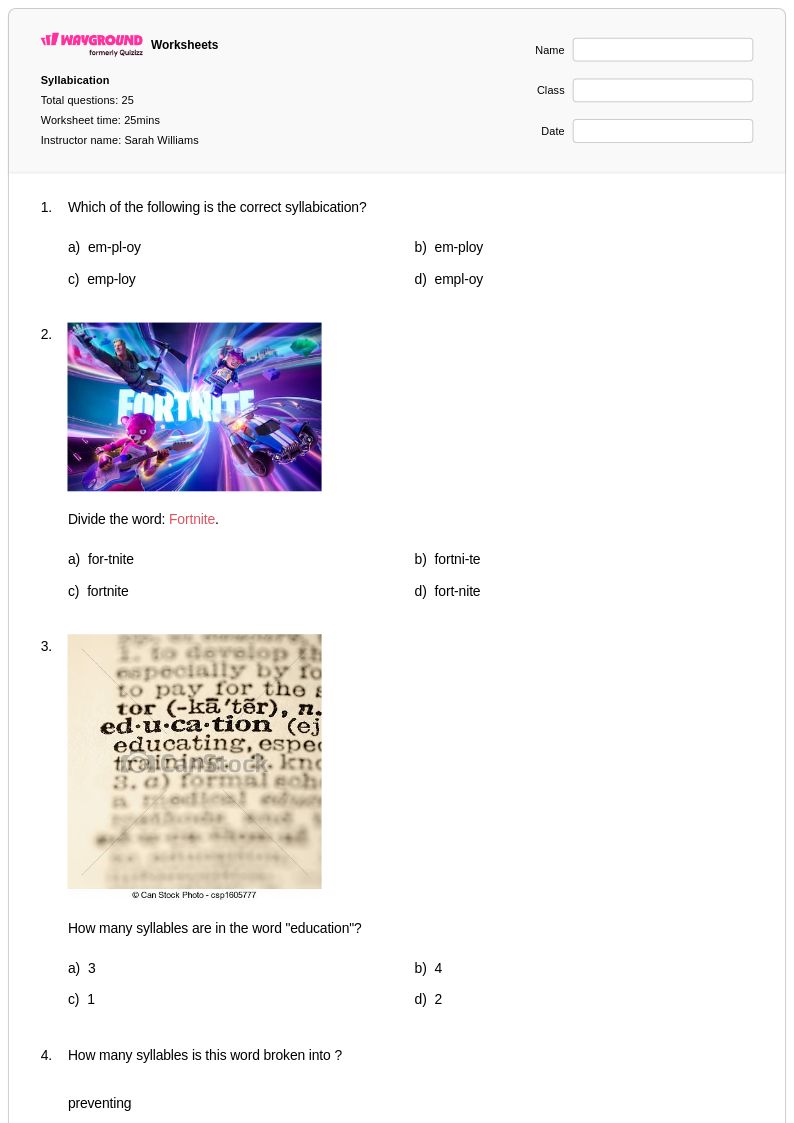
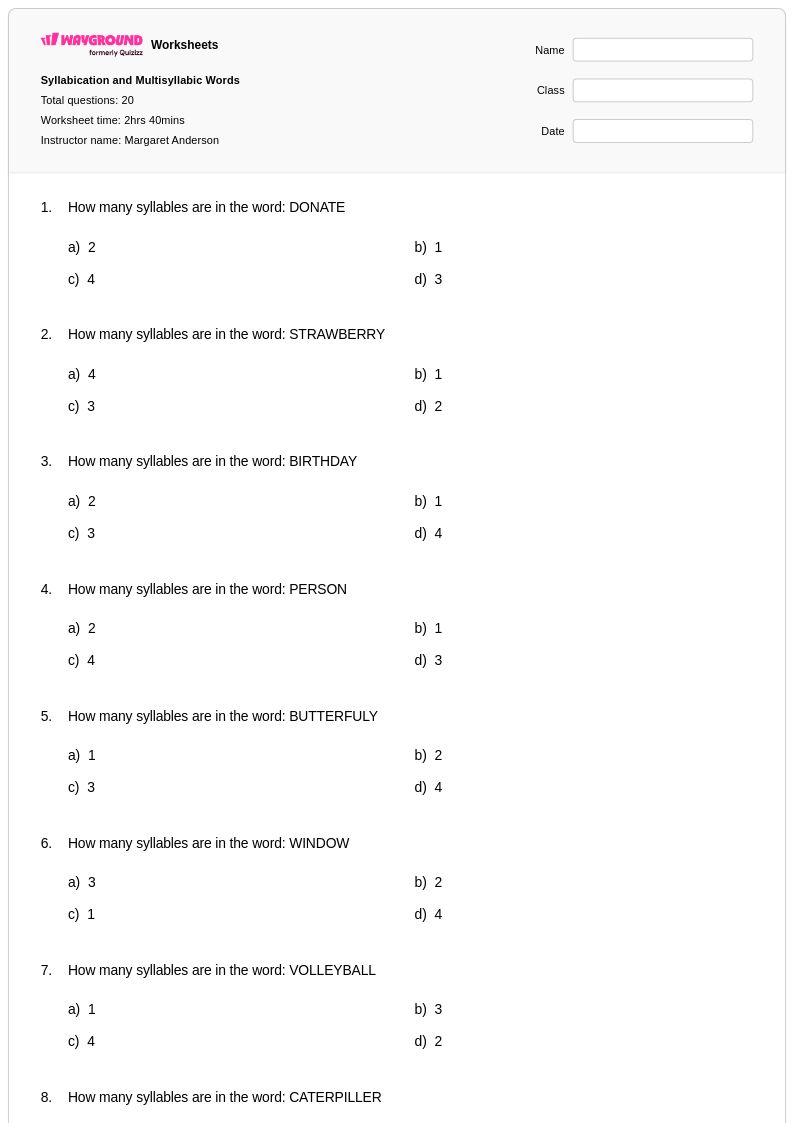
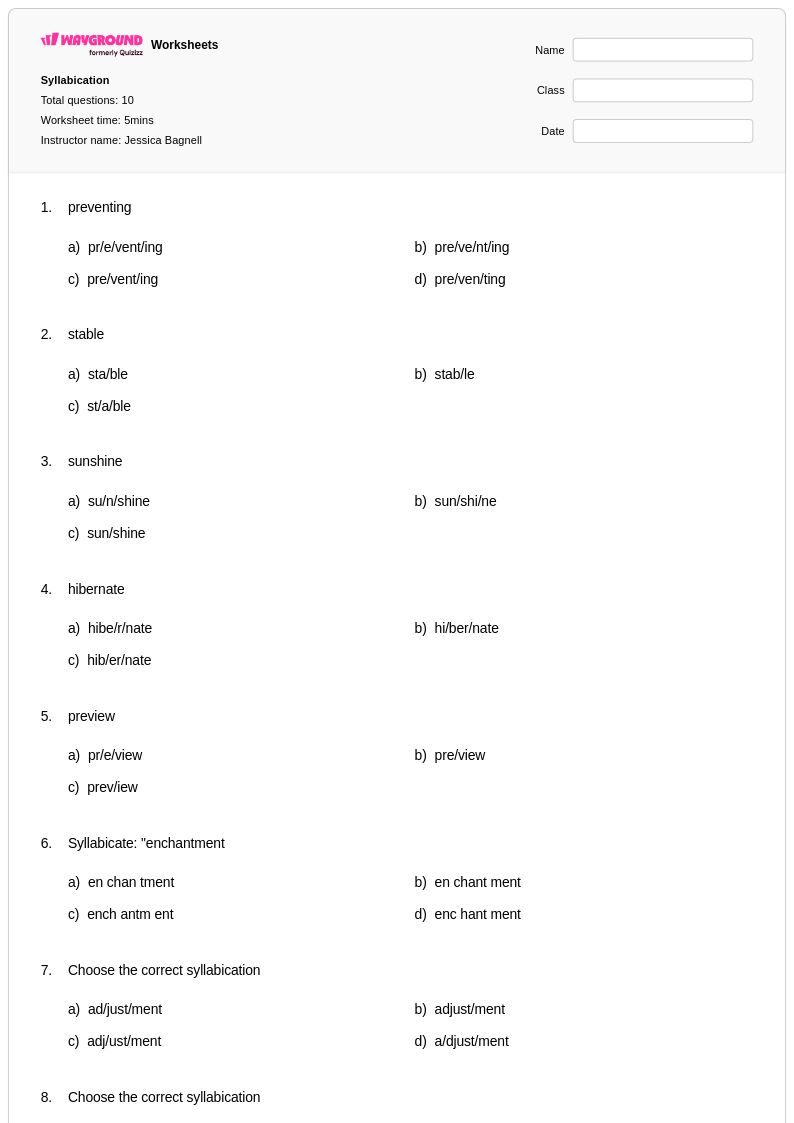
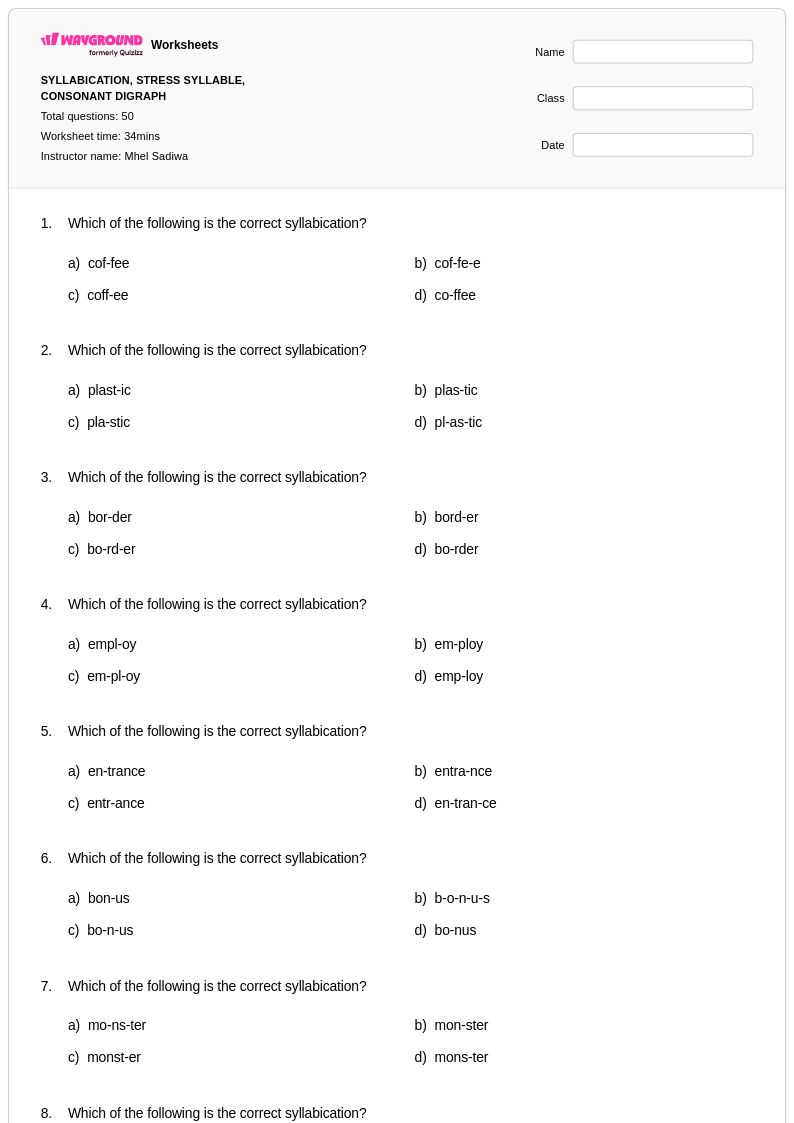
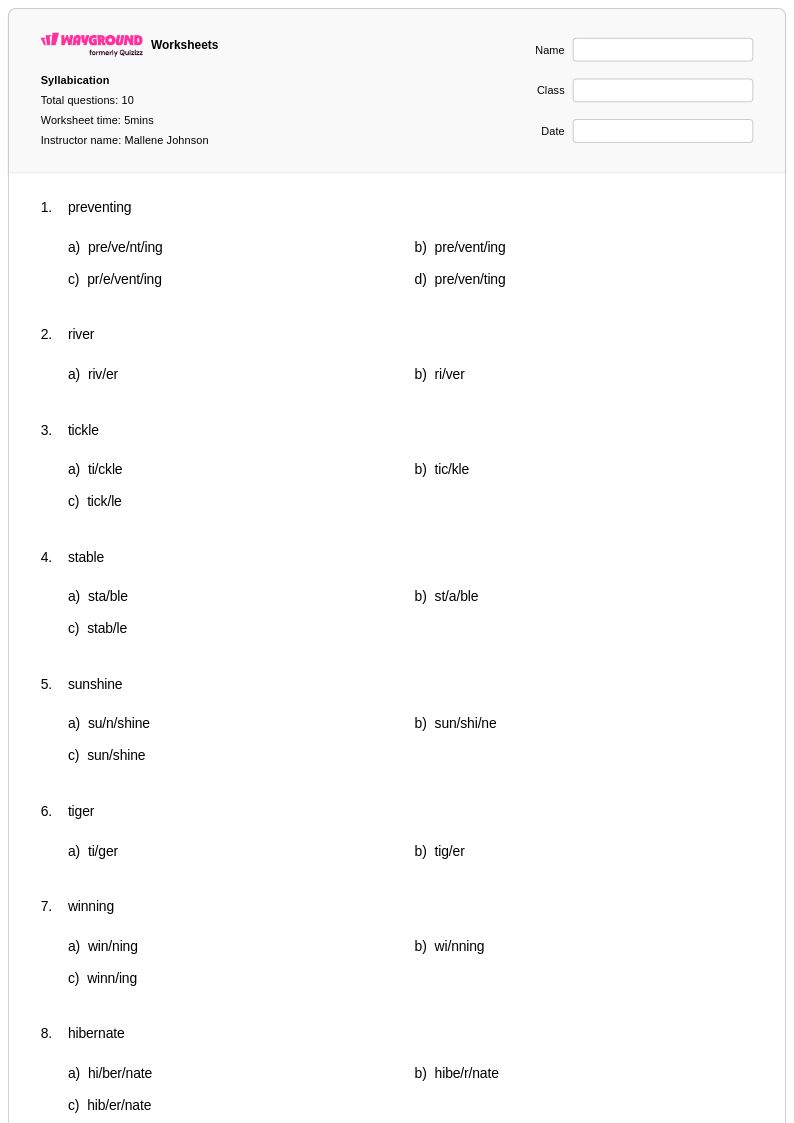
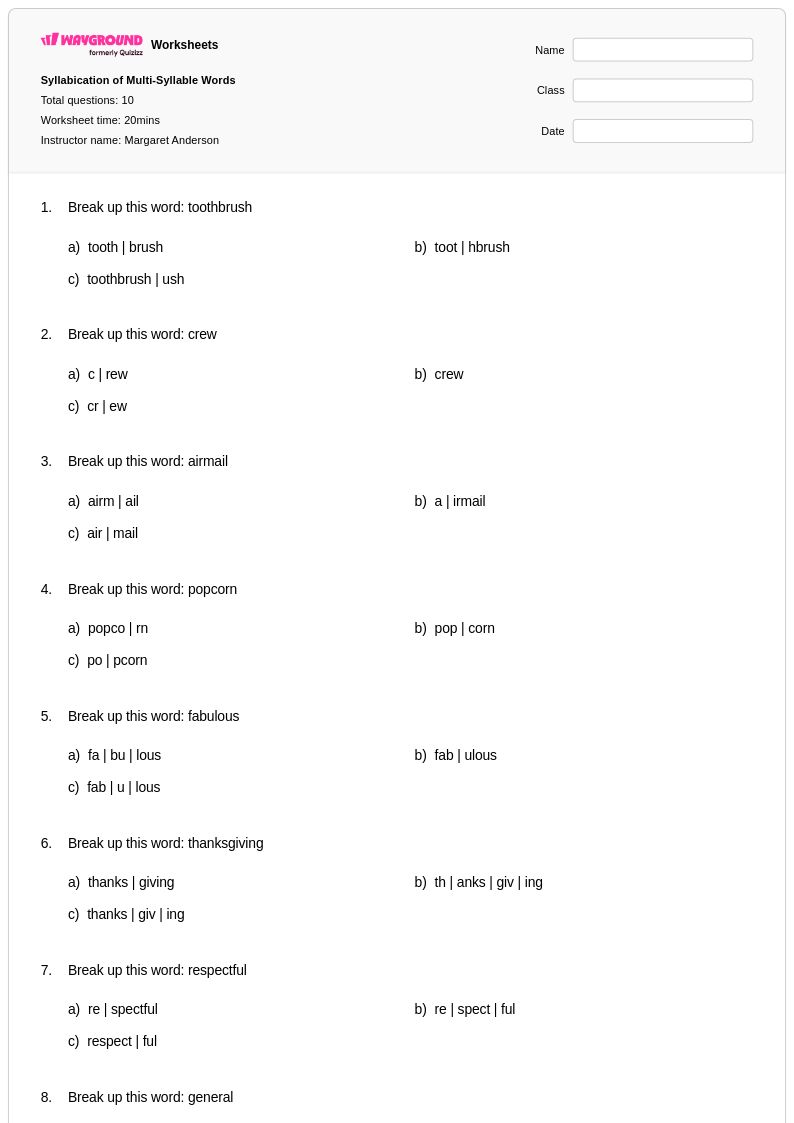
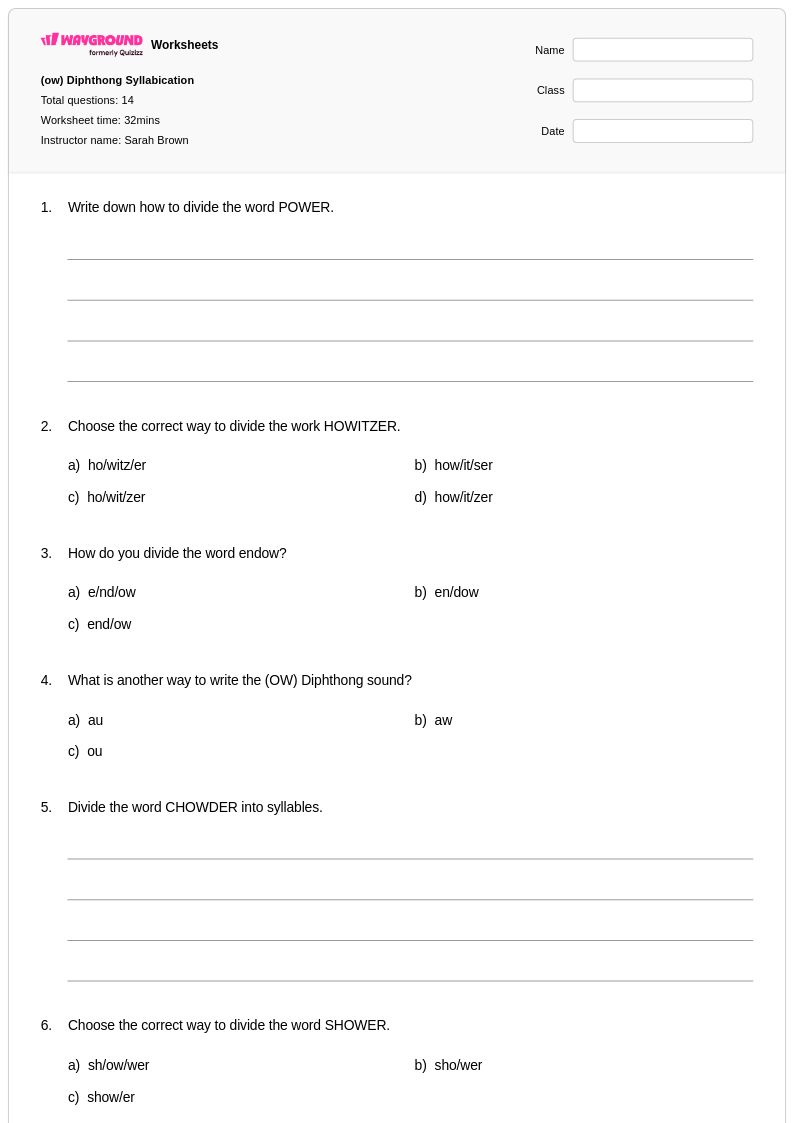
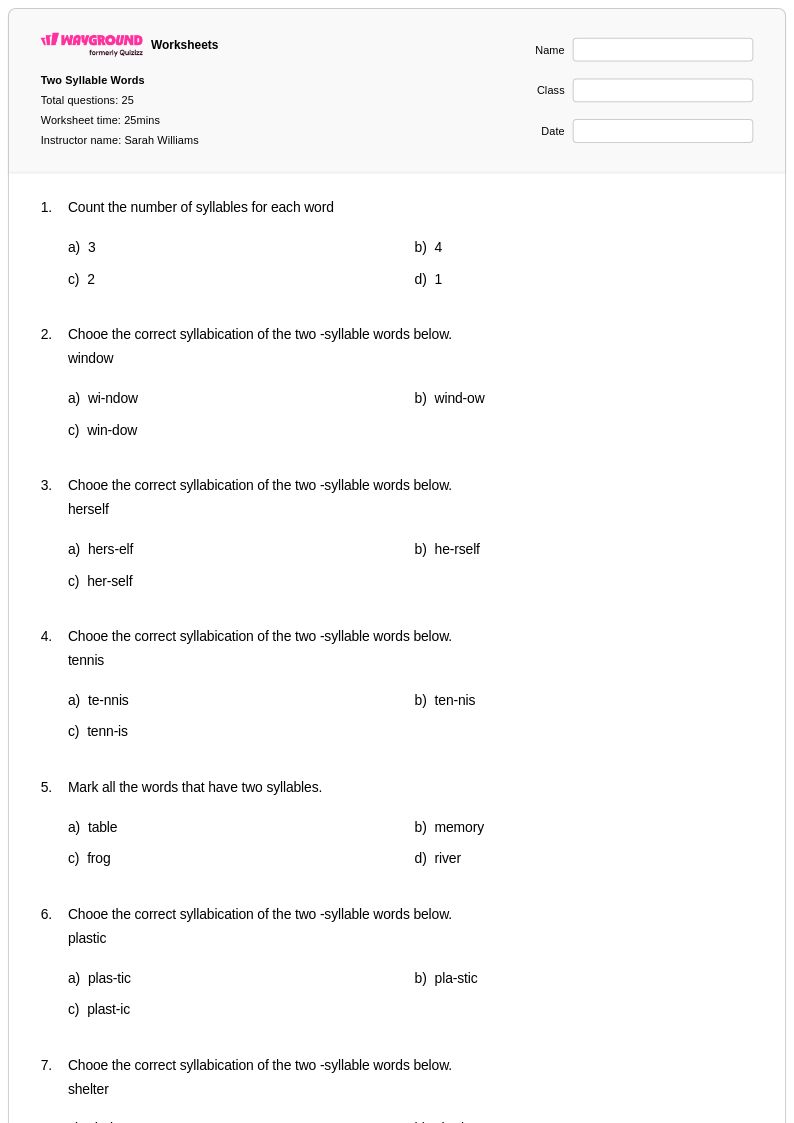
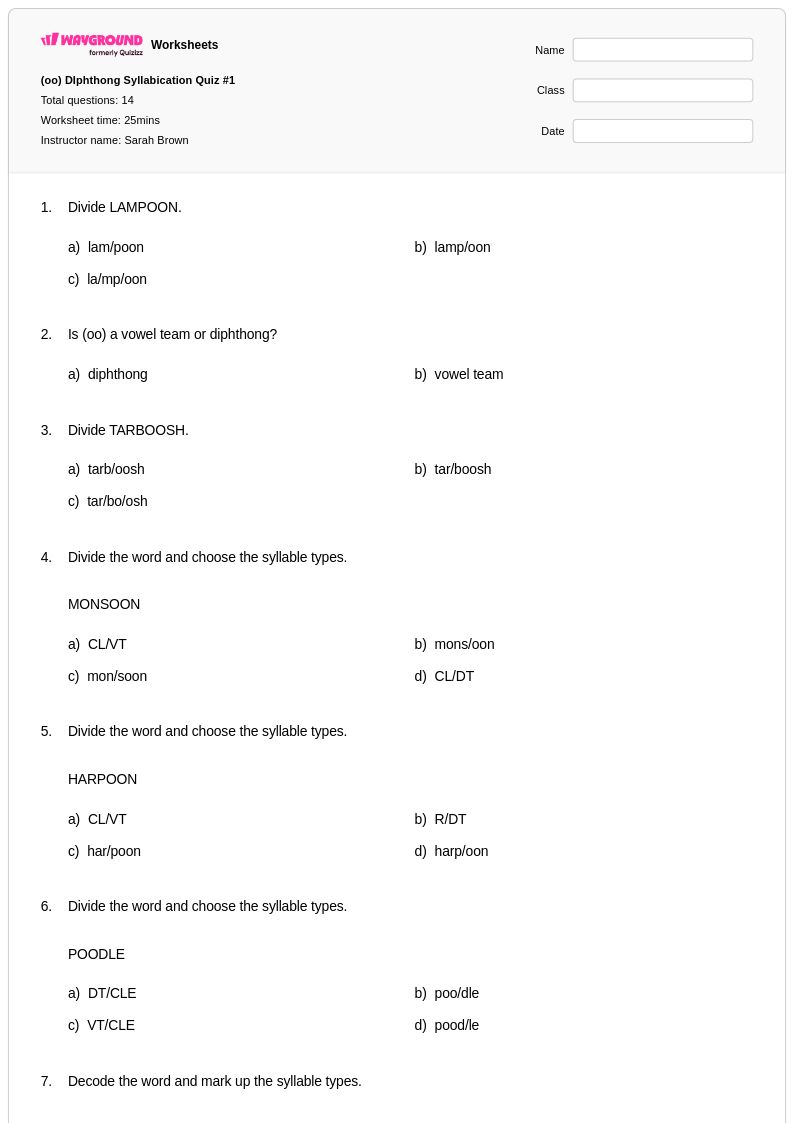
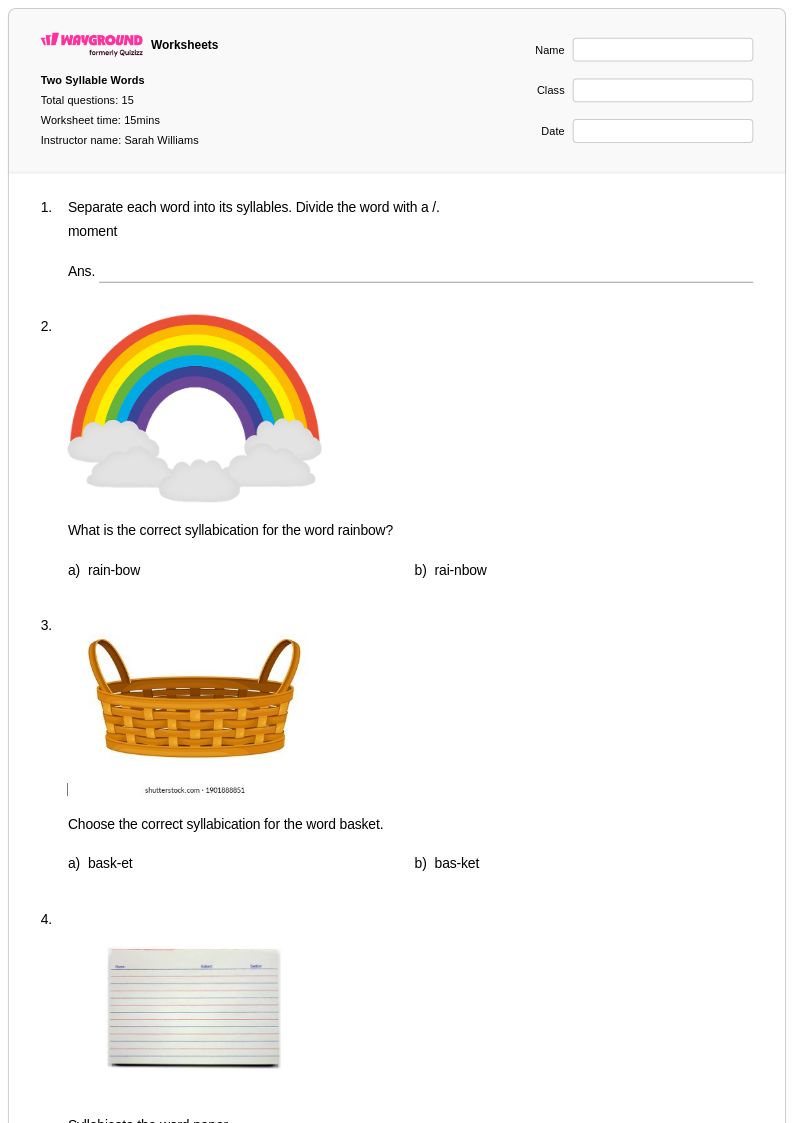
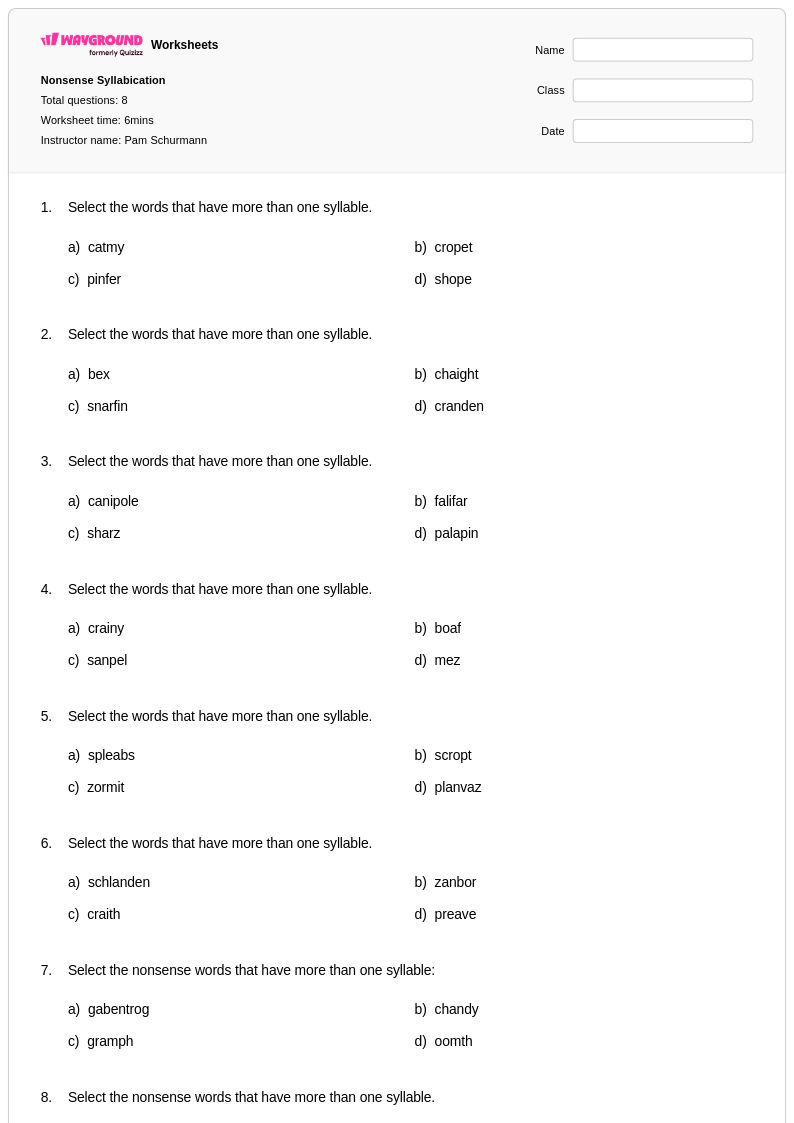
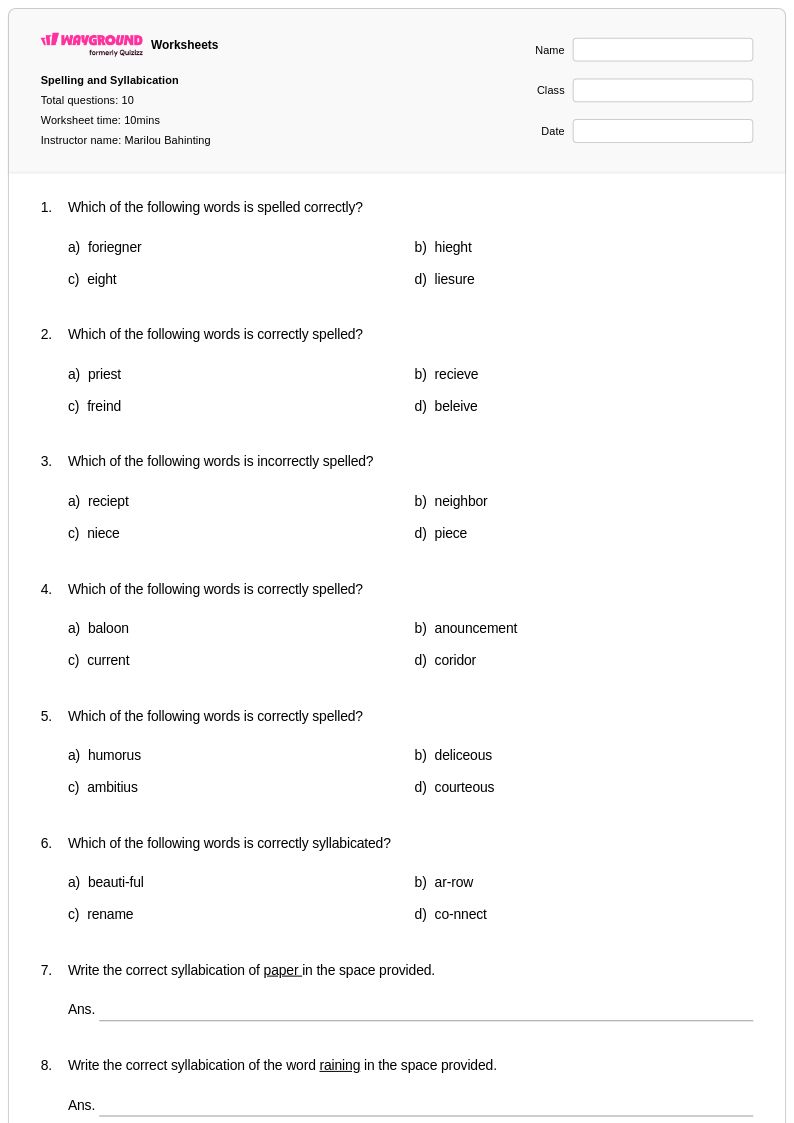
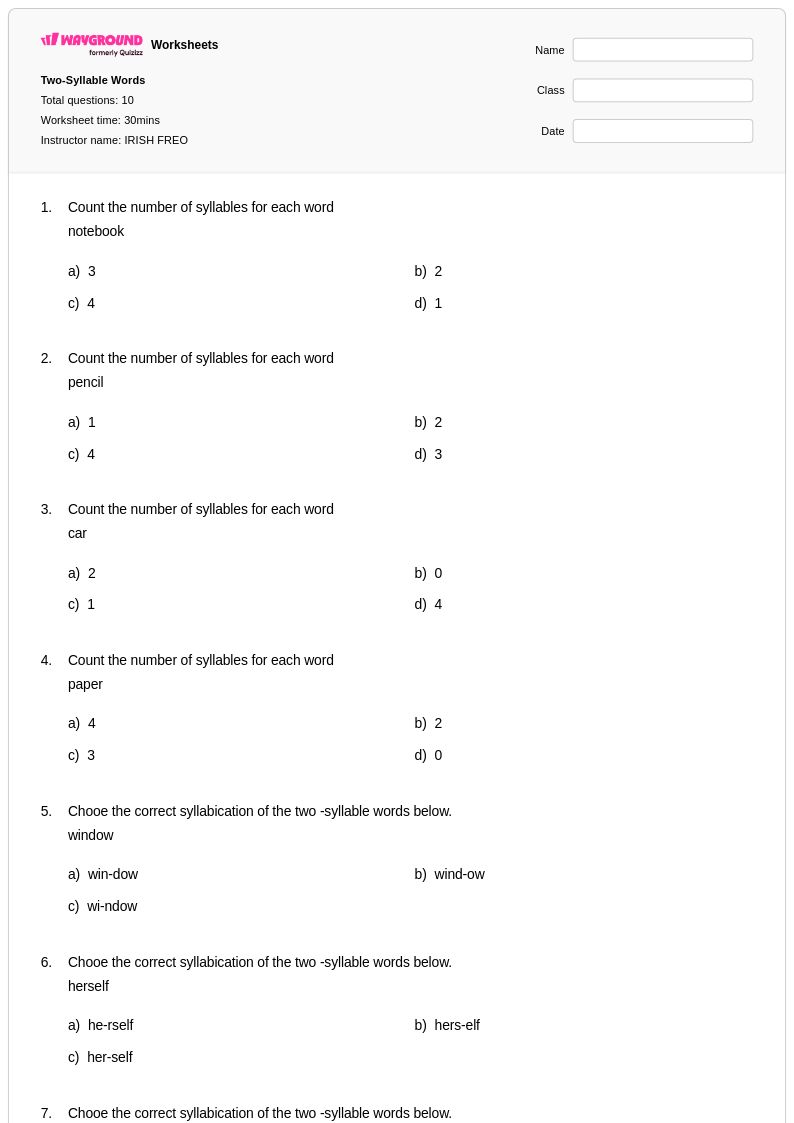
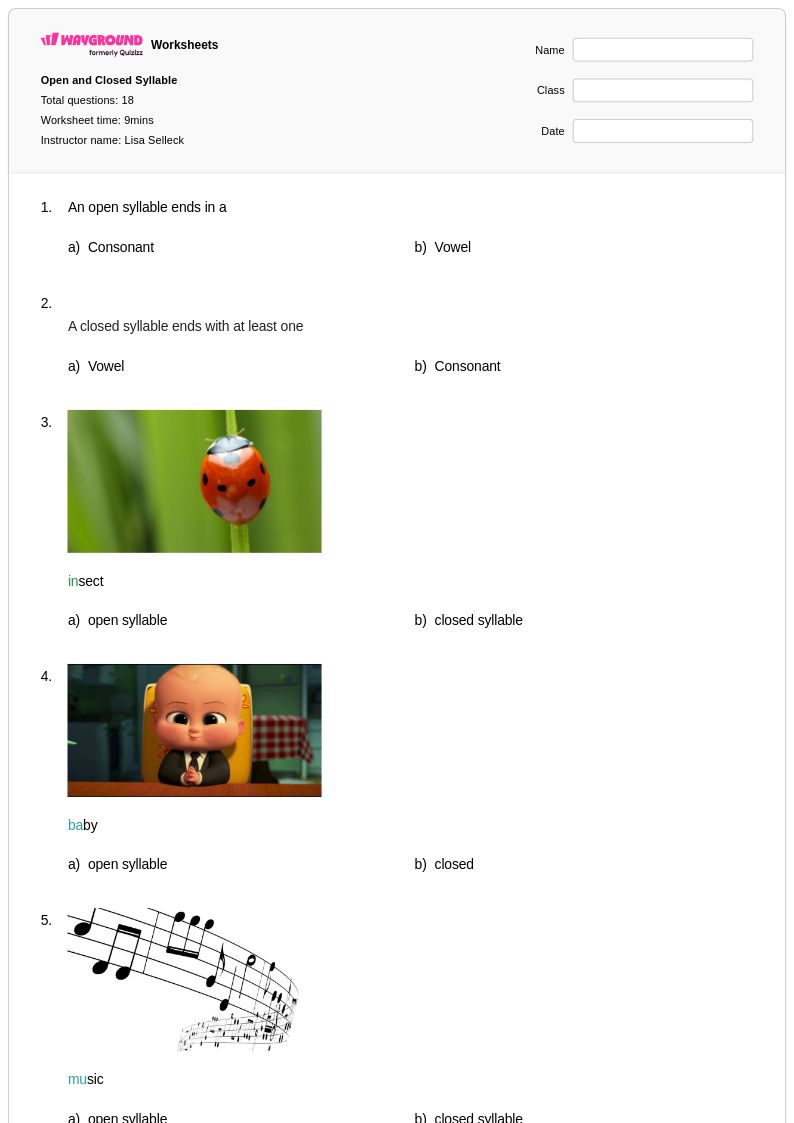
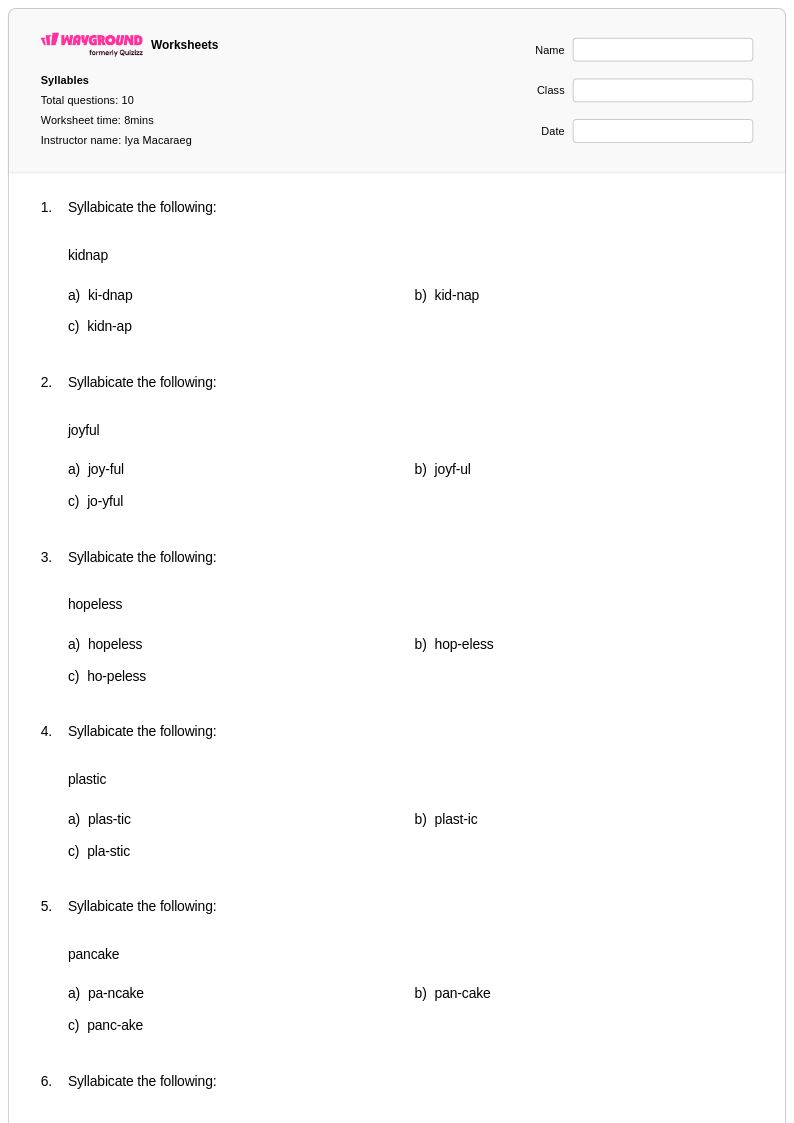
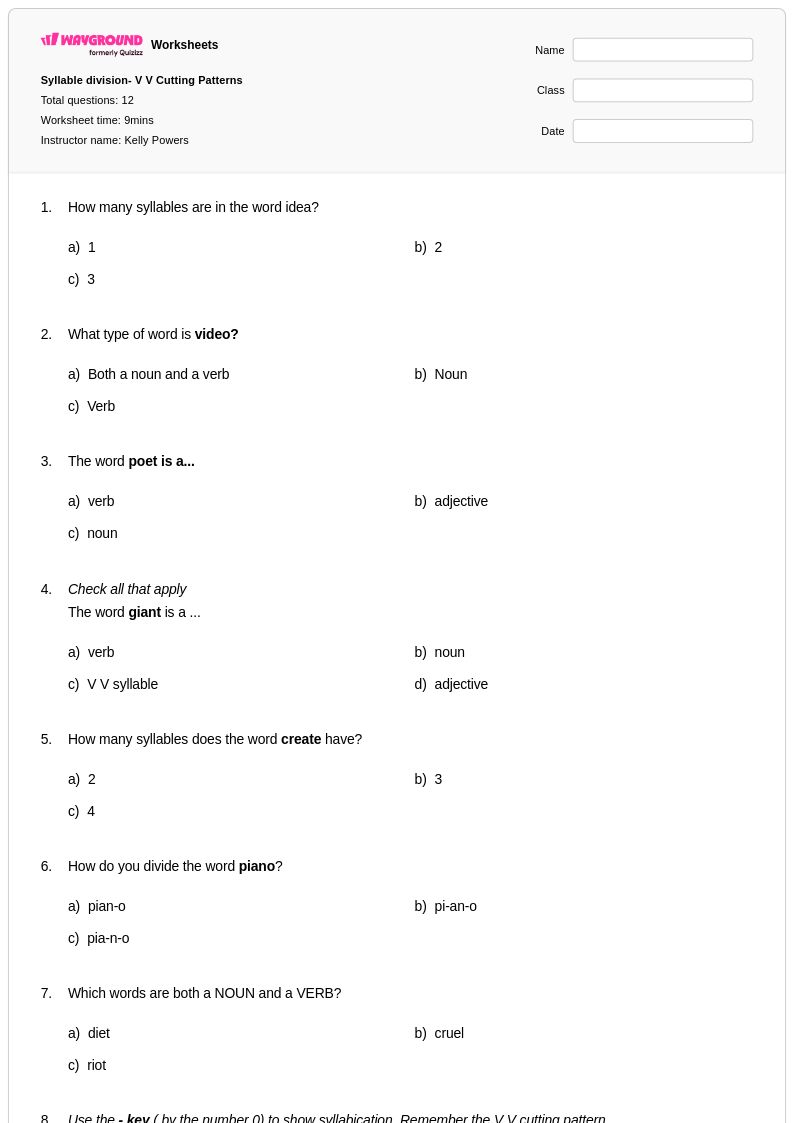
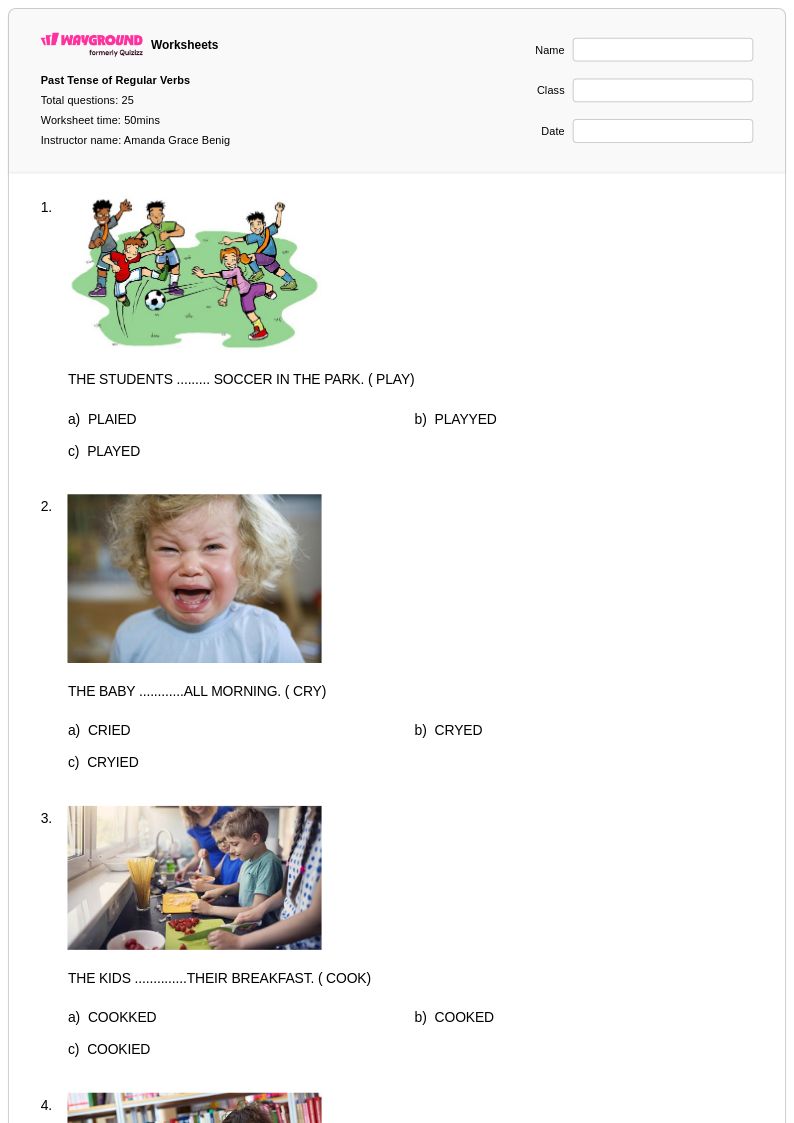
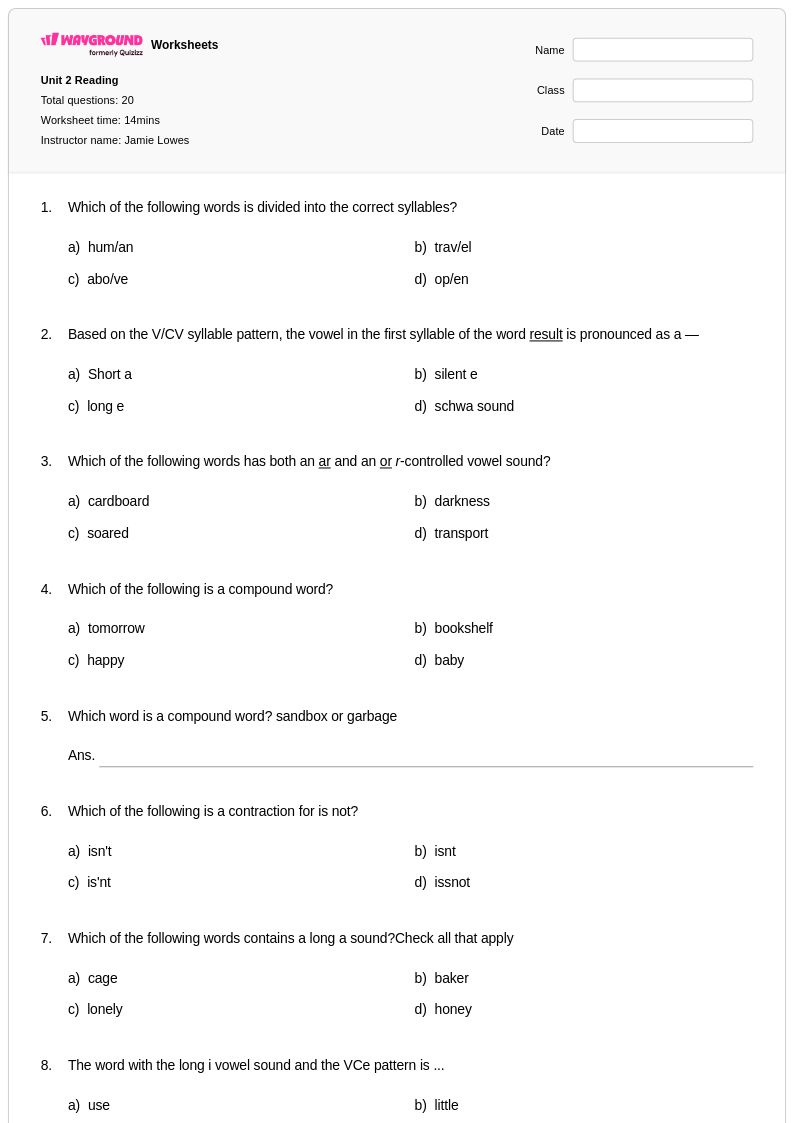
Syllabication worksheets for Year 3 students available through Wayground (formerly Quizizz) provide comprehensive practice in breaking words into their component syllables, a fundamental phonics skill that bridges decoding and reading fluency. These carefully designed worksheets strengthen students' ability to identify syllable patterns, apply division rules for different word structures, and recognize common syllable types including closed, open, vowel-consonant-e, and r-controlled syllables. The collection includes varied practice problems that progress from simple two-syllable words to more complex multisyllabic vocabulary, with each worksheet featuring an answer key for immediate feedback and assessment. These free printables in PDF format support systematic instruction in syllable division strategies, helping third-grade students develop the phonological awareness necessary for accurate word pronunciation and improved reading comprehension.
Wayground (formerly Quizizz) empowers teachers with millions of educator-created syllabication resources specifically designed to meet Year 3 phonics standards and diverse classroom needs. The platform's robust search and filtering capabilities allow teachers to quickly locate worksheets aligned with specific syllable patterns or complexity levels, while built-in differentiation tools enable customization for students requiring additional support or enrichment opportunities. These syllabication materials are available in both printable PDF format for traditional classroom use and digital formats for interactive learning experiences, providing maximum flexibility for lesson planning and implementation. Teachers can efficiently incorporate these resources into phonics centers, guided reading sessions, homework assignments, and targeted remediation, ensuring students receive consistent practice with syllable division skills that form the foundation for advanced word analysis and spelling proficiency.
FAQs
How do I teach syllabication rules to elementary students?
Start by teaching the most common syllable types in a structured sequence: closed syllables (short vowel, ending in a consonant), open syllables (ending in a vowel with a long sound), and vowel-consonant-e patterns. Use concrete anchor words for each pattern and have students physically tap or clap syllable boundaries before moving to written practice. Gradually introduce multisyllabic words once students have internalized the basic rules, emphasizing that syllabication is a decoding tool, not just a spelling convention.
What exercises help students practice breaking words into syllables?
Effective syllabication practice includes word-sorting tasks by syllable pattern, syllable-counting activities using clapping or tapping, and exercises where students draw lines to divide written words at syllable boundaries. Applying syllabication rules to decode unfamiliar multisyllabic words in context is especially valuable because it mirrors the real reading task. Worksheets that systematically progress from two-syllable words to complex morphological patterns give students the scaffolded repetition they need to build automaticity.
What mistakes do students commonly make when dividing words into syllables?
One of the most frequent errors is splitting consonant blends and digraphs incorrectly, since students often treat every consonant as a division point rather than recognizing that blends and digraphs function as single units. Students also frequently misidentify vowel sounds within syllables, particularly with vowel teams and r-controlled vowels, which leads to incorrect boundary placement. Another common misconception is treating the silent 'e' in vowel-consonant-e patterns as a separate syllable rather than understanding its role in lengthening the preceding vowel.
How can I use syllabication worksheets to support struggling readers?
Syllabication is a high-leverage decoding strategy for struggling readers because it gives them a reliable method to chunk unfamiliar words rather than guessing from context alone. Focus remediation on one syllable pattern at a time, ensuring mastery before introducing the next, and pair written worksheet practice with oral decoding so students connect the visual division to pronunciation. On Wayground, teachers can apply accommodations such as Read Aloud and reduced answer choices to individual students, reducing cognitive load while keeping them engaged with grade-level syllabication content.
How do I use Wayground's syllabication worksheets in my classroom?
Wayground's syllabication worksheets are available as free printable PDFs for traditional classroom use and in digital formats for technology-integrated instruction, so they fit both paper-based practice and online learning environments. Teachers can also host a worksheet as a live quiz on Wayground, making it easy to gather real-time data on student understanding of syllabication patterns. The platform's search and filtering tools allow teachers to quickly locate worksheets targeting specific syllable types or phonics standards, and existing materials can be customized to meet individual student needs.
How does mastering syllabication improve overall reading fluency?
Syllabication supports reading fluency by giving students a reliable strategy to decode multisyllabic words independently, which reduces the hesitations and miscues that interrupt fluent reading. When students can automatically apply syllabication rules, cognitive resources that would otherwise go toward decoding are freed up for comprehension. This is especially important in upper elementary grades where academic vocabulary becomes increasingly multisyllabic across content areas like science and social studies.