Free Printable Ant Life Cycle Worksheets for Class 4
Discover Class 4 ant life cycle worksheets and printables that help students explore metamorphosis stages through engaging practice problems, free PDF resources, and comprehensive answer keys for effective life science learning.
Explore printable Ant Life Cycle worksheets for Class 4
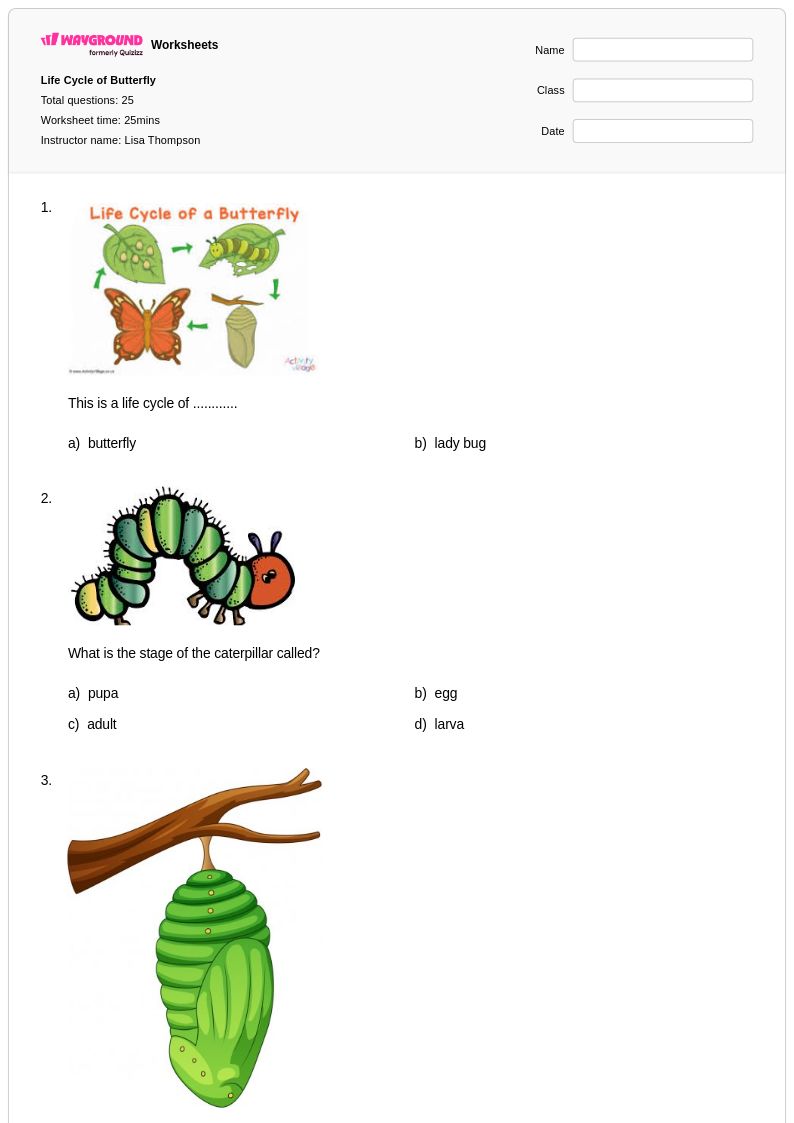
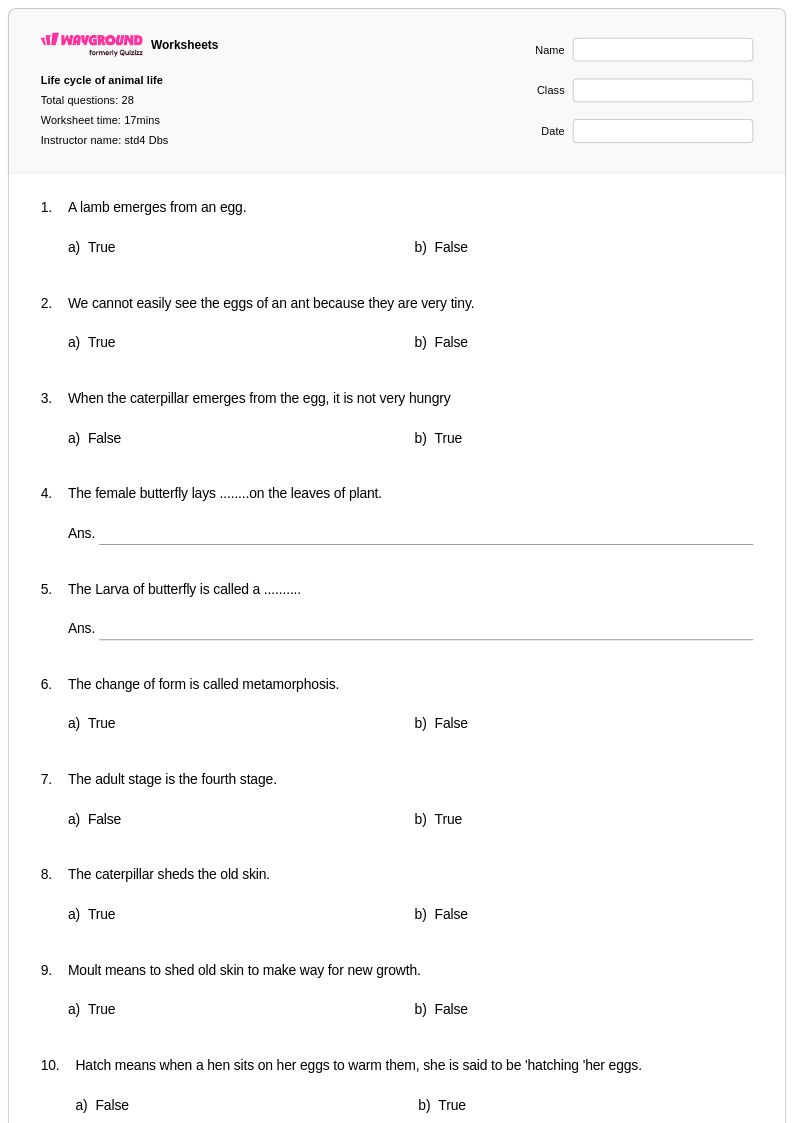
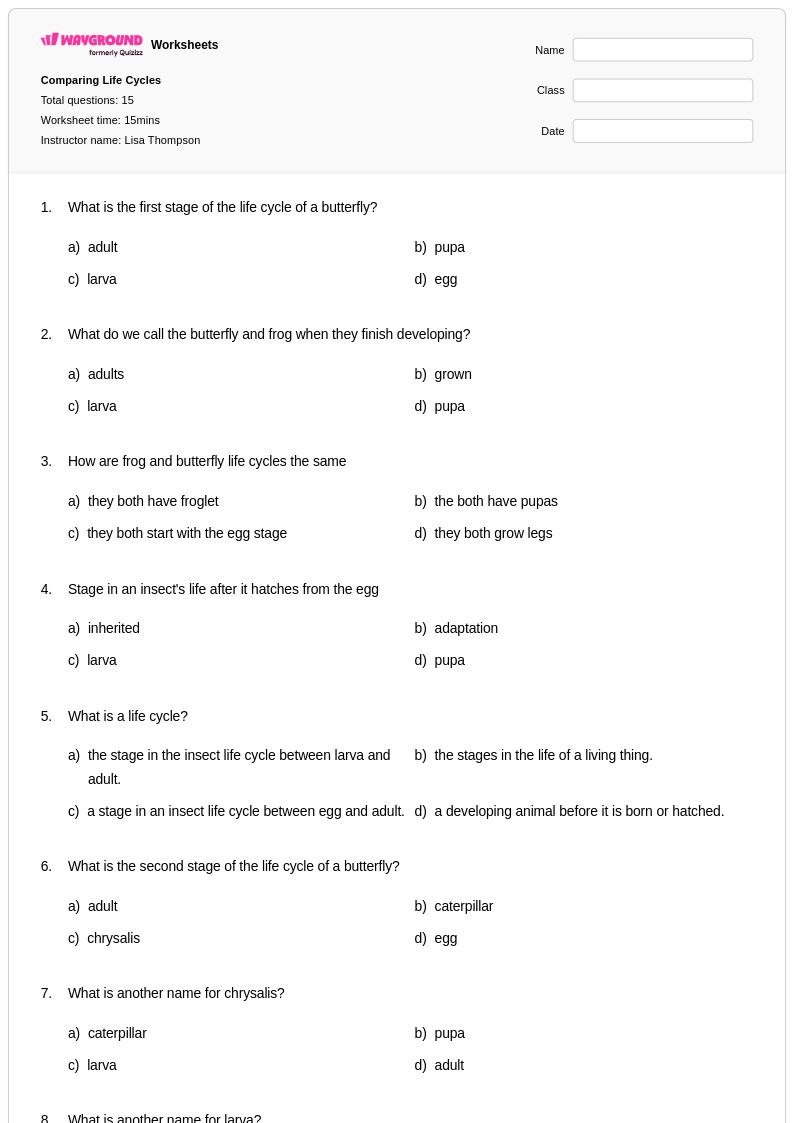
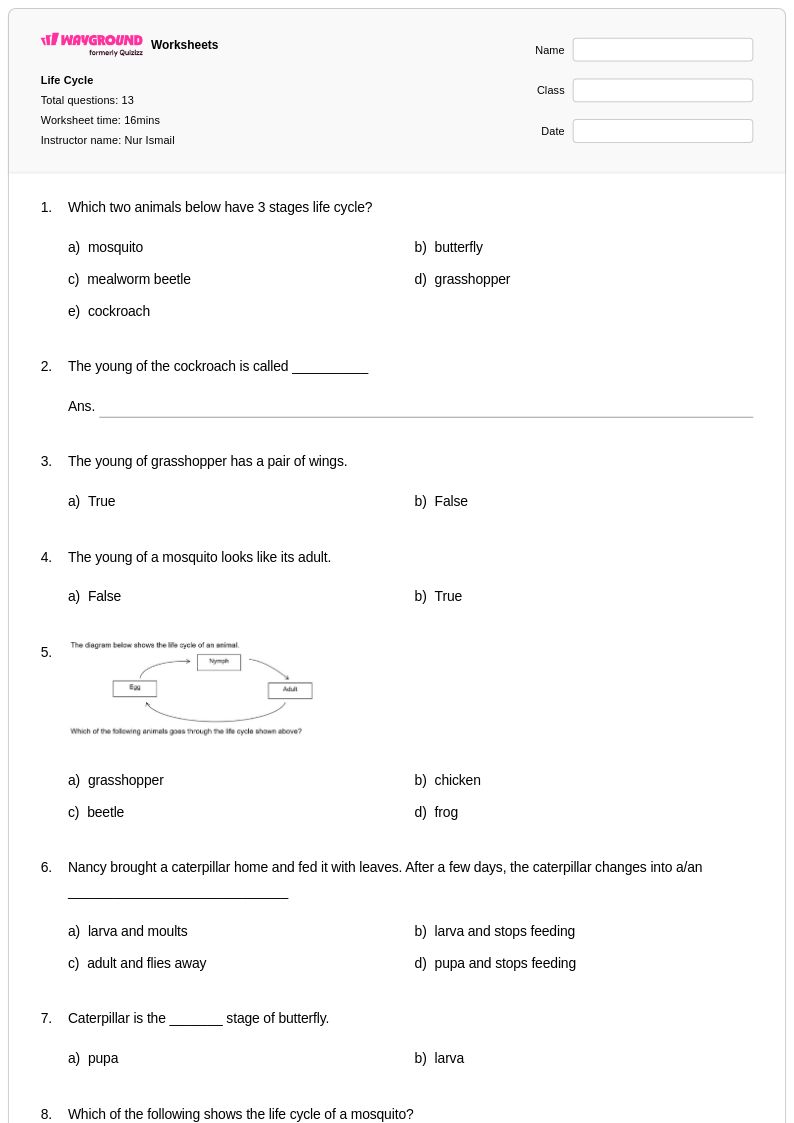
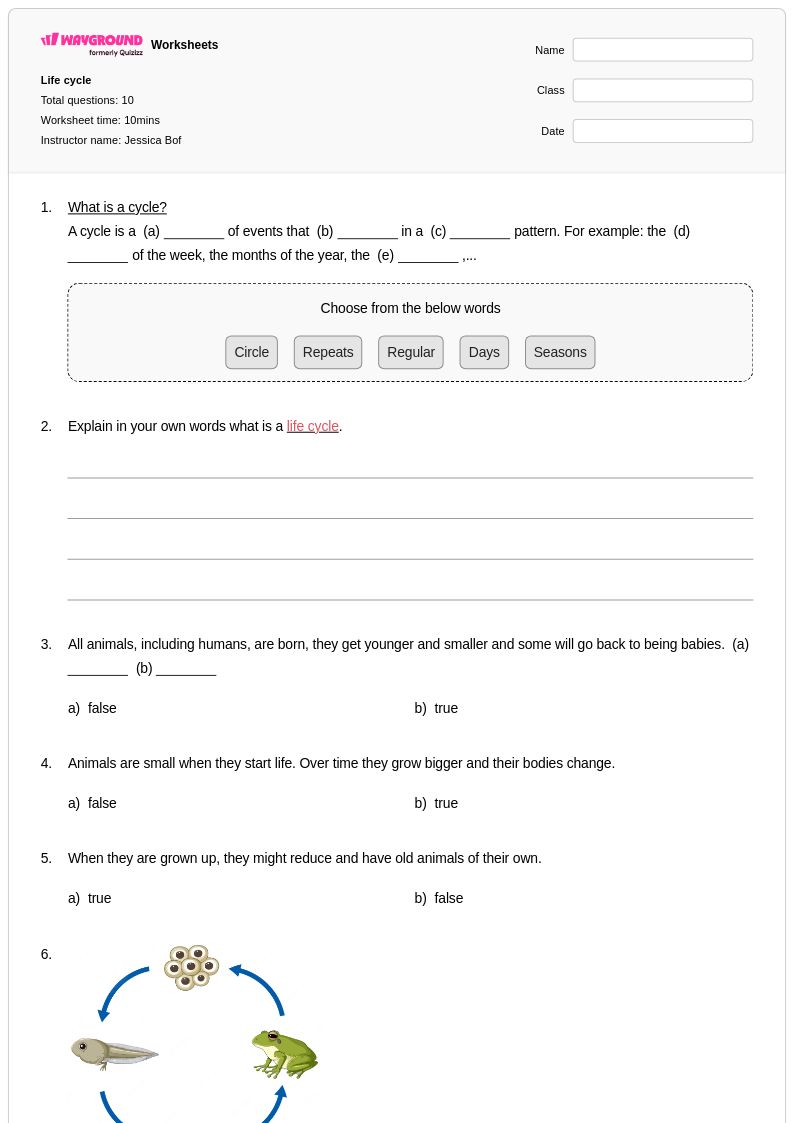
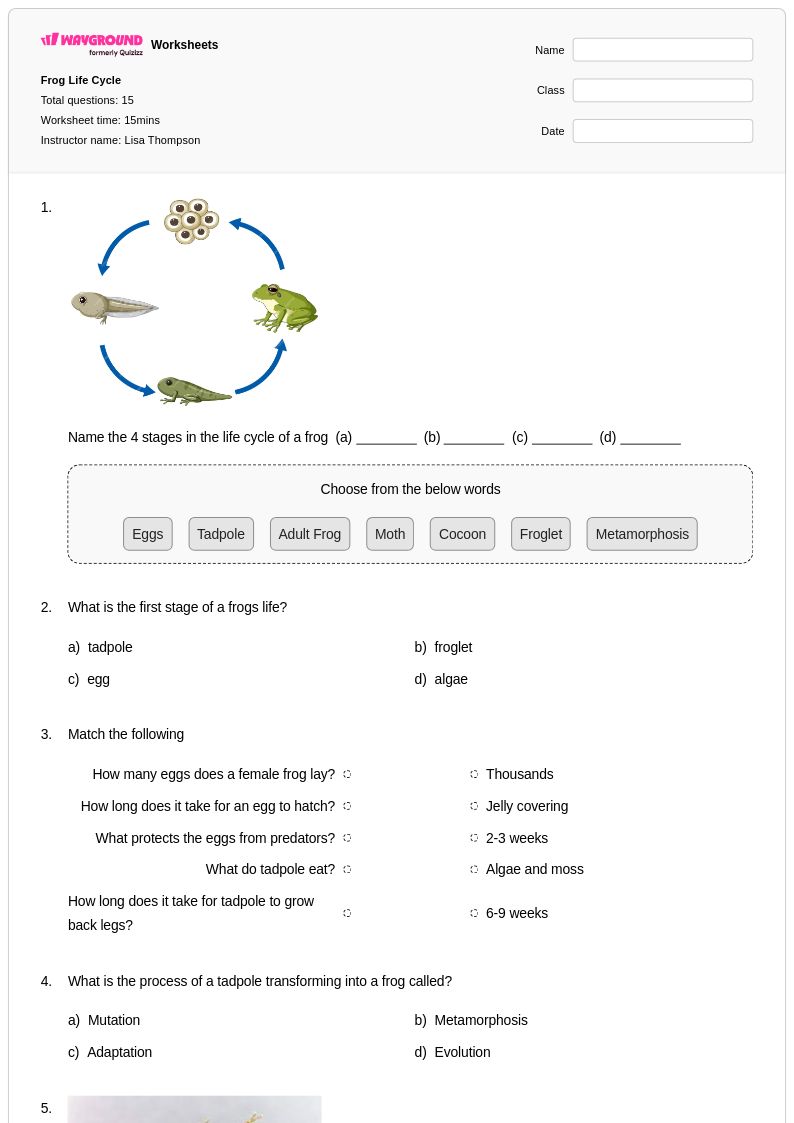
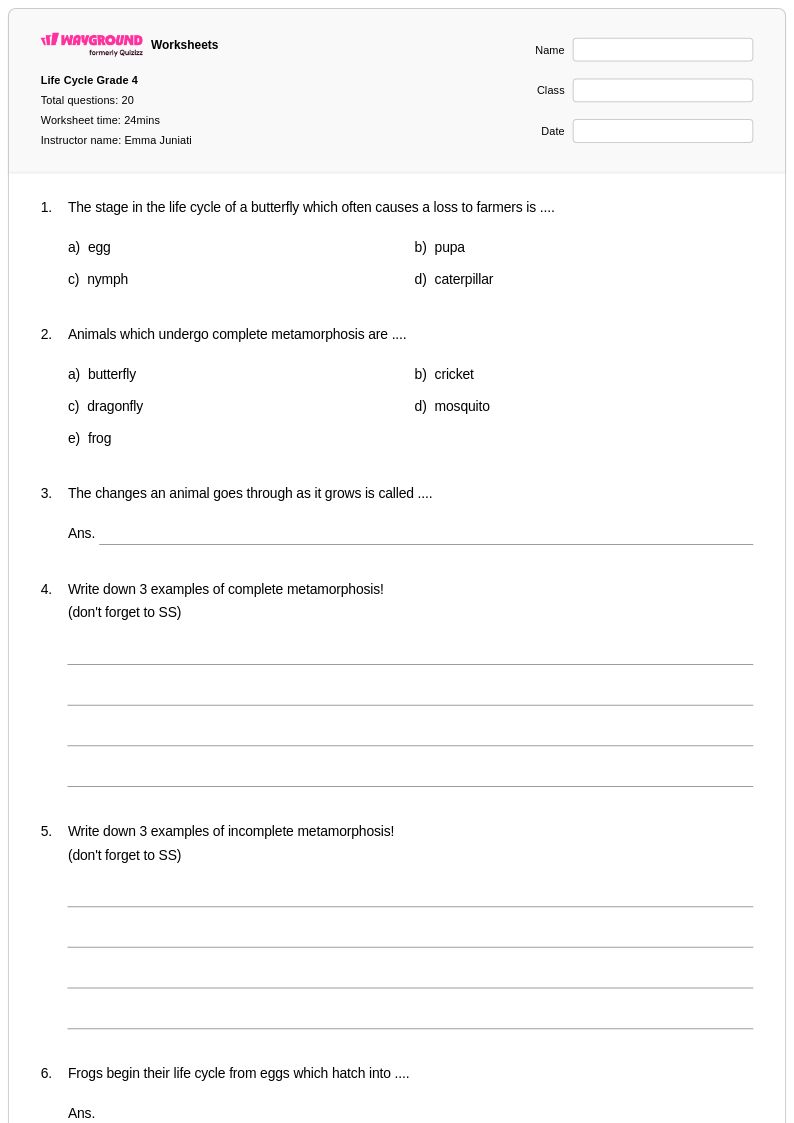
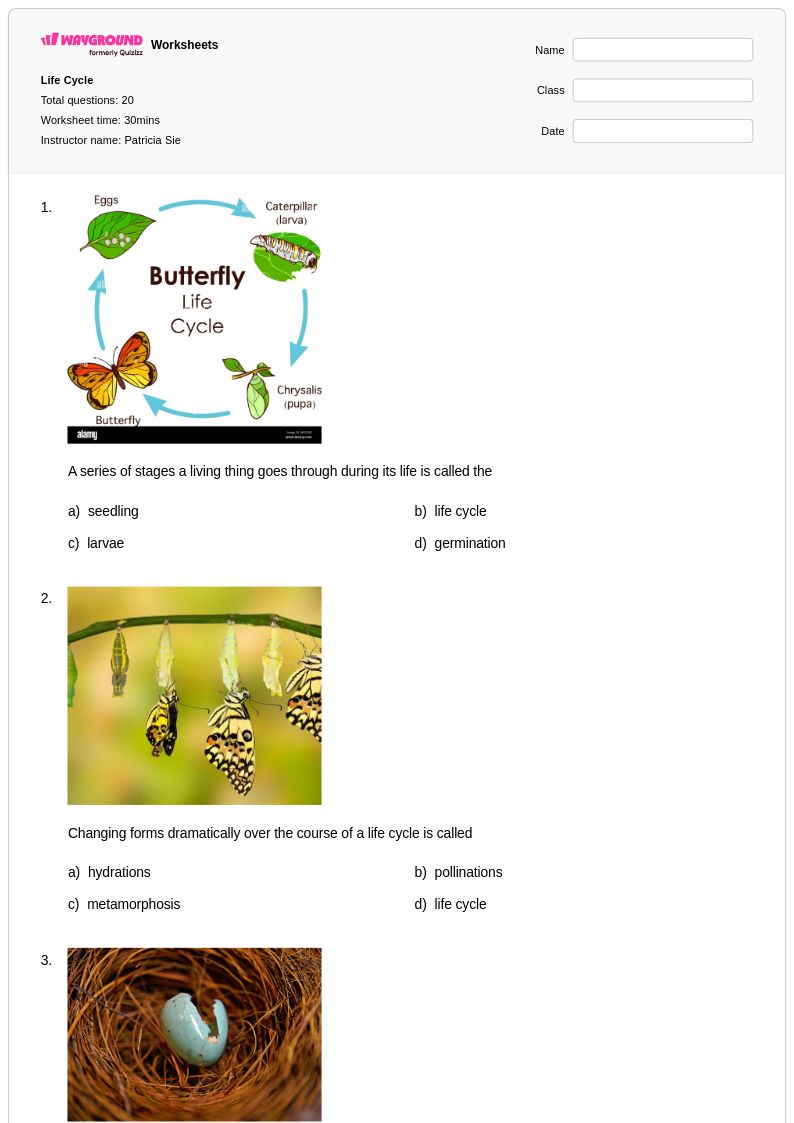
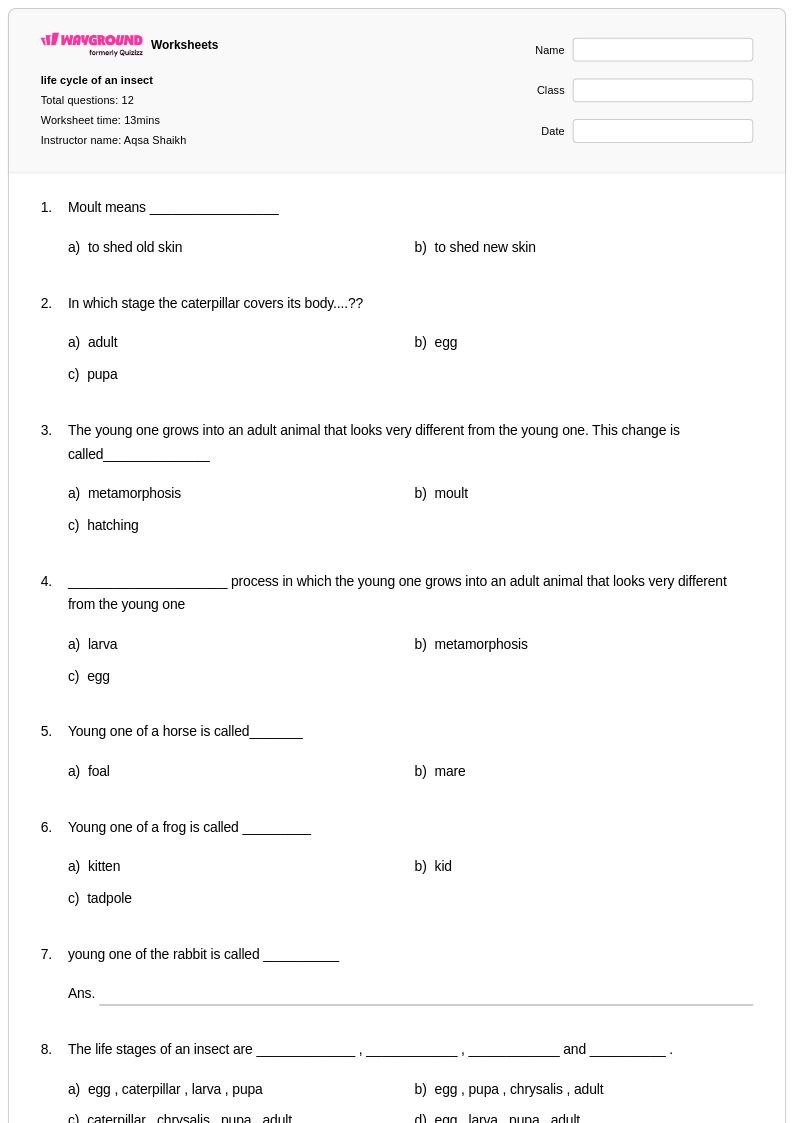
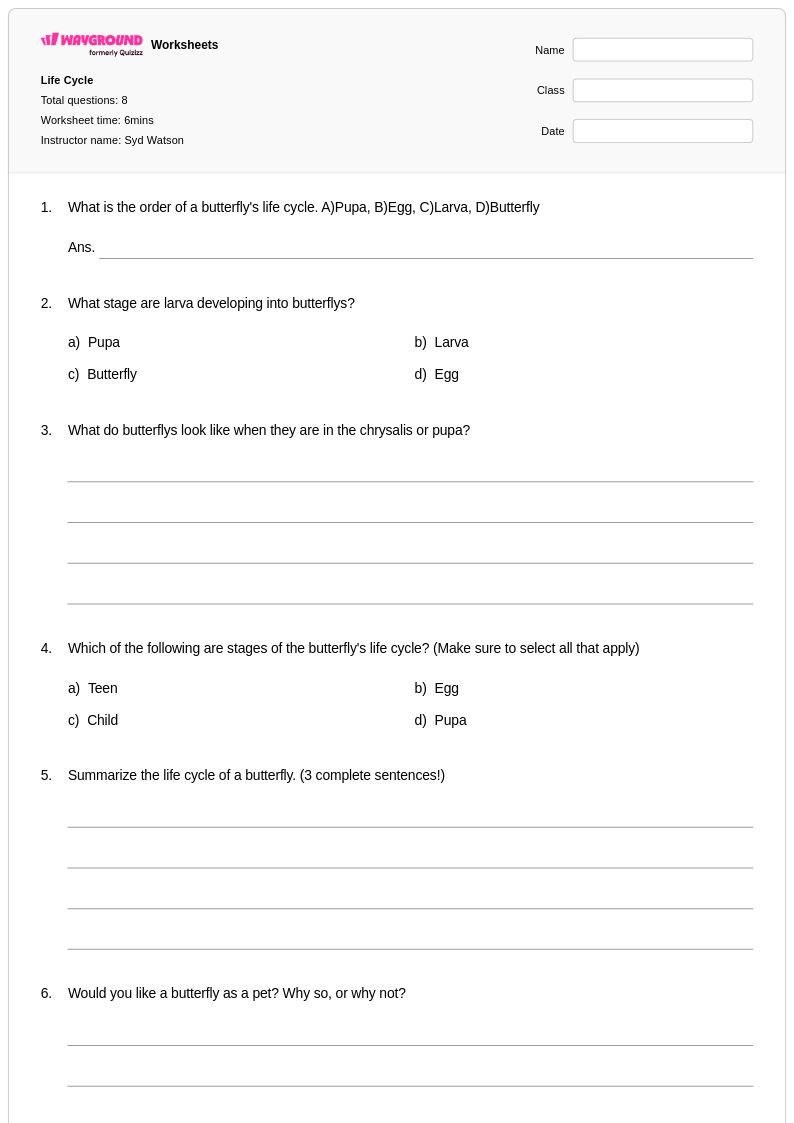
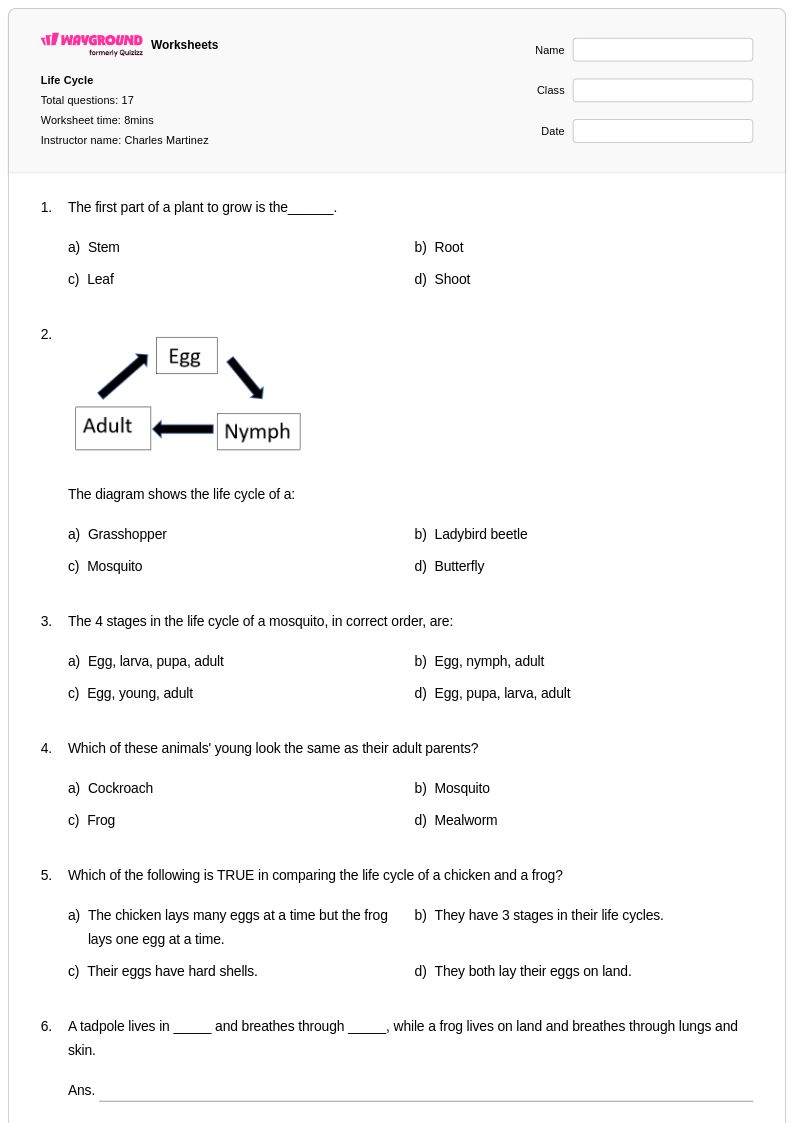
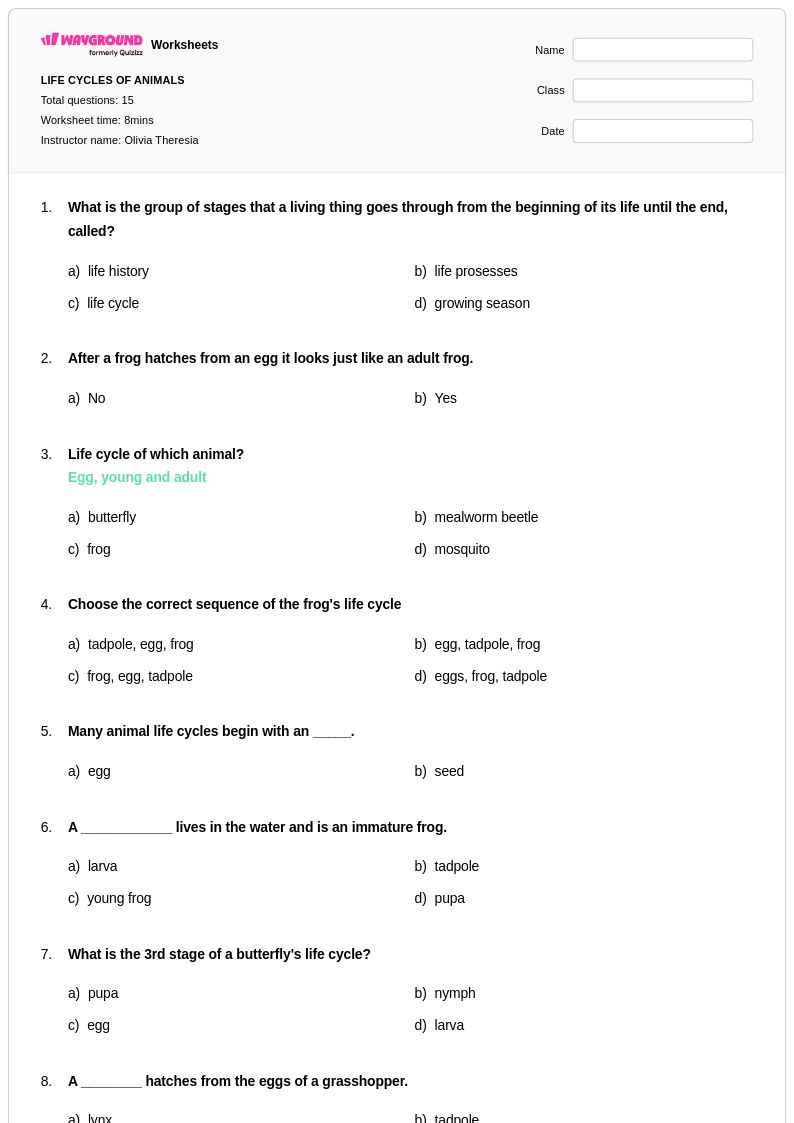
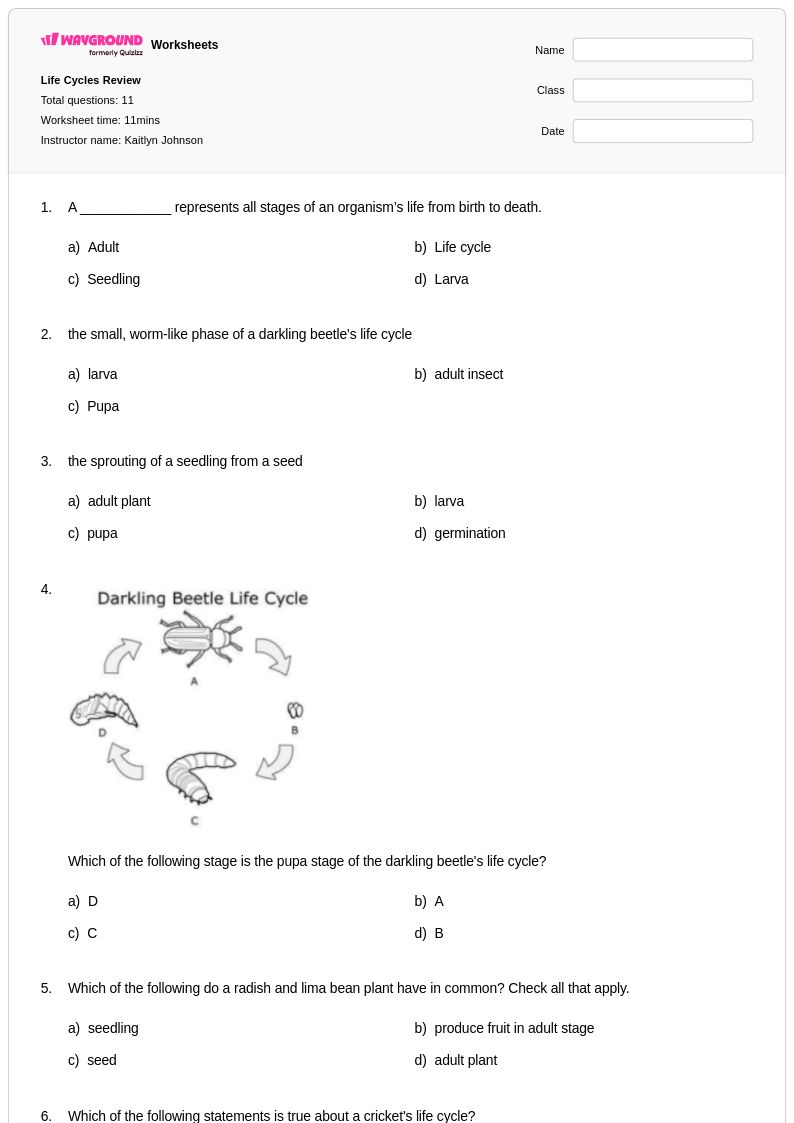
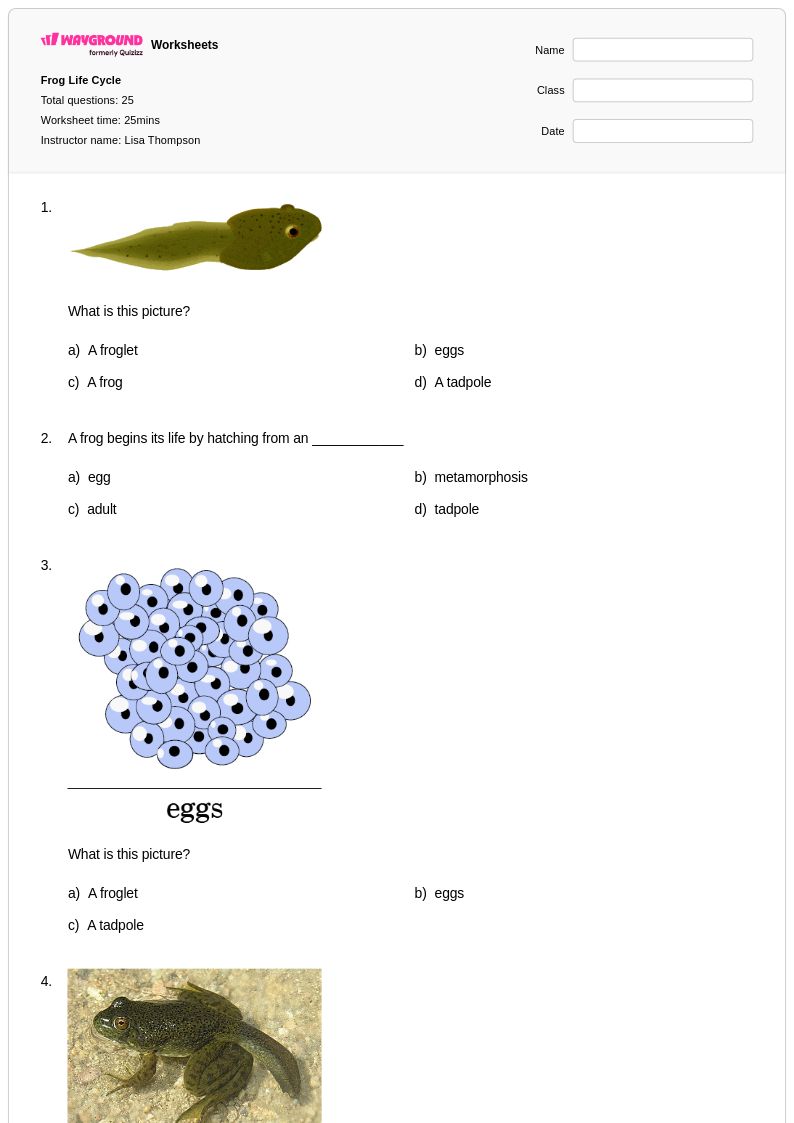
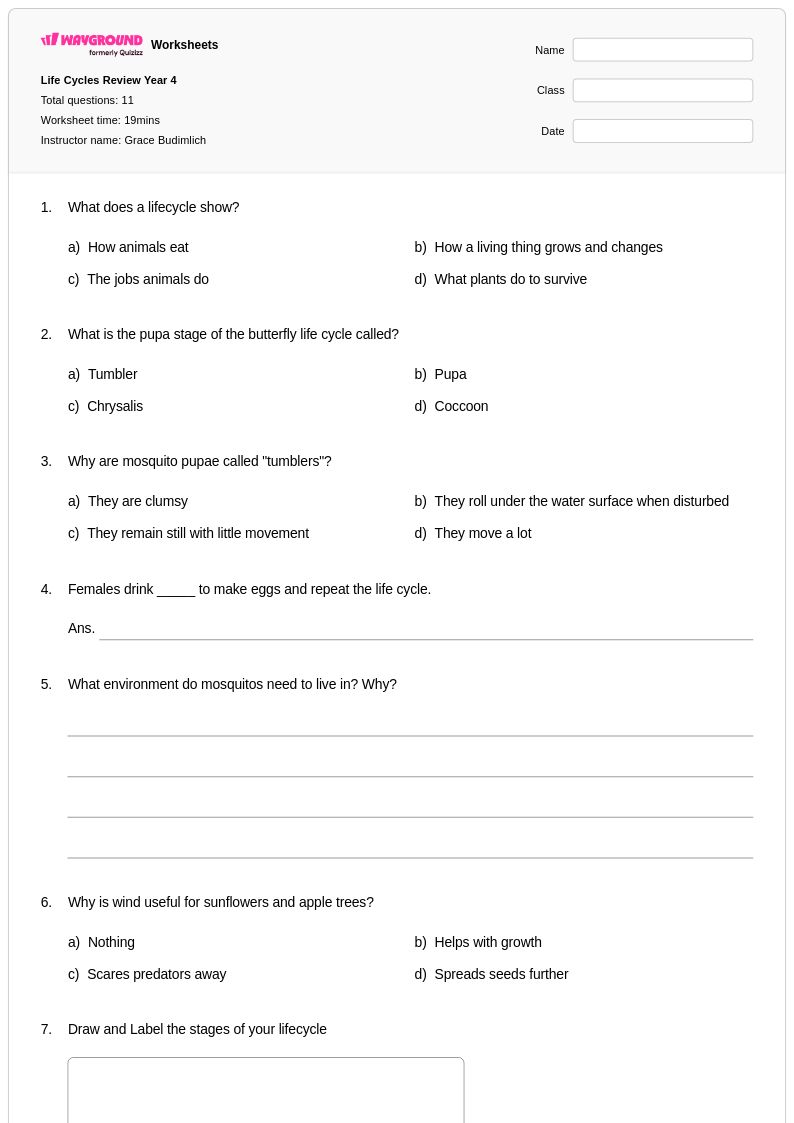
Ant life cycle worksheets for Class 4 students through Wayground (formerly Quizizz) provide comprehensive educational resources that guide young learners through the fascinating stages of ant development, from egg to adult. These carefully designed materials help students understand the complete metamorphosis process that ants undergo, including the egg, larva, pupa, and adult stages, while building essential scientific observation and vocabulary skills. The collection features detailed diagrams, sequencing activities, and practice problems that encourage students to identify each life cycle stage and describe the changes that occur during transformation. Teachers can access free printable materials and pdf downloads that include answer keys, making assessment and instruction seamless while supporting various learning styles through visual representations and hands-on activities.
Wayground (formerly Quizizz) empowers educators with millions of teacher-created ant life cycle resources specifically aligned with Class 4 life science standards, offering robust search and filtering capabilities that help locate materials perfectly suited to classroom needs. The platform's differentiation tools allow teachers to customize worksheets for diverse learners, providing options for remediation and enrichment that address varying skill levels within the same classroom. These flexible resources are available in both printable and digital formats, including downloadable pdf versions, enabling seamless integration into lesson planning whether for in-person or remote instruction. The comprehensive collection supports systematic skill practice and assessment, helping teachers effectively guide students through this fundamental biological concept while building scientific literacy and critical thinking skills essential for continued success in life science education.
FAQs
How do I teach the ant life cycle to elementary students?
Teaching the ant life cycle works best when instruction moves sequentially through the four stages: egg, larva, pupa, and adult. Use labeled diagrams to anchor vocabulary, then reinforce each stage with sequencing activities that ask students to arrange the stages in chronological order. Connecting ants to the broader concept of complete metamorphosis helps students build a framework they can transfer to other insects like butterflies and beetles.
What activities help students practice the stages of the ant life cycle?
Labeling diagrams, sequencing cut-and-paste activities, and short-answer comprehension questions are among the most effective practice formats for the ant life cycle. These exercises require students to recall and apply stage names and characteristics rather than simply recognize them, which deepens retention. Pairing diagram work with brief written descriptions of each stage further reinforces biological vocabulary in context.
What mistakes do students commonly make when learning the ant life cycle?
The most common error is confusing the pupa stage with the larva stage, since neither resembles an adult ant and students often underestimate how distinct these two phases are. Students also frequently omit the egg stage when sequencing, treating the larva as the starting point. Explicitly comparing what the organism can and cannot do at each stage helps students distinguish them more reliably.
How is the ant life cycle different from incomplete metamorphosis?
The ant life cycle follows complete metamorphosis, meaning it passes through four distinct stages: egg, larva, pupa, and adult. Insects with incomplete metamorphosis, such as grasshoppers, skip the pupa stage and develop through a nymph phase that gradually resembles the adult. Highlighting this distinction helps students understand why ants look nothing like their younger forms, which is a concept that often surprises and engages learners.
How do I use Wayground's ant life cycle worksheets in my classroom?
Wayground's ant life cycle worksheets are available as printable PDFs for traditional classroom use and in digital formats for technology-integrated environments, including the option to host them as a quiz directly on Wayground. Answer keys are included with each worksheet, reducing prep time for teachers. The digital format supports accommodations such as read aloud and adjustable font sizes, making these resources accessible to a range of learners.
How can I differentiate ant life cycle worksheets for students at different levels?
For students who need additional support, reduce the number of answer choices on identification questions or provide a word bank to scaffold vocabulary recall. Advanced students can be challenged with open-ended questions about why complete metamorphosis may be advantageous for colony survival. On Wayground, individual accommodations such as extended time, read aloud, and reduced answer choices can be assigned per student so the rest of the class is unaffected.