
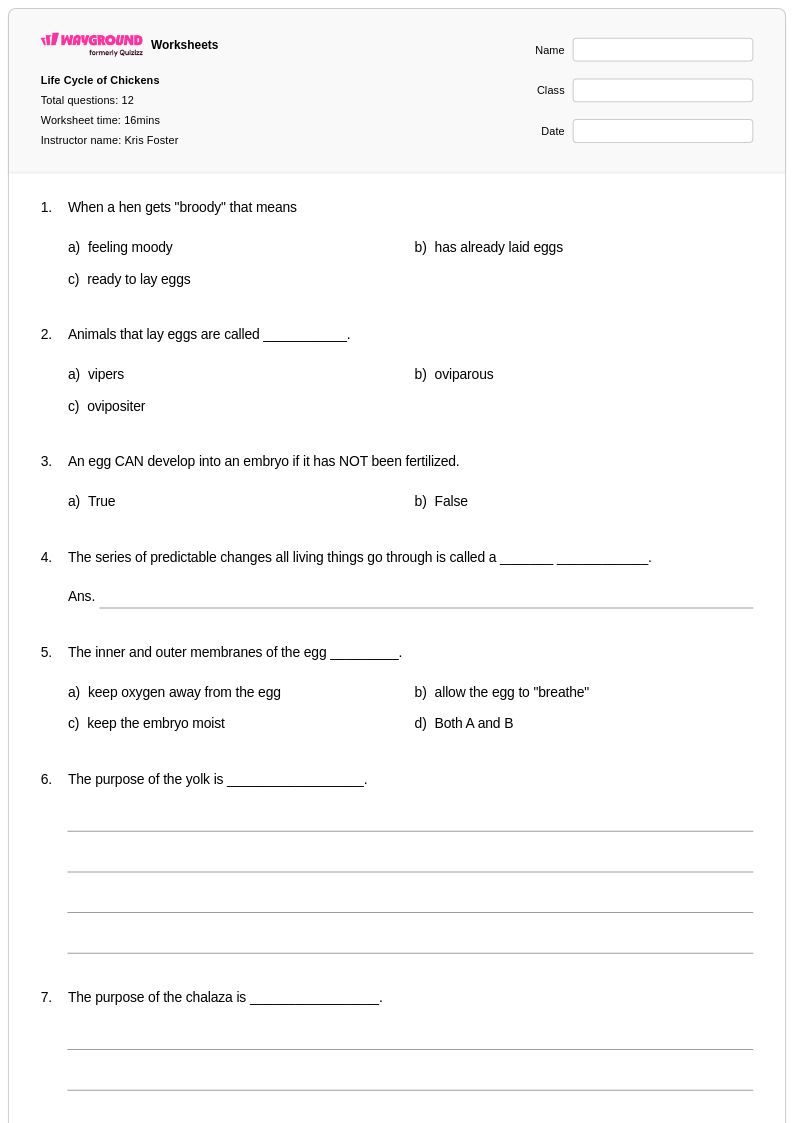
12 Q
4th
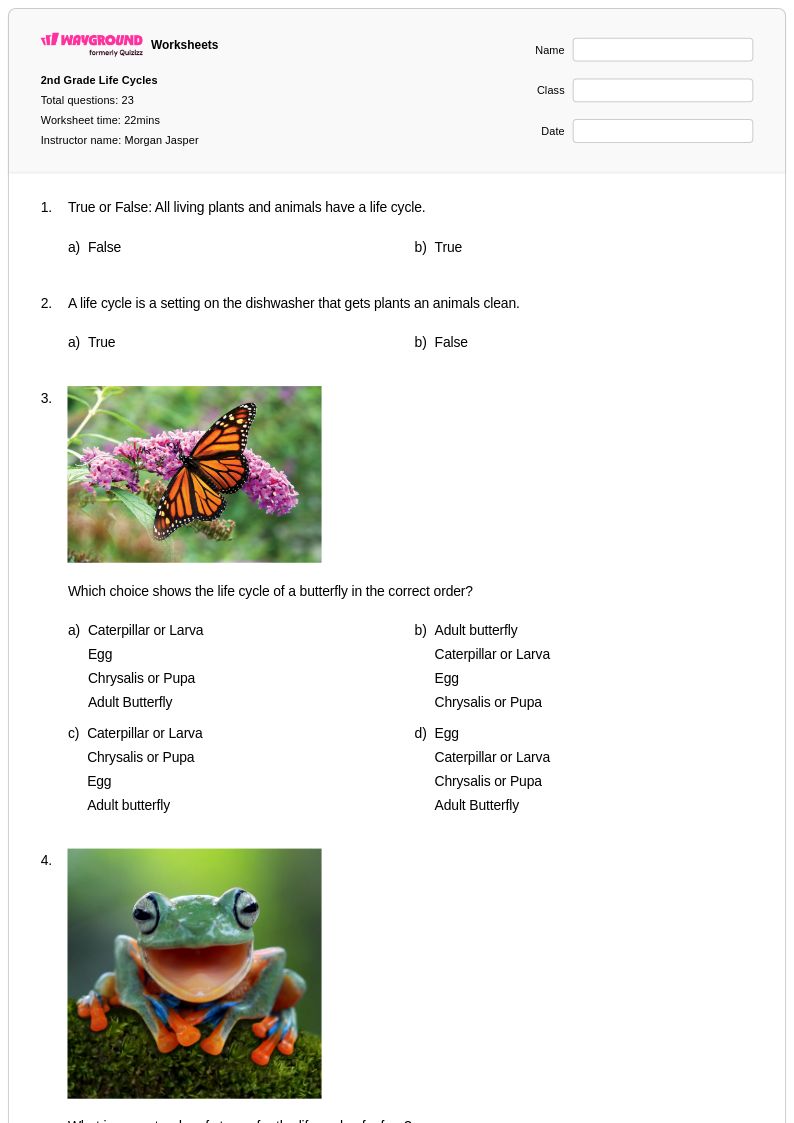
17 Q
1st - 5th
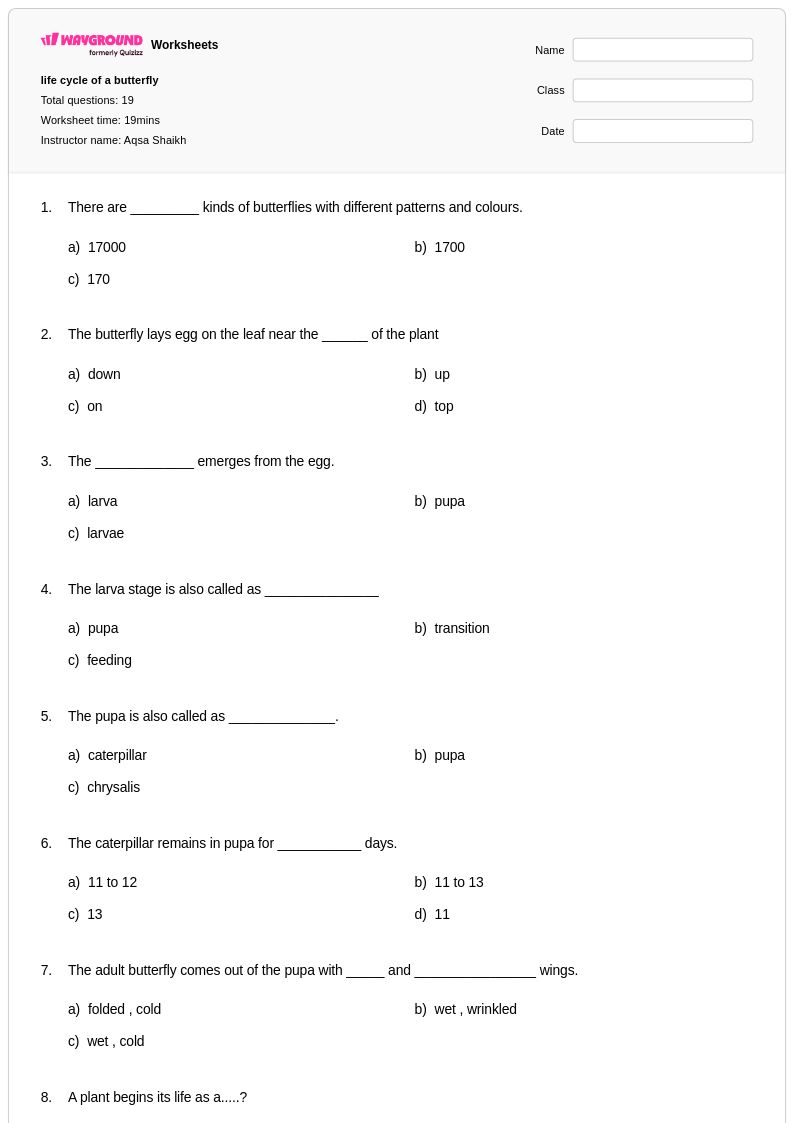
19 Q
4th
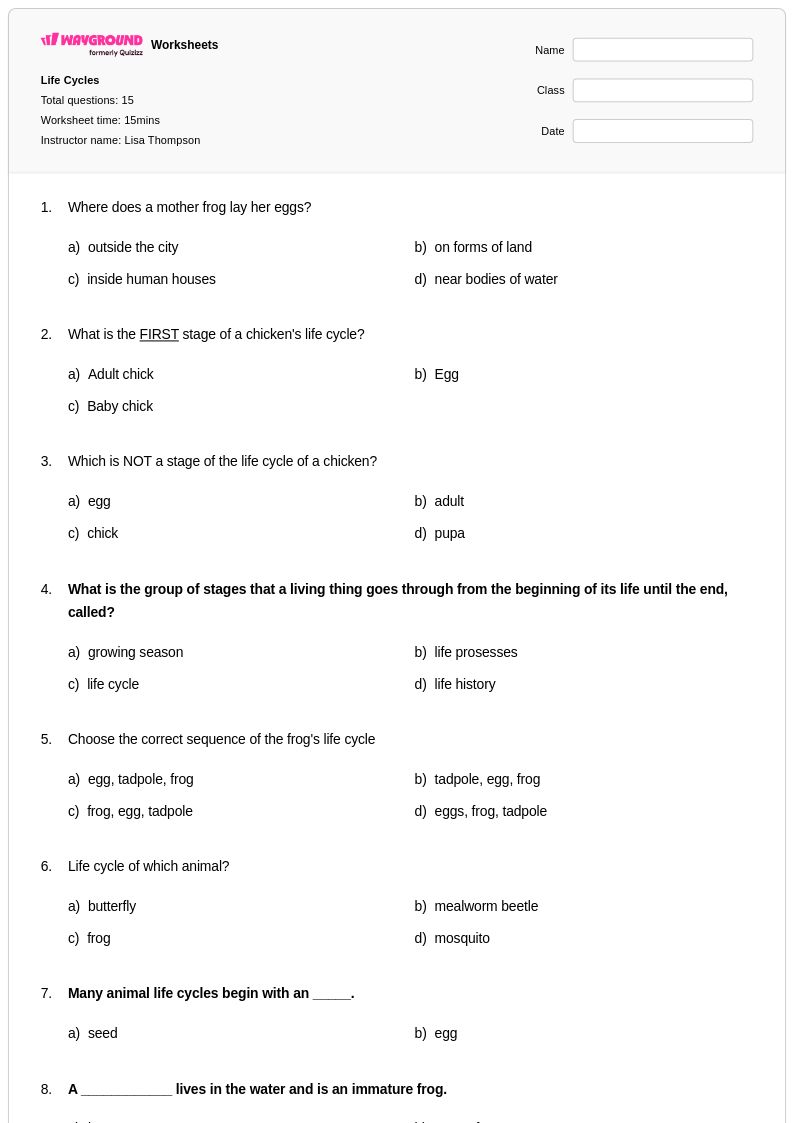
15 Q
3rd - Uni
15 Q
4th
15 Q
4th - Uni
7 Q
4th - 5th
25 Q
3rd - Uni
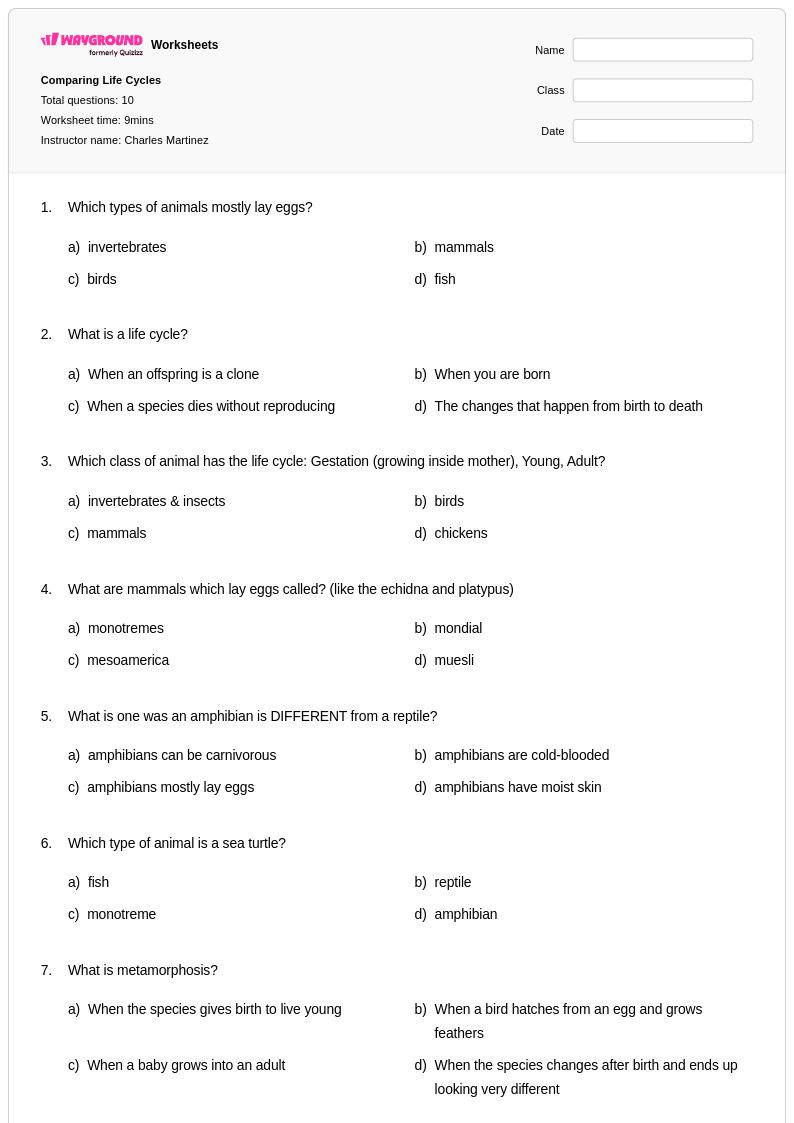
10 Q
4th
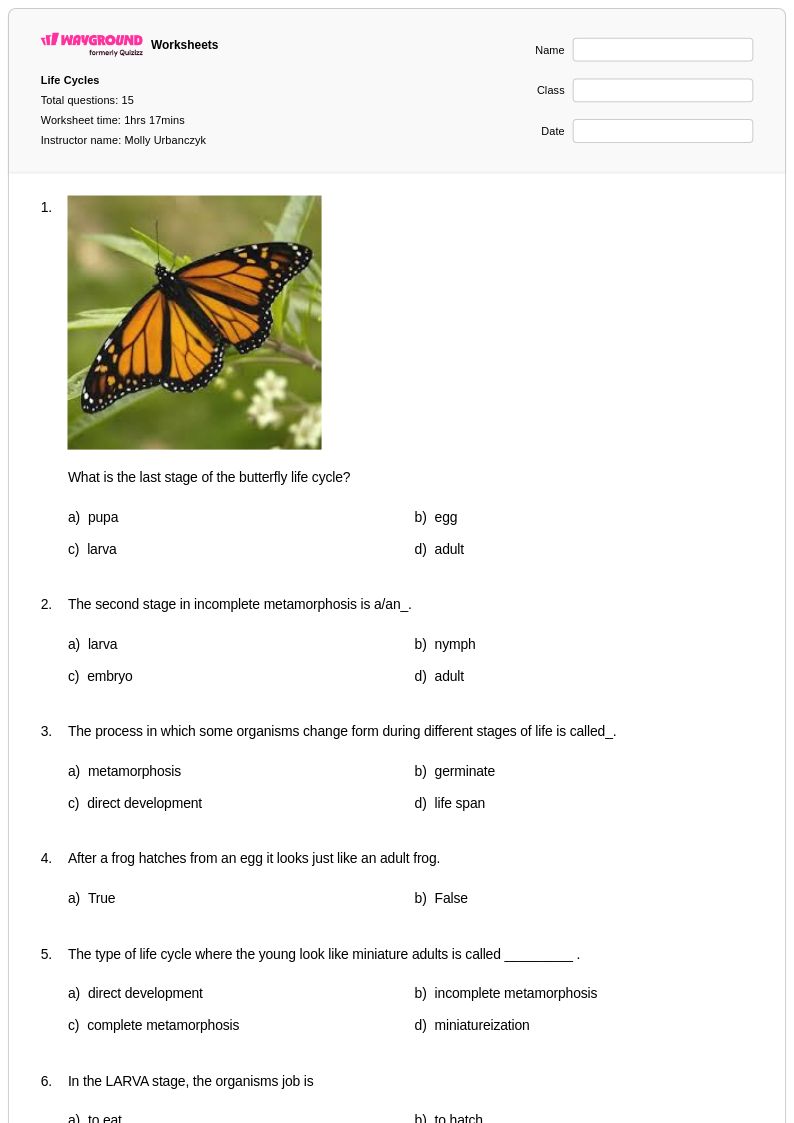
15 Q
4th
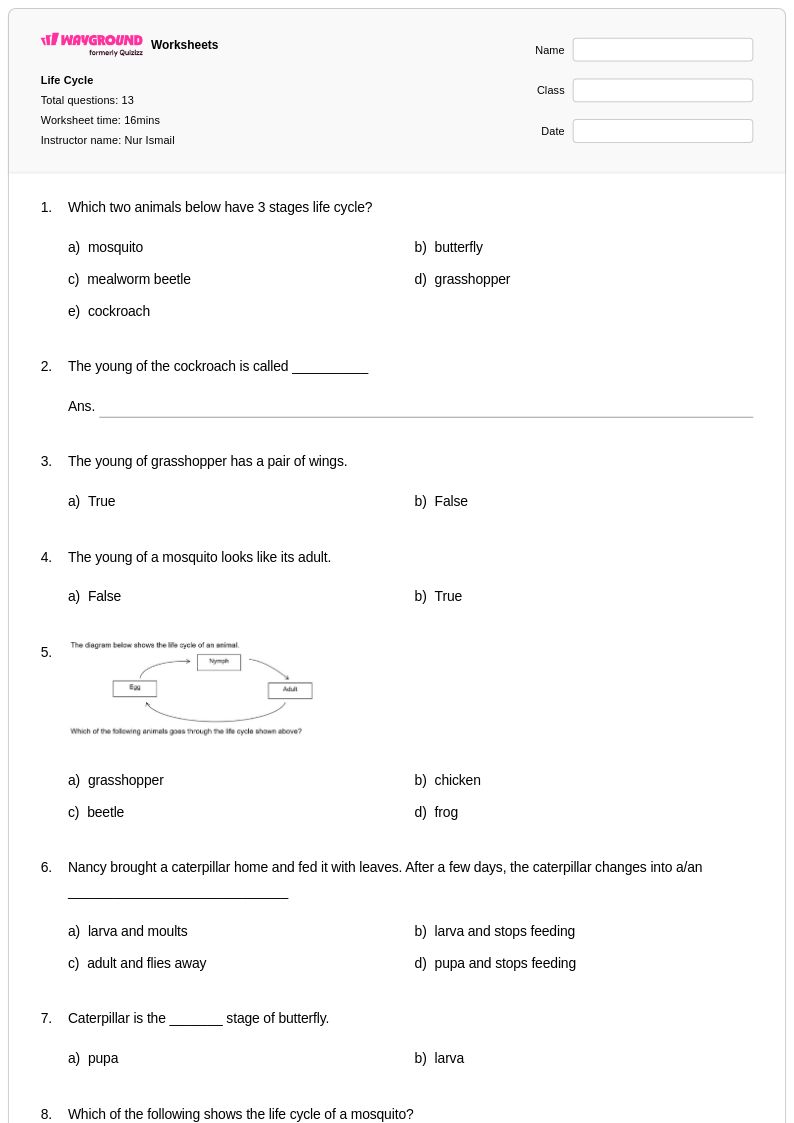
13 Q
3rd - 6th
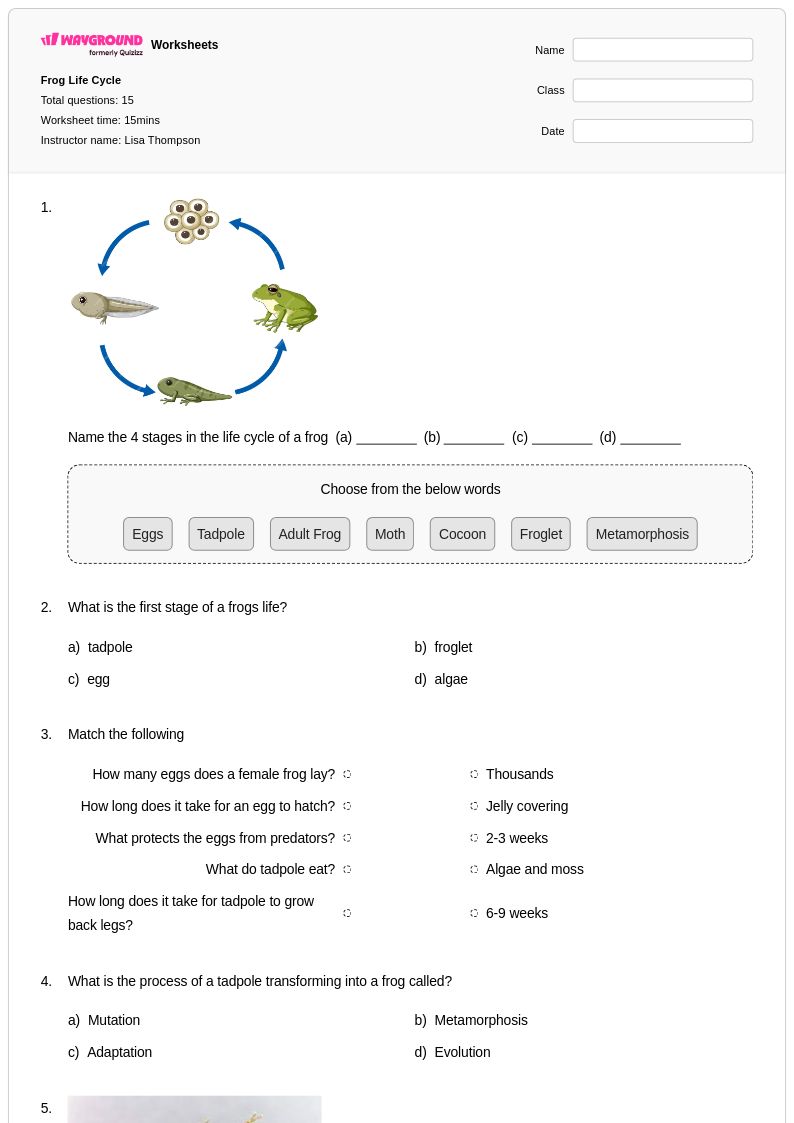
15 Q
3rd - Uni
5 Q
4th
11 Q
2nd - 4th
20 Q
4th
20 Q
4th
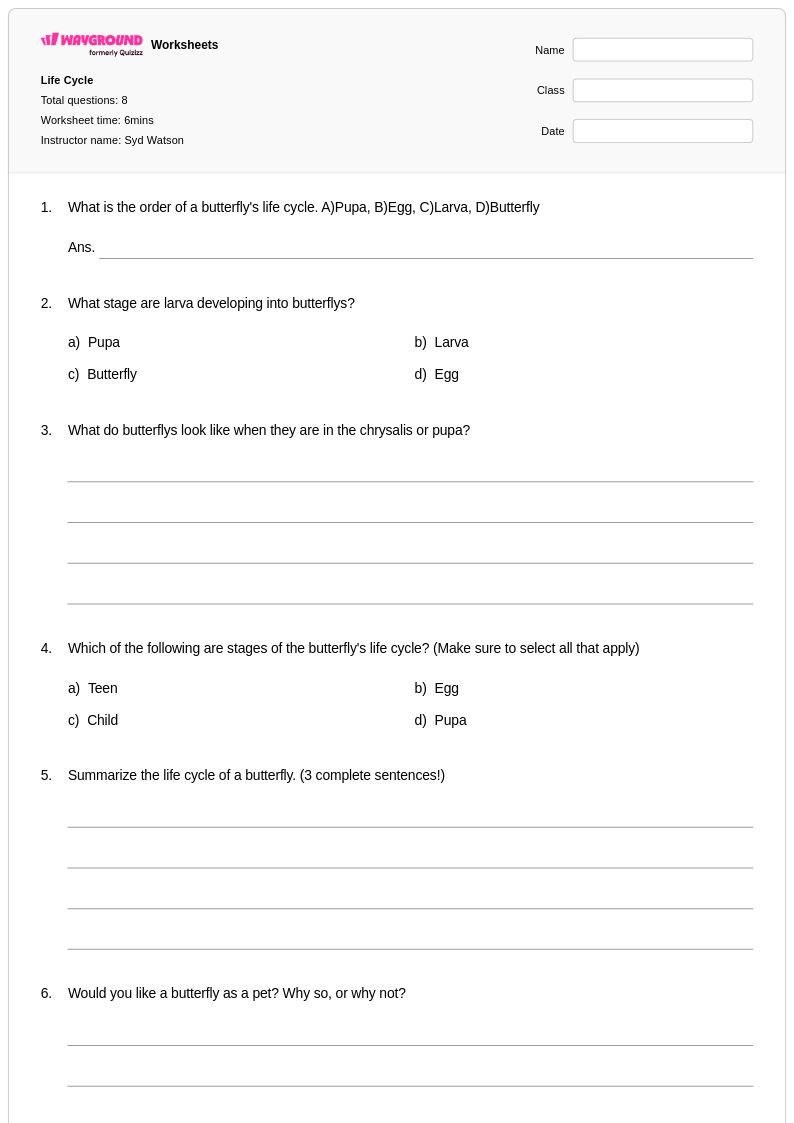
8 Q
2nd - 5th
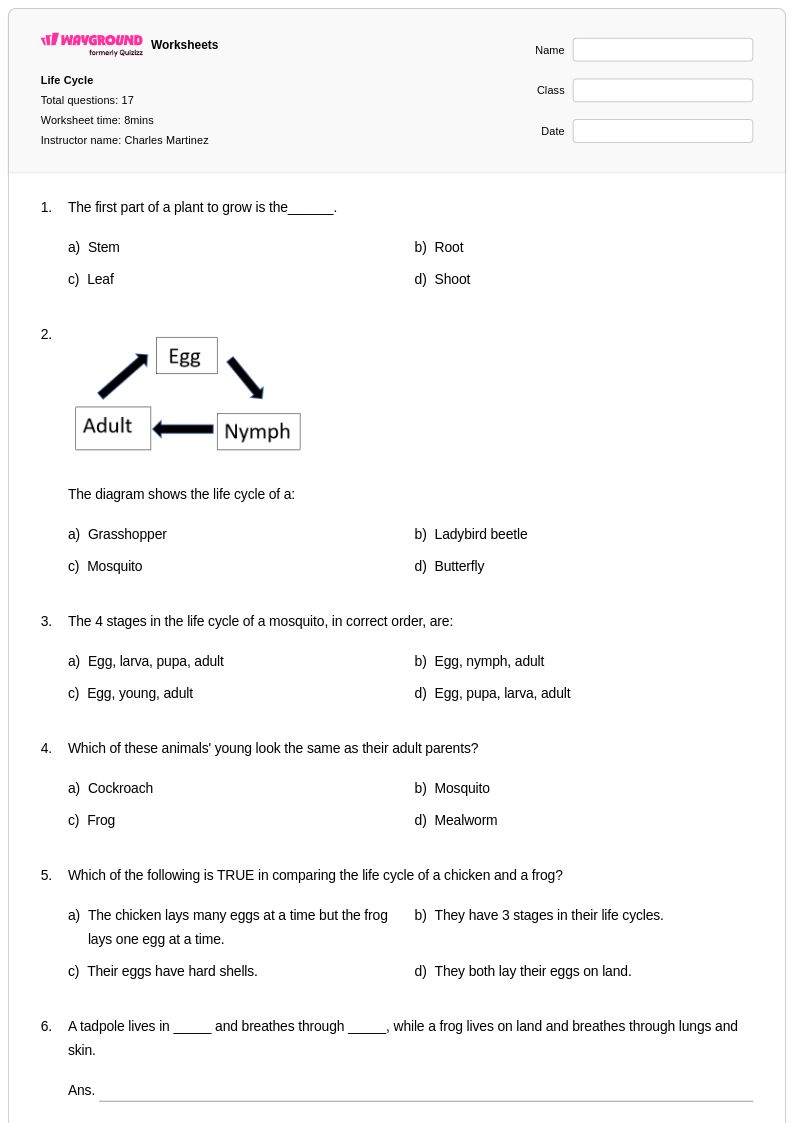
17 Q
4th
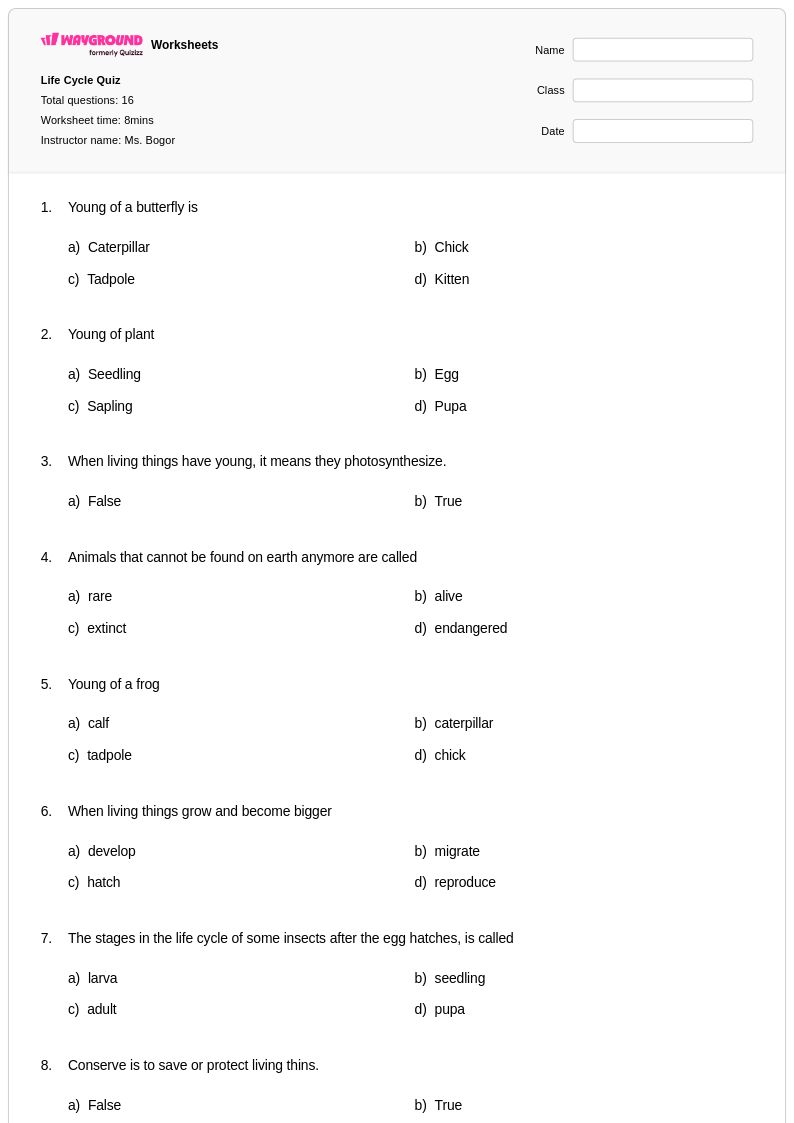
16 Q
4th
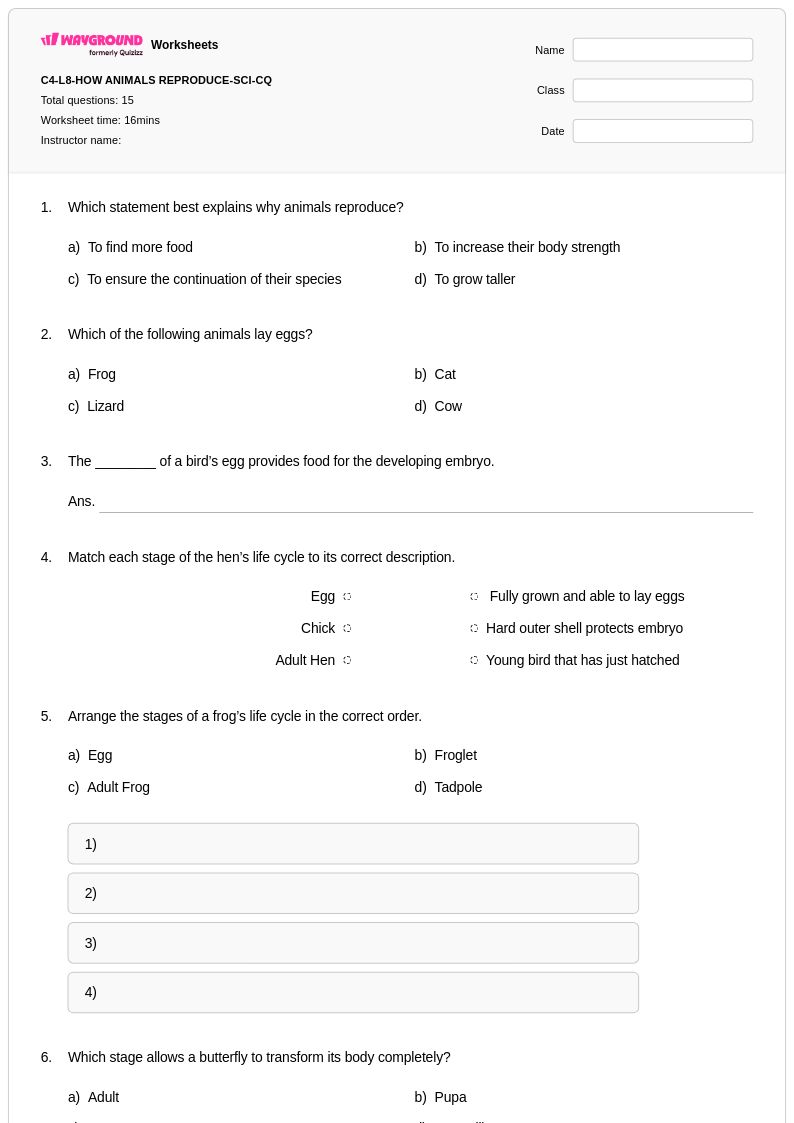
15 Q
4th
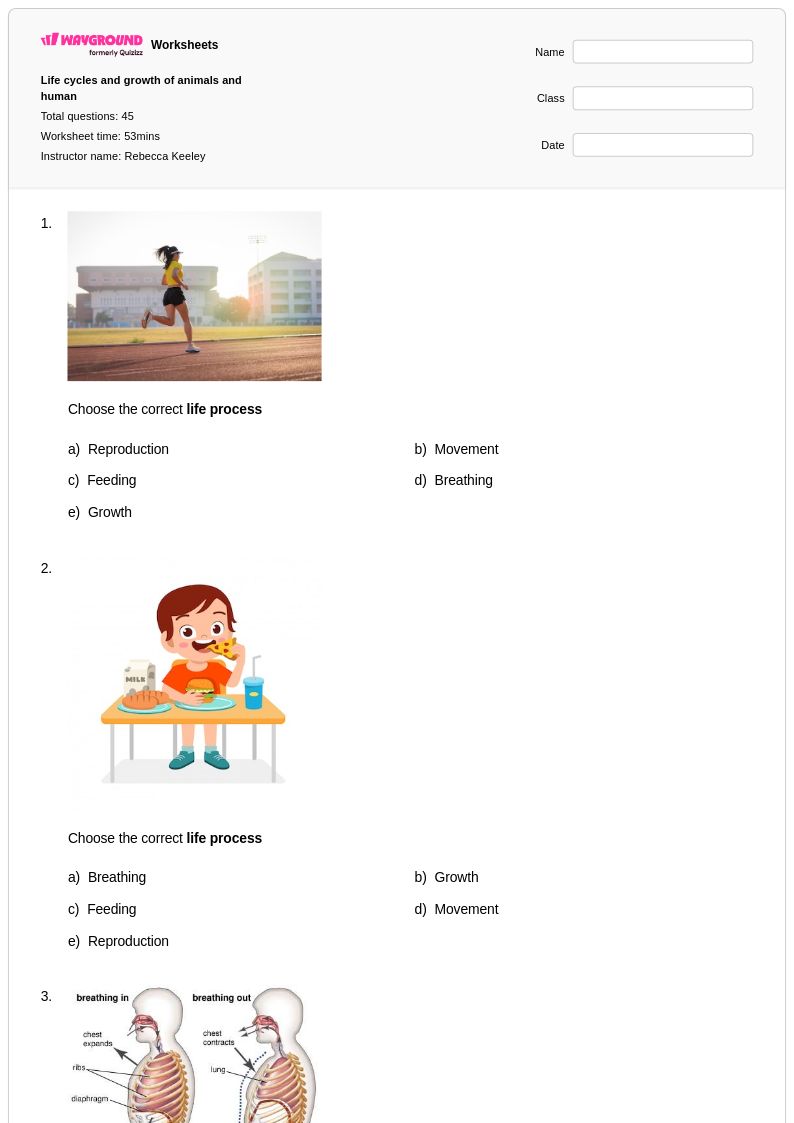
45 Q
4th
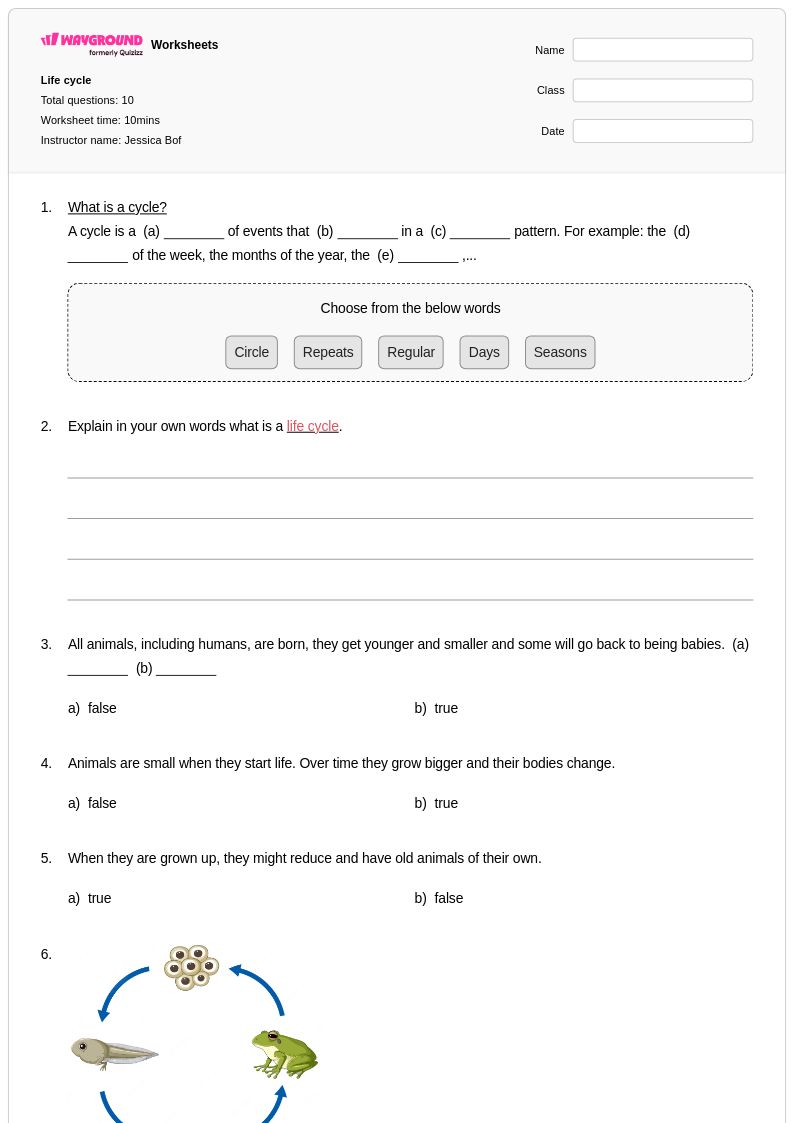
10 Q
3rd - 4th
Explore Other Subject Worksheets for class 4
Explore printable Chick Life Cycle worksheets for Class 4
Class 4 chick life cycle worksheets available through Wayground (formerly Quizizz) provide comprehensive coverage of one of life science's most engaging developmental processes. These educational resources guide fourth-grade students through the complete metamorphosis from egg to adult chicken, strengthening critical observation skills and biological understanding through detailed diagrams, sequencing activities, and vocabulary building exercises. The collection includes practice problems that challenge students to identify each stage of development, label anatomical features, and explain the transformation process using scientific terminology. Teachers can access complete answer keys alongside printable pdf versions, ensuring seamless implementation whether used for initial instruction, homework assignments, or assessment preparation. These free printables incorporate hands-on learning opportunities that make abstract biological concepts concrete and memorable for young learners.
Wayground's extensive platform supports educators with millions of teacher-created chick life cycle resources that can be easily located through robust search and filtering capabilities. The comprehensive worksheet collection aligns with state science standards while offering built-in differentiation tools that accommodate diverse learning needs within the Class 4 classroom. Teachers can customize existing materials or create entirely new versions, with flexibility to deliver content in both printable and digital pdf formats depending on instructional preferences and classroom technology availability. This versatility proves invaluable for lesson planning, targeted remediation for struggling students, enrichment activities for advanced learners, and structured skill practice that reinforces understanding of biological processes. The platform's organizational features streamline resource management, allowing educators to focus on delivering engaging life science instruction that builds foundational knowledge about animal development and biological cycles.
FAQs
How do I teach the chick life cycle to elementary students?
What activities help students practice sequencing the stages of a chick's life cycle?
What vocabulary do students need to know for the chick life cycle?
What mistakes do students commonly make when learning about the chick life cycle?
How can I use chick life cycle worksheets in both print and digital classroom settings?
How do I differentiate chick life cycle instruction for students with different learning needs?