
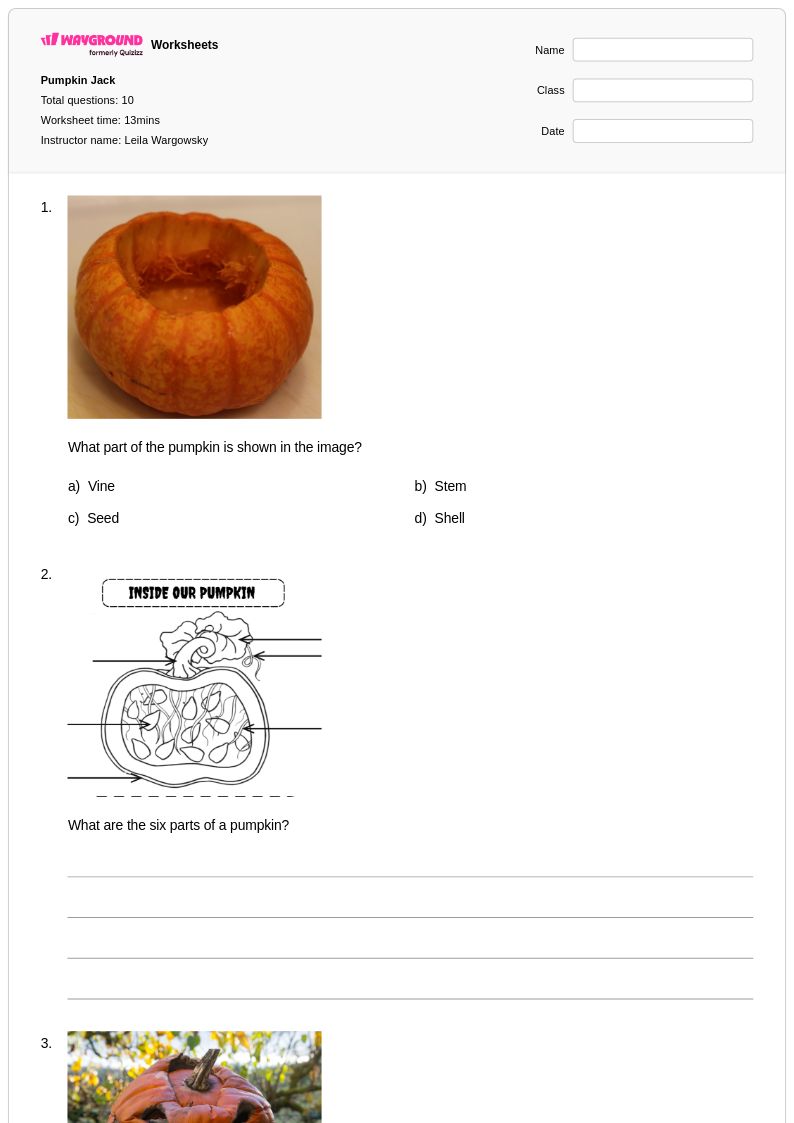
10 Q
4th
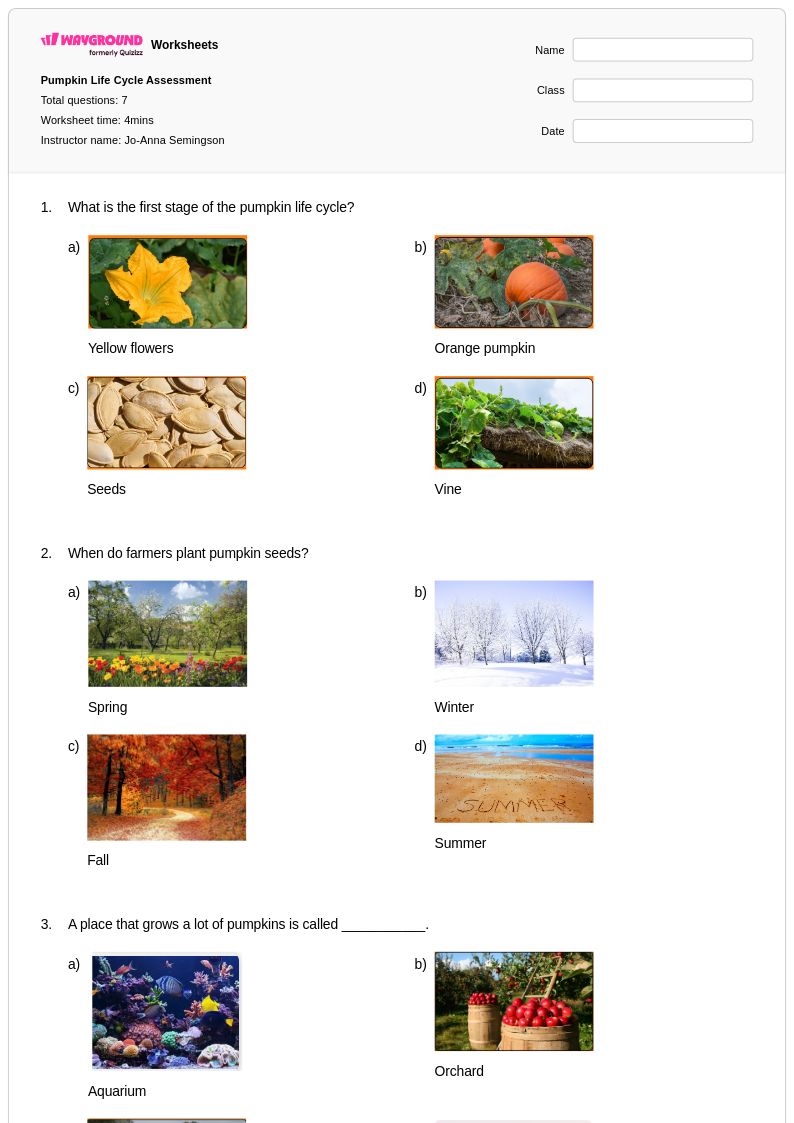
7 Q
4th
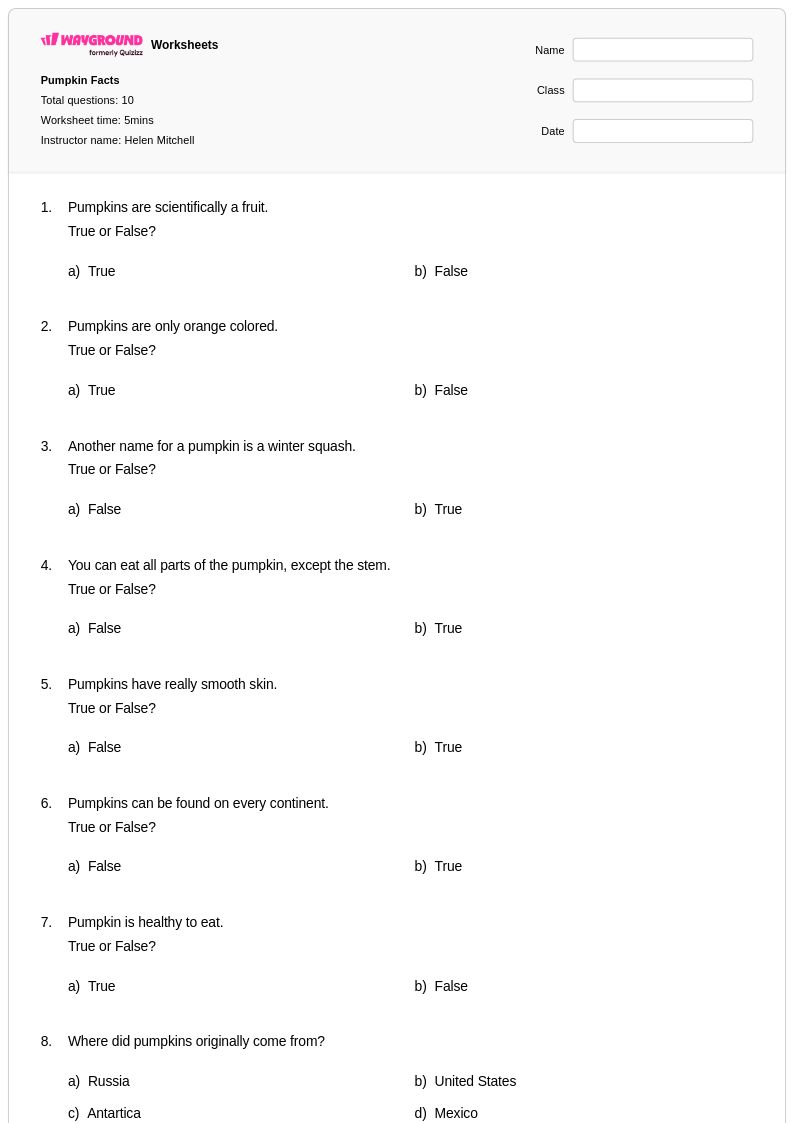
10 Q
4th
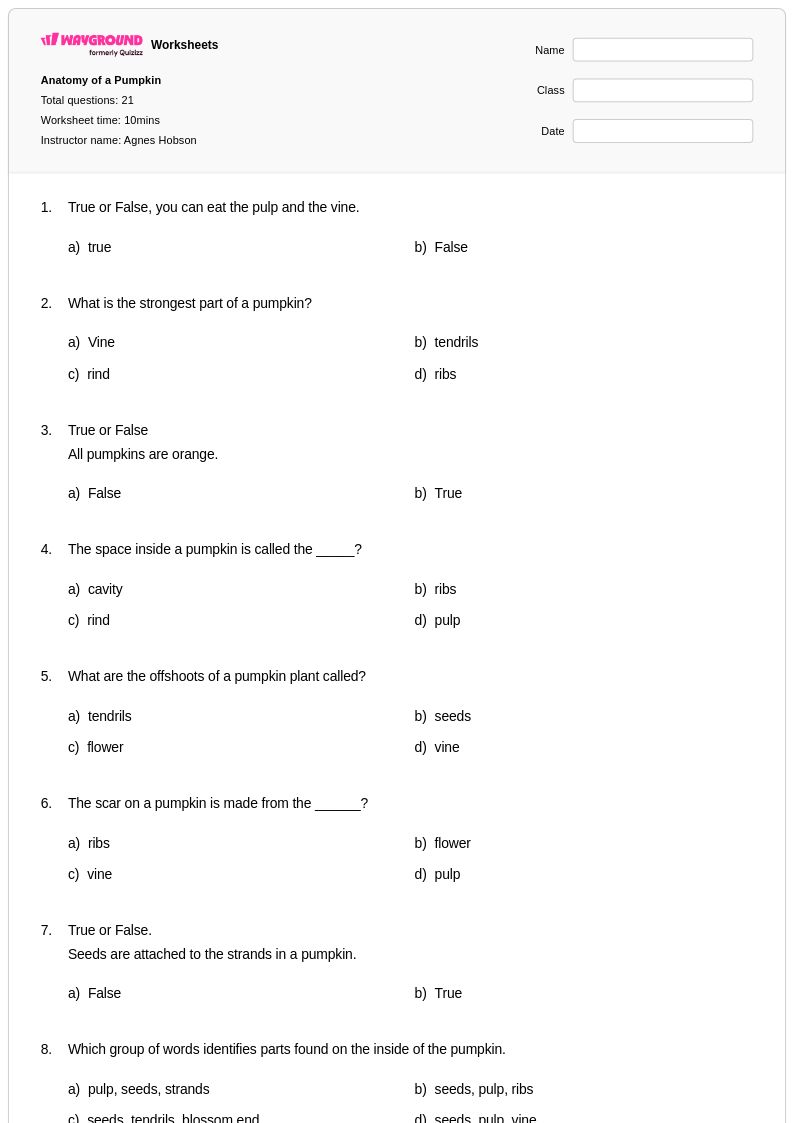
21 Q
2nd - 4th
6 Q
4th
10 Q
3rd - 5th
10 Q
4th
15 Q
3rd - Uni
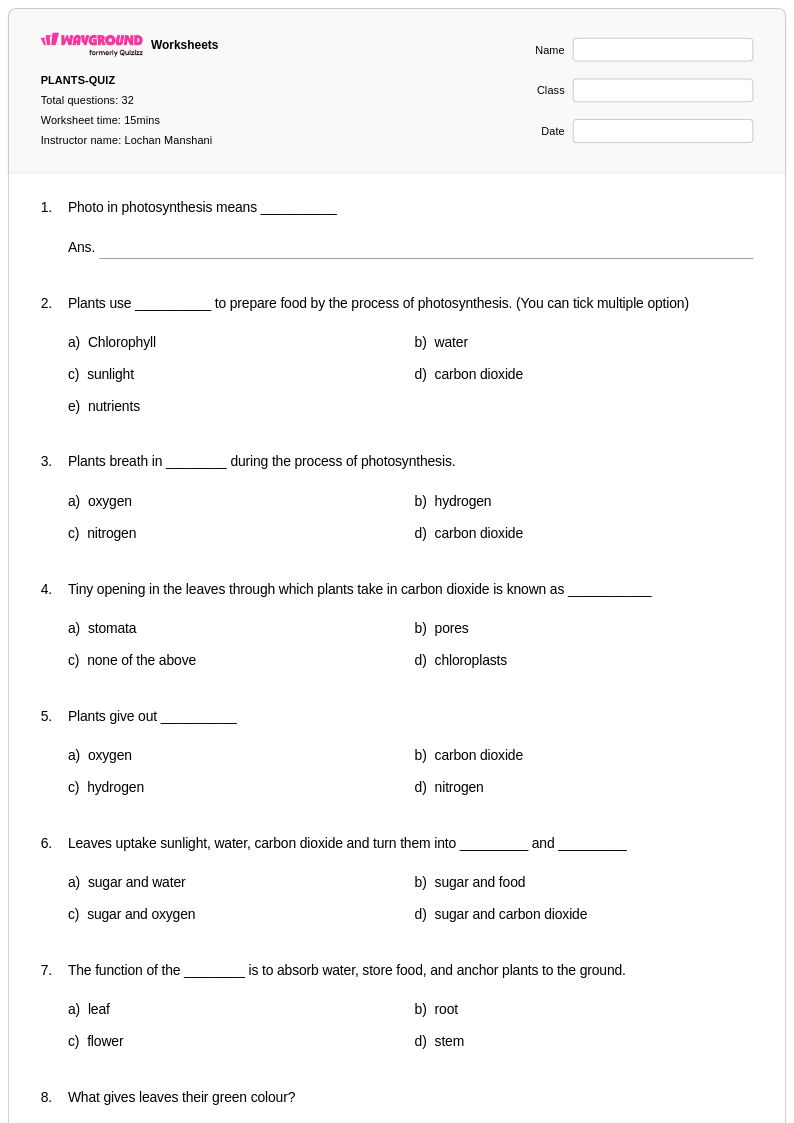
32 Q
4th
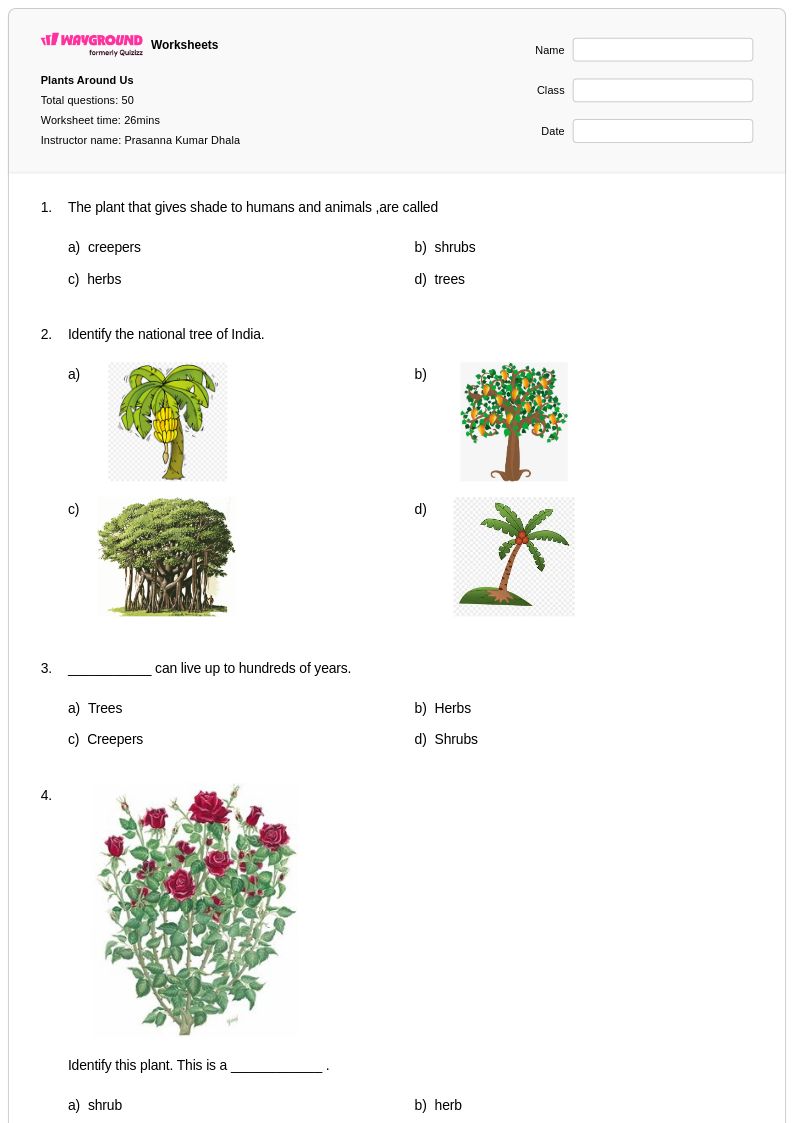
50 Q
2nd - 4th
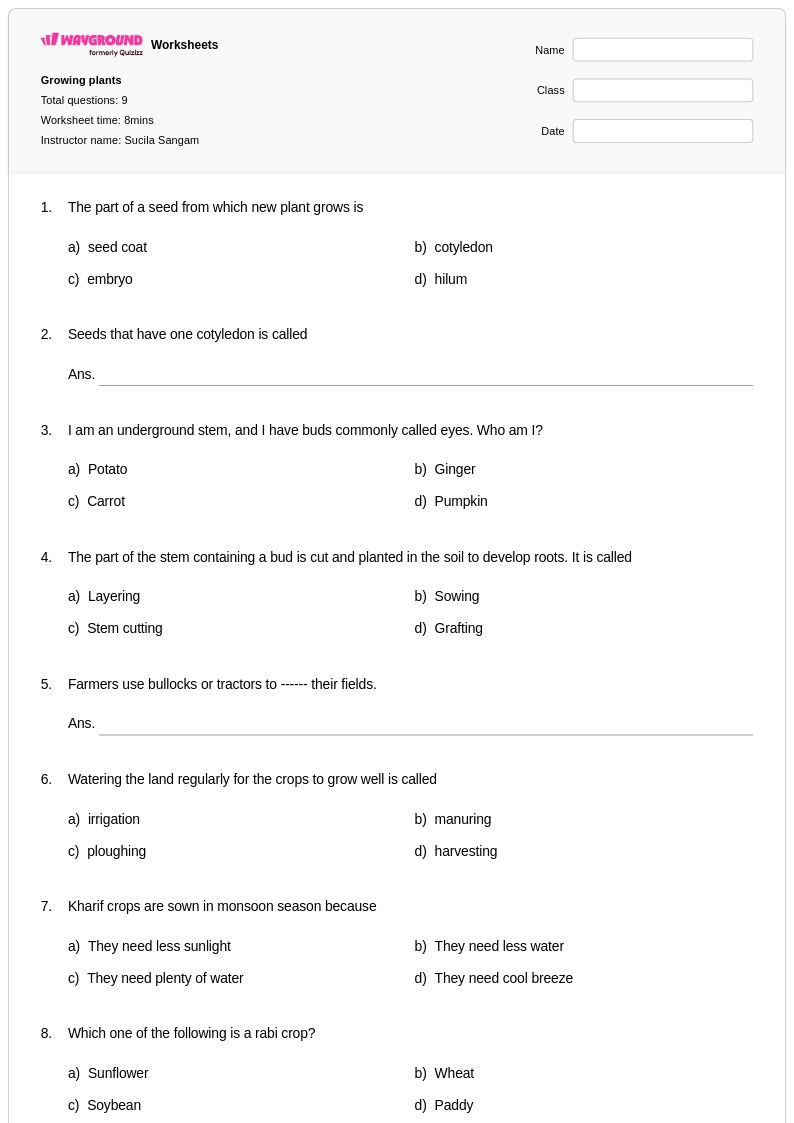
9 Q
4th
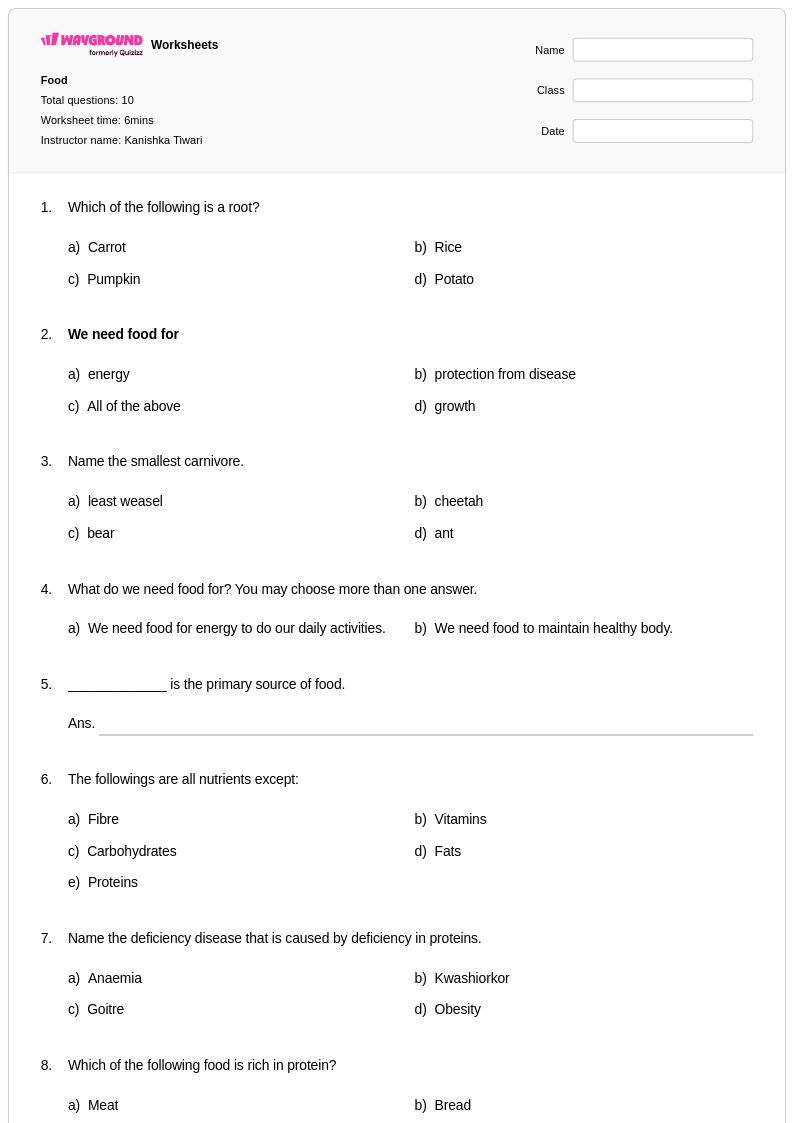
10 Q
4th - 7th
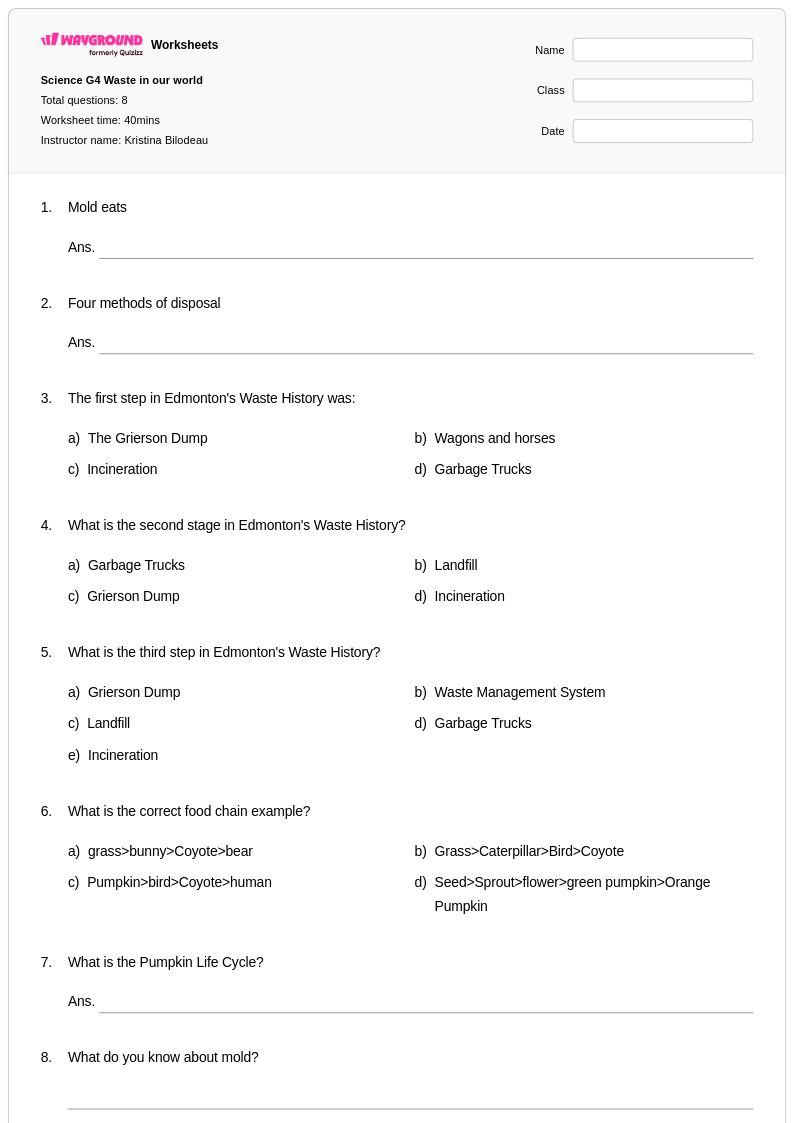
8 Q
4th
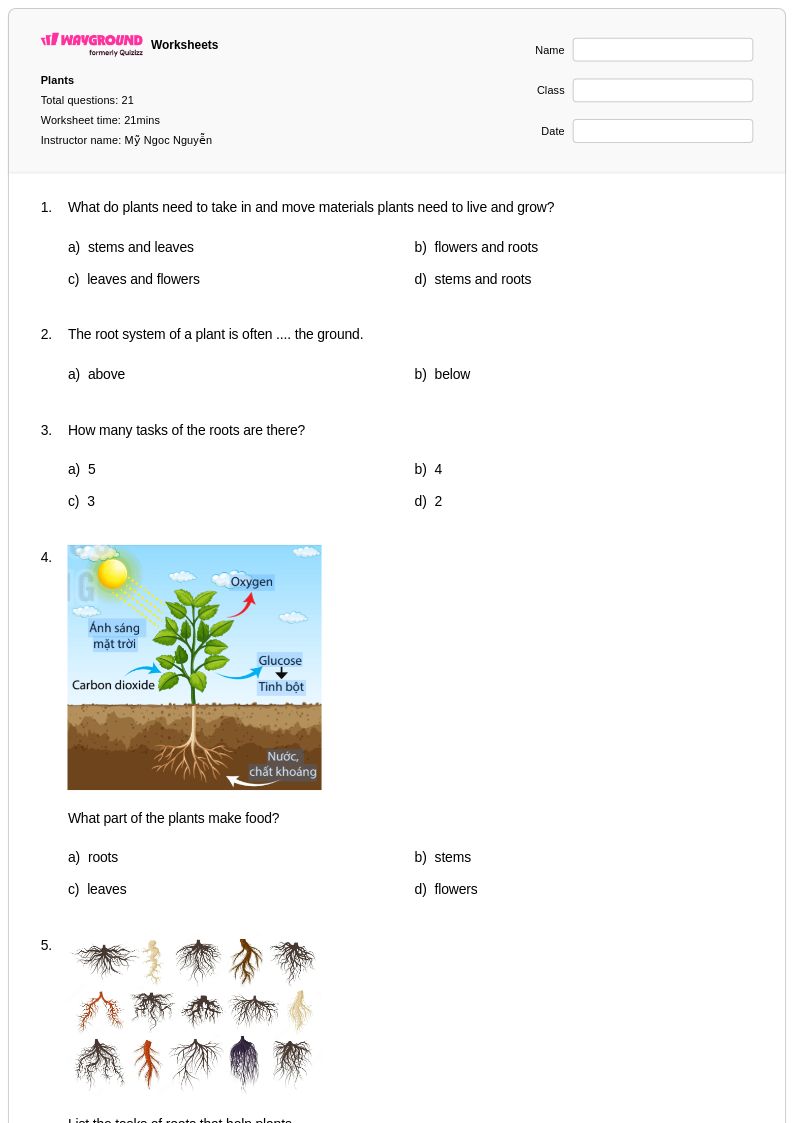
21 Q
4th
9 Q
1st - 4th
10 Q
2nd - 5th
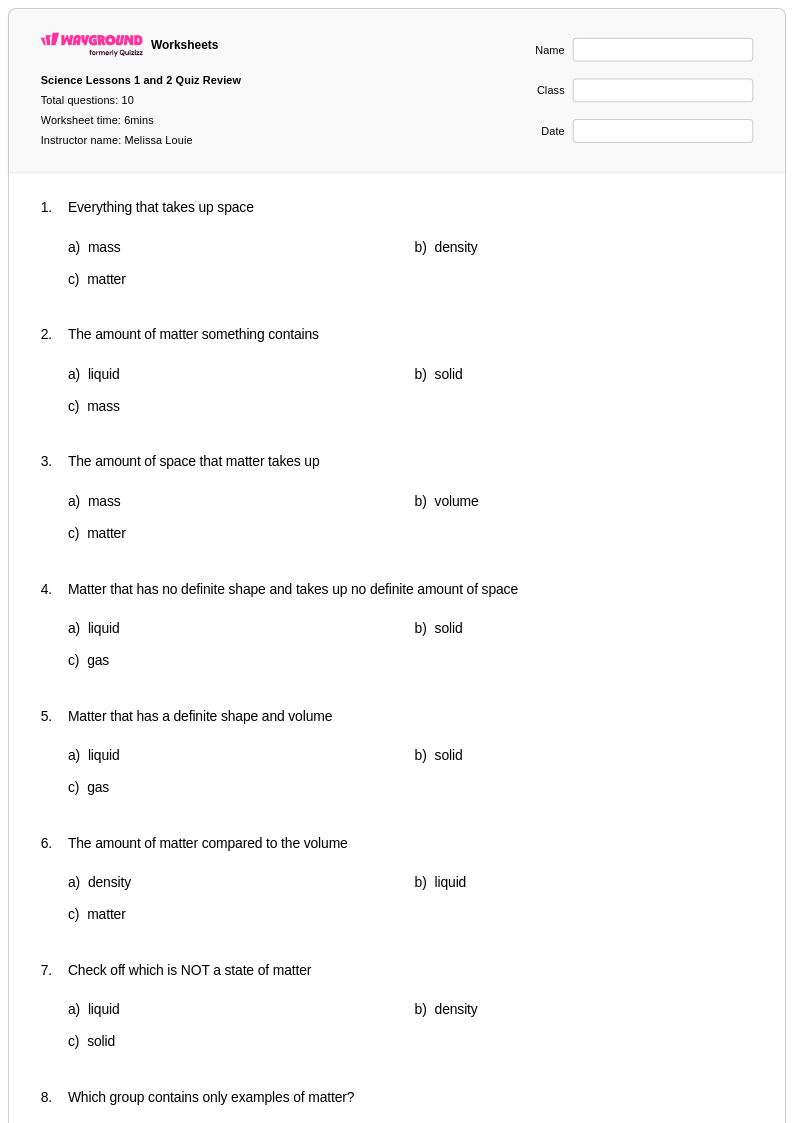
10 Q
4th
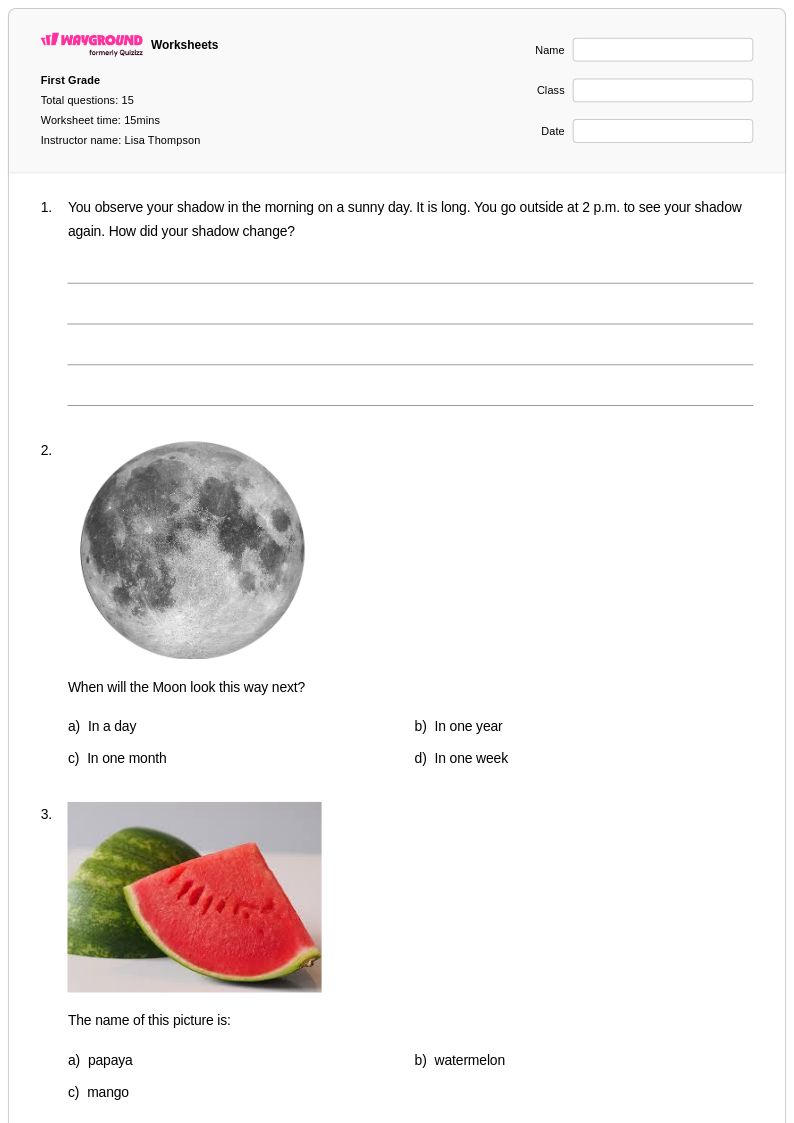
15 Q
1st - Uni
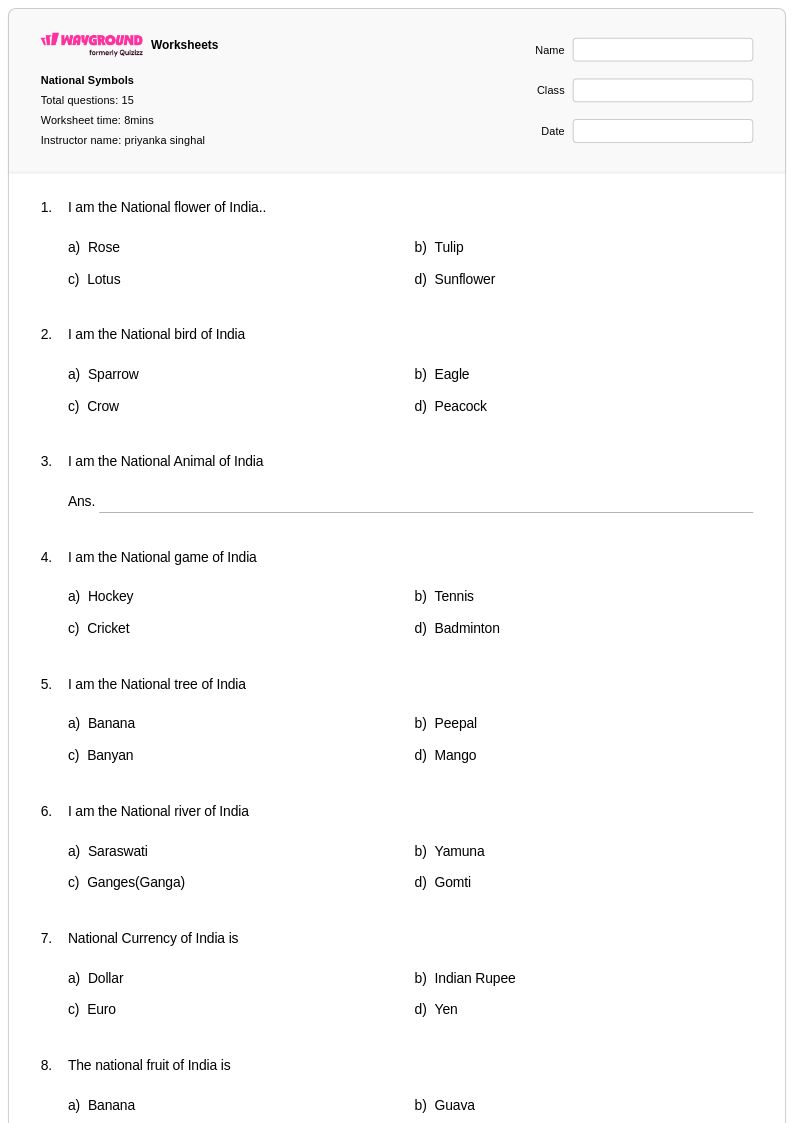
15 Q
1st - 4th
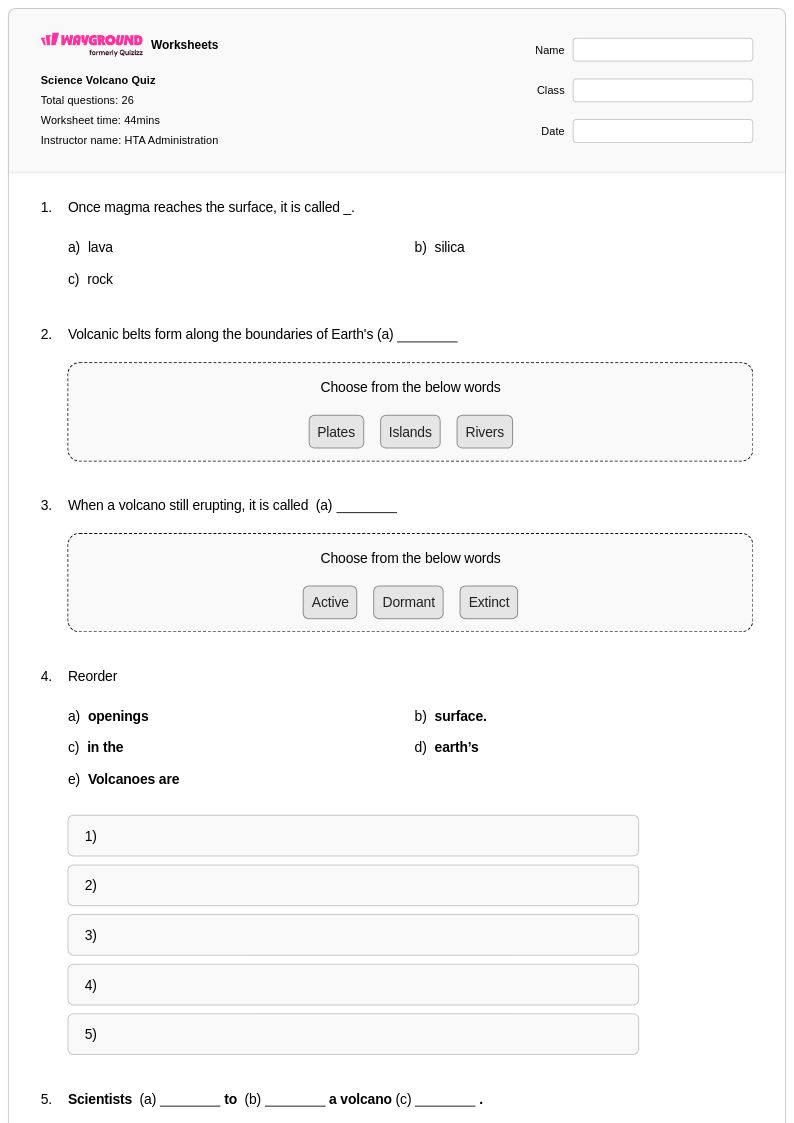
26 Q
4th
12 Q
4th
12 Q
4th - 5th
18 Q
4th
Explore Other Subject Worksheets for class 4
Explore printable Pumpkin worksheets for Class 4
Pumpkin-focused worksheets for Class 4 life science provide students with engaging opportunities to explore plant biology, life cycles, and seasonal adaptations through the lens of this familiar autumn crop. These comprehensive educational resources guide fourth graders through investigations of pumpkin anatomy, from examining the thick protective rind to understanding seed development and dispersal mechanisms. Students strengthen critical scientific observation skills while learning about plant structures, growth requirements, and the relationship between pumpkins and their environment. The collection includes hands-on activities with answer keys that allow students to label pumpkin parts, trace life cycle stages, and analyze how pumpkins adapt to seasonal changes. Free printable resources feature practice problems that challenge students to compare pumpkin varieties, investigate germination conditions, and explore the role of pumpkins in food webs, with pdf formats ensuring easy classroom distribution and home learning support.
Wayground, formerly Quizizz, empowers Class 4 teachers with an extensive collection of pumpkin-themed life science worksheets drawn from millions of educator-created resources that span diverse learning objectives and skill levels. The platform's advanced search and filtering capabilities enable teachers to quickly locate materials aligned with specific standards covering plant biology, life cycles, and seasonal science concepts. Differentiation tools support diverse classroom needs by providing multiple complexity levels within pumpkin investigations, while customization features allow educators to modify content for individual student requirements or local curriculum emphasis. These versatile resources are available in both printable and digital pdf formats, facilitating seamless integration into lesson planning whether teachers need materials for hands-on laboratory sessions, independent practice, targeted remediation, or enrichment activities that extend learning beyond basic pumpkin observation to deeper ecological understanding.
FAQs
How do I teach pumpkin life science in the classroom?
What exercises help students practice plant life cycle concepts using pumpkins?
What mistakes do students commonly make when learning about plant life cycles through pumpkins?
How can I differentiate pumpkin science worksheets for students at different skill levels?
How do I use Wayground's pumpkin worksheets in my classroom?