
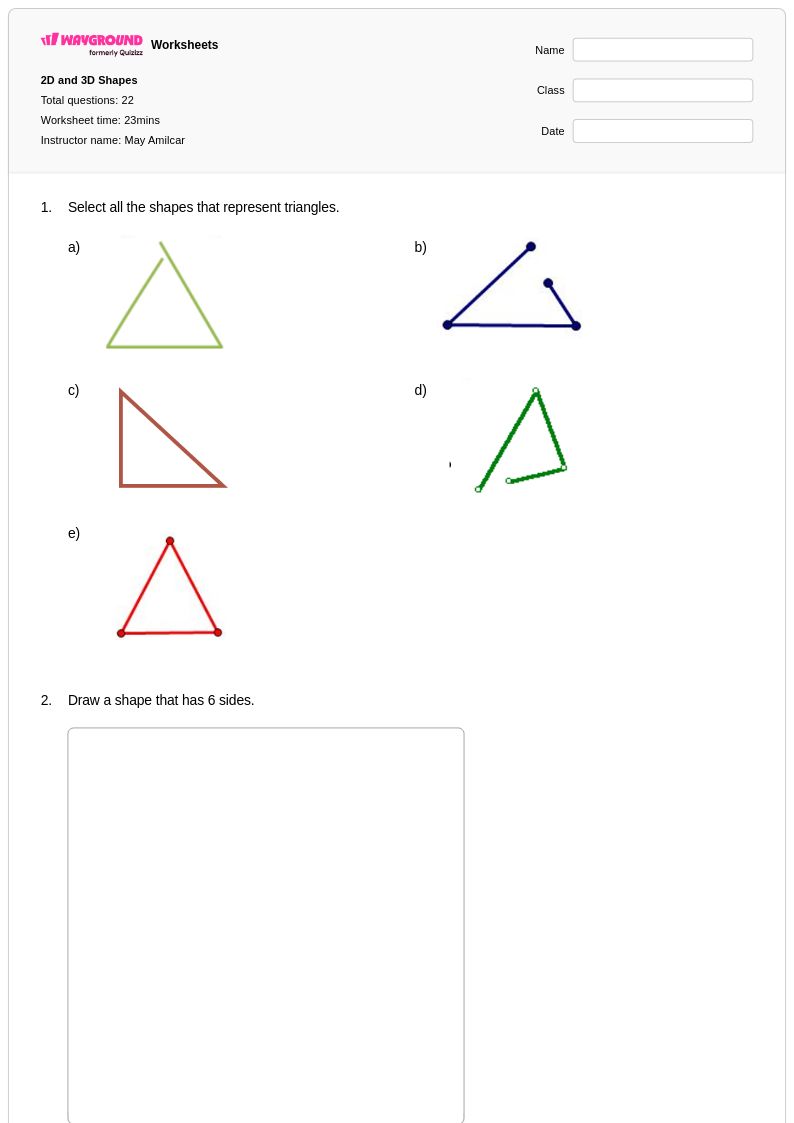
22 Q
1st
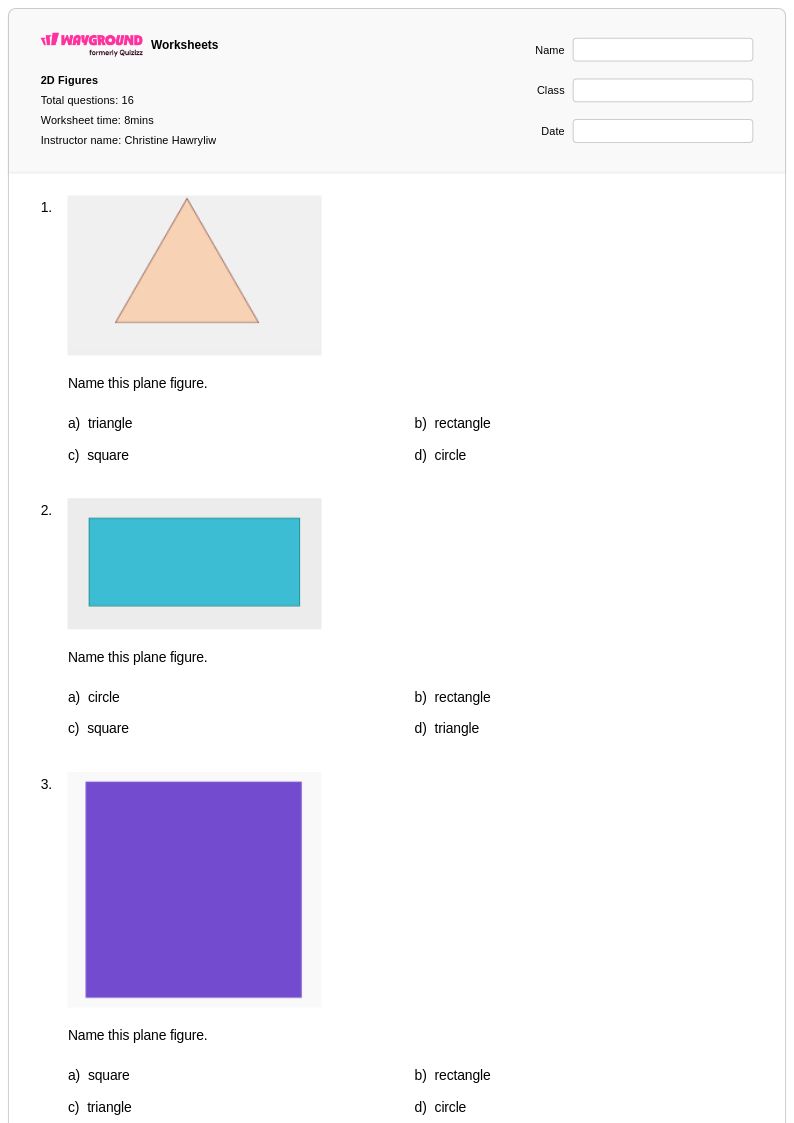
16 Q
1st - 2nd
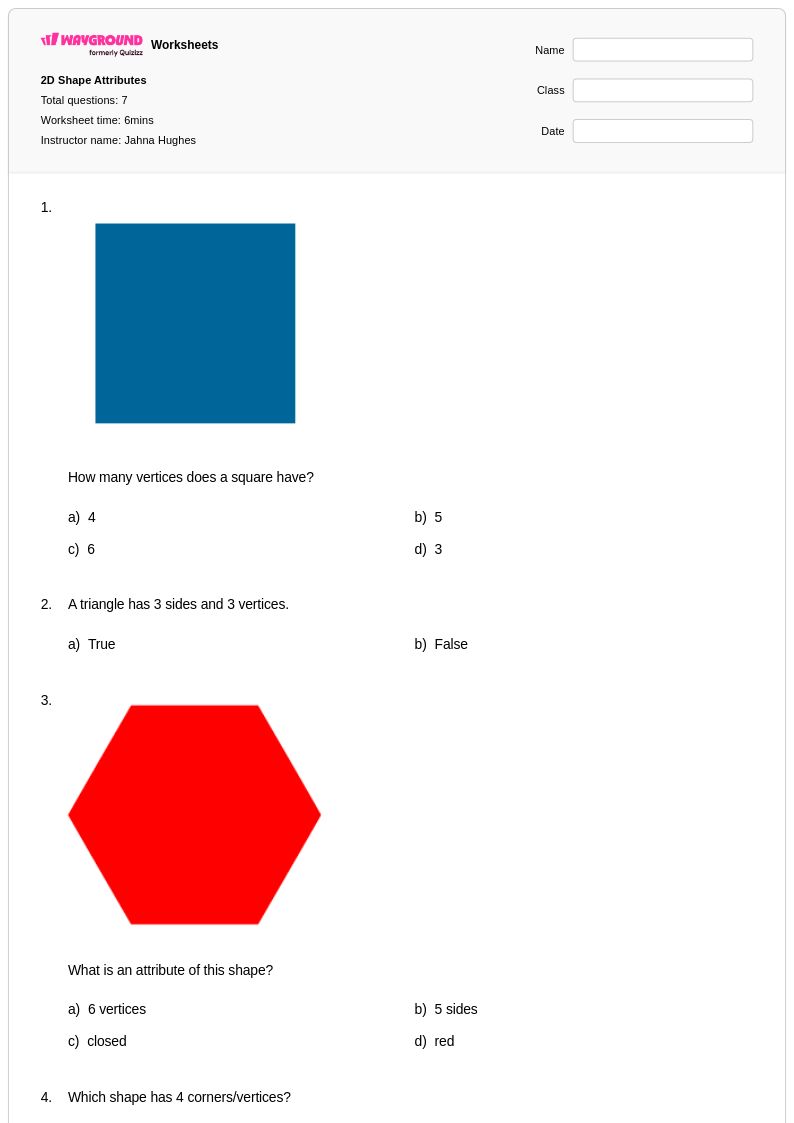
7 Q
1st
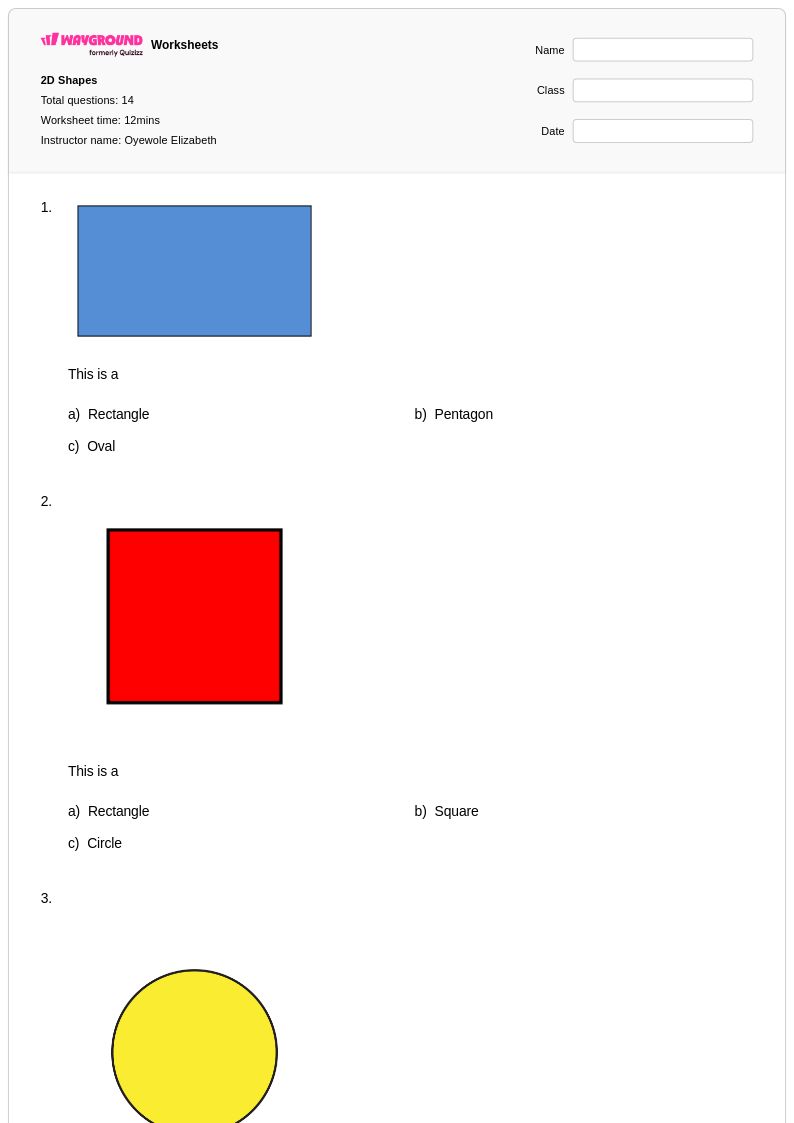
14 Q
1st - 2nd
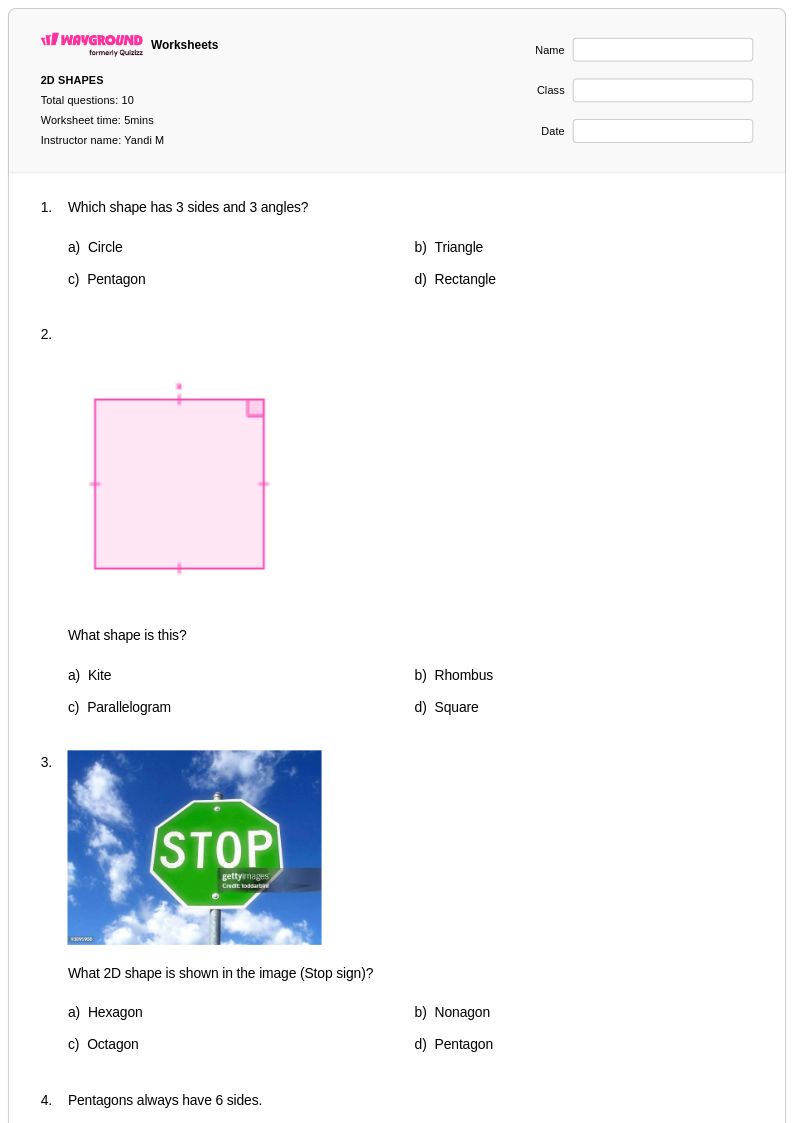
10 Q
1st - Uni
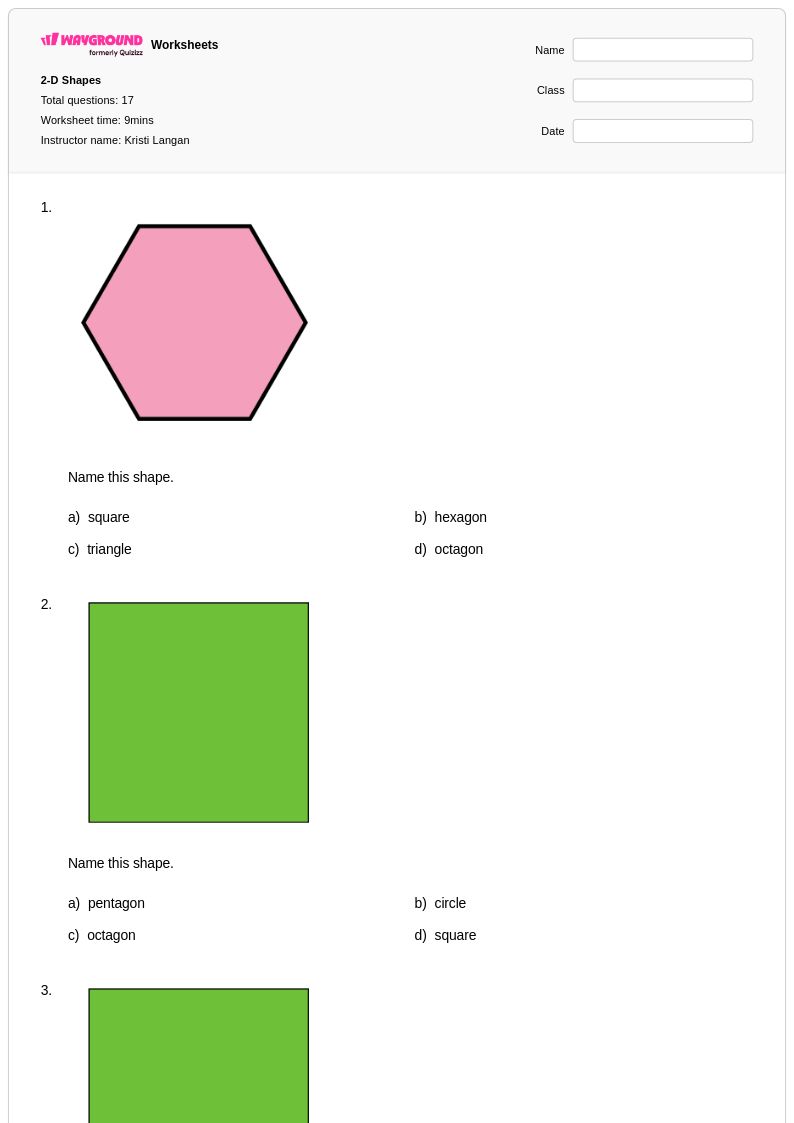
17 Q
1st - 3rd
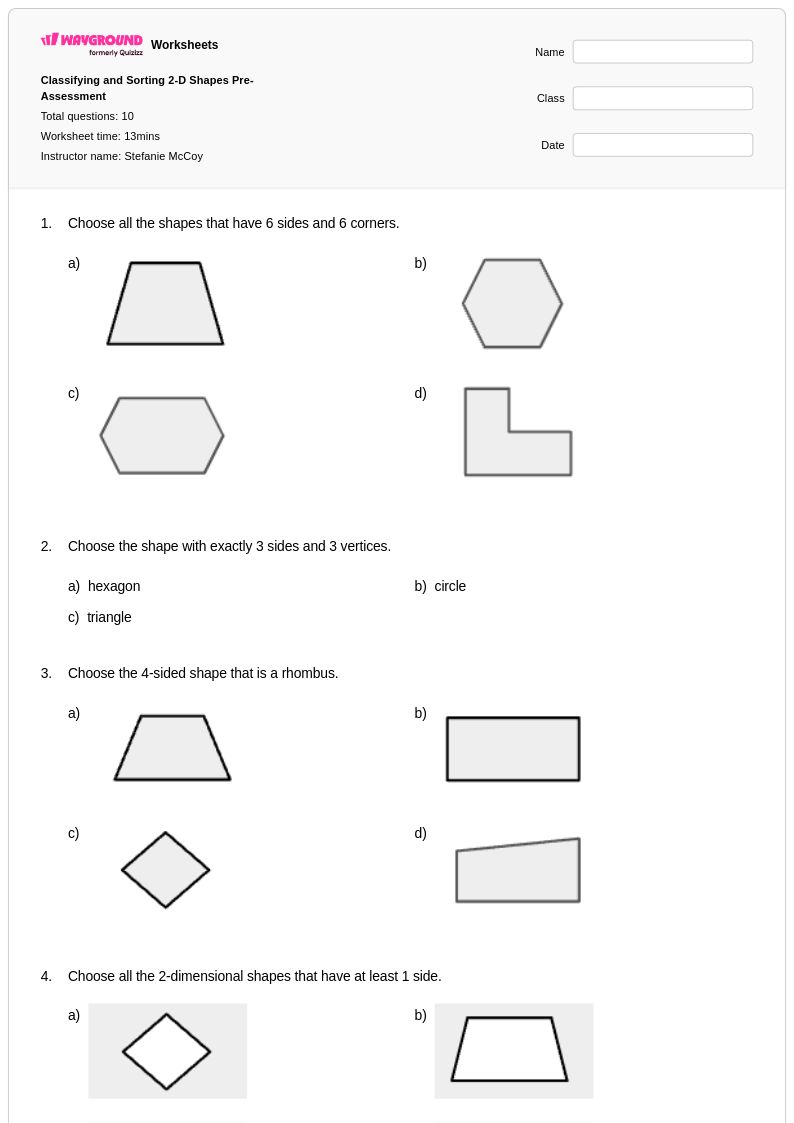
10 Q
1st
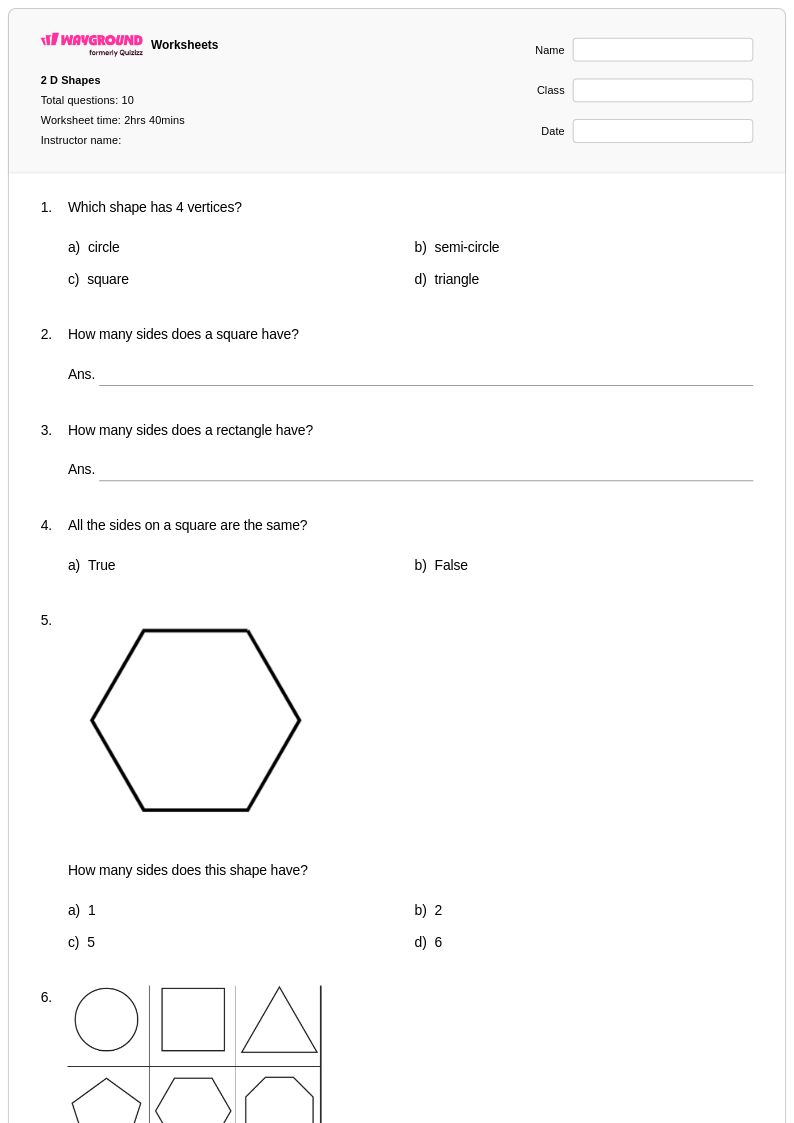
10 Q
1st
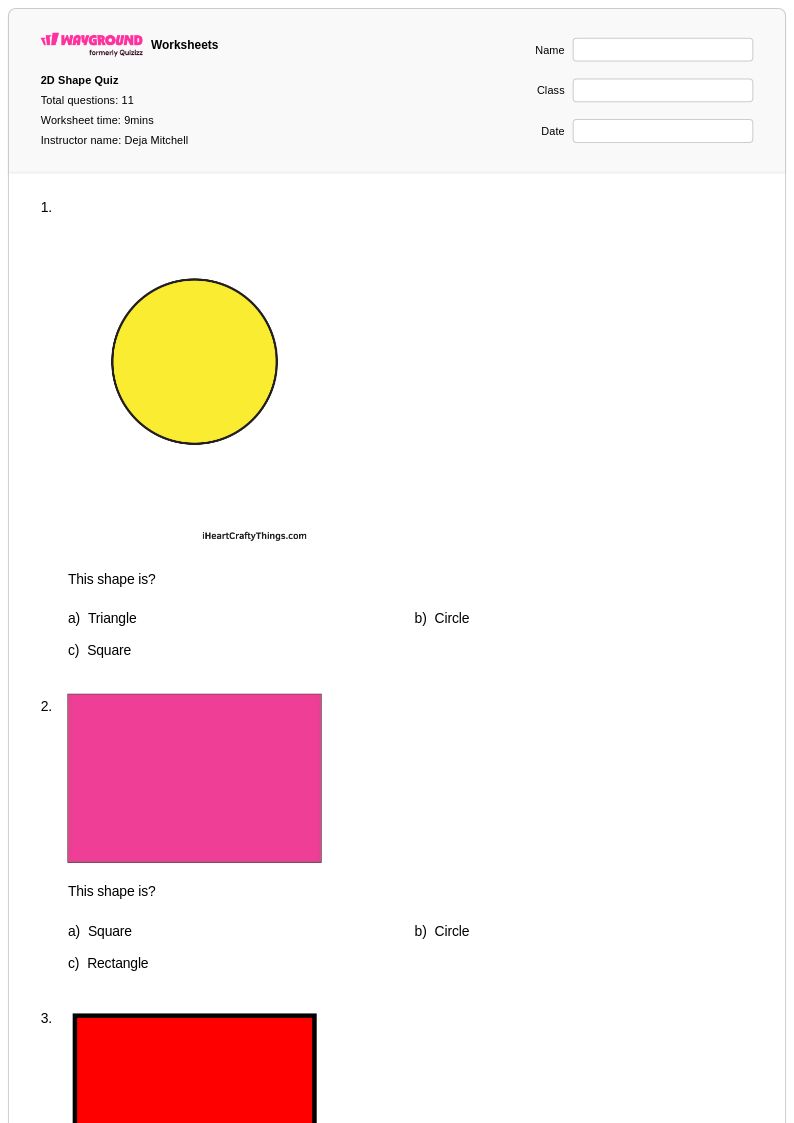
11 Q
1st
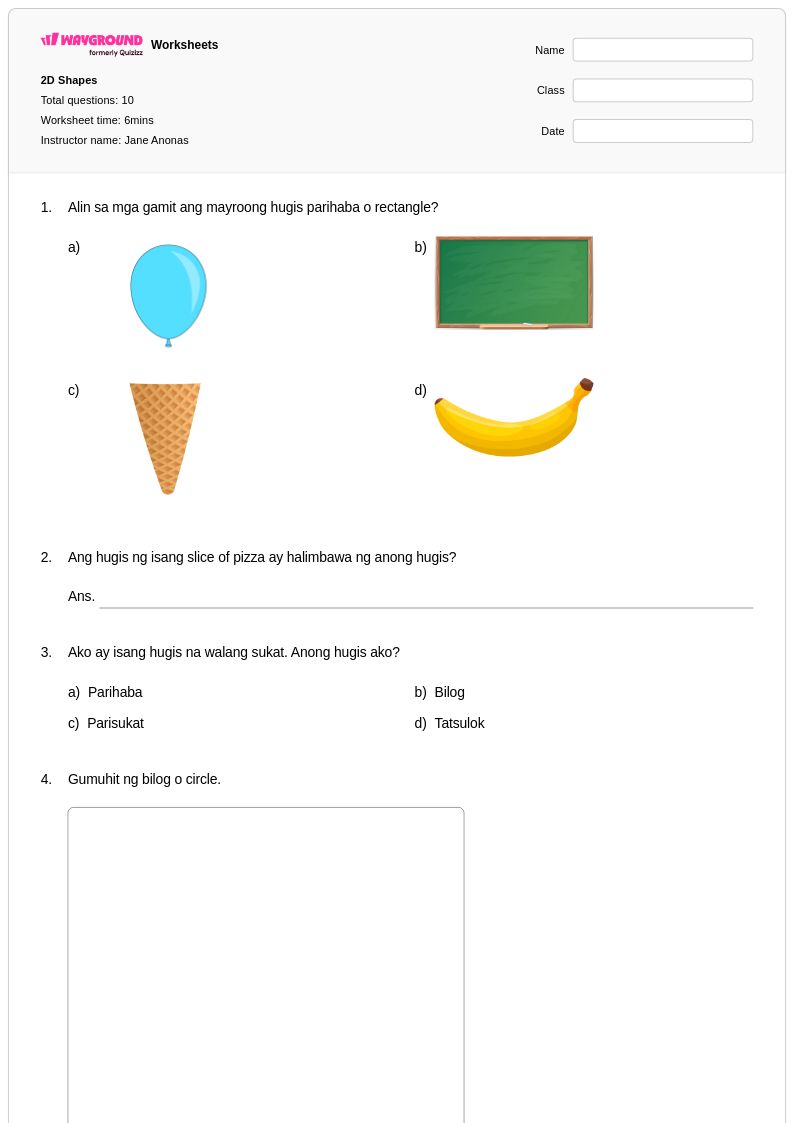
10 Q
1st
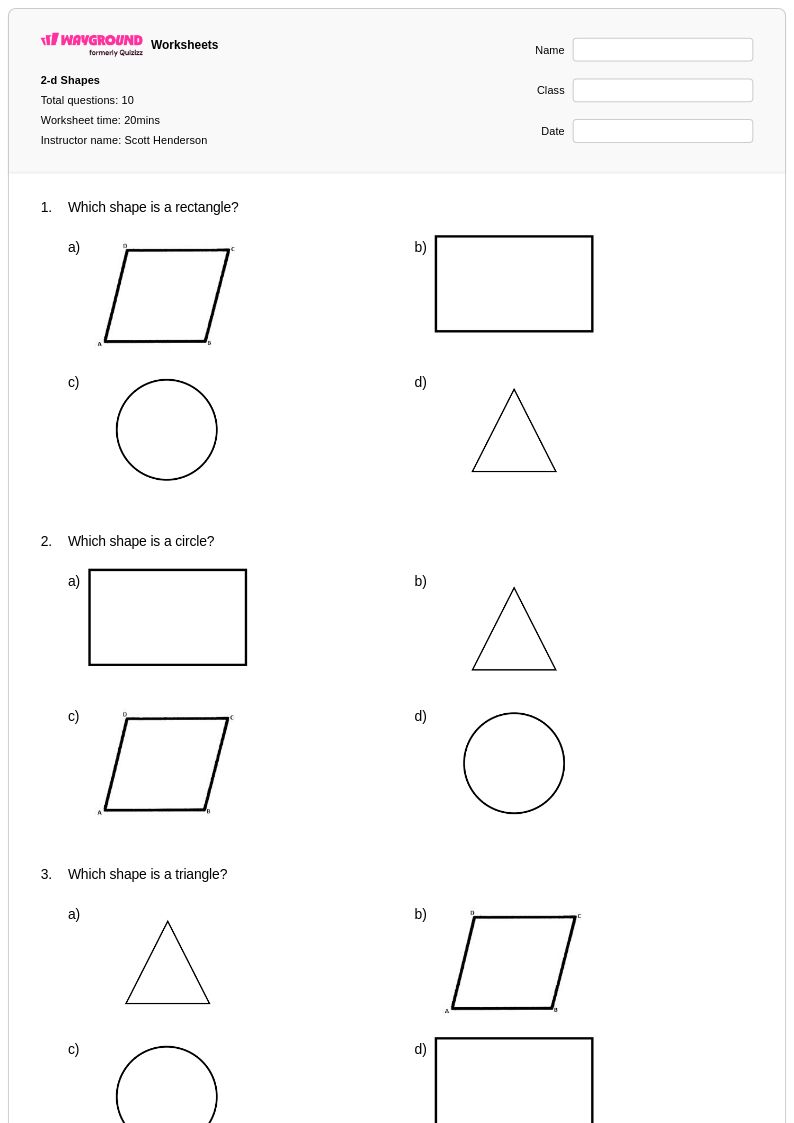
10 Q
1st
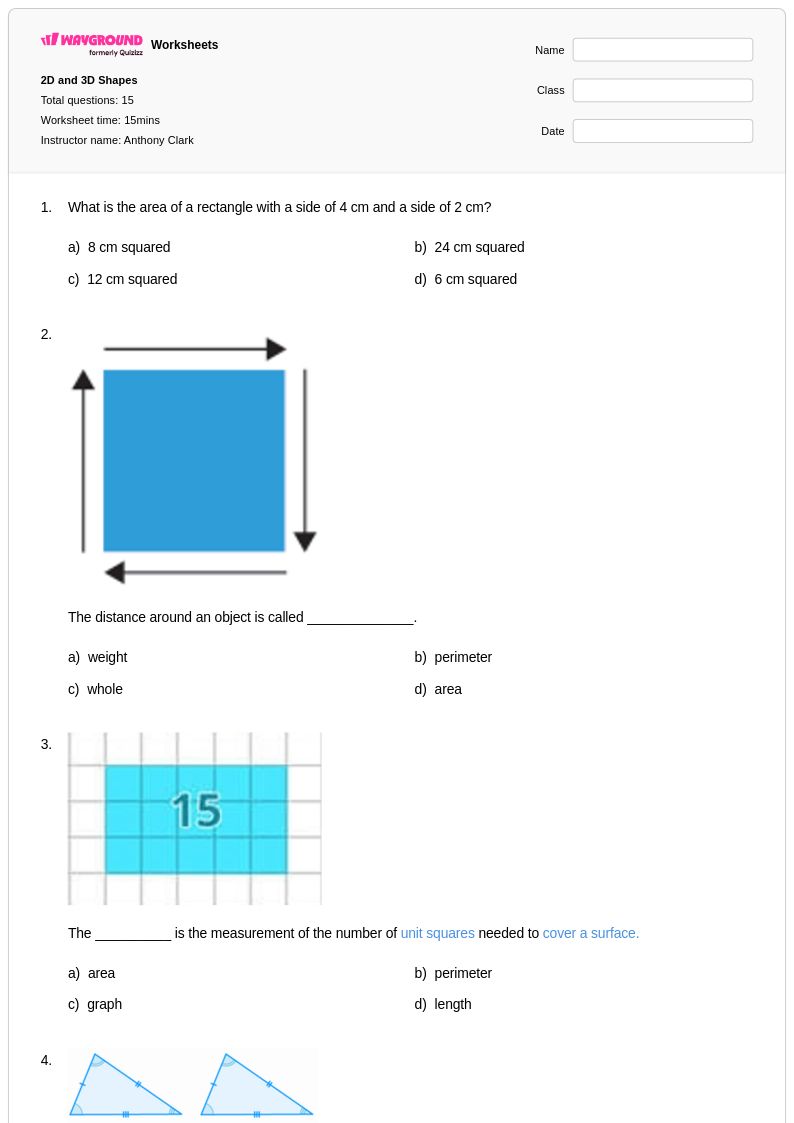
15 Q
1st - Uni
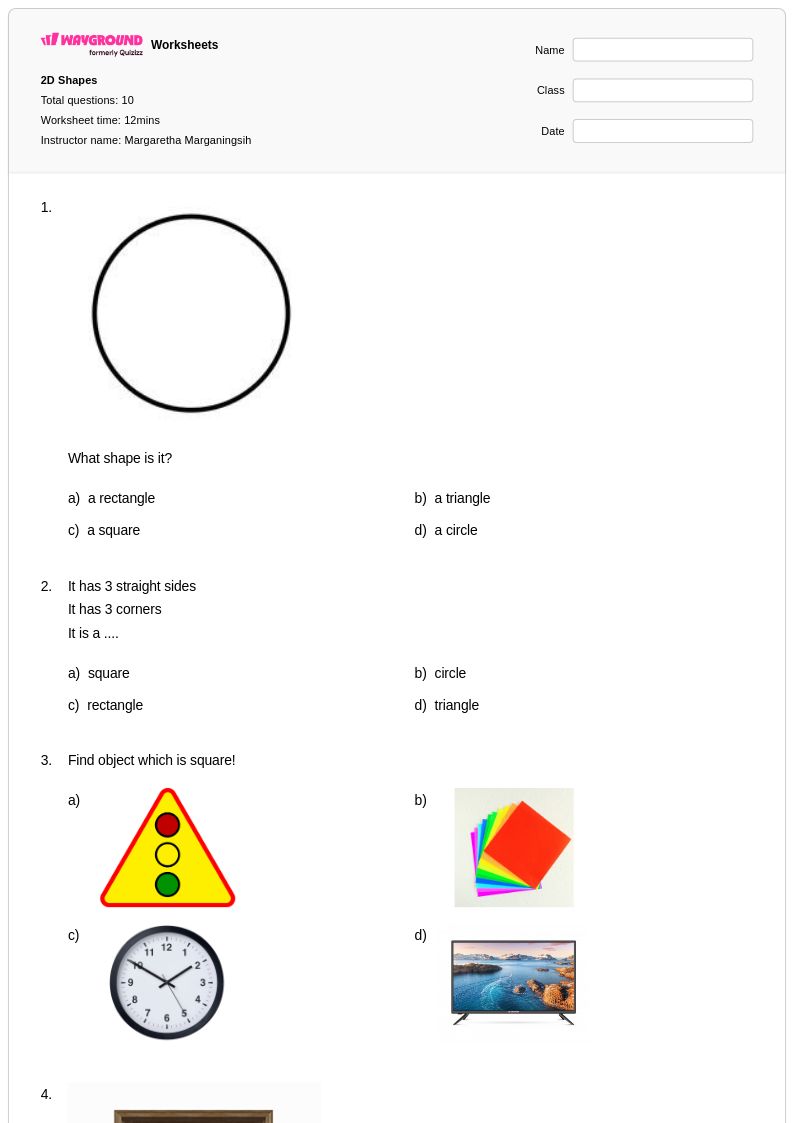
10 Q
1st
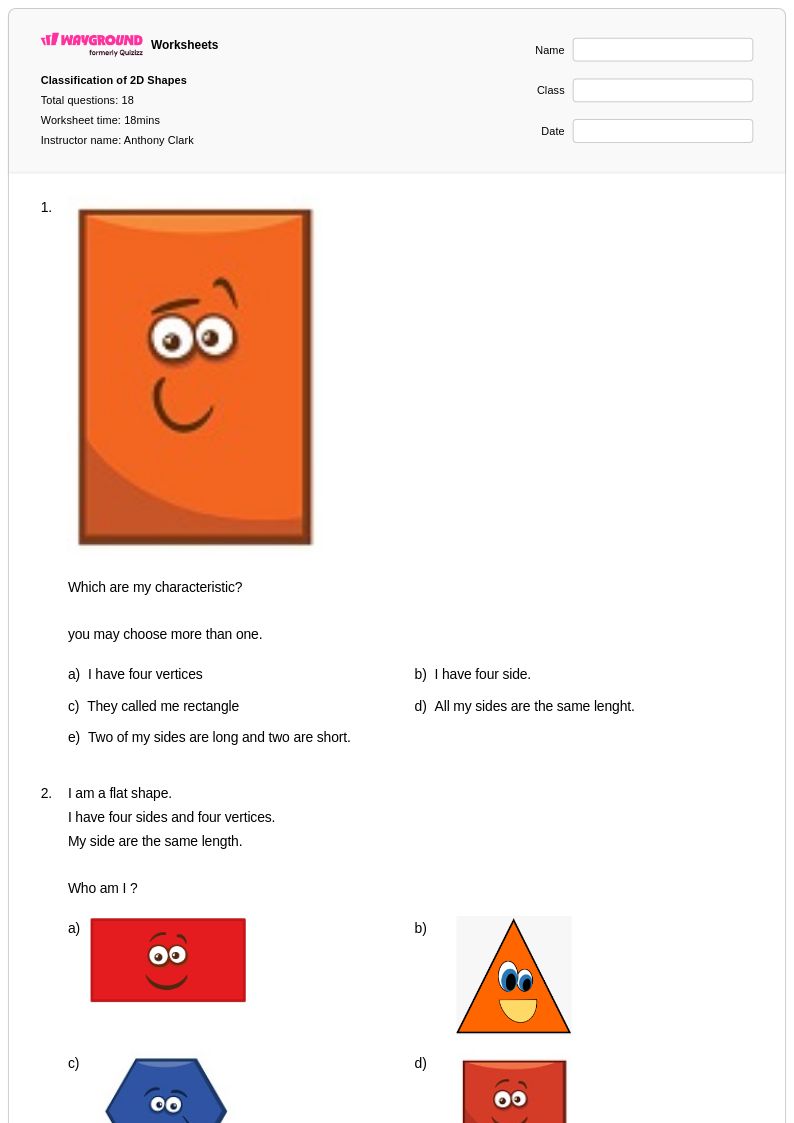
18 Q
1st - Uni
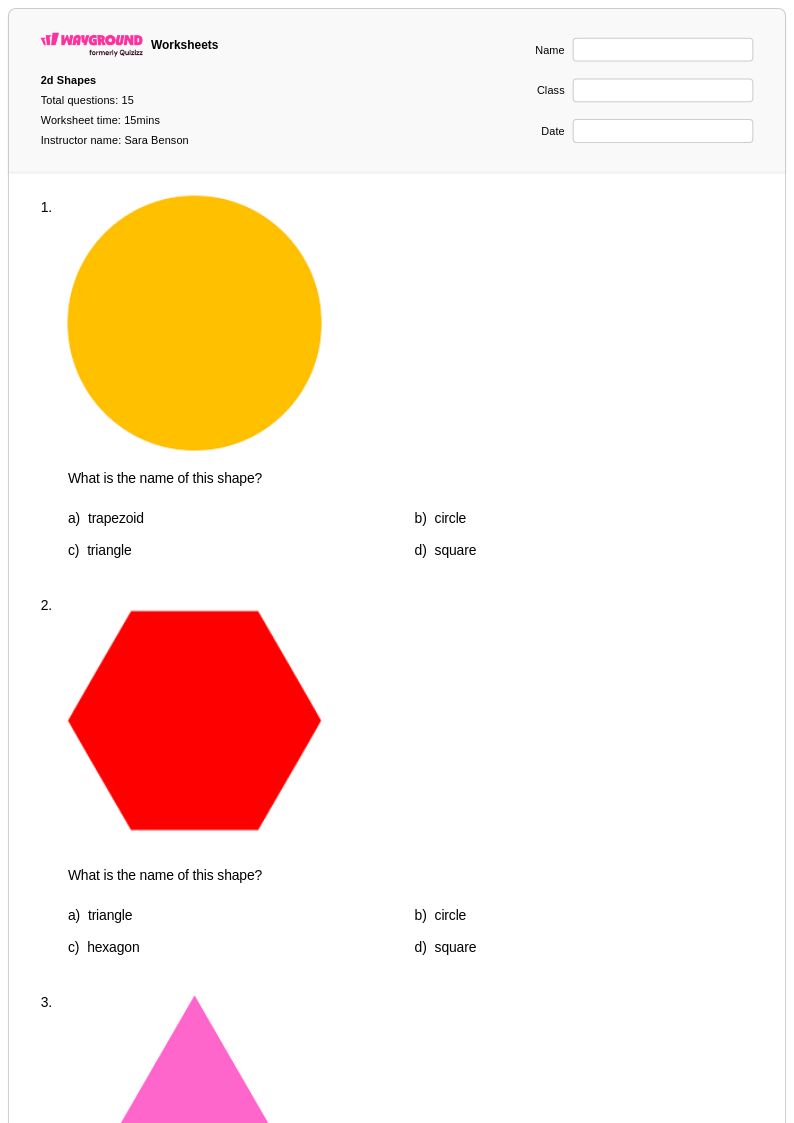
15 Q
1st
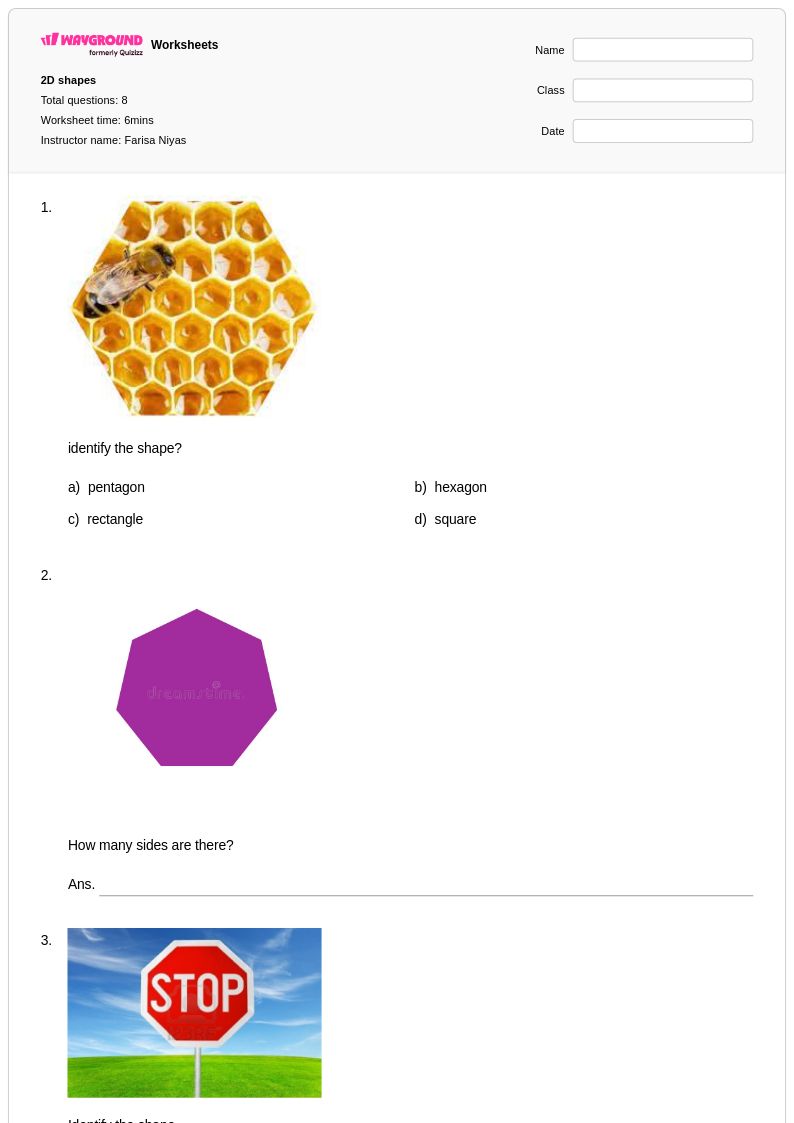
8 Q
1st - 2nd
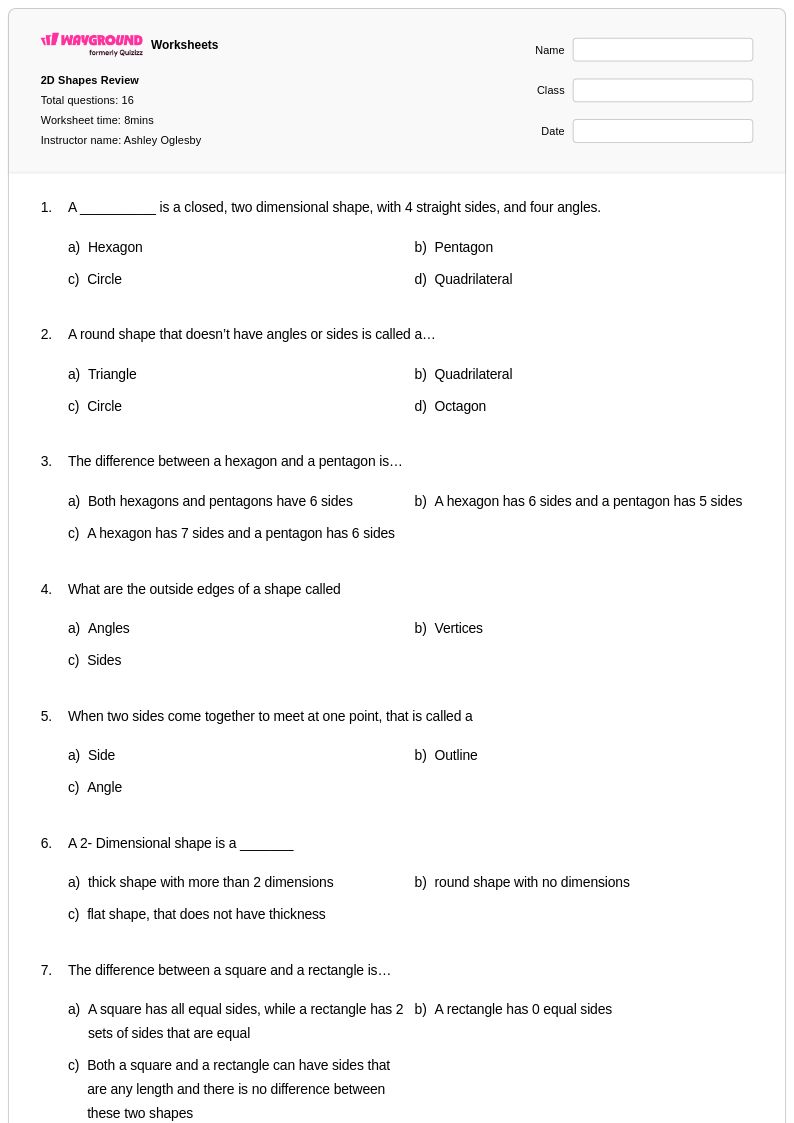
16 Q
1st - 2nd
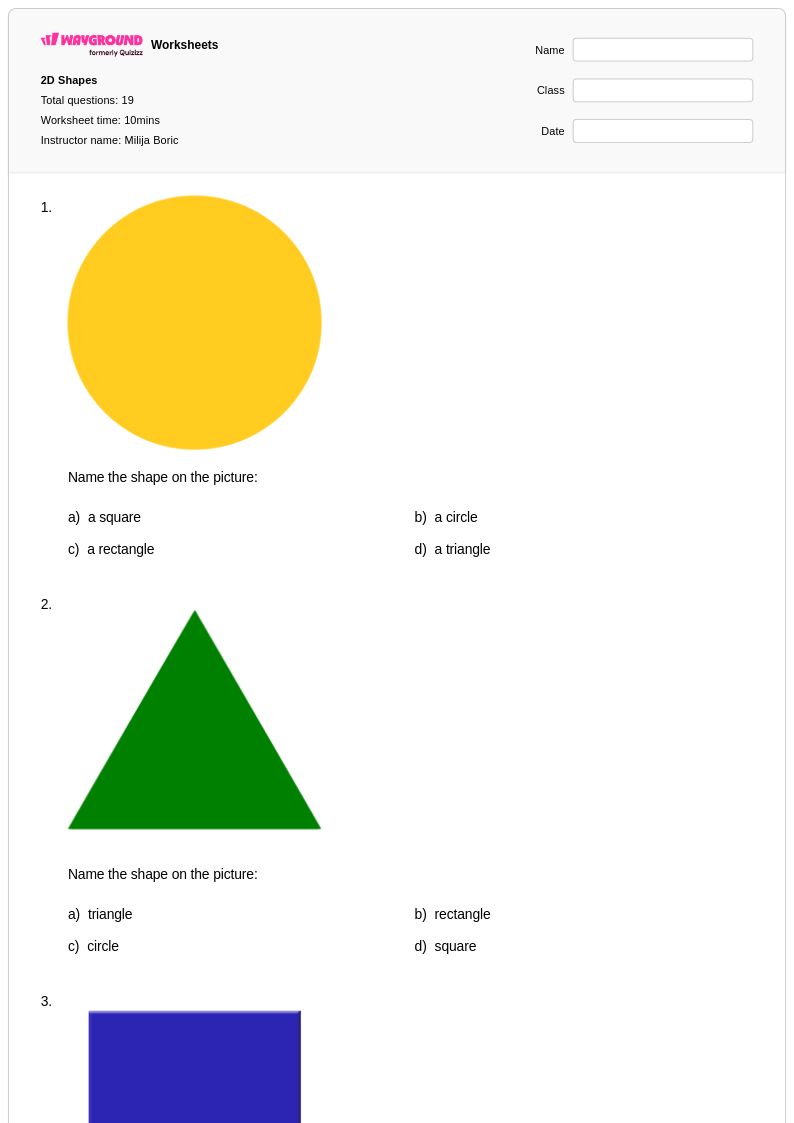
19 Q
1st
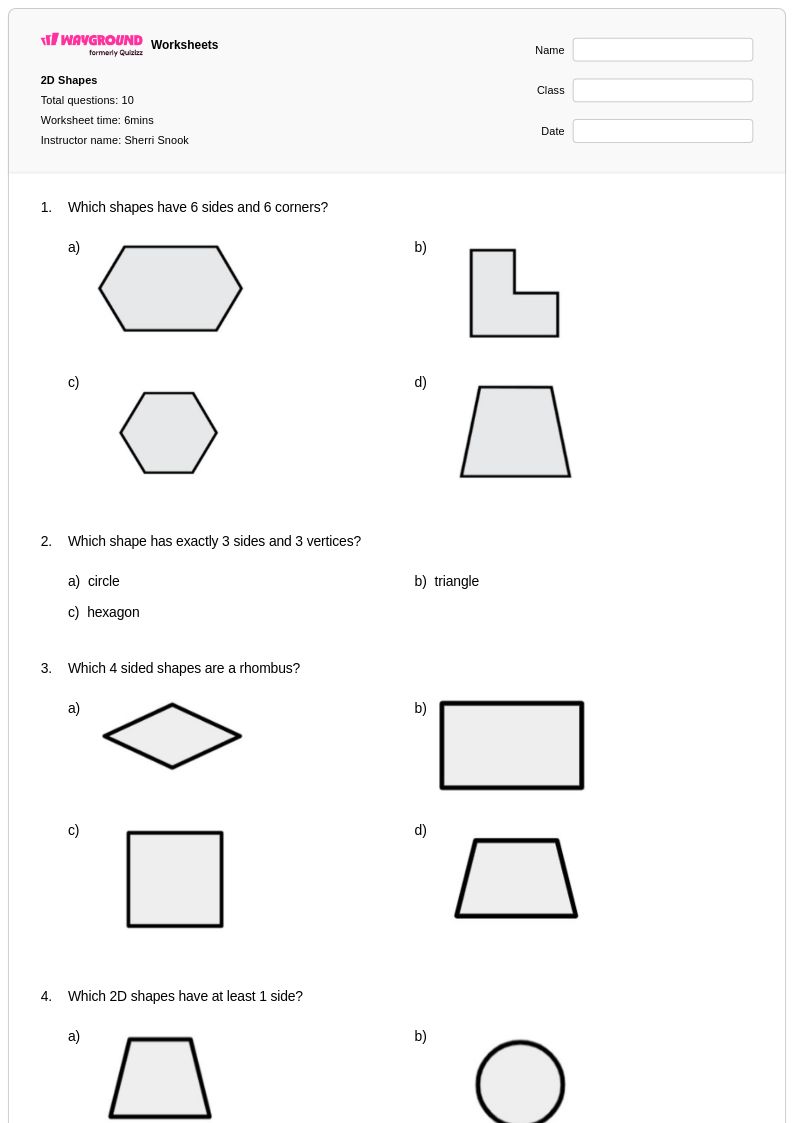
10 Q
1st
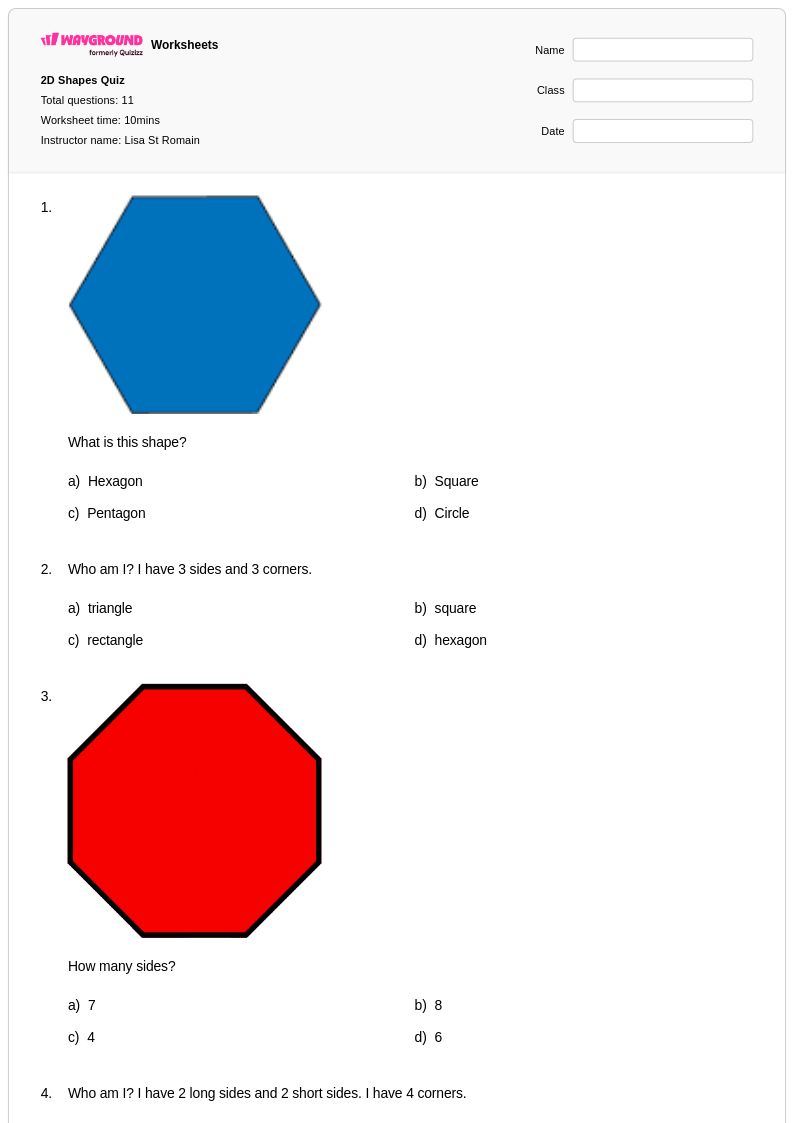
11 Q
1st - 2nd
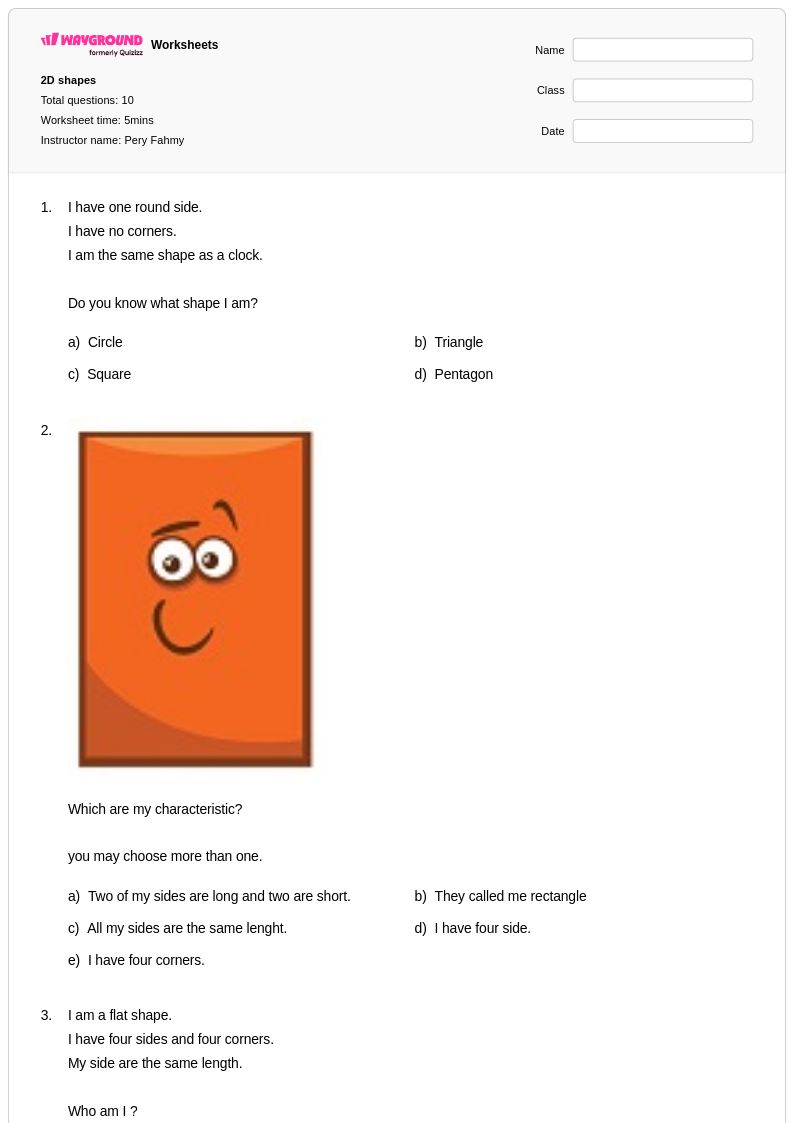
10 Q
1st - 2nd
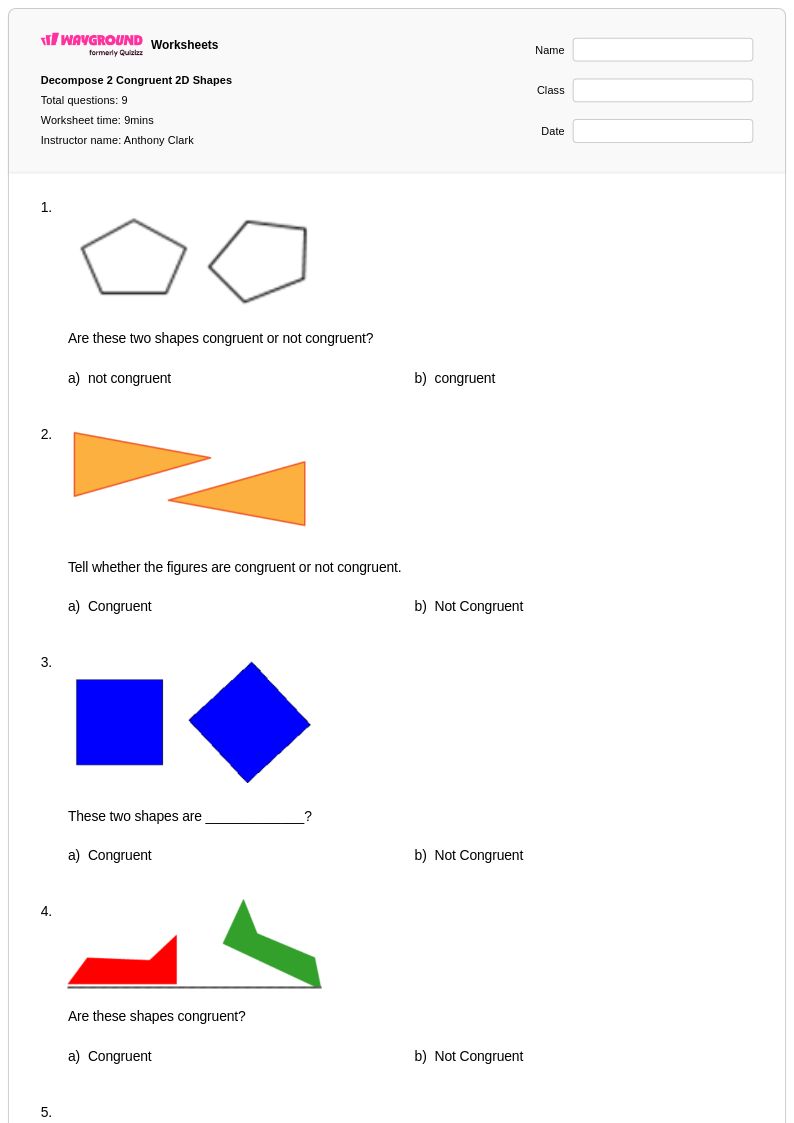
9 Q
1st - Uni
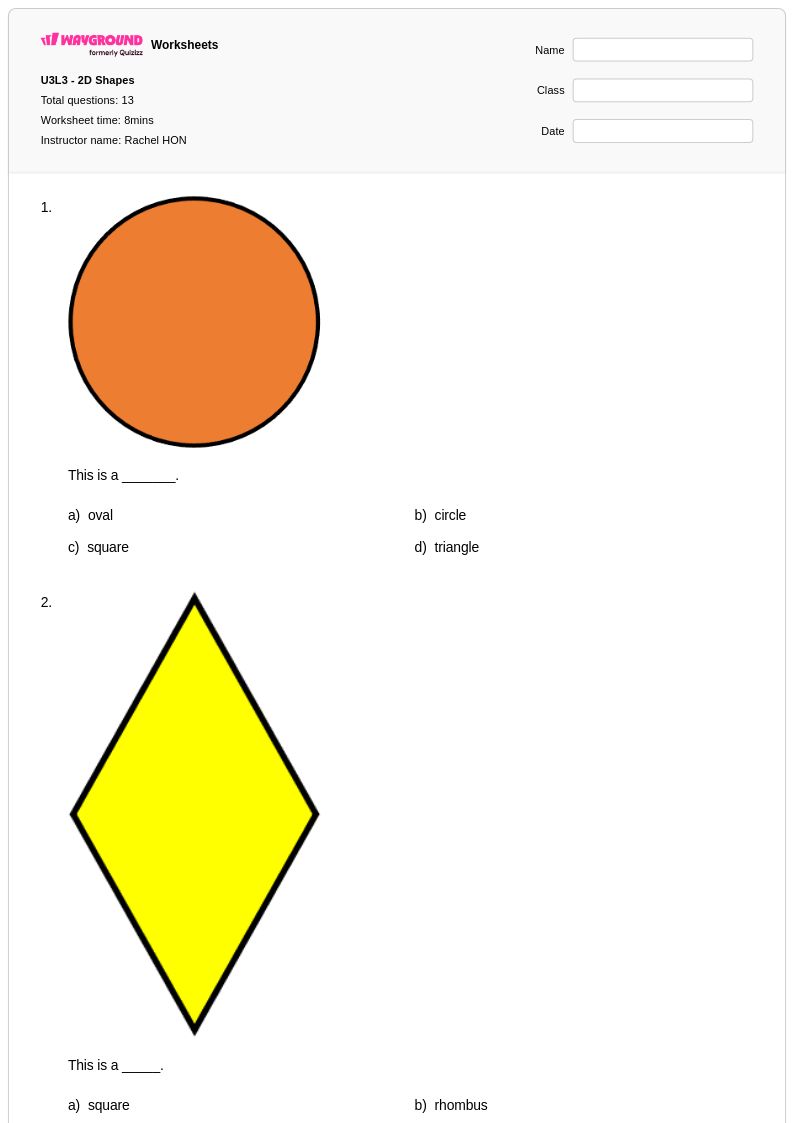
13 Q
1st
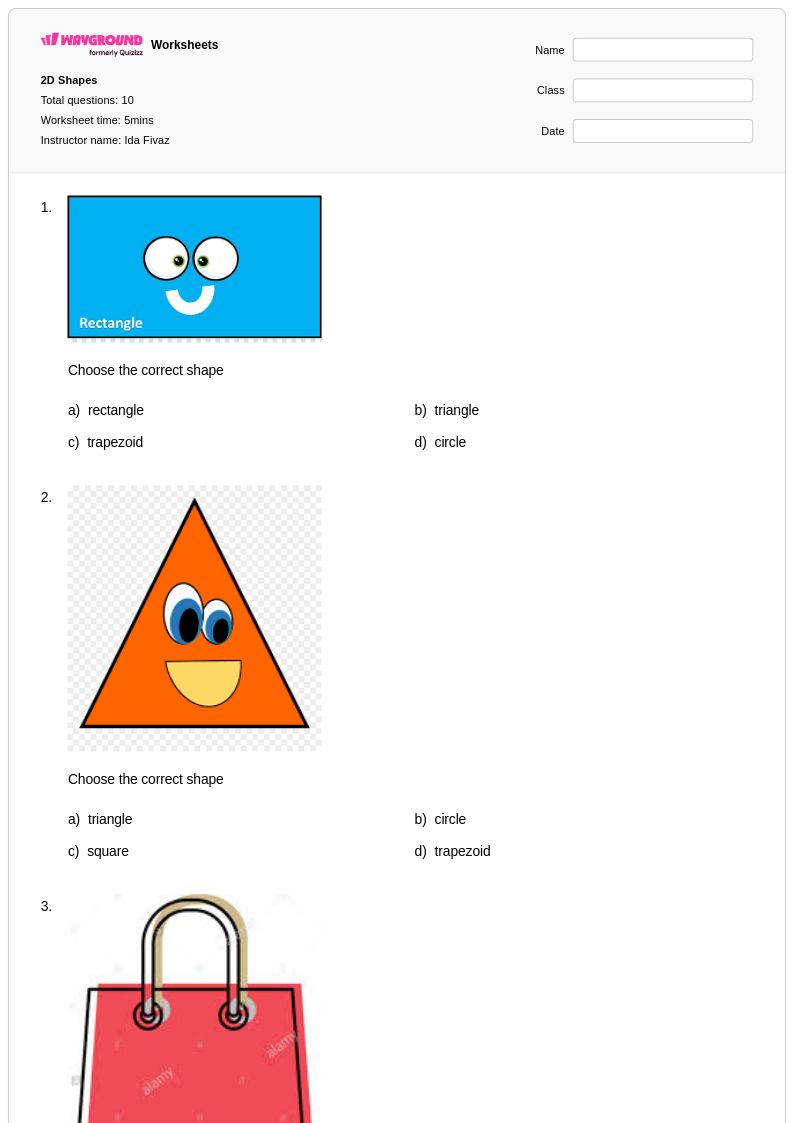
10 Q
1st
Explore Other Subject Worksheets for class 1
Explore printable Area of 2d Figures worksheets for Class 1
Area of 2D figures worksheets for Class 1 students available through Wayground (formerly Quizizz) introduce young learners to the foundational concept of measuring space within geometric shapes. These carefully designed practice problems help first graders develop spatial reasoning skills by exploring how much space simple shapes occupy, using concrete methods like counting unit squares or comparing the size of different figures. The worksheets strengthen essential mathematical thinking by engaging students with hands-on activities that make abstract concepts tangible, such as tracing around shapes, filling rectangles with square tiles, or identifying which of two shapes covers more area. Each printable resource includes comprehensive materials with answer keys and free pdf downloads, allowing students to build confidence through repeated practice with age-appropriate visual representations and manipulative-based exercises.
Wayground (formerly Quizizz) empowers teachers with an extensive collection of millions of teacher-created resources specifically designed for Class 1 area concepts, featuring robust search and filtering capabilities that align with curriculum standards and developmental benchmarks. The platform's differentiation tools enable educators to customize worksheets based on individual student needs, offering both remediation support for learners who need additional practice with basic shape recognition and enrichment opportunities for students ready to explore more complex area relationships. Teachers can access materials in both printable and digital formats, including downloadable pdfs, making lesson planning efficient whether for in-class instruction, homework assignments, or assessment preparation. These flexible resources support systematic skill building through carefully scaffolded problems that progress from concrete manipulation activities to more abstract area comparisons, ensuring every first-grade student can develop a solid foundation in geometric measurement concepts.
FAQs
How do I teach area of 2D figures to first graders?
What exercises help Grade 1 students practice area?
What common mistakes do first graders make when learning area?
How can I use these Grade 1 area worksheets?
How does area develop in the Common Core Grade 1 math progression?
How can I support first graders who struggle with area?
Is area of 2D figures taught in Grade 1?