
15 Q
2nd - Uni
20 Q
2nd
26 Q
2nd
15 Q
2nd - Uni
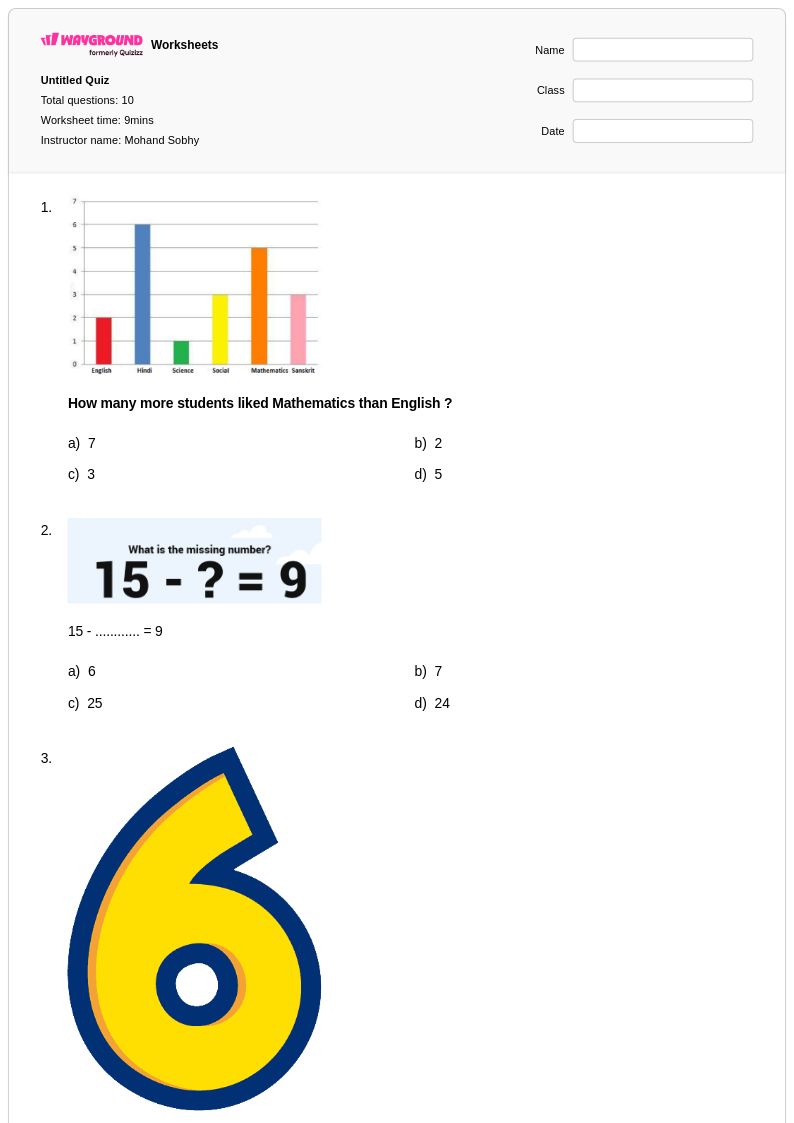
10 Q
2nd
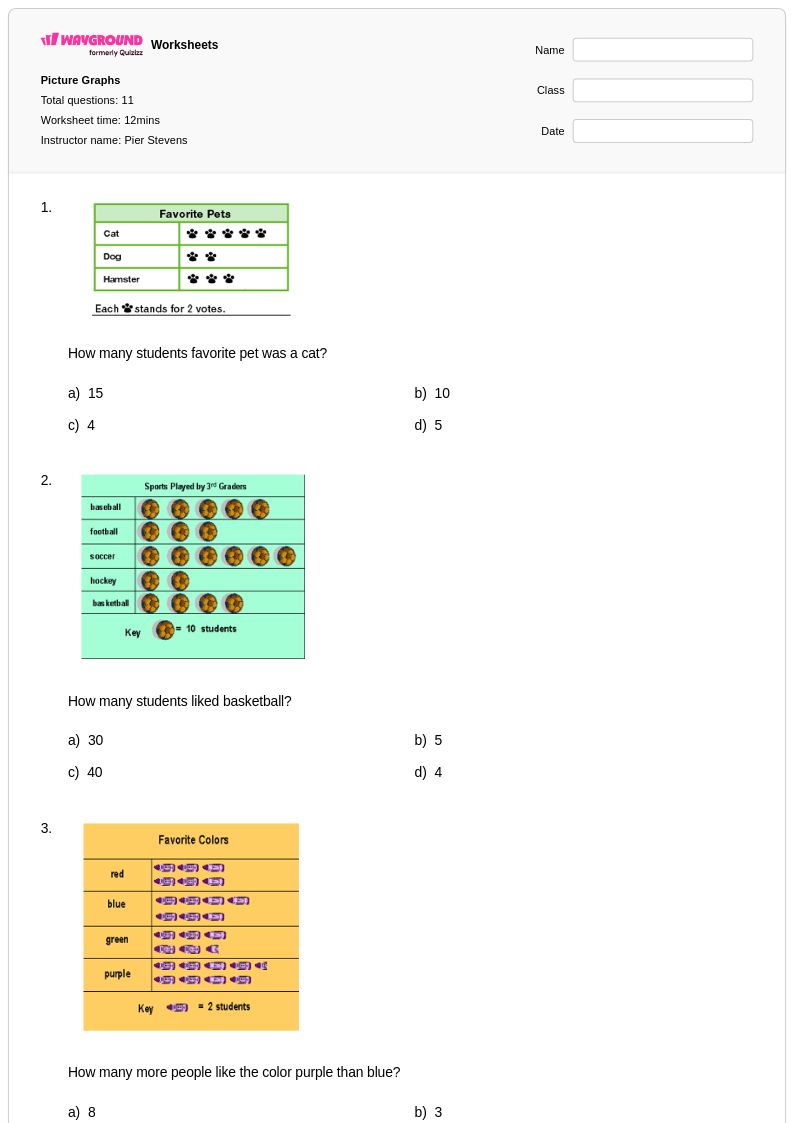
11 Q
2nd
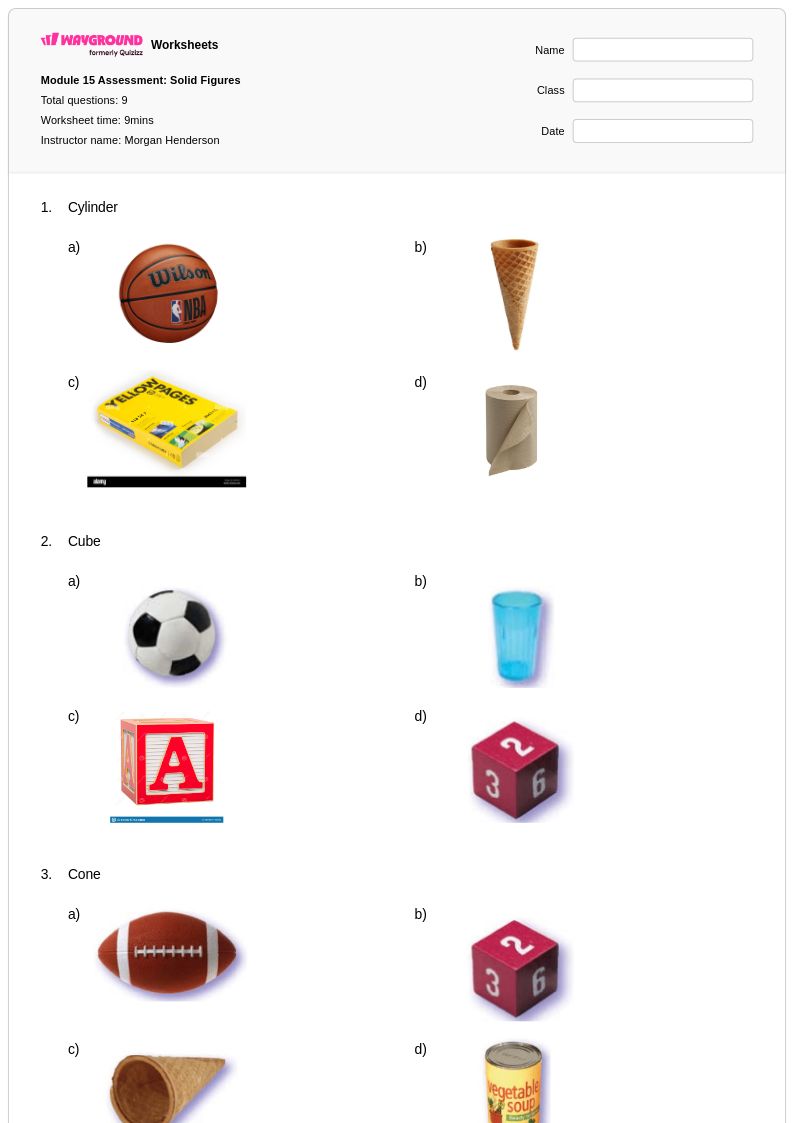
9 Q
2nd
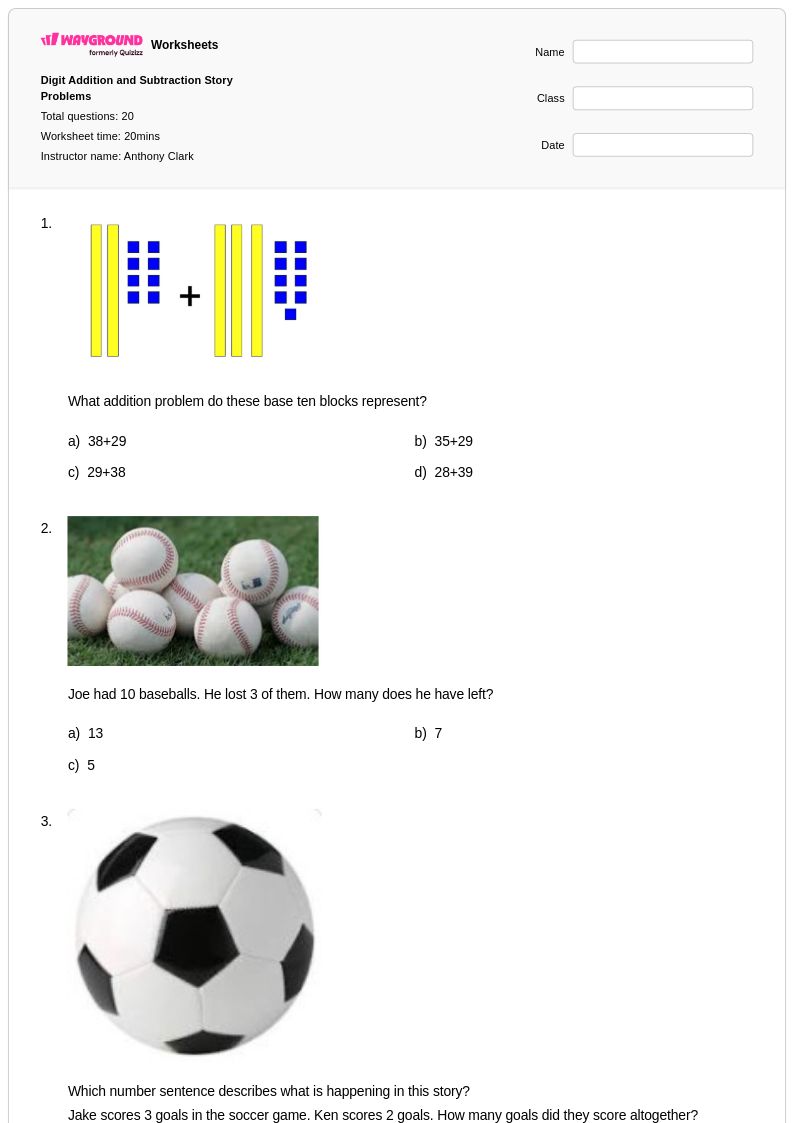
20 Q
2nd - Uni
10 Q
2nd
7 Q
KG - 2nd
13 Q
2nd
18 Q
2nd
19 Q
2nd - 3rd
20 Q
KG - 2nd
20 Q
2nd
20 Q
1st - 3rd
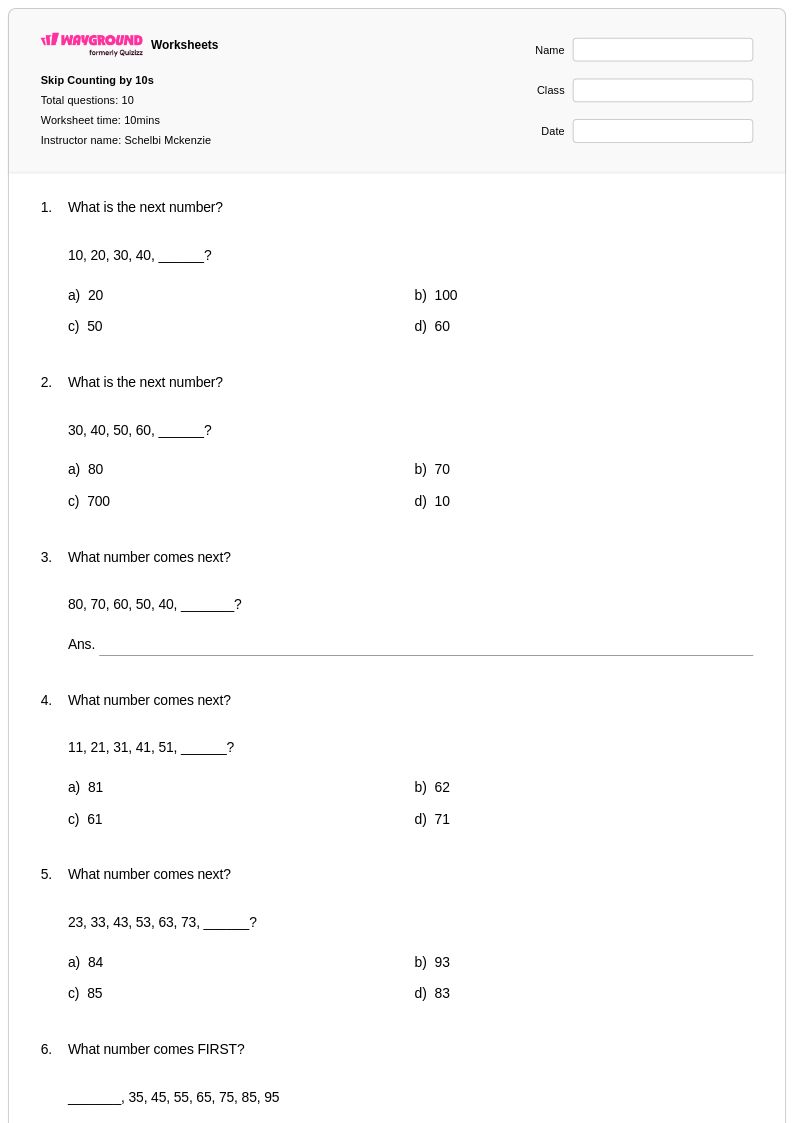
10 Q
2nd
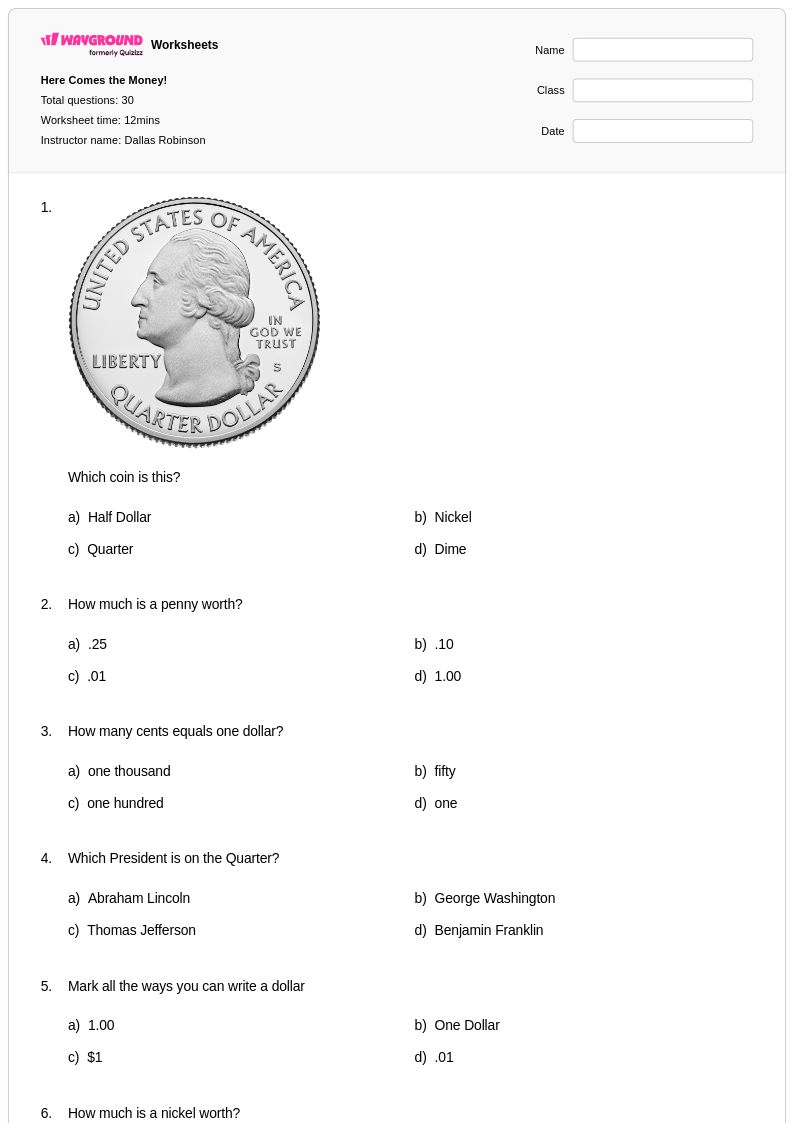
30 Q
2nd
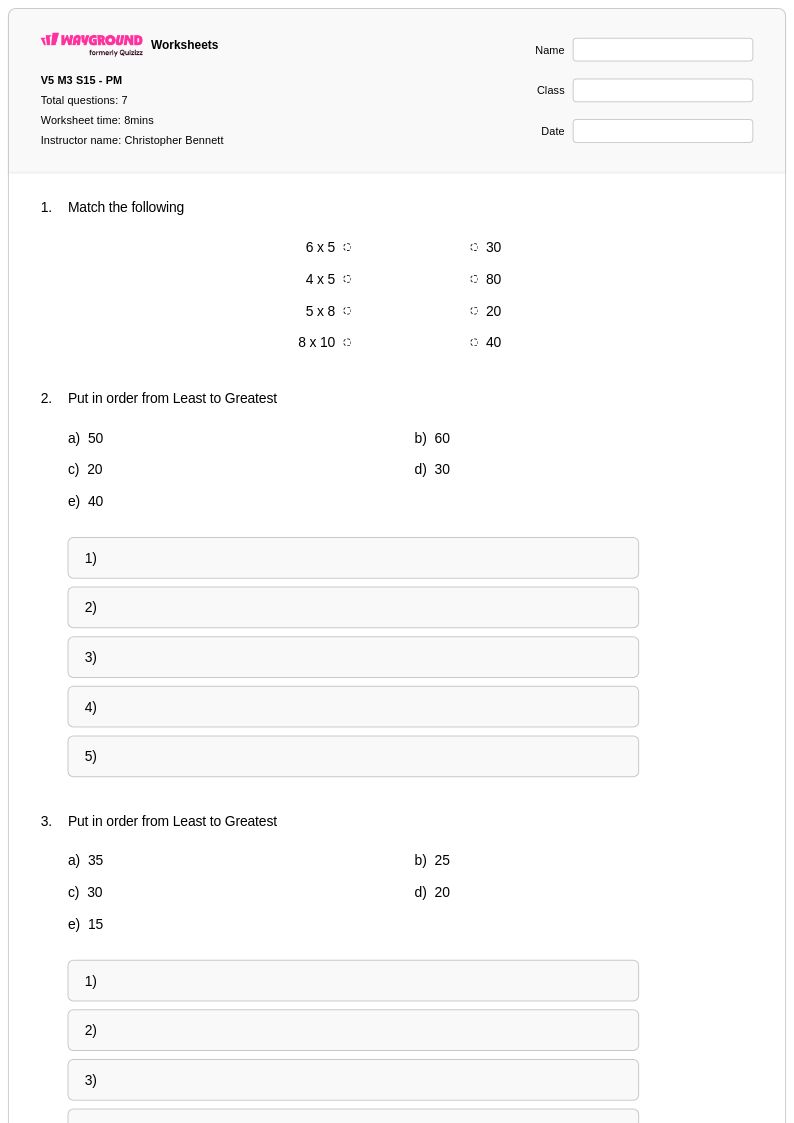
7 Q
1st - 5th
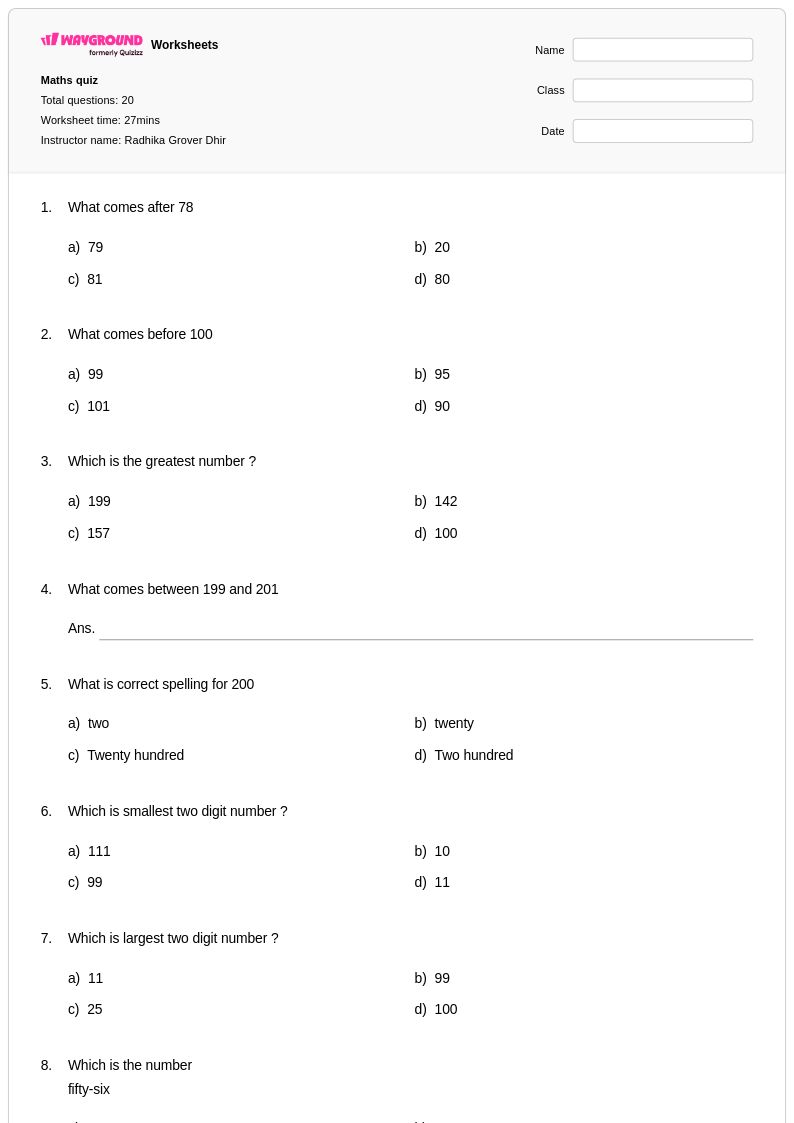
20 Q
2nd
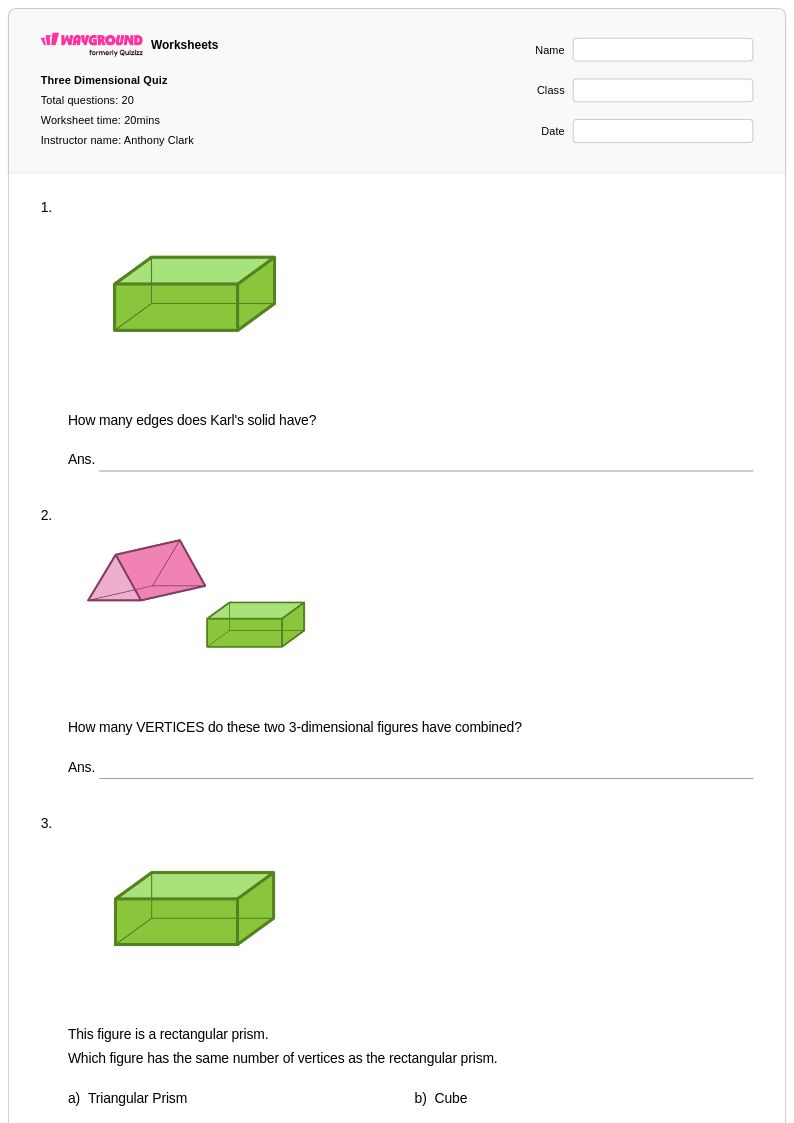
20 Q
1st - Uni
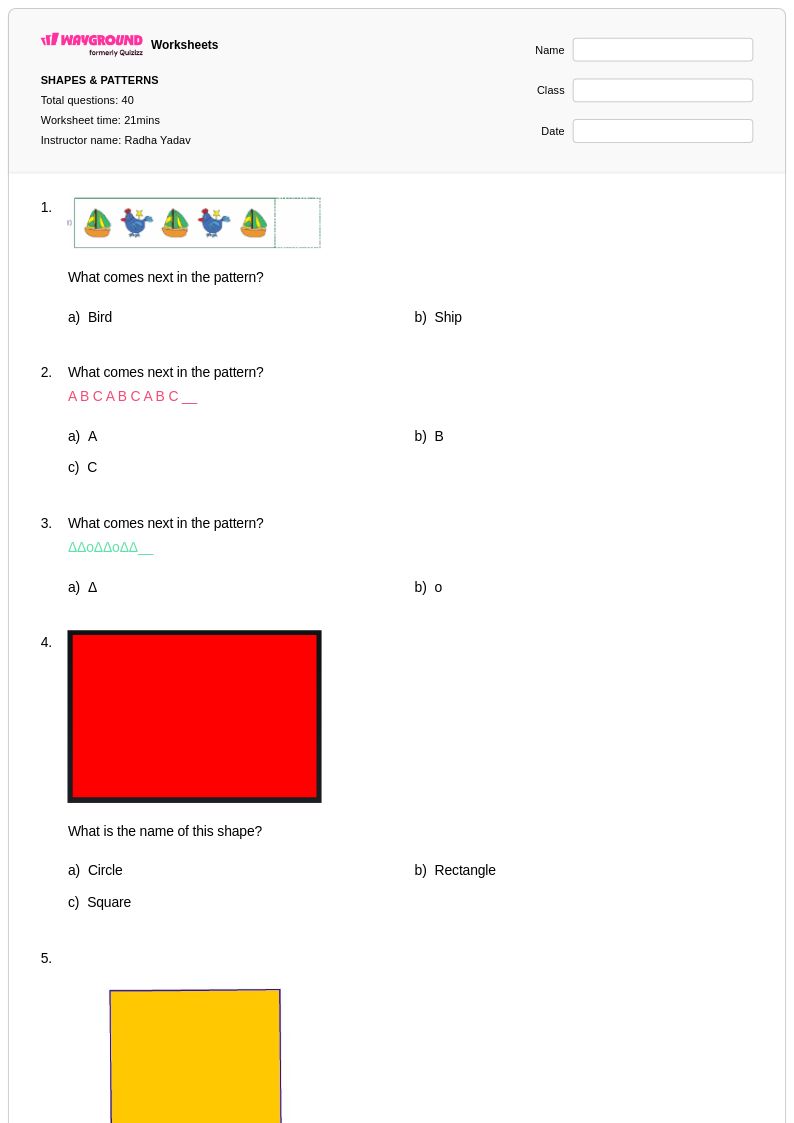
40 Q
KG - 2nd
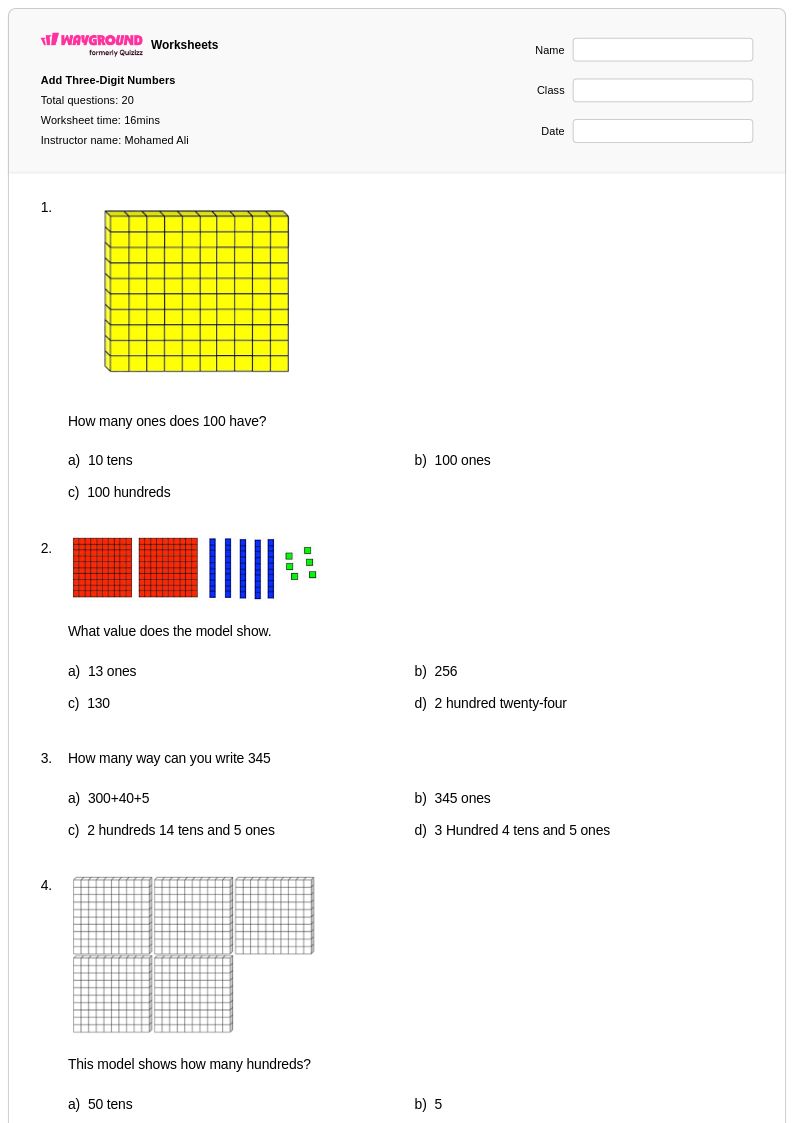
20 Q
2nd
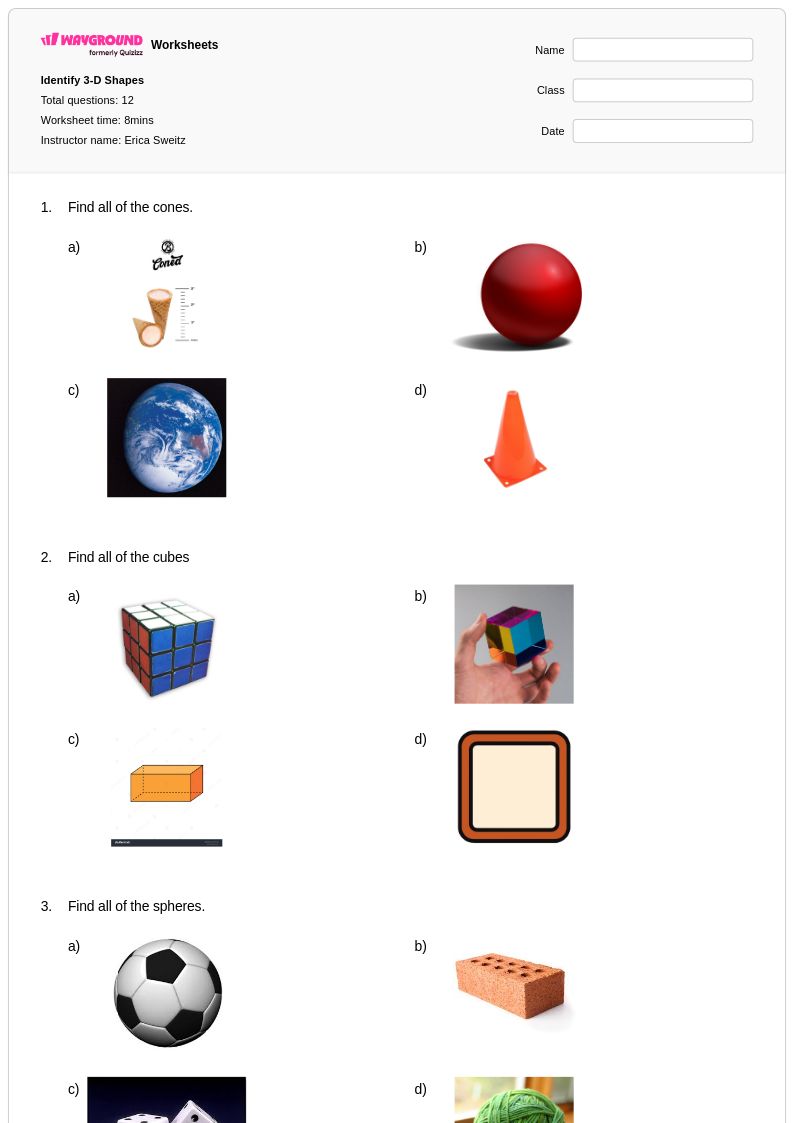
12 Q
1st - Uni
Explore Cones Worksheets by Grades
Explore Other Subject Worksheets for class 2
Explore printable Cones worksheets for Class 2
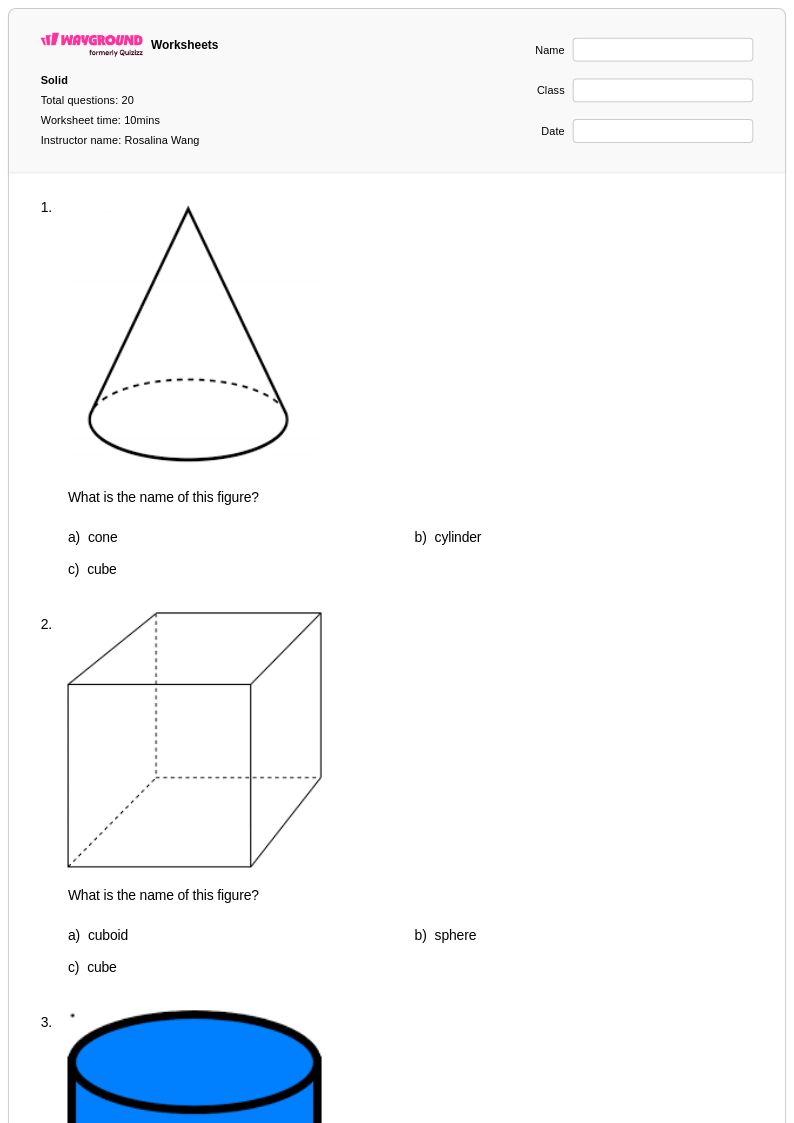
Cones worksheets for Class 2 students provide essential foundational practice in recognizing and understanding this fundamental three-dimensional shape. These carefully designed worksheets guide young learners through identifying cones in everyday objects, distinguishing cones from other 3D shapes like cylinders and spheres, and understanding basic properties such as the curved surface and pointed apex. The practice problems incorporate visual recognition exercises, sorting activities, and real-world connections that help second graders develop spatial reasoning skills critical for geometric understanding. Each worksheet includes a comprehensive answer key and is available as a free printable pdf, making it easy for educators to assess student progress and provide immediate feedback on cone identification and classification tasks.
Wayground (formerly Quizizz) empowers teachers with an extensive collection of cone-focused geometry worksheets drawn from millions of teacher-created resources specifically aligned with Class 2 mathematics standards. The platform's robust search and filtering capabilities allow educators to quickly locate worksheets that match their specific instructional needs, whether for initial concept introduction, skill reinforcement, or assessment preparation. Teachers can customize these printable and digital materials to differentiate instruction for diverse learners, adjusting difficulty levels and adding personalized elements to support both remediation and enrichment goals. The flexible pdf format ensures seamless integration into lesson plans, homework assignments, and independent practice sessions, while the standards-aligned content helps educators maintain curriculum coherence and track student mastery of three-dimensional shape recognition skills.
FAQs
How do I teach cones to second graders?
What exercises help Grade 2 students practice cone identification?
What mistakes do second graders make when classifying cones?
How can I use Wayground Grade 2 cone worksheets?
How do Grade 2 cone worksheets fit the Common Core math progression?
How can I differentiate Grade 2 cone practice?
What grade level are these cone worksheets for?