Free Printable Equitable Distribution Worksheets for Kindergarten
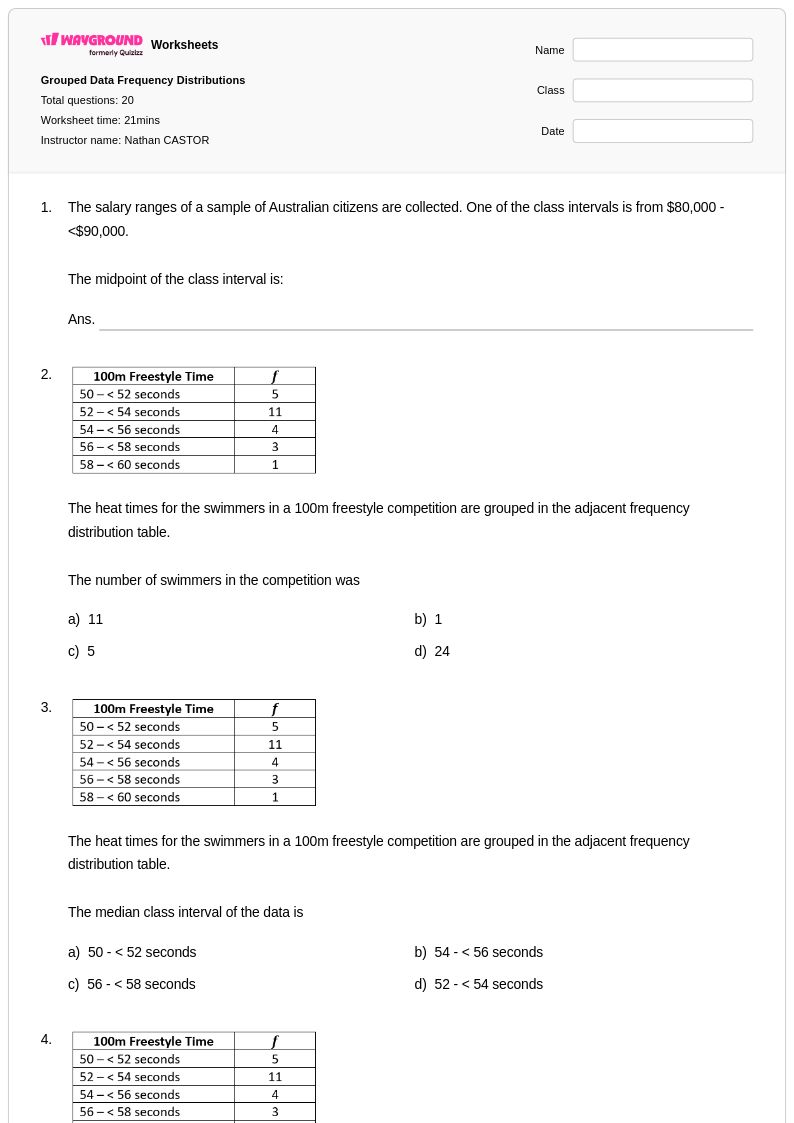
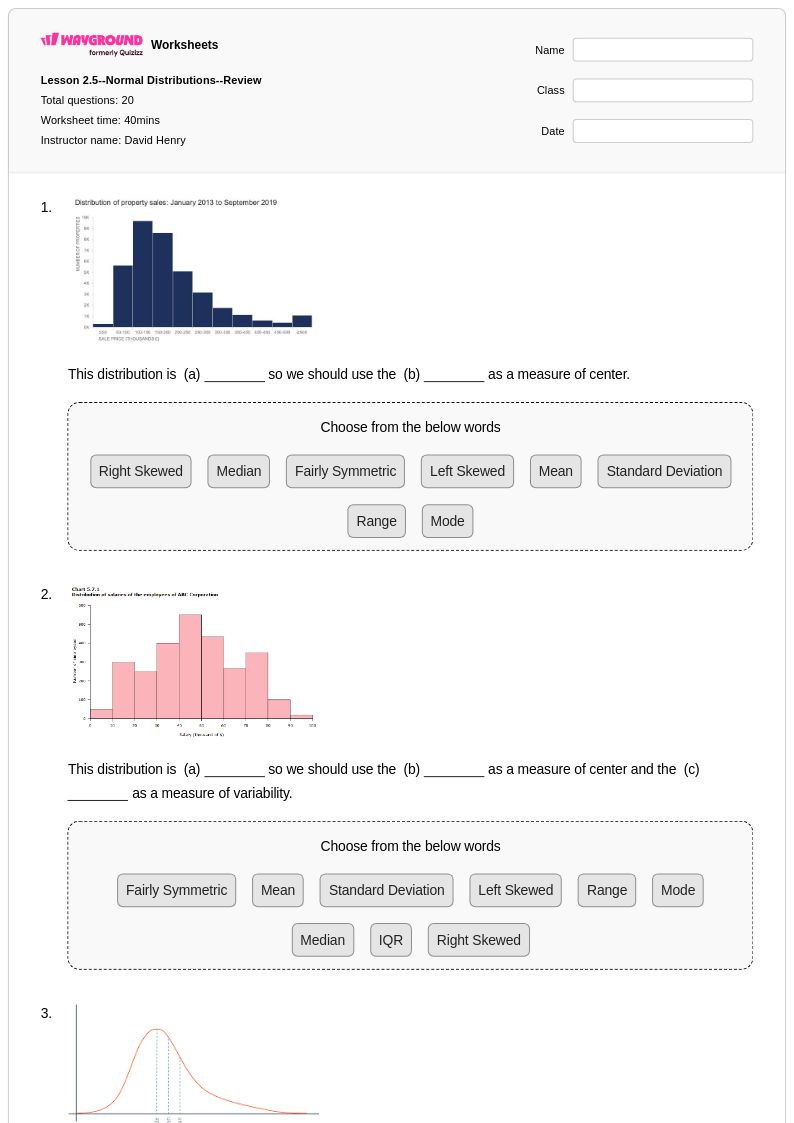
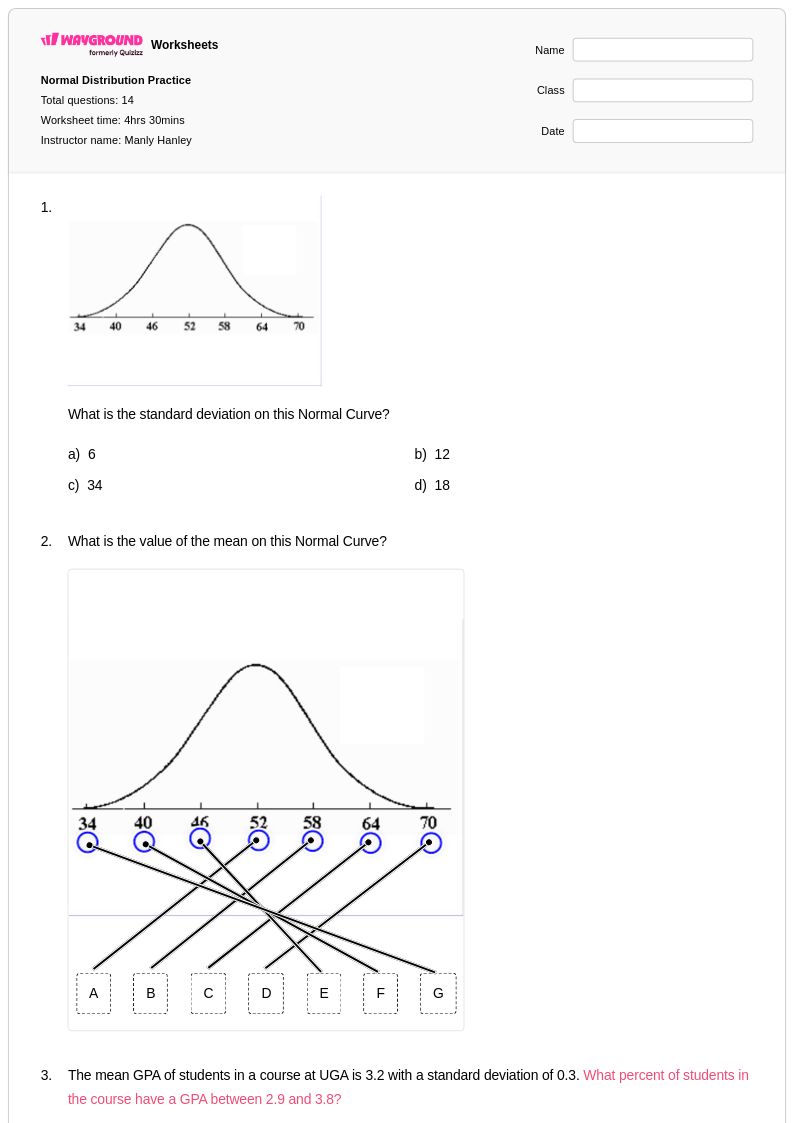
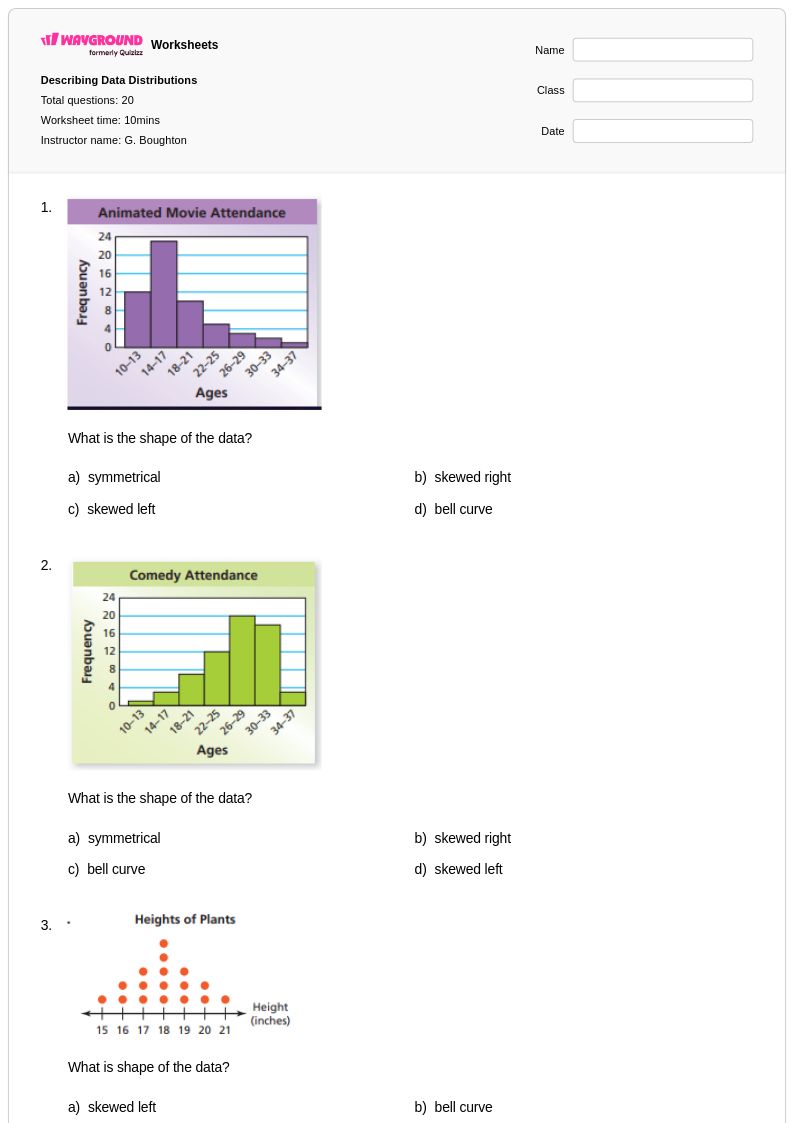
Free kindergarten equitable distribution worksheets and printables help young learners practice fair sharing through engaging division problems, complete with answer keys and PDF downloads for effective math skill development.
Explore printable Equitable Distribution worksheets for Kindergarten
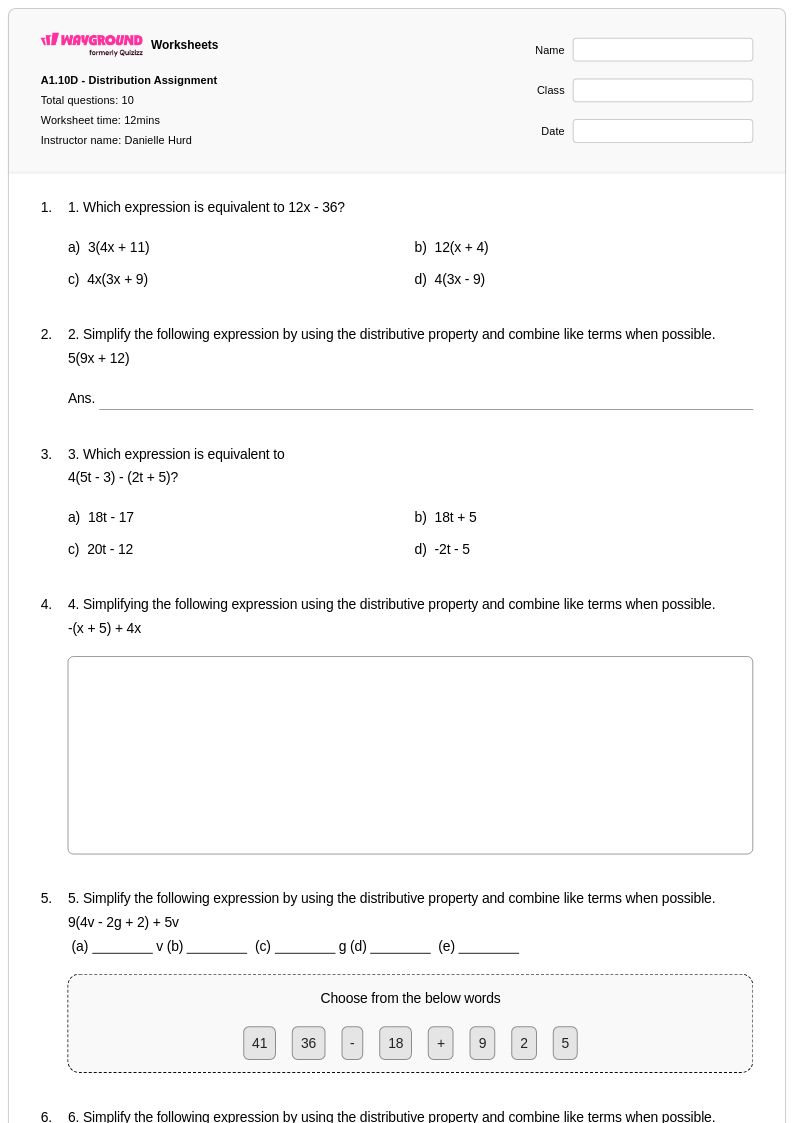
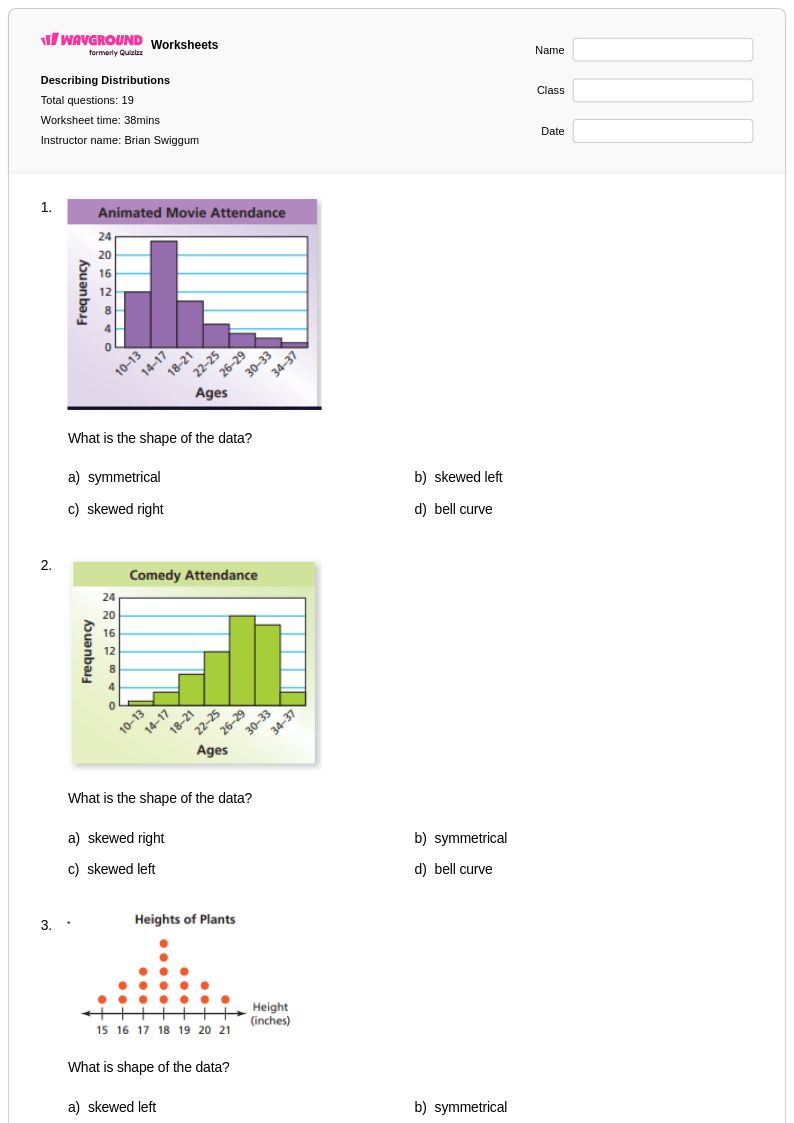
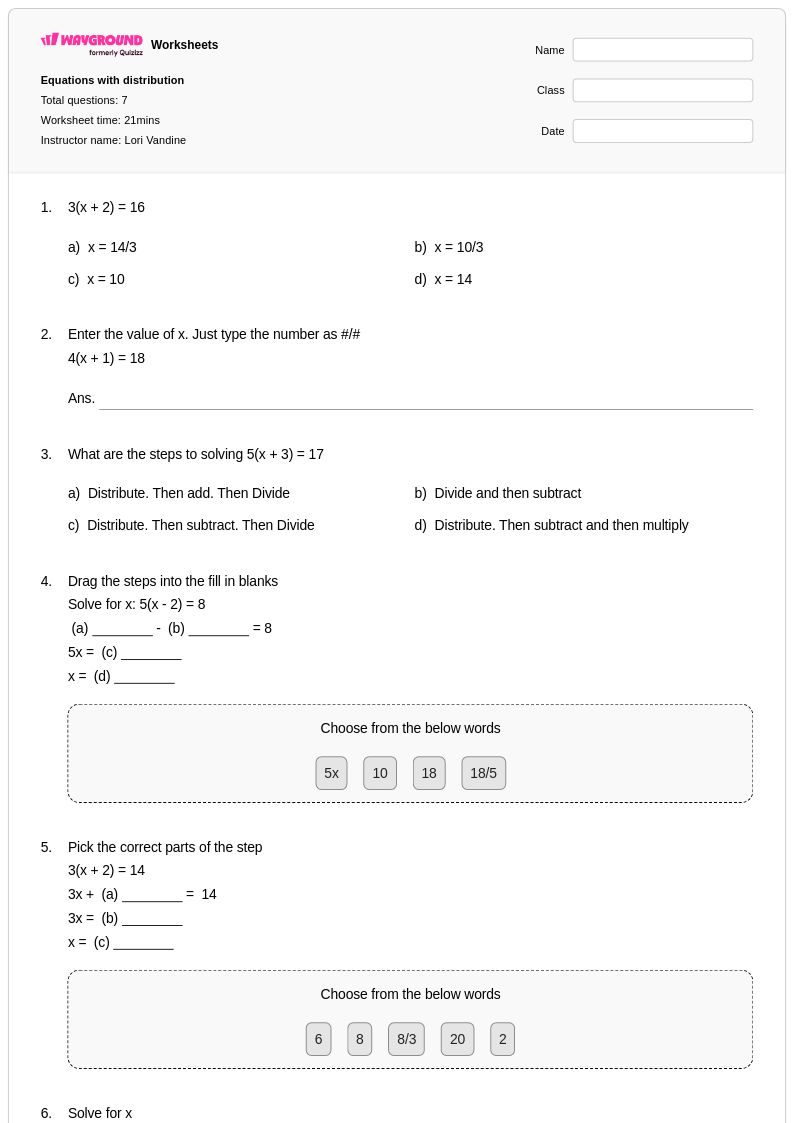
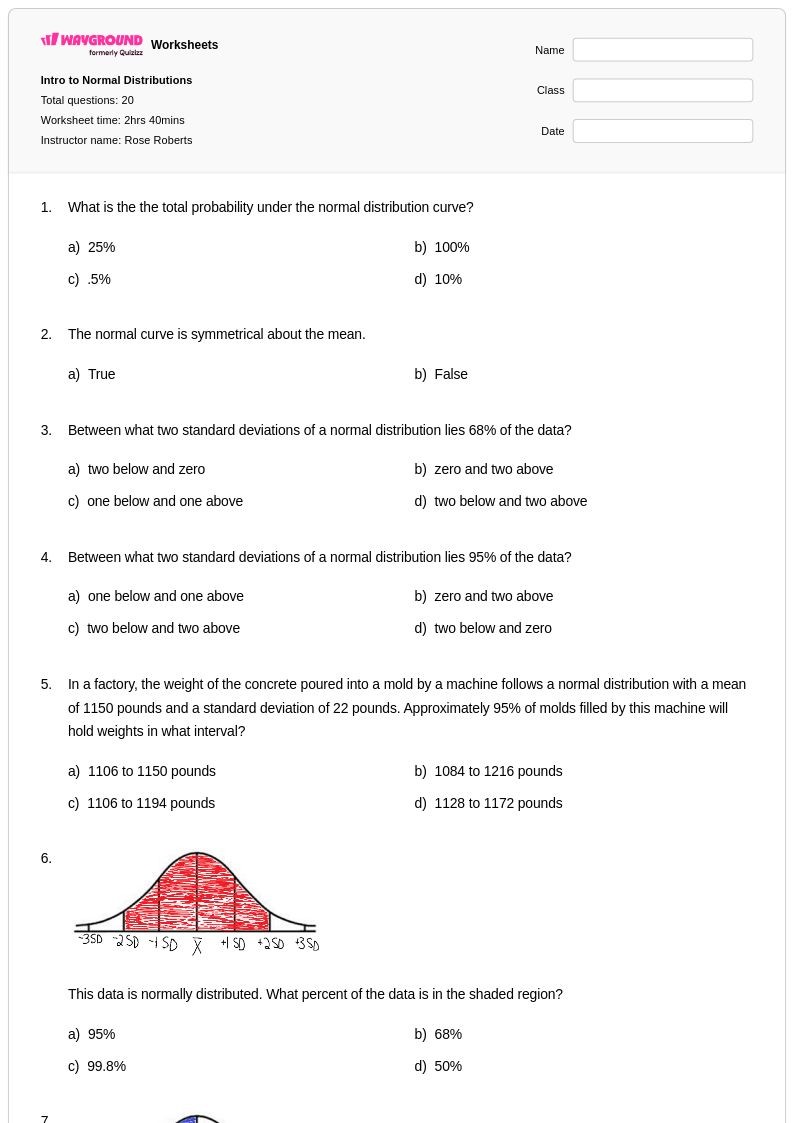
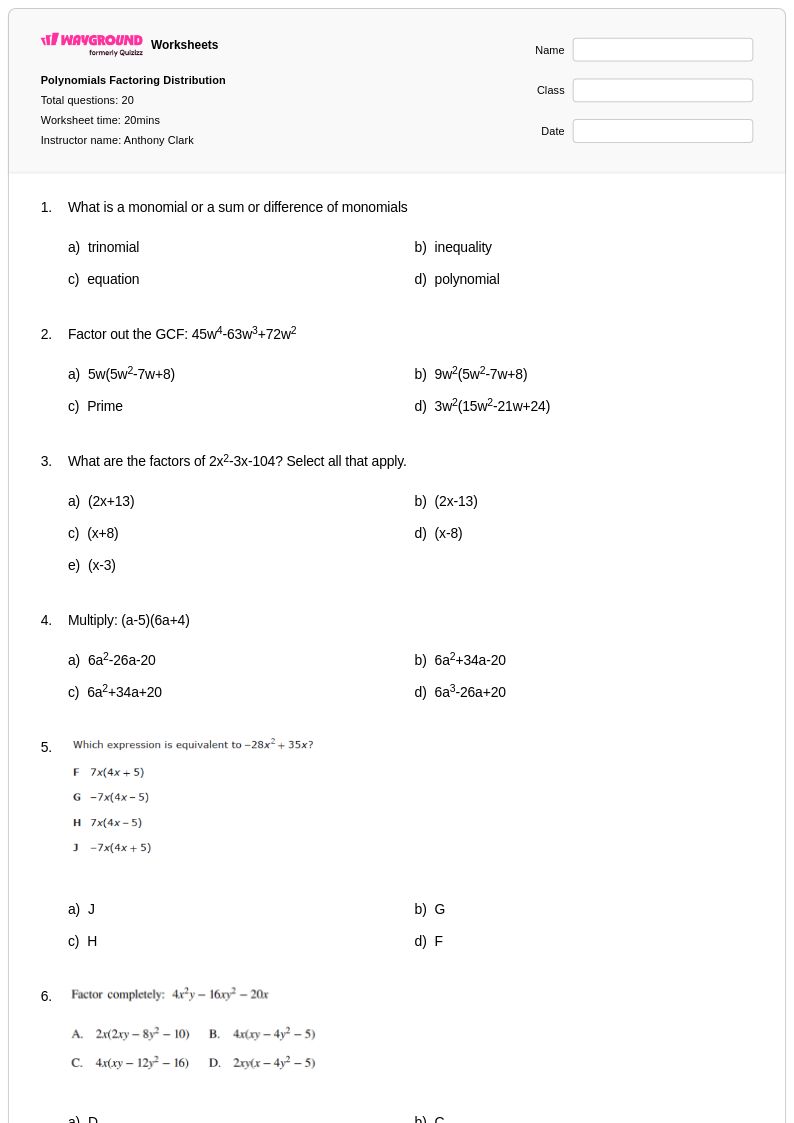
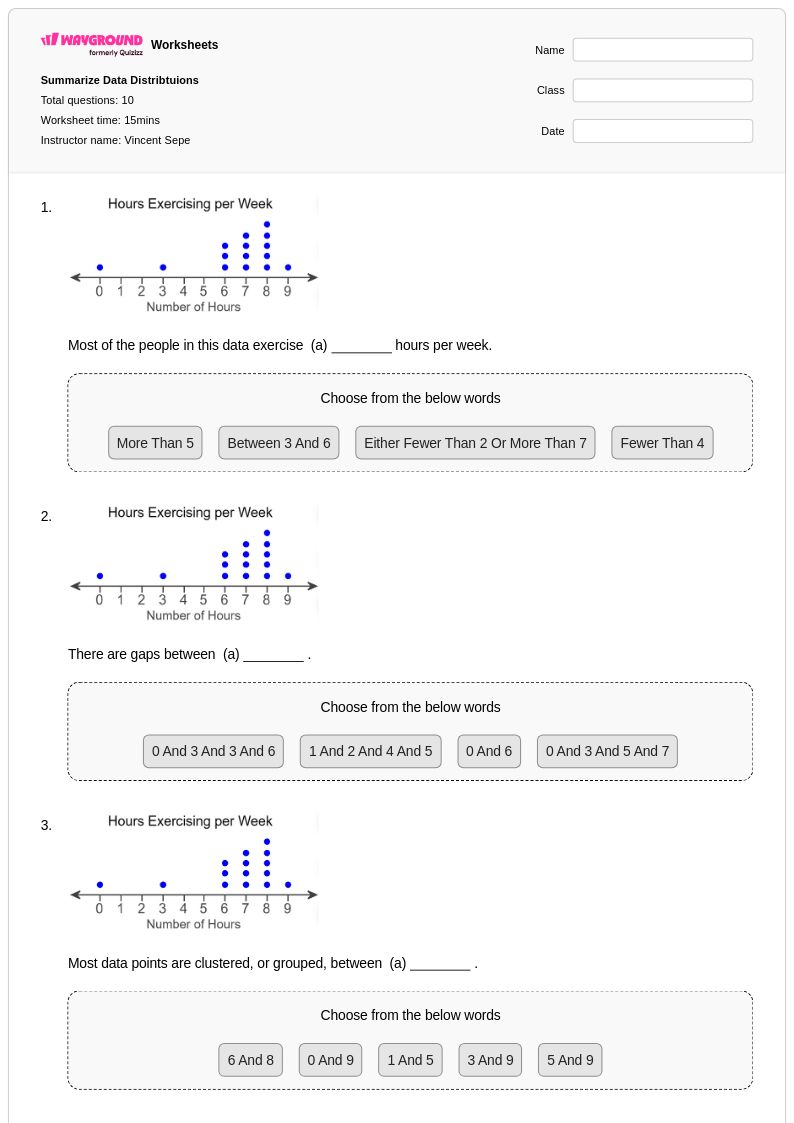
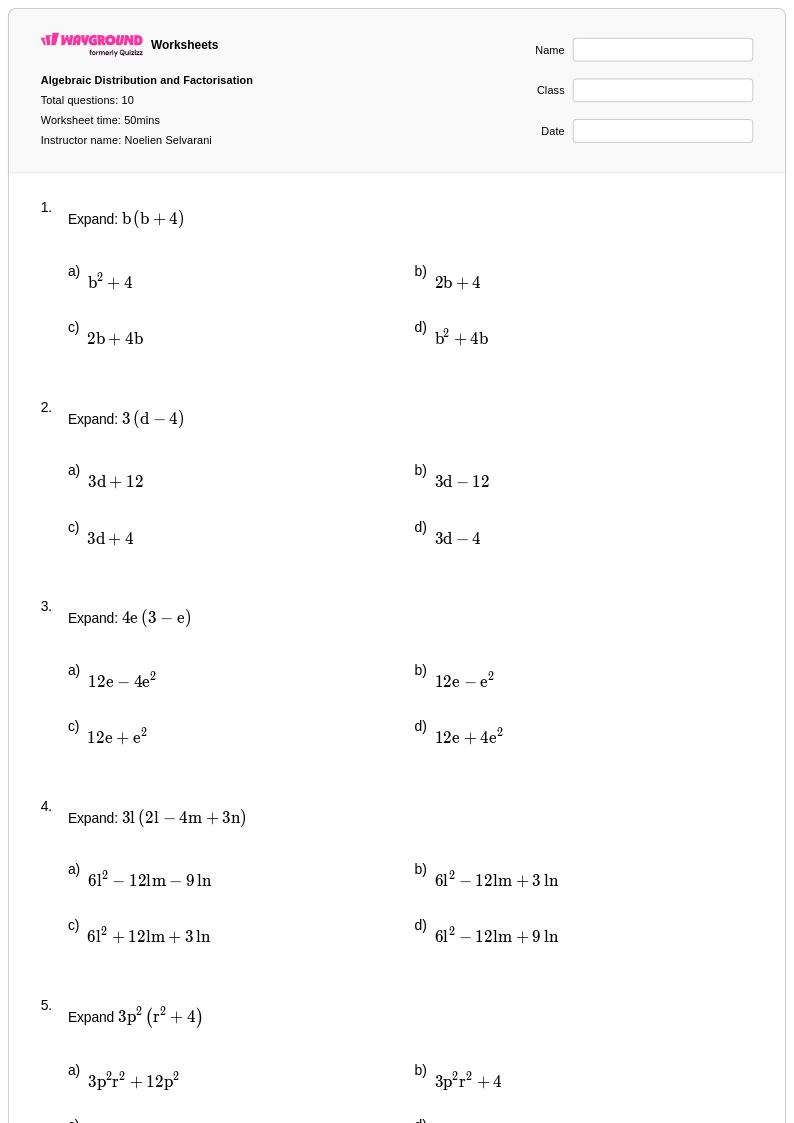
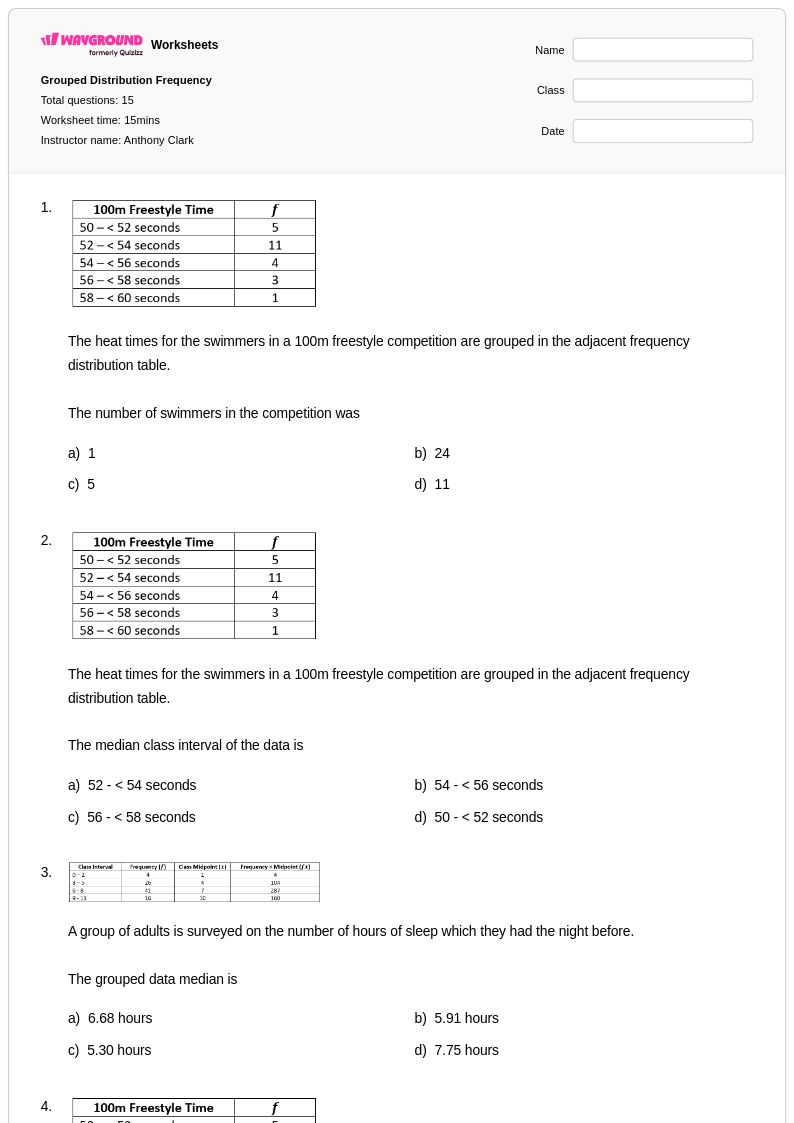
Equitable distribution worksheets for kindergarten provide young learners with foundational experiences in fair sharing and equal grouping, essential precursors to formal division concepts. These carefully designed practice problems introduce students to the idea that objects can be divided into equal parts or distributed fairly among groups, building critical mathematical reasoning skills through hands-on activities and visual representations. Wayground's collection of free printables focuses on concrete scenarios that kindergarteners can understand, such as sharing toys among friends or distributing snacks equally, with each worksheet including an answer key to support accurate assessment and feedback. The pdf format ensures these materials remain accessible for repeated use, allowing students to develop confidence in recognizing when items are shared fairly versus unfairly.
Wayground, formerly Quizizz, empowers educators with millions of teacher-created resources specifically designed for kindergarten equitable distribution concepts, featuring robust search and filtering capabilities that help locate age-appropriate materials aligned with early learning standards. The platform's differentiation tools enable teachers to customize worksheets based on individual student needs, whether providing additional visual supports for struggling learners or extending challenges for advanced students ready to explore more complex sharing scenarios. Available in both printable and digital formats including downloadable pdfs, these versatile resources support flexible lesson planning, targeted remediation for students who need extra practice with fair sharing concepts, and enrichment opportunities that deepen understanding of mathematical equity and distribution principles essential for future division mastery.
FAQs
How do I teach fair sharing to kindergarteners?
Keep it physical and keep it social. Give a small group of students a pile of blocks and ask them to make sure everyone has the same number — let them work it out, then ask 'is this fair?' That conversation is the lesson. Drawings come next: students circle groups of objects to show equal shares. Formal number sentences can wait; at this stage, the goal is building the intuition that 'fair' means 'the same amount for everyone.'
What practice activities help kindergarteners learn equitable distribution?
Worksheets that use familiar scenarios — sharing toys among three friends, putting the same number of apples in each basket — work best because kindergarteners can picture the situation. Visual representations with countable objects (dots, pictures of items) let students point and check rather than rely on abstract numbers. These worksheets are designed around exactly those concrete, relatable contexts.
What misconceptions do kindergarteners have about fair sharing?
The most common one: students think 'giving something to everyone' counts as fair, even if the amounts differ. A child might hand out one item to each friend and then pile the rest in front of one person — everyone got something, so it feels fair. Asking 'does everyone have the same number?' and having students count each person's share directly addresses this. Another misconception is that bigger objects mean more, so two large blocks feels like 'more' than three small ones.
How do I use these kindergarten equitable distribution worksheets?
For kindergarten, the printable PDF is usually the right call — young students benefit from pointing at pictures, circling groups, and drawing lines to match objects, which is easier on paper than a screen. Every worksheet includes an answer key so you can assess quickly. For schools managing screen time, paper practice also keeps devices out of the equation entirely for this activity.
How does fair sharing in kindergarten connect to later math concepts?
Kindergarten fair-sharing work is the informal foundation that Common Core builds formal division on in later grades. When students physically distribute objects into equal groups now, they are developing the mental model that division formalizes in grades 3 and beyond. Without that concrete understanding, division algorithms tend to feel arbitrary — students who skip this stage often struggle to explain what a quotient actually means.
How can I support kindergarteners with different learning needs on fair-sharing activities?
For students who need it, Wayground's Read Aloud feature reads questions aloud so emerging readers aren't blocked by text. You can also generate a version of the worksheet with a larger font or wider spacing for students who find dense layouts overwhelming. These adjustments take a minute to set up and don't require separate materials — the same worksheet works for the whole class.