
20 Q
5th - Uni
20 Q
4th - Uni
20 Q
4th - Uni
20 Q
5th - Uni
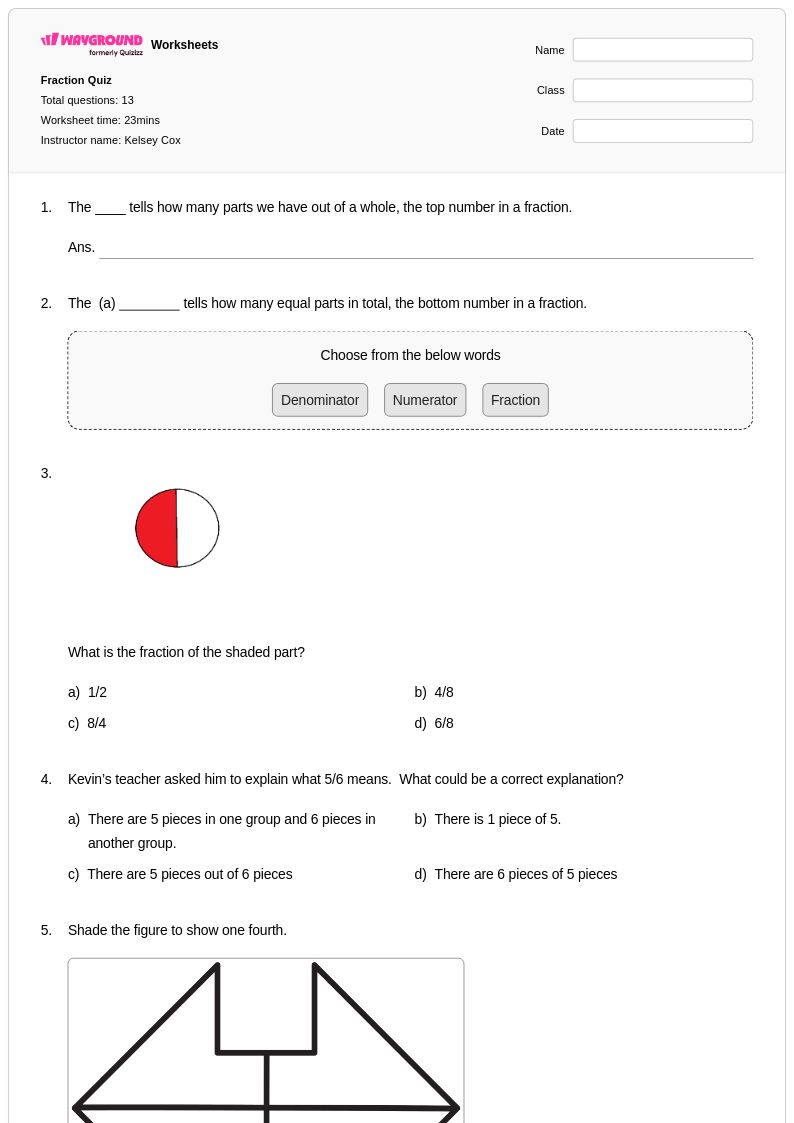
13 Q
3rd
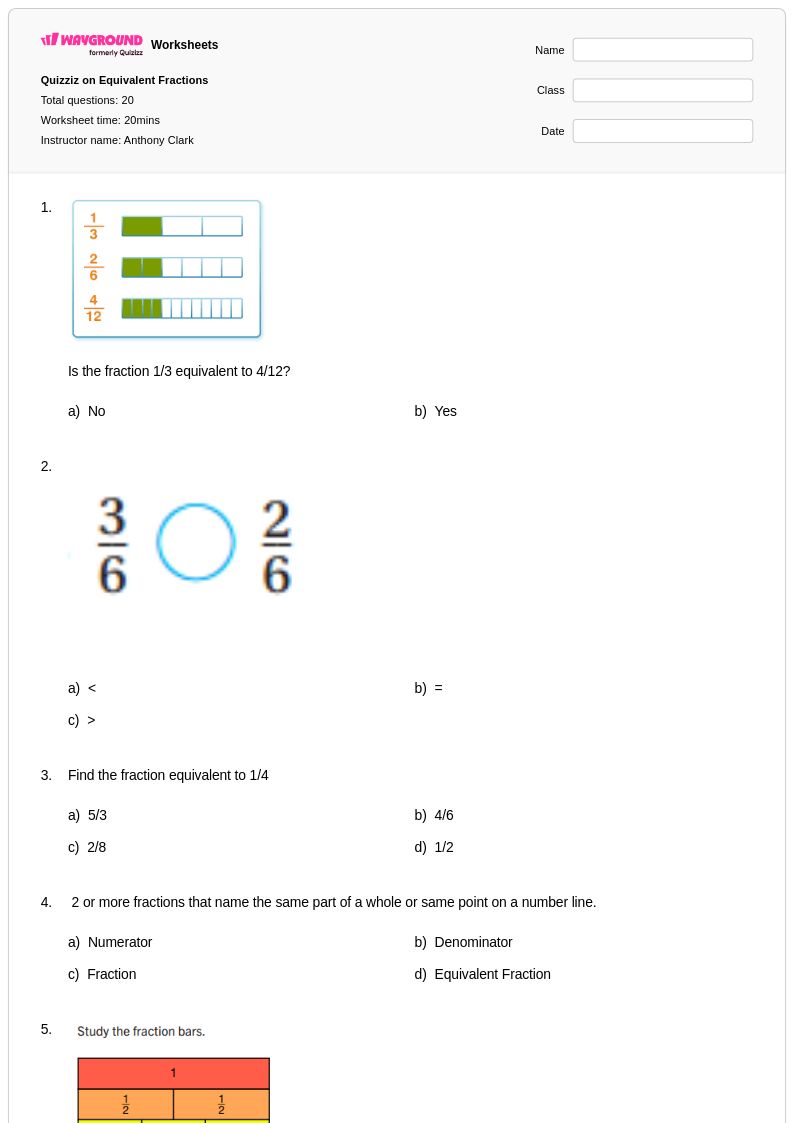
20 Q
4th - Uni
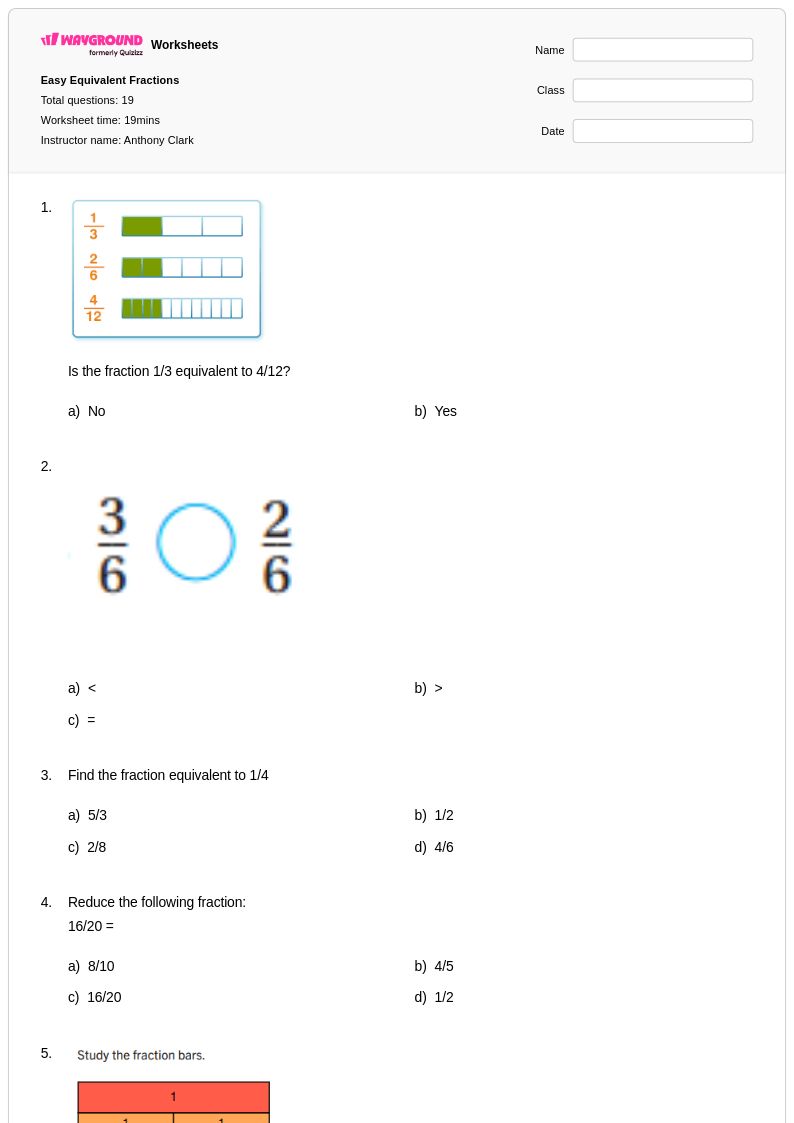
19 Q
4th - Uni
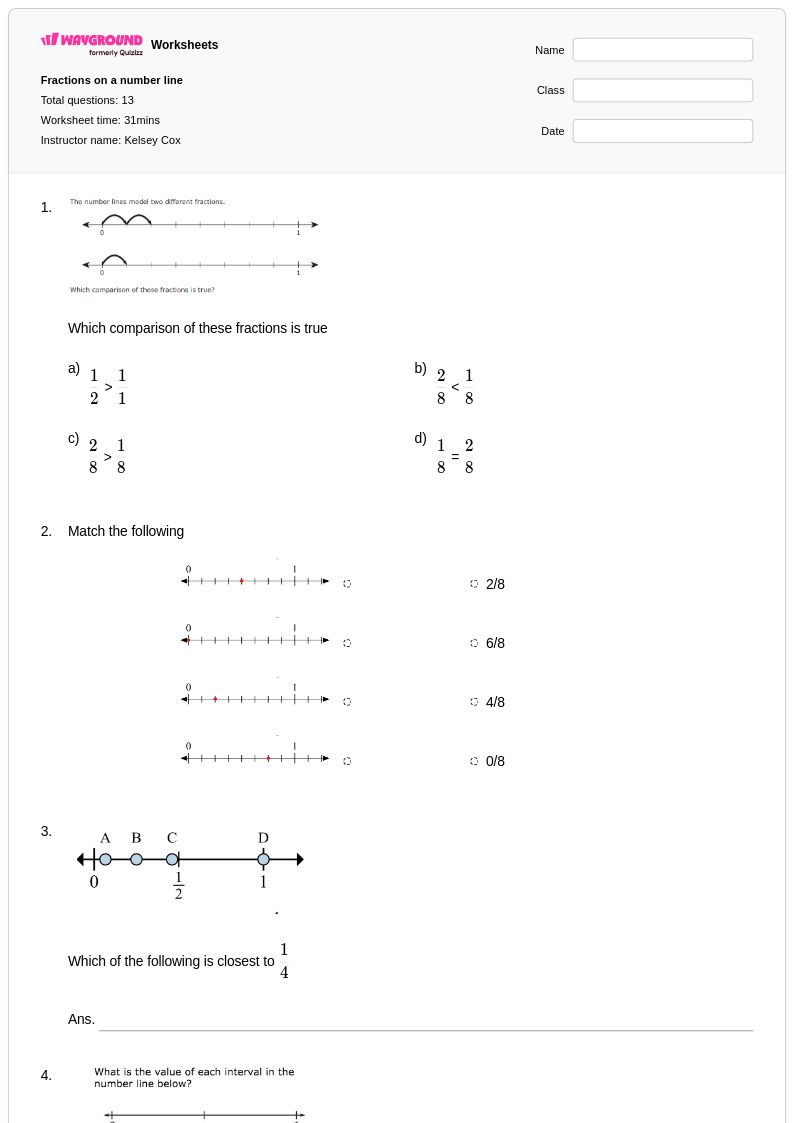
13 Q
3rd
19 Q
4th - Uni
20 Q
4th - Uni
16 Q
4th - Uni
20 Q
1st
20 Q
4th - Uni
21 Q
5th
19 Q
4th - Uni
20 Q
4th - Uni
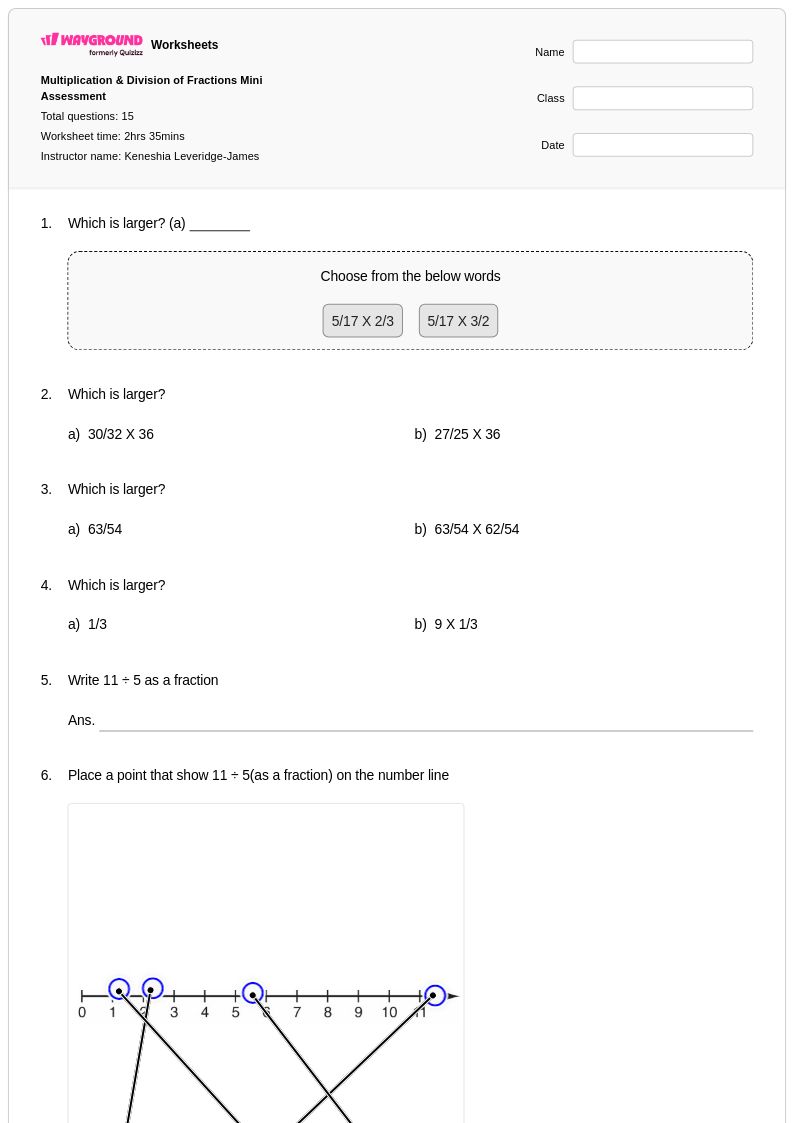
15 Q
5th
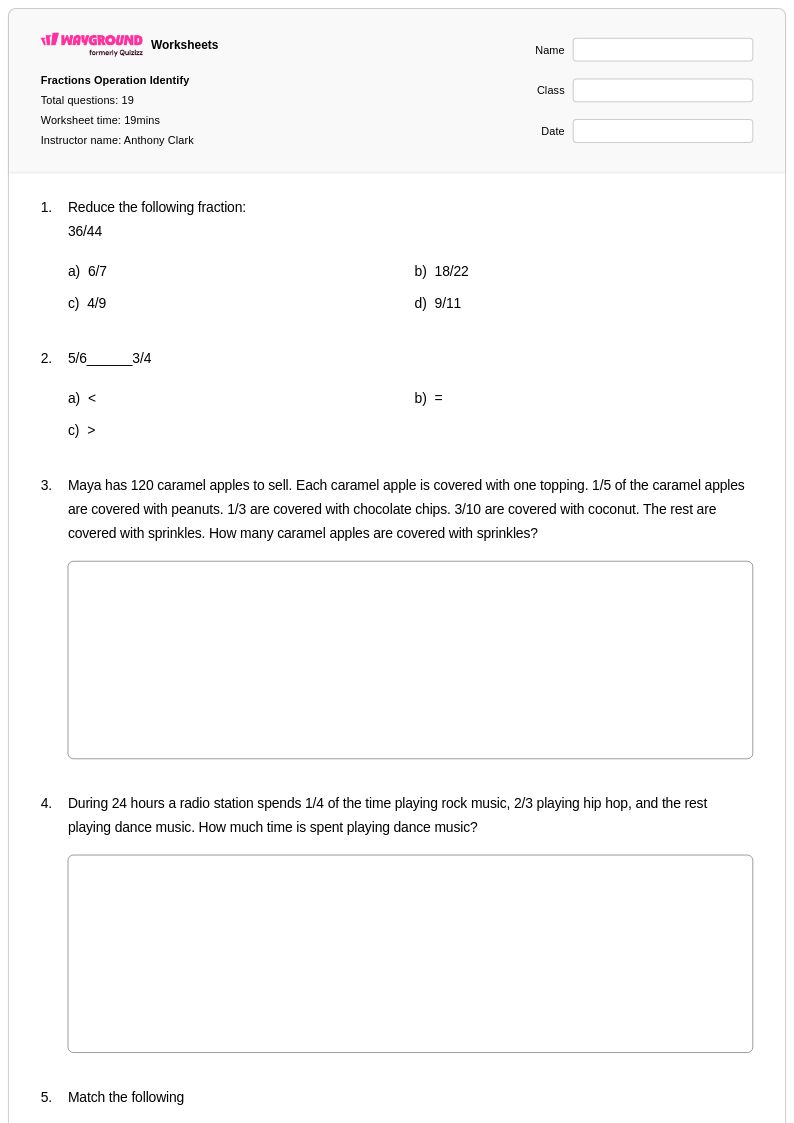
19 Q
5th - Uni
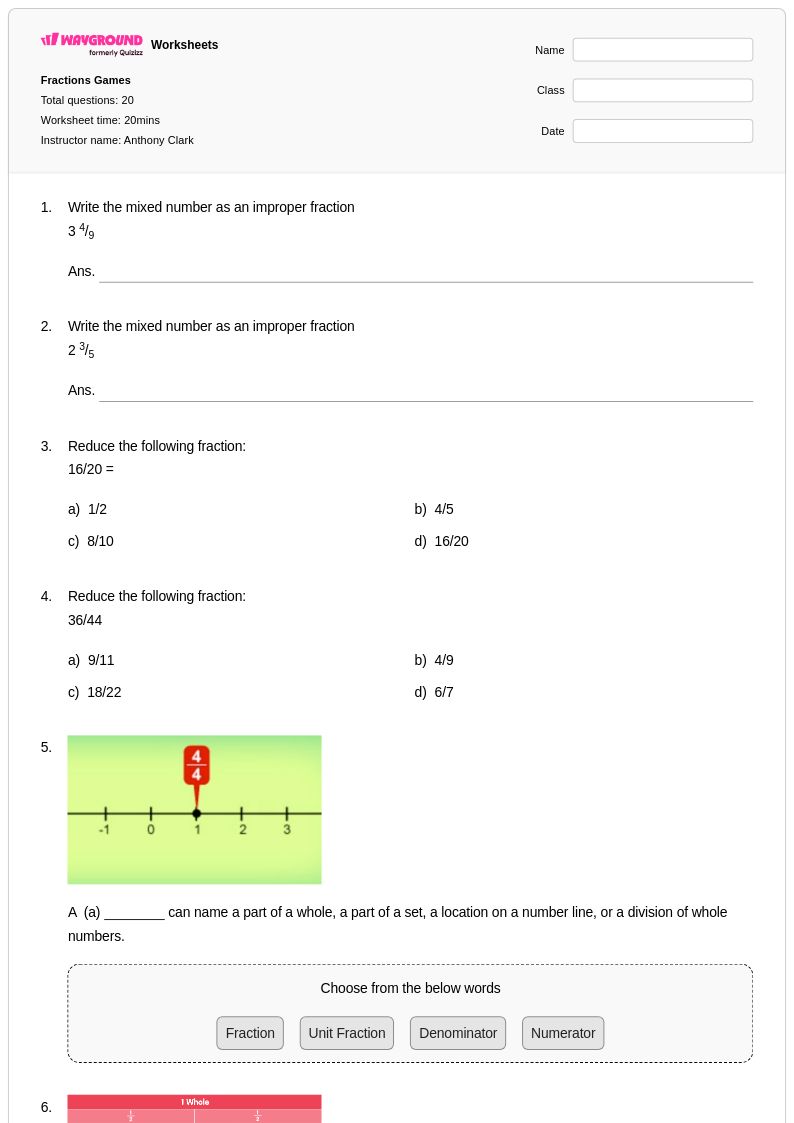
20 Q
4th - Uni
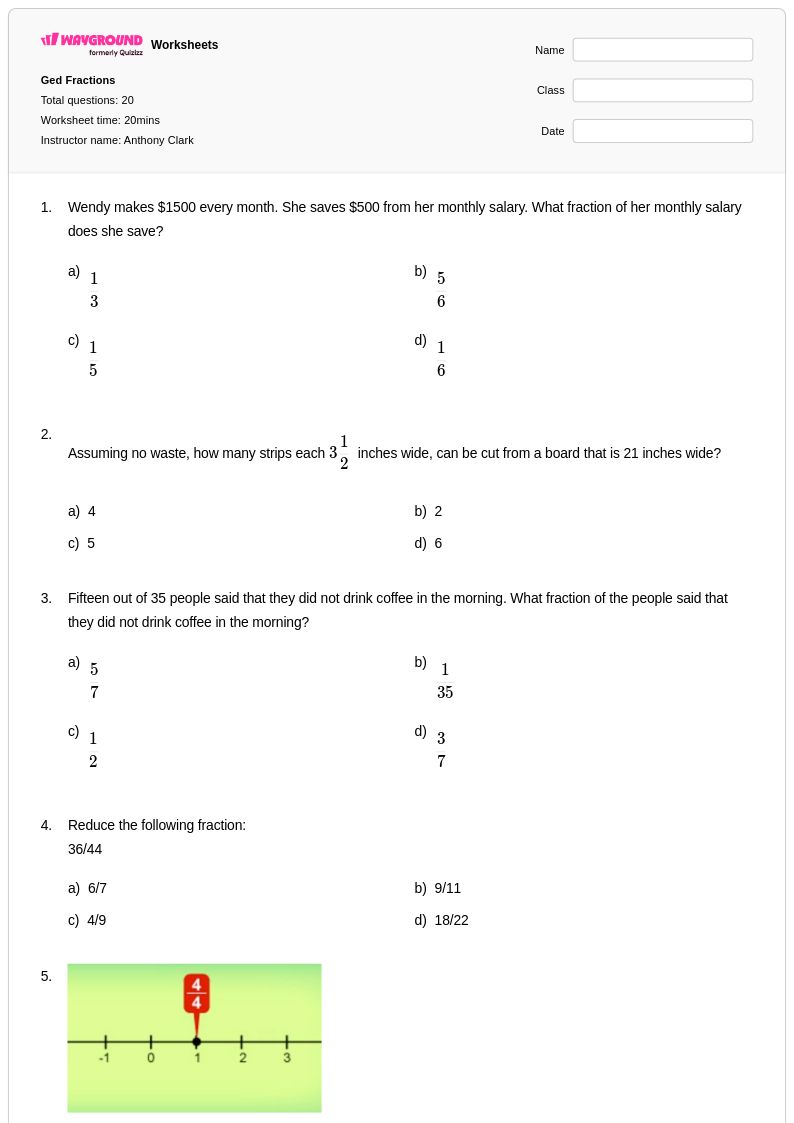
20 Q
4th - Uni
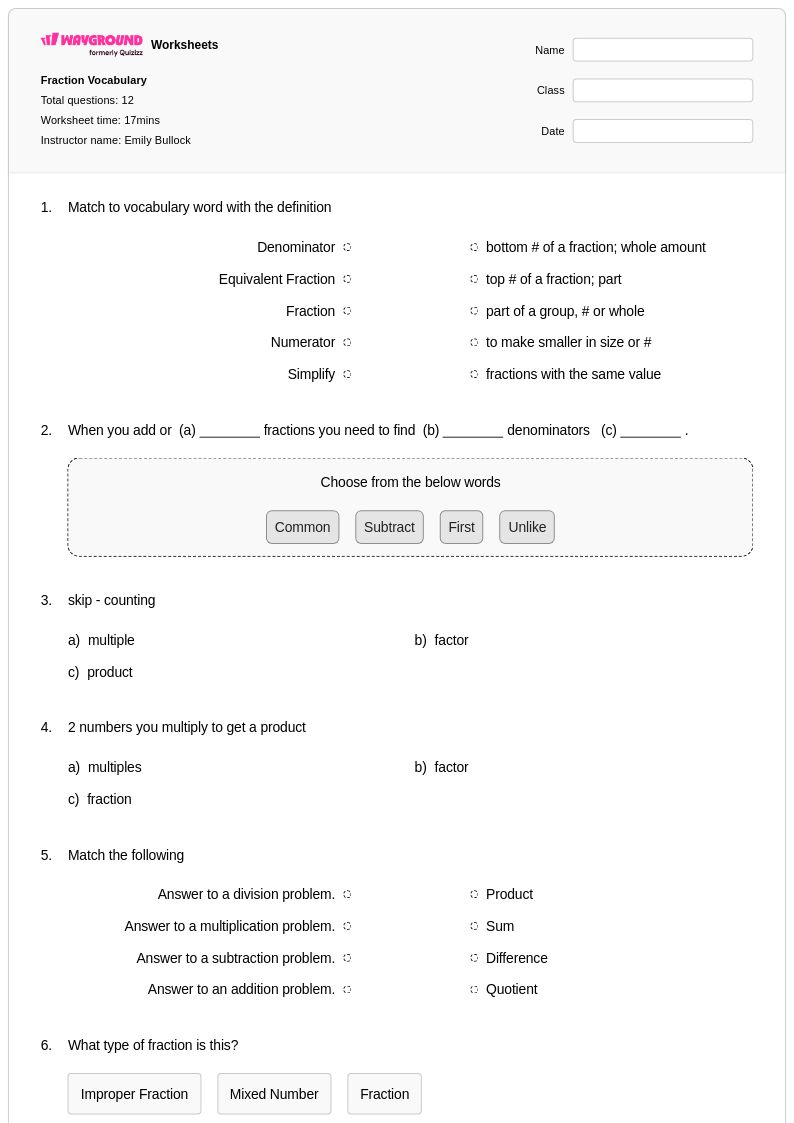
12 Q
6th
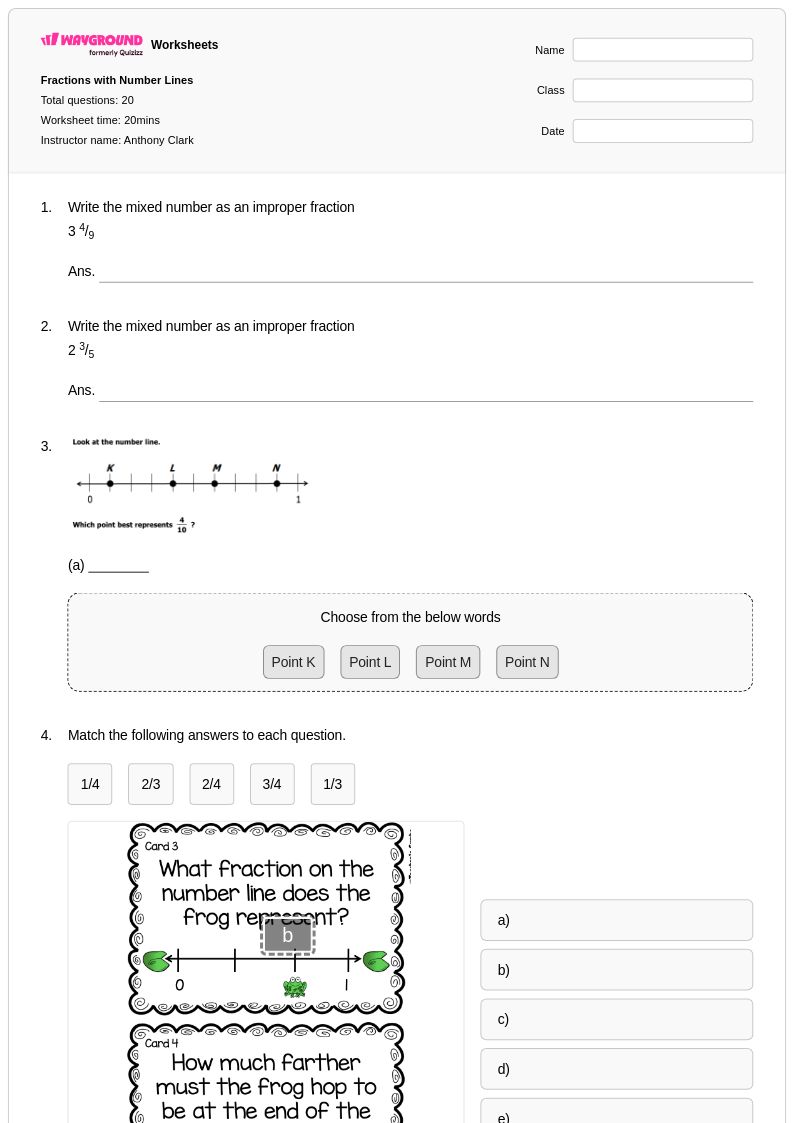
20 Q
4th - Uni
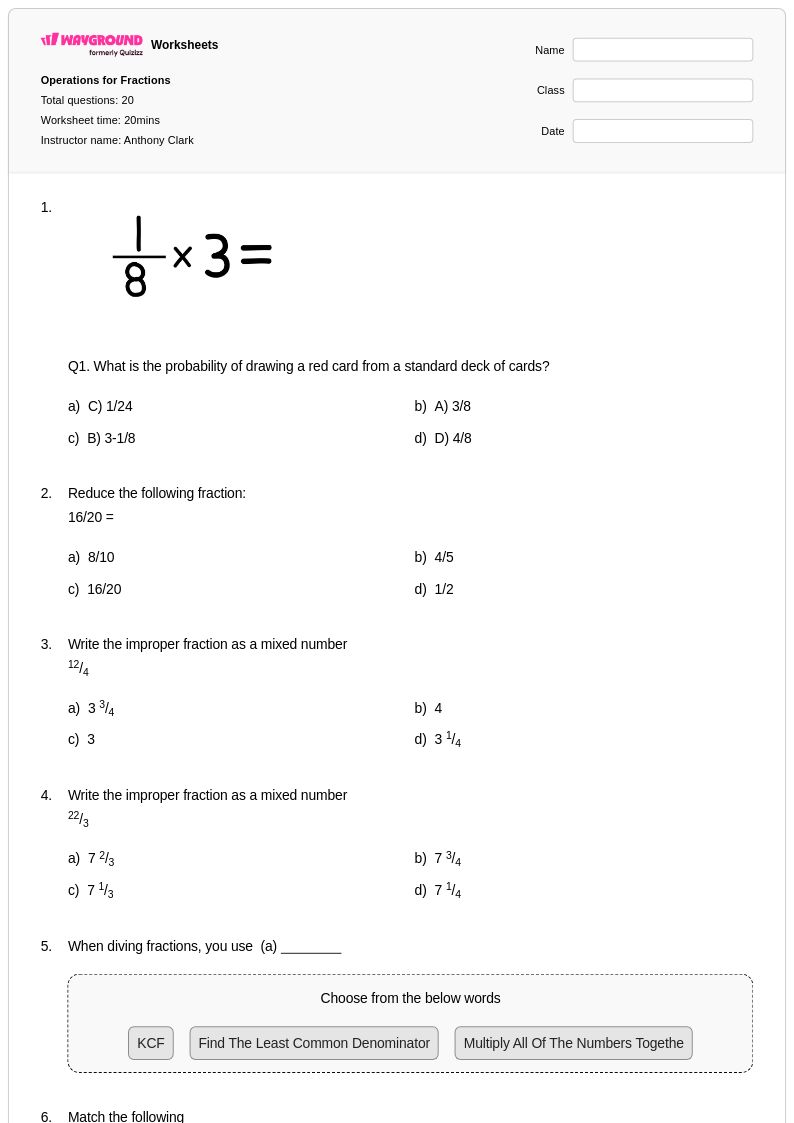
20 Q
6th - Uni
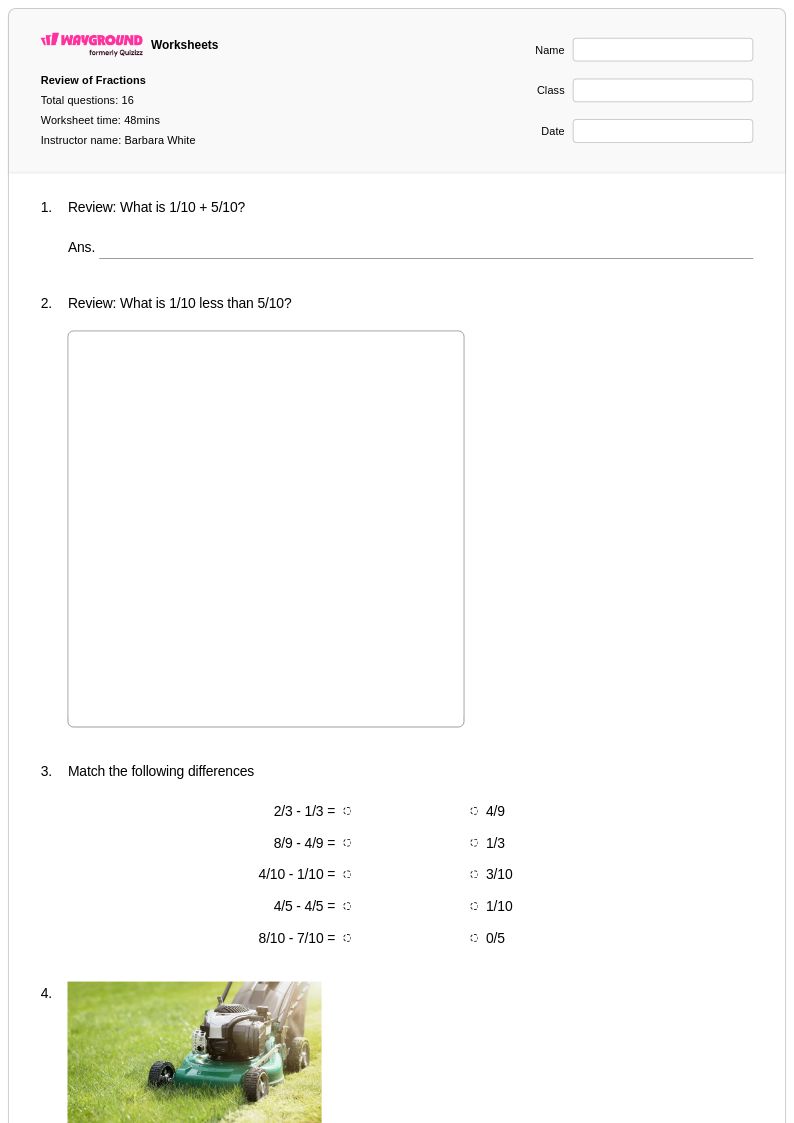
16 Q
5th
Explore Fractions and Fair Shares Worksheets by Grades
Explore Other Subject Worksheets for kindergarten
Explore printable Fractions and Fair Shares worksheets for Kindergarten
Fractions and fair shares worksheets for kindergarten students provide an essential foundation for early mathematical reasoning through hands-on visual learning experiences. These carefully designed practice problems introduce young learners to the fundamental concept that objects and groups can be divided equally, using familiar items like cookies, pizza slices, and toys to make abstract mathematical ideas concrete and accessible. Each worksheet focuses on developing critical thinking skills as students explore how to share items fairly among different numbers of people, building intuitive understanding of equal parts that will support more advanced fraction work in later grades. The collection includes comprehensive materials with detailed answer keys, free printable pdf options, and engaging activities that make mathematical concepts approachable for developing minds.
Wayground, formerly Quizizz, empowers educators with millions of teacher-created resources specifically designed to support kindergarten mathematics instruction in fractions and fair shares concepts. The platform's robust search and filtering capabilities allow teachers to quickly locate worksheets that align with specific learning objectives and state standards, while differentiation tools enable customization for diverse learning needs and abilities. These versatile materials are available in both printable pdf format for traditional classroom use and digital formats for interactive learning experiences, providing flexibility for various teaching environments and student preferences. Teachers can seamlessly integrate these resources into lesson planning, use them for targeted remediation with struggling learners, provide enrichment opportunities for advanced students, or assign them as independent skill practice to reinforce classroom instruction.
FAQs
How do I teach fair shares to kindergarteners?
What kinds of activities are on these kindergarten worksheets?
What shows that my kindergarteners understand fair shares?
How can I use these worksheets with my kindergarten class?
How does this topic fit into the kindergarten math curriculum?
Are these worksheets suitable for pre-K or first grade?