
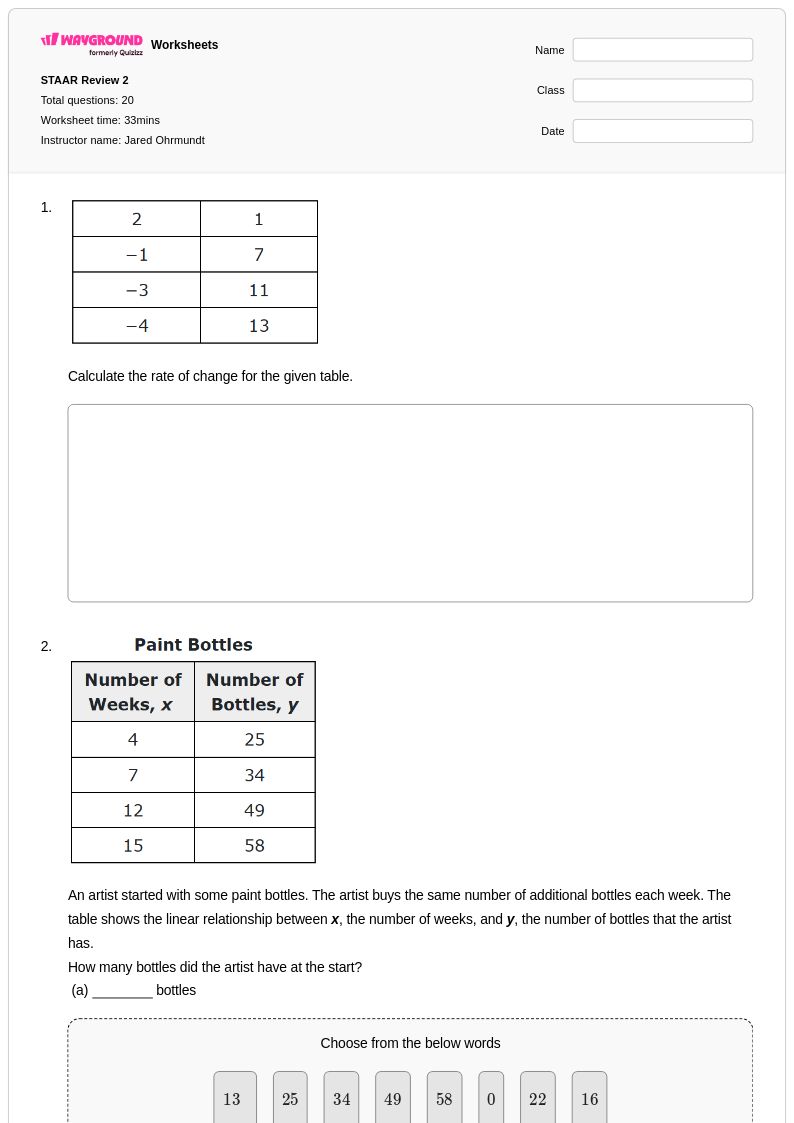
20 Q
8th
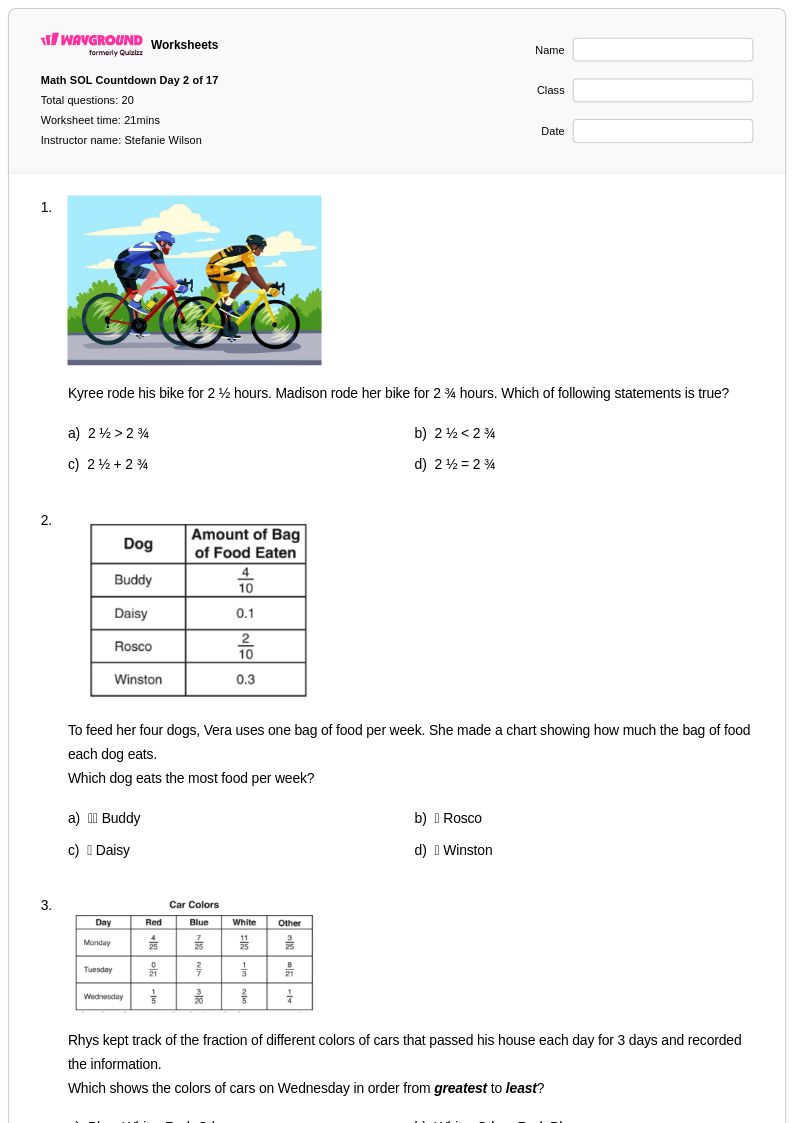
20 Q
5th

13 Q
5th
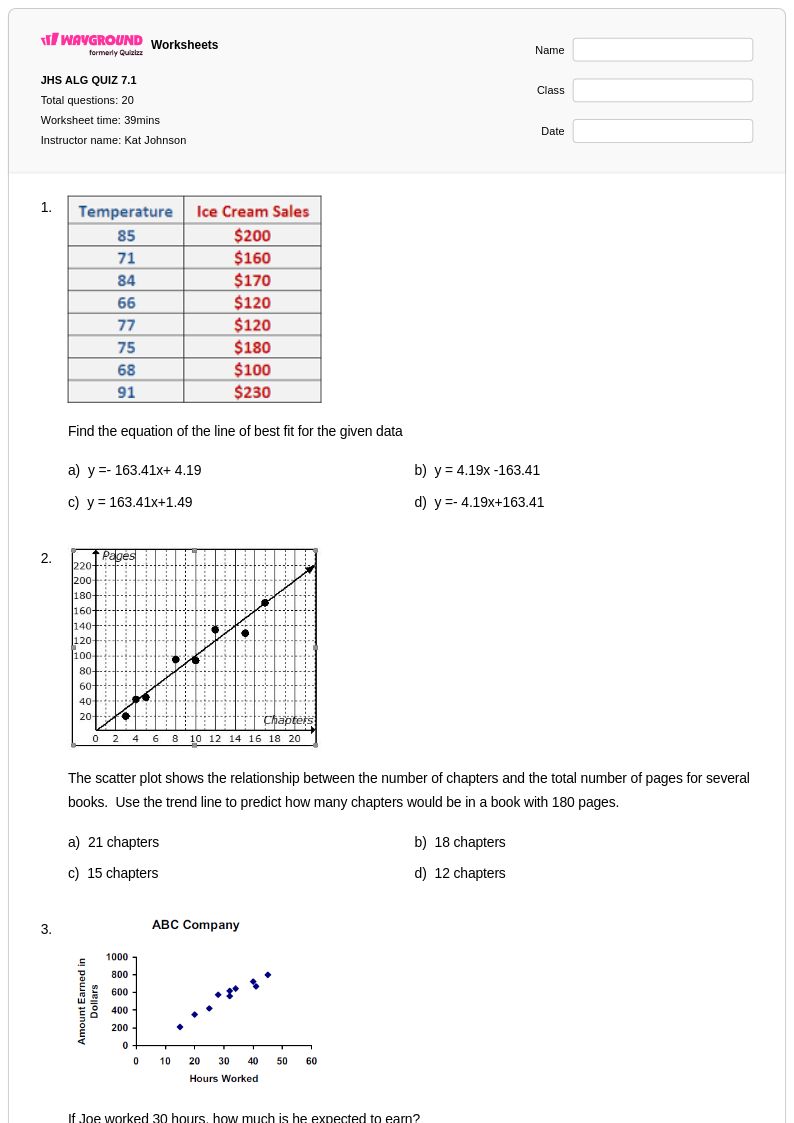
20 Q
9th - 12th
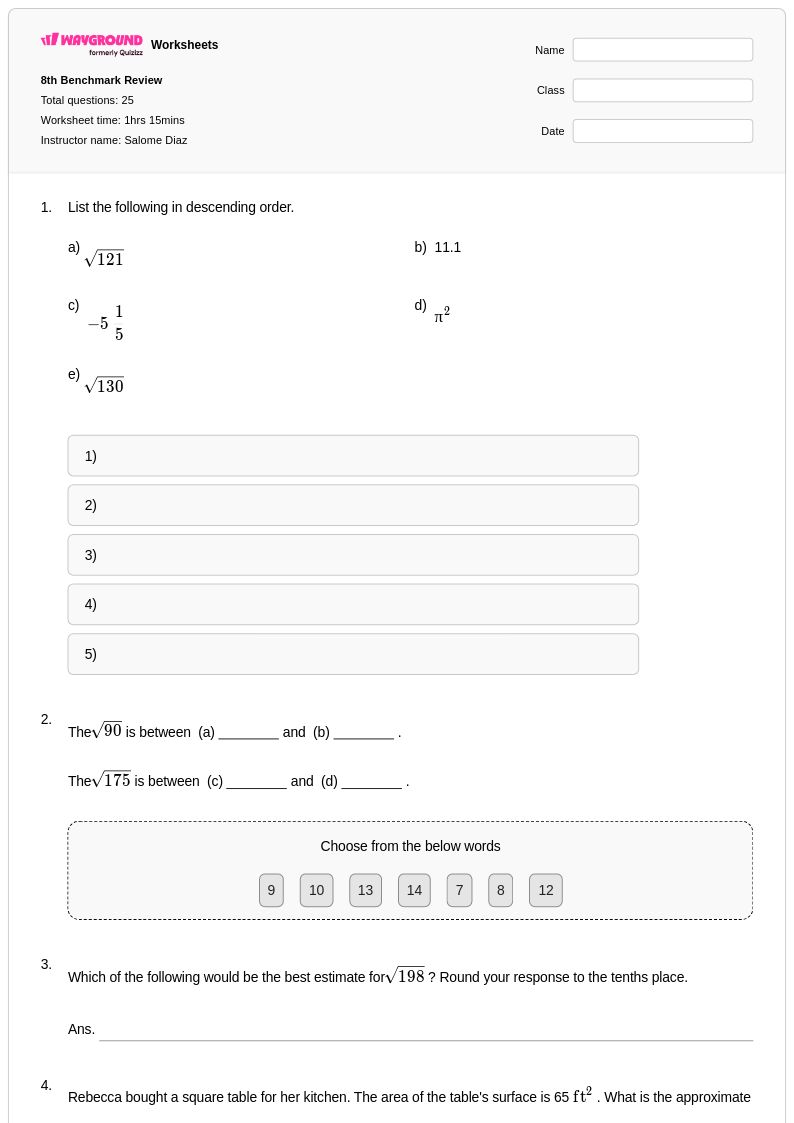
25 Q
8th
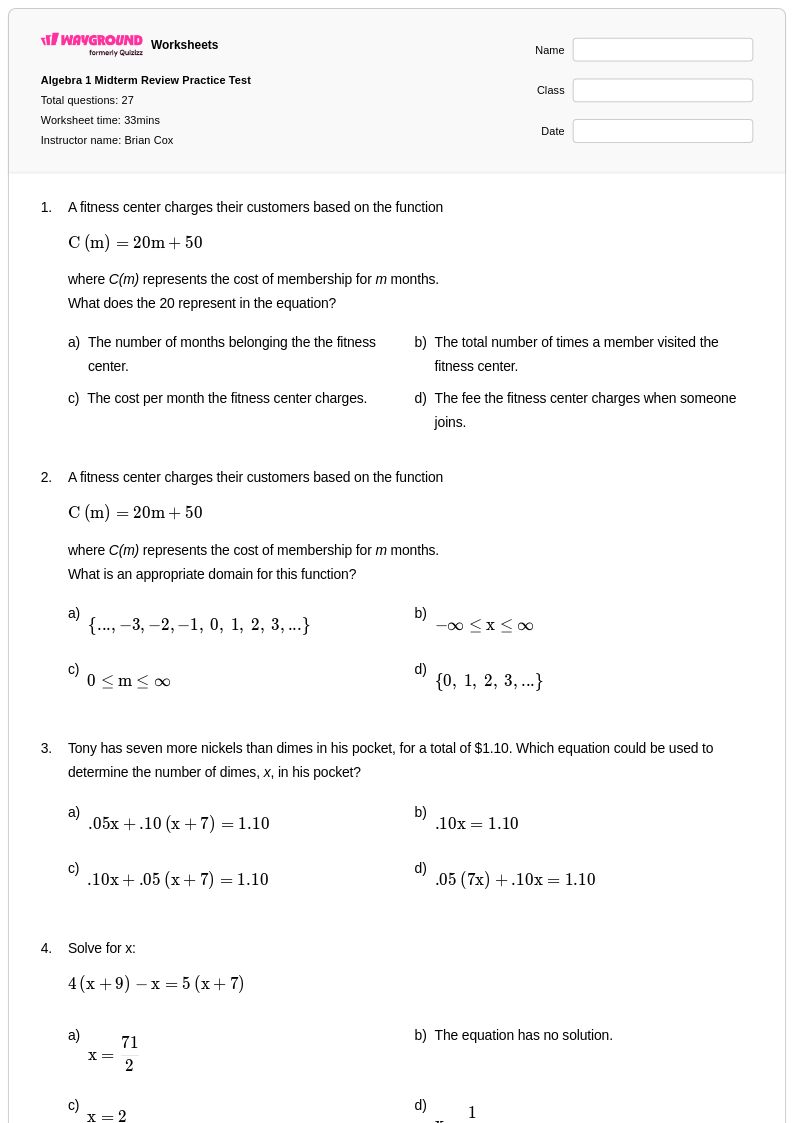
27 Q
8th
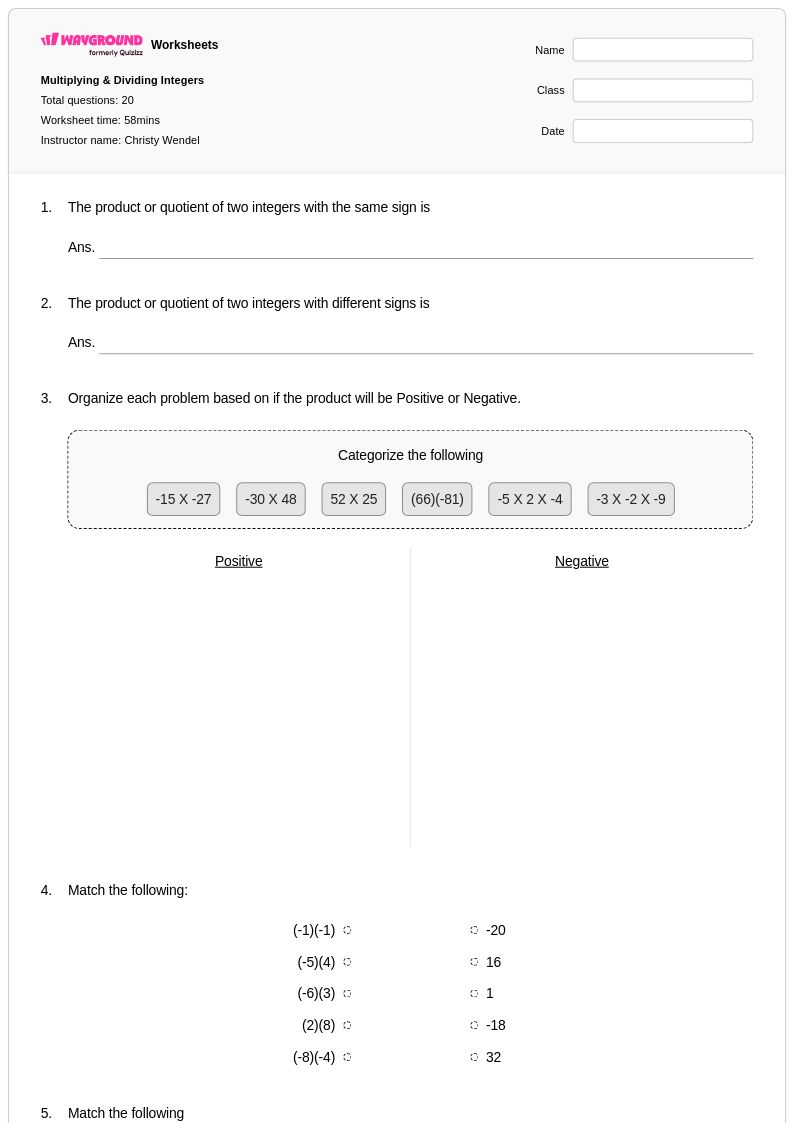
20 Q
7th
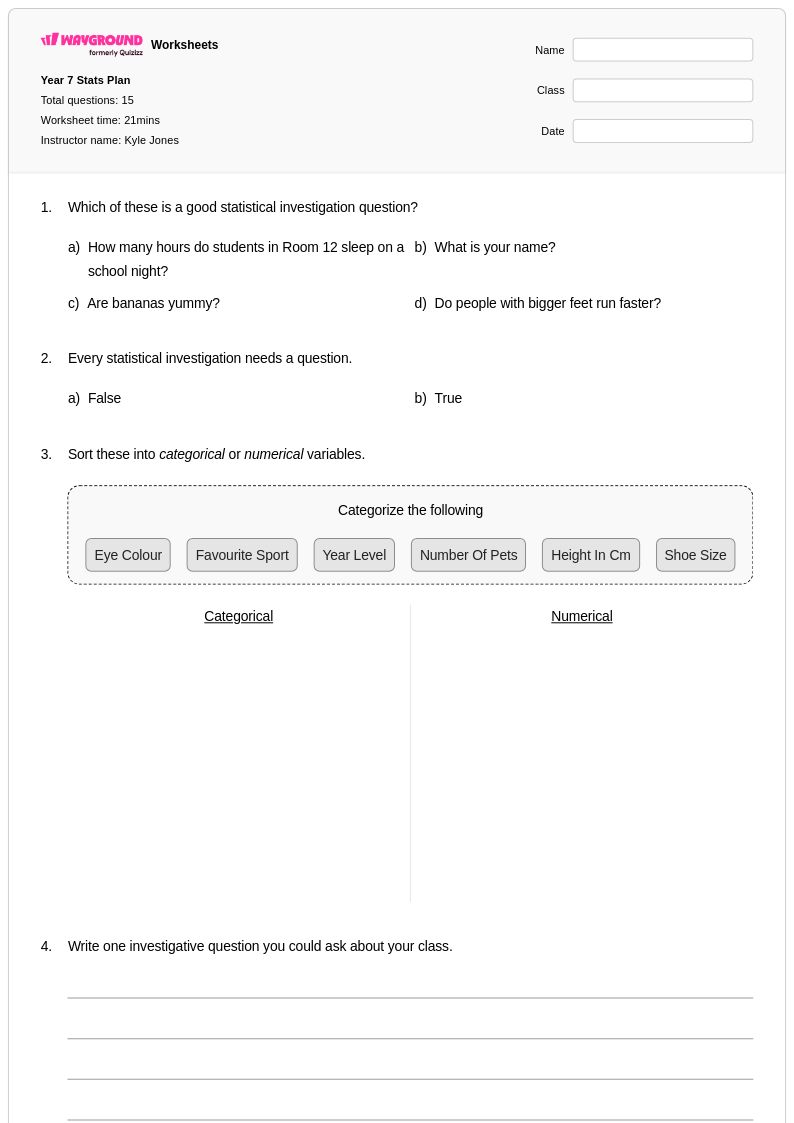
15 Q
6th
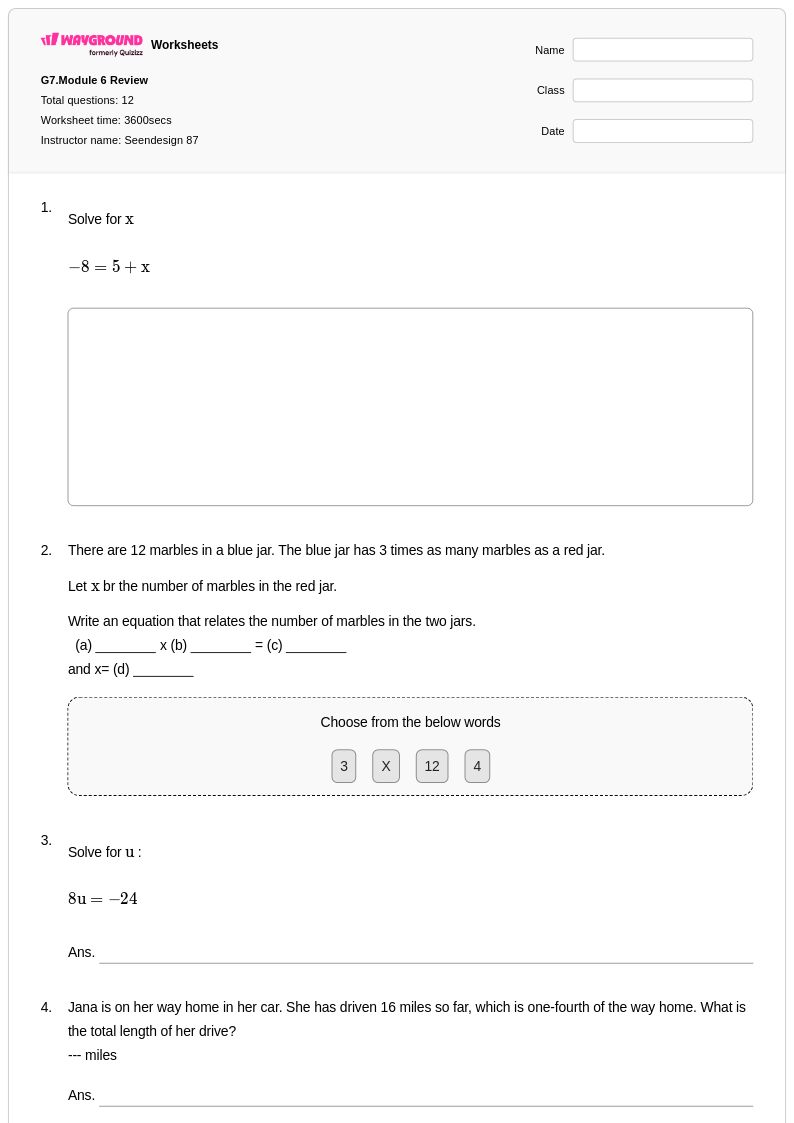
12 Q
7th
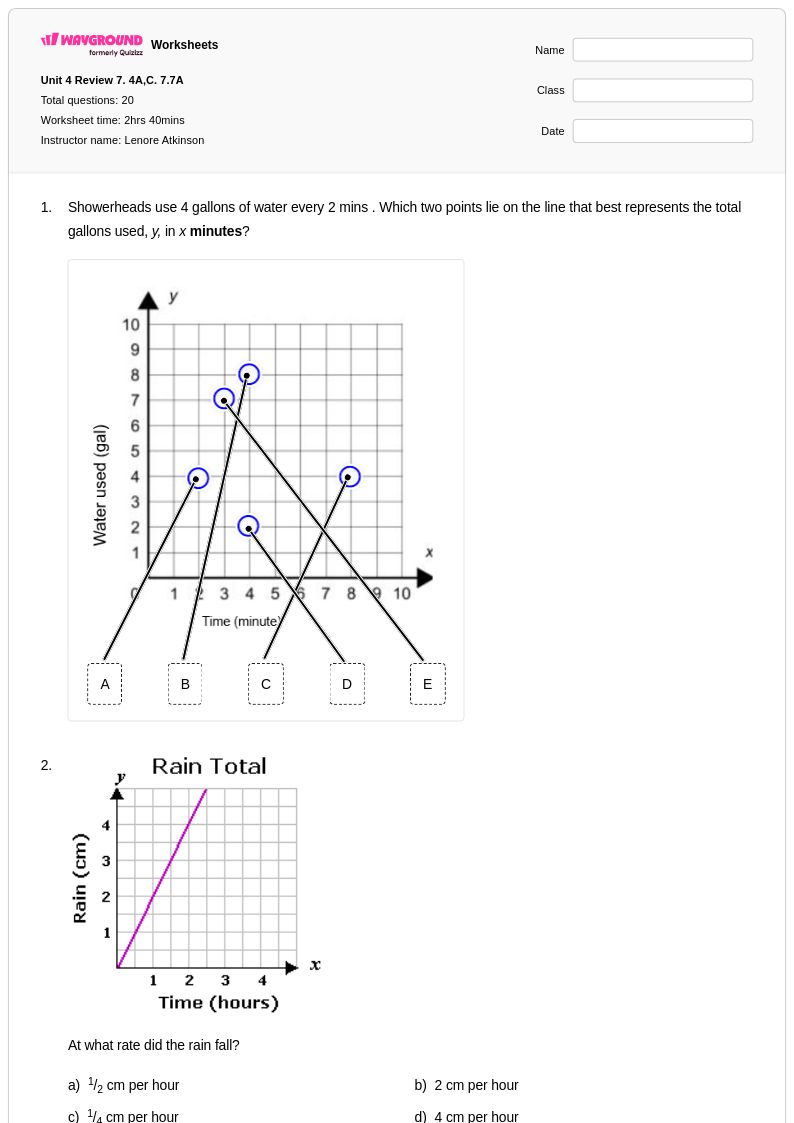
20 Q
7th
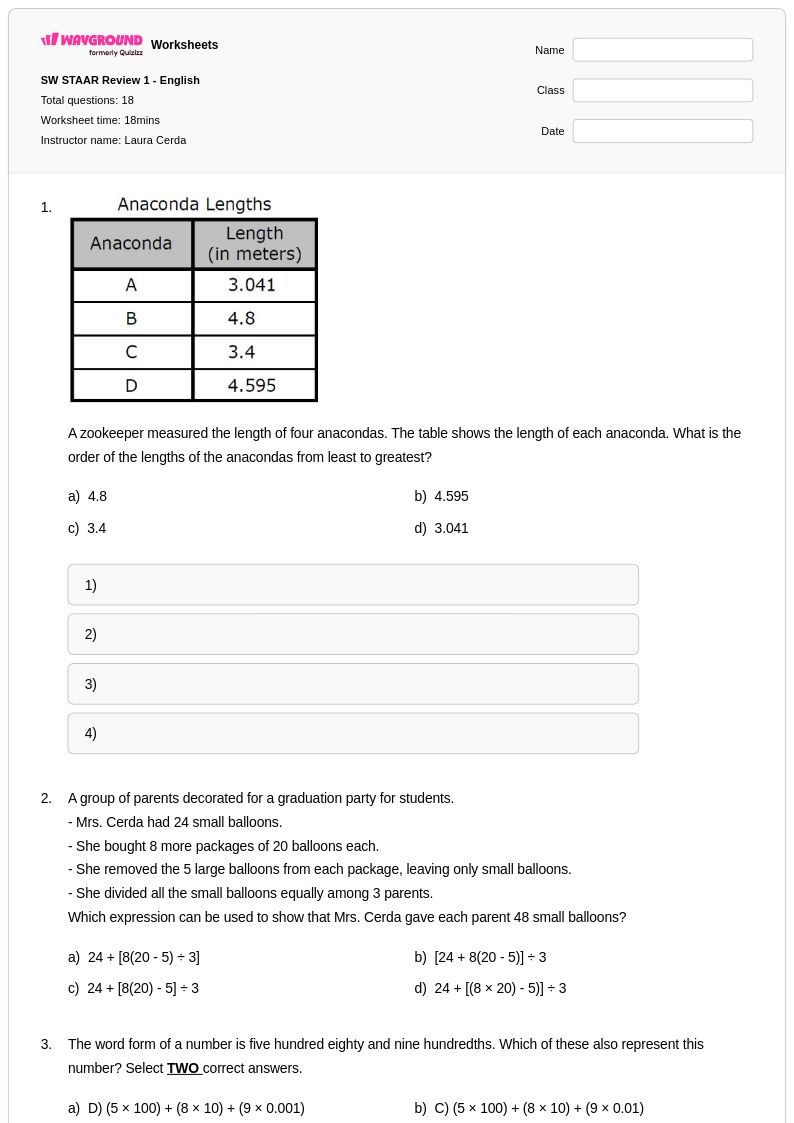
18 Q
5th
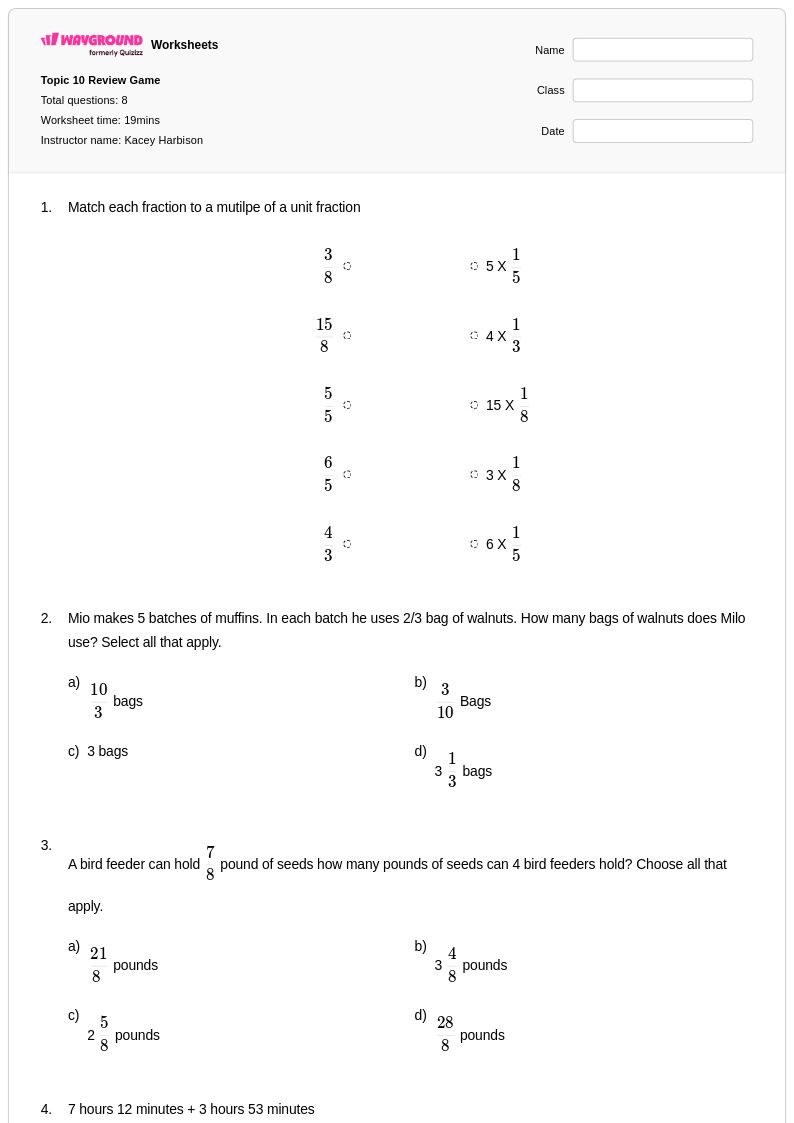
8 Q
4th
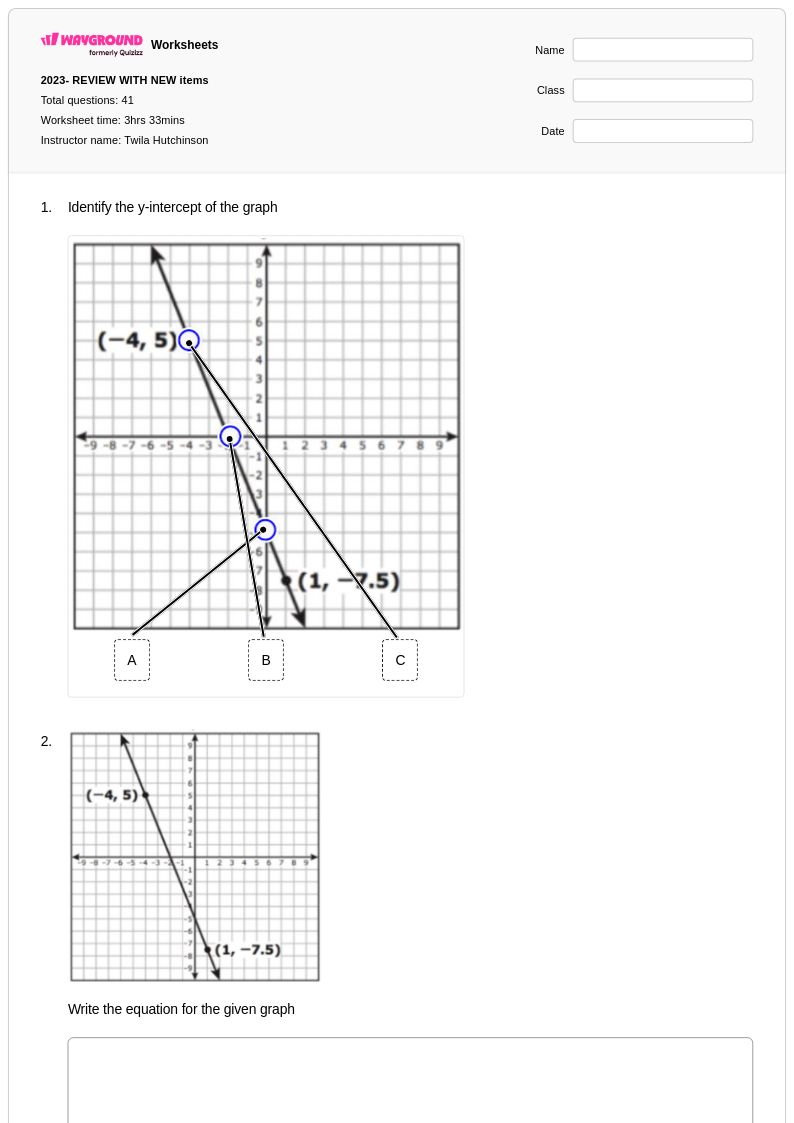
41 Q
8th
20 Q
7th
20 Q
6th - Uni
15 Q
6th
11 Q
7th
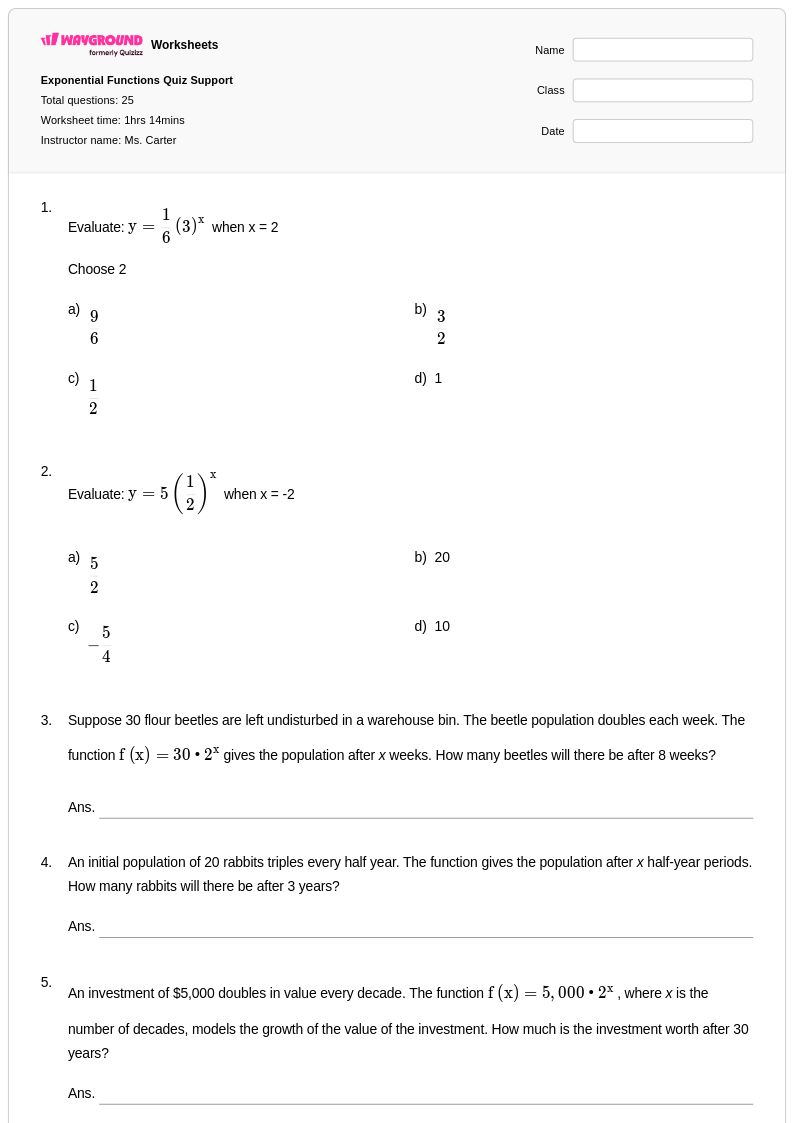
25 Q
9th
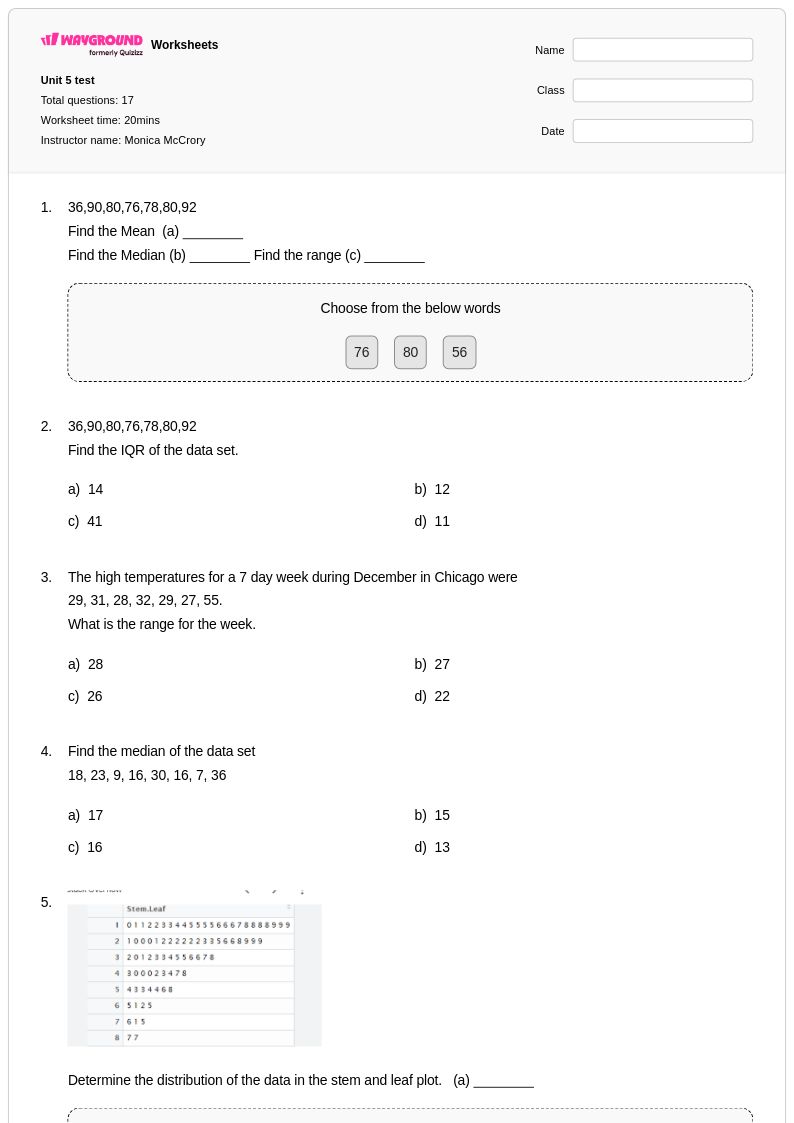
17 Q
7th
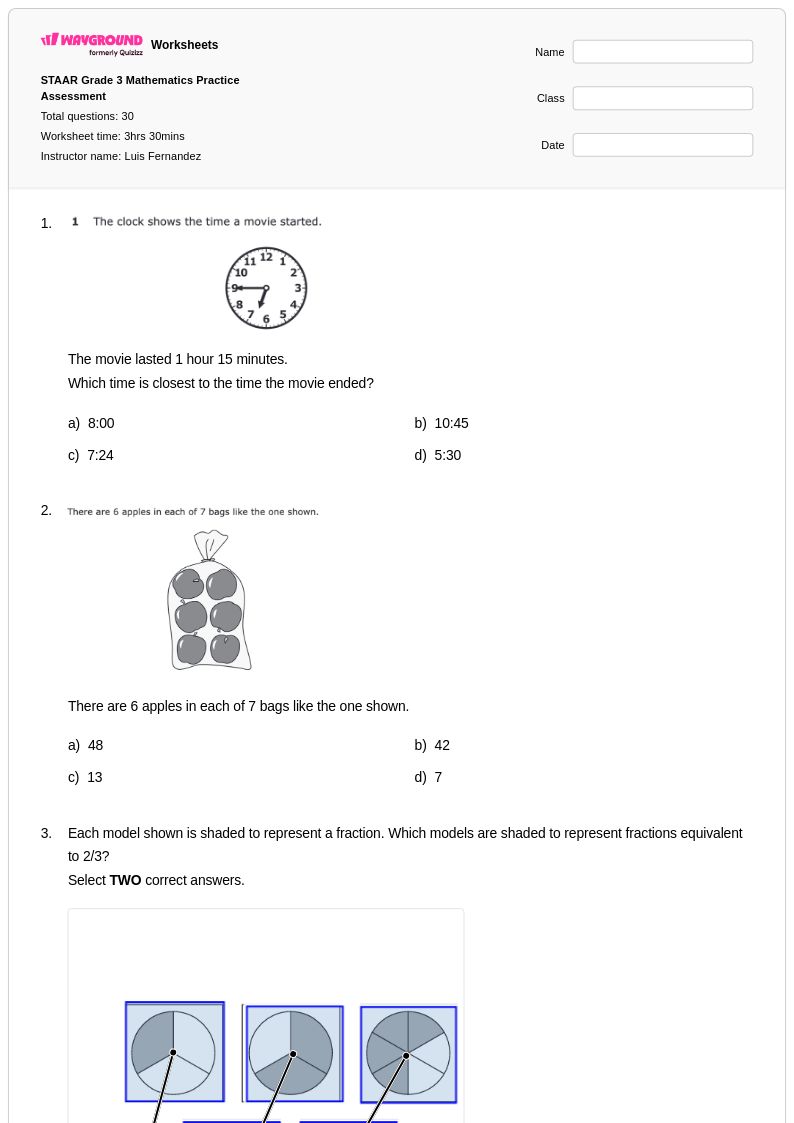
30 Q
3rd
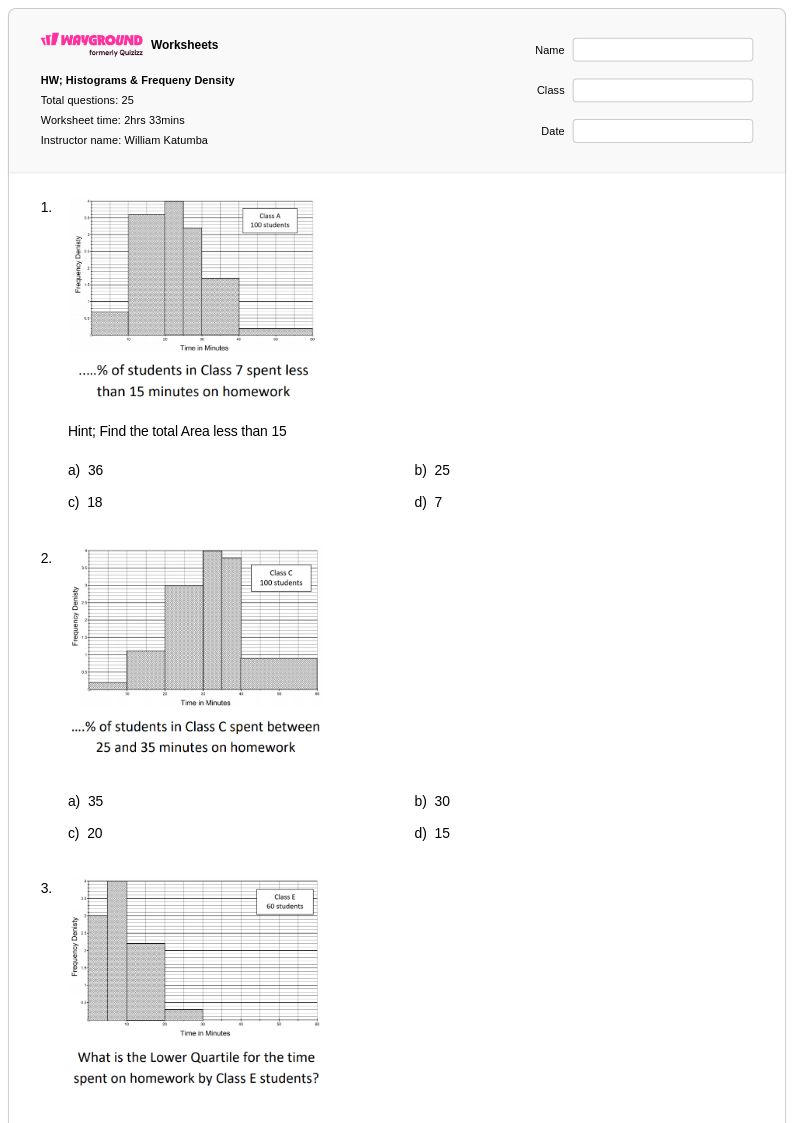
25 Q
8th
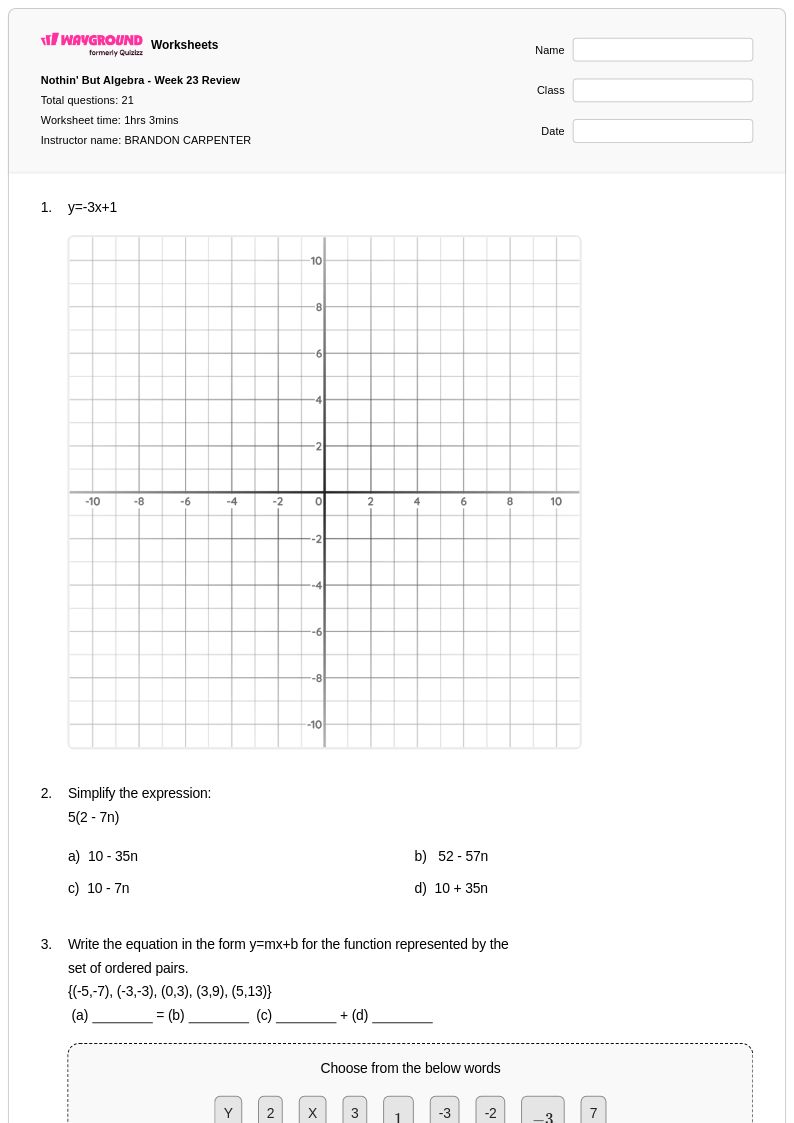
21 Q
8th
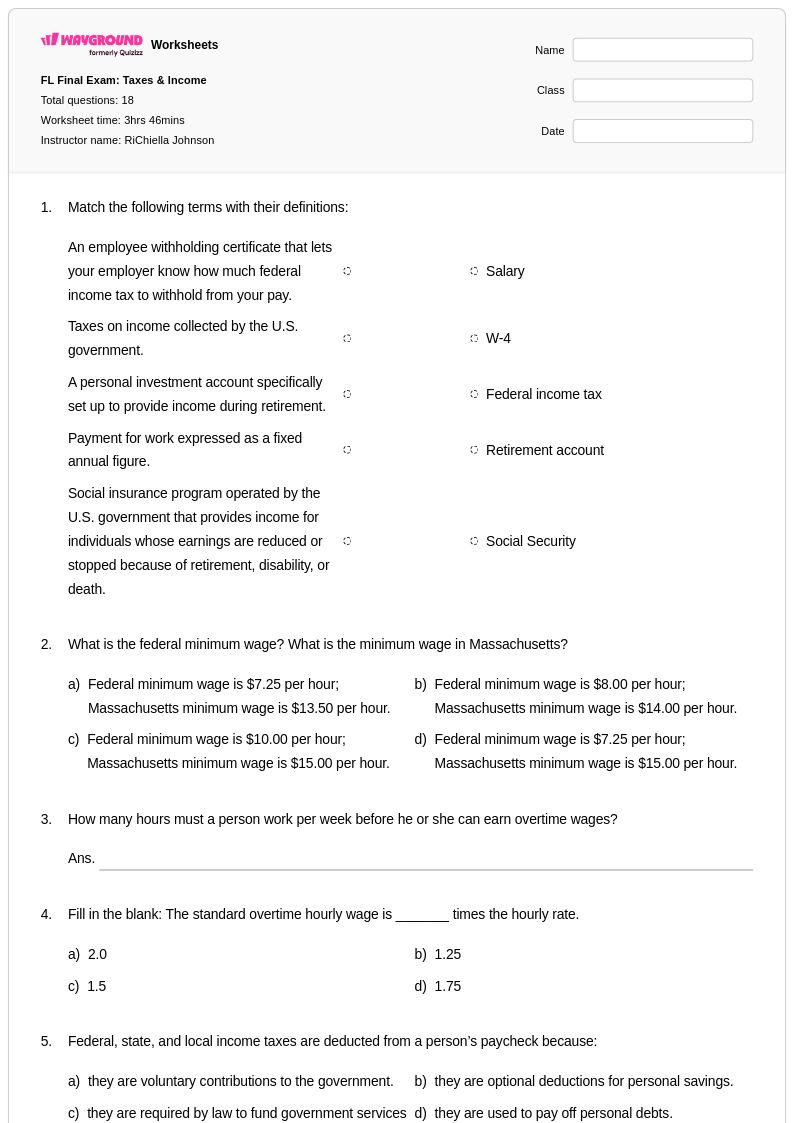
18 Q
12th - Uni
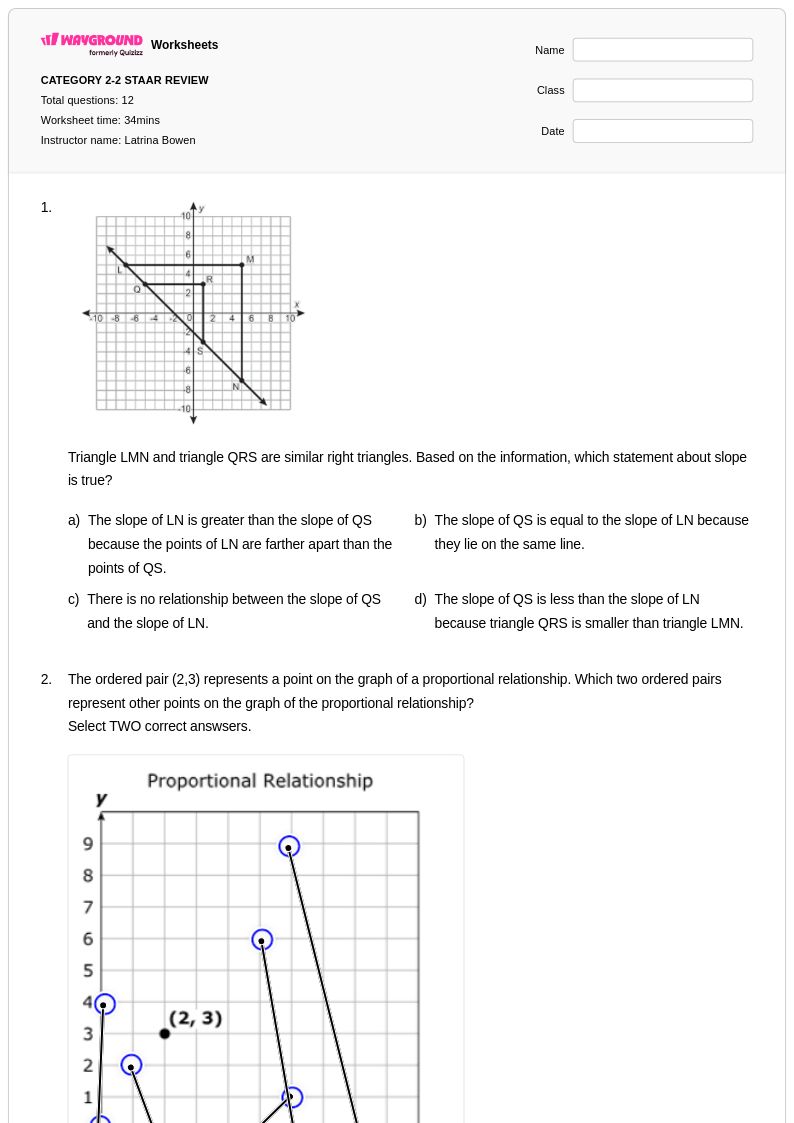
12 Q
8th
Explore Worksheets by Subjects
Explore printable Hours in a Week worksheets
Hours in a week worksheets available through Wayground (formerly Quizizz) provide students with essential practice in understanding time measurement and calendar mathematics. These comprehensive resources help learners master the fundamental concept that there are 168 hours in a standard week, while developing skills in multiplication, division, and practical time management applications. Students work through engaging practice problems that connect abstract mathematical concepts to real-world scenarios, such as calculating work schedules, planning study time, or determining sleep patterns over weekly periods. Each worksheet collection includes detailed answer keys and is available as free printables in convenient pdf format, making it easy for educators to integrate these materials into their mathematics curriculum while reinforcing critical thinking about time measurement and calculation.
Wayground (formerly Quizizz) empowers teachers with millions of educator-created resources focused on time concepts, including extensive collections of hours in a week worksheets that support diverse classroom needs. The platform's robust search and filtering capabilities allow instructors to quickly locate materials that align with curriculum standards and match their specific teaching objectives for time measurement units. Teachers can easily customize these printable and digital pdf resources to accommodate different learning levels, making them ideal for differentiation, remediation, and enrichment activities. Whether planning structured lessons, providing additional skill practice, or creating assessment materials, educators benefit from the platform's flexible format options that seamlessly integrate into both traditional classroom settings and digital learning environments, ensuring students receive consistent practice with this fundamental mathematical concept.
FAQs
How can I introduce the concept of hours in a week?
What types of problems help students practice calculating hours in a week?
What are common mistakes students make when calculating weekly hours?
How can I use this 'Hours in a Week' worksheet with my students?
How does calculating hours in a week fit into the math curriculum?
How can I support students who struggle with these time calculations?