
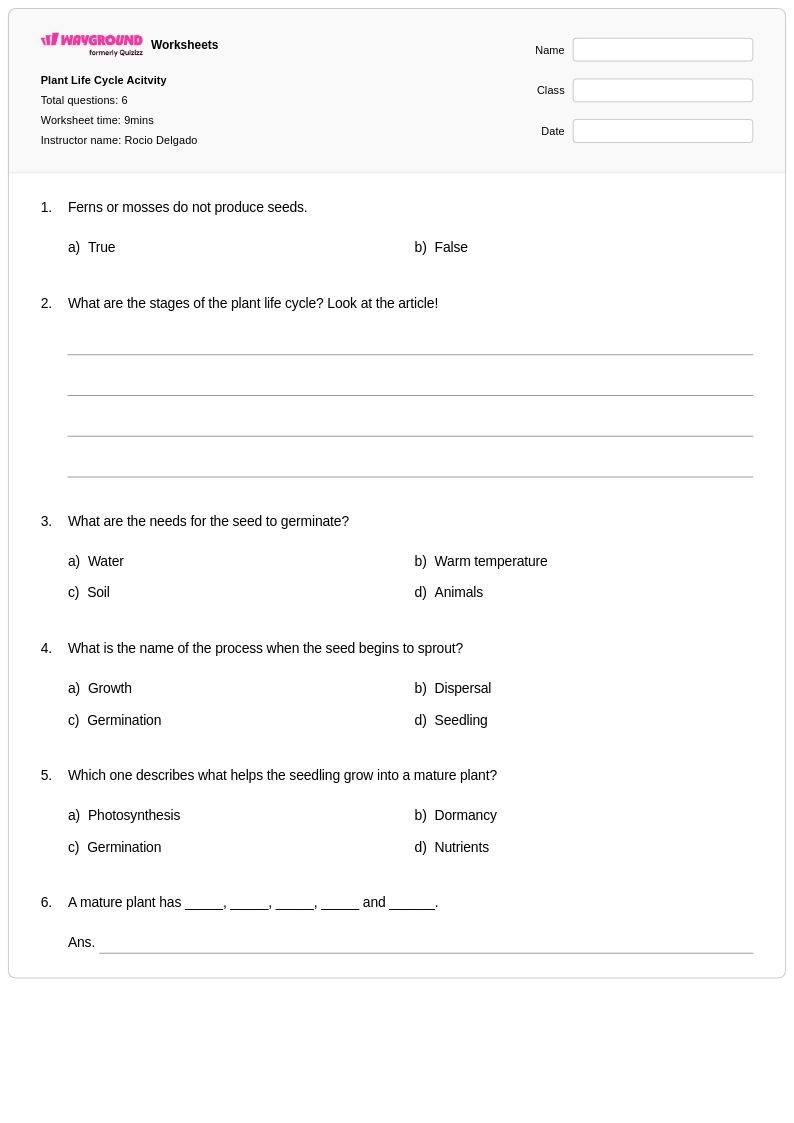
6 Q
2nd
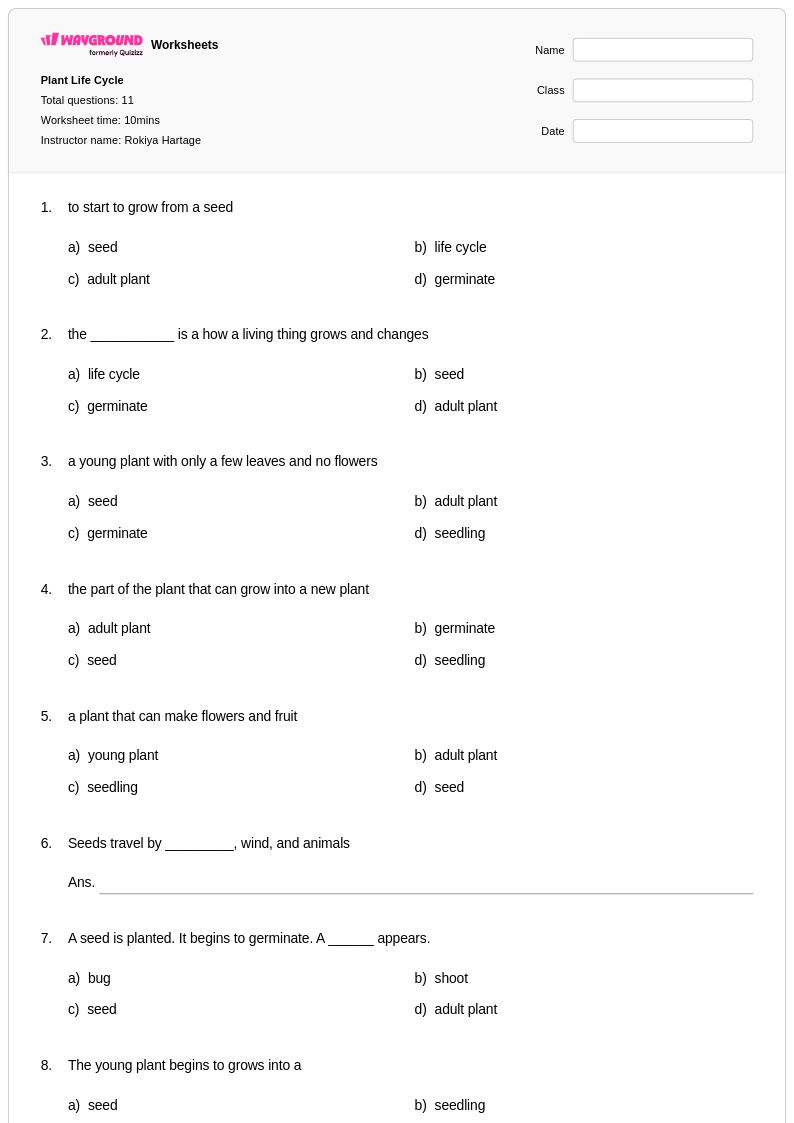
11 Q
2nd
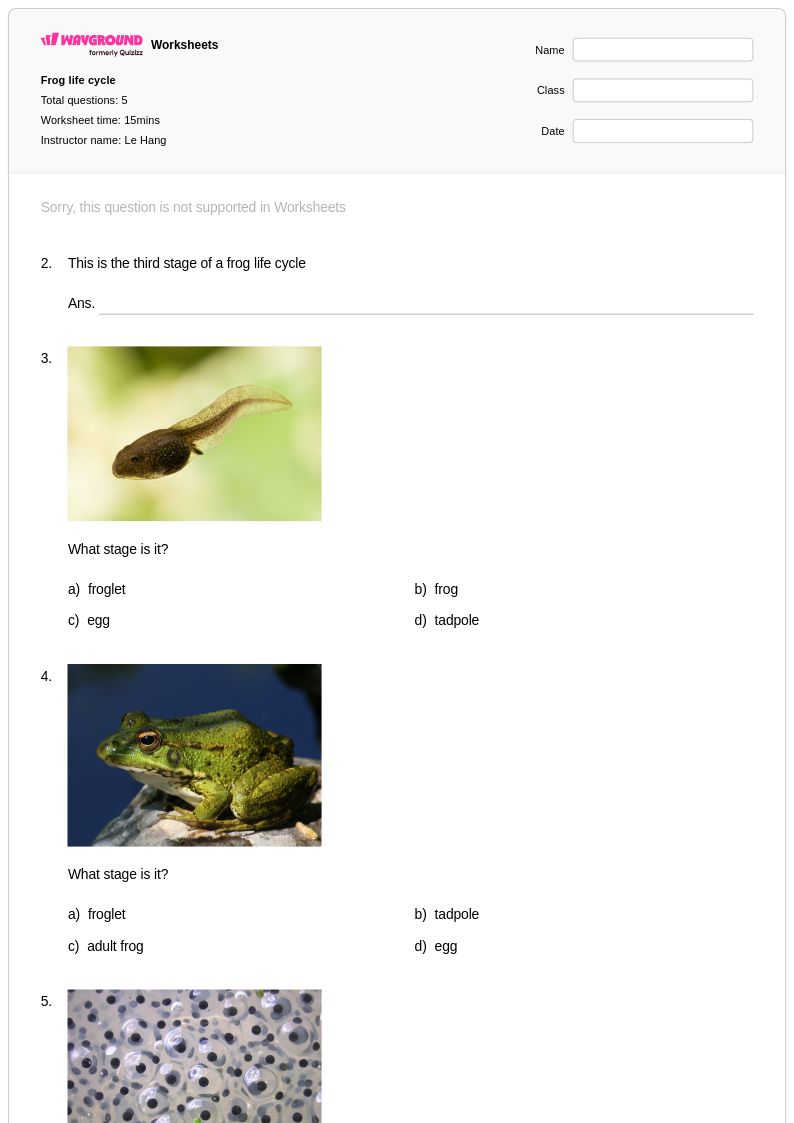
17 Q
1st - 5th
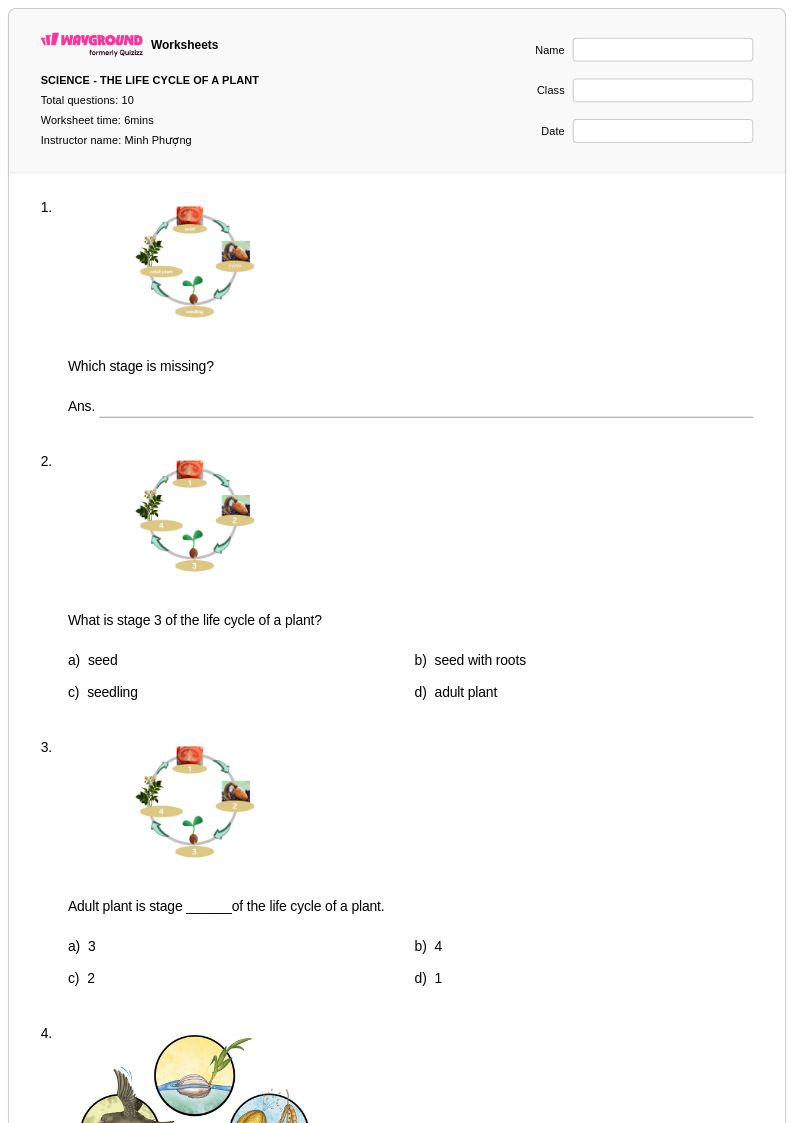
10 Q
2nd
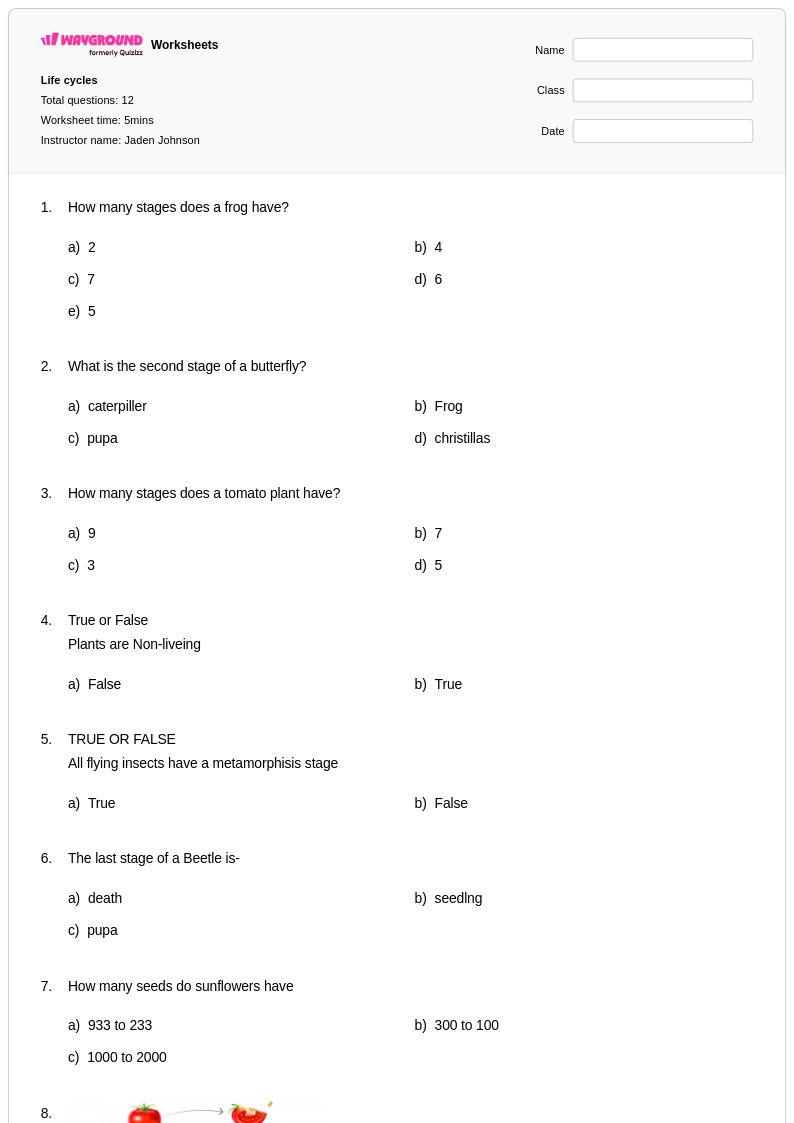
12 Q
2nd - 4th
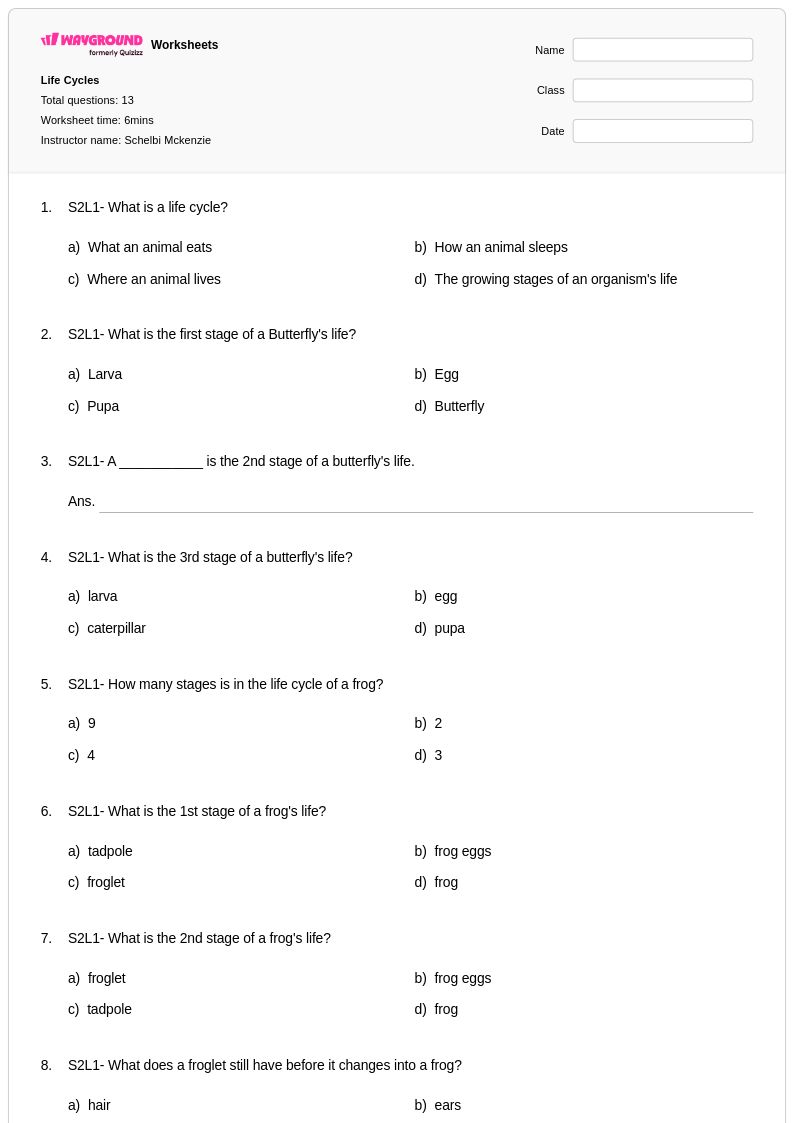
13 Q
2nd
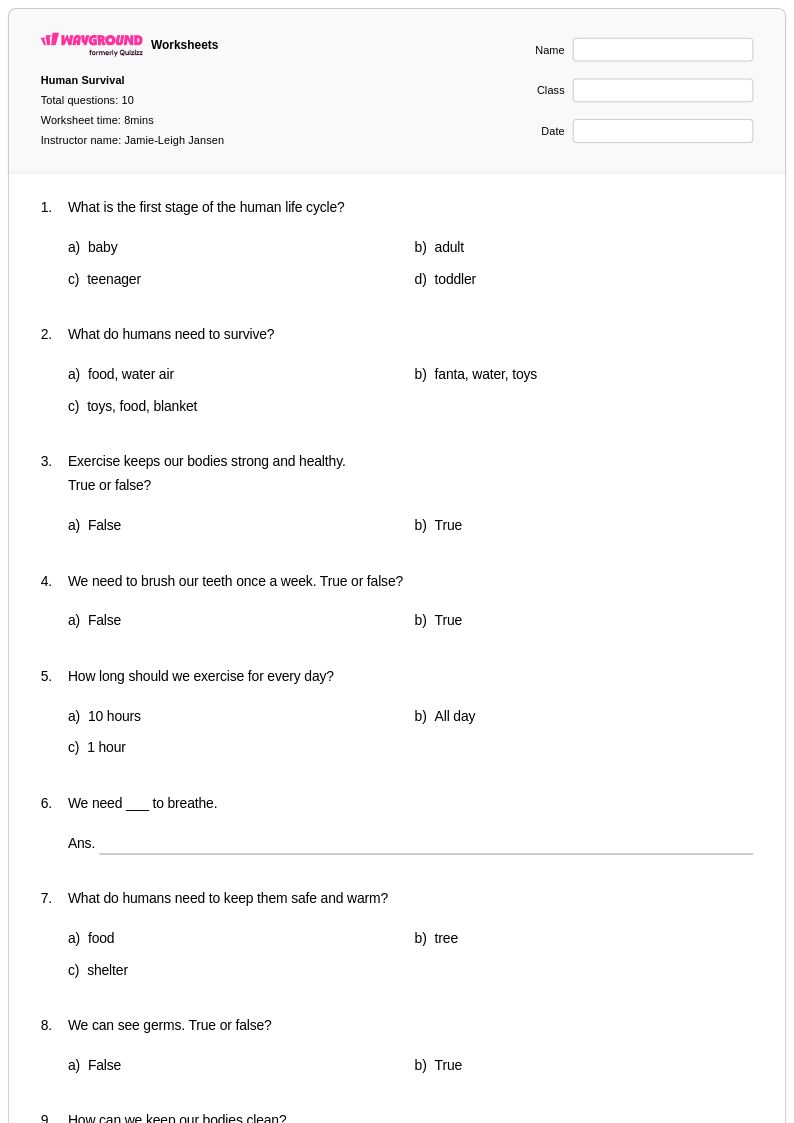
10 Q
2nd
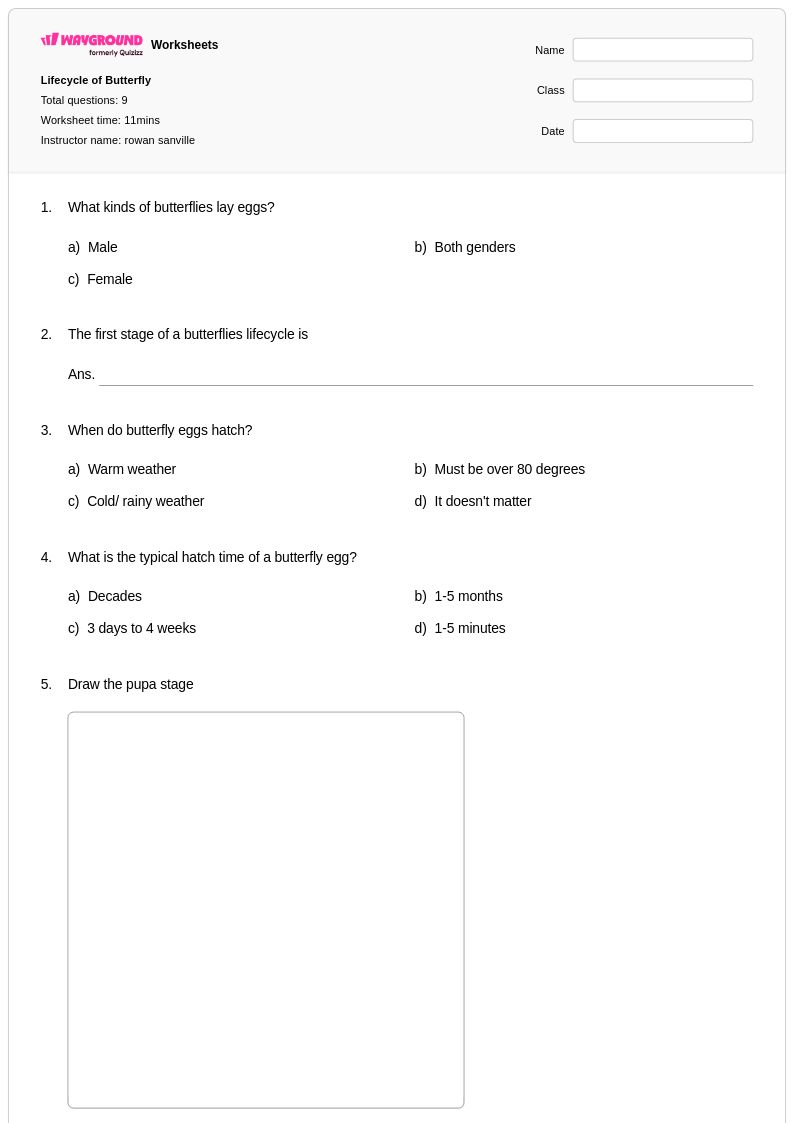
9 Q
2nd
11 Q
2nd
11 Q
2nd
21 Q
2nd
10 Q
2nd
12 Q
1st - 5th
21 Q
2nd
7 Q
2nd
10 Q
2nd
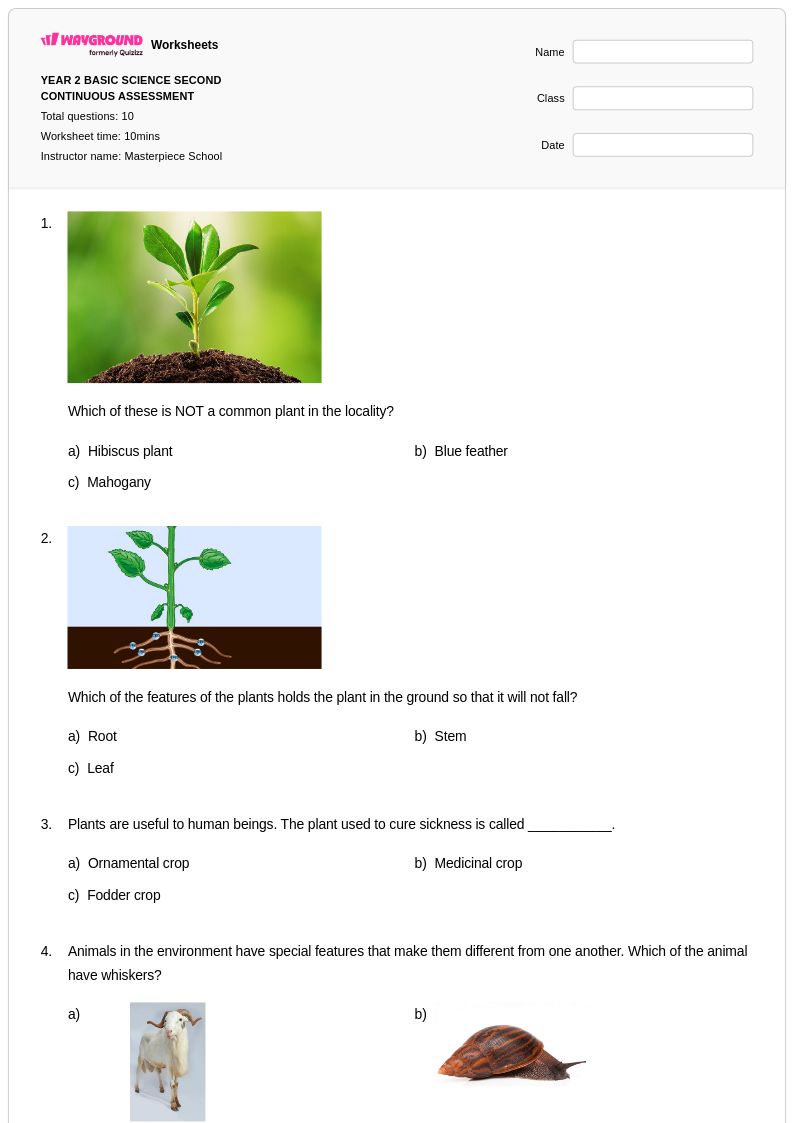
10 Q
2nd
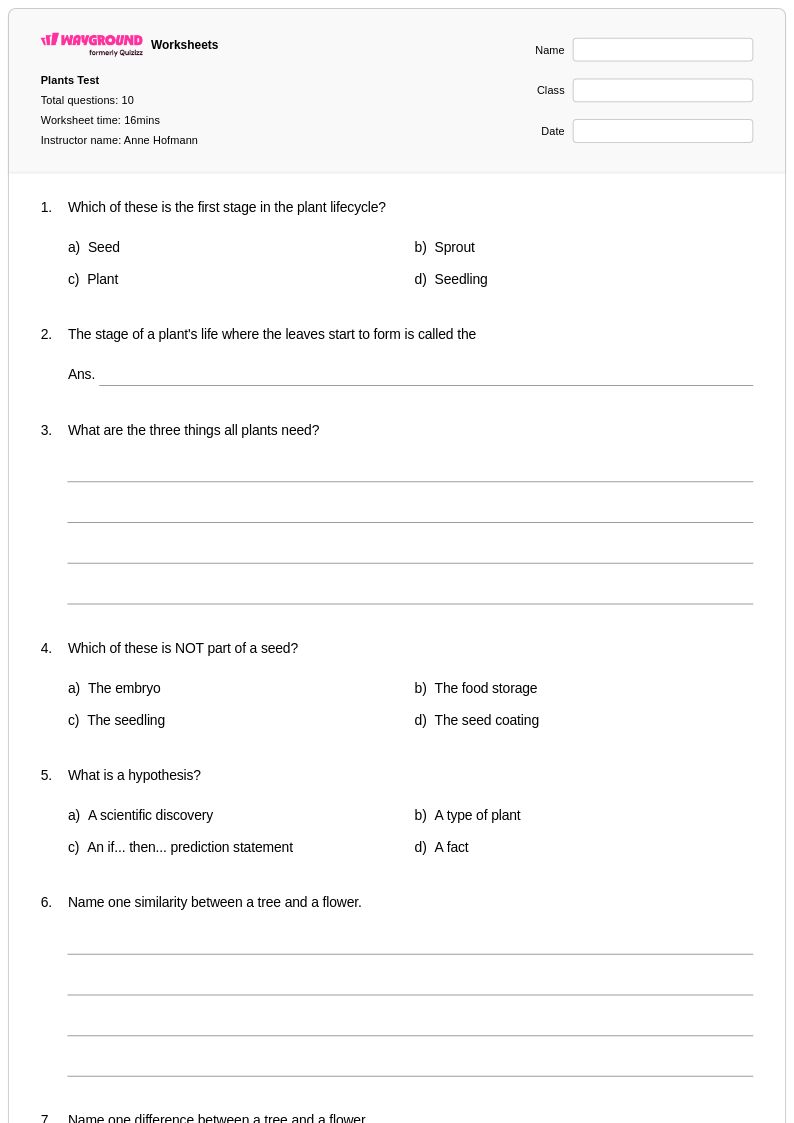
10 Q
2nd
10 Q
2nd
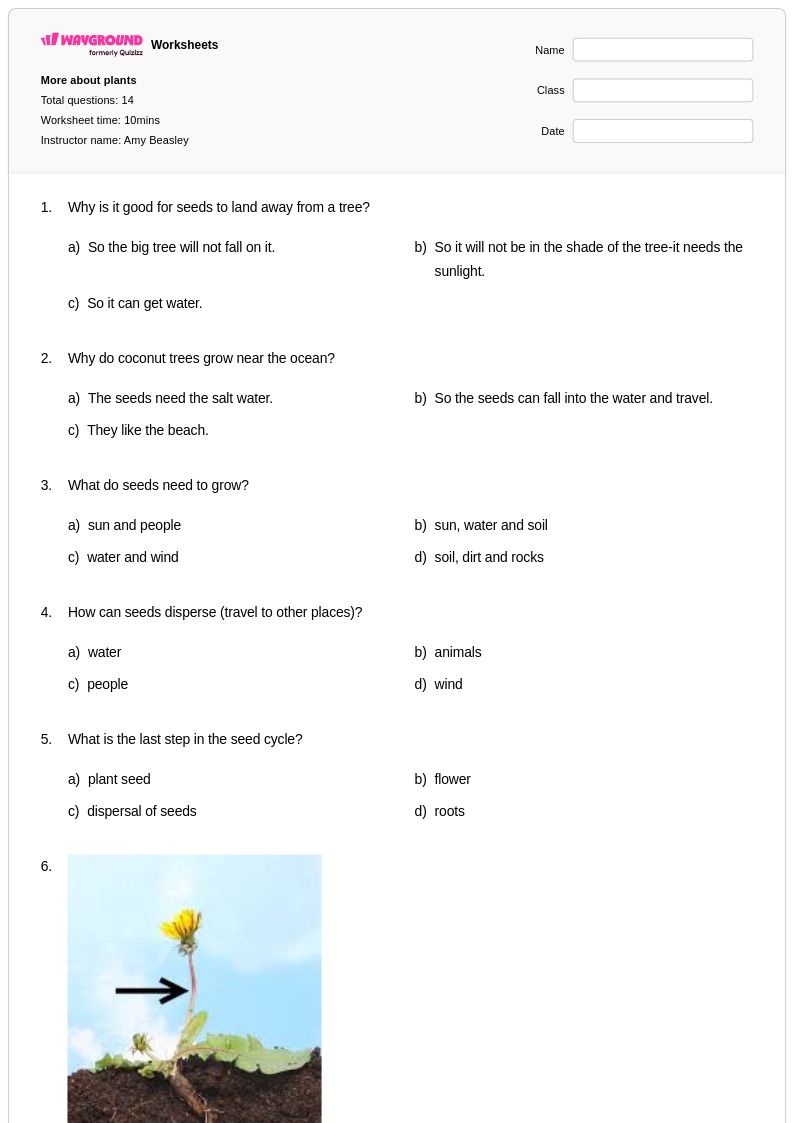
14 Q
2nd
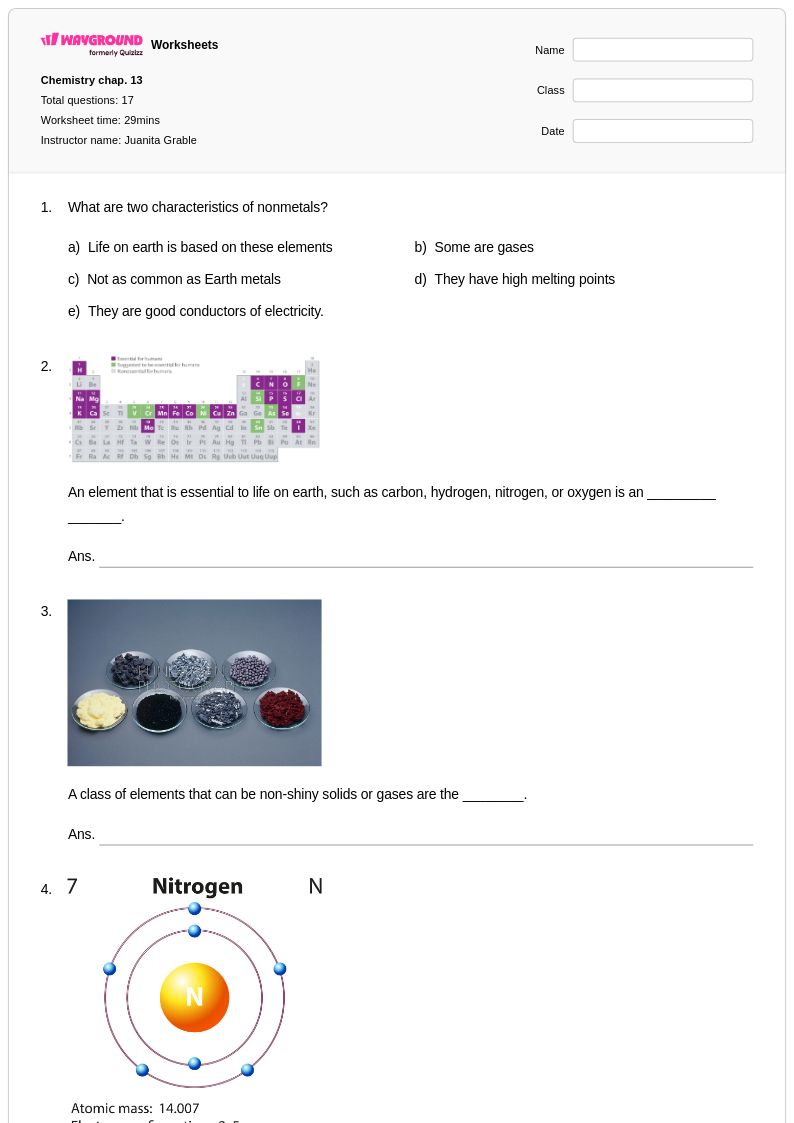
17 Q
1st - 5th
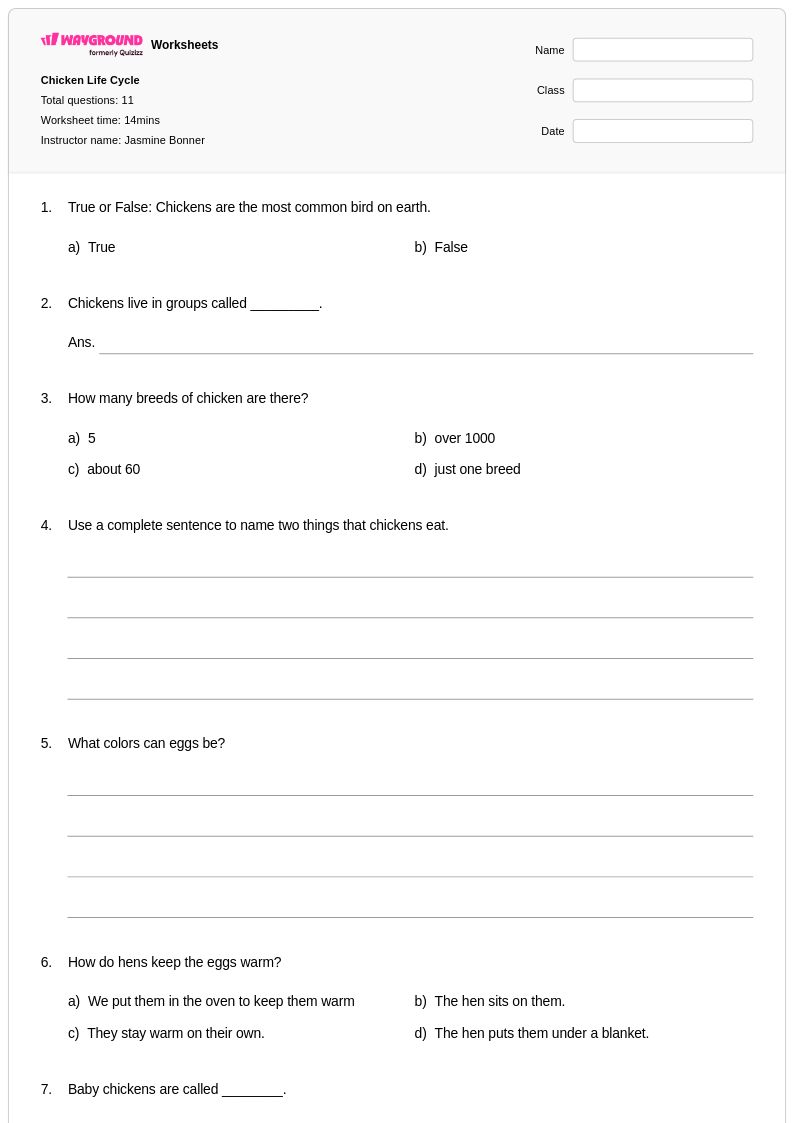
11 Q
2nd
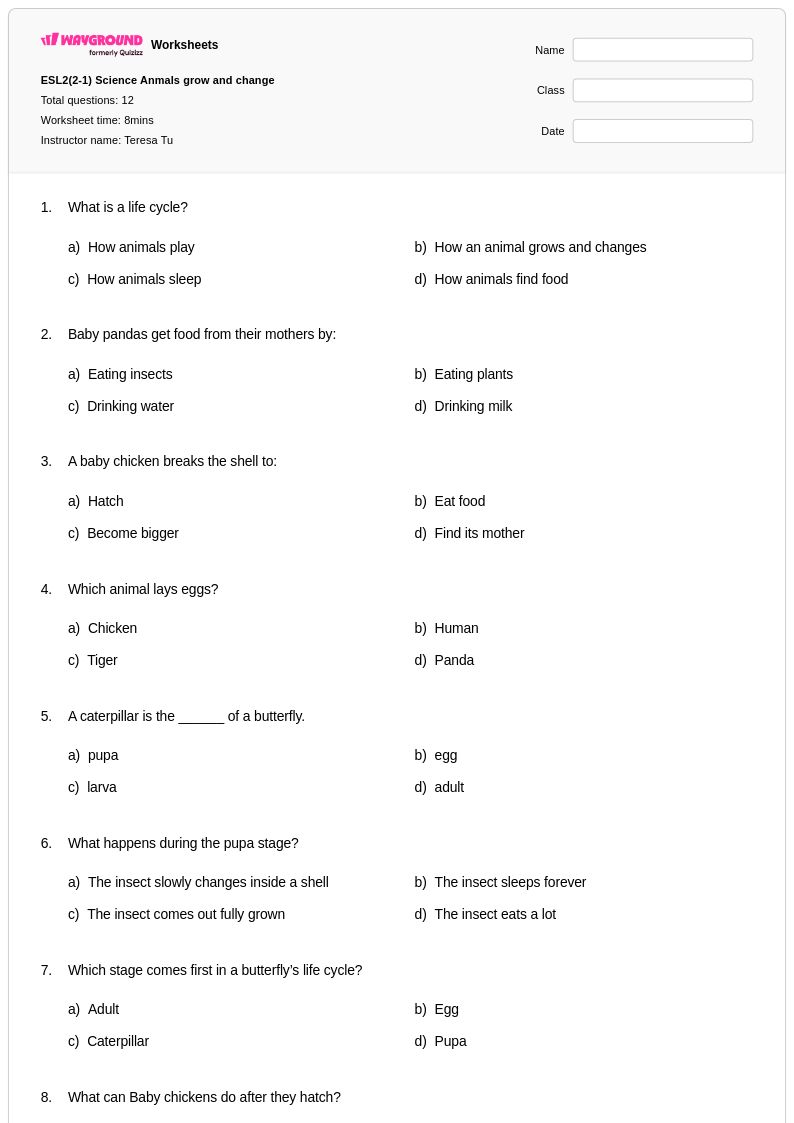
12 Q
2nd
Explore Other Subject Worksheets for class 2
Explore printable Human Life Cycle worksheets for Class 2
Human Life Cycle worksheets for Class 2 students available through Wayground (formerly Quizizz) provide essential foundational learning about the stages of human development from birth through adulthood. These carefully designed educational materials help young learners understand the sequential progression of human growth, including infancy, childhood, adolescence, and adulthood, while developing critical observation and sequencing skills. The worksheets feature age-appropriate activities such as ordering life cycle stages, identifying characteristics of different developmental phases, and comparing human growth to other living organisms. Each worksheet collection includes comprehensive answer keys and is available as free printable pdf resources, making them accessible for both classroom instruction and home practice. The practice problems are specifically crafted to reinforce vocabulary related to human development while encouraging students to make connections between their own experiences and the broader concepts of growth and change.
Wayground (formerly Quizizz) empowers educators with an extensive library of millions of teacher-created Human Life Cycle resources specifically aligned with Class 2 learning objectives and educational standards. The platform's robust search and filtering capabilities allow teachers to quickly locate worksheets that match their specific instructional needs, whether for introducing new concepts, providing remediation for struggling learners, or offering enrichment activities for advanced students. The flexible customization tools enable educators to modify existing worksheets or create differentiated versions that accommodate diverse learning styles and abilities within their classrooms. Available in both printable and digital formats including downloadable pdf files, these resources seamlessly integrate into various teaching environments and lesson planning approaches. Teachers can efficiently organize their Human Life Cycle instruction by accessing materials that support initial concept introduction, skill practice sessions, and comprehensive review activities, ensuring students develop a thorough understanding of human developmental stages.
FAQs
How do I teach the human life cycle to elementary students?
What exercises help students practice identifying human life cycle stages?
What misconceptions do students commonly have about the human life cycle?
How can I differentiate human life cycle instruction for diverse learners?
How do I use Wayground's human life cycle worksheets in my classroom?
How do I assess student understanding of the human life cycle?