
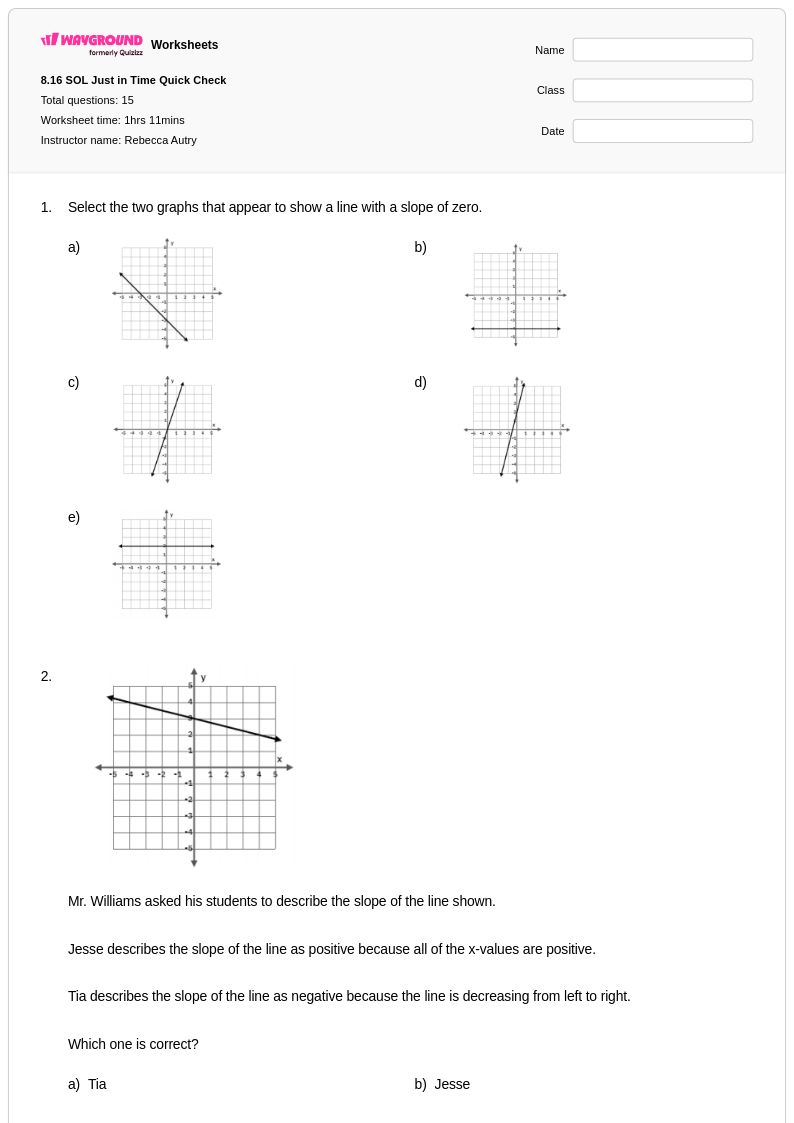
15 Q
6th - 8th
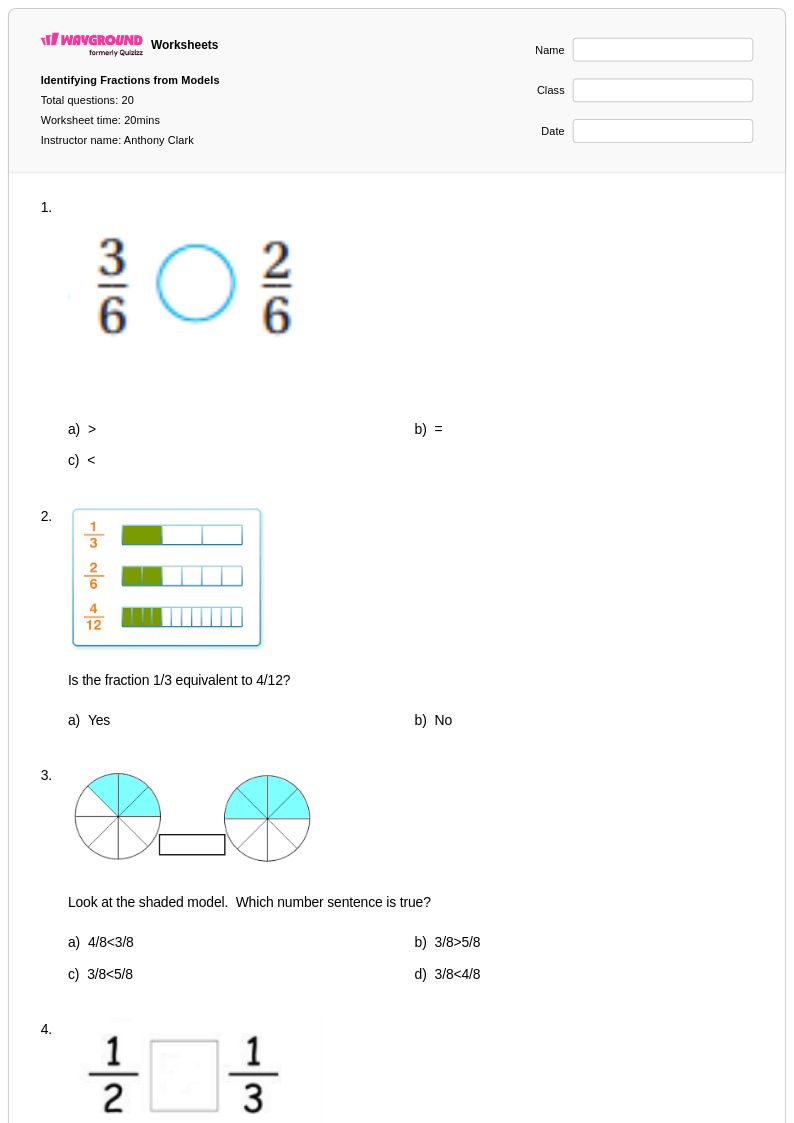
20 Q
4th - Uni
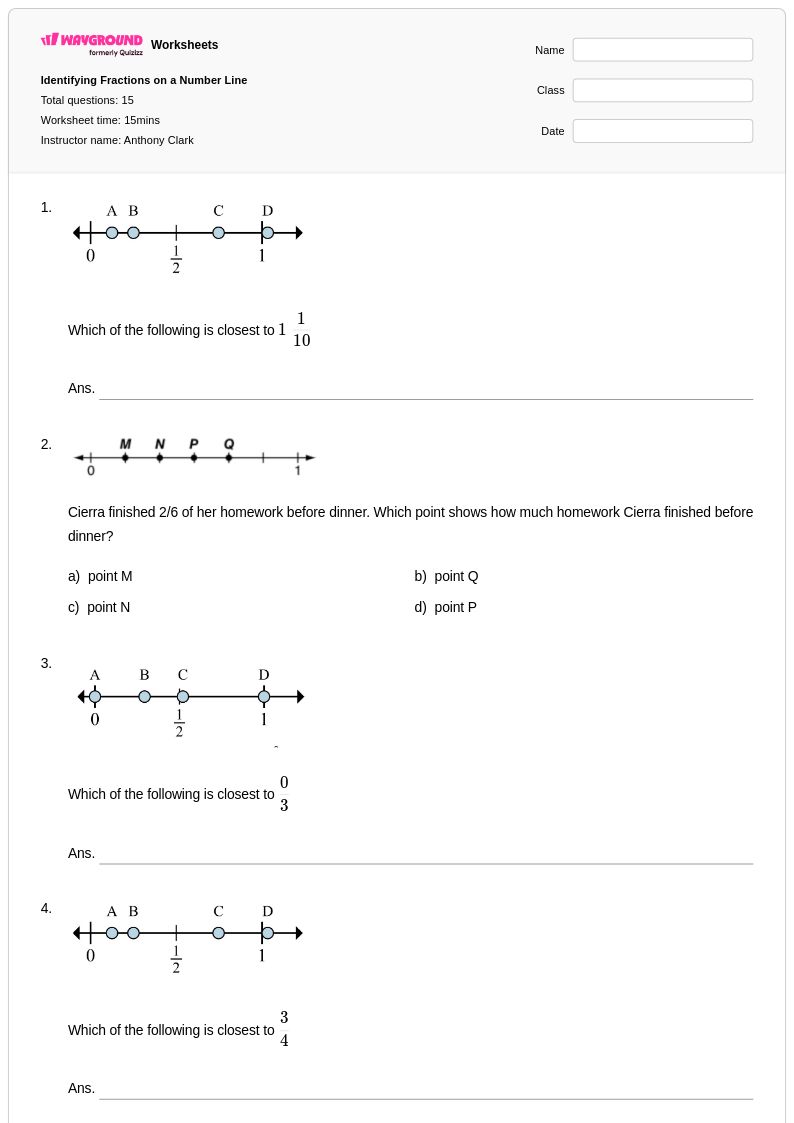
15 Q
3rd - Uni
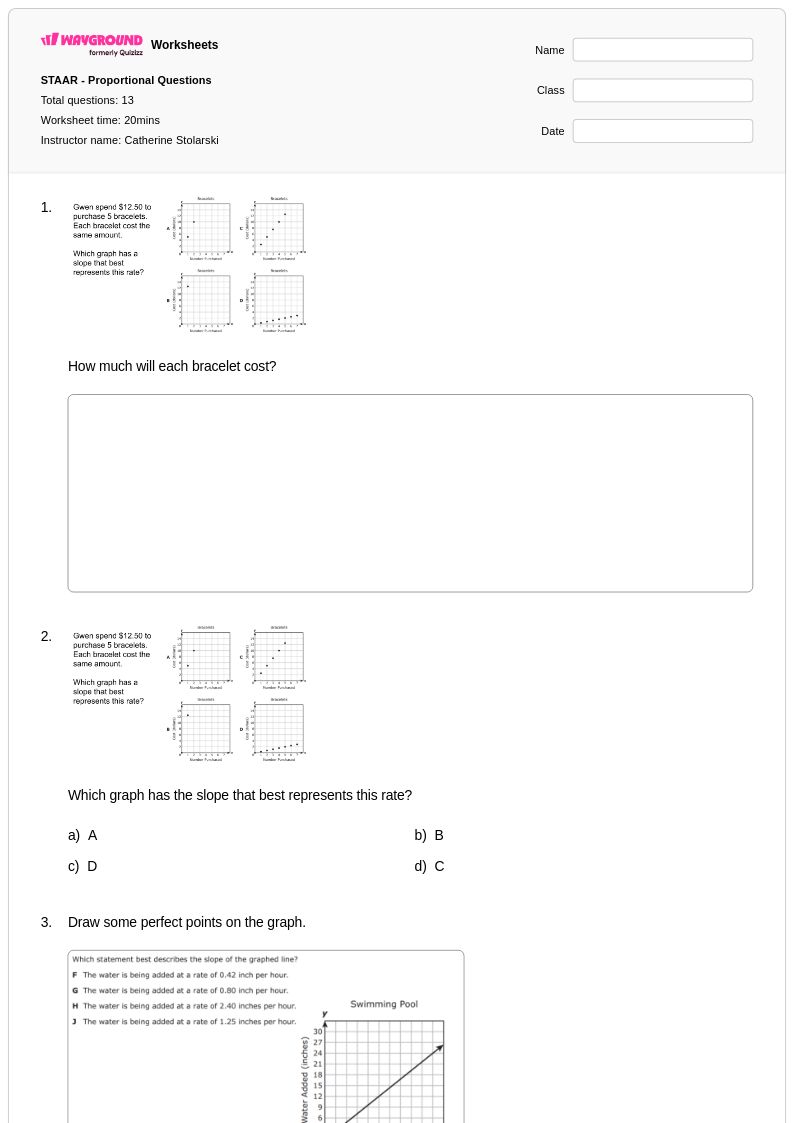
13 Q
6th - 8th
20 Q
5th - Uni
19 Q
6th - 8th
20 Q
6th
23 Q
6th
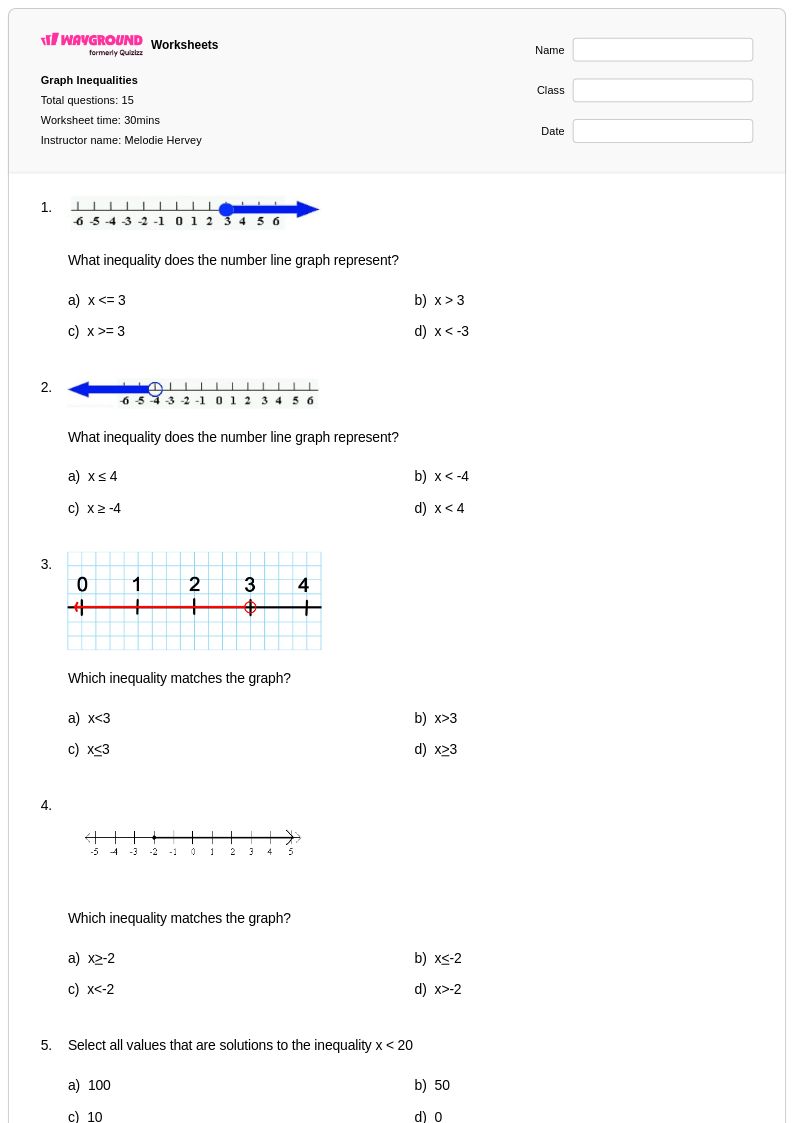
15 Q
6th
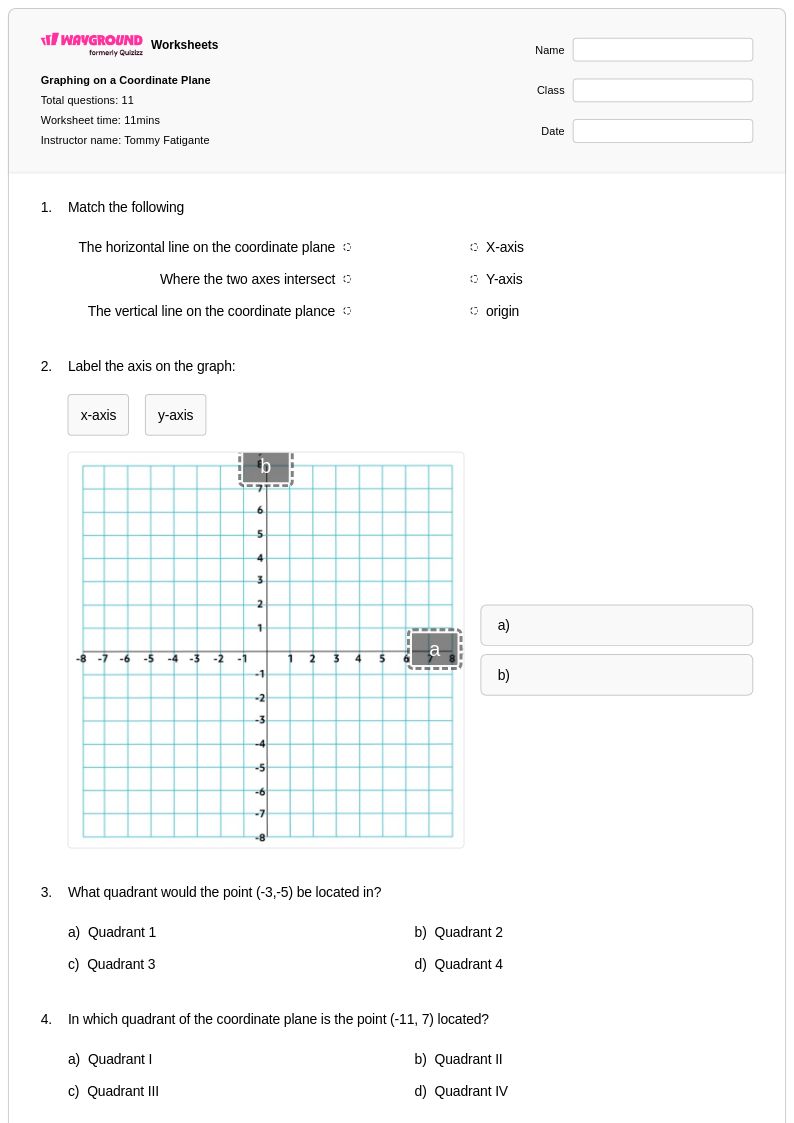
11 Q
6th
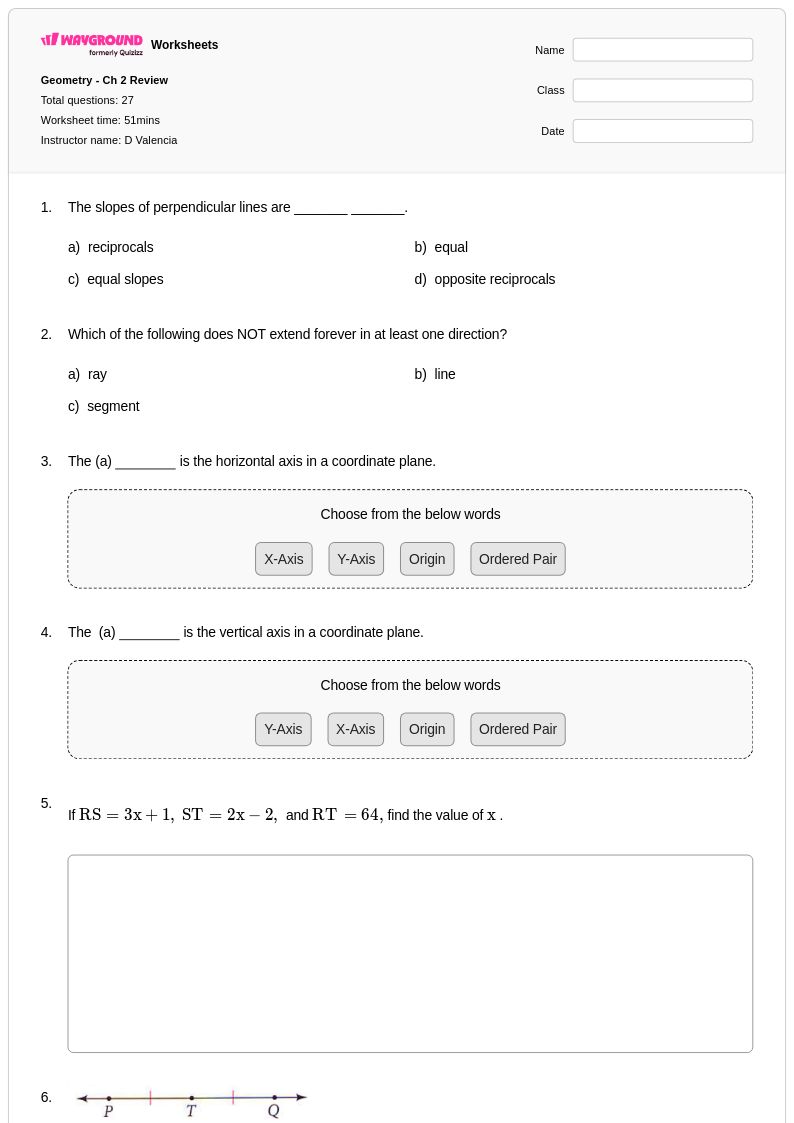
27 Q
6th
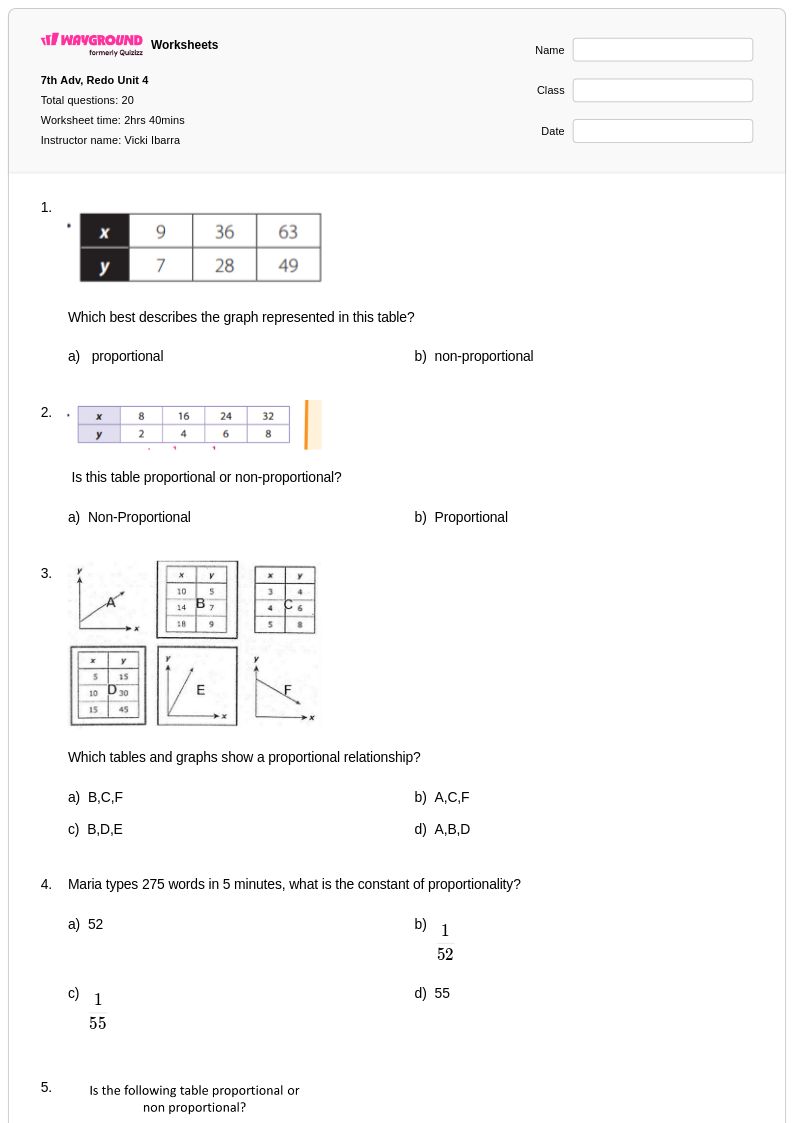
20 Q
6th - 8th
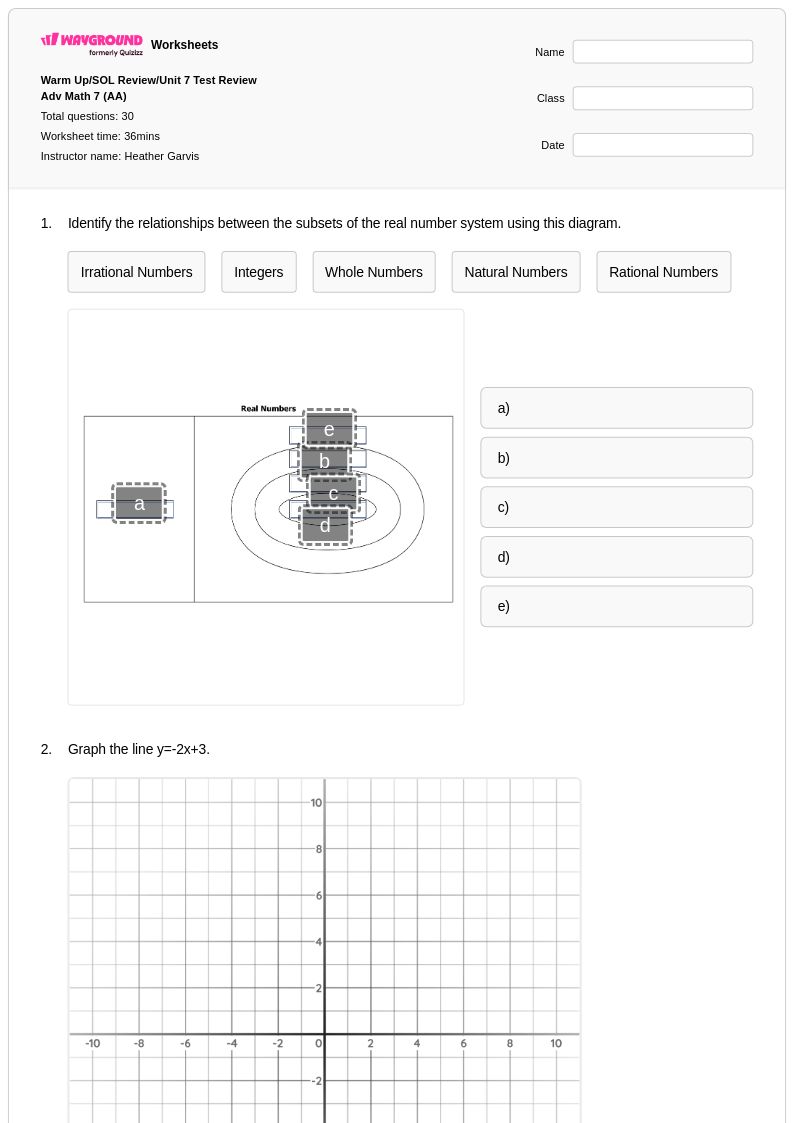
30 Q
6th - 8th
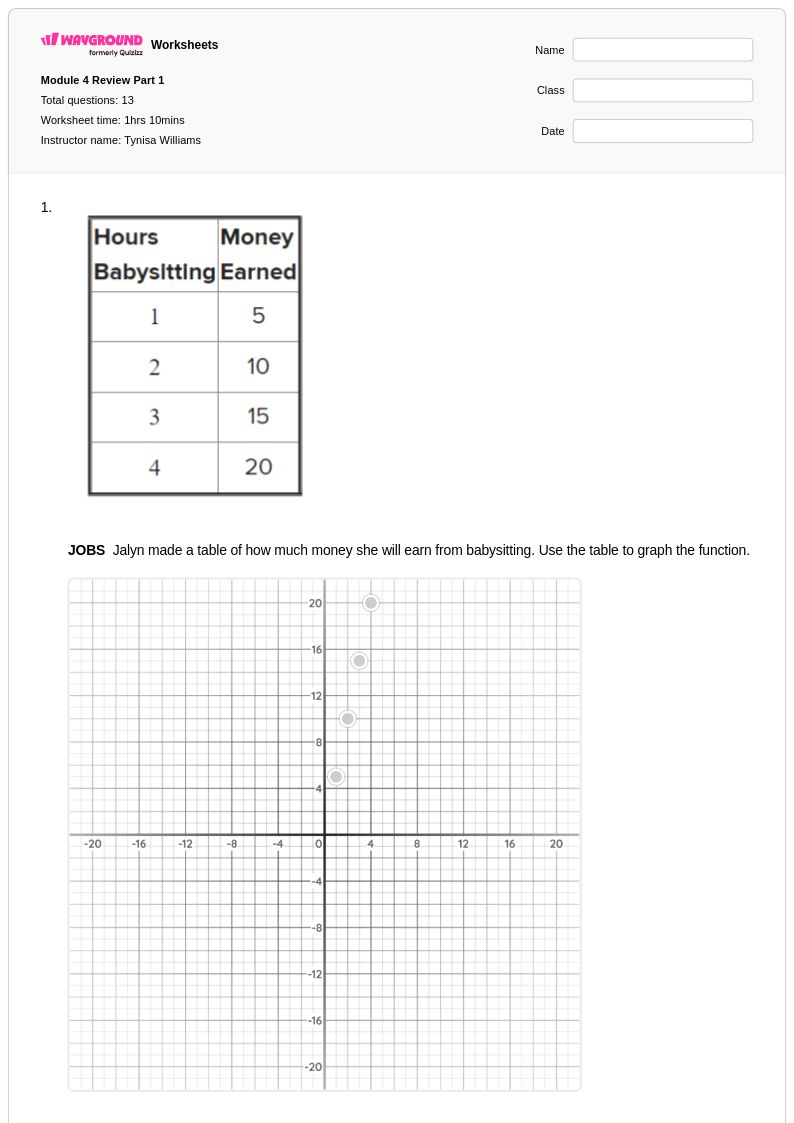
13 Q
6th - 8th
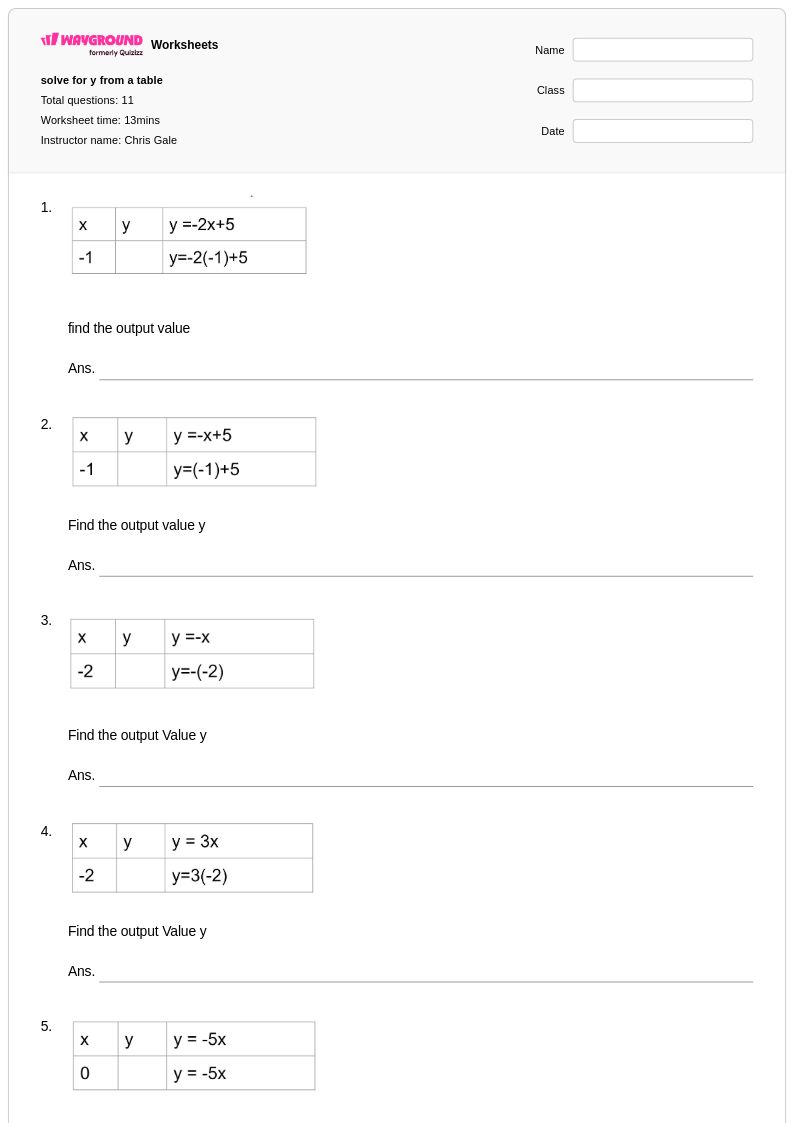
11 Q
6th - 8th
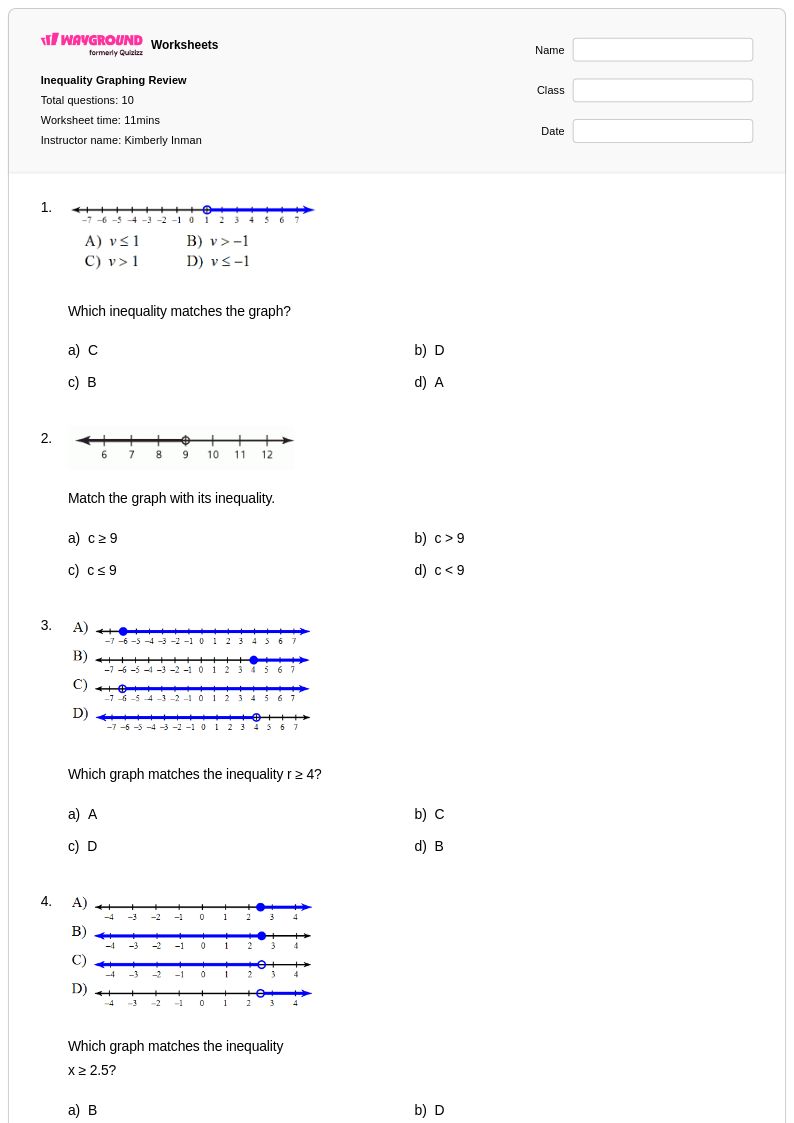
10 Q
6th
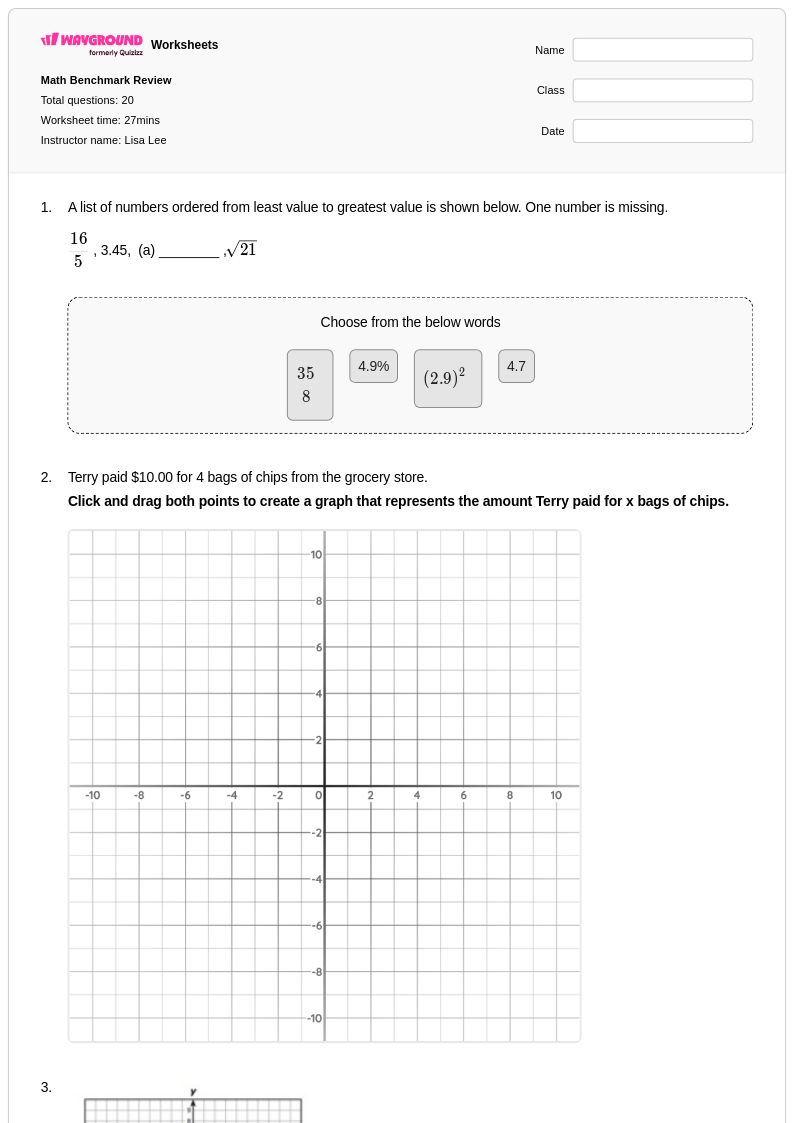
20 Q
6th - 8th
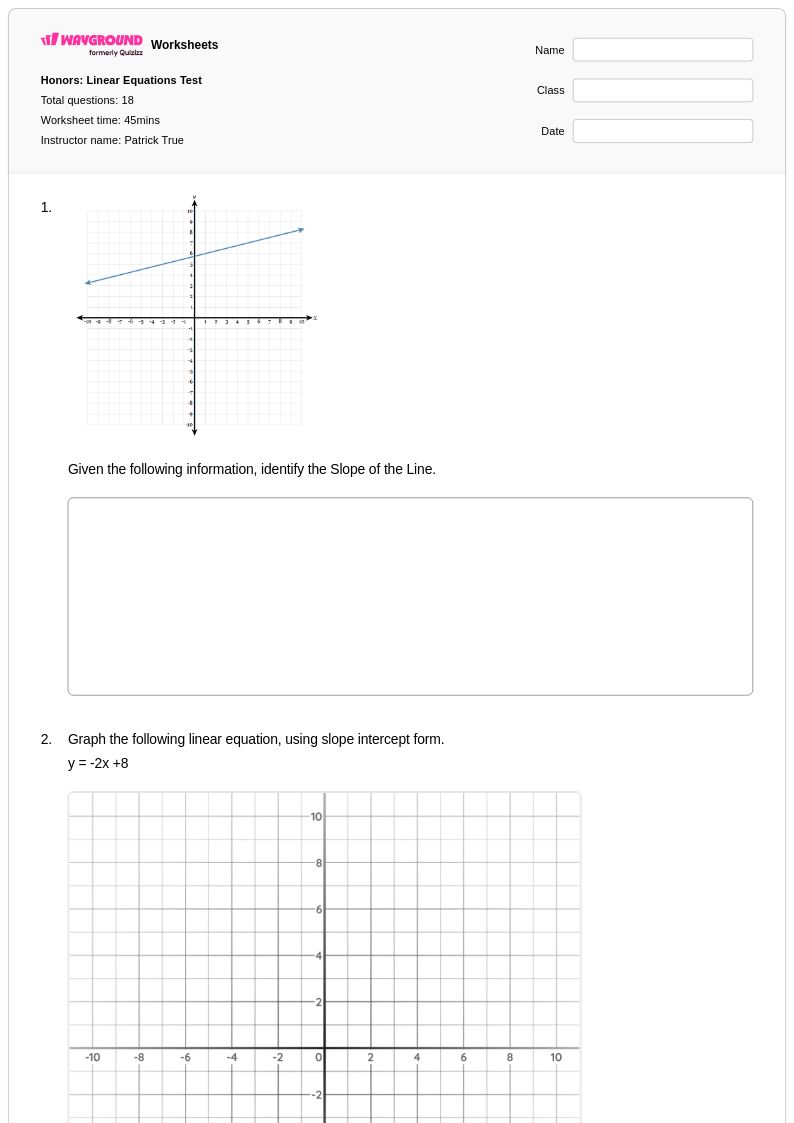
18 Q
6th - 8th
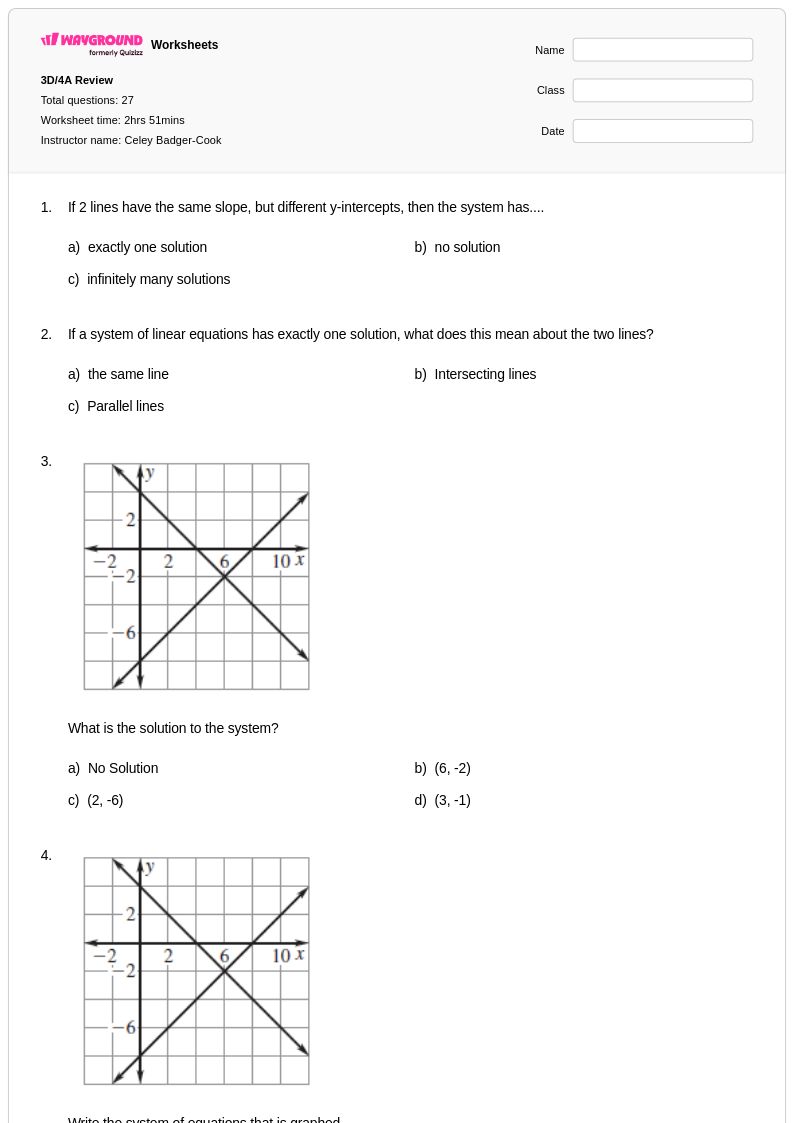
27 Q
6th - 8th
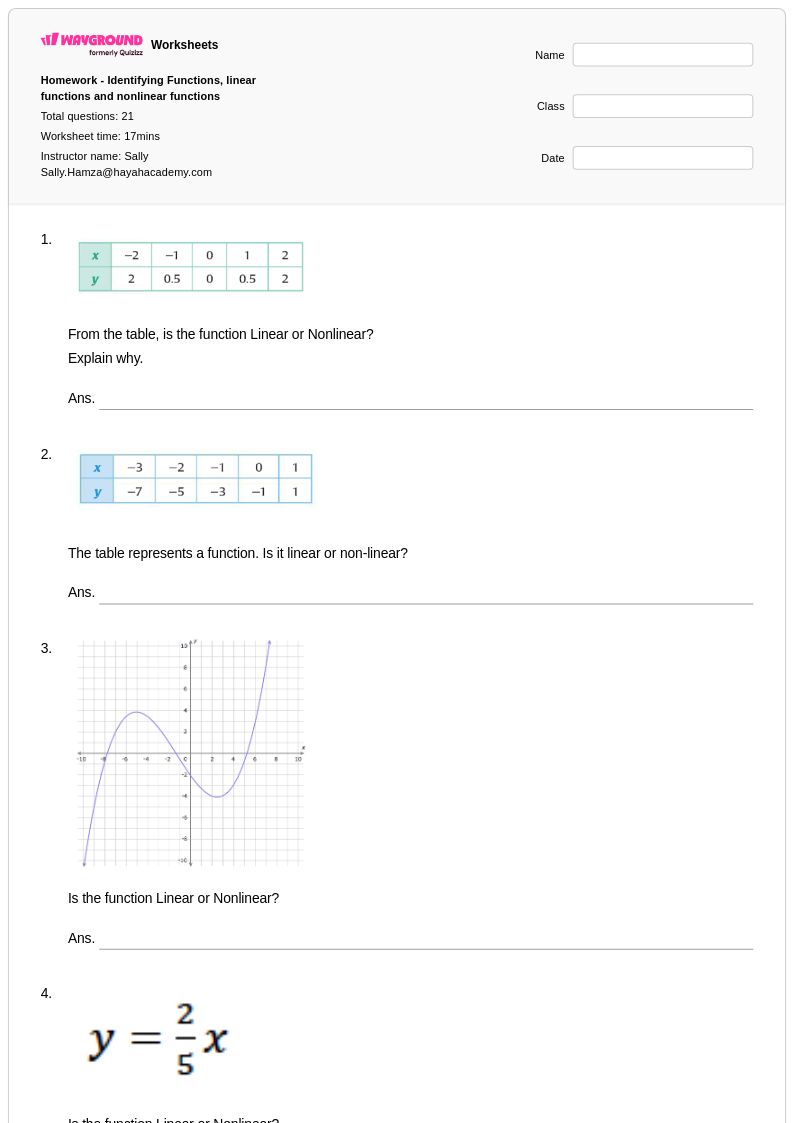
21 Q
6th
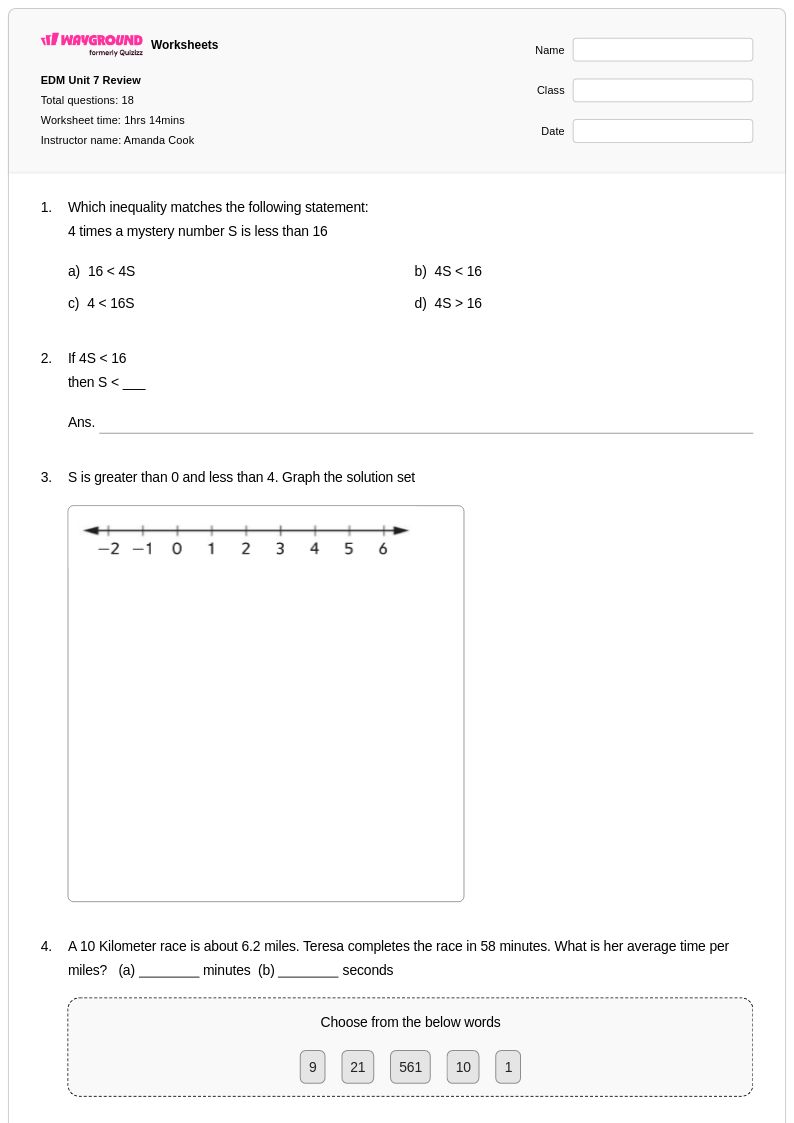
18 Q
6th
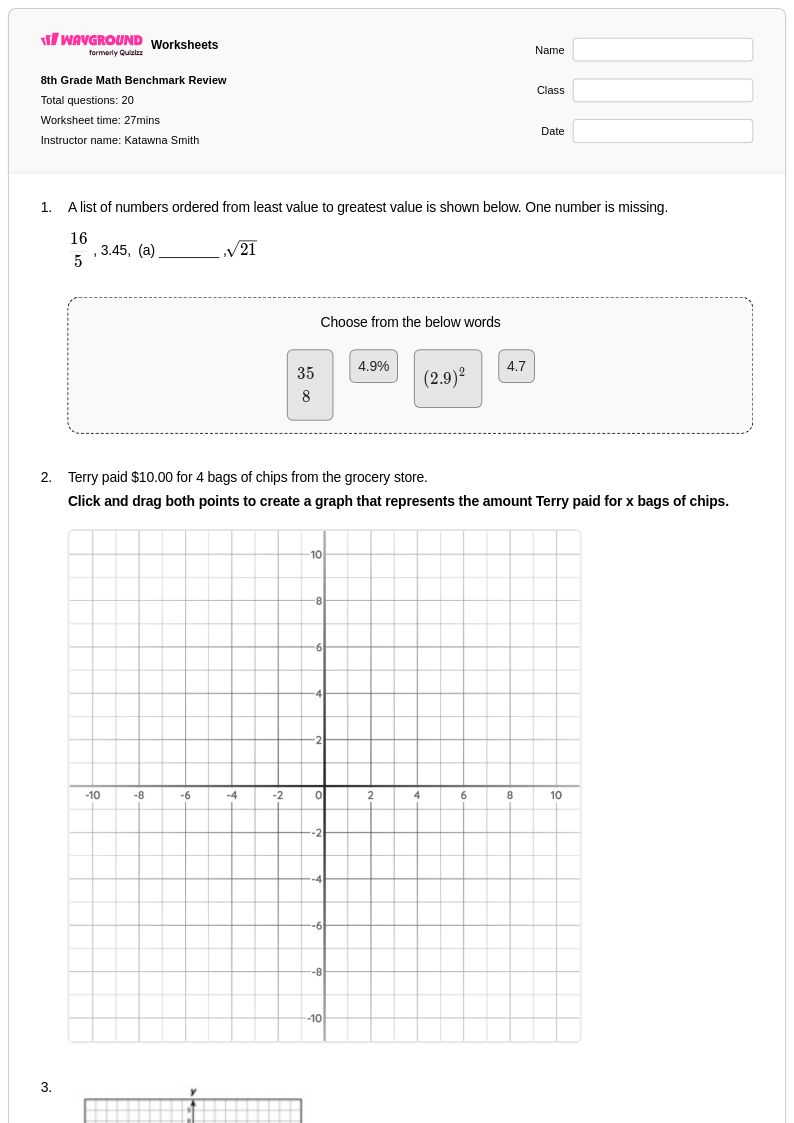
20 Q
6th - 8th
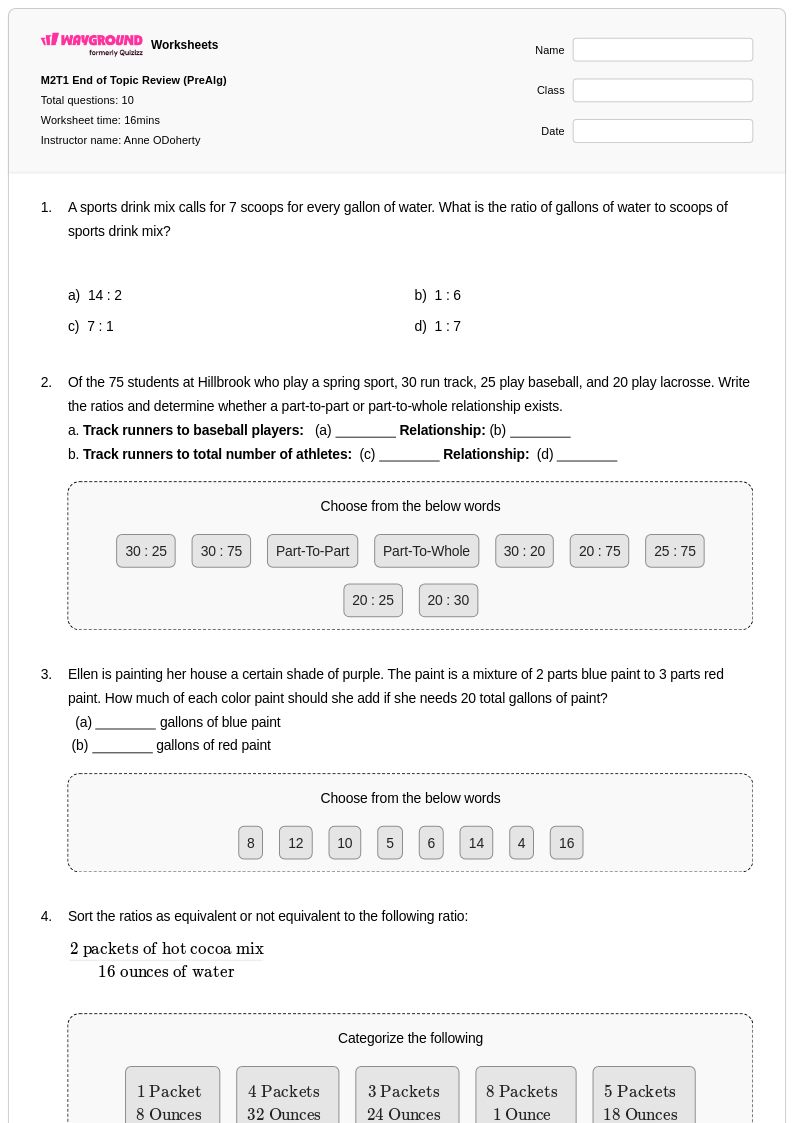
10 Q
6th
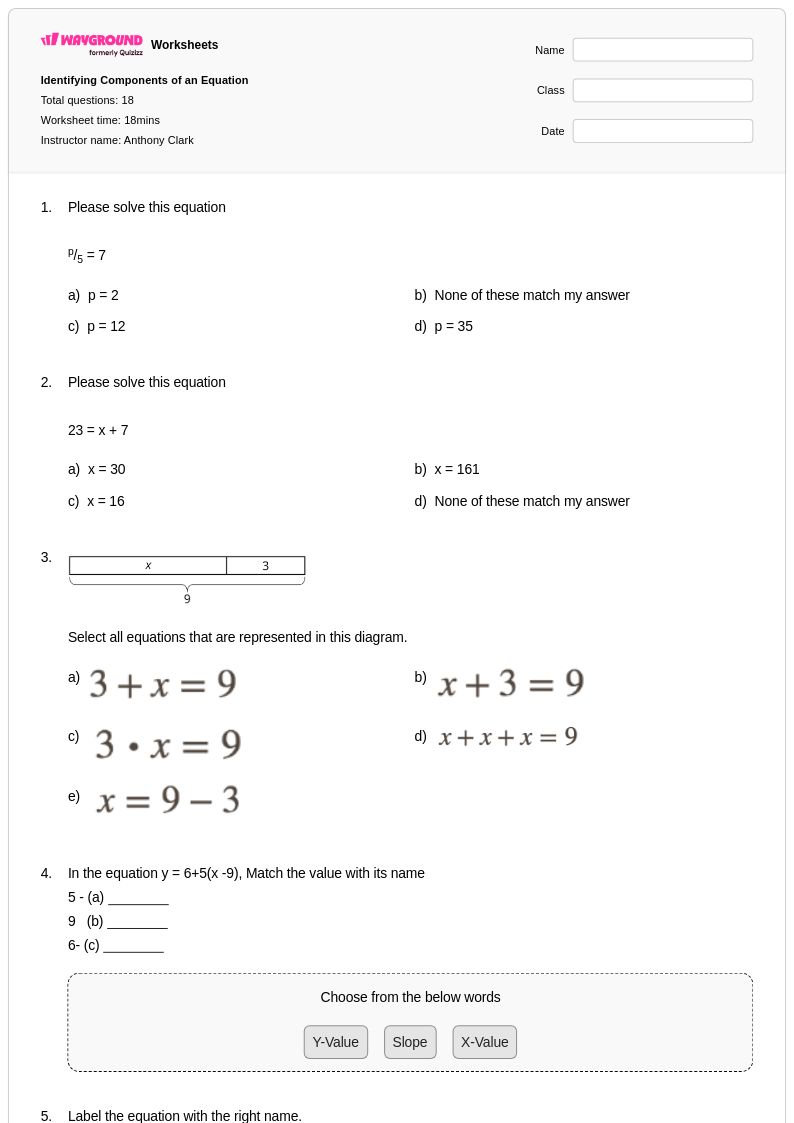
18 Q
6th - Uni
Explore Other Subject Worksheets for class 6
Explore printable Identifying Slope from a Graph worksheets for Class 6
Identifying slope from a graph represents a fundamental skill in Class 6 mathematics that bridges visual interpretation with algebraic reasoning. Wayground's extensive collection of worksheets focusing on this essential concept provides students with systematic practice in recognizing and calculating slope using coordinate points, rise over run relationships, and graphical analysis. These comprehensive resources strengthen students' ability to interpret linear relationships visually while building foundational skills for advanced algebraic concepts. Each worksheet includes detailed answer keys and step-by-step solutions, with free printable pdf formats that make classroom implementation seamless. The practice problems progress from basic slope identification on clearly marked grids to more complex scenarios involving real-world applications, ensuring students develop both computational accuracy and conceptual understanding of how slope represents rate of change in linear equations.
Wayground, formerly Quizizz, empowers educators with millions of teacher-created resources specifically designed to support slope identification instruction and assessment. The platform's robust search and filtering capabilities allow teachers to locate worksheets that align perfectly with curriculum standards while accommodating diverse learning needs through built-in differentiation tools. Teachers can customize existing materials or create personalized worksheet collections that target specific skill gaps, whether for remediation support or enrichment challenges. The flexible format options include both printable pdf versions for traditional classroom use and digital formats for interactive learning environments. This comprehensive approach to resource management streamlines lesson planning while providing educators with the tools necessary to offer targeted skill practice, conduct formative assessments, and support students at every level of mathematical understanding in their journey toward mastering linear equation concepts.
FAQs
What do 6th graders learn about slope?
How should I introduce graphing rates to 6th graders?
What exercises are best for practicing this concept in Grade 6?
What are common misconceptions for 6th graders with this topic?
How can I use this Grade 6 worksheet?
How does this topic align with 6th-grade Common Core standards?